Why Stone for Home Construction Still Matters in Today's World
If you think stone is just some old-school building material—well, you’d be partly right, but only if you think it’s stuck in the past. Stone for home construction holds a timeless appeal and practical value, especially when we look at global housing challenges. Around the world, access to affordable, durable, and sustainable building materials is crucial as urban centers expand and climate change becomes a pressing issue. Stone’s unique characteristics respond well to these demands. Believe it or not, understanding the value of stone-based structures not only helps architects and engineers but also aids humanitarian efforts, especially in regions prone to natural disasters or where modern resources are limited.
### The Global Importance of Stone in Construction
Stone as a home construction material features prominently in global statistics on sustainable building. According to the UN Human Settlements Programme (UN-Habitat), over 1.6 billion people worldwide live in inadequate housing. With rising urbanization predicted to add another 2.5 billion people to cities by 2050, practical, resilient materials like stone become even more important. The World Bank notes that affordable housing demands must align with environmental sustainability goals, something stone achieves quite naturally through its thermal efficiency and longevity. Yet, the bigger picture problem is this: many developing regions struggle to source cost-effective, durable materials that withstand climate challenges. Stone, long overlooked in favor of concrete and steel in modern construction, is quickly reemerging as a solution.
### What Does “Stone for Home Construction” Really Mean?
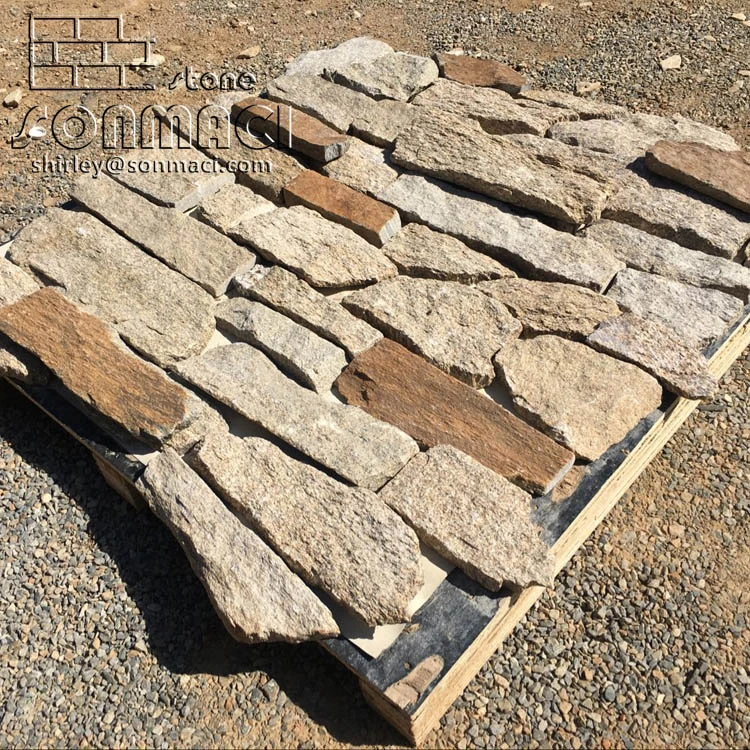
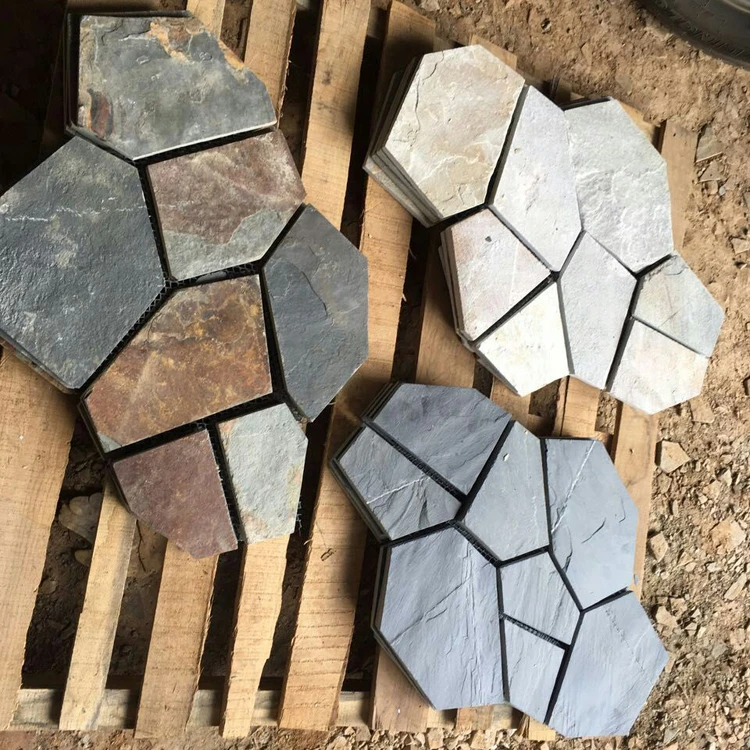
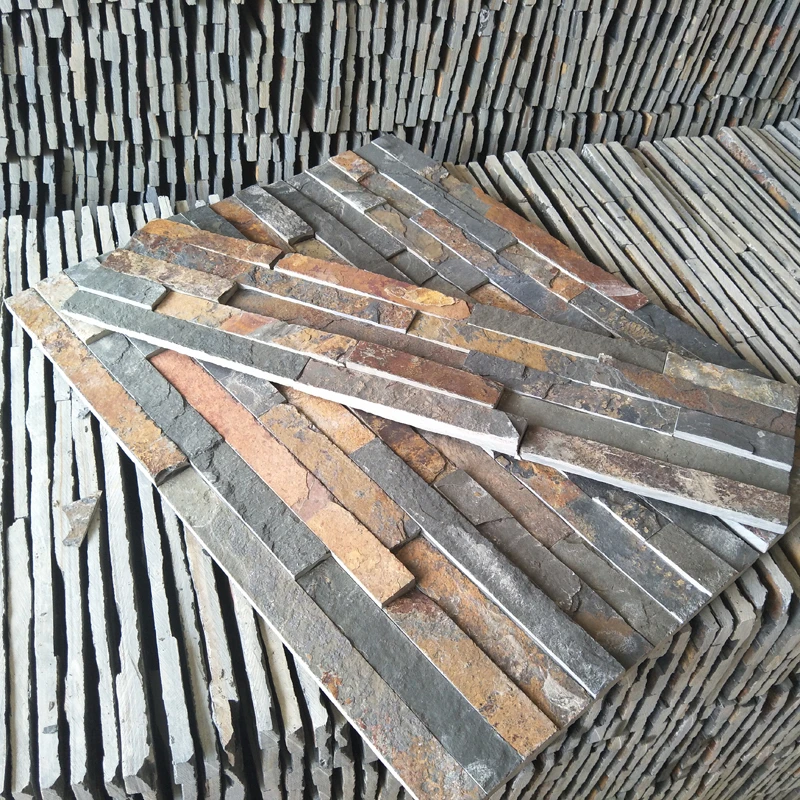
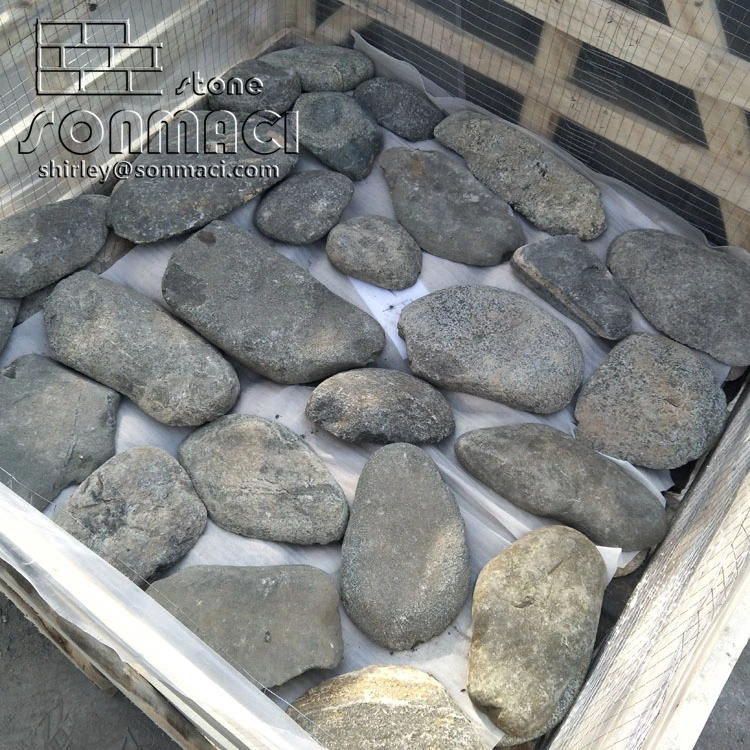
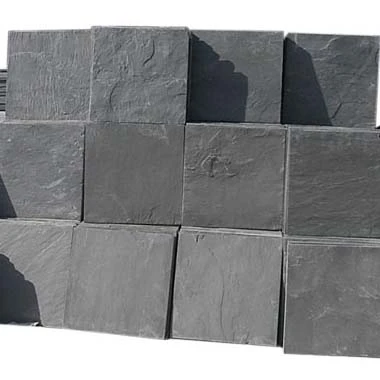
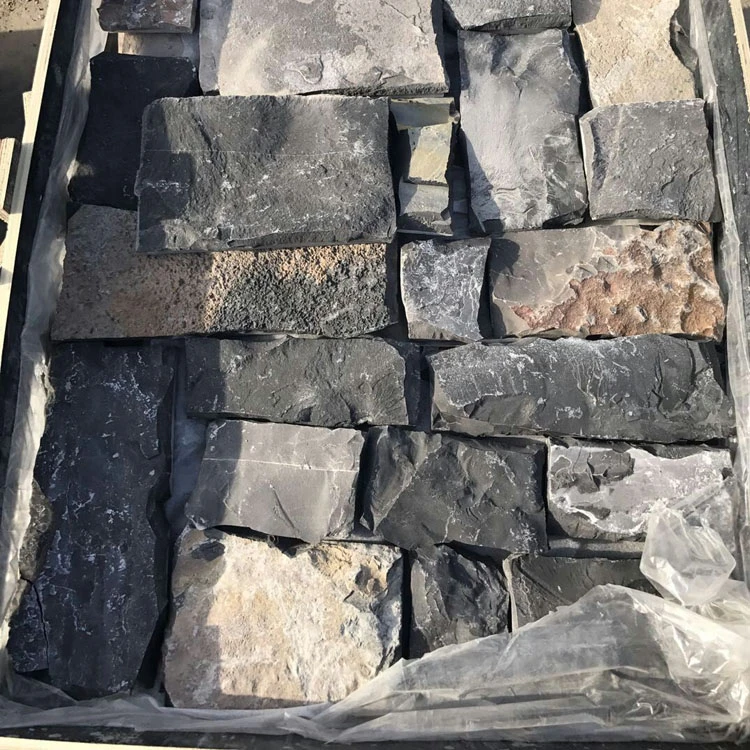
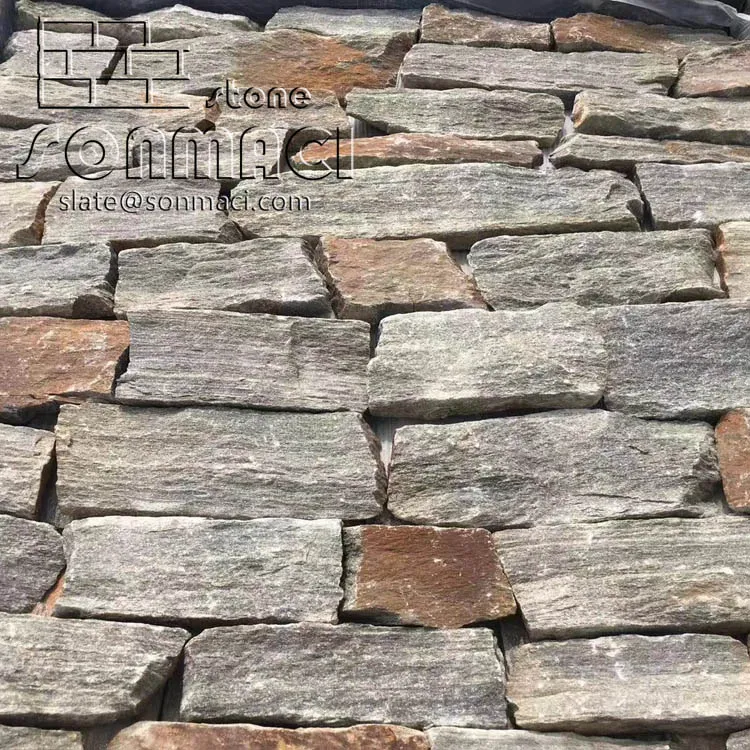
Simply put, stone for home construction means using natural or processed rock materials—granite, limestone, sandstone, and more—to build components of homes such as walls, foundations, and facades. But it’s not just about laying rocks on top of each other. Modern engineering methods have refined how stone integrates with cement, steel reinforcements, and prefabrication, blending tradition with innovation. It also connects deeply to humanitarian contexts—we often see stone-based shelters or buildings in post-disaster zones because of their reliability and availability.
### Key Factors That Make Stone a Winning Choice
#### Durability That Stands the Test of Time
Stone can literally last hundreds of years, making it cost-effective over decades. It's highly resistant to moisture, rot, pests, and fire. Many engineers say that stone-built homes maintain structural integrity far longer than timber or lightweight concrete options.
#### Cost Efficiency Over the Long Run
While the upfront cost of quarrying and shaping stone can be higher, the long-term savings on maintenance and repairs balance out. Plus, stone often comes from local quarries, lowering transportation expenses in many regions.
#### Thermal and Environmental Benefits
Stone naturally moderates indoor temperatures by absorbing heat during the day and releasing it at night. This thermal mass reduces the need for excessive heating or cooling — a critical factor with rising energy costs and global warming.
#### Scalability & Design Flexibility
Gone are the days when stone homes all looked the same or were hard to customize. Modern cutting and finishing technologies allow intricate shapes and smooth surfaces, letting architects create varied, scalable housing solutions.
#### Eco-Friendliness & Sustainability
Unlike some synthetic materials, stone is natural and doesn’t emit harmful chemicals. Many building codes today even encourage the use of locally sourced natural stone to reduce carbon footprints, in line with ISO 14001 environmental management standards.
### Mini Takeaway:
Stone's resilience, natural comfort, and cost-effectiveness create an ideal synergy for sustainable housing — the kind many parts of the world desperately need.
### Real-World Applications of Stone in Home Construction
You’ll find stone playing diverse roles globally. In Mediterranean and Alpine regions, it’s part of the architectural identity and climate-smart design. Post-earthquake recovery in Nepal and parts of Turkey often leans on locally quarried stone — carefully engineered for seismic resistance. Remote industrial zones in Canada and Russia use stone as reliable barriers against extreme cold and winds.
Even NGOs working in refugee camps turn to stone for durable shelters, sometimes combining it with modern materials for fast deployment. What strikes me is how adaptable stone really is, whether it’s used in luxury villas or emergency housing. They’re all fundamentally connected through the material’s inherent strength and availability.
### Stone for Home Construction: Key Specifications at a Glance
| Specification |
Typical Range/Value |
Notes |
| Compressive Strength |
30 - 200 MPa |
Varies widely by stone type |
| Thermal Conductivity |
1.3 - 3.5 W/m·K |
Lower values = better insulation |
| Density |
2200 - 2800 kg/m³ |
Impacts weight/load on foundation |
| Water Absorption |
0.1 - 1.5% |
Low absorption means better weather resistance |
### Long-Term Benefits: What Makes Stone a Smart Choice
Cost savings over time are obvious, but there’s more to it. Stone conveys an emotional sense of permanence and safety — a feeling that you’re really “built to last." Architecturally, it increases the dignity of structures; it's a material humans have trusted for millennia. Environmentally, it’s a low-waste option, especially when combined with modular designs. Socially, durable homes mean communities don’t need to rebuild again and again after disasters—this fosters resilience and hope.
### Vendors at a Glance: Stone Providers Worth Noting
| Vendor |
Product Range |
Sustainability Certifications |
Delivery Reach |
| Sonmaci Stone Co. |
Granite, Limestone, Sandstone blocks & slabs |
ISO 14001, LEED Compatible |
Global (specializes in Asia & Europe) |
| EarthStone Ltd. |
Cut-to-measure tailored stone panels |
FSC Certified Quarries |
North America & Europe |
| Global Rock Suppliers |
Broad variety with eco-packaging options |
Carbon-neutral logistics |
Global, focus on Africa & South America |
### Emerging Trends in Stone Construction
On the innovation front, several trends are shaping the future. Digital stone cutting using CAD/CAM software allows precision and less waste. Combining stone with green energy designs—think solar-inlaid stone walls or passive heat regulation—is growing fast. Automation in quarrying and fabrication streamlines supply chains too. Finally, legislation around sustainability often promotes stone because of minimal processing needed compared to synthetic materials.
### Common Challenges and How Experts Tackle Them
Stone isn’t without its quirks. Weight is a major structural concern; foundations must be engineered thoughtfully. Also, quarrying can damage ecosystems if unmanaged. But environmental certifications, alongside advances in lightweight composite stone panels, address these issues. Several multilingual NGO groups working in disaster zones have established partnerships with stone suppliers offering fast customs clearance and modular stone panel kits, turning what felt like a logistical nightmare into manageable solutions.
### FAQ: Your Questions Answered
Q: How does stone compare to concrete in earthquake-prone areas?
A: Properly reinforced stone masonry can perform excellently in seismic zones and often better than unreinforced concrete. Modern engineering techniques combine flexibility and strength, allowing stone homes to withstand tremors effectively.
Q: Is natural stone more expensive than brick for home construction?
A: The upfront cost can be higher for stone due to quarrying and finishing processes. However, stone’s durability and lower maintenance reduce costs over a building’s lifespan, often making it more economical in real terms.
Q: Can stone homes be constructed quickly in emergency situations?
A: Yes, especially with pre-cut or modular stone components. Some companies supply fast-deploy stone panels specifically for humanitarian relief, marrying the benefits of stone’s durability with quick assembly.
Q: Are stone materials environmentally friendly?
A: Absolutely. Natural stone is abundant and requires minimal chemical treatment. Using locally sourced stone further cuts down transportation emissions, aligning with sustainability goals.
Q: How do NGOs source stone internationally?
A: Many NGOs partner with vendors experienced in international logistics and clearance, ensuring compliance with customs and local building codes. Digital ordering platforms simplify procurement.
### Wrapping Up: Stone for Home Construction Looking Ahead
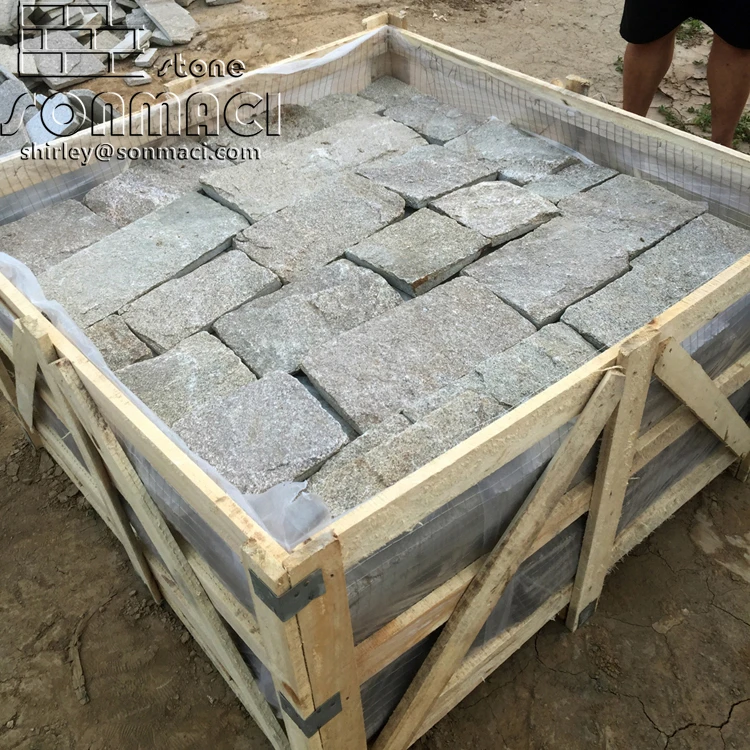
Stone’s classic strength combined with modern technology makes it a quietly powerful choice for housing worldwide. It’s sustainable, durable, and increasingly versatile, ticking many boxes for today’s housing challenges. For those wanting to delve deeper or source quality materials, don’t hesitate to visit Sonmaci Stone — your go-to for
stone for home construction with a global reach and a sustainability focus.
---
### Mini Reflection:
It’s fascinating how something as simple as stone continues to evolve with the times—adaptable yet ancient. In a world racing toward digital everything, stone reminds us that some solutions really do stand the test of time.
---
### References
1. UN-Habitat. “The Challenge of Slums: Global Report on Human Settlements.” 2020.
2. World Bank Housing Data. “Affordable Housing and Sustainability Trends,” 2023.
3. ISO 14001 Environmental Management Standard. International Organization for Standardization.