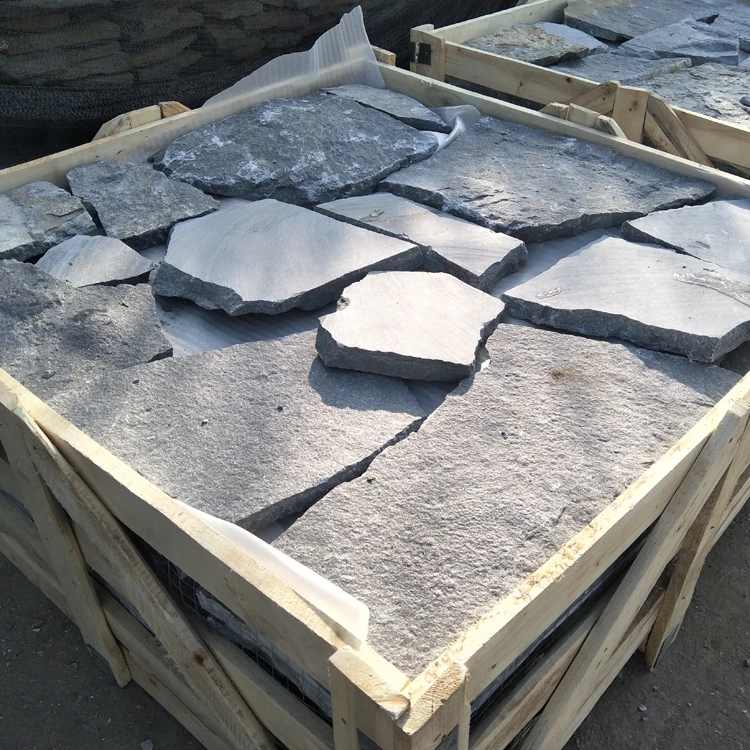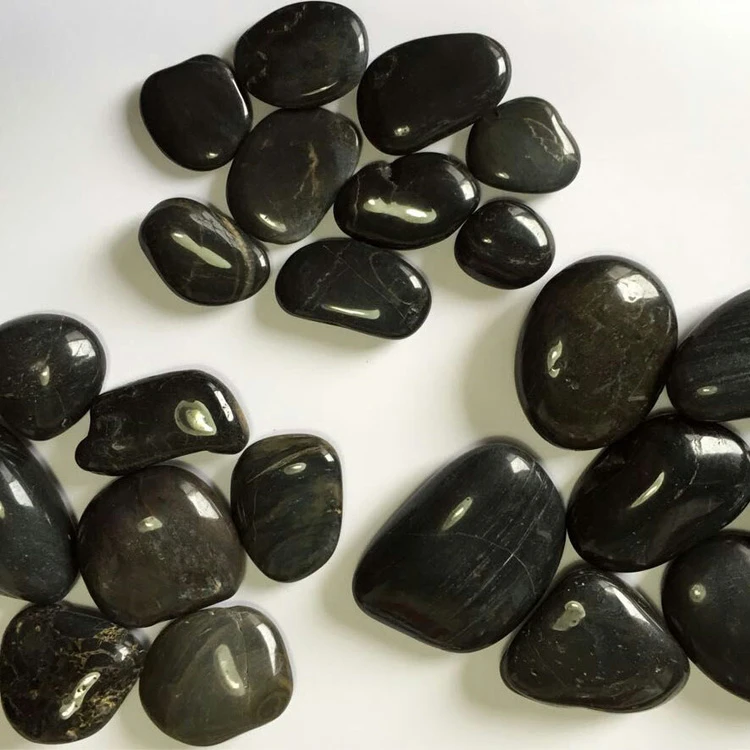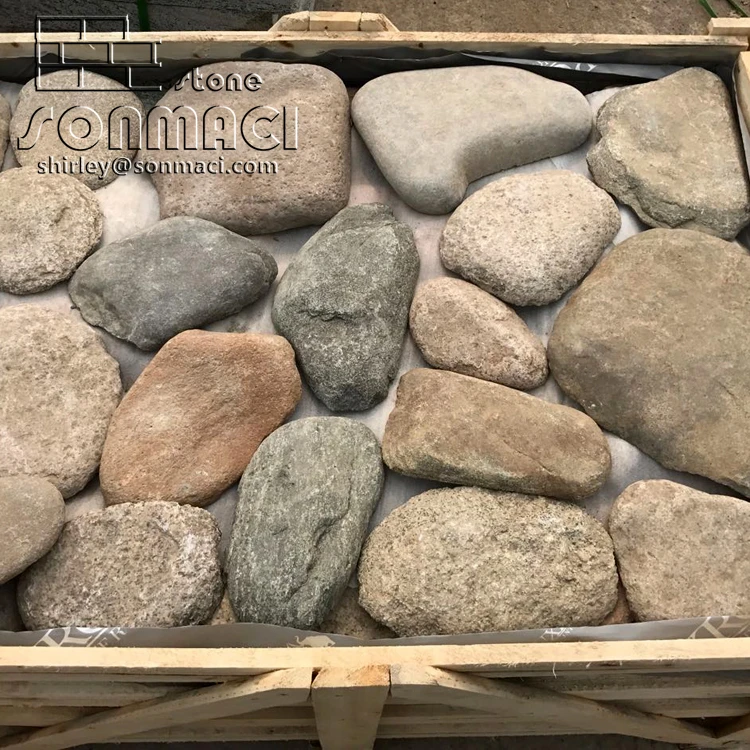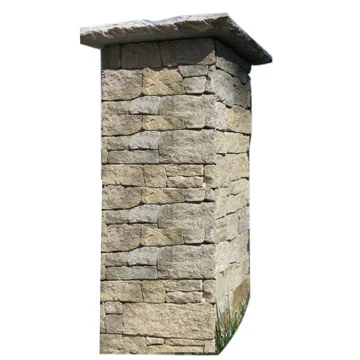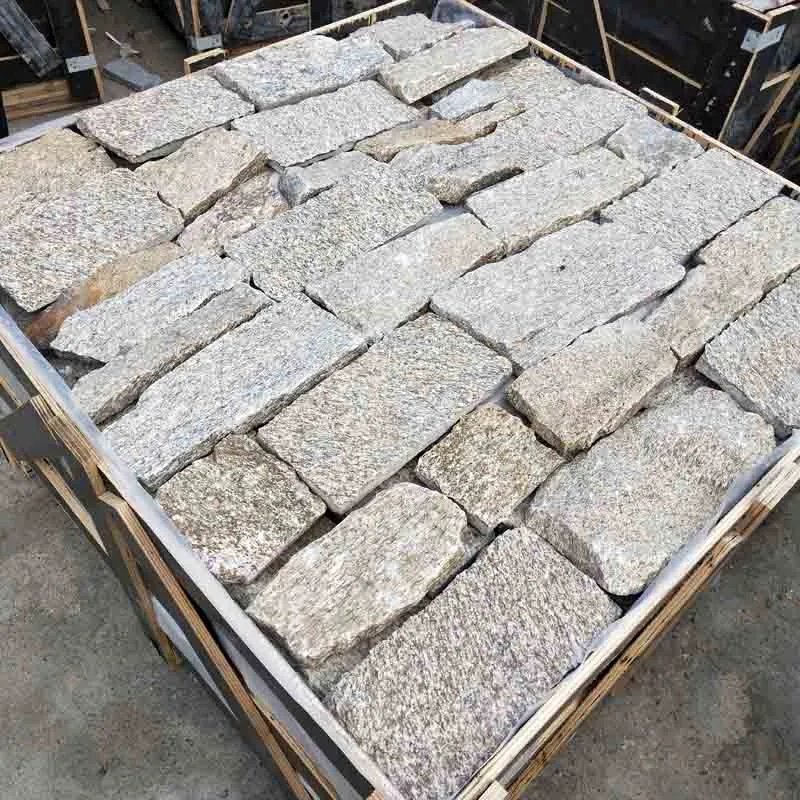
Durable and Sustainable Stone for Exterior House Walls | Timeless Building Material
Understanding Stone for Exterior House Walls: A Timeless Solution
Stone for exterior house walls has long held a place of honor in construction — not just as a practical building material but as a symbol of permanence, durability, and natural beauty. Globally, as urbanization pushes us toward faster, cheaper homes, the age-old appeal of stone carries on, grounded in tangible benefits that still matter: resilience against weather, low maintenance, and an aesthetic that many manufacturers and builders strive for but seldom replicate with artificial alternatives.
Whether you're a contractor, architect, or just curious about enduring building materials, understanding stone for exterior house walls offers insights into sustainable construction, climate adaptability, and even cultural legacy. Plus, with new innovations blending tradition and tech, stone is far from being a relic — it’s reshaping how we think of homes that last generations.
The Global Context: Why Stone Matters in Today’s Construction Market
According to data from the United Nations and the International Organization for Standardization (ISO), demand for durable and sustainable building materials is soaring worldwide. Roughly 35% of global energy consumption is linked to building operations, meaning materials that reduce maintenance and boost insulation aren't just trendy—they're vital for meeting climate goals.[1] Stone, naturally dense and weather-resistant, helps lower this impact by offering thermal mass that stabilizes indoor temperatures without chemical additives or complex technology.
However, there’s a challenge: many modern builders shy away from stone because of perceived labor intensity and cost. Here’s where knowledge about stone for exterior house walls comes in—it bridges timeless qualities with contemporary needs, helping solve the dilemma of longevity vs. upfront expenses.
Defining Stone for Exterior House Walls
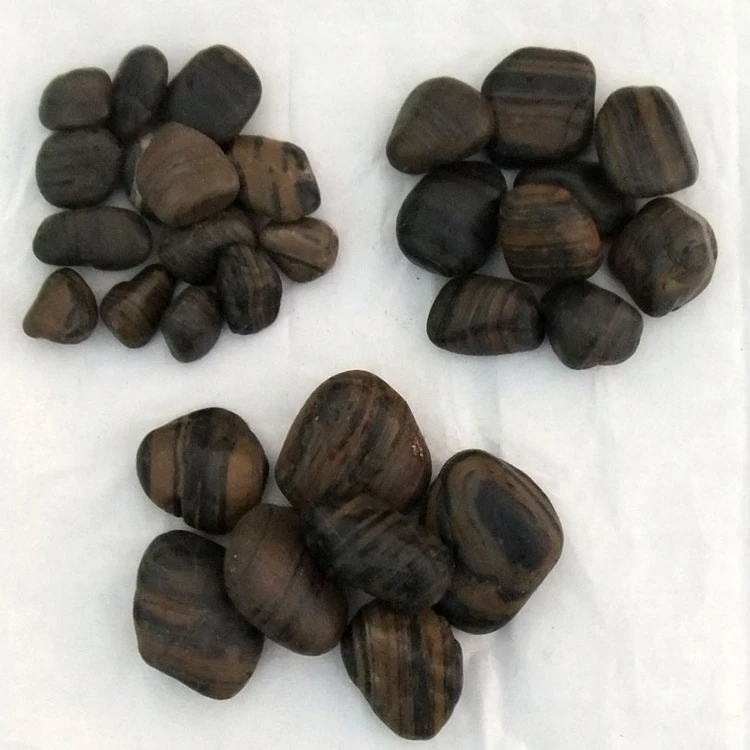
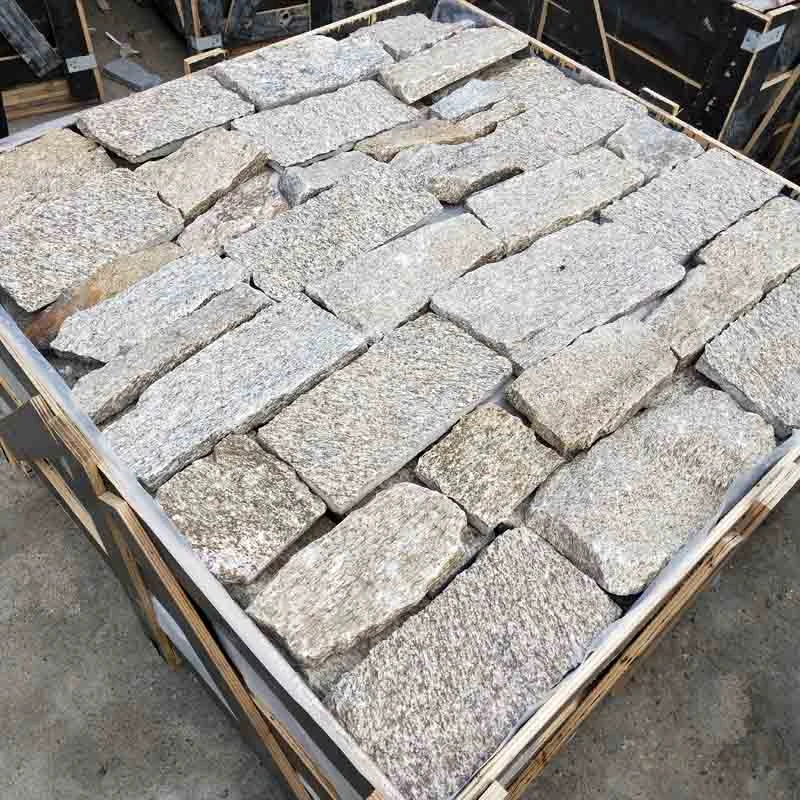
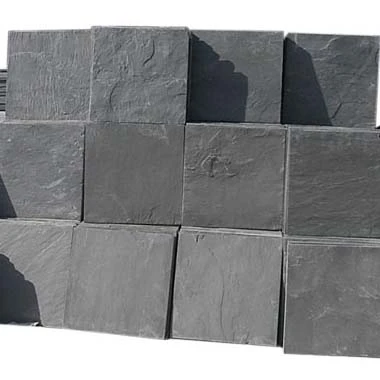
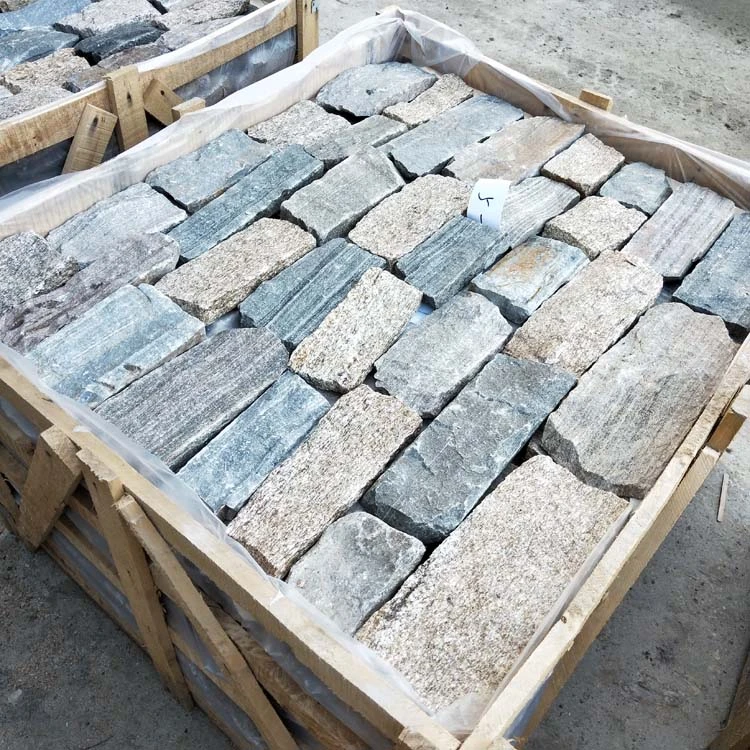
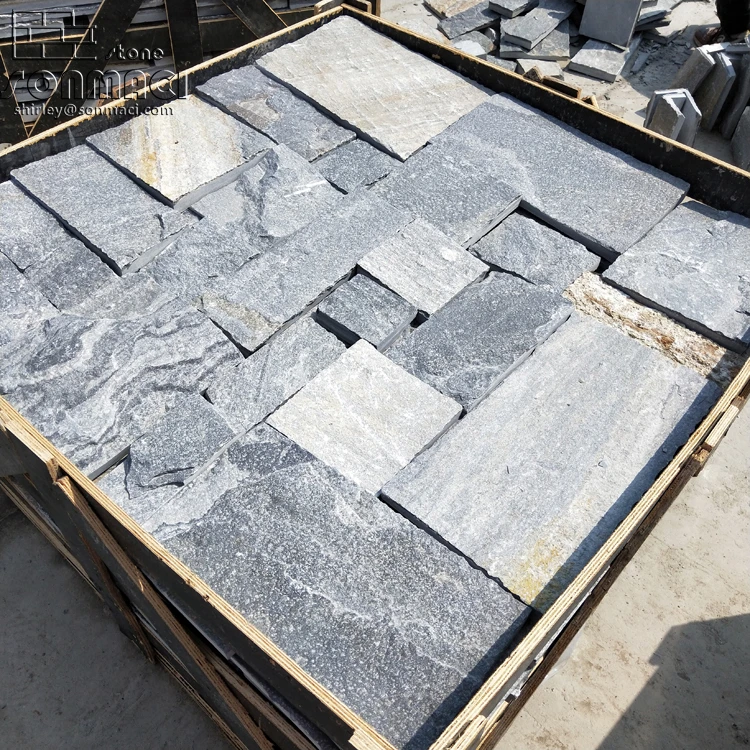
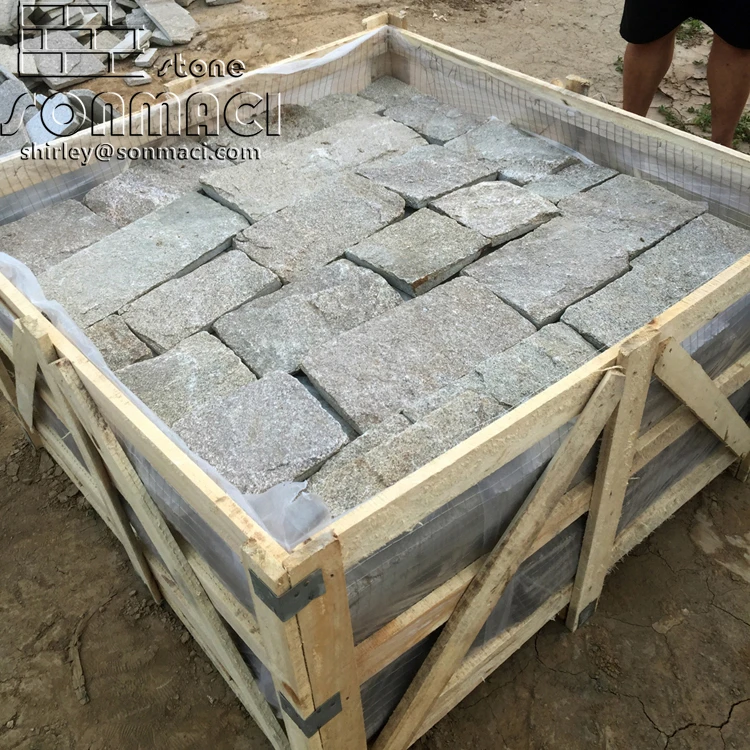
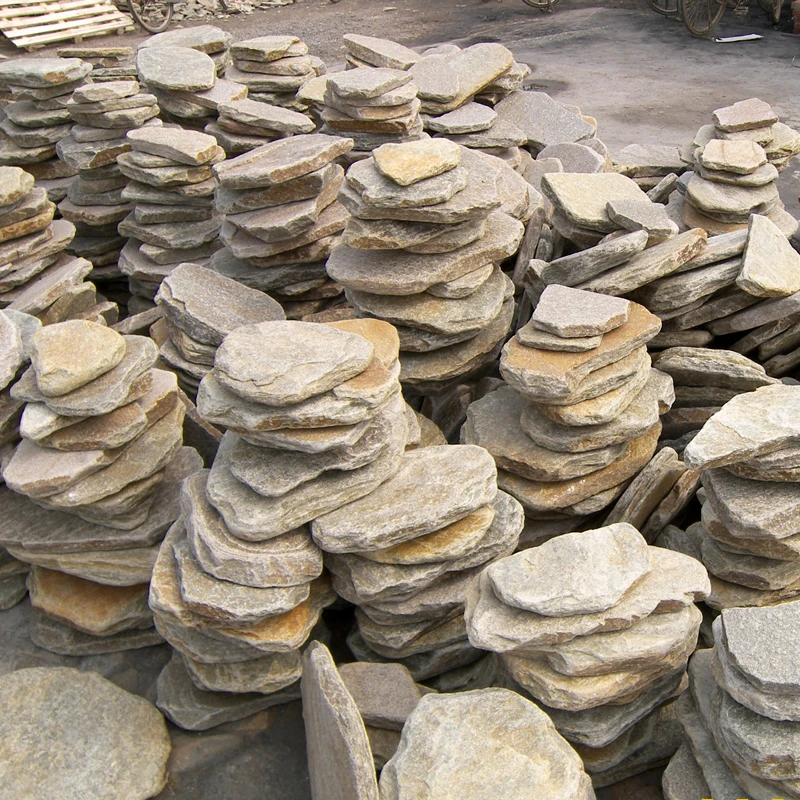
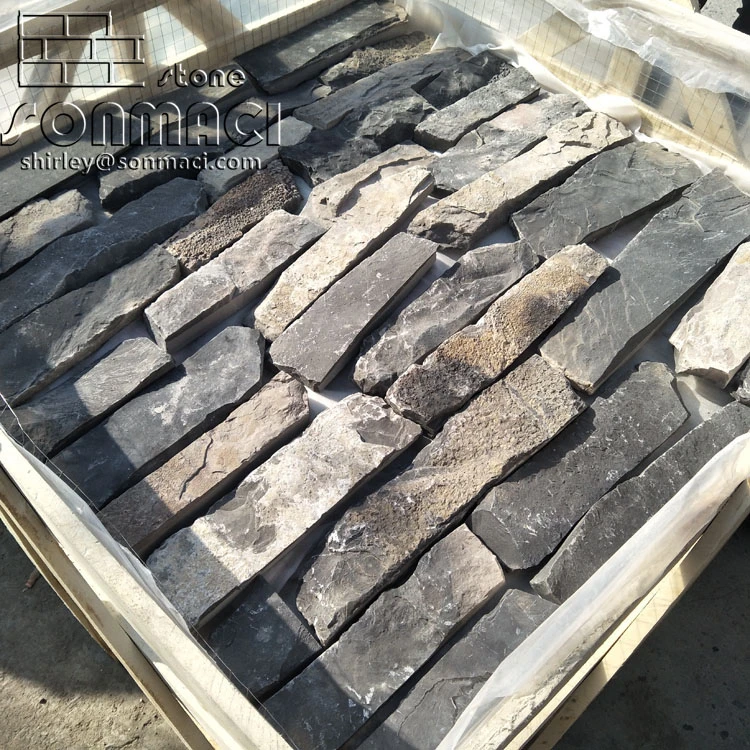
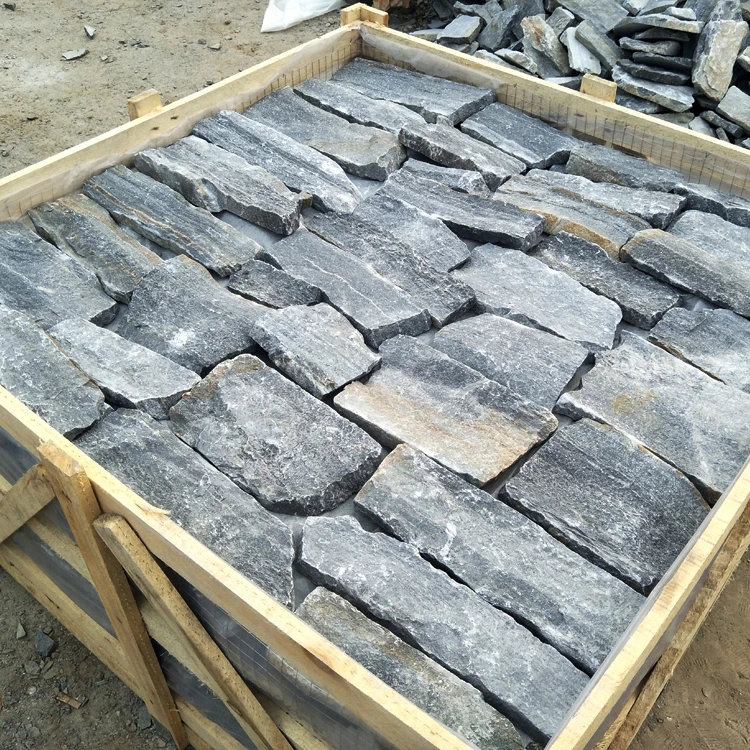
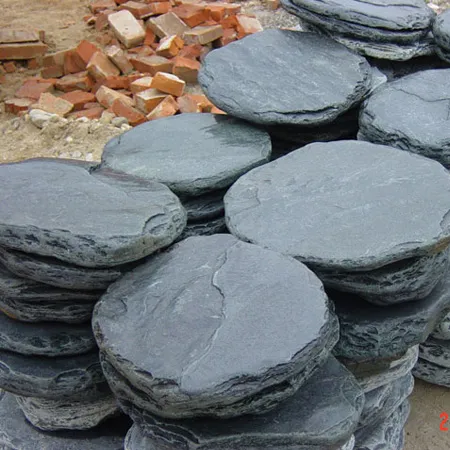
Simply put, stone for exterior house walls is natural rock material — granite, limestone, sandstone, slate, or even marble — fashioned and applied as cladding or part of the structural wall. This isn't just a cosmetic layer but an actual shield and insulator. Today, it connects ancient building traditions with modern architectural techniques that enhance safety, weatherproofing, and energy efficiency.
Oddly enough, this elemental material answers quite a few humanitarian needs, too: in disaster-prone regions or harsh climates, stone exteriors provide reliable protection where synthetic materials might fail or degrade rapidly. It marries form and function in a way that's hard to replicate fully with composites or vinyl sidings.
Key Factors Behind the Appeal of Stone Walls
Durability
Stone walls laugh in the face of rain, wind, and sun. A well-built stone exterior can last centuries, with minimal erosion or weathering. For example, granites and limestones often survive freeze-thaw cycles far better than common bricks or concrete blocks. Many engineers say this durability translates into fewer repairs and less frequent replacement.
Thermal Performance
Due to their density and thermal mass, stone walls regulate indoor temperatures. In hot summers, stone absorbs heat slowly and releases it at night; in cold winters, it retains warmth. This translates to energy savings, especially when combined with proper insulation.
Low Maintenance
Unlike painted wood or vinyl that needs regular upkeep, stone exteriors stay relatively pristine without much intervention. Moss or lichen may appear in very humid regions, but cleaning is occasional and straightforward.
Aesthetic Versatility
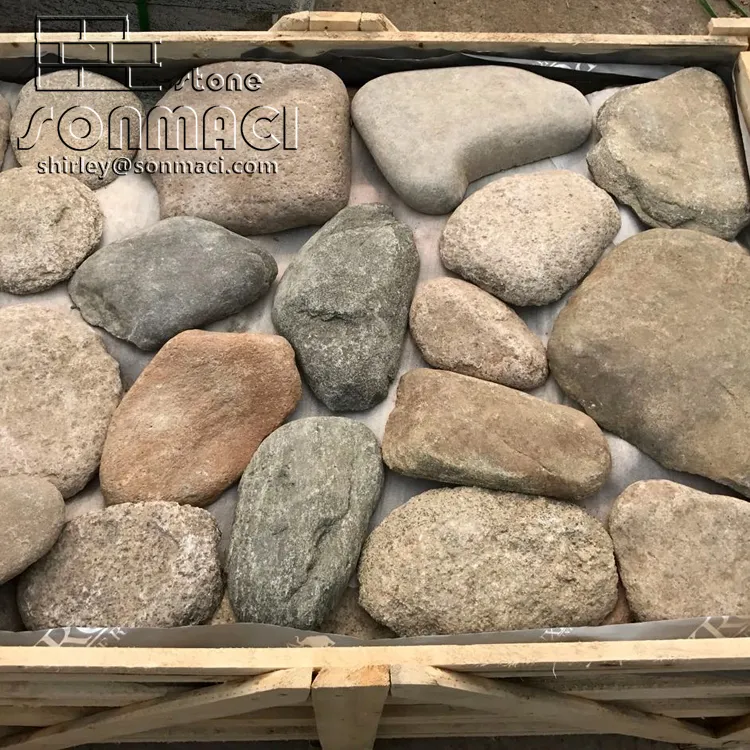
It might surprise you how varied stone finishes can be—from rough-hewn rustic charm to polished sleek modernity. This allows architects to blend cultural, historical, and contemporary design cues seamlessly.
Environmental Impact
Stone is a natural product, often locally sourced, reducing transportation emissions. Moreover, stone walls can be reclaimed or repurposed, fitting well into circular economy models of construction.
Cost Efficiency Over Time
Initial installation can be pricey or labor-intensive, but stone’s longevity and minimal maintenance costs make it economical in the long run, especially compared to materials needing frequent paint or replacement.
Mini takeaway: Stone for exterior walls isn’t just about looks — its resilience, energy performance, and environmental benefits shape strong cases beyond nostalgia.
Stone Walls in Action: Real-World Applications Across the Globe
Stone exterior walls don’t only grace rural European cottages or centuries-old castles. In earthquake-prone Japan, advances in stone masonry reduce risks by integrating flexible substrates behind the stone cladding.[2]
In parts of the Mediterranean and Middle East, stone remains the preferred material for new homes, partly due to its cooling properties amid rising temperatures, an increasingly urgent climate challenge.
NGOs working in post-disaster housing have occasionally used stone or stone veneer solutions to rebuild durable homes quickly—balancing speed, affordability, and reliability. In more remote industrial regions of Canada and Scandinavia, stone walls withstand punishing winters and heavy snow loads, protecting infrastructure better than many synthetic options.
Advantages and Long-Term Value of Stone Cladding
- Cost Savings: Reduced heating/cooling bills and lower maintenance.
- Sustainability: Reduced carbon footprint compared to synthetic sidings.
- Safety & Security: Stone resists fire and natural disasters far better than wood or vinyl.
- Emotional Resonance: People associate stone homes with trust, permanence, and dignity — not trivial in regions rebuilding after crises.
- Innovation-Ready: Compatible with modern digital design and construction methods, blending heritage with innovation.
Table: Typical Specifications of Stone for Exterior House Walls
| Specification | Typical Value / Range | Notes |
|---|---|---|
| Material Types | Granite, Limestone, Sandstone, Slate | Varies by locale and design preference |
| Density | 2.5 - 2.8 g/cm³ | Influences weight and thermal mass |
| Water Absorption | Low absorption = weather resistance | |
| Compressive Strength | 100 - 250 MPa | Measures structural durability |
| Thermal Conductivity | 2.0 - 3.0 W/m·K | Better for temperature regulation |
Comparing Leading Stone for Exterior House Walls Vendors
| Vendor | Primary Stone Types | Sustainability Rating | Average Lead Time | Typical Project Size |
|---|---|---|---|---|
| StoneCraft Naturals | Granite, Limestone | A+ | 4-6 weeks | Residential to Commercial |
| Heritage Stones Inc. | Sandstone, Slate | B+ | 3-5 weeks | Specialty Projects, Restoration |
| EcoStone Suppliers | Limestone, Reclaimed Stone | A++ | 5-7 weeks | Eco-friendly Residential Builds |
Looking Ahead: Future Trends in Stone Exterior Walls
As green building certifications and digital architecture evolve, stone for exterior house walls is going through a quiet revolution. Combining CNC machining and laser scanning, fabricators now produce ultra-precise stone panels that simplify installation and minimize waste.
Meanwhile, innovations in waterproofing sealants and breathable membranes help address concerns around moisture and mold behind stone facades. The rise of stone for exterior house walls coupled with smart home integration points to homes that honor tradition while embracing the future.
Plus, governments increasingly support local sourcing and circular building materials, which naturally boosts stone’s appeal, particularly in regions with rich quarry histories.
Common Challenges and How Industry Experts Address Them
It’s not all perfect: stone can be heavy, demanding strong substructures. Installation expertise is crucial or you risk cracking or improper weatherproofing. Cost tends to be higher than vinyl siding, deterring some budgets.
But clever modular systems, pre-fabricated stone veneer, and hybrid composite options help cut labor and shipping burdens down. Experienced masons adopt layering techniques with insulation boards that retain stone’s look while boosting energy efficiency. In fact, many innovative builders now consider stone as a design layer rather than primary structure to get best of both worlds.
Frequently Asked Questions About Stone for Exterior House Walls
Is stone cladding suitable for all climates?
Yes, with appropriate engineering. Stone’s thermal mass helps in both hot and cold areas, but moisture barriers and ventilation systems must be correctly installed to prevent damp issues.
How does stone compare to other exterior wall materials in terms of cost?
While the initial outlay is often higher than synthetic or wood sidings, stone’s durability and low upkeep generally mean better value over a house’s lifetime.
Can stone exterior walls improve home energy efficiency?
Definitely. Stone’s natural insulation helps stabilize indoor temperatures — reducing reliance on heating and cooling systems.
Is installing stone suitable for DIY enthusiasts?
Due to weight and required structural support, professional installation is strongly recommended to avoid costly mistakes or safety risks.
Where can I find sustainable and locally sourced stone?
First, check regional quarries and suppliers focusing on reclaimed stone. Many certified vendors prioritize sustainable extraction and production.
Conclusion: Why Stone for Exterior House Walls Still Wins
Despite evolving materials and technologies, stone for exterior house walls stands firm — literally and figuratively. Its unmatched durability, environmental credentials, and natural elegance make it a smart choice for builders and homeowners aiming for long-term value and character. Building with stone isn’t just a nod to history; it’s a practical decision that delivers strength, beauty, and sustainability in a world that increasingly values all three.
If you’re ready to explore how stone can enhance your project, don’t hesitate to visit our website and discover tailored stone solutions for exterior walls.
Mini takeaway: Stone walls bring a rare combination of endurance, style, and environmental benefit that few other materials match — a choice that just makes sense in the long run.
References:
1. ISO Environmental Management Standards
2. Wikipedia: Traditional Japanese Architecture