Dec 01,2025
Durable and Sustainable Granite for Building: Global Insights & Applications
Why Granite for Building Still Matters Globally Today
It’s almost poetic how granite, a stone formed over millions of years, remains one of the foundational materials in construction worldwide. So, what’s the fuss about granite for building? Well, from its rock-solid durability to its timeless aesthetic appeal, granite has quietly anchored human architecture for centuries — and it’s showing no signs of slowing down. In today’s fast-changing world where sustainability, resilience, and cost-efficiency dominate construction conversations, knowing granite’s role offers more than just historical perspective. It’s a practical key to unlocking durable, sustainable building solutions that fit diverse global needs. Understanding granite’s application and benefits is crucial not only for architects and builders but also for anyone concerned with building safer homes, resilient infrastructures, or creating long-lasting monuments that reflect cultural identity. In parts of the world prone to natural disasters or where access to resources is limited, granite’s physical qualities can make all the difference between structural failure and lasting safety.The Global Stage: Granite’s Enduring Relevance in Construction
Globally, the demand for sustainable building materials is growing at a noticeable clip; the ISO reports that the construction sector accounts for nearly 40% of natural resource consumption and 30% of global carbon emissions. Against this backdrop, granite stands out because of its natural abundance, longevity, and low maintenance needs. Countries rich in granite quarries, like India, Brazil, and China, have capitalized on this geological gift to support infrastructure development. However, the challenge lies in balancing extraction with environmental preservation — a problem the industry is tackling alongside innovations in quarrying and recycling. Moreover, urbanization trends in Africa and Southeast Asia bring fresh demand for durable materials that can withstand extreme climates and rapid construction needs. Granite, with its timeless strength and relatively minimal environmental footprint when sourced responsibly, addresses this head-on. ### Mini takeaway: Granite’s global importance isn’t just "old hat"; it’s a material perfectly aligned with today’s sustainability and resilience imperatives.Granite for Building: Definition and Industrial Meaning
Simply put, granite for building refers to the use of this igneous rock as a durable construction material — whether as slabs for countertops and floors or as blocks and tiles for walls, pavements, and facades. Its unique granular texture, often speckled with quartz and feldspar, not only provides aesthetic appeal but also exceptional hardness and weather resistance. In modern industry, granite’s role has expanded beyond ornamental use — it’s a go-to choice for structures requiring longevity and minimal upkeep. Humanitarian sectors also turn to granite for developing post-disaster shelters and resilient public structures because it resists fire, water damage, and heavy wear — all critical in improving living conditions.Key Characteristics of Granite for Practical Use
Durability
Granite is famously durable — it withstands weathering, UV radiation, and abrasion with little to no loss in strength or appearance. For engineers and builders, that spells long life cycles and reduced repair costs.Cost Efficiency
While granite isn’t the cheapest stone initially, its low maintenance, resistance to damage, and longevity translate into excellent lifetime value savings — a point often stressed by industry experts.Versatility
From structural reinforcements to elegant facades, granite adapts well to various construction needs. Its ability to be polished or honed increases design flexibility without compromising strength.Sustainability
Natural granite, when quarried responsibly, has a comparatively small carbon footprint. It is recyclable, and its lifespan reduces the frequency of material replacement — supporting circular construction ideals.Mini takeaway:
Granite blends strength, beauty, and sustainability, making it an all-rounder stone for many building challenges.Global Applications and Real-World Use Cases of Granite in Construction
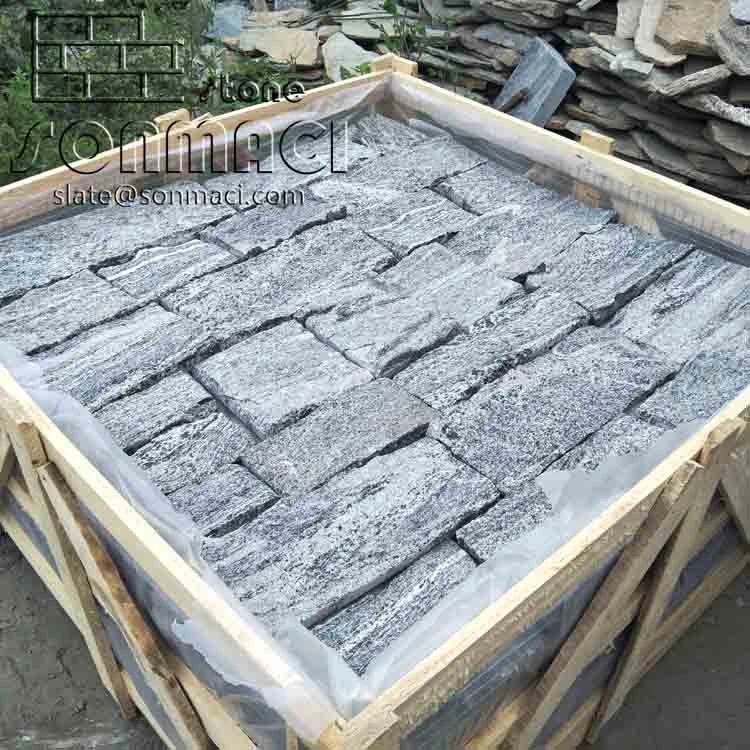
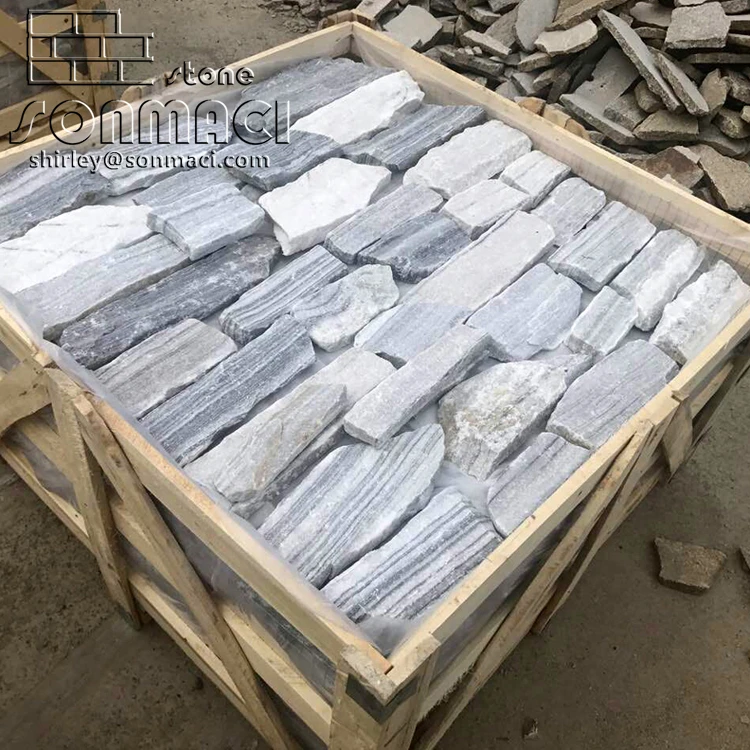
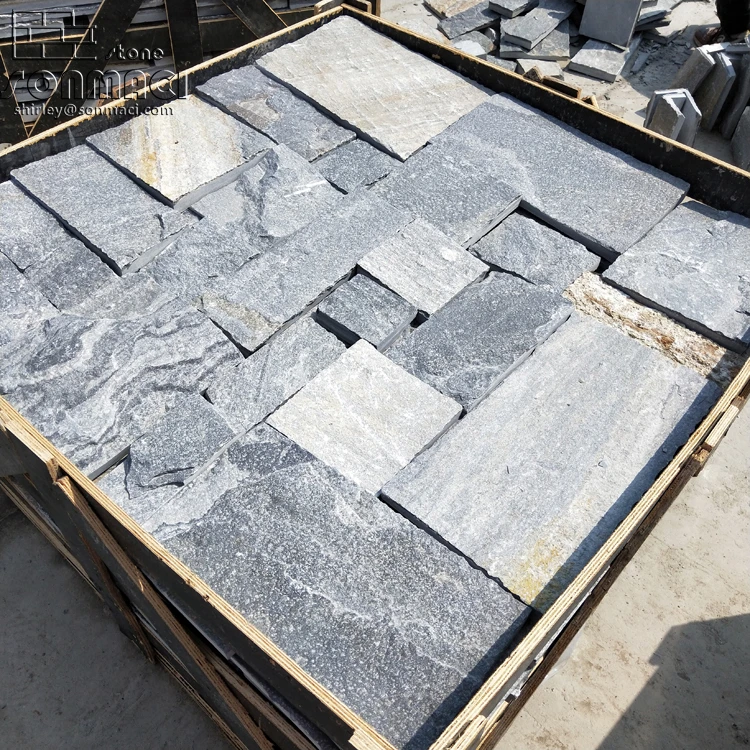
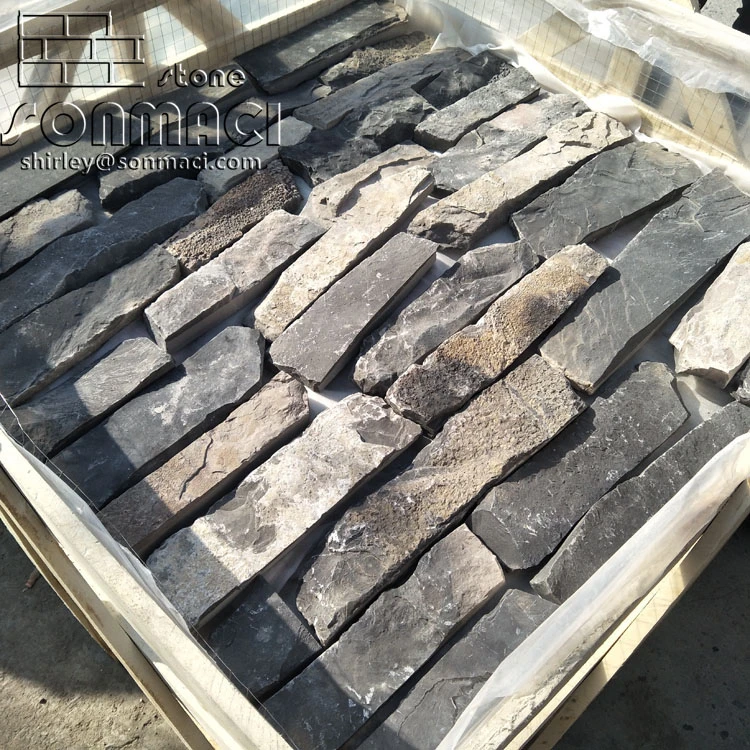
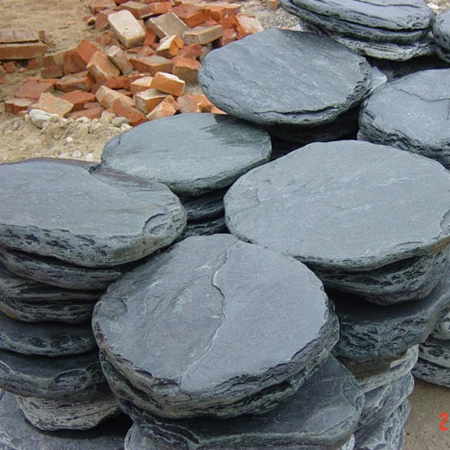
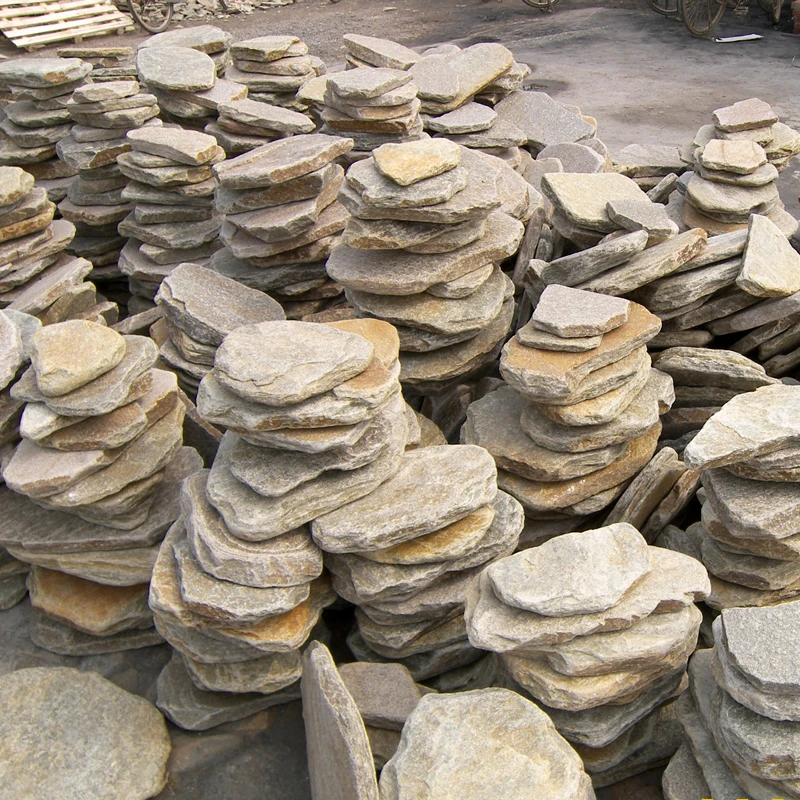
You’ll find granite in iconic skyscrapers in New York, elegant government buildings in Berlin, and traditional homes in rural India — a testament to its wide-reaching utility. In post-disaster relief, for example, granite blocks have been used for rebuilding durable foundations and public buildings, especially where other materials degrade more quickly. Remote industrial zones in South America often favor granite due to its local availability and minimal maintenance demands, helping reduce long-term operational costs. granite for building In urban infrastructure, granite cobblestones and tiles provide durable yet aesthetic paving solutions that withstand heavy foot traffic and vehicle wear better than synthetic options.Advantages & Long-Term Value of Choosing Granite
Beyond pure function, granite offers a blend of tangible and intangible benefits:- Cost savings: Fine longevity means fewer replacements and repairs.
- Environmental benefits: Granite’s natural composition and recyclability reduce environmental impacts compared to manufactured materials.
- Social impact: Buildings that stand the test of time improve community resilience and pride.
- Reliability: Known for its stability under extreme conditions, granite fosters confidence in infrastructure.
- Aesthetic trust: The timeless look of granite garners wide acceptance across cultures.
Granite for Building: Typical Specification Example
| Specification | Value |
|---|---|
| Density | 2.63 - 2.75 g/cm³ |
| Compressive Strength | 100 - 250 MPa |
| Water Absorption | |
| Abrasion Resistance | High |
| Thermal Expansion | 7 - 9 x10⁻⁶ / °C |
Vendor Comparison: Granite Suppliers at a Glance
| Supplier | Quality Grade | Quarry Location | Sustainability Practices | Average Delivery Time |
|---|---|---|---|---|
| StoneRock Inc. | Premium | Brazil | Certified Green Quarrying | 4-6 weeks |
| GraniteGlobal | Standard | India | Water Recycling Systems | 3-5 weeks |
| EcoStone Suppliers | Premium | China | Renewable Energy Use in Quarry | 5-7 weeks |
Looking Ahead: Future Innovations in Granite for Building
What’s pretty exciting is the blending of tradition and technology. Automation in quarrying means less waste and improved worker safety. New cutting tools ensure less surface damage, making granite slabs more reliable and visually appealing. There’s growing interest in integrating granite with green technologies, like solar reflective coatings to reduce urban heat or embedding sensors into granite panels for structural health monitoring. Plus, the advent of 3D scanning and CNC machining lets architects tailor granite elements with greater precision and creativity. Sustainability policies are tightening globally, so expect to see more granite suppliers adopt circular economy approaches — recycling old granite and turning waste into new products, or using cleaner energy in quarry operations.Challenges in Using Granite and How Experts Overcome Them
No material is perfect, right? Granite’s weight can increase transport costs, and quarrying has faced criticism for environmental impacts. Plus, sometimes the initial expense feels too steep for budget builders. But many innovators suggest that sourcing granite closer to construction sites, leveraging modular granite units, and improving local quarry practices can flip these challenges. Smart logistics and sustainable certifications build trust and reduce hidden costs downstream.FAQ: Quick Answers About Granite for Building
Q1: Is granite a cost-effective material for large-scale construction?A1: While granite's upfront cost is higher than some alternatives, its durability and low maintenance often lead to lower overall costs in the long run, especially for projects requiring longevity.
Q2: How well does granite withstand natural disasters?
A2: Granite is fireproof, highly resistant to water damage, and has exceptional compressive strength, making it an excellent material for buildings in disaster-prone areas.
Q3: Can granite be sustainably sourced?
A3: Yes, many suppliers follow environmentally responsible quarrying standards and use recycling methods to minimize ecological footprints.
Q4: What industries benefit most from granite building materials?
A4: Beyond residential and commercial structures, granite is widely used in infrastructure, heritage building restoration, and even industrial facilities requiring robust flooring.
Q5: How customizable is granite for design needs?
A5: Modern cutting technologies allow granite to be shaped and finished with a wide range of textures and finishes, offering great design flexibility.