Stone for Building Houses: Durable, Sustainable, Timeless Construction Materials
Understanding Stone for Building Houses: Why It Still Matters in a Modern World
Stone for building houses may sound like a throwback to an older age, but its importance couldn’t be more current. From the sunbaked villages of southern Europe to the rapidly urbanizing areas in Asia and Africa, natural stone remains a cornerstone material in construction. Why? Because it blends durability, sustainability, and aesthetic appeal in ways few alternatives can. Globally, millions of homes are built each year using various types of stone, either as a primary structural element or in finishing touches that make a house a home.
As urban populations grow and climate challenges intensify, understanding stone’s role in modern construction — especially stone for building houses — unlocks benefits like energy efficiency, disaster resilience, and cultural preservation. This article delves into what stone for building houses really means today, exploring why it's such a quiet hero in the global construction narrative.
The Global Context: Stone in Housing Across Continents
Before writing this, I glanced at some stats from the United Nations Department of Economic and Social Affairs. Roughly 55% of the world’s population lives in urban areas, a number expected to rise to 68% by 2050. With more people moving into cities and towns, affordable and sustainable building materials become vital. Stone fits this bill, especially in regions where it’s locally available.
Many countries still rely heavily on stone for housing, either for cultural reasons or because it’s simply cost-effective and practical. However, challenges like quarrying impacts, transportation costs, and labor intensity create hurdles that the industry is still grappling with. The rise of alternative materials often overshadows stone’s enduring value — but ignoring it means missing out on a material that’s lasted millennia for a reason.
Mini takeaway:
- Stone remains globally relevant due to population growth and environmental concerns.
- Its local availability often makes it more sustainable than imported materials.
- Challenges exist but innovations are addressing them.
What Exactly Is Stone for Building Houses?
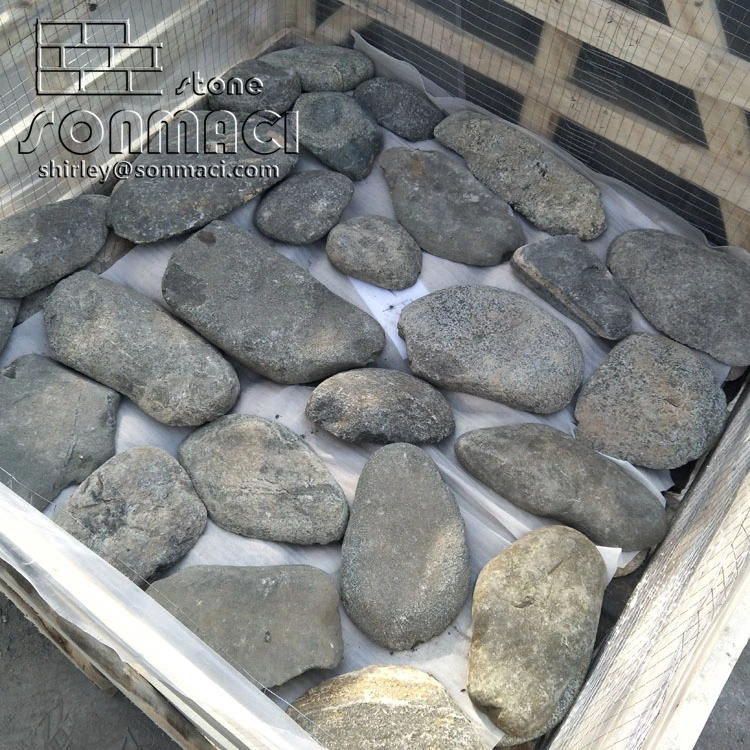
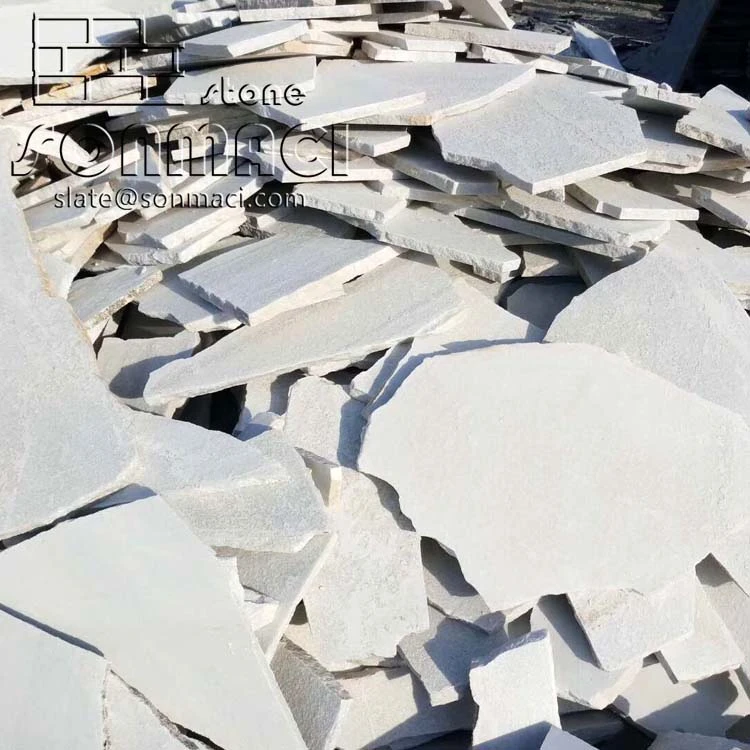
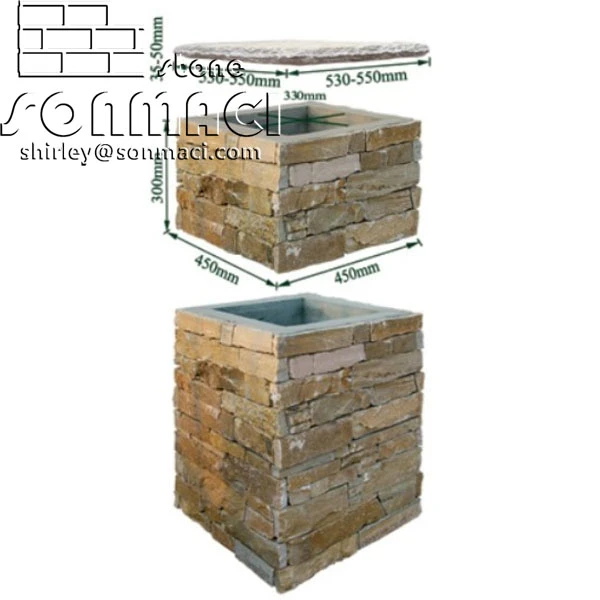
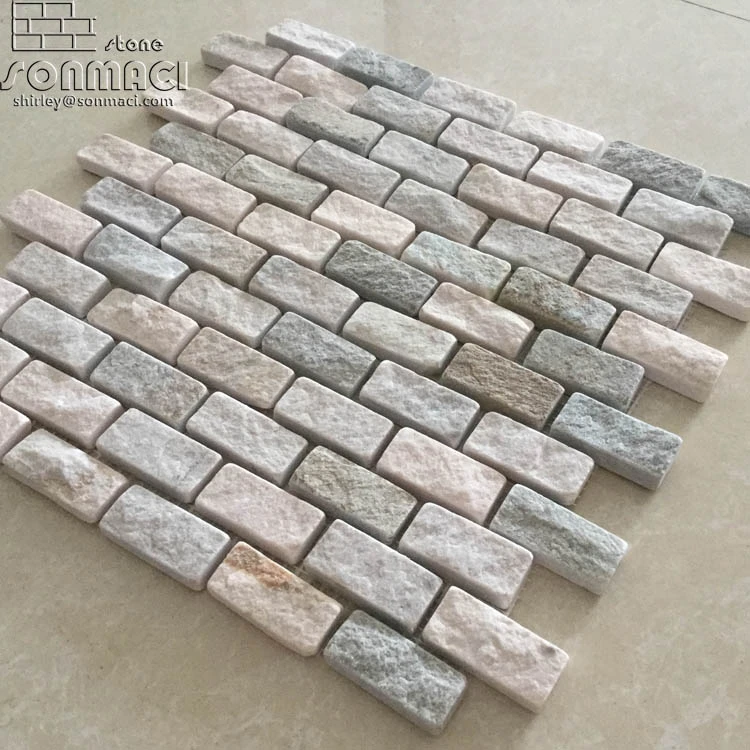
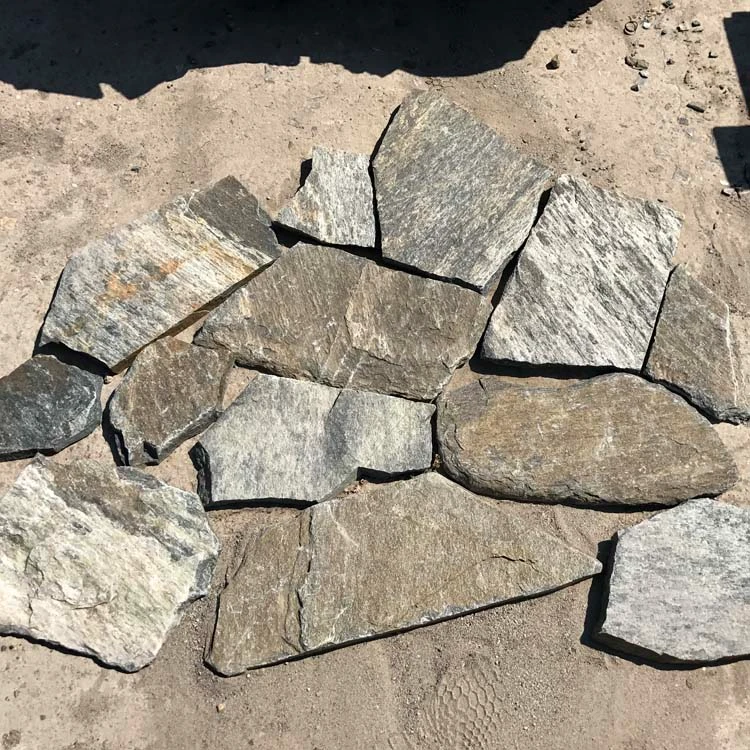
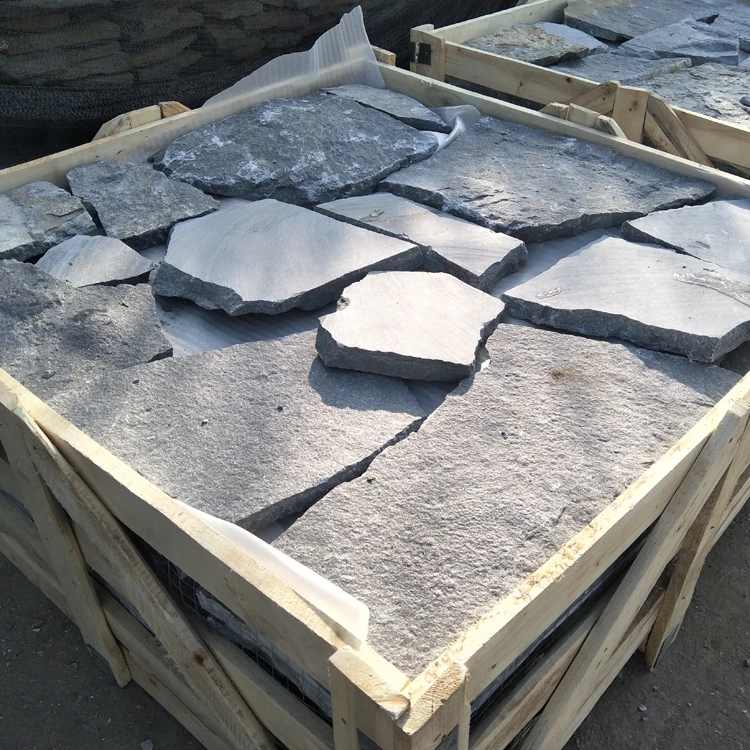
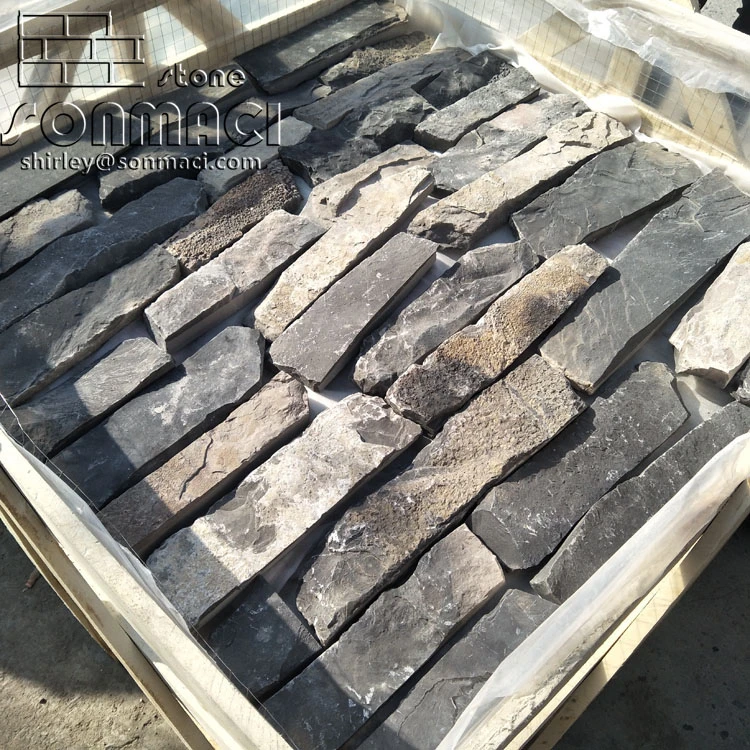
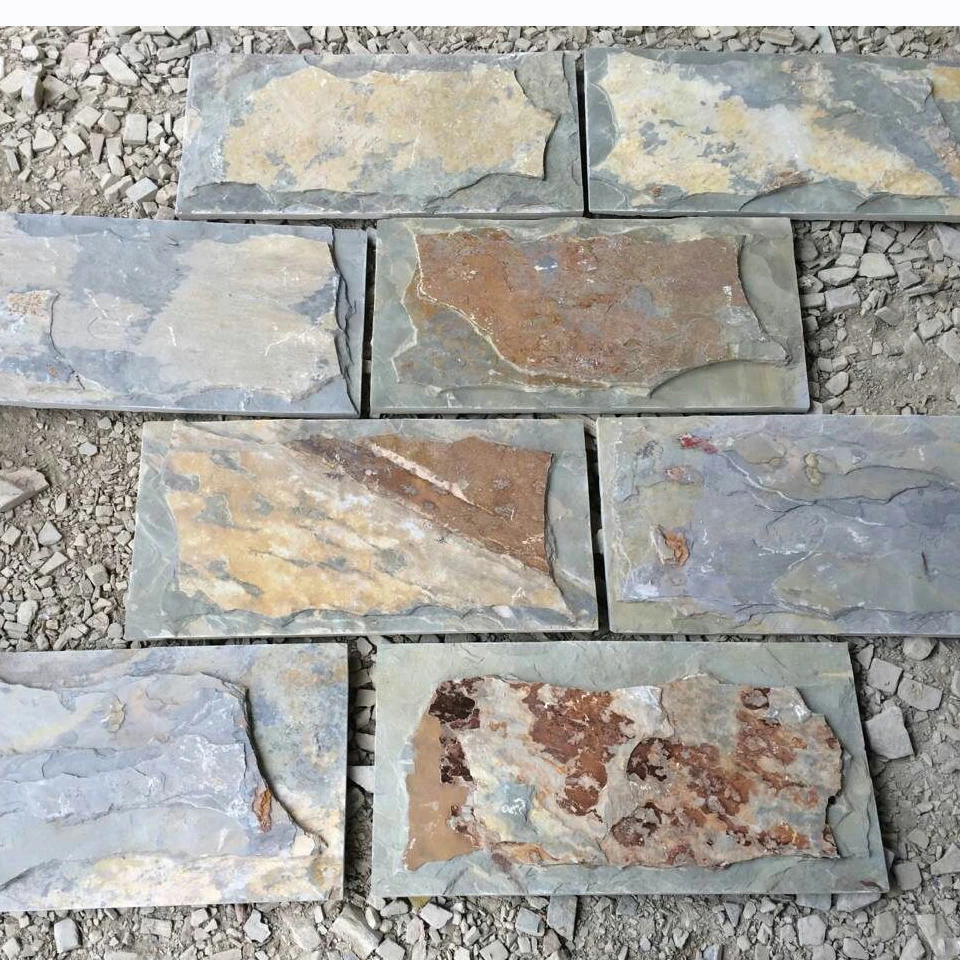
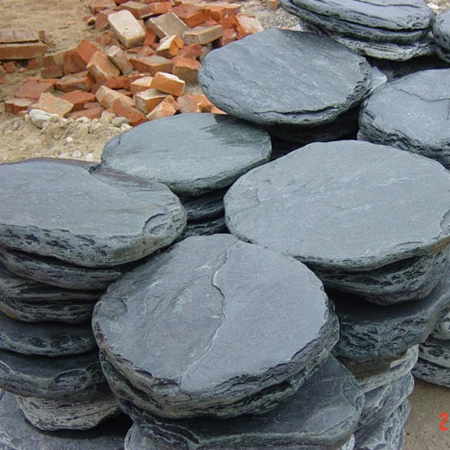
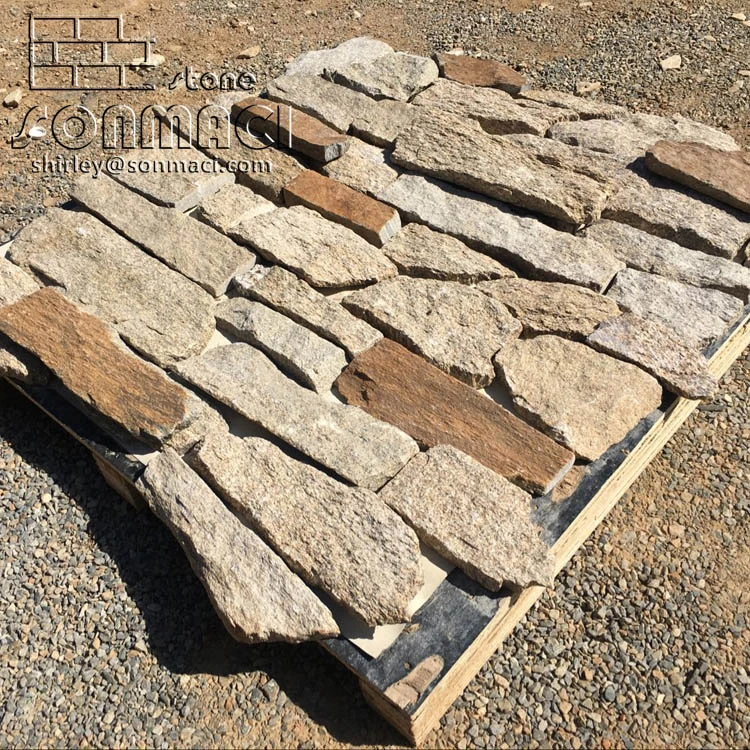
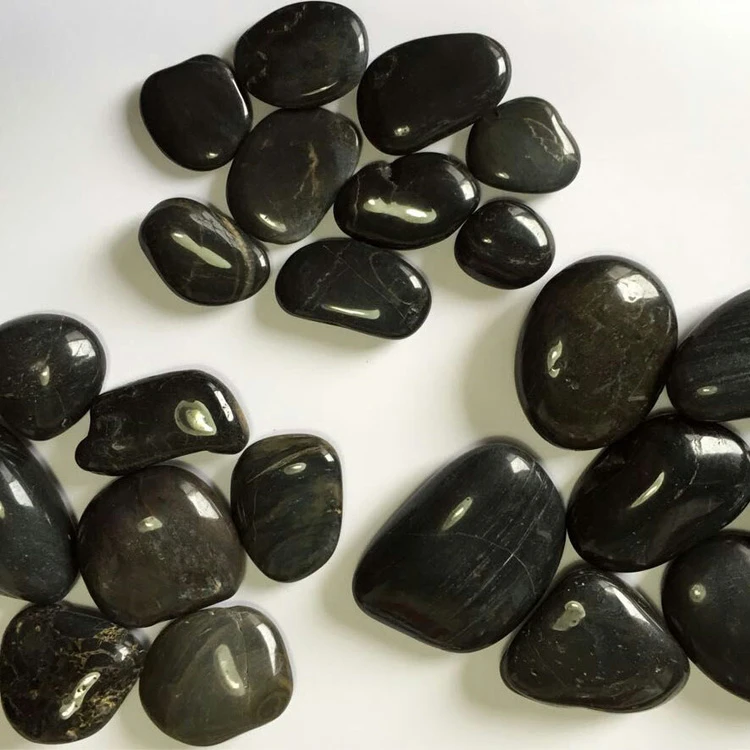
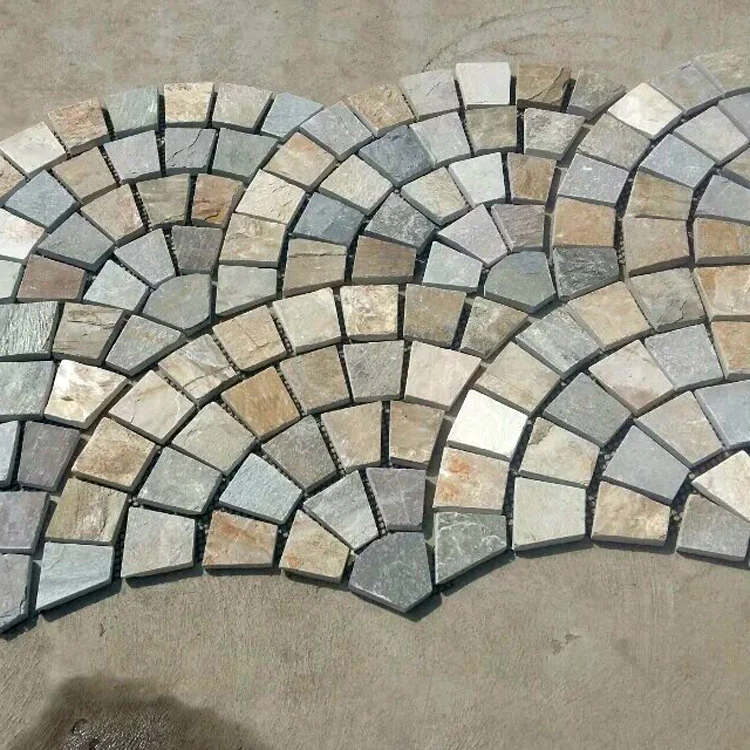
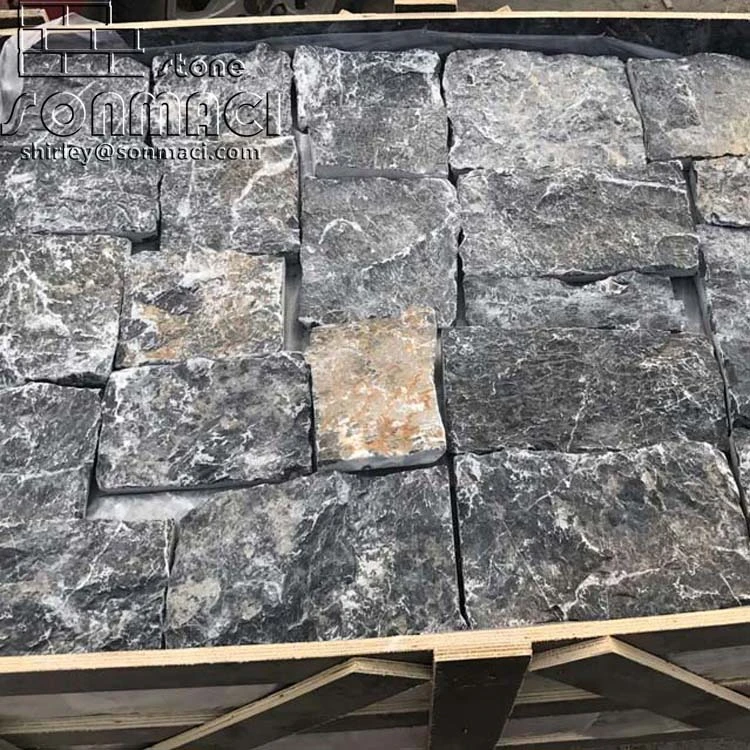
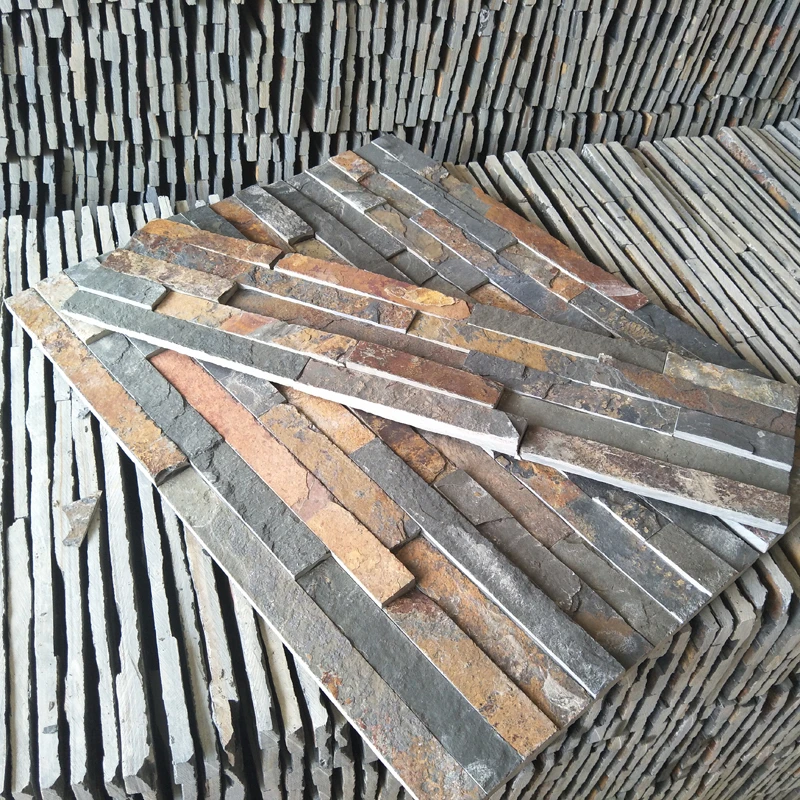
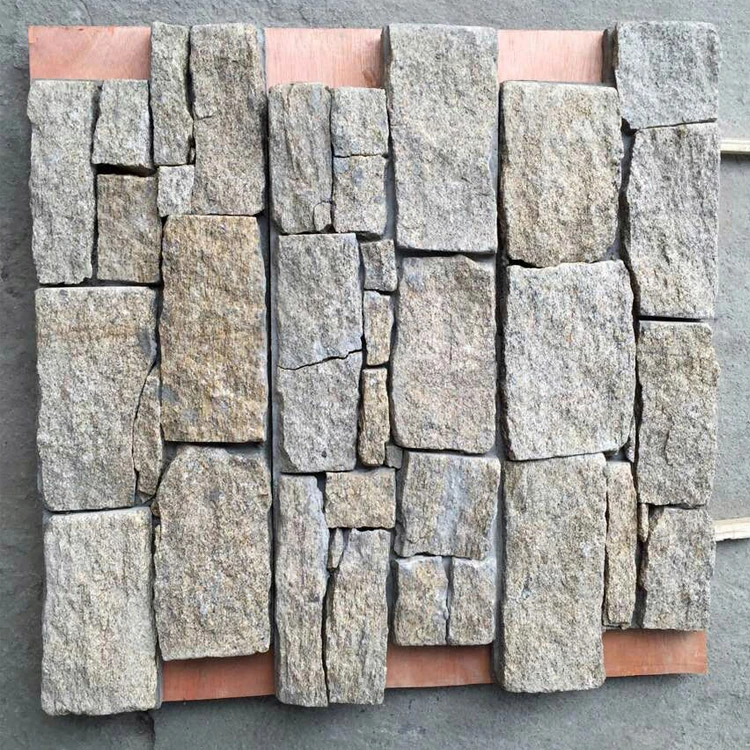
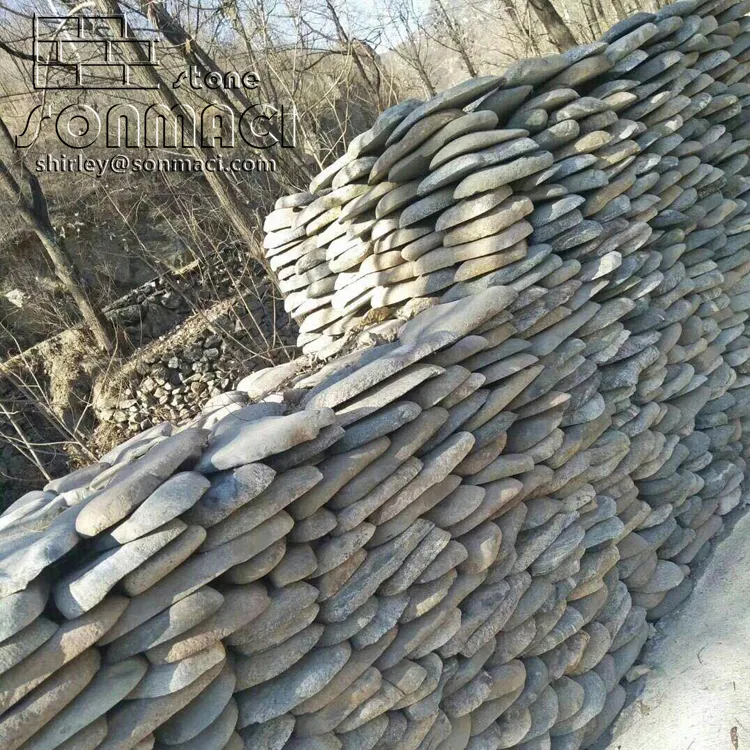
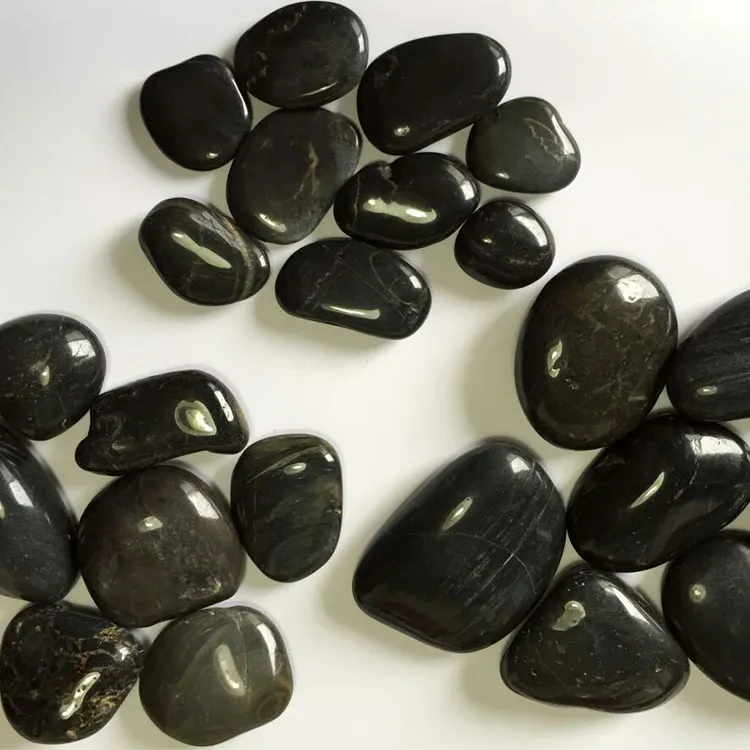
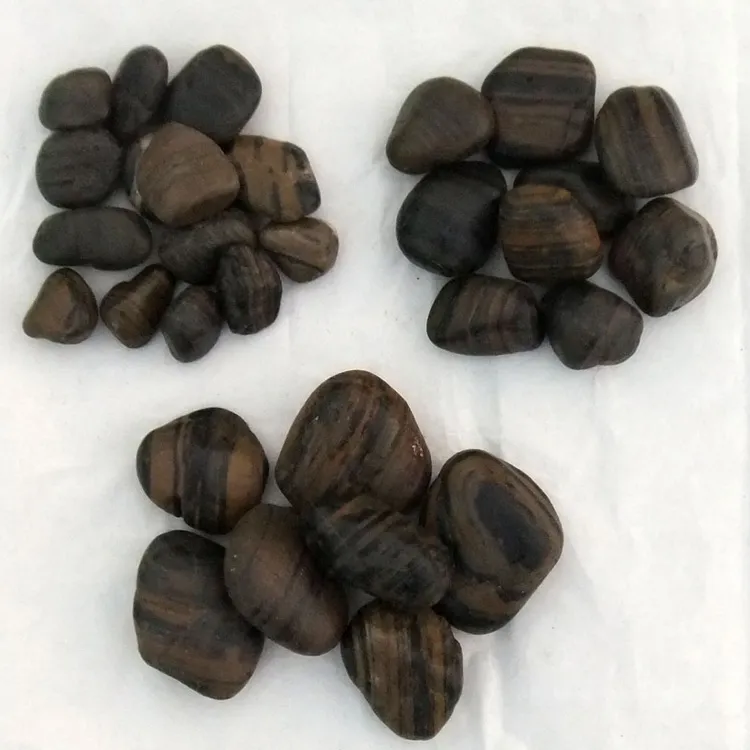
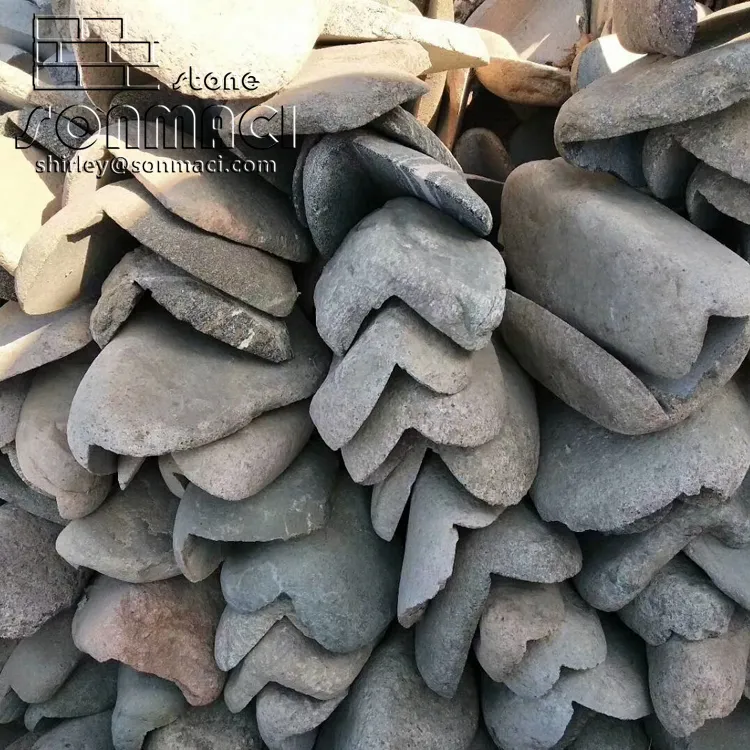
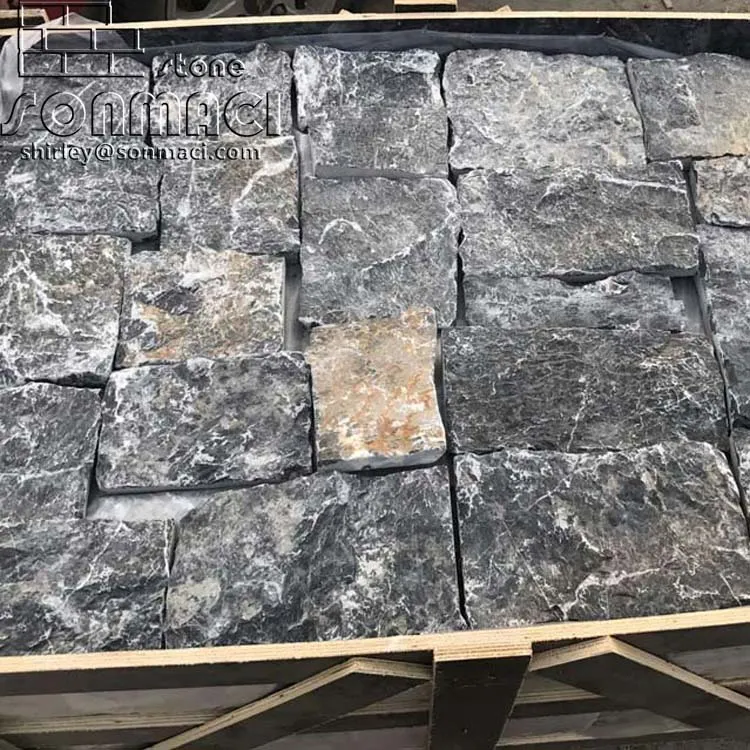
“Stone for building houses” simply means any type of natural rock material used in the construction of residential buildings. This includes granite, limestone, sandstone, slate, and basalt — each carrying unique qualities. Beyond just “rock,” these stones are carefully selected, shaped, and treated to form walls, foundations, floors, or decorative features.
The connection to modern needs is fascinating. Stone’s thermal mass can regulate indoor temperatures, lessening reliance on heating and cooling systems. In remote or disaster-prone areas, it offers a robust defense against elements where other materials might fail. NGOs involved in housing recovery sometimes suggest stone to maintain cultural continuity and dignity in reconstruction projects.
Mini takeaway:
- Stone is a versatile natural material used structurally and decoratively.
- Its unique properties align with modern environmental and social needs.
Core Components of Stone as a Building Material
Durability
Stone’s longevity is legendary — many ancient structures still stand because of it. It resists weathering, fire, pests, and decay far better than wood or synthetic materials. That's why you see old stone houses lasting centuries, often outliving newer builds made from modern composites.
Thermal Regulation
Thanks to high thermal mass, stone effectively absorbs and slowly releases heat, keeping homes cooler in the summer and warmer in the winter. This natural insulation reduces energy consumption, which directly ties into sustainable building practices.
Aesthetic Flexibility
From rough-hewn rustic charm to sleek polished finishes, stone’s variety means any design style is achievable. Architects and builders appreciate this balance of functionality and beauty, especially when restoring heritage homes or creating luxury residences.
Cost Efficiency Over Time
Initial costs can be higher because of quarrying and labor, but the long-term savings are notable due to minimal maintenance and extended lifespan. For homeowners and developers, it's an investment in future-proofing structures.
Environmental Impact
Locally sourced stone significantly reduces transportation emissions. Unlike manufactured building materials, stone requires little processing, and it’s recyclable — crushed stone can be reused in landscaping or roadbeds.
Mini takeaway:
- Durability ensures lasting structures.
- Thermal mass helps with energy efficiency.
- Variety offers both practicality and beauty.
- Although upfront costs may be higher, long-term savings matter.
Global Applications: Where Stone for Building Houses Has Made a Difference
In rural parts of India and Nepal, stone construction is deeply ingrained in local traditions, offering resilience against earthquakes. For instance, the Himalayan region’s earthquake-resistant stone masonry is admired for combining traditional knowledge with natural strength.
European cities like Edinburgh, Scotland, have entire neighborhoods built from locally quarried sandstone, blending historical architecture with modern living. Even in the Americas, indigenous communities use volcanic and river stones for sustainable housing, preserving their heritage and environment simultaneously.
Relief agencies, such as those affiliated with the United Nations, sometimes promote stone-based rebuilding after disasters. Stone’s ability to withstand floods, fires, and storms makes it invaluable when rebuilding for long-term safety rather than quick fixes.
Mini takeaway:
- Stone housing adapts across varied climates and cultures worldwide.
- In disaster-prone areas, it enhances resilience and sustainability.
- Stone connects modern housing solutions to cultural heritage.
Advantages and Lasting Value of Stone Homes
What’s really compelling about stone is the blend of tangible and intangible benefits it offers. Practically speaking, you gain a home that’s solid for generations, with resistance to environmental hazards. Emotionally, stone homes evoke a sense of safety, permanence, and dignity.
Socially, using local stone can boost communities by providing jobs around quarrying, crafting, and construction, fostering pride in building local economies sustainably. Environmentally, the low carbon footprint supports green building certifications and global sustainability goals — a really big plus in this age of climate awareness.
Product Specification Table: Typical Building Stones
| Stone Type | Compressive Strength (MPa) | Density (kg/m³) | Thermal Conductivity (W/mK) | Typical Uses |
|---|---|---|---|---|
| Granite | 130-240 | 2600-2800 | 2.5-3.5 | Foundations, Facades, Flooring |
| Limestone | 30-250 | 2200-2600 | 1.3-2.2 | Walls, Decorative Elements |
| Sandstone | 40-170 | 2000-2300 | 1.5-3.0 | Walls, Pavements, Cladding |
Future Trends & Innovations in Stone-Based Home Building
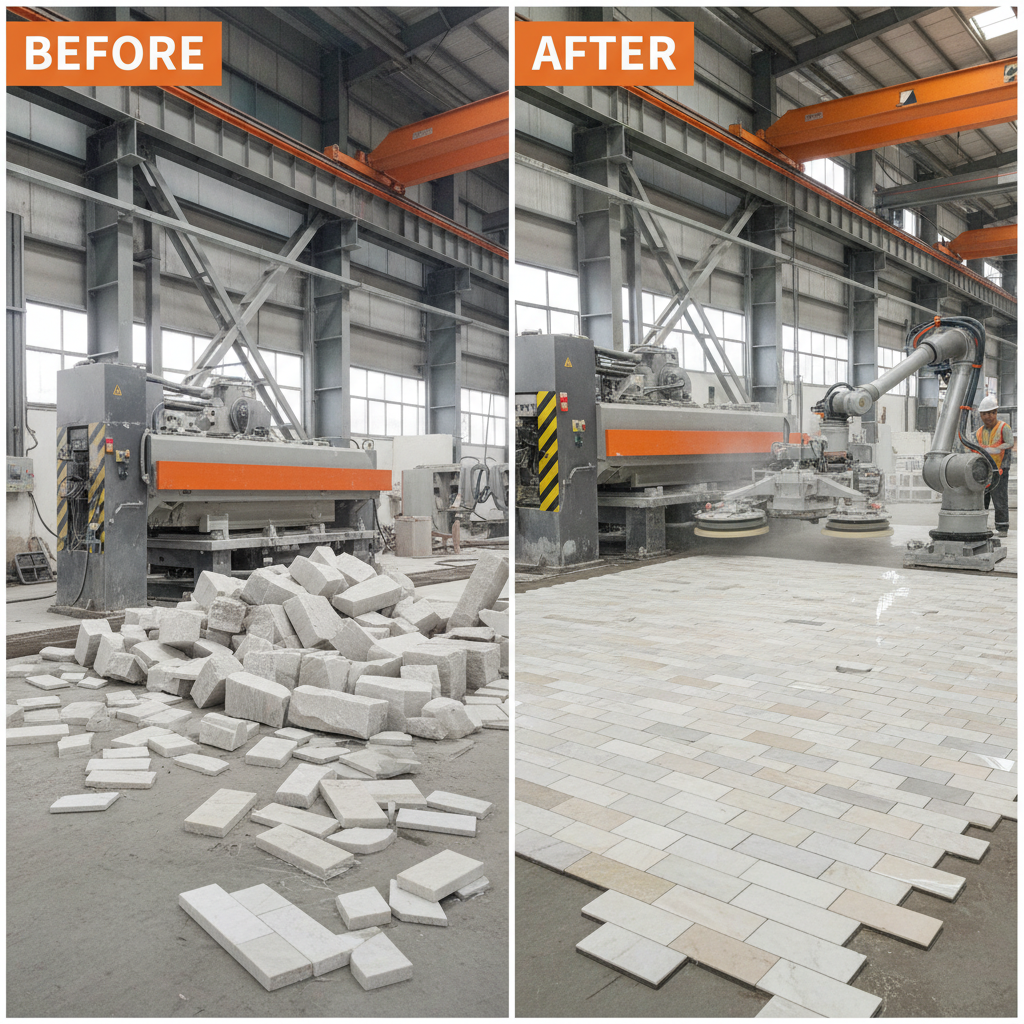
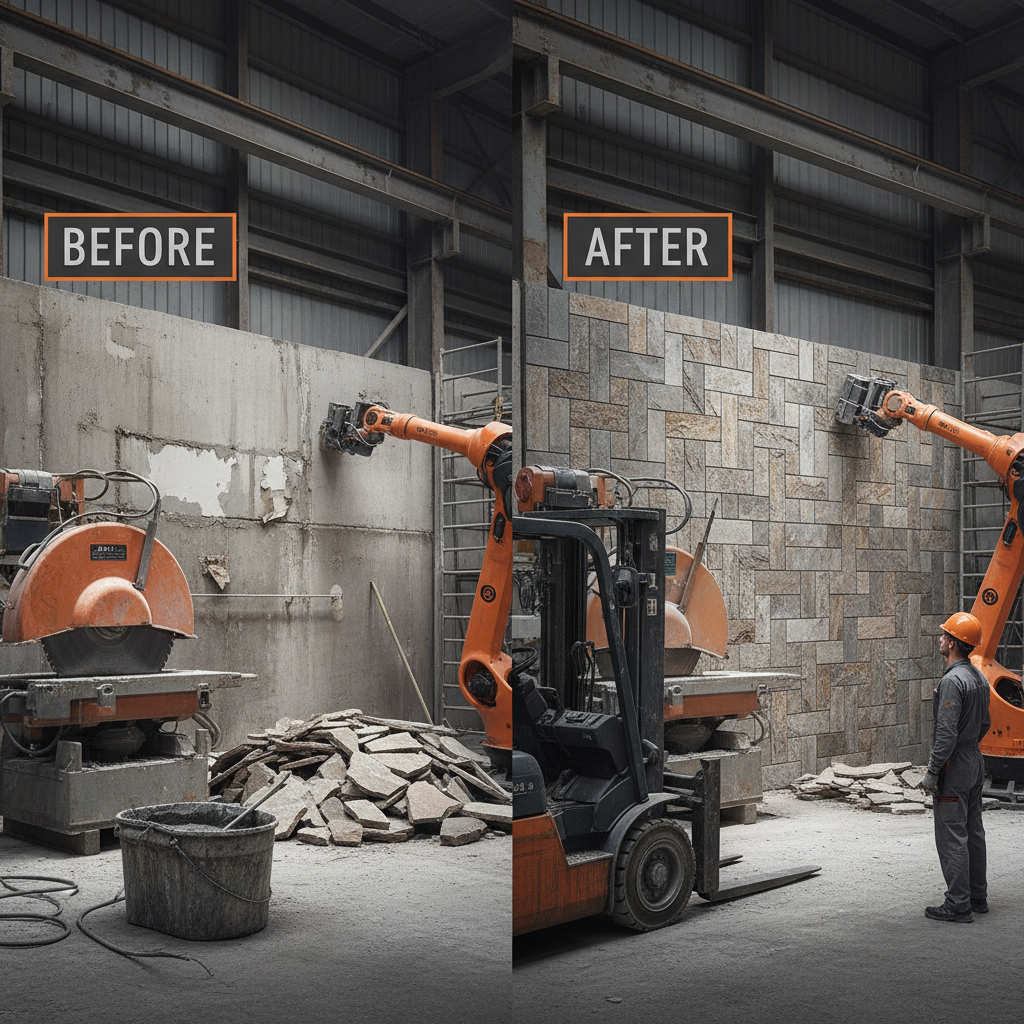
It may sound odd, but stone construction is quietly embracing the digital era. Computer-aided design (CAD) and 3D modeling now allow architects to envision intricate stone facades and optimize structural forms for efficiency. Laser cutting and CNC stone routers are making precise stone shaping less labor-intensive, opening the door for more affordable and creative designs.
Eco-focus is pushing innovations like stone composites, where natural stone is combined with resins or recycled materials for lighter panels that retain strength but reduce weight.
Also, green building certifications increasingly reward stone’s renewable and recyclable nature. This, along with rising costs of steel and concrete, could make stone a more competitive option in sustainable construction.
Challenges & Expert Solutions
Of course, no material is perfect. Stone’s drawbacks often include:
- High initial labor costs due to skilled masonry needs
- Weight and transportation challenges, especially in urban settings
- Quarrying’s ecological impact if not managed responsibly
To counter these, experts recommend:
- Using local stone to reduce transport emissions
- Training programs to revive masonry skills among young workers
- Adopting modern quarrying technologies with biodiversity safeguards
- Prefabricated stone panels to speed construction and cut costs
Vendor Comparison of Stone Material Suppliers
| Vendor | Stone Types Offered | Location | Sustainability Practices | Lead Time | Custom Services |
|---|---|---|---|---|---|
| SonMaci Stone | Granite, Limestone, Marble | Spain | Eco-friendly quarrying, recycled water | 2-4 weeks | Custom cutting, detailed CAD services |
| Global Stone Supply | Sandstone, Granite, Slate | USA | Sustainable sourcing standards | 3-6 weeks | Onsite consultation, installation assistance |
| EcoStone Imports | Local varieties, recycled stone | India | Community quarry partnerships | 1-3 weeks | Custom orders, training for masons |
FAQ: Frequently Asked Questions About Stone for Building Houses
Q: How does stone compare to concrete in house construction?
A: Stone offers superior durability and thermal regulation compared to concrete, with a lower environmental footprint when locally sourced. However, concrete may offer faster construction and design flexibility. Both have their places, but for long-term sustainable housing, stone is often preferred.
Q: Is stone construction expensive?
A: Upfront costs can be higher due to quarrying and skilled labor. But in the long run, stone houses save on maintenance and energy, often offsetting initial expenses. Plus, innovations in prefabrication are helping reduce costs.
Q: Can stone houses withstand earthquakes?
A: Yes, when designed properly — for example, using reinforced stone masonry techniques common in Himalayan regions. Poorly constructed stone can be vulnerable, so engineering matters greatly.
Q: Are there eco-friendly options in stone sourcing?
A: Absolutely. Choosing local stone reduces emissions. Some suppliers implement sustainable quarrying and water recycling. Community partnerships also ensure social responsibility.
Q: Where can I learn more about sustainable stone building?
A: Organizations like the International Organization for Standardization (ISO) and green building councils publish guidelines to align stone use with sustainability.
Conclusion: Stone for Building Houses — Solid Value for the Future
It might seem old-fashioned, but stone for building houses is far from obsolete. Its unmatched durability, thermal efficiency, and cultural resonance make it an enduring choice in construction worldwide. As sustainability becomes more urgent, natural stone’s low environmental impact and long lifecycle lend it significant advantages over synthetic alternatives.
For builders, architects, and homeowners interested in combining tradition with innovation, stone offers a timeless solution that meets modern demands. Curious to see how stone can work for your next project? Visit our website for more insights and product options: stone for building houses.