Man Made Stone for Houses – Durable, Eco-Friendly, and Affordable Building Materials
Man Made Stone for Houses: A Sustainable Building Revolution
When we think about building materials, traditional stone has long been a symbol of durability and beauty. But man made stone for houses is shaking things up, offering a blend of resilience, eco-efficiency, and versatility that’s capturing global attention. With urbanization skyrocketing and sustainability becoming a true necessity, understanding this innovative material matters a great deal — not just for architects and engineers, but for anyone interested in how our homes can better withstand the future.
Introduction: Why Man Made Stone for Houses Matters Globally
Across the world, construction accounts for approximately 38% of global CO2 emissions, according to the United Nations Environment Programme (UNEP). As cities grow, the demand for housing is pressing on natural resources, pushing builders to look for alternatives to quarried stone. Man made stone for houses steps in here — designed to mimic natural stone’s aesthetic and strength but created in more controlled, sustainable processes.
The challenge is formidable: How do you blend performance, cost-effectiveness, and environmental responsibility at scale? Concrete and masonry have their limits; natural stone is beautiful but often environmentally and economically prohibitive. Man made stone offers a compelling solution, especially in areas hit hard by natural disasters or rapid urban expansion, where speedy, reliable construction is essential.
Defining Man Made Stone for Houses
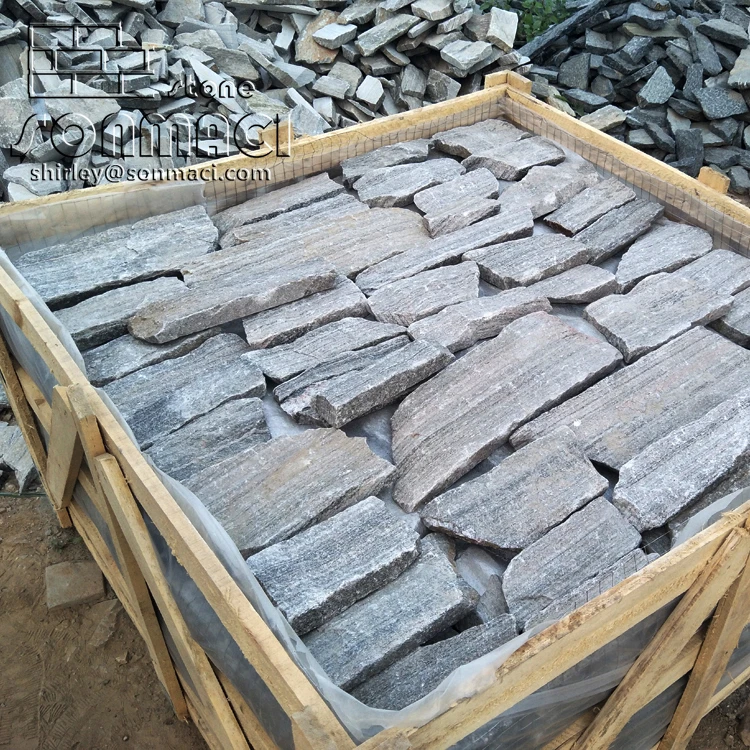
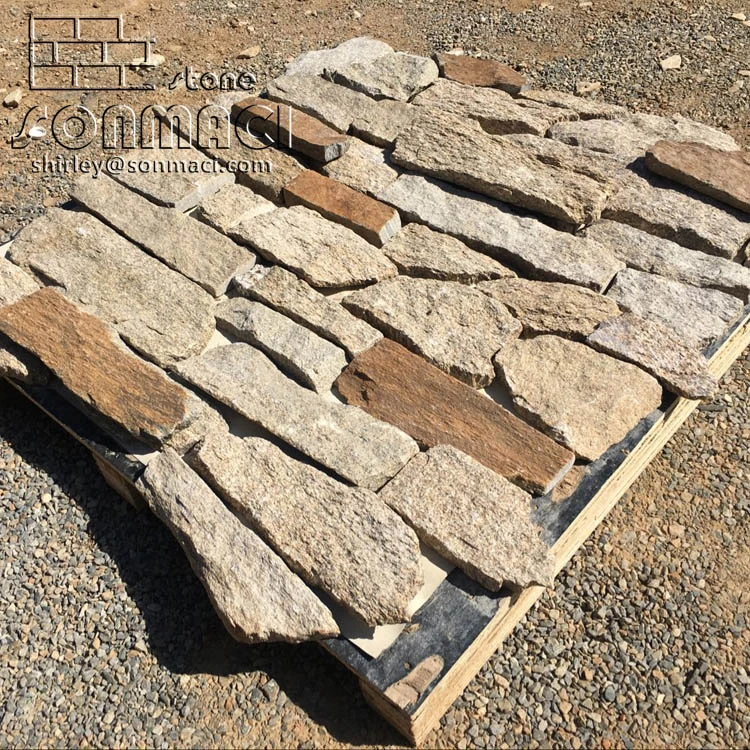
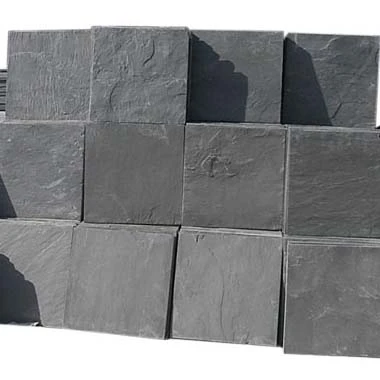
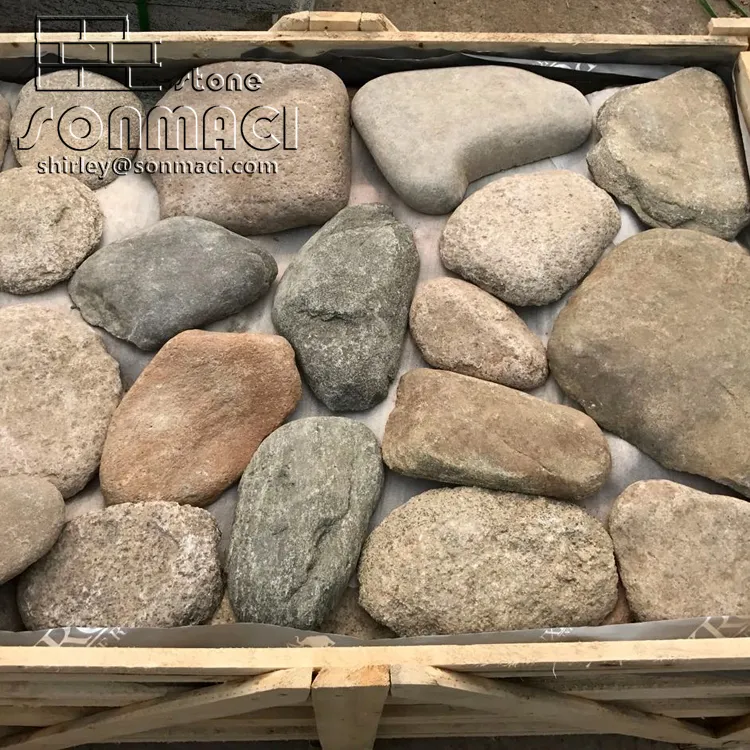
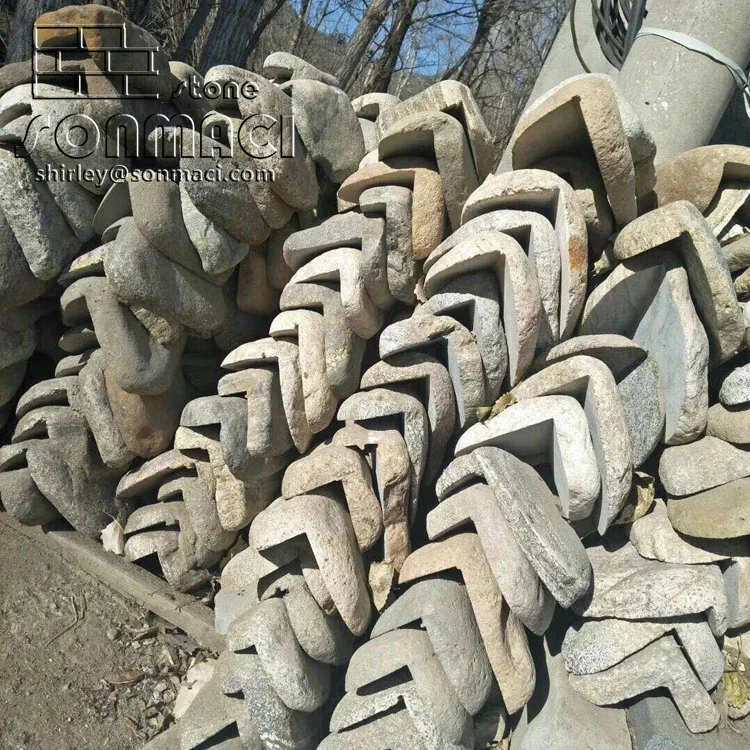
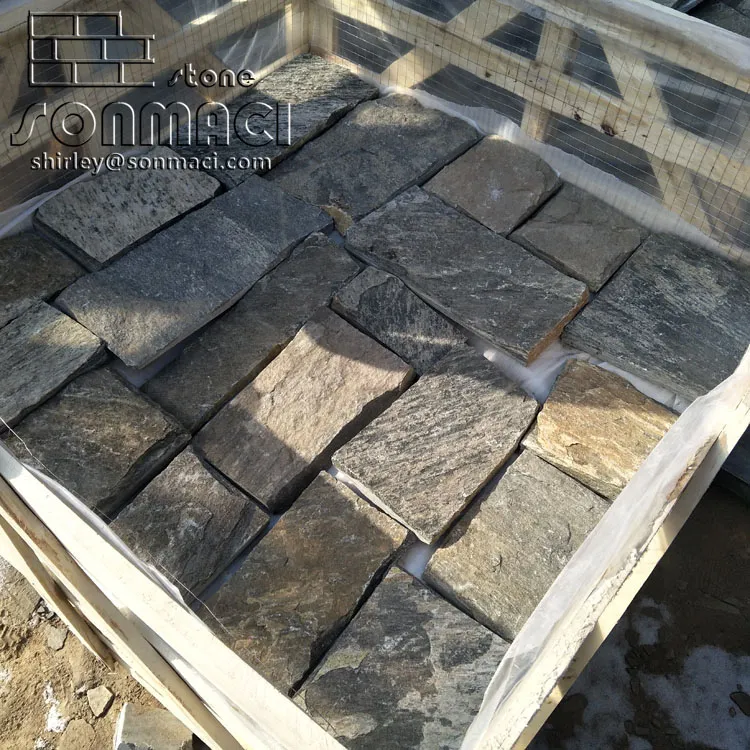
So, what exactly are we talking about? Man made stone for houses refers to engineered building materials that replicate the look, texture, and toughness of natural stone. They’re typically manufactured from aggregates like crushed stone, sand, Portland cement, and sometimes recycled industrial byproducts or polymers.
This synthetic stone connects to huge modern industry trends: from prefabricated housing to sustainable urban development. Humanitarian agencies also find these materials pivotal for quick-deploy housing in disaster zones because they balance light weight with dependability.
Key Factors of Man Made Stone Used in Housing
1. Durability and Weather Resistance
One of the big draws is how resilient these stones are. They resist cracking, erosion, and weathering better than some natural stones — and are less porous, meaning they fend off moisture and pest infiltration better. This directly translates to longer-lasting homes, especially in climates with harsh seasons.
2. Cost Efficiency
Man made stone is often cheaper to produce and install compared to quarried stone. Because manufacturers control the process, they can optimize material usage, minimize waste, and reduce transport costs. This affordability opens up options for quality housing in developing regions.
3. Scalability and Customization
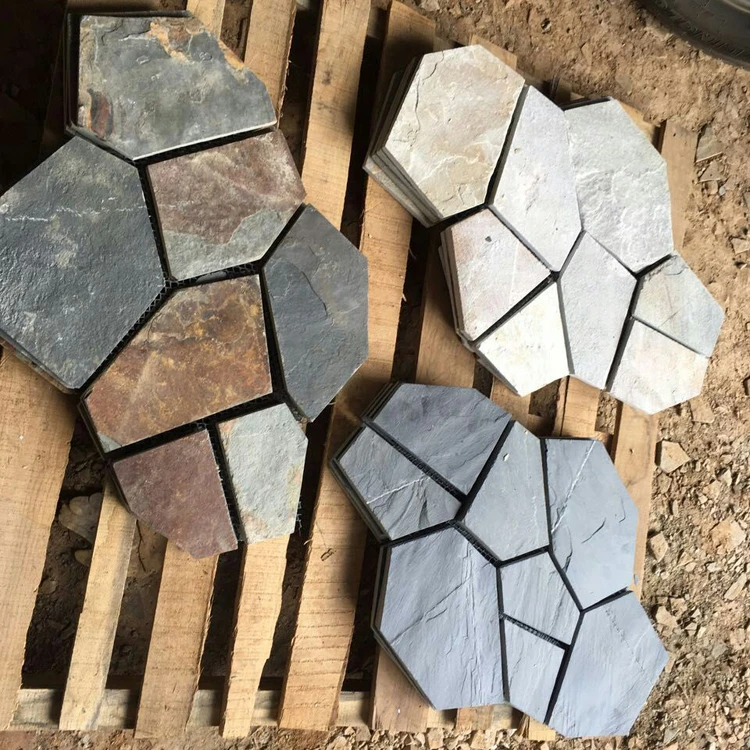
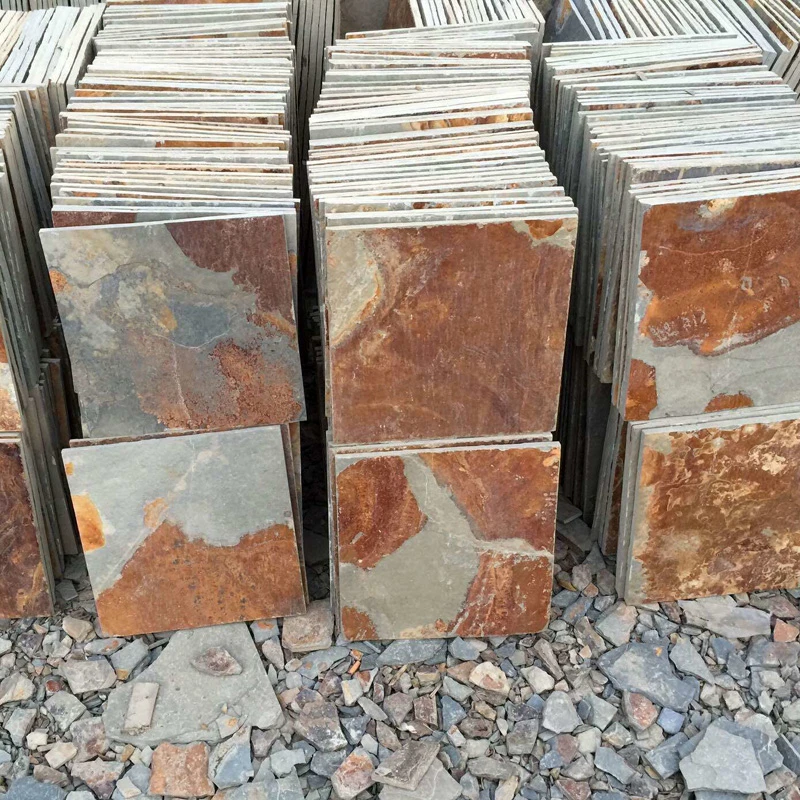
Unlike natural stone, these products can be cast in molds for various textures and colors, matching almost any architectural style. Need a rustic finish or sleek modern smoothness? It’s all customizable on demand, which is a game-changer for architects wanting consistent results.
4. Environmental Impact
Many manufacturers incorporate recycled aggregates like crushed glass or industrial byproducts such as fly ash into their formulations. The energy footprint is often smaller too since production processes are more efficient and local sourcing is possible.
| Property | Man Made Stone | Natural Stone |
|---|---|---|
| Compressive Strength | 35-50 MPa | 20-40 MPa |
| Water Absorption | 5-15% | |
| Production Time | Days (factory controlled) | Weeks to months |
| Sustainability | Can use recycled materials | Limited recycling, natural quarrying impact |
Global Applications & Use Cases
It’s fascinating how widely man made stone for houses is already in use. In Southeast Asia, rapid urban projects employ it to build affordable housing quickly and with durable finishes. Post-earthquake zones in Turkey have used similar materials to rebuild homes safer and faster than traditional masonry.
Industrial sites in harsh climates — think Arctic research stations or desert mining camps — utilize man made stone’s excellent insulation and weather resistance. Even high-end residential buildings in Europe and North America adopt it for facade cladding, blending aesthetics with energy efficiency.
| Vendor | Materials Used | Main Markets | Unique Selling Point |
|---|---|---|---|
| EcoStone Inc. | Recycled glass aggregates, cement | Europe, N America | Low carbon footprint product line |
| Duracrete Solutions | Crushed basalt, polymer additives | Asia-Pacific | High durability for industrial uses |
| StoneForm Technologies | Quartz aggregates, lime-based binders | Global (incl. humanitarian) | Customizable finishes & modular panels |
Advantages & Long-Term Value
- Cost Savings: Lower material and construction costs without sacrificing quality or aesthetics.
- Environmental Benefits: Reduced quarrying, reuse of waste materials, and lower carbon emissions.
- Durability: Homes built with these stones last decades with minimal maintenance.
- Social Impact: Quicker build times support faster rehousing after disasters, preserving dignity and safety.
- Design Flexibility: Architects can innovate without the constraints of natural stone scarcity.
Future Trends and Innovations
The future looks promising. Researchers are now integrating nanotechnology to boost stone strength and insulation even further. Incorporating phase-change materials could help homes regulate temperature naturally, cutting energy bills.
Additive manufacturing — basically 3D printing — is also making waves. Soon, whole walls or decorative facades might be printed onsite, customized for every home’s needs. Green building certifications increasingly recognize man made stone’s sustainability, encouraging regulators worldwide to adopt codes favoring its use.
Challenges & Solutions
Frankly, there are hurdles. Quality consistency can vary if manufacturers don’t adhere to stringent standards, and some formulations still rely on non-renewable cement, impacting sustainability. Also, perception remains a bit of a barrier — some clients prefer “real” stone, associating it with prestige.
The solution? Stronger certification frameworks like ISO 13006 for ceramic tiles or ASTM tests for masonry products. Plus, educating stakeholders about environmental benefits and showcasing successful projects can shift mindsets. On the tech front, blending more industrial waste and alternative binders like geopolymers is pushing the envelope.
FAQ: Frequently Asked Questions About Man Made Stone for Houses
-
How durable is man made stone compared to natural stone?
Most engineered stones match or exceed natural stone durability, particularly in resisting weathering and moisture. Properly manufactured products last 50+ years with minimal upkeep. -
Is man made stone eco-friendly and sustainable?
Generally, yes. Many manufacturers use recycled aggregates and lower-energy production methods. However, the sustainability level varies by brand and material formulation. -
Can man made stone be used for load-bearing walls in housing?
While many types are suitable for cladding and non-load bearing walls, some high-strength versions meet structural requirements. Consultation with engineers is advised. -
How does installation time compare to traditional stone?
It’s considerably faster due to lighter weight and modular panel options, which reduces overall construction time and labor costs. -
Are there any global standards for man made stone?
Standards like ASTM C126 and ISO 13006 offer guidance on testing and quality, though adoption isn’t uniform globally yet.
Conclusion: Building a Sustainable Future with Man Made Stone
The long-term benefits of man made stone for houses stretch beyond individual structures. They empower communities to build affordably, rapidly, and sustainably — a crucial trifecta for our planet’s future. As technologies advance and awareness grows, these materials will only become more central to global housing solutions. For anyone interested in resilient, eco-conscious building, exploring man made stone options is worth it.
Curious to learn more or see products firsthand? Visit our website at Son Maci Stone and discover innovative solutions that could transform your next project.
References:
1. United Nations Environment Programme (UNEP), Global Status Report 2022
2. ISO Standards for Building Materials, ISO 13006
3. ASTM International, Masonry Standards