Lightweight Stacked Stone Panels – Durable, Eco-Friendly Cladding Solutions
Lightweight Stacked Stone Panels: Revolutionizing Building Aesthetics and Efficiency
Stone’s been a symbol of strength and permanence for millennia, yet in today’s fast-paced building world, the old heavy slabs are making way for something cleverer — lightweight stacked stone panels. Frankly, this isn’t just about looks; it’s about reshaping construction with sustainability and ease in mind. Around the globe, projects large and small are tapping into this innovation to reduce costs, speed up installations, and still enjoy that authentic stone charm.
Global Context: Why Lightweight Stacked Stone Panels Matter
We live in an era eager for efficiency and eco-conscious materials. According to the International Organization for Standardization (ISO), the construction sector is responsible for nearly 39% of global carbon emissions, with materials playing a huge role. Lightweight stacked stone panels address a critical bottleneck: traditional stone was heavy, expensive to transport, and labor-intensive to install. Lightweight alternatives trim shipping costs (lower carbon footprint) and make construction companies more agile — especially in growing urban centers of Asia, Africa, and the Americas.
But here’s the kicker: it’s not only about cutting costs or footprints. In humanitarian contexts, lightweight panels mean faster, more durable shelters. In disaster-relief zones, for example, sending bulky stone is often impossible. Several NGOs have adopted these panels for rebuilding — providing dignity and durability in equal measure.
What Are Lightweight Stacked Stone Panels?
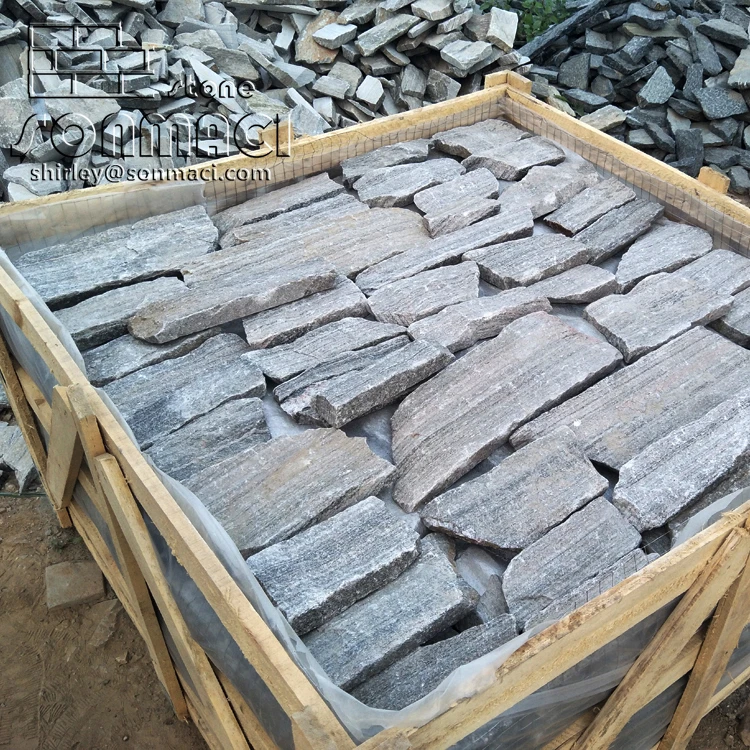
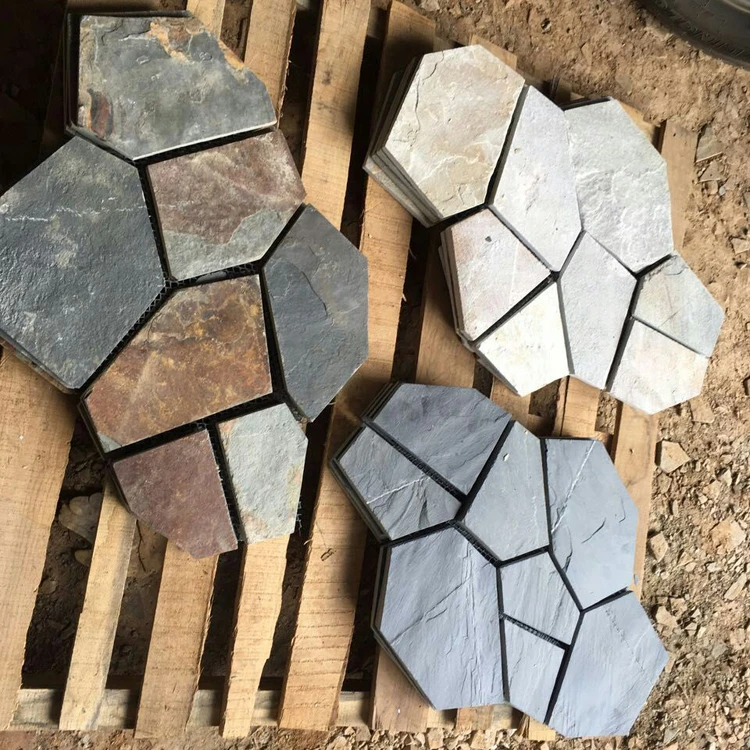
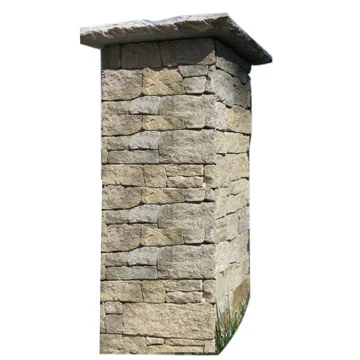
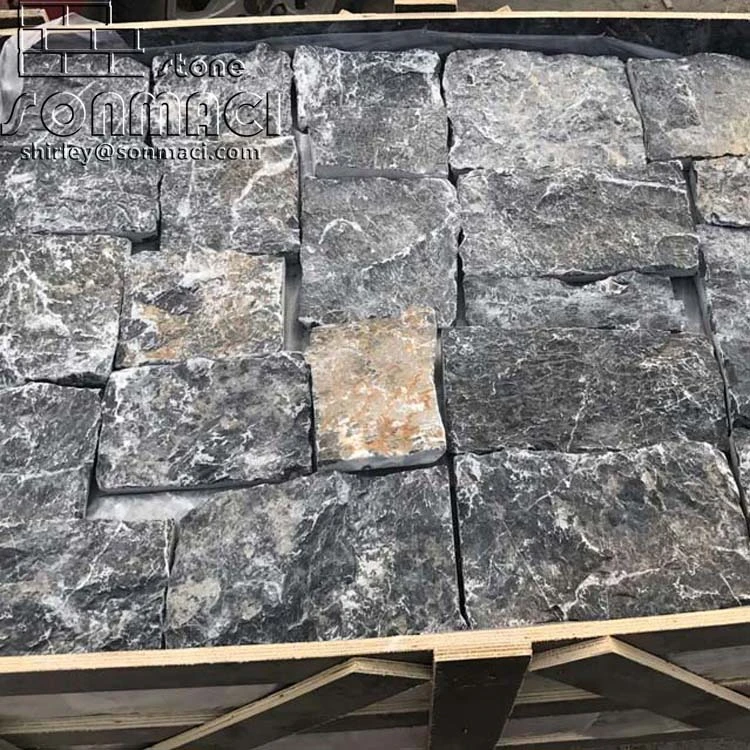
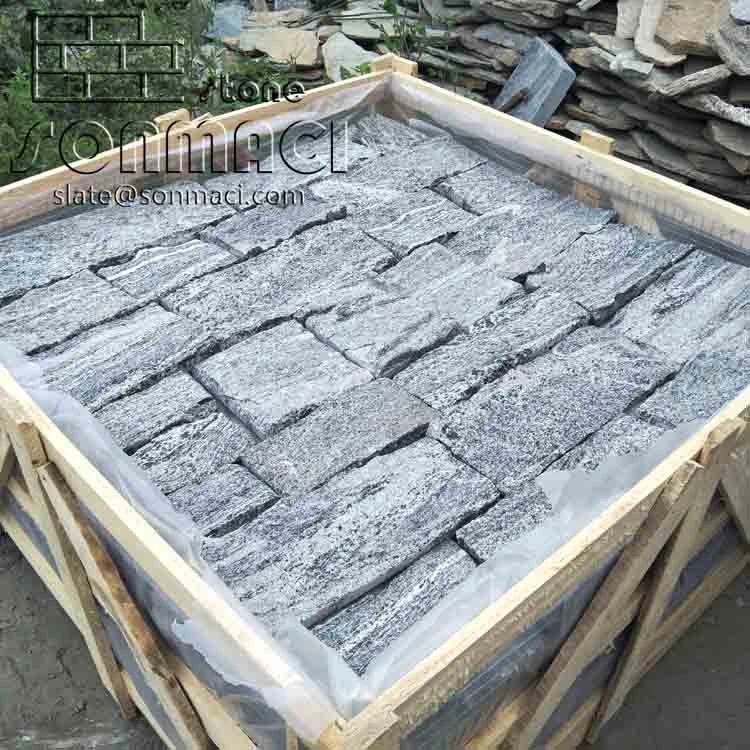
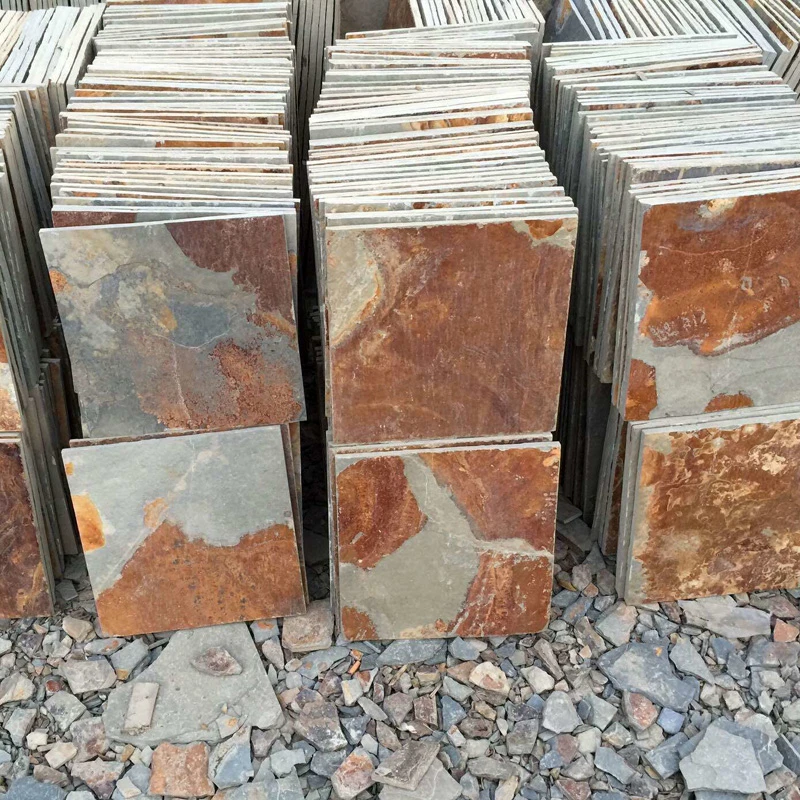
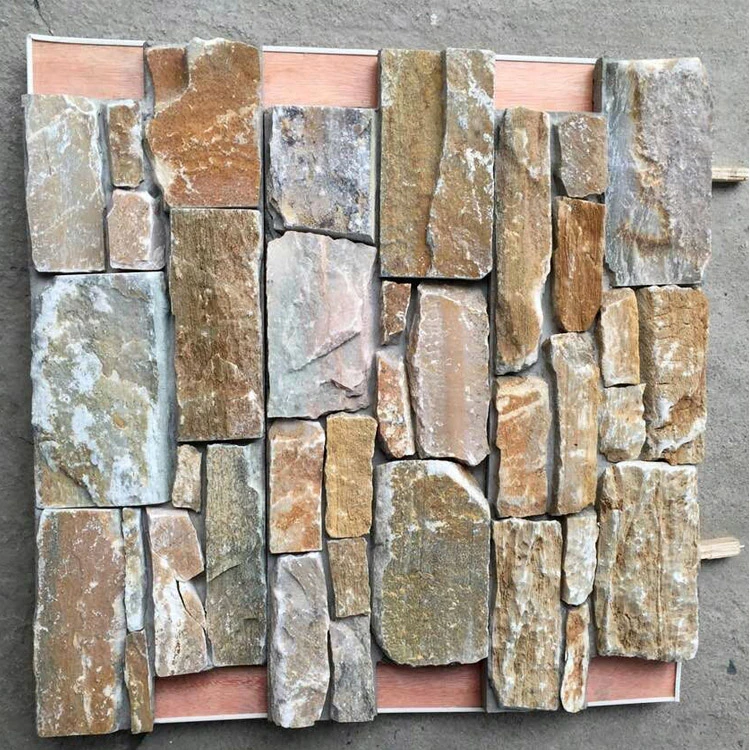
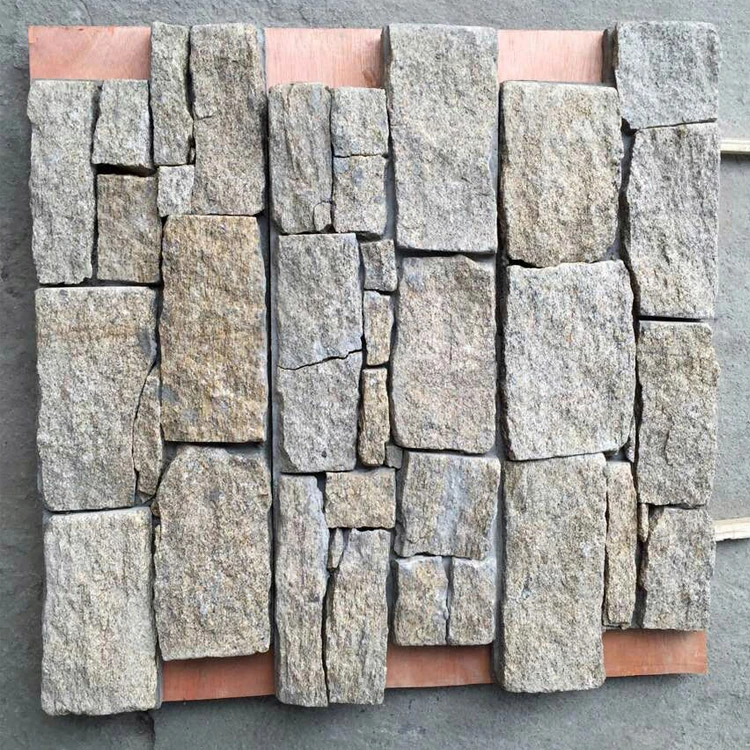
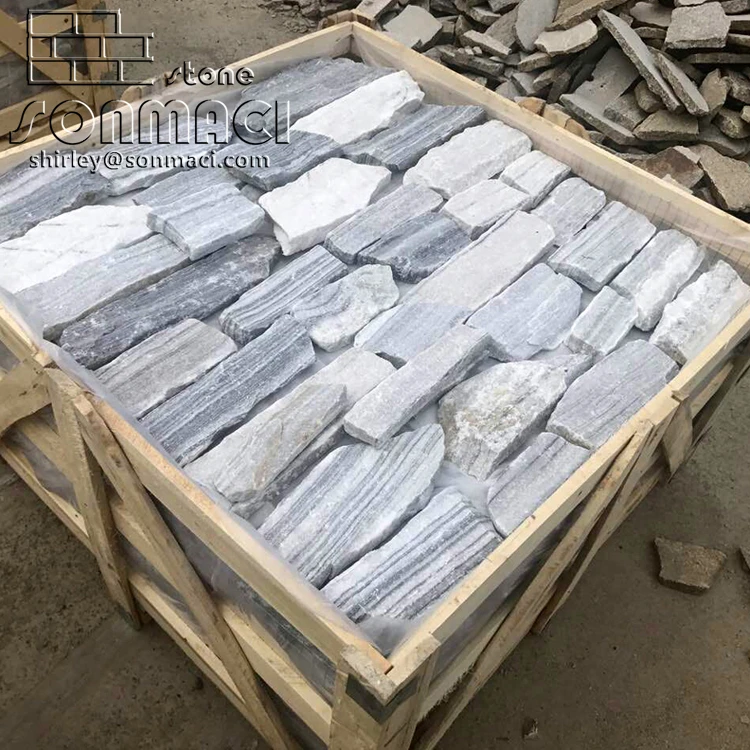
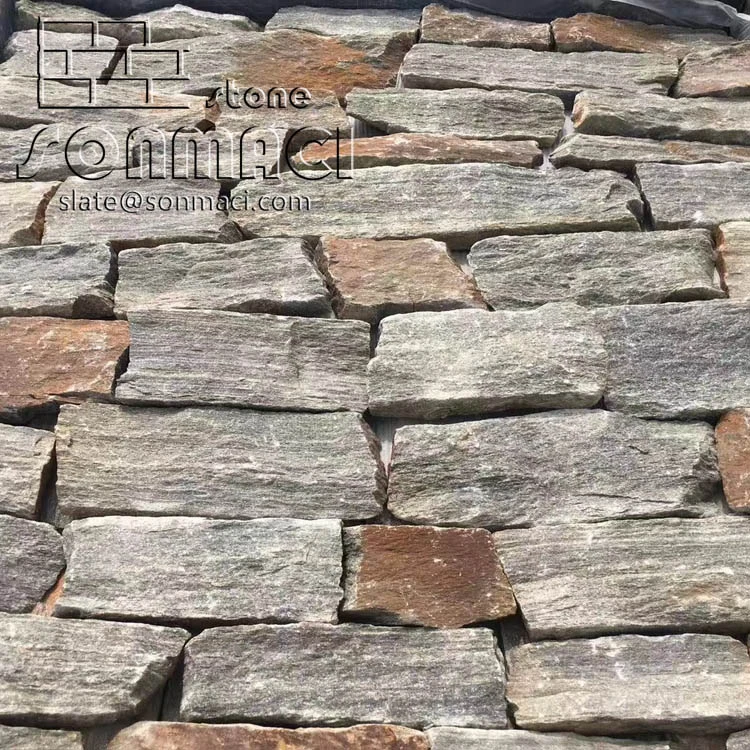
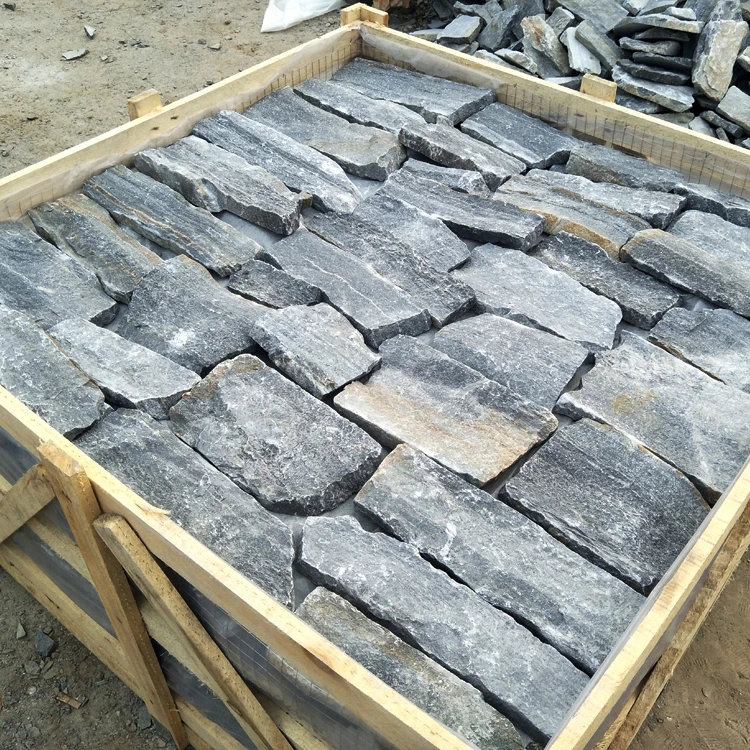
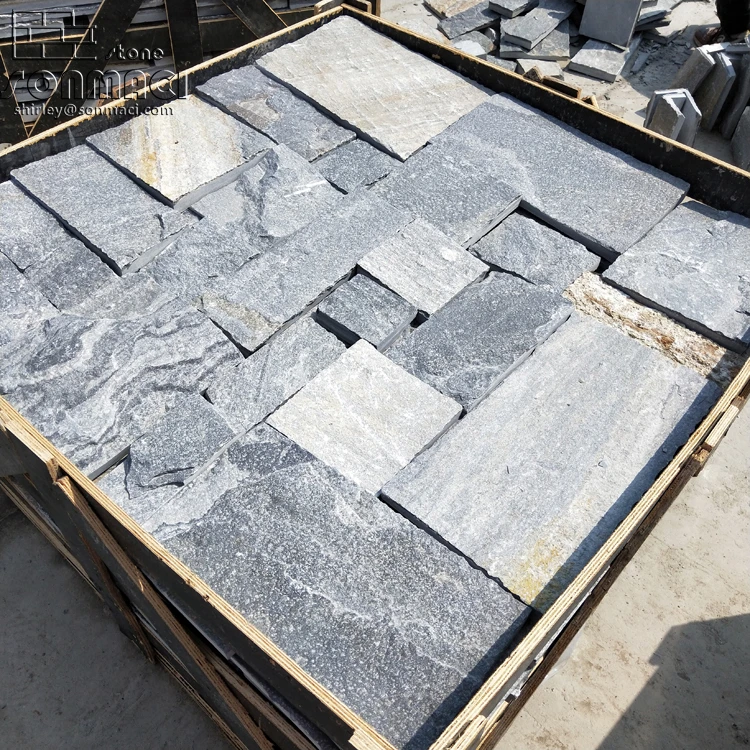
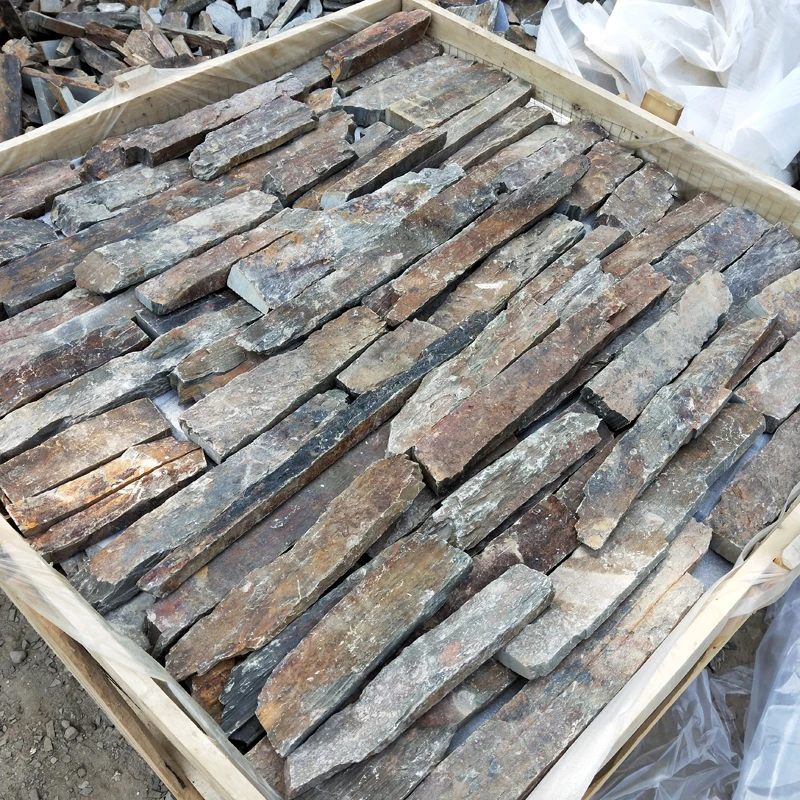
Simply put, lightweight stacked stone panels are engineered cladding systems that mimic natural stone walls but use lighter substrates. Rather than carving thick slabs, manufacturers fuse natural or manufactured stone veneer onto lightweight backing materials like fiberglass, polyurethane, or cement board. The result? Panels that are easier to handle but still deliver texture, color variations, and the rugged aesthetic of traditional stacked stone.
These panels fit perfectly into modern industry demands — modular building, prefabricated construction, and green design. Interestingly, they can also be customized for specific environments, making them quite versatile.
Core Components of Lightweight Stacked Stone Panels
Durability
Despite the reduced weight, these panels maintain excellent weather resistance and longevity. Many are treated to resist moisture, UV rays, and impact damage — critical for exterior facades in harsh climates.
Cost Efficiency
Less weight equals savings on transportation and labor. Projects report installation times cut by half compared to traditional stone masonry, meaning quicker returns on investment.
Scalability & Customization
Manufacturers offer panels in various sizes, textures, and colors. This flexibility supports everything from tiny accent walls to whole-building claddings.
Sustainability
By reducing the need for quarrying large blocks and lowering carbon emissions in shipment, lightweight stone panels align with ISO 14001 environmental management standards (source: Wikipedia).
Installation Simplicity
Panels often come pre-assembled with click or adhesive systems simplifying fitting over irregular surfaces.
Product Specification Overview
| Specification | Typical Range / Detail |
|---|---|
| Panel Weight | 5-10 lbs / sq.ft. (vs. 10-15 lbs traditional stone) |
| Material Composition | Natural stone veneer + fiberglass/polymer substrate |
| Weather Resistance | UV stabilized, moisture and freeze-thaw resistant |
| Panel Dimensions | Typically 6"x24", 8"x32", customizable sizes |
| Installation Time | Reduced by ~50% compared to traditional stone |
Vendor Comparison: Leading Lightweight Stacked Stone Panel Providers
| Vendor | Material Quality | Customization Options | Average Lead Time | Sustainability Certifications |
|---|---|---|---|---|
| Sonmacistone | Natural stone veneer with polymer backing | High (sizes, colors, textures) | 2-3 weeks | ISO 14001, LEED compliant |
| StoneFlex Corp | Engineered stone composite | Moderate (limited colors) | 4-5 weeks | Partial eco-labels |
| EcoStone Panels | Recycled stone aggregate on polymer matrix | High (custom orders available) | 3-4 weeks | Cradle-to-Cradle Certified |
Global Applications & Use Cases
- Residential and Commercial Facades: Lightweight stacked stone panels have become a favorite for urban buildings seeking authentic textures without oversize structural demands.
- Disaster Relief and Temporary Housing: NGOs implement these panels for rapidly buildable, durable shelters where time and resources are constrained.
- Remote Industrial Installations: Mines and offshore platforms use ultra-light panels to simplify logistics and reduce occupational hazards.
- Renovation Projects: Lightweight panels are perfect for retrofits where supporting existing structures with heavy stone could be unsafe or impossible.
Lightweight stacked stone panels thus serve a diversity of industries and climates, making them truly global solutions.
Advantages & Long-Term Value
In real terms, these panels save money upfront and over time — less labor means faster project turnaround, less waste, and lower maintenance. They feel “safer” too: installers report reduced injury rates due to lighter materials. Plus, there’s the intangible impact; they preserve natural stone’s timeless beauty while supporting greener construction.
Future Trends & Innovations
Looking ahead, the fusion of digital tech like 3D printing and laser etching promises panels customized down to microscopic patterns. Smart coatings could add self-cleaning or air-purifying functions. The shift towards carbon-neutral manufacturing aligns perfectly with this technology’s ethos. Honestly, it feels like the next decade might see stone panels that behave more like living materials.
Challenges & Solutions
One common challenge with lightweight stone panels is achieving the exact tactile and thermal mass benefits of natural heavy stone. While modern tech gets close, purists might notice a difference. Also, cost premiums for advanced composites can deter smaller projects.
However, experts recommend combining stacked stone panels with insulation and reflective coatings, optimizing both aesthetics and performance. Bulk buying agreements with suppliers like Sonmacistone reduce costs significantly.
FAQ: Frequently Asked Questions About Lightweight Stacked Stone Panels
Q1: How do lightweight stacked stone panels compare with traditional stone in durability? A1: They perform remarkably well against weathering, often lasting decades with minimal upkeep, but may lack the sheer thermal mass of thick stone slabs.
Q2: Can I install lightweight stacked stone panels myself? A2: While simpler than traditional stonework, installation requires some skill and proper adhesives or mechanical fixings, especially for exterior walls.
Q3: Are these panels environmentally friendly? A3: Yes, using less raw quarry stone and lowering transportation emissions enhances sustainability, backed by certifications like ISO 14001.
Q4: What’s the price difference between lightweight stacked stone panels and traditional stone? A4: Initial material costs can be comparable or slightly higher, but savings in labor and logistics often make lightweight panels more economical overall.
Conclusion: Building Smarter with Lightweight Stacked Stone Panels
From reducing environmental impact to simplifying construction and unlocking new design freedoms, lightweight stacked stone panels are quietly transforming the façade world. If you’re involved in construction, renovation, or design, considering these panels could open doors to better projects and happier clients.
For more insights or product details, do visit Sonmacistone, a pioneer in this exciting space. It’s where tradition meets innovation — just how building should be.
Mini takeaway: Lightweight stacked stone panels offer an accessible, sustainable alternative to traditional masonry that fits modern construction’s fast-paced and eco-conscious landscape.