Stone Wainscot on Metal Building – Durable Cladding for Modern Construction
Stone Wainscot on Metal Building: A Durable Fusion in Construction
Stone wainscot applied on metal buildings might sound like an unusual pairing at first, but in today’s construction world, it’s quickly becoming one of those smart, durable design choices that pack a punch. This hybrid keeps the strength and cost-efficiency of metal structures while adding the classic aesthetic, weatherproofing, and longevity of stone cladding. So why does this matter globally? Because cities and industries worldwide face growing pressures for buildings that last longer, resist climate stress, and look good too—without breaking the bank or the timeline.
Introduction: Why the World Needs Stone Wainscot on Metal Buildings
Urban areas and industrial hubs are expanding at a record pace. According to UN data, global urban population hit 56.2% in 2023 and continues rising. Factories, warehouses, and community centers require construction solutions blending resilience with sustainability. Metal buildings offer rapid construction and lower costs but can feel cold and vulnerable to damage or corrosion. Stone wainscoting — a method of adding a stone veneer to the lower perimeter of these buildings — fills that gap elegantly. It enhances weather resistance, reduces maintenance costs, and uplifts the building’s visual profile.
It’s especially critical in regions with harsh weather swings like North America, Europe, and parts of Asia, where climate change imposes greater design demands. Here, the stone wainscot on metal building strategy addresses the problem of balancing speed, safety, and beauty in construction.
Defining Stone Wainscot on Metal Building
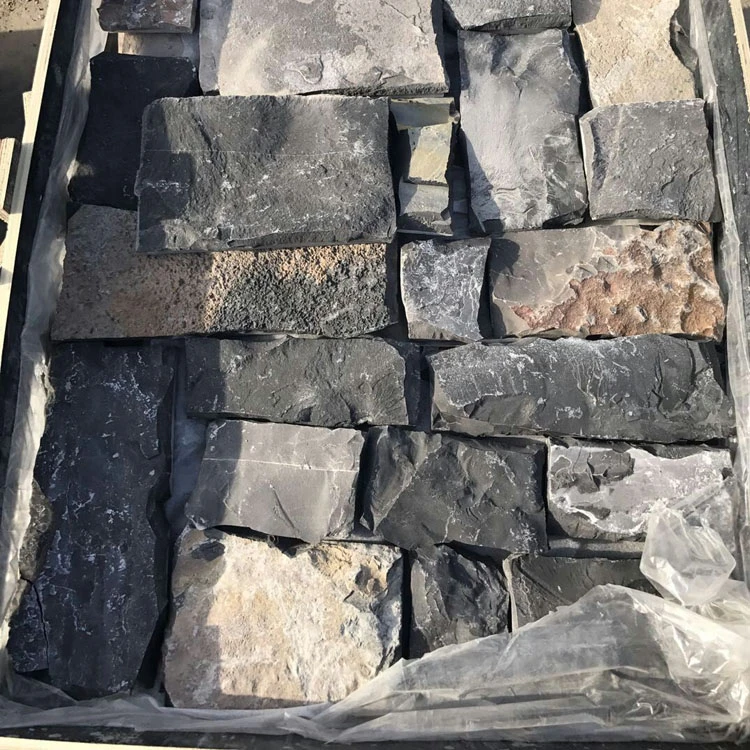
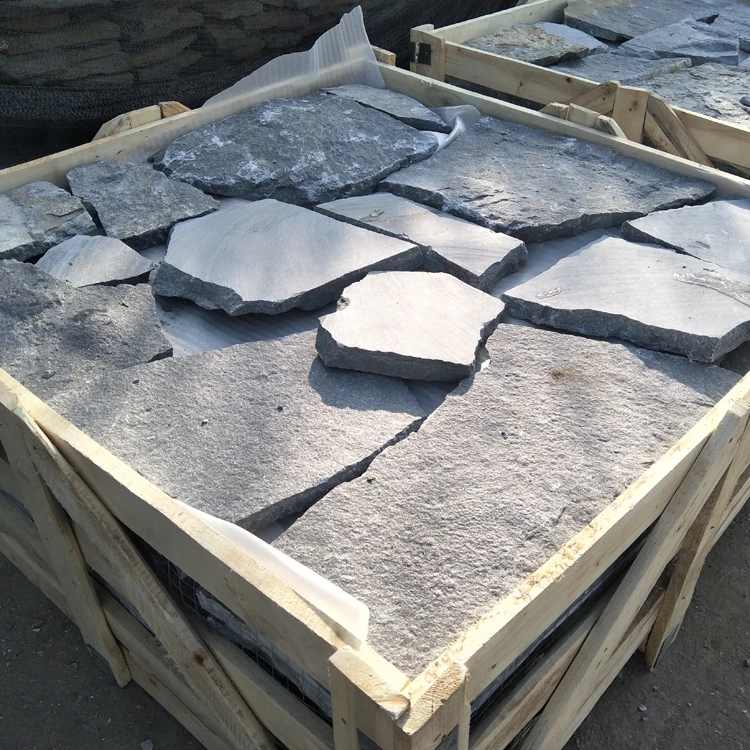
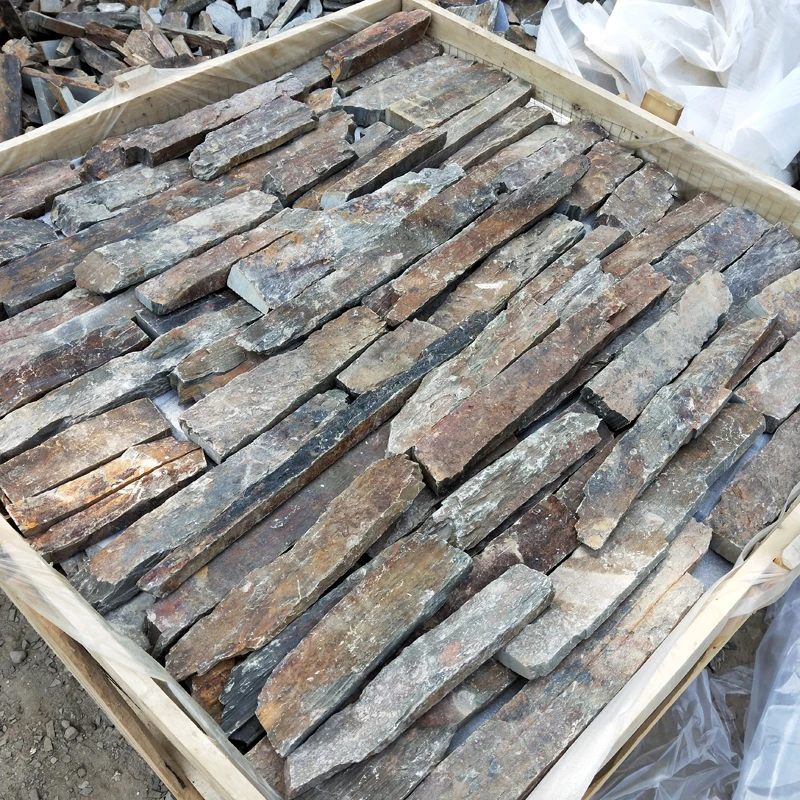
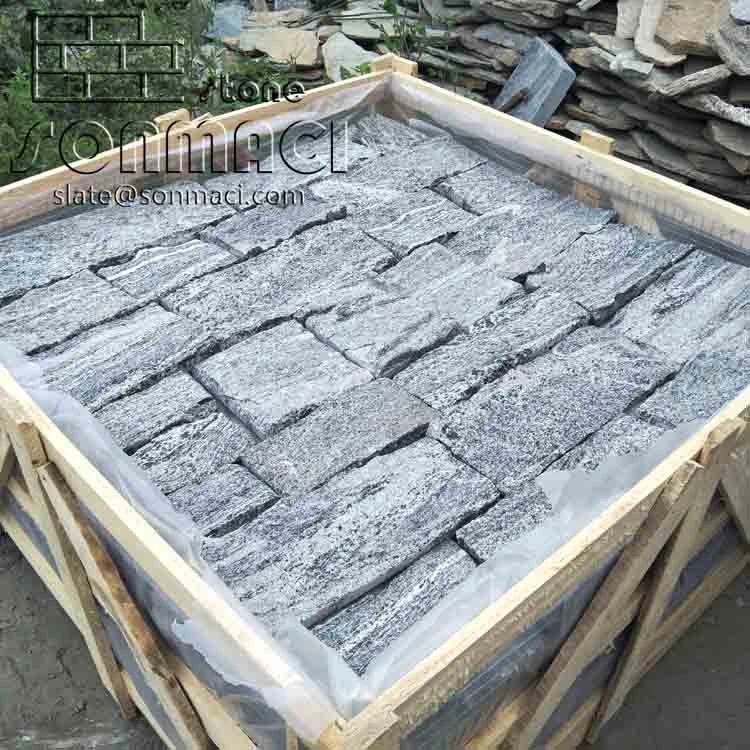
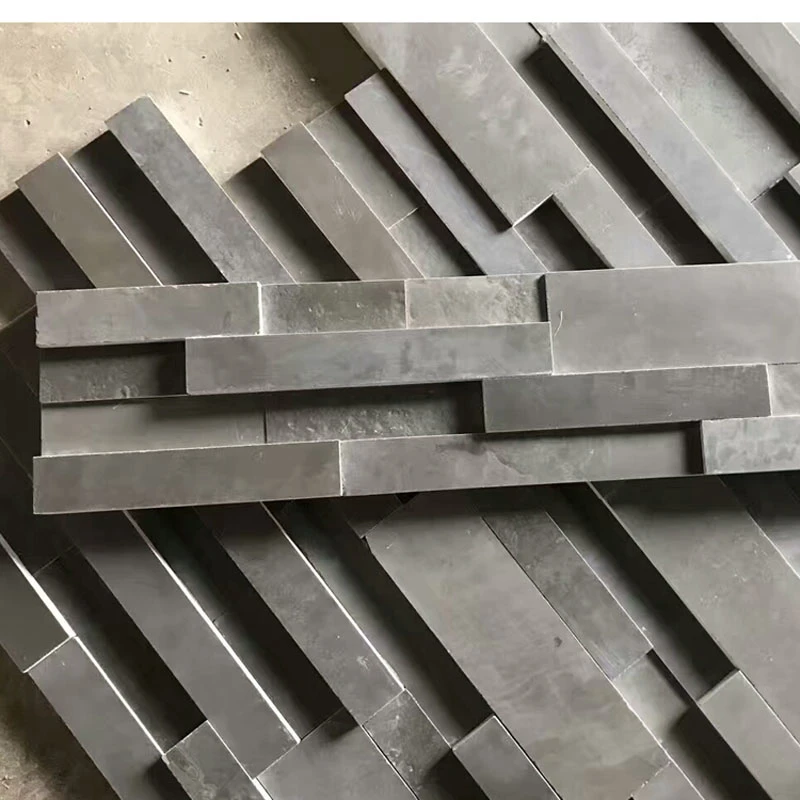
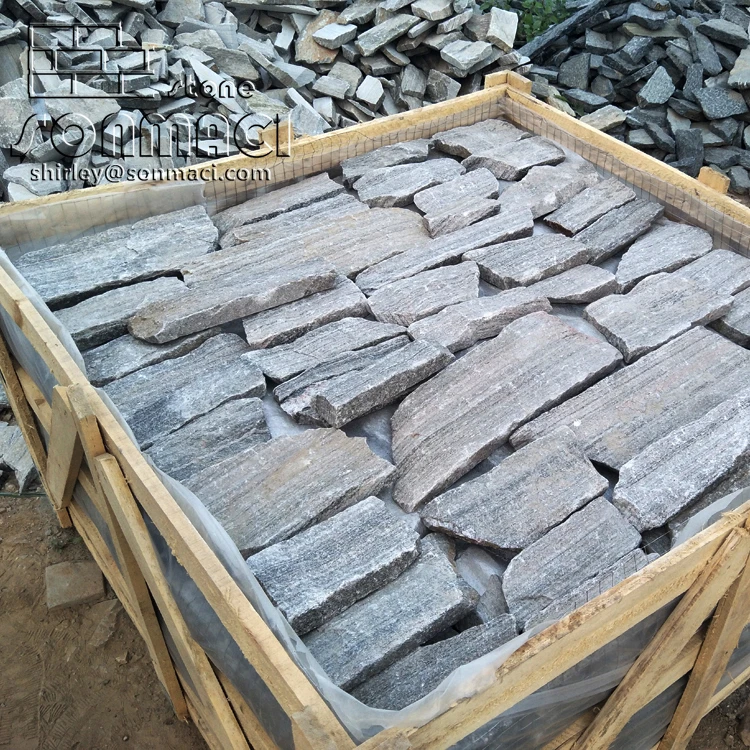
So what exactly does stone wainscot on metal building mean? At its core, it’s about applying a protective stone veneer—usually a durable, natural stone like granite, limestone, or even engineered stone panels—to the lower portion (wainscot) of a standing metal building, typically steel-framed.
This cladding protects metal walls from the wear-and-tear often suffered along the base — think splash from rain, salt, mechanical damage — and also adds thermal mass, improving energy efficiency slightly. The system combines modern industrial building methods with traditional masonry tradition, striking a balance between production speed and handcrafted aesthetics.
This fusion finds use not only in commercial and industrial projects but also in infrastructure for humanitarian efforts where durable, quick-to-deploy housing or facilities are needed.
Key Components and Why They Matter
1. Durability
Stone is a natural warrior against weathering, UV exposure, and mechanical impact. Applied as a wainscot, it shields vulnerable lower metal panels from moisture-induced corrosion — one of the biggest killers of steel longevity.
2. Cost Efficiency
While adding stone looks upscale, the wainscot method covers only the lower sections, keeping material and labor costs manageable. Compared to full stone façades, it’s a very budget-savvy choice with solid ROI by lowering long-term maintenance.
3. Aesthetic Appeal
This stylish mix projects strength and refinement simultaneously. Industrial buildings, often perceived as stark or bleak, gain a warm, timeless presence that aligns well with modern architectural tastes.
4. Quick Installation
Stone panels or veneers can be prefabricated and installed faster than full masonry walls. The metal building acts as a sturdy backing, speeding up project timelines.
5. Sustainability Aspect
Stone is natural and long-lasting, reducing the need for repairs or replacements. When paired with energy-efficient metal frames, the combo lowers environmental impact over a building’s lifecycle.
Mini Takeaway: Making these two materials work together enhances both functionality and appearance — a real win for builders aiming at longevity without the premium of full stone walls.
Global Applications & Use Cases
Metal buildings with stone wainscot are making a splash worldwide — from warehouse districts in Germany to school buildings in Canada, and even modular housing in Australia.
- Post-Disaster Facilities: NGOs often use metal buildings for emergency shelters. Adding stone wainscot improves durability and dignity for displaced families.
- Remote Industrial Zones: Mining and manufacturing sites in harsh environments like northern Scandinavia favor these constructions for their resistance against extremes.
- Commercial Projects: Retailers and office spaces across urban and peri-urban settings choose this blend to stand out without exorbitant upfront costs.
- Educational Buildings: School expansions, especially in colder climates, benefit from stone’s insulatory and rugged characteristics.
Stone wainscot on metal building is thus everything from an architectural statement to a practical performance enhancer.
Advantages and Long-Term Value
This construction strategy combines several layers of benefits:
- Cost Savings: Less need for repainting, corrosion treatment, or repairs means saving money over years.
- Sustainability: Reduced maintenance and longer lifespan lower carbon footprint compared to frequent metal replacement.
- Social Impact: Buildings look more inviting and prestigious, boosting community trust and confidence.
- Safety: Stone adds a physical barrier against impacts that might otherwise breach metal walls.
Logically and emotionally, this hybrid solution feels like a smart investment nobody wants to regret—offering both reassurance and style.
Product Specification Table
| Specification | Typical Value | Notes |
|---|---|---|
| Stone Type | Granite / Limestone / Engineered Stone | Depends on project requirements |
| Wainscot Height | 24” to 48” (600–1200 mm) | Adjustable by design |
| Metal Frame | Steel, galvanized | Standard structural grade |
| Installation Time | 2-4 weeks (typical building size) | Prefabrication speeds process |
| Expected Lifespan | 40+ years | With periodic maintenance |
Vendor Comparison Table
| Vendor | Stone Options | Lead Time | Customization | Pricing (Approx.) |
|---|---|---|---|---|
| Sonmaci Stone | Granite, Engineered Stone | 2-3 weeks | Full design support | $$$ |
| StonePro Cladding | Limestone, Slate | 3-4 weeks | Partial customization | $$ |
| Heritage Stones | Natural Granite Only | 4-5 weeks | Limited | $$$$ |
Future Trends & Innovations in Stone Wainscot Systems
As sustainability nudges design decisions harder, expect more eco-certified stone composites featuring recycled content and lighter weight for easier installation. Digital fabrication techniques — like CNC cutting and 3D modeling — are accelerating custom-fit stone panels, reducing waste drastically.
Also, integrating green energy elements (solar reflective coatings or embedded photovoltaic cells) into wainscot designs is on the horizon, marrying energy capture with protective aesthetics. It’s a subtle revolution that gradually reshapes the humble stone wainscot on metal building into an active participant in green infrastructure.
Challenges and Practical Solutions
Of course, the mix isn’t perfect. Major challenges include ensuring the stone veneer adheres reliably to metal substrates that expand and contract with temperature fluctuations. This requires sophisticated fastening systems and expansion joints.
Water infiltration behind cladding can cause unseen corrosion if poorly managed, so installing proper drainage planes and vapor barriers is critical. Many engineers also debate optimal mortar or adhesive types to balance flexibility and durability.
Thankfully, advances in materials science and mounting hardware keep pushing solutions forward, making the integration smoother and more fail-safe with every project.
FAQ: What You Want to Know About Stone Wainscot on Metal Buildings
- Q: How much does adding stone wainscot increase overall building costs?
- A: Typically, stone wainscot adds about 10-15% to metal building costs but can reduce maintenance expenses significantly over time, making it cost-effective in the long run.
- Q: Can stone wainscot be applied to existing metal buildings?
- A: Yes, retrofitting is common. However, it requires an assessment of existing wall integrity and proper surface preparation to ensure secure attachment of the veneer.
- Q: How does stone wainscot affect building energy performance?
- A: Stone adds some thermal mass, helping regulate temperature swings near the building base. While not a major insulator, it complements insulated metal panels nicely.
- Q: Are there sustainability certifications available for these systems?
- A: Some suppliers offer stone panels certified for environmental standards like LEED or ISO 14001, especially when using recycled or responsibly quarried stone.
Final Thoughts
Stone wainscot on metal building construction gracefully merges practicality with style, offering a smart solution for those seeking long-lasting, visually appealing industrial or commercial structures. It’s cost-efficient, durable, and surprisingly adaptable — a one-two punch uncommon in many building innovations. If you’re looking for that edge in your construction projects or just curious about next-gen cladding options, it’s worth exploring more.
Want to see the latest in this field? Visit our website: https://www.sonmacistone.com for product details, installation guides, and expert advice.
Mini Takeaway: Stone wainscot on metal building systems are shaping the future of resilient, attractive, and sustainable construction worldwide — a blend you might not have expected but do want.