Building a Stone House: Timeless Craft Meets Modern Sustainability
Understanding the Timeless Craft of Building a Stone House
There’s something quietly majestic about buildings made of stone — a tradition that dates back millennia yet still holds startling relevance in today’s fast-paced construction world. Building a stone house isn’t just about stacking rocks; it’s about resilience, sustainability, and a connection to place that few materials can match. Globally, with urbanization surging and climate concerns mounting, stone houses offer a unique mix of durability and eco-friendliness that’s catching renewed attention.
Why care? Well, beyond the romantic images of countryside cottages, stone construction provides a practical solution to challenges such as rising energy costs, disaster resilience, and even humanitarian housing. Getting a grip on this age-old technique might just be one of the smartest moves for anyone interested in sustainable architecture or long-term investments in property.
The Global Context: Why Building a Stone House Matters Today
Stone construction is often overlooked in the modern building boom, yet data from organizations like the ISO and the UN point to rising interest in natural, durable building materials. In fact, over 30% of the world’s population still lives in structures employing stone or related materials, especially in rural and mountainous regions.
The challenge is this: rapid urban growth frequently pushes for cheaper, faster housing methods — often at the expense of longevity or environmental impact. But stone houses buck that trend by offering a solution to both, blending tradition with modern engineering. For post-disaster rebuilding, for instance, using stone can mean homes that withstand earthquakes or flooding far better than conventional wood or concrete blocks.
Mini takeaway:
Worldwide, building a stone house is more relevant than ever as a response to environmental challenges and the desire for lasting, resilient homes.
What Does “Building a Stone House” Actually Mean?
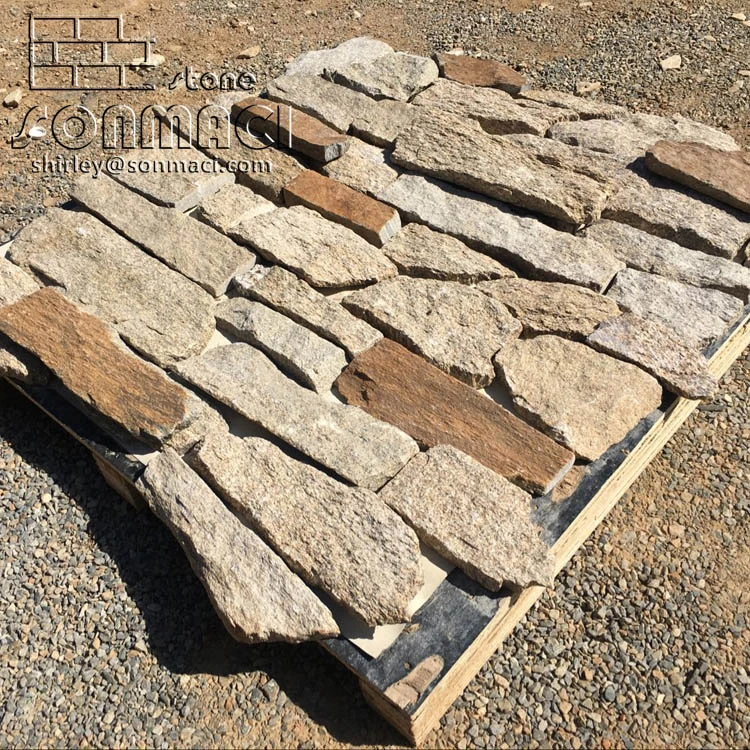
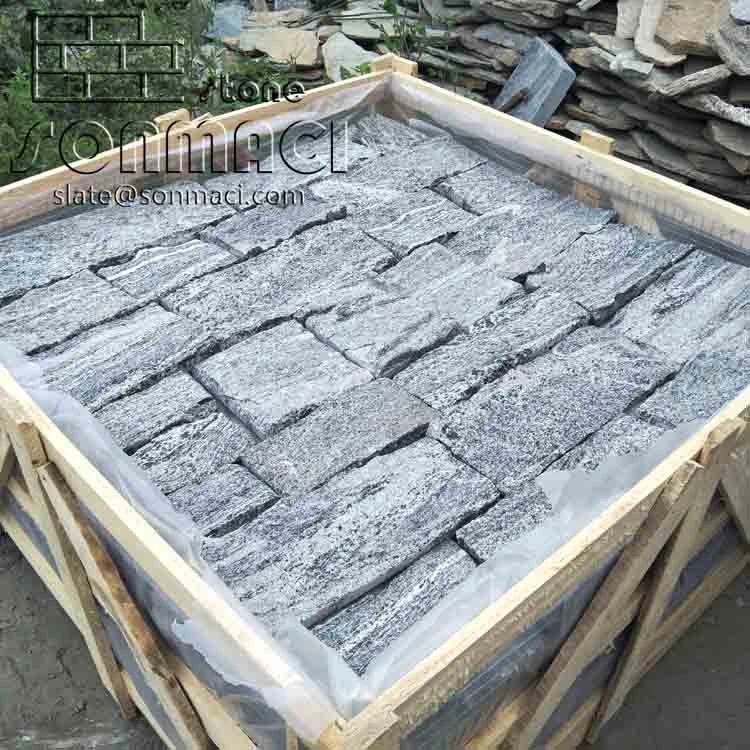
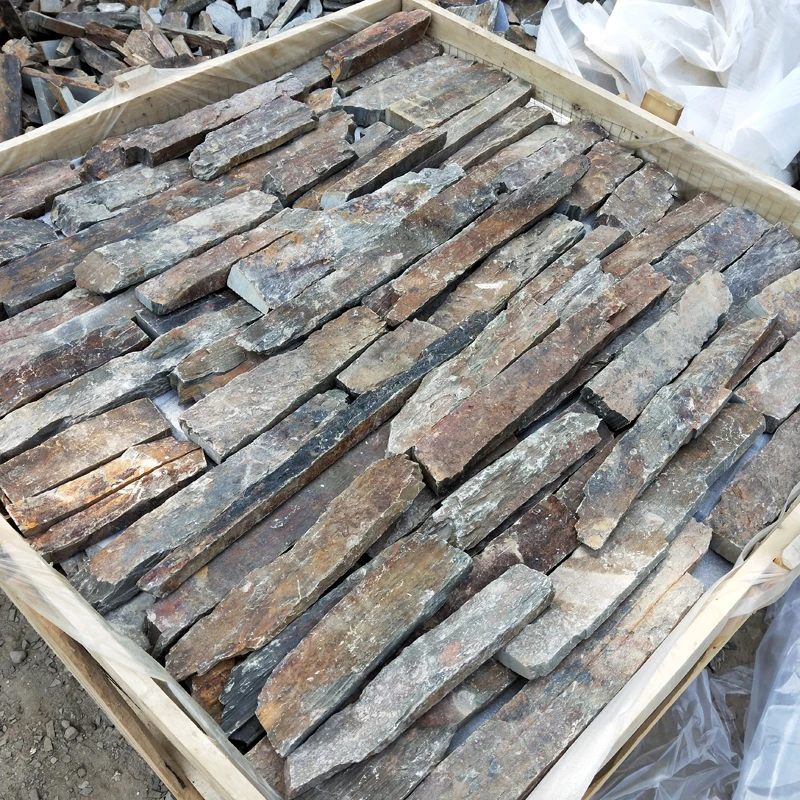
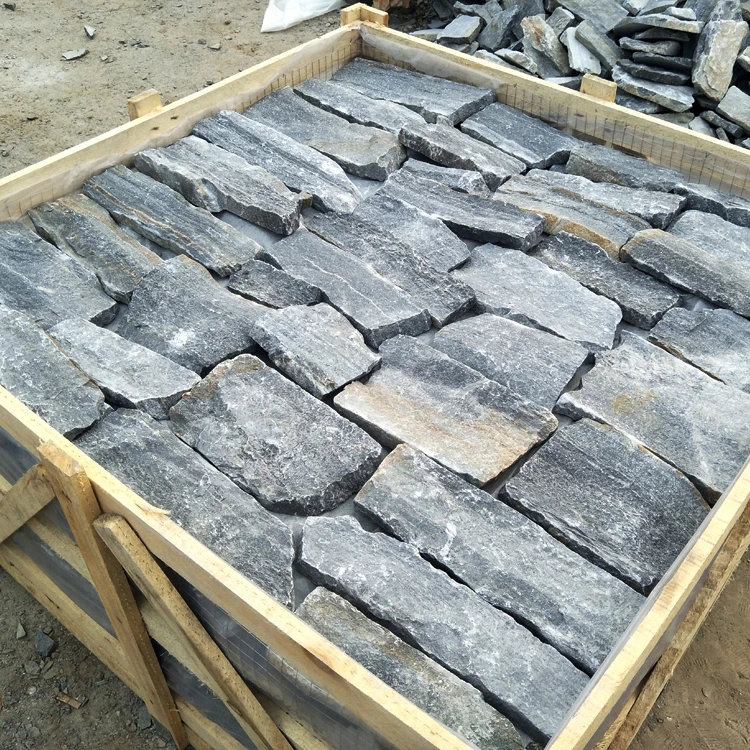
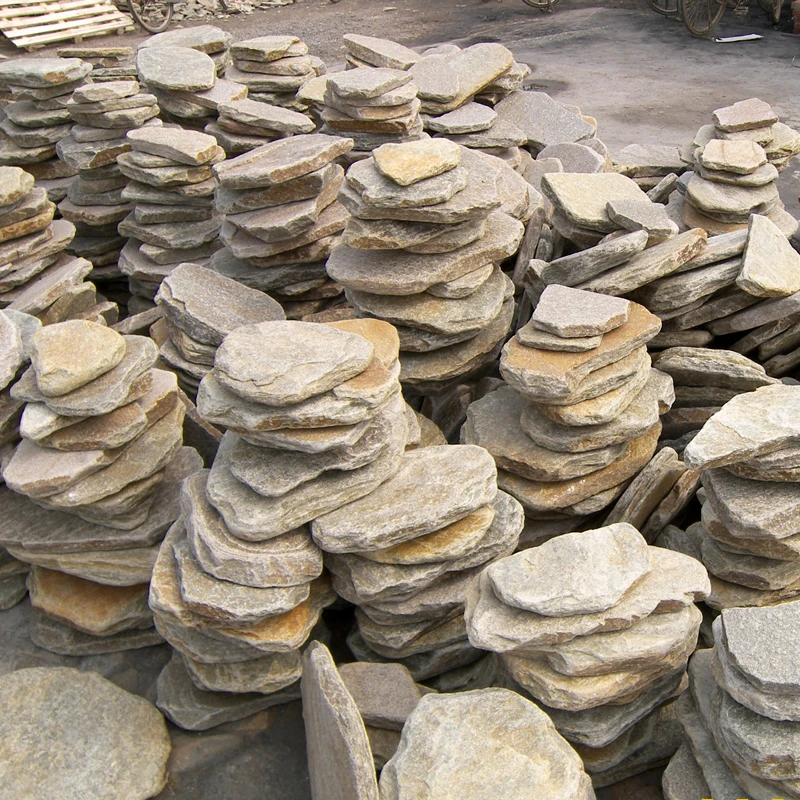
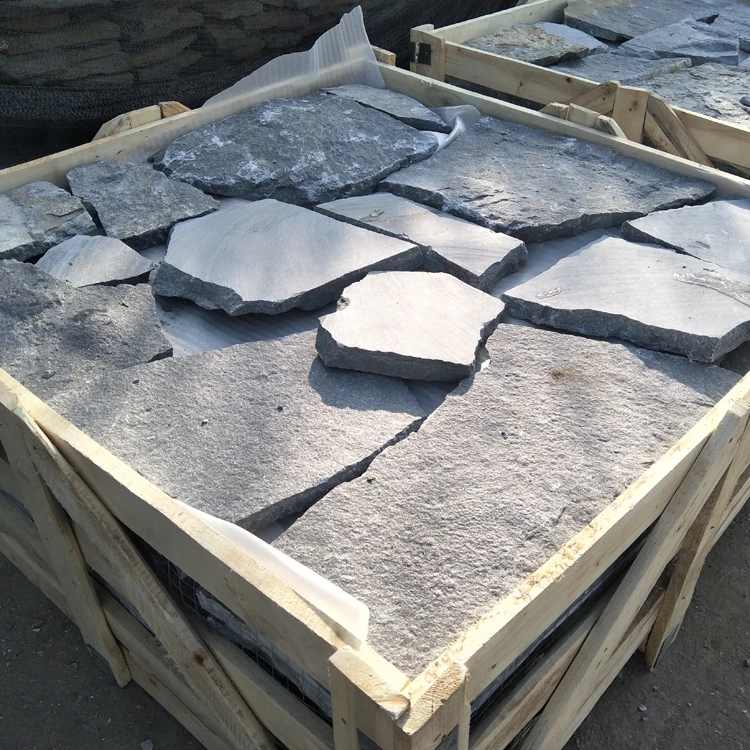
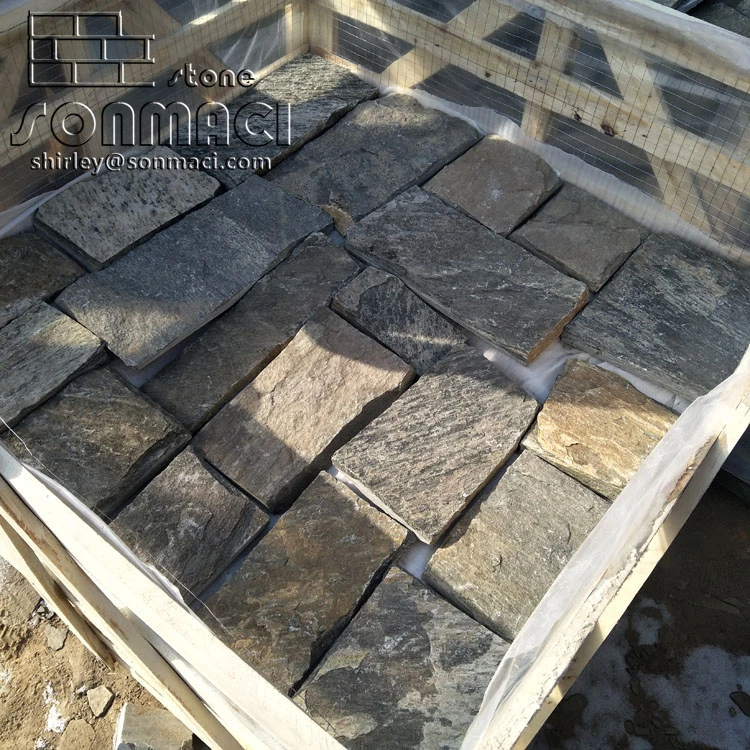
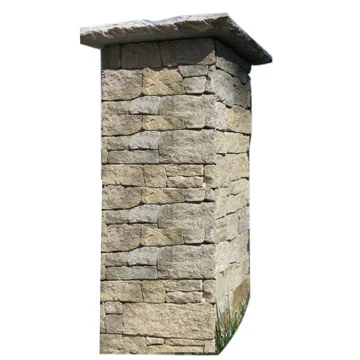
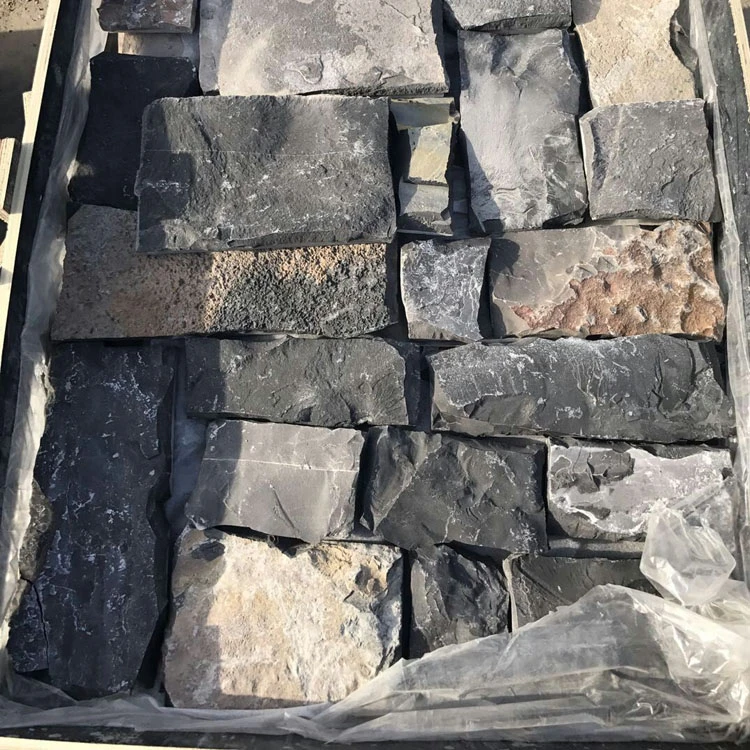
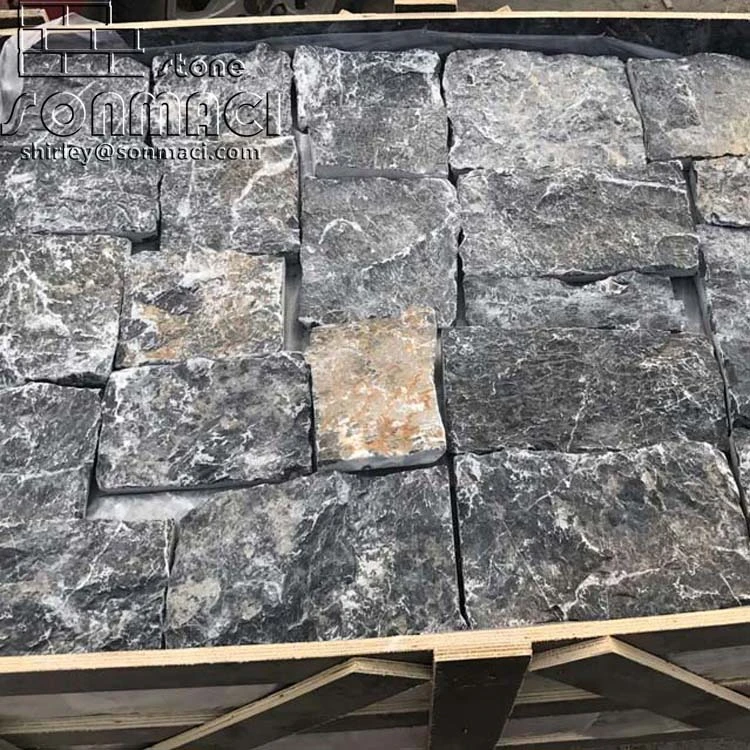
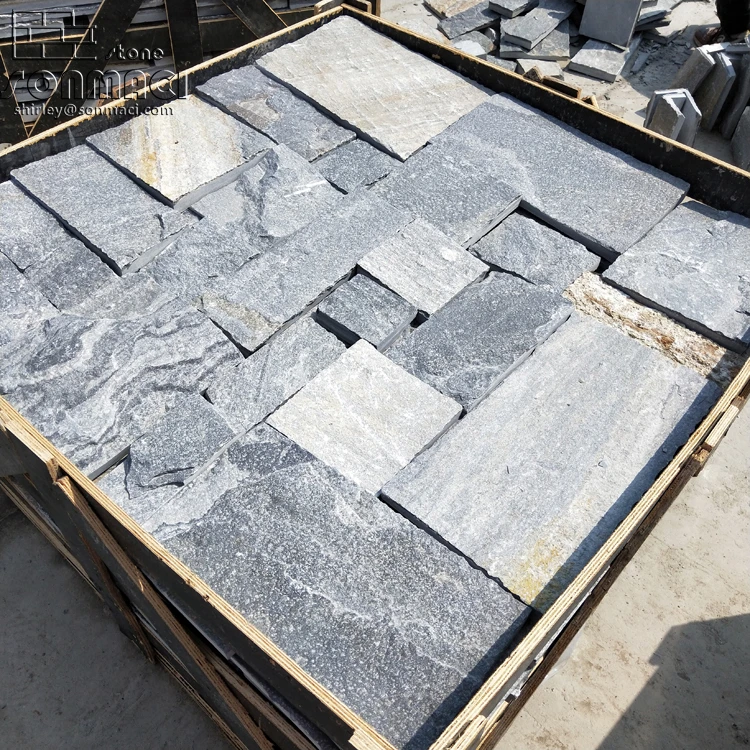
At its core, building a stone house means constructing a dwelling primarily from naturally mined or reclaimed stone materials. The stones might be fieldstones, cut blocks, or slabs, and the techniques range from dry stone stacking (no mortar) to mortared walls with reinforced cores.
In modern contexts, stone houses merge centuries-old craftsmanship with technical advances — like insulation systems fitting into thick stone walls or seismic reinforcement methods. This isn’t about going back in time but refining an inherently sustainable approach for contemporary needs. As many humanitarian organizations seek long-lasting shelter solutions, stone houses provide a bridge between tradition and disaster resilience.
Mini takeaway:
Building a stone house is a practical craft blending natural materials and modern tech, aiming for durability and sustainability in housing.
Key Components That Make Stone Houses Stand Out
Durability
Stone, as a natural material, withstands weather and time remarkably well. It resists fire, pests, and rot, meaning maintenance costs are often far lower than wood or synthetic cladding approaches. Many stone houses in Europe and Asia have thrived for centuries, proof that well-built stone walls have an almost timeless quality.
Thermal Mass & Energy Efficiency
Stone walls offer outstanding thermal mass, absorbing heat during the day and slowly releasing it at night. With proper insulation, stone houses provide cozy interiors year-round with less reliance on HVAC systems. This translates into energy savings and lower carbon footprints.
Aesthetic & Cultural Significance
Stone homes evoke a sense of history, place, and permanence — qualities often lost in cookie-cutter suburban builds. They can reflect local geology and artisanship, blending harmoniously with surroundings. For many cultures, building a stone house is a celebration of identity and craft.
Cost & Construction Time
Here’s the catch that's often discussed: stone construction can be more labor-intensive and initially costly. Skilled masons are needed, and sourcing quality stone isn’t always easy. However, many builders argue that in the long run, stone houses pay for themselves through durability and low upkeep.
Environmental Impact
Stone requires minimal processing compared to concrete or steel, reducing embodied carbon emissions. Plus, locally sourced stone drastically cuts transport-related environmental costs.
Mini takeaway:
- Stone houses offer resilience, thermal benefits, unique beauty, and great sustainability — but require skilled labor and thoughtful design.
How Stone Houses Are Used Around the World
It’s fascinating to see how different regions leverage stone construction:
- The Mediterranean: Historical villages rely on limestone and sandstone, marrying local materials with centuries of tradition.
- The Himalayas: Stone is vital for cold mountain homes, combining stone walls with wood for insulation.
- Post-Disaster Zones: NGOs use stone construction techniques for rebuilds in earthquake-prone areas like Nepal and parts of Italy — it’s often cheaper than imported prefab alternatives.
- Eco-Villages & Sustainable Communities worldwide embrace stone houses to achieve net-zero goals.
Oddly enough, places least expected — like urban infill projects in Europe — also use stone panels to combine traditional charm with new construction techniques.
Mini takeaway:
Building stone houses is a globally adaptable method, useful across climates and needs, from heritage restoration to eco-modern housing.
Advantages & Long-Term Value You Should Know
There’s a deep comfort in knowing your home will outlast generations — and stone houses often do just that. Financially, it means avoiding constant repairs or rebuilds. Environmentally, the minimal carbon footprint helps combat climate change. Psychologically, many occupants say stone walls create a feeling of safety and permanence that’s hard to replicate.
Plus, stone’s fire resistance offers undeniable peace of mind in wildfire regions. And when it comes to resale value — these homes typically maintain or increase value, seen as investments rather than liabilities.
Product Specification Table: Typical Stone House Build Focus
| Feature | Detail | Benefit |
|---|---|---|
| Stone Type | Granite, Limestone, Sandstone | Durability & aesthetics |
| Wall Thickness | 300-500 mm (varies by climate) | Thermal resistance |
| Mortar Type | Lime-based; sometimes cement | Structural strength & breathability |
| Insulation | Natural or synthetic layers inside walls | Energy efficiency |
| Foundation | Stone or reinforced concrete | Load bearing & longevity |
Comparing Top Vendors in Stone House Building
| Vendor | Service Range | Material Quality | Customization Level | Typical Project Scale |
|---|---|---|---|---|
| StoneCraft Builders | Residential & Small Commercial | High-quality granite & limestone | Fully customized designs | Up to 3000 sq ft |
| EcoStone Solutions | Eco-buildings, Community Projects | Locally sourced sandstone | Semi-custom modular components | 500 - 10,000 sq ft |
| Heritage Masonry Co. | Restorations & New Builds | Traditional local stone & mortar | Custom heritage-accurate | Varies – often small to mid-size |
The Future of Building Stone Houses: Trends and Innovations
While the notion of stacking stones might seem timeless, the building process is quietly evolving. From drone-assisted site mapping to 3D-printed molds that shape stone blocks more efficiently, digital transformation slowly seeps in.
Materials science also nudges stone houses into the future. For example, new lime-based mortars reduce carbon emissions and improve breathability. And some companies explore integrating solar panels and geothermal heating systems into stone homes — marrying old-world walls with green-tech.
Governments worldwide increasingly recognize the carbon footprint of construction, steering incentives toward natural materials like stone that showcase embodied sustainability. Oddly enough, this might be the renaissance stone houses never expected.
Common Challenges When Building Stone Houses—and Smart Solutions
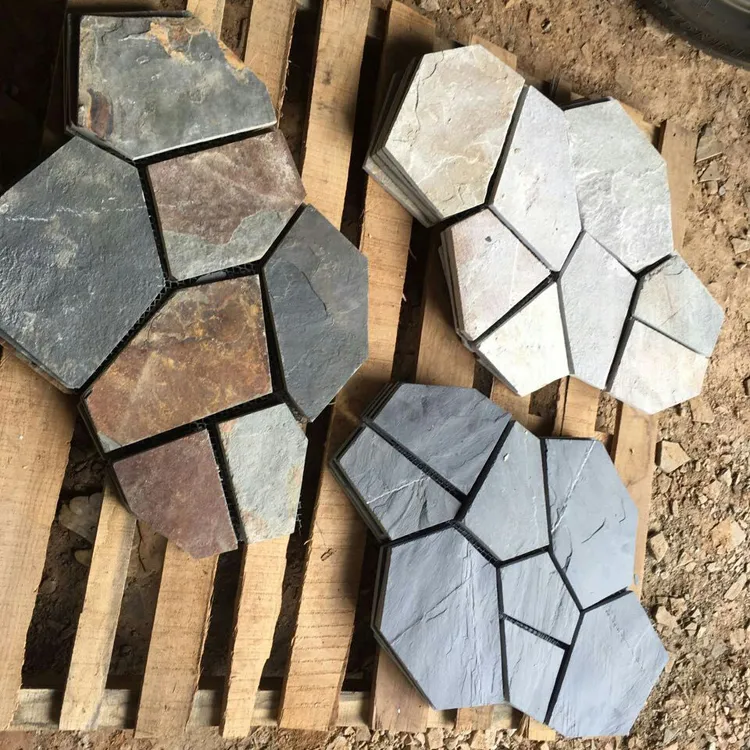
One chief hurdle remains the labor: skilled masons are rarer than you might think. But modular stone panels and prefabricated stone wall sections help cut costs and build time — an innovation many regional firms now offer.
Weather conditions complicate projects, too; wet seasons hamper mortar curing. The answer often lies in better project planning, temporary shelters for drying, and rapid-cure mortars.
Cost remains a sticking point for some — but increasingly, clients consider stone houses an investment in quality over quick fixes.
FAQ: Practical Questions About Building a Stone House
- Q: How energy efficient are stone houses compared to modern builds?
A: Stone houses provide excellent thermal mass, keeping interiors cool in summer and warm in winter. When combined with modern insulation, they’re often on par or better than many conventional homes in energy efficiency. - Q: Are stone houses resistant to natural disasters like earthquakes?
A: Properly engineered stone structures can be earthquake-resistant, especially when using reinforced mortars and design strategies. However, traditional dry stone walls may be less reliable without reinforcement. - Q: Is building a stone house more expensive upfront?
A: Typically yes, due to labor and material sourcing. But over decades, low maintenance and energy savings can offset initial costs significantly. - Q: How long does it take to build a stone house?
A: Depends on size and technique — smaller homes can take several months; large custom builds can span a year or more, particularly if handcrafted.
Wrapping Up: Why Building a Stone House Still Makes Sense
It’s easy to get lost in flashy modern architecture trends — yet the stone house quiets all that noise and reminds us about the virtues of lasting beauty and resilience. It’s a choice that embraces heritage, environmental awareness, and emotional security. For anyone curious about building a home that stands above the fleeting moments, it’s worth giving stone serious thought.
Curious what it looks like in detail? Why not explore more about building a stone house and see how this tradition is thriving in the modern age.