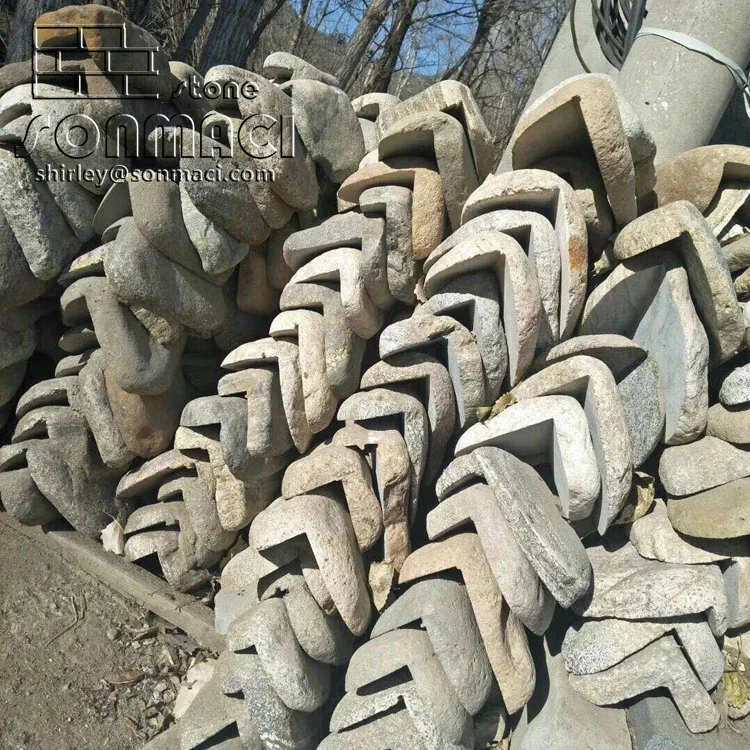
Durable Sandstone Block Walls | Sustainable & Eco-Friendly Building Solutions
Understanding Sandstone Block Walls: A Global Perspective
If you’ve ever walked past an old public building, garden retaining wall, or even a rustic home, there’s a good chance you spotted sandstone block walls. These sturdy structures aren’t just charming; they represent a tradition of durable, versatile, and sustainable building that’s still relevant all over the world. Interestingly, the use of sandstone blocks – cut, stacked, and mortared – combines centuries of know-how with modern needs: as global urbanization accelerates, and as both industry and humanitarian projects seek reliable, eco-conscious solutions, sandstone block walls hold a vital place.
Why does this matter on a global scale? According to the United Nations, approximately 2.5 billion people still live in inadequate housing conditions worldwide. Addressing infrastructure needs sustainably is a major challenge. Sandstone block walls offer an often overlooked answer by providing affordable, energy-efficient building options. They also present an edge in climate resilience — something that’s becoming critical amid frequent natural disasters linked to climate change (UN Habitat, 2022). So understanding these walls is worth our time.
Mini takeaway: Sandstone block walls blend heritage with global sustainability needs, making them more than just pretty stone.
What Exactly Are Sandstone Block Walls?
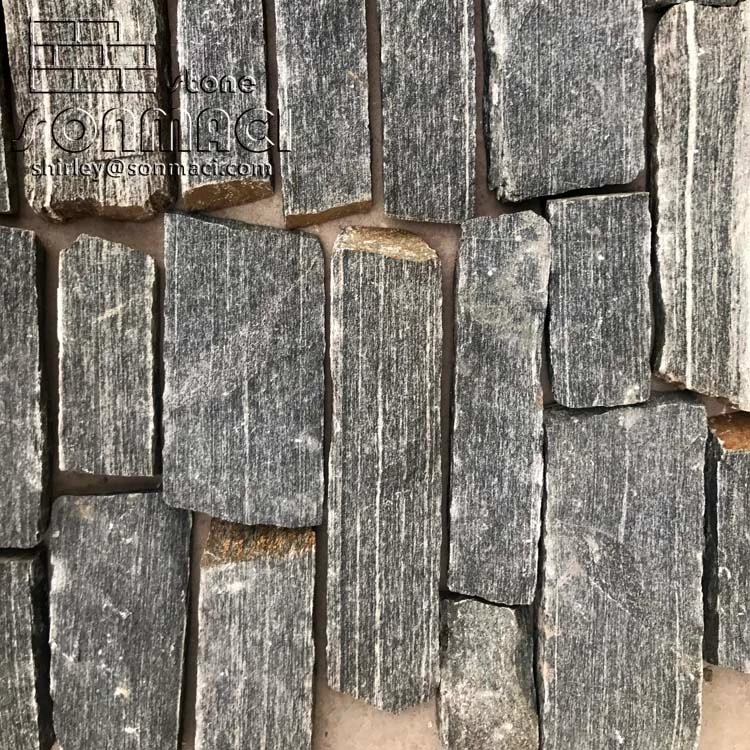
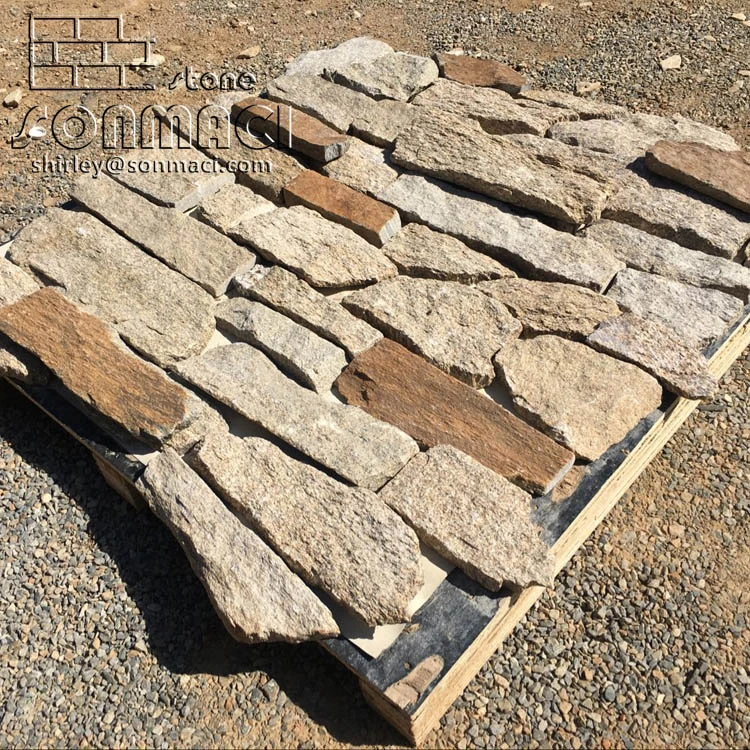
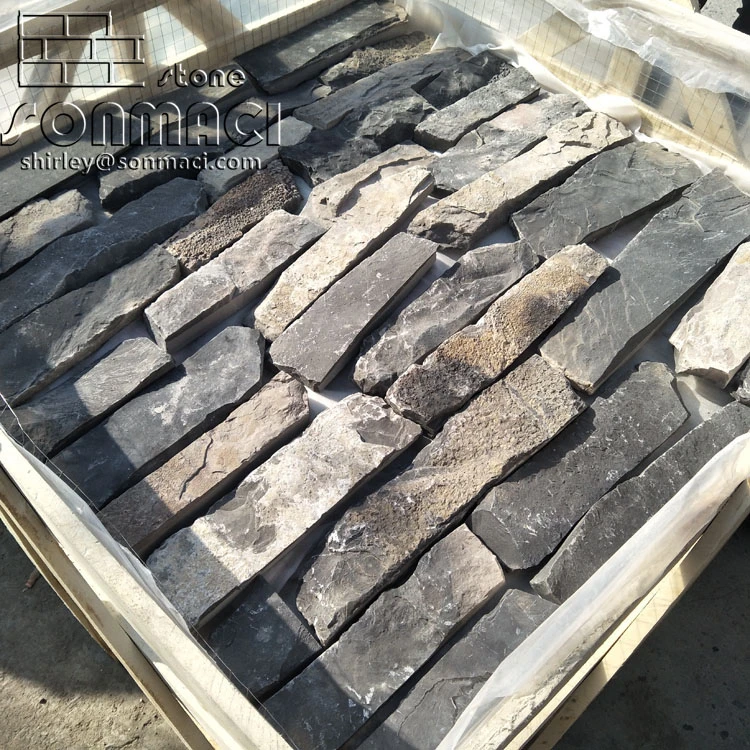
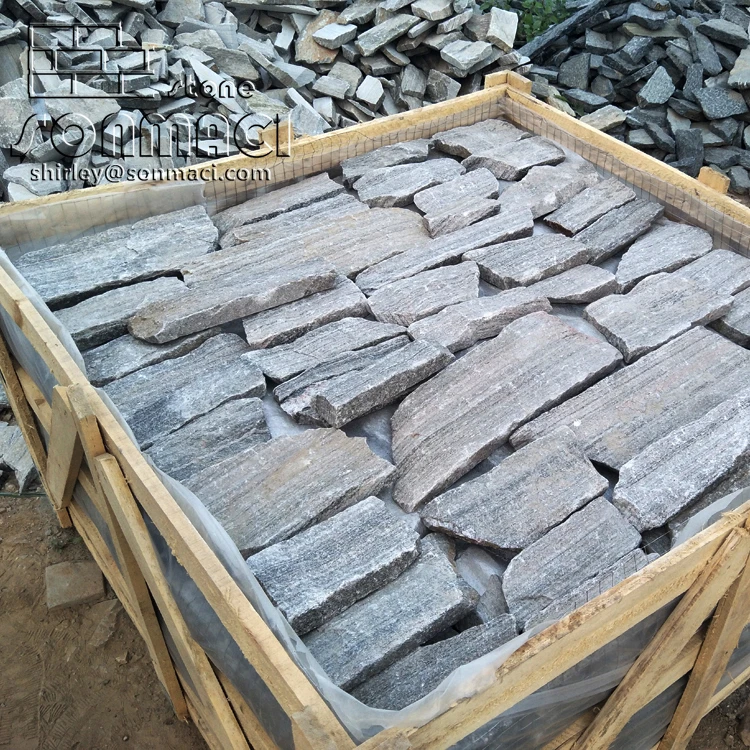
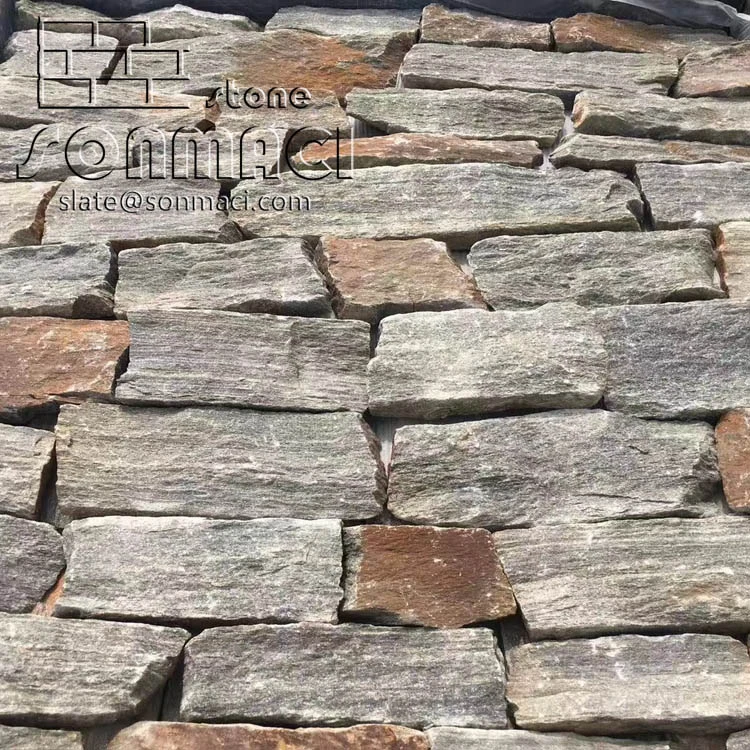
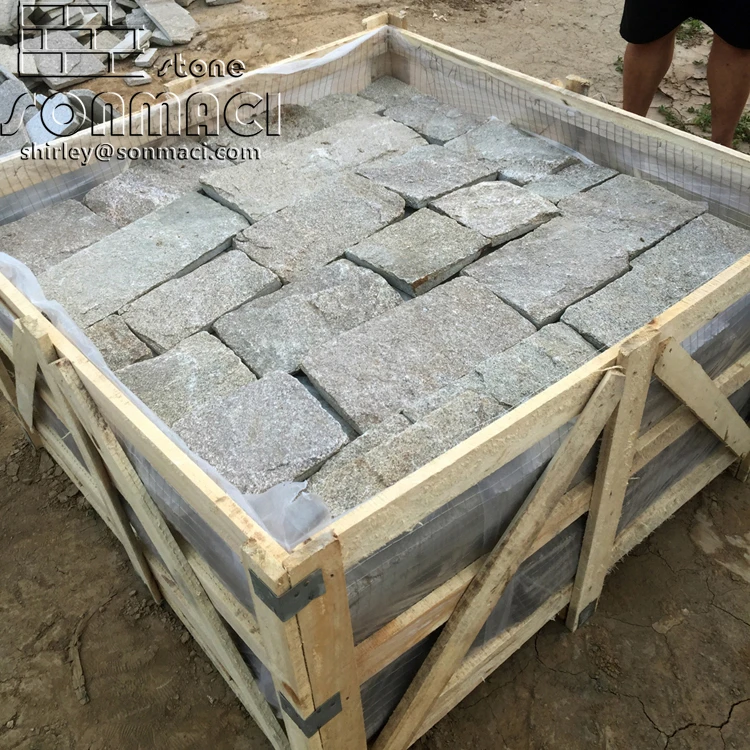
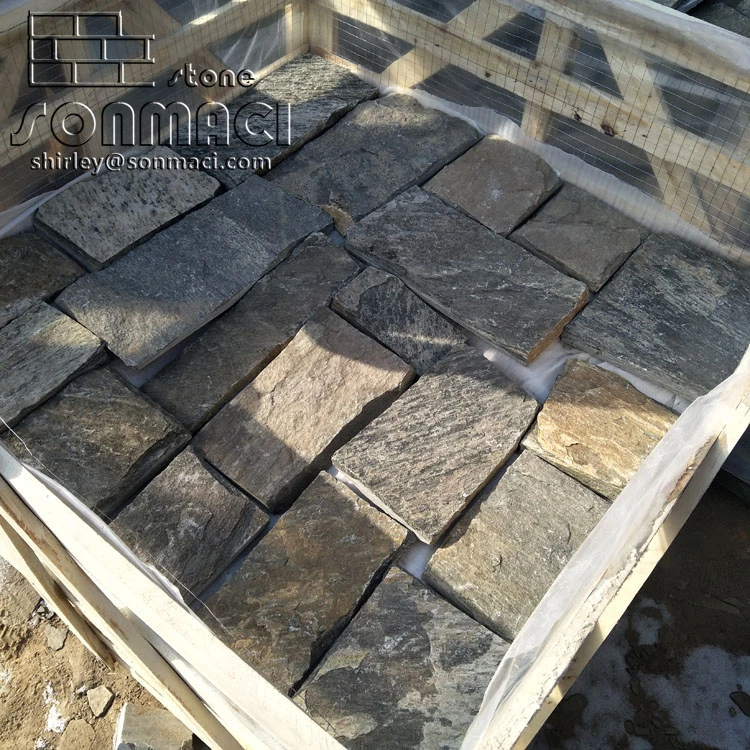
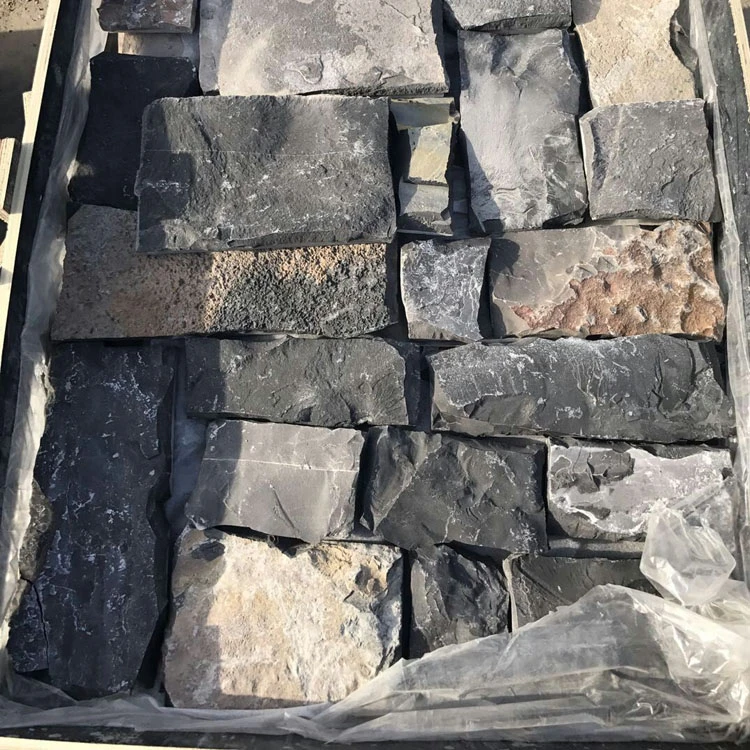
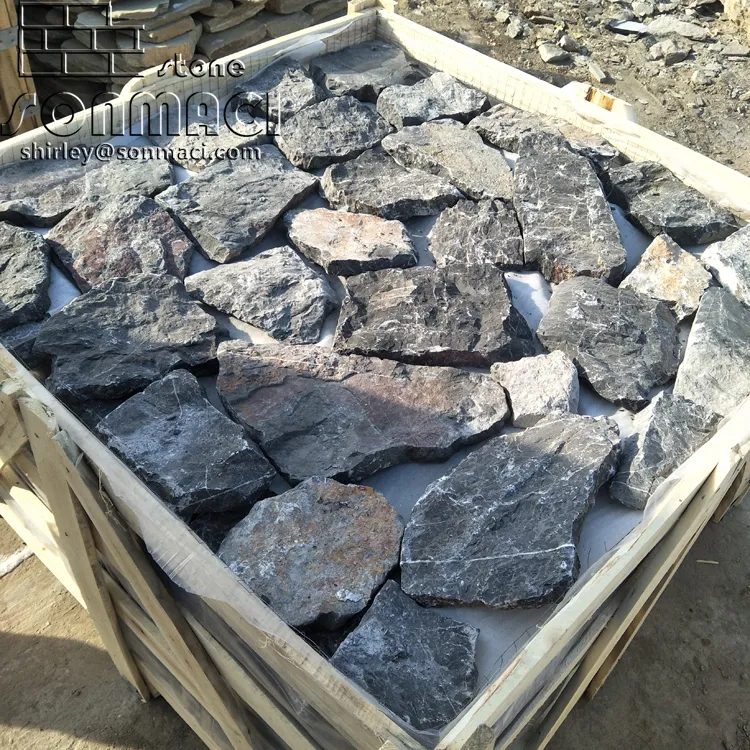
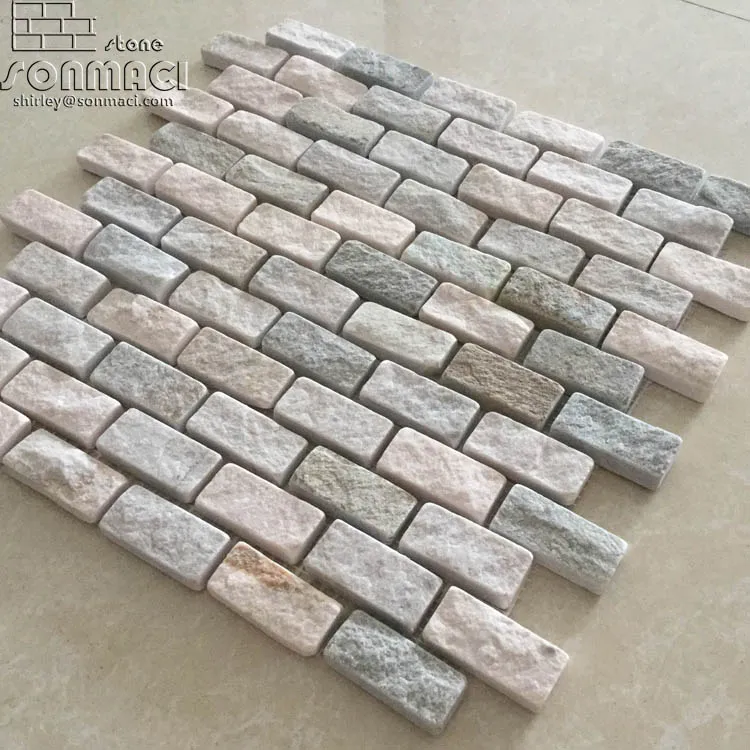
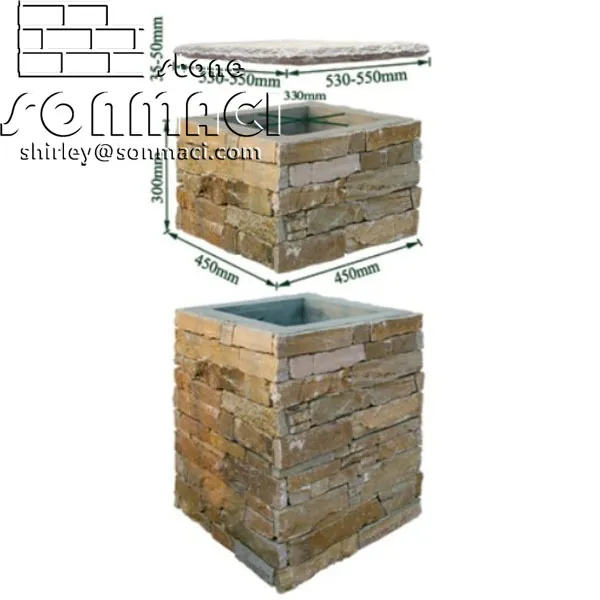
In its simplest form, sandstone block walls are structures made by stacking quarried rectangular blocks of sandstone — a sedimentary rock composed mainly of sand-sized minerals or rock grains. These blocks are laid with mortar to create strong, load-bearing walls or freestanding boundary features.
In the modern context, they serve multiple roles: from industrial landscaping and civil engineering to emergency shelters and conservation projects. The link to humanitarian needs is particularly fascinating — many relief programs leverage natural stone block walls for quick, durable shelter rebuilding following disasters.
One could say they marry the mindsets of craftsmen and engineers, with a foot still in the past but firmly in the future.
Mini takeaway: Sandstone block walls = age-old building with modern solutions for industry and aid.
Core Aspects That Make Sandstone Block Walls Stand Out
Durability and Weather Resistance
Perhaps the most celebrated feature is durability. Sandstone naturally resists weathering better than many common building materials. Especially in climates with wide temperature swings or heavy rainfall, these walls hold their integrity for decades, even centuries. I’ve seen some colonial-era walls still standing strong — that says something.
Thermal Insulation and Energy Efficiency
Sandstone’s natural thermal properties help regulate indoor temperatures. For buildings, this means cooler interiors in summer and retained warmth in winter — lowering energy bills and carbon footprints. It’s a form of passive design that fits neatly with green building certifications.
Cost Efficiency and Local Availability
One big plus is sandstone’s accessibility. Many regions have local quarries, reducing transport costs and supporting local economies. This also lessens the environmental toll compared to materials shipped worldwide. Plus, when stacked skillfully, sandstone walls require relatively low maintenance – saving money long-term.
Aesthetics and Architectural Flexibility
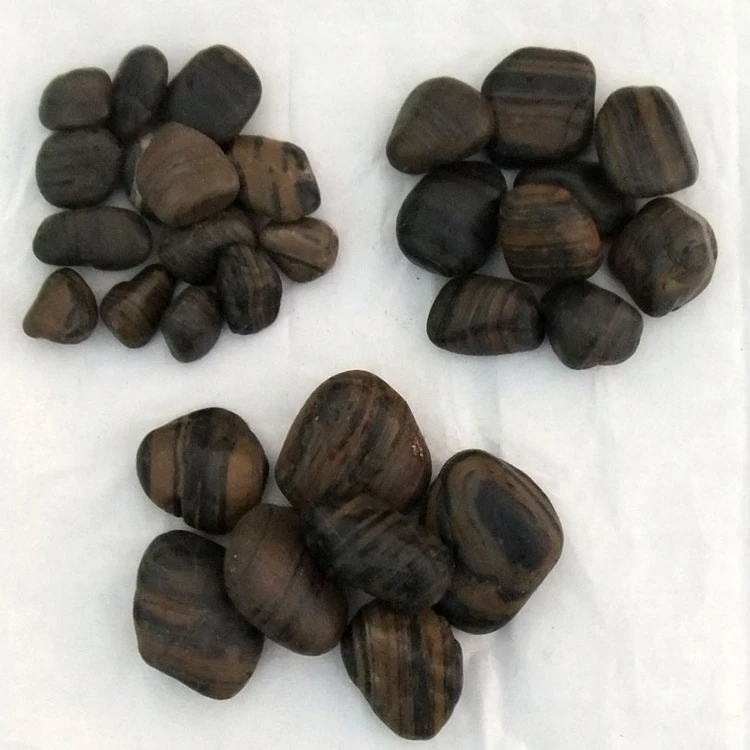
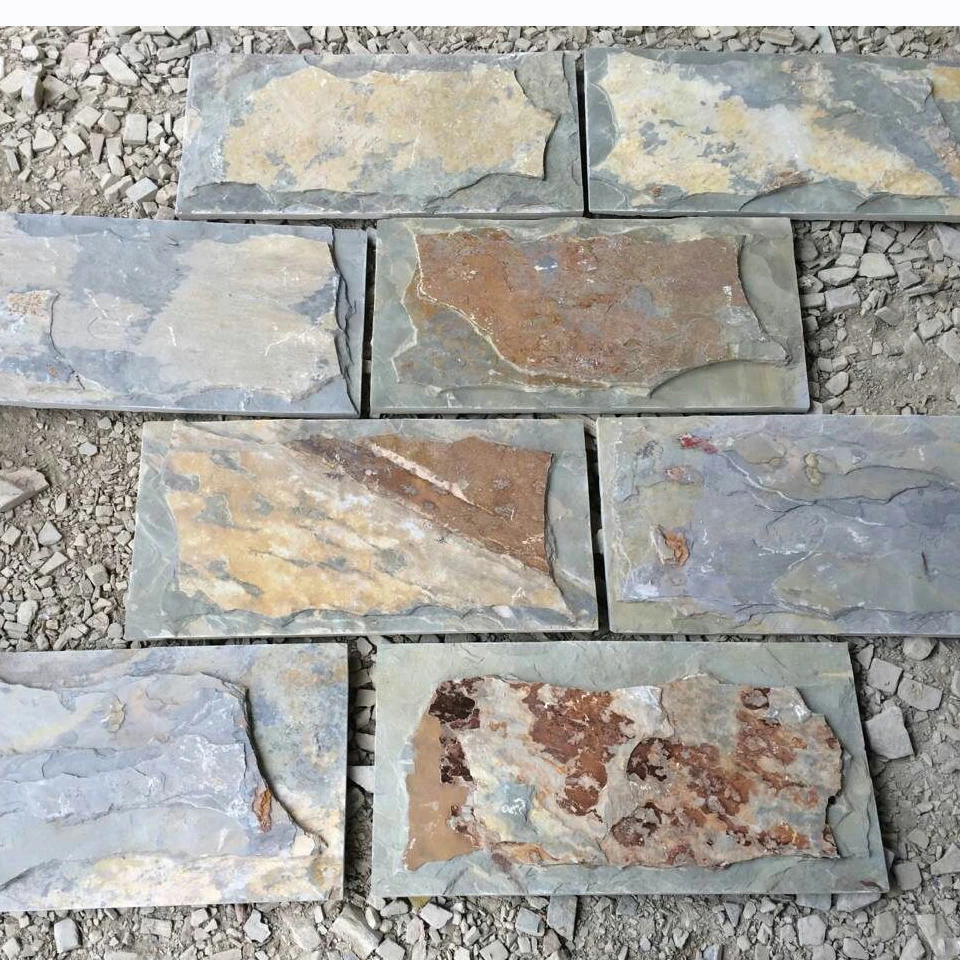
There’s simply no denying sandstone’s unique charm: warm tones, textures, and patterns that blend naturally with landscapes. Architects and designers prize that organic look — whether for heritage restoration or modern commercial projects.
Environmental Impact and Sustainability
Compared to concrete or steel, sandstone extraction and processing have a smaller carbon footprint. When sourced responsibly, such as from certified quarries, sandstone walls present a sustainable option aligned with ISO 14001 environmental standards.
Mini takeaway: From resilience to aesthetics, sandstone block walls tick many boxes making them highly practical and eco-friendly.
Global Applications of Sandstone Block Walls
You find these walls literally worldwide — from India’s historic forts to Australian outback settlements and European countryside estates. But beyond aesthetics, their real value shines in projects focused on resilience and sustainability.
- Post-disaster reconstruction: NGOs in Southeast Asia use sandstone blocks to rebuild homes quickly after floods and earthquakes, leveraging the material's strength and local availability.
- Industrial infrastructure: Mining and remote factories in Australia and Africa construct retaining walls and loading bay enclosures using sandstone blocks for their durability under harsh conditions.
- Urban landscaping: European cities integrate sandstone walls into parks and public spaces, enhancing beauty while controlling erosion and water runoff.
Interestingly, many initiatives say the tactile, natural quality of stone walls contributes positively to community wellbeing — helping people feel more rooted and secure.
Mini takeaway: From disaster zones to urban parks, sandstone block walls are adaptable global problem-solvers.
Advantages and Long-Term Value to Stakeholders
If you want hard numbers, consider: sandstone block walls can last more than 100 years with minimal upkeep, outperforming many modern materials. That reliability means owners and communities spend less — less repair, less replacement, fewer unexpected costs.
Sustainability is also an increasingly vital currency. Because sandstone blocks are natural, recyclable to some extent, and locally sourced, they fit into circular economy models and earn points in sustainability certifications.
Socially, these walls offer safety and dignity. In post-disaster housing projects, having a solid wall — rather than fragile materials — can boost morale, reduce vulnerability to weather, and foster a sense of permanence.
On a more intangible note, many architects and users say there’s a reassuring solidity to sandstone walls, grounding people emotionally as well as physically. Innovation isn’t always flashy—sometimes it’s about returning to smart fundamentals.
Mini takeaway: Sandstone walls combine economic savings, environmental good, and social well-being, making them a smart long-term choice.
Future Trends & Innovations in Sandstone Block Walls
Technology isn’t just about steel and concrete. Innovations in sandstone block production and design are emerging:
- Modular block systems: Pre-fabricated sandstone blocks designed for easier stacking and faster construction, reducing labor costs and building time.
- Digital mapping: Using 3D scanning and AI to custom cut blocks perfectly, allowing more complex architectural designs with less waste.
- Eco-friendly binding materials: New mortar mixes enhancing strength while reducing cement content, aligning better with green building codes.
- Solar-integrated walls: Embedding photovoltaic cells into sandstone facades to generate clean energy on site.
These shifts signal a future where sandstone block walls evolve without losing their core sustainability and durability qualities.
Mini takeaway: Sandstone block walls are entering a new era of smart, green construction innovations.
Common Challenges and How to Overcome Them
Of course, nothing is perfect. Some challenges persist:
- Weight and transport complexity: Sandstone blocks can be heavy and unwieldy to move, especially to remote sites.
- Labor skill requirements: Masonry expertise is essential for durable walls, but it’s a skill becoming rarer in many regions.
- Weathering concerns in acidic environments: Though durable, sandstone can erode under acidic rain or industrial pollution.
Experts suggest solutions like localizing quarry and fabrication, training programs for masons, and protective mineral coatings to reduce erosion. Also, integrating modular systems and machinery helps overcome the transport and assembly hurdles.
Mini takeaway: Challenges exist but aren’t dealbreakers — smart training and tech help keep sandstone walls competitive.
Product Specifications: Typical Sandstone Block Wall Components
| Specification | Typical Value/Range | Notes |
|---|---|---|
| Block Size | 600 x 300 x 150 mm | Common modular size |
| Density | 2,200 – 2,600 kg/m³ | Affects weight & strength |
| Compressive Strength | 35 – 120 MPa | Varies by sandstone type |
| Thermal Conductivity | 0.57 – 1.1 W/m·K | Lower value = better insulation |
| Moisture Absorption | 3–8% by weight | Impacts weathering resistance |
Vendor Comparison for Sandstone Block Wall Solutions
| Vendor | Region | Specialties | Lead Time | Sustainability |
|---|---|---|---|---|
| Sonmaci Stone Ltd. | UK, EU | Modular blocks, eco mortar | 4–6 weeks | ISO 14001 certified |
| AustStone Quarries | Australia | High-strength variety | 3–5 weeks | Local sourcing focus |
| Global Stone Corp. | North America | Custom design & digital cut | 6–8 weeks | Green building compliant |
Frequently Asked Questions About Sandstone Block Walls
1. How do sandstone block walls compare with concrete in terms of durability?
Sandstone block walls generally offer excellent durability, often outlasting standard concrete when properly built and maintained. They resist weathering well and can last centuries, while concrete can deteriorate due to cracking or chemical corrosion, especially if not treated or reinforced.
2. Are sandstone block walls suitable for earthquake-prone regions?
While sandstone is strong under compression, its rigidity means that in seismic zones walls need to be engineered carefully, possibly combined with reinforced structures or flexible joints. Advances in modular block design are making them safer in such areas.
3. Can sandstone block walls help reduce energy costs in buildings?
Yes, the thermal mass of sandstone helps moderate interior temperatures by absorbing heat during the day and releasing it at night, reducing heating and cooling demands and thus lowering energy bills.
4. Is it feasible to use sandstone block walls for rapid emergency housing?
Absolutely, especially in regions where sandstone is locally available. Pre-cut modular blocks can accelerate construction timelines, offering sturdy refuge faster than traditional methods.
5. What maintenance do sandstone block walls require over time?
Routine inspections to check for mortar joint degradation and cleaning to prevent biological growth like moss are typical. Occasional re-pointing of mortar and protective sealants can extend lifespan significantly.
Conclusion: Why Sandstone Block Walls Matter Long-Term
Sandstone block walls aren't just relics of the past; they're active players in today's challenges — sustainability, urban growth, and humanitarian aid. Their combination of strength, natural beauty, and eco-friendliness gives them long-term appeal. If you’re considering building projects or infrastructure investments with eyes on durability and environmental impact, sandstone block walls deserve a close look.
Curious to learn more or find quality sandstone blocks? Visit our website: https://www.sonmacistone.com and see how heritage and innovation meet stone by stone.
Sometimes, the best solutions are also the oldest.