Masonry Stone Veneer: Global Insights, Applications & Future Trends
Understanding Masonry Stone Veneer: Why It Matters Worldwide
At first glance, masonry stone veneer might seem like just another construction trend. But if you pause and consider its global impact, it’s actually quite fascinating. Masonry stone veneer is essentially a thin layer of natural or manufactured stone applied to building exteriors and interiors for aesthetic and protective purposes. Globally, it’s become a crucial player in developing durable, energy-efficient, and visually appealing structures—especially in areas where traditional building materials might not be sufficient or sustainable.
Why should we care? Well, in a world increasingly focused on sustainable construction and resilient housing, understanding materials like masonry stone veneer helps architects, builders, and humanitarian organizations build smarter and last longer. Plus, with the building sector accounting for roughly 40% of global energy consumption (IEA Report), better cladding choices like stone veneer can influence long-term energy savings.
Mini takeaway: Masonry stone veneer isn’t just a design choice — it shapes the future of sustainable, resilient buildings worldwide.
The Global Context: Why Masonry Stone Veneer Is Gaining Ground
The push for more sustainable building materials has ramped up, catalyzed by international targets like the UN Sustainable Development Goals (SDGs), particularly those aiming at sustainable cities and communities (SDG 11) and responsible consumption (SDG 12). Masonry stone veneer answers that call in multiple ways.
For example, the World Bank highlights that urban areas in developing countries are expanding rapidly, and quality housing materials are in short supply. Masonry stone veneer, being lightweight yet durable, helps address those shortages while improving thermal performance and reducing maintenance costs. In fact, recent ISO standards emphasize standardized testing for stone veneers to ensure both safety and longevity (ISO 62013).
But there’s a catch: traditional thick stone cladding is heavy and expensive. Masonry stone veneer sidesteps this with thin, lighter layers that maintain beauty and function without burdening the structure beneath. It’s almost like the perfect marriage of tradition with innovation.
Mini takeaway: Rising urbanization and sustainability goals give masonry stone veneer a vital role in modern construction challenges.
What Exactly Is Masonry Stone Veneer?
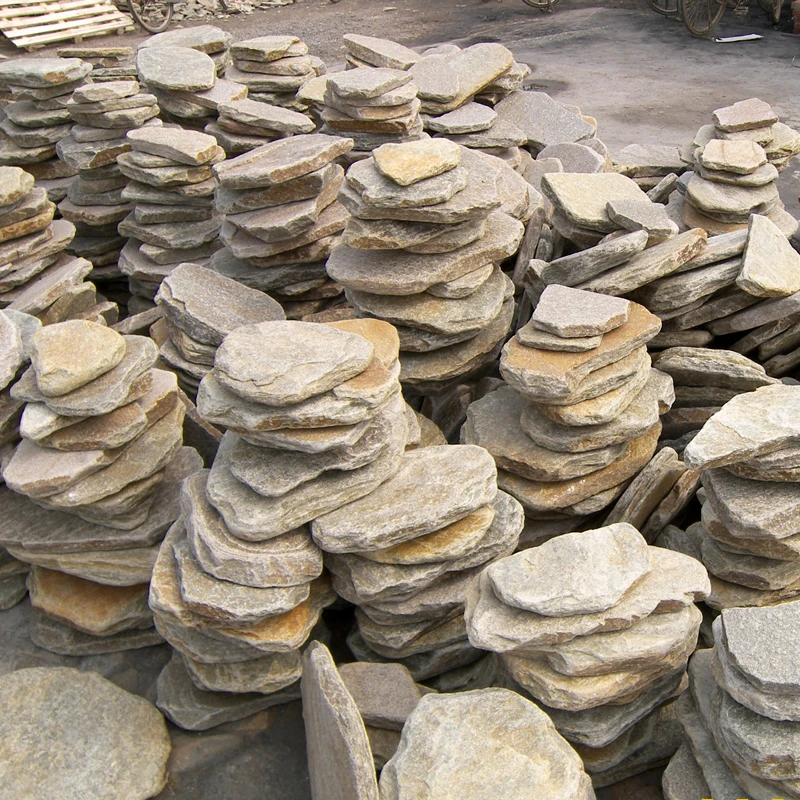
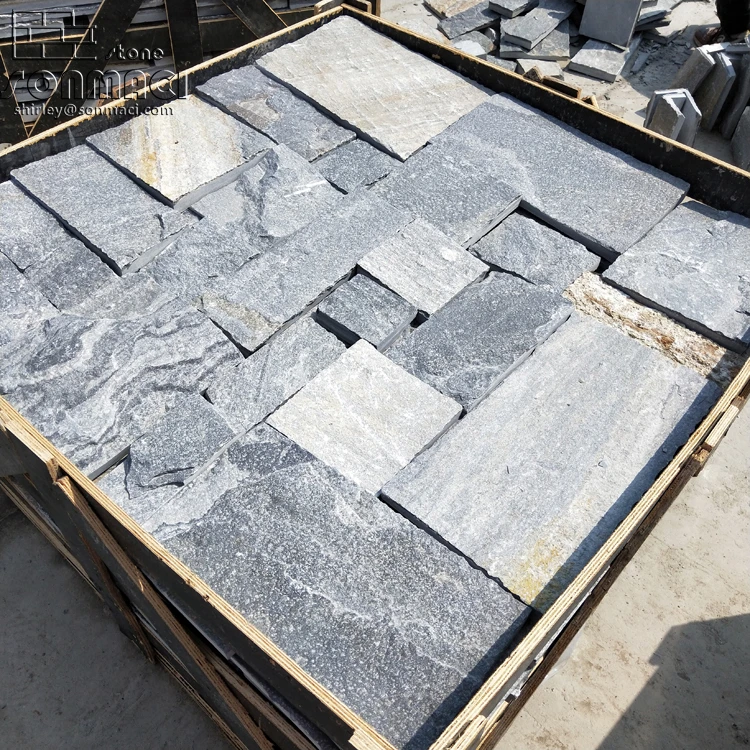
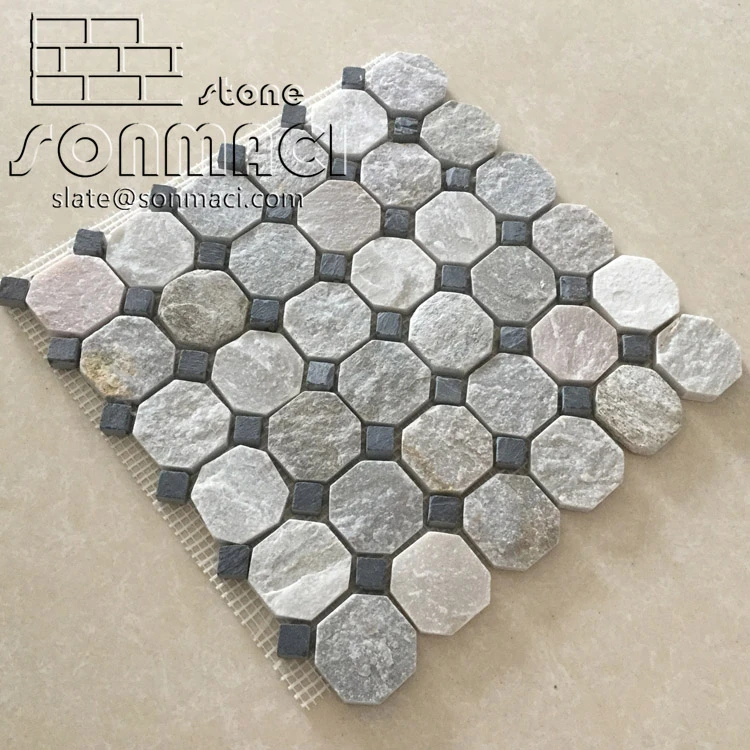
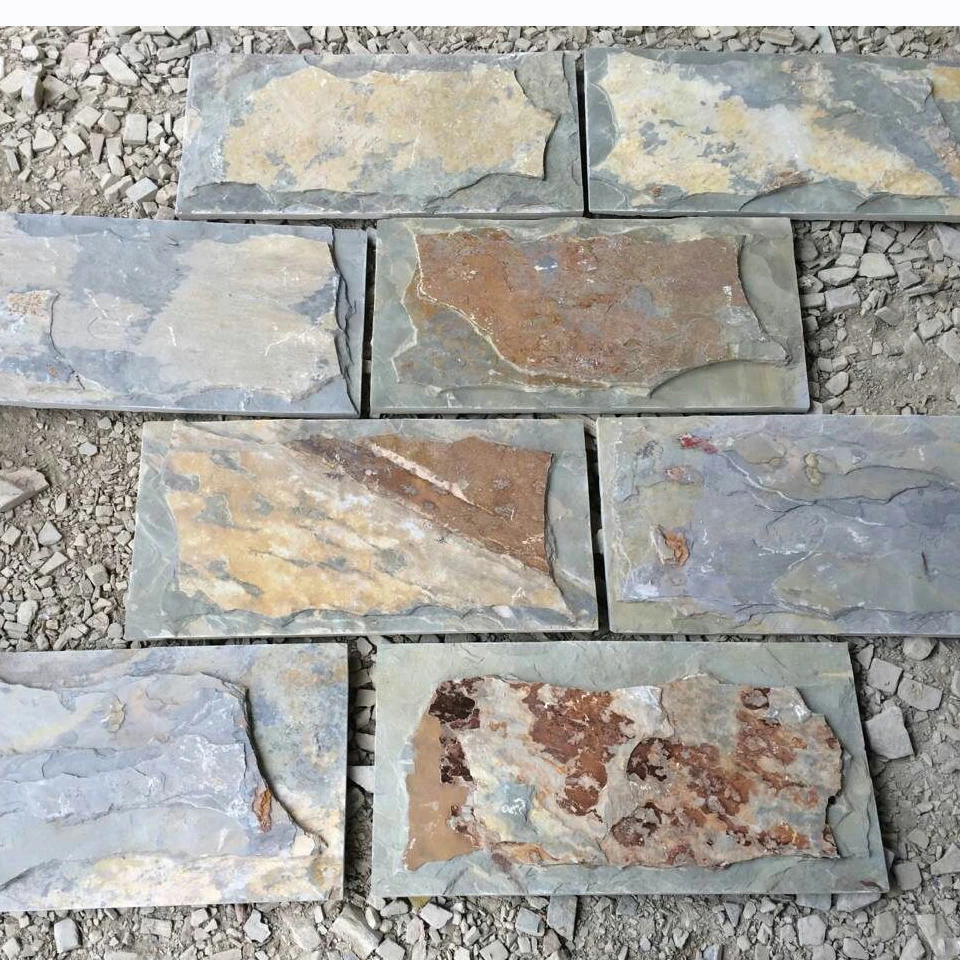
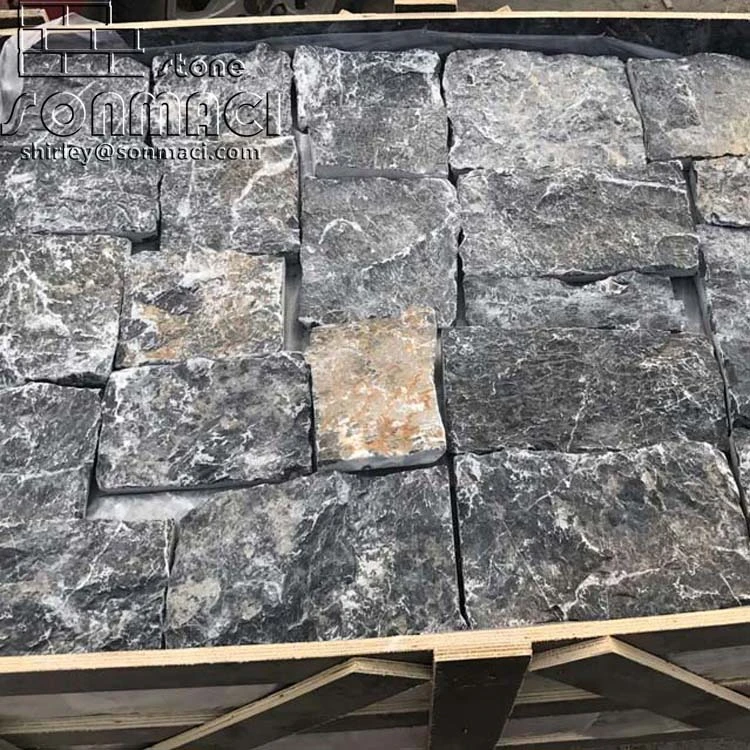
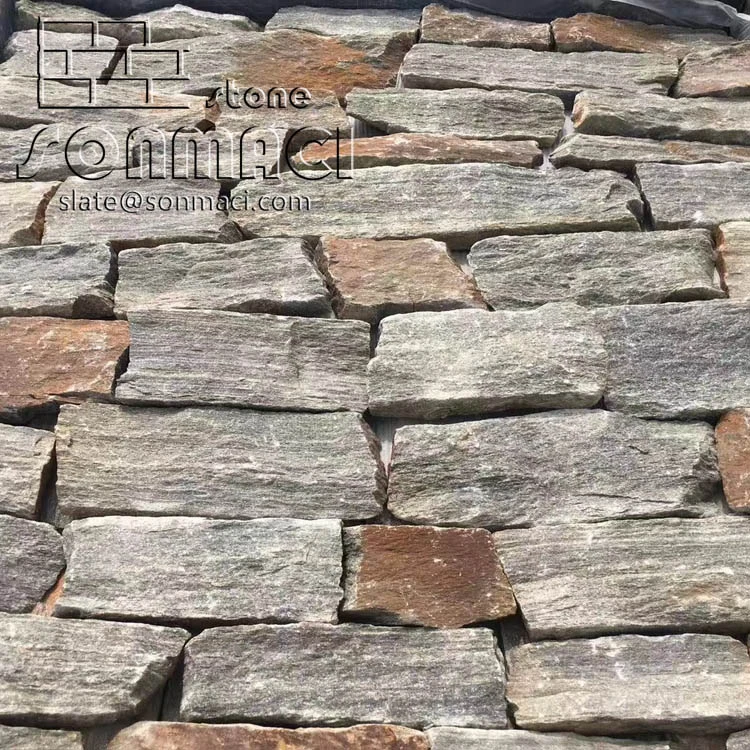
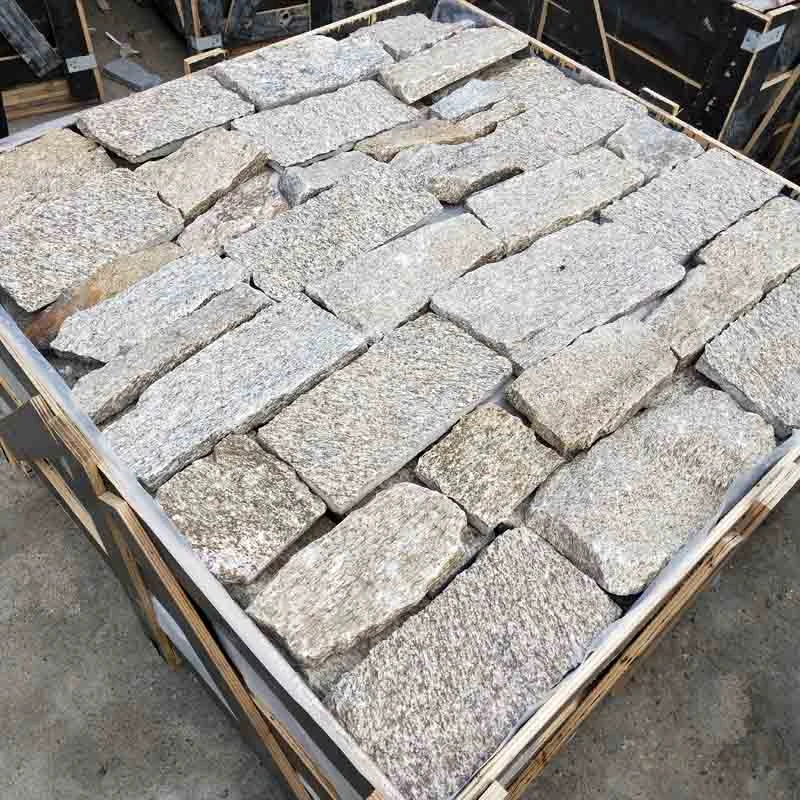
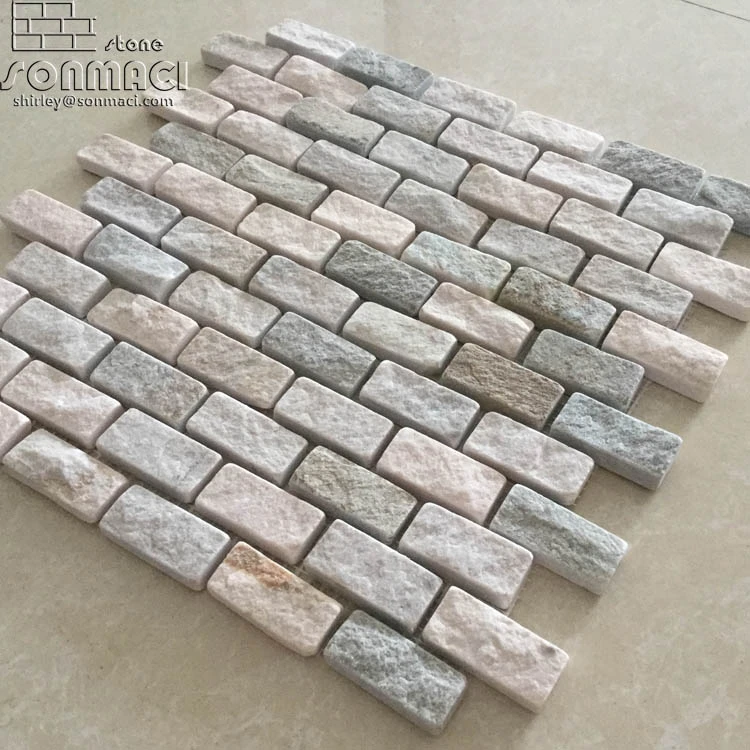
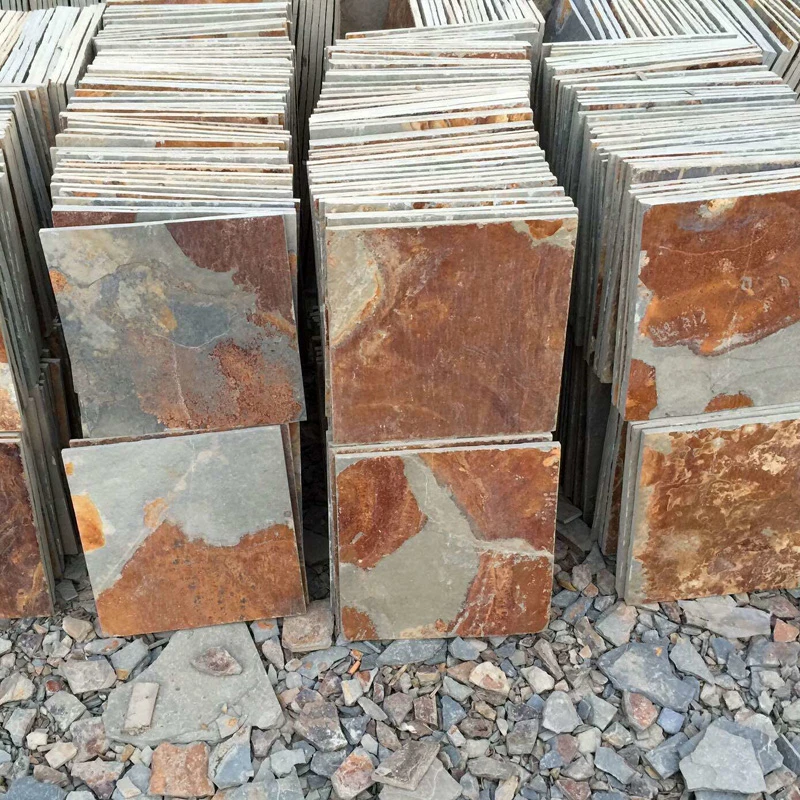
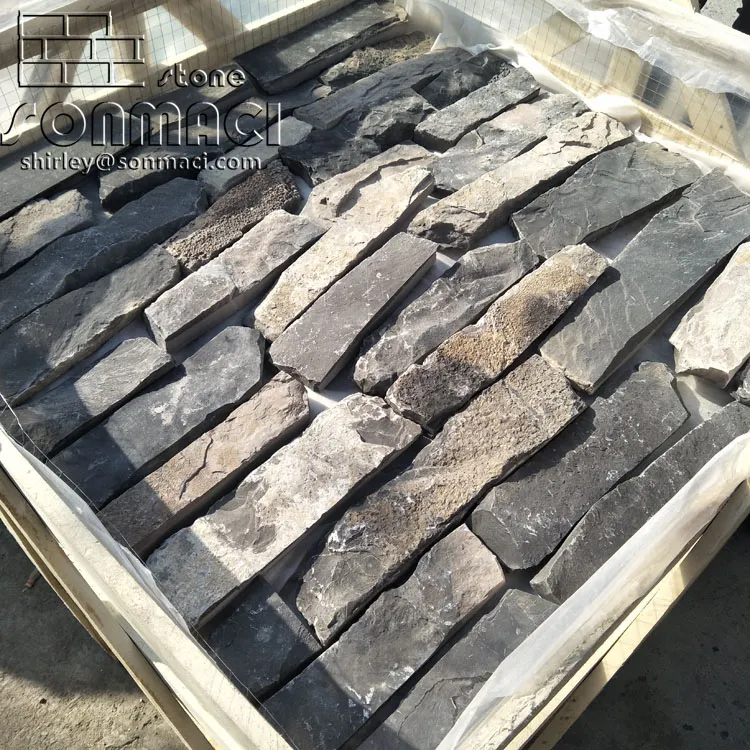
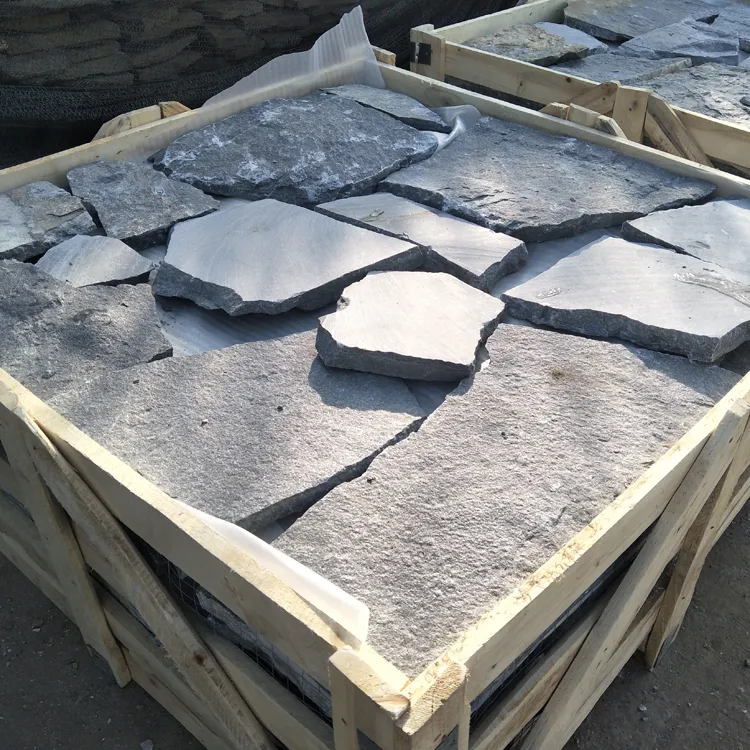
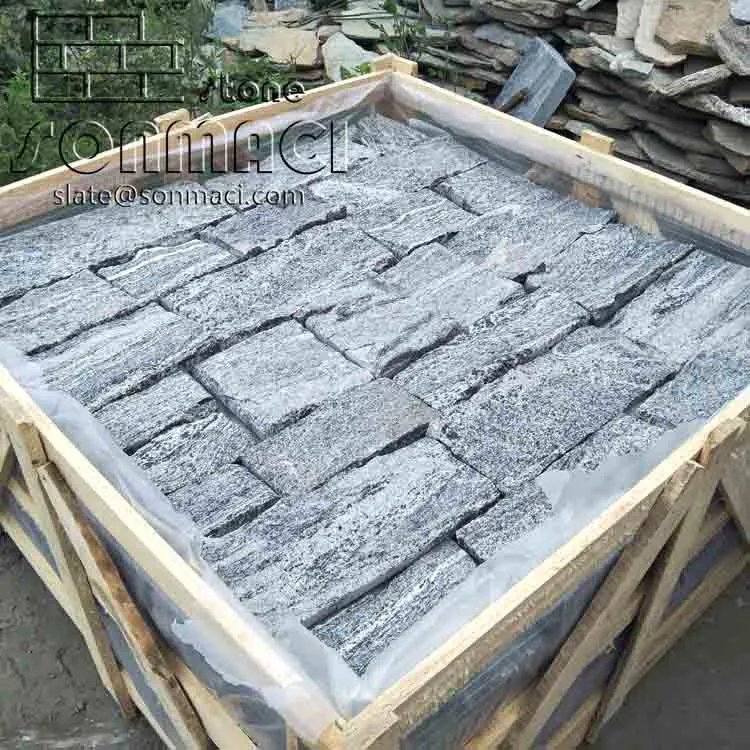
Simply put, masonry stone veneer is a thin layer of stone—either natural or man-made—that’s attached to the outside or inside surfaces of buildings. Unlike full-depth masonry walls, veneer is mostly decorative but also adds an insulated, weather-resistant barrier.
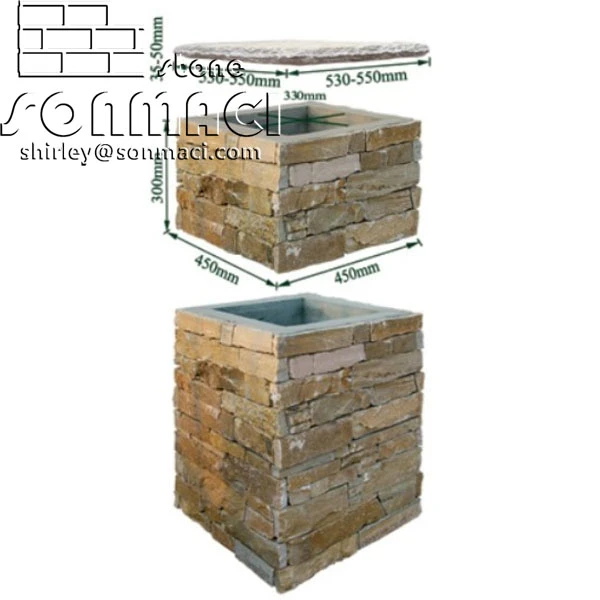
Think of it as a hardy “skin” for buildings: it protects underlying materials from weather and damage while giving a building a classic stone appearance without the massive weight of stone blocks. It’s also quite versatile: you’ll find it on housing exteriors, commercial buildings, interior accent walls, and even landscaping features.
The veneer’s connection to humanitarian needs is becoming obvious too. Imagine post-disaster zones where quick rehousing is essential. Masonry stone veneer panels can speed up construction while maintaining structural safety and aesthetic dignity — key for rebuilding communities with trust and hope.
Core Features That Make Masonry Stone Veneer Special
Durability and Weather Resistance
One of the biggest selling points — and engineers will nod to this — is how well masonry stone veneer resists cracking, chipping, and water damage. This is especially important in harsh climates, whether it’s freezing winters or monsoon seasons.
Cost Efficiency
Natural stone can get pricey and heavy. But with veneer, you achieve that upscale look for about half the cost and weight. This reduces shipping expenses and structural reinforcement needs, which often add hidden costs.
Ease of Installation
Veneer panels can be installed on various substrates quickly, which speeds up construction timelines. This is vital in fast-paced projects or areas lacking skilled labor.
Thermal and Acoustic Performance
The layered design of stone veneer can help insulate buildings, retaining heat in winters and reflecting sunlight in summers—plus it adds noise reduction benefits.
Environmental Sustainability
Many veneers use recycled or sustainably quarried materials, further reducing the environmental footprint in construction.
| Feature | Details |
|---|---|
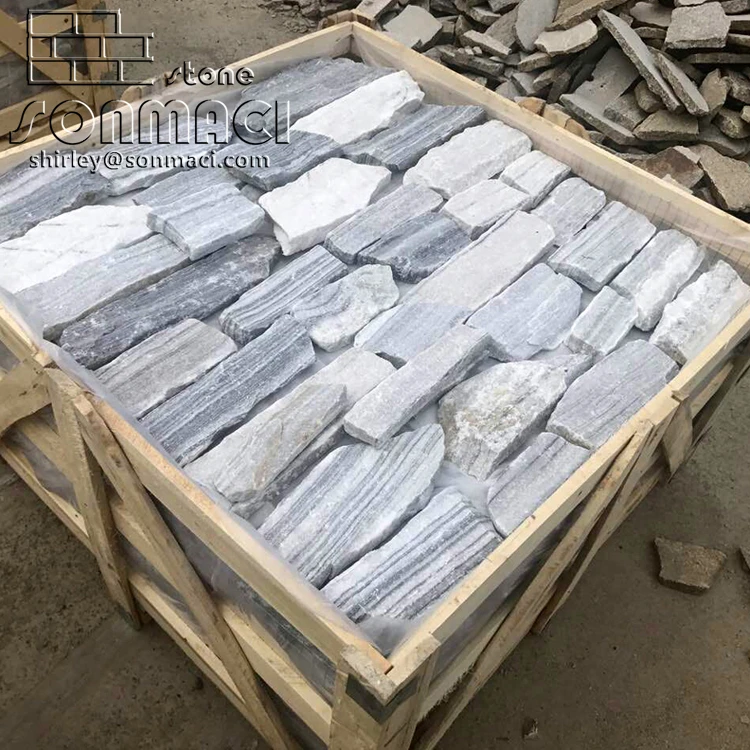
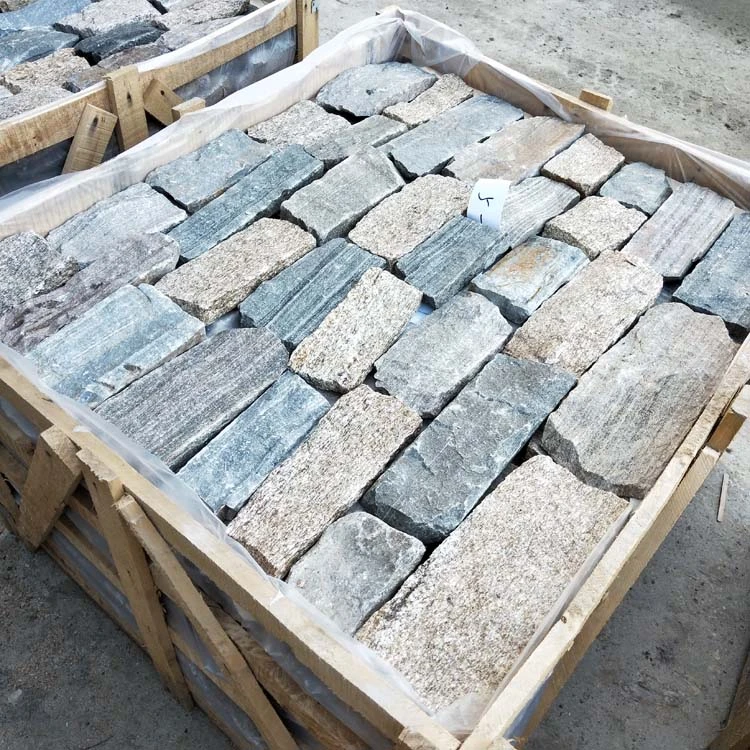
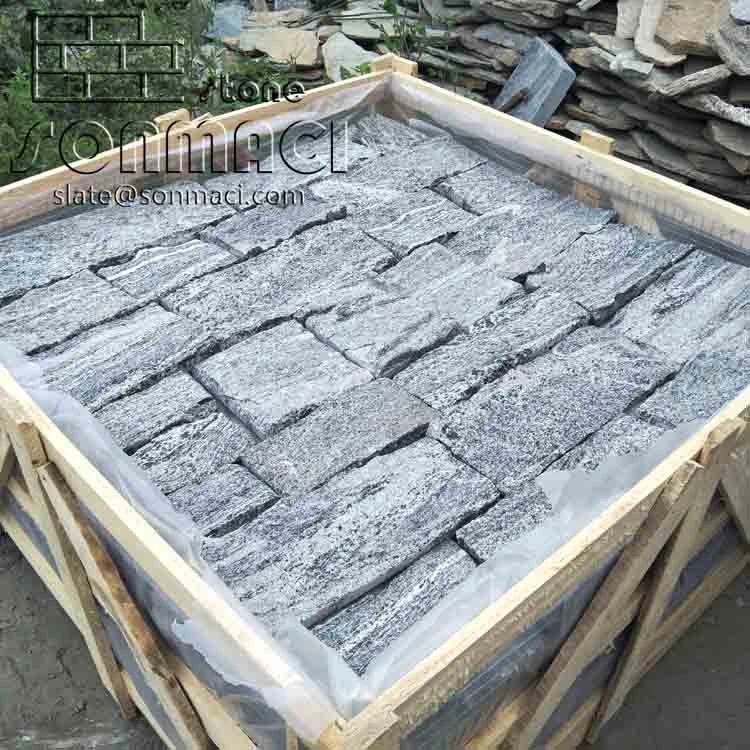
| Material | Natural Stone (Limestone, Granite, Slate) or Manufactured Stone |
| Thickness | Typically 1–2 inches (25-50 mm) |
| Weight | 30–50 lbs per square foot (approx.) |
| Installation | Mortar or Mechanical Fastening |
| Fire Resistance | Class A Fire Rating |
| Maintenance | Low — occasional cleaning and inspection |
Global Applications of Masonry Stone Veneer
Masonry stone veneer finds a home across continents. In Europe, centuries-old stone facades are being restored or replicated with veneer to keep safety intact without sacrificing charm. North America loves veneer’s curb appeal for suburban homes, commercial properties, and even big box stores.
Oddly enough, in Asia’s rapidly urbanizing cities, veneer is becoming a trendy middle ground — something more attractive than bare concrete but much lighter and faster to build than traditional masonry.
On the humanitarian front, organizations deploying housing solutions in disaster zones increasingly favor veneer panels for their combination of speed, cost efficiency, and trustworthiness. In harsh environments — think drought-stricken or cyclone-prone regions — this can actually save lives and dignity.
To dive deeper, check out the dedicated resources on masonry stone veneer applications and case studies.
Vendor Comparison: Leading Masonry Stone Veneer Suppliers
| Supplier | Material Quality | Installation Support | Environmental Credentials | Price Range |
|---|---|---|---|---|
| StoneTech Solutions | Premium natural granite and limestone | Full training and manuals | ISO 14001 certified | High |
| EcoVeneer Inc. | 95% recycled stone composites | Video tutorials and remote support | LEED Gold compliant | Medium |
| Global Stone & Masonry | Wide range of natural and manufactured veneer | On-site installation teams available | Emerging sustainability policies | Varies |
Long-Term Benefits of Masonry Stone Veneer
Let’s be frank: cutting short-term costs is tempting—but the real kicker lies in consistent performance over decades. Masonry stone veneer offers exactly that, with minimal maintenance, reliable weatherproofing, and timeless style that holds or even increases property value.
On a deeper level, it provides peace of mind. Families in cyclone-hit regions can sleep easier knowing their home’s skin won’t give way easily. Architects can push creative boundaries without compromising structural integrity or sustainability goals.
Looking Ahead: Innovations and Trends
What’s next for masonry stone veneer? For starters, manufacturers are experimenting with ultra-lightweight engineered stone composites integrating recycled materials. This opens doors for even faster installations and reduced carbon footprints. Digitally fabricated veneer panels tailored with BIM (Building Information Modeling) tools promise exact fits, minimizing waste.
Meanwhile, new coatings designed to repel pollutants and self-clean are emerging, making upkeep practically effortless. Automation in veneer cutting and mounting is also a powerful future trend, especially for large-scale urban developments.
Challenges Still on the Horizon
No material is perfect, right? Masonry stone veneer’s biggest challenges revolve around installation quality and ensuring proper moisture barriers — poor installation means water can seep behind panels, causing damage. Also, some budgets still see veneer as a “costly luxury” rather than investment.
Expert builders suggest integrating professional training early and using moisture testing tools post-installation to avoid these pitfalls. As awareness grows, these "issues" will likely fade as veneer gains wider acceptance.
FAQ: Common Questions About Masonry Stone Veneer
- Q: Is masonry stone veneer suitable for earthquake-prone areas?
A: Yes, because veneer is lightweight compared to full stone walls, it reduces seismic loads on the building structure, making it safer. - Q: How does stone veneer affect building insulation?
A: Veneers provide an additional thermal barrier, which can improve insulation values and energy efficiency, especially if combined with proper wall assembly. - Q: Can masonry stone veneer be installed on existing structures?
A: Absolutely. Veneers are often added during renovations for aesthetic upgrades or weatherproofing without major structural changes. - Q: What maintenance is required?
A: Minimal – washing away dirt annually and inspecting mortar joints every few years is typically sufficient.
Wrapping It Up: Why Masonry Stone Veneer Is a Wise Choice
In an age where construction must balance cost, beauty, sustainability, and resilience, masonry stone veneer uniquely fits the bill. Its growing global adoption — from urban luxury to emergency relief housing — testifies to its versatility and reliability.
Curious to learn more or ready to explore options? Visit our website for detailed info on masonry stone veneer and get in touch with expert suppliers who understand your needs.
Sometimes, a thin layer can make all the difference — it’s stone, but smarter.
References: