Masonry Stone Supply: Essential Insights for Sustainable Construction
Masonry Stone Supply: Foundation of Sustainable Construction Worldwide
When you think about the buildings around you, the walls that stand firm through storms, or the heritage monuments that have weathered centuries, masonry stone lies at the heart of their resilience. Masonry stone supply isn’t just about moving rocks from quarries to job sites—it’s an entire ecosystem that supports modern infrastructure, humanitarian projects, and ecological building practices worldwide.
In a world where construction demands are escalating due to urbanization and disaster recovery, understanding masonry stone supply becomes critical. It’s not only about availability but also quality, environmental impact, and timely delivery. Let’s take a closer look at why this supply chain matters globally and what makes it tick.
Global Context: Why Masonry Stone Supply Matters
The construction industry accounts for nearly 39% of global carbon emissions, according to the International Energy Agency. While steel and concrete dominate headlines, natural stone reveals itself as a surprisingly sustainable alternative when sourced responsibly. From Asia’s booming megacities to Africa’s rural development projects, masonry stone supply influences billions.
However, challenges persist—scarcity in some regions, transport inefficiencies, and uneven quality control create bottlenecks. The World Bank estimates that delays in material supplies can push construction projects beyond budget or even jeopardize social housing efforts. Masonry stone supply is thus a linchpin for stable, affordable, and sustainable construction worldwide.
What Exactly Is Masonry Stone Supply?
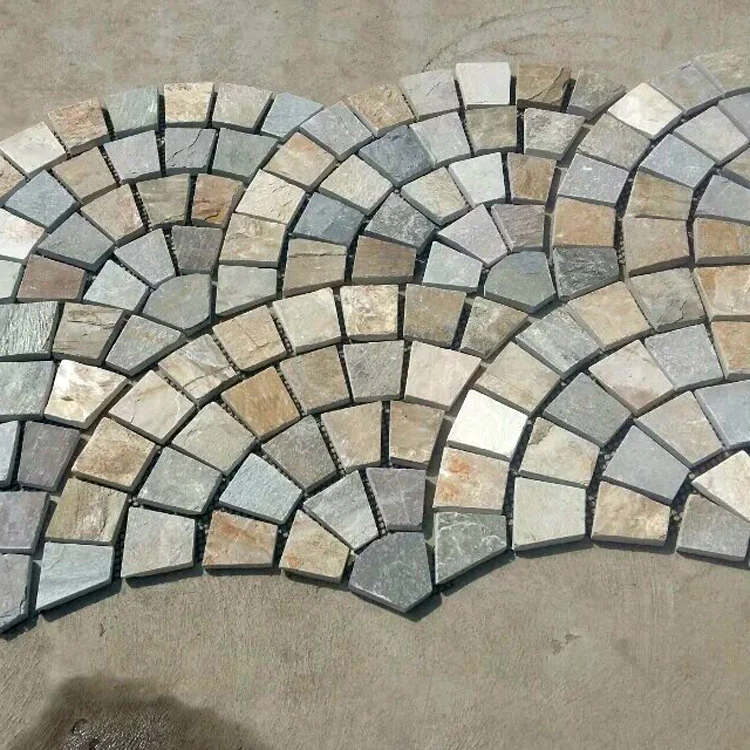
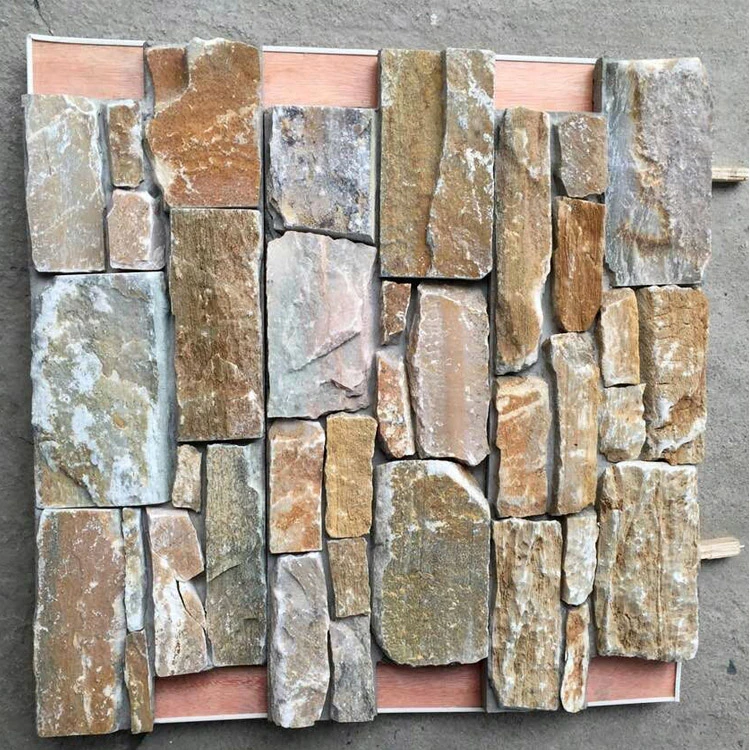
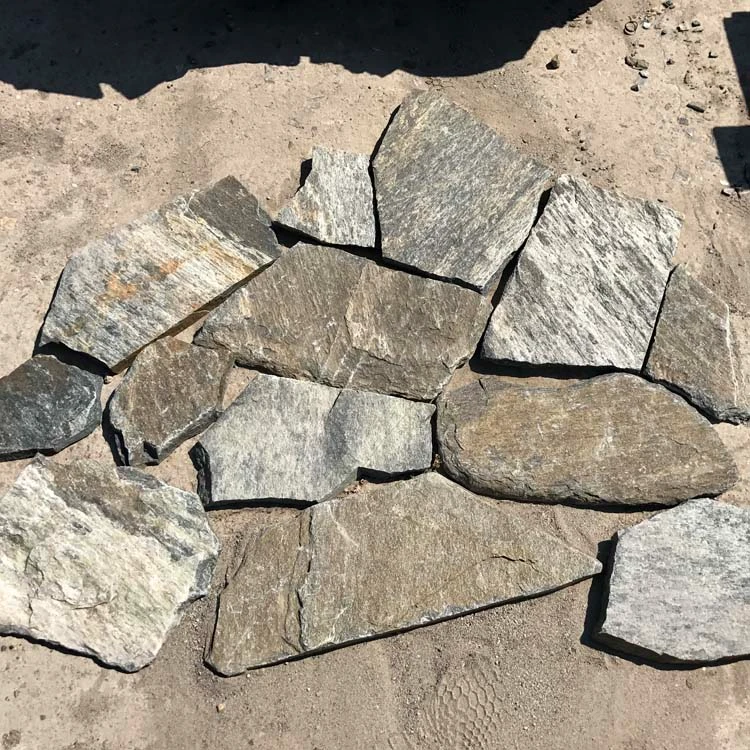
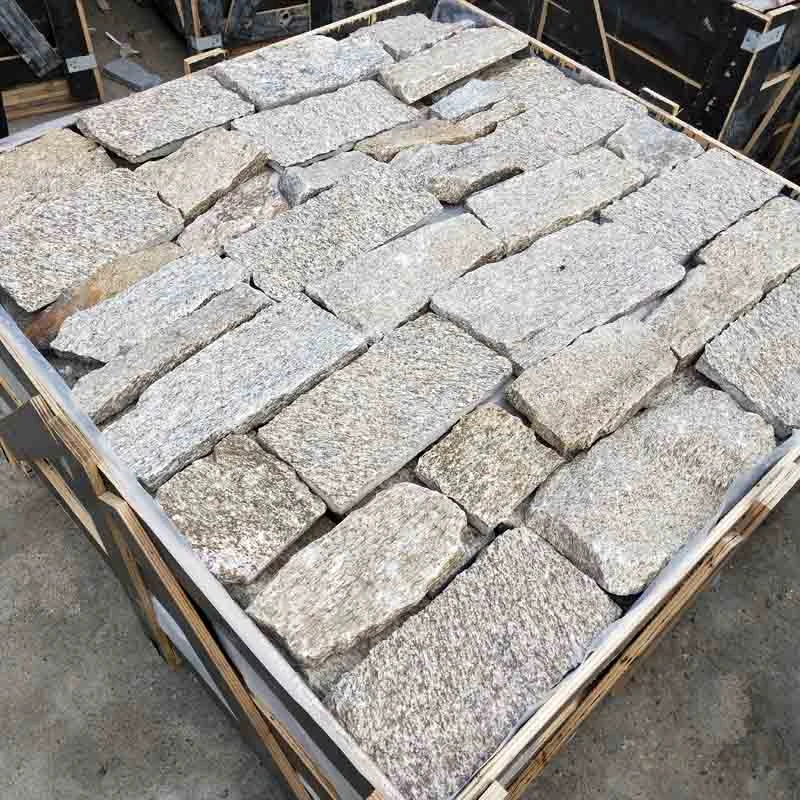
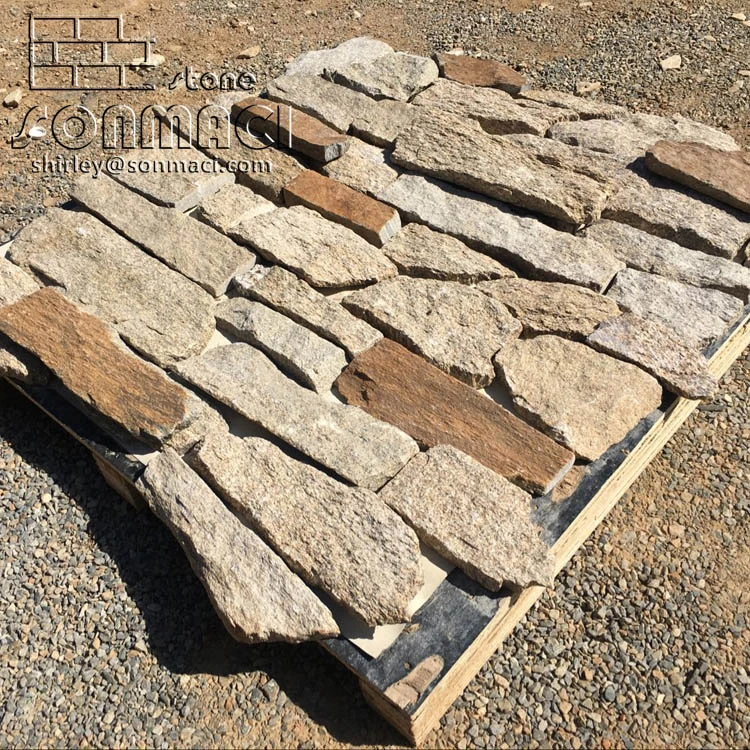
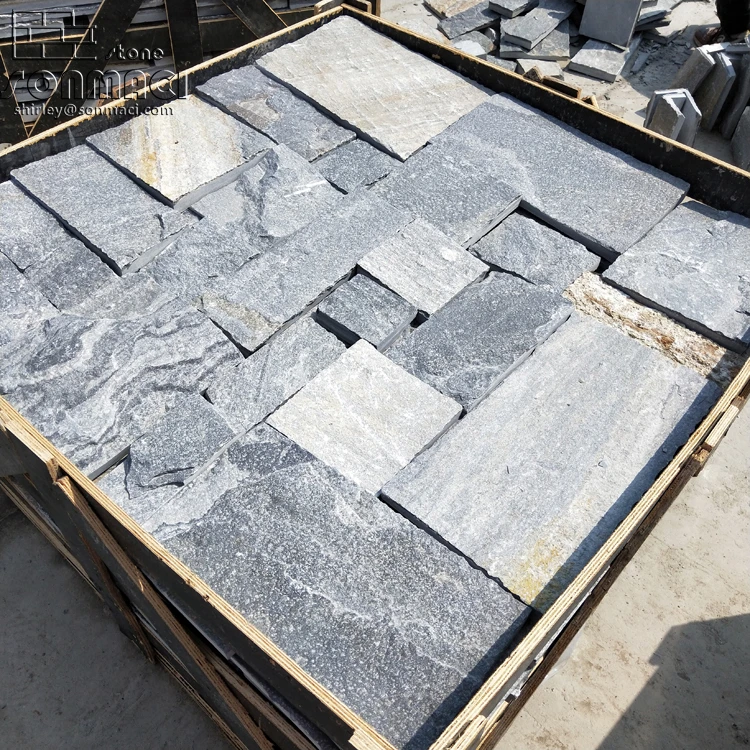
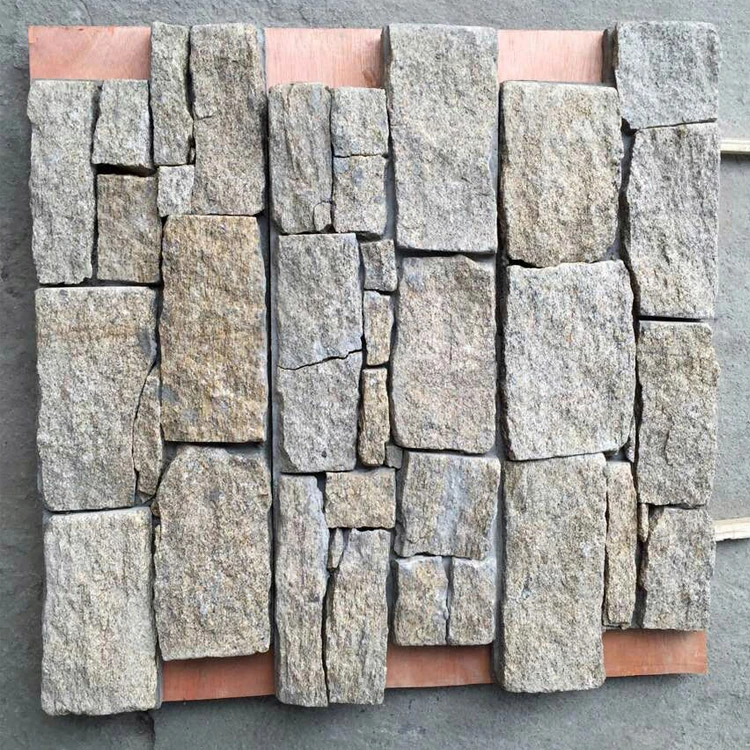
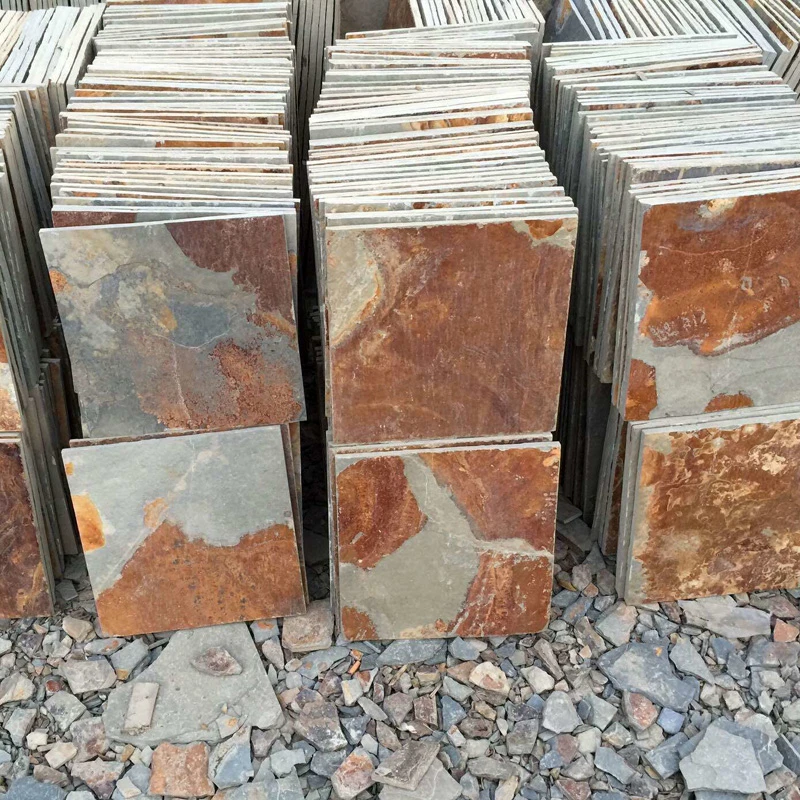
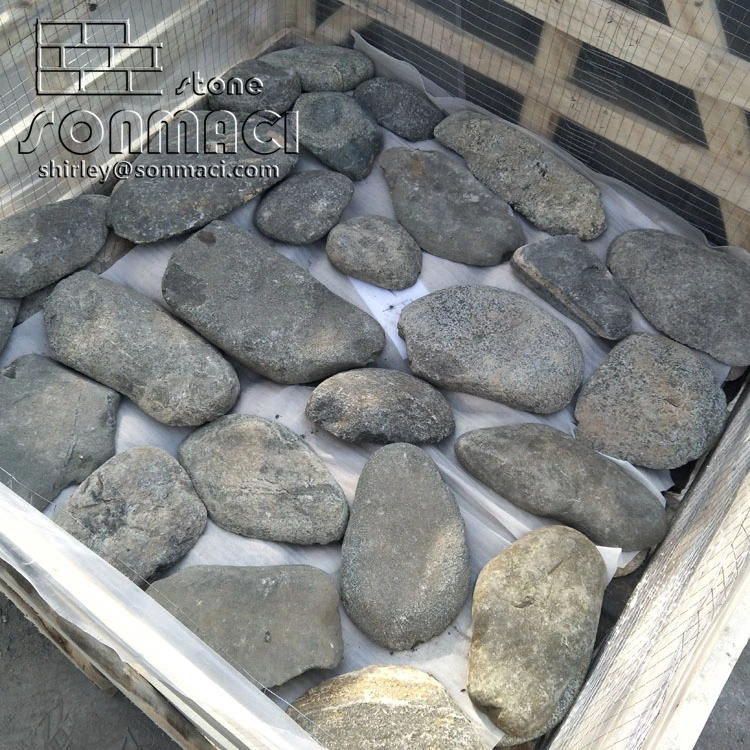
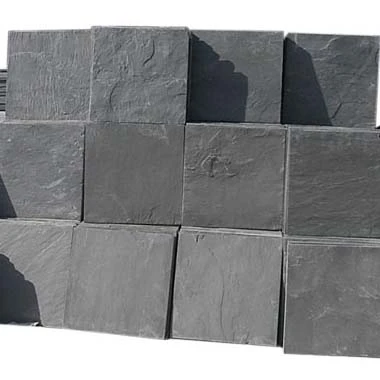
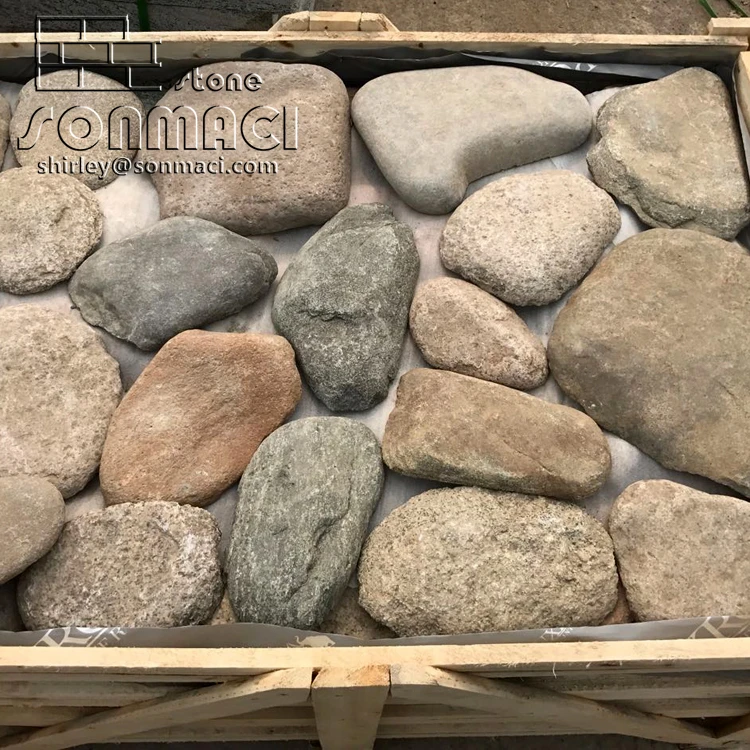
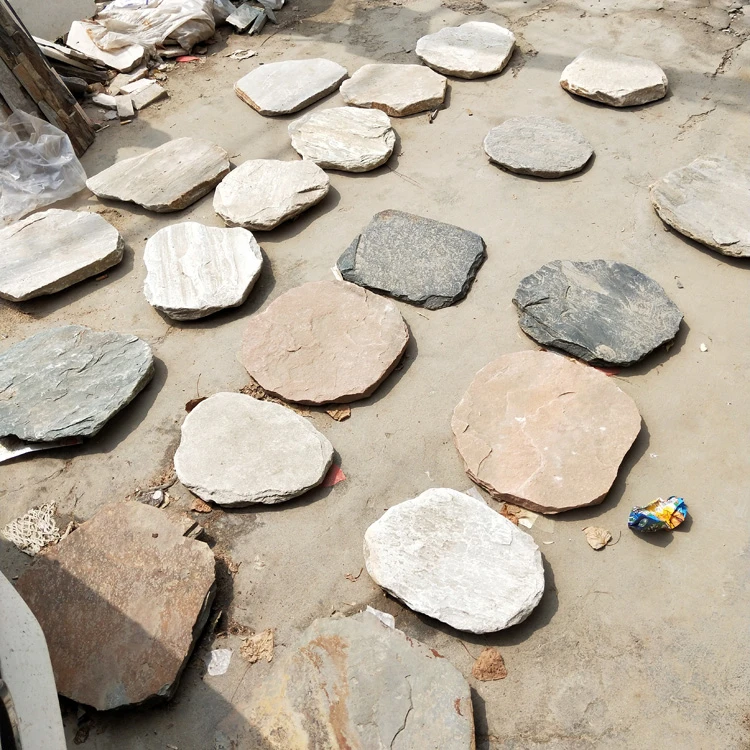
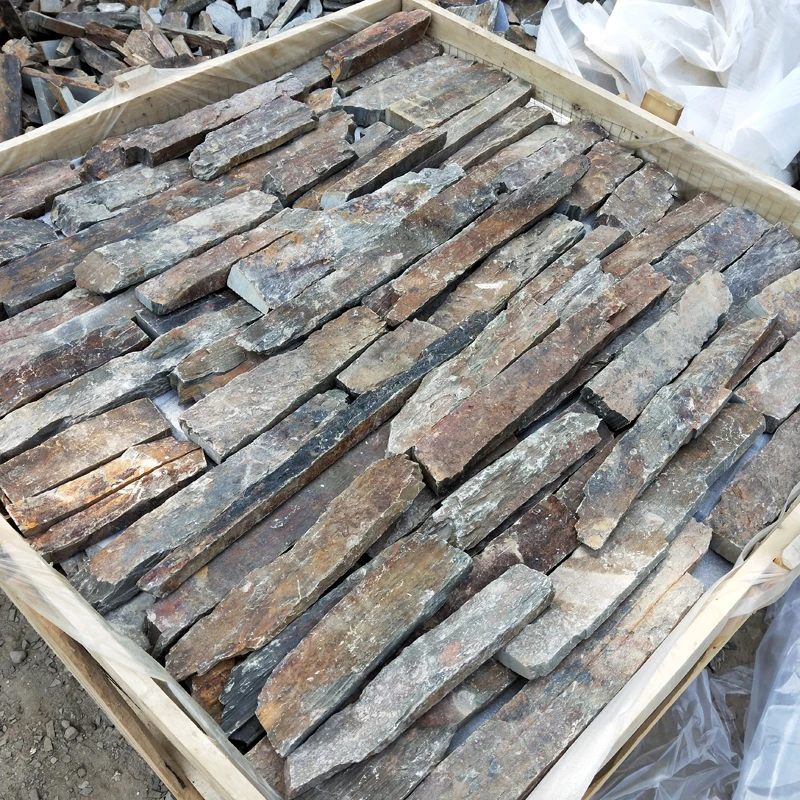
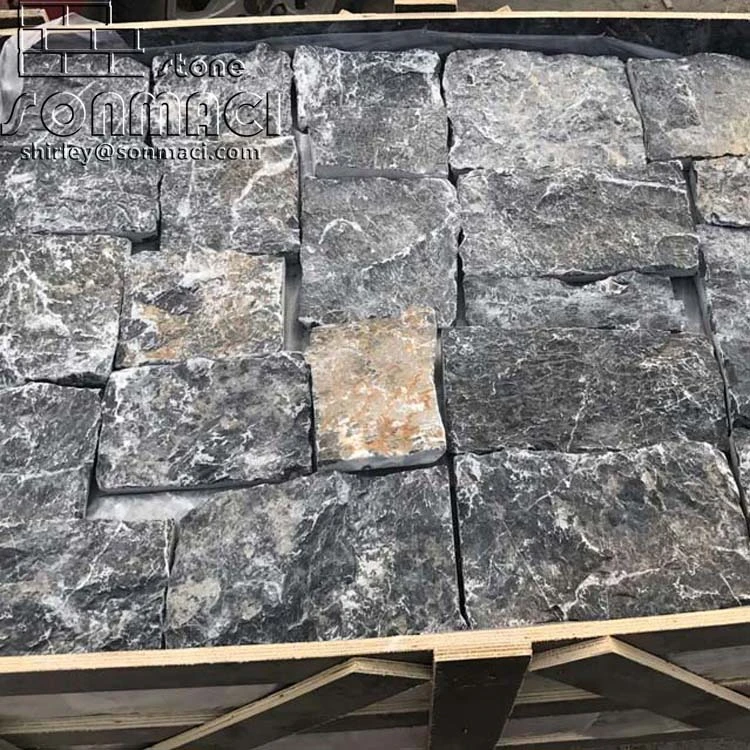
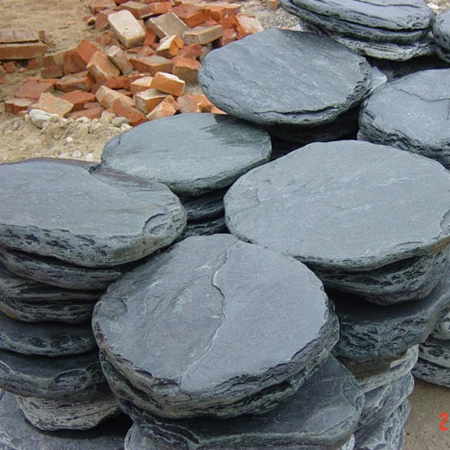
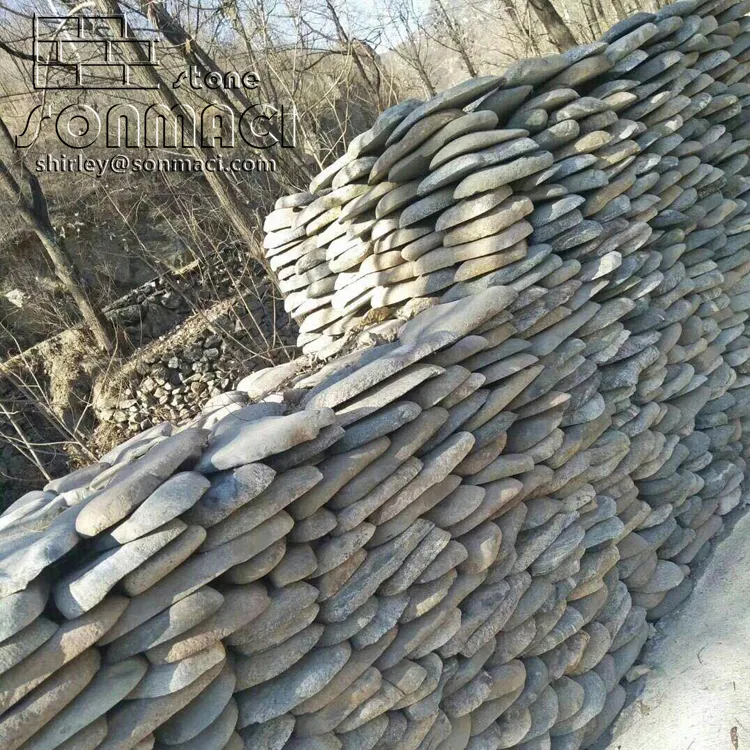
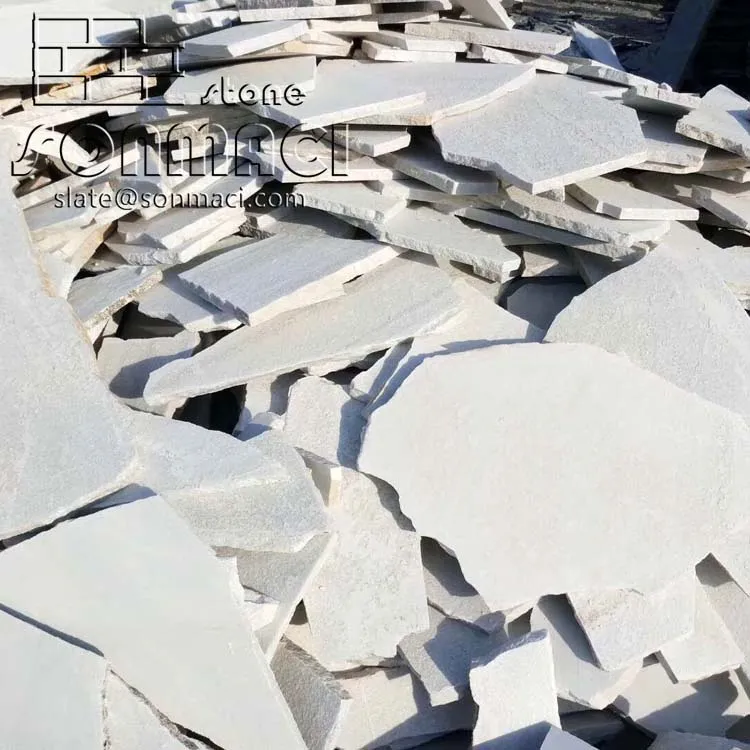
Simply put, masonry stone supply encompasses the extraction, processing, and delivery of natural stone materials used in building – think granite, limestone, sandstone, and marble. Unlike synthetic alternatives, these stones are prized for their durability, thermal properties, and aesthetic appeal.
But it’s more than just shipping rocks; the supply includes quarry management, cutting and finishing, seasonal storage, and logistics—essentially, the full chain from raw earth to structured wall. In modern industry, it plays a role in everything from commercial complexes to refugee housing. With natural stone, you also tap into centuries of building traditions adapted to current needs.
Core Components of Masonry Stone Supply
1. Durability
Stones like granite and basalt can last for hundreds, even thousands of years, resisting weather, fire, and insect damage. This longevity translates into less frequent repairs and replacements, which is vital for sustainable construction.
2. Scalability
Modern quarrying methods allow sourcing large quantities of masonry stones efficiently. Whether it’s a single home or an urban infrastructure project, the supply chain must scale responsively.
3. Cost Efficiency
Though natural stone can carry higher upfront costs compared to alternatives, its lifespan and low maintenance often make it more cost-effective in the long run—plus, supply chain optimization can help reduce expenses further.
4. Environmental Impact
Responsible sourcing minimizes habitat destruction, and using local stone can cut transportation emissions significantly. Many suppliers now include ISO 14001 (Environmental Management) certifications in their operations.
5. Quality Control
Consistency in stone strength, finish, and sizing is crucial, especially for load-bearing walls. Third-party testing and regular audits are common practices ensuring standards.
A Closer Look at Masonry Stone Supply Specifications
| Specification | Typical Range | Importance |
|---|---|---|
| Compressive Strength | 50–250 MPa | Supports structural loads safely |
| Water Absorption | Durability against weathering | |
| Density | 2,400–2,800 kg/m³ | Weight influences transportation & structural load |
| Thermal Conductivity | 1.0–3.5 W/(m·K) | Energy efficiency for buildings |
Mini takeaway: Knowing stone specs helps architects and builders select materials that match their project’s structural and environmental requirements.
Global Applications & Use Cases
Oddly enough, masonry stone supply plays diverse roles everywhere. For humanitarian efforts—especially post-disaster relief in regions like Southeast Asia or the Caribbean—quick and reliable stone supplies allow rebuilding stronger homes faster. NGOs often partner with suppliers for rapid mobilization.
Meanwhile, in developed urban centers like Europe or North America, masonry stone enriches commercial and historical restoration projects, maintaining cultural identity while meeting modern codes.
Remote industrial installations—mines in Australia or energy plants in Siberia—often choose local masonry stone for durability under harsh climates. Reliable supply chains reduce costly downtime due to material unavailability.
Vendor Comparison: Leading Masonry Stone Suppliers
| Supplier | Global Reach | Certifications | Price Competitiveness | Sustainability Initiatives |
|---|---|---|---|---|
| StoneGlobal | 70+ Countries | ISO 9001, ISO 14001 | Medium | Reforestation Programs |
| EcoMasonry | Focused Asia-Pacific | LEED, FSC Chain of Custody | High | Waste Reduction, Low-Emission Transport |
| Heritage Stones | Europe & Middle East | ISO 9001, Historic Preservation | Medium-High | Use of Recycled Masonry |
Advantages & Long-Term Value
- Longevity: Stone structures resist wear, cutting down lifetime costs.
- Sustainability: Responsible quarrying and use of local materials reduce carbon footprints.
- Safety & Dignity: Solid stone homes protect families better from natural disasters.
- Aesthetic & Heritage: Adds timeless beauty and cultural value.
Frankly, owning a masonry stone home feels like investing in a legacy—not just for oneself but future generations.
Future Trends & Innovations
Moving forward, the masonry stone supply chain is embracing greener tech: drone-assisted quarry surveys, AI-powered logistics for stock optimization, and more efficient, electric-powered cutting tools. Some companies experiment with stone composites—mixing natural stone powder with binders to create lighter panels that still retain stone’s charm.
Sustainability policies, like the EU Taxonomy for sustainable activities, push suppliers to prove environmental responsibility, incentivizing the entire sector to innovate.
Challenges & Solutions
Of course, it's not all smooth sailing. Supply chain disruptions — think pandemics or geopolitical tensions — often cause delays. Plus, quarrying can harm ecosystems if not properly managed. Fortunately, many suppliers now implement habitat restoration and community engagement programs. Partnerships with local stakeholders seem to be the winning formula.
Also, stockpile management using real-time inventories and digital order tracking reduces bottlenecks and wastage. A proactive approach builds trust with construction firms and NGOs alike.
Frequently Asked Questions About Masonry Stone Supply
Q1: How do I ensure the masonry stone I source is environmentally sustainable?
Look for suppliers with ISO 14001 certification or LEED credits. Ask about their quarrying practices, local sourcing, and waste reduction efforts. Transparency and documented sustainability initiatives are key indicators.
Q2: What stones are best for construction in humid or earthquake-prone regions?
Granite and basalt are excellent in humid environments due to low water absorption. For earthquake zones, reinforced masonry with suitable bonding materials can provide necessary resilience. Consult local engineers experienced in seismic design.
Q3: Can masonry stone supply meet urgent, large-scale humanitarian needs?
Yes, many global suppliers specialize in fast mobilization. Strategic stockpiles near disaster zones and partnerships with relief agencies enable timely delivery and installation.
Q4: How is masonry stone supply price affected by global logistics?
Transportation is a major cost factor, influenced by fuel prices, tariffs, and infrastructure quality. Utilizing local or regional quarries minimizes these costs and environmental impacts.
Conclusion: Building Tomorrow with Masonry Stone Supply
In the final analysis, masonry stone supply is a backbone of sustainable, resilient construction—one that blends tradition with innovation, global reach with local impact. Its importance spans from luxury architecture to urgent humanitarian shelter. For anyone involved in building or infrastructure, diving deeper into trusted masonry stone supply chains opens doors to durable and eco-friendly solutions.
Curious to explore high-quality masonry stone and reliable supply options? Visit our website: masonry stone supply.
Mini takeaway: Masonry stone isn’t just a material—it’s a legacy, a sustainability strategy, and often a socioeconomic lifeline.