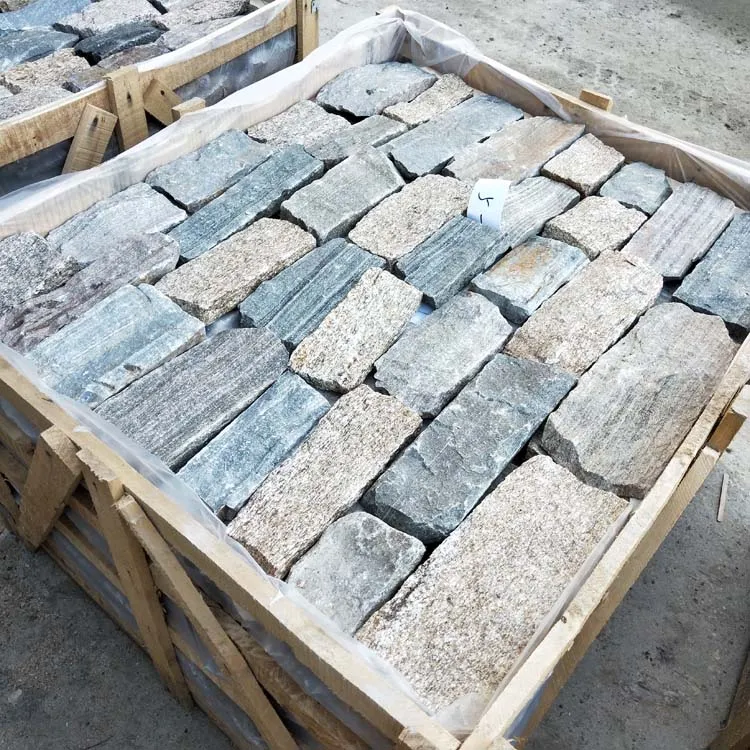
Stone for Construction of Building - Durable & Sustainable Building Solutions
The Enduring Role of Stone for Construction of Building: An Industry Staple
Stone for construction of building is one of those timeless materials that never truly go out of fashion. From the pyramids to modern-day skyscrapers’ facades, natural and engineered stones have played indispensable roles worldwide. It matters because as our cities expand, and as sustainability conversations grow louder, understanding how stone fits into the puzzle is essential. Not just for architects and engineers, but also for policymakers and humanitarian groups looking to build durable, eco-friendly infrastructure.
In real terms, knowing the ins and outs of stone usage can unlock huge cost benefits, environmental advantages, and aesthetic values — all of which translate into buildings that stand for decades, sometimes centuries. So, whether you’re looking at stone for construction of building from the perspective of design, cost, or sustainability, it’s a topic worth a close read.
Introduction: Why Stone for Construction Remains Globally Relevant
Stone is one of the oldest building materials known to humankind, yet it’s far from obsolete. Globally, the construction sector accounts for nearly 40% of CO2 emissions, according to the United Nations Environment Programme (UNEP). Under that microscope, stone—especially local natural stone—emerges as a relatively low-carbon material when compared with heavily processed alternatives like steel or concrete.
Based on data from the International Organization for Standardization (ISO), the demand for sustainable, durable construction materials is set to rise by roughly 15% over the next decade. However, challenges such as extractive impacts, transport logistics, and the advent of new composite materials pose real questions for the future of stone in construction.
Luckily, stone offers solutions: it’s not just expensive for fancy buildings but can serve basic, durable housing needs in vulnerable zones. Whether in disaster relief efforts or green urban development strategies, stone still has an important chapter to write.
Defining Stone for Construction of Building
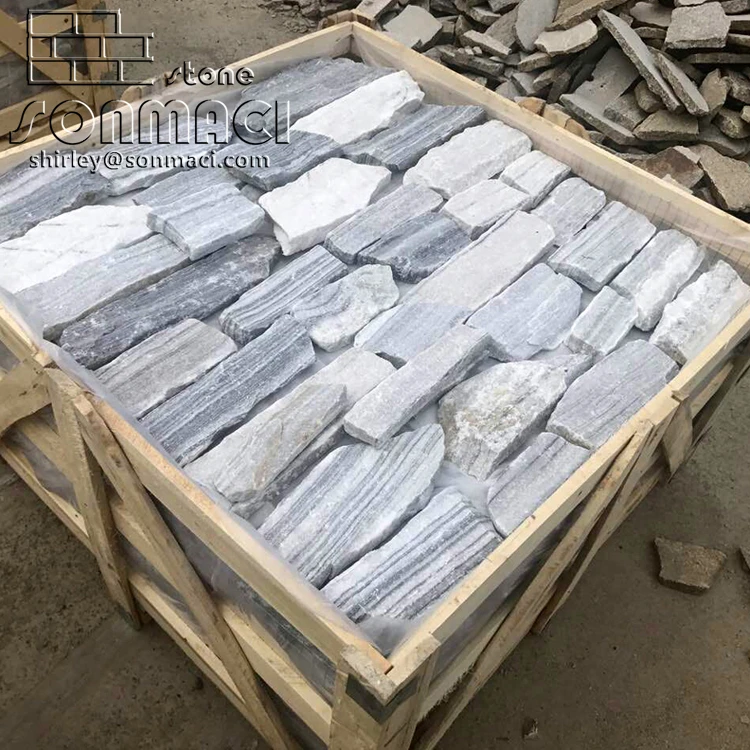
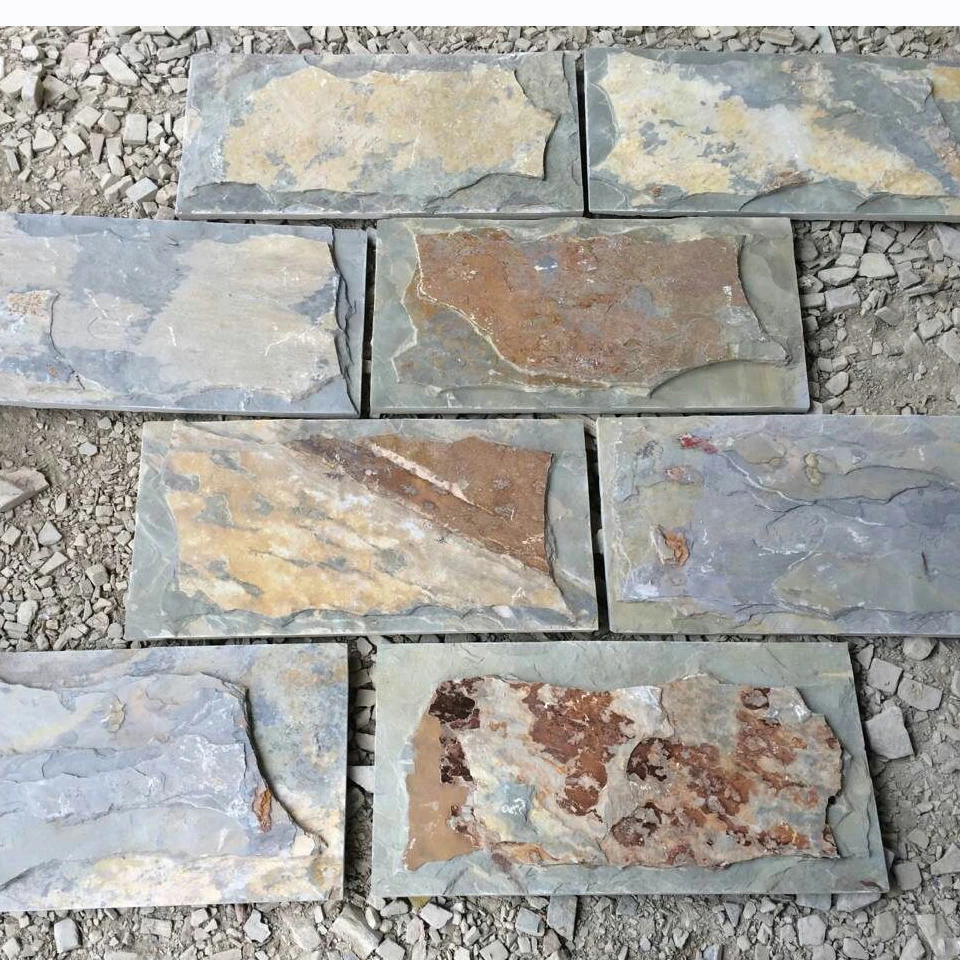
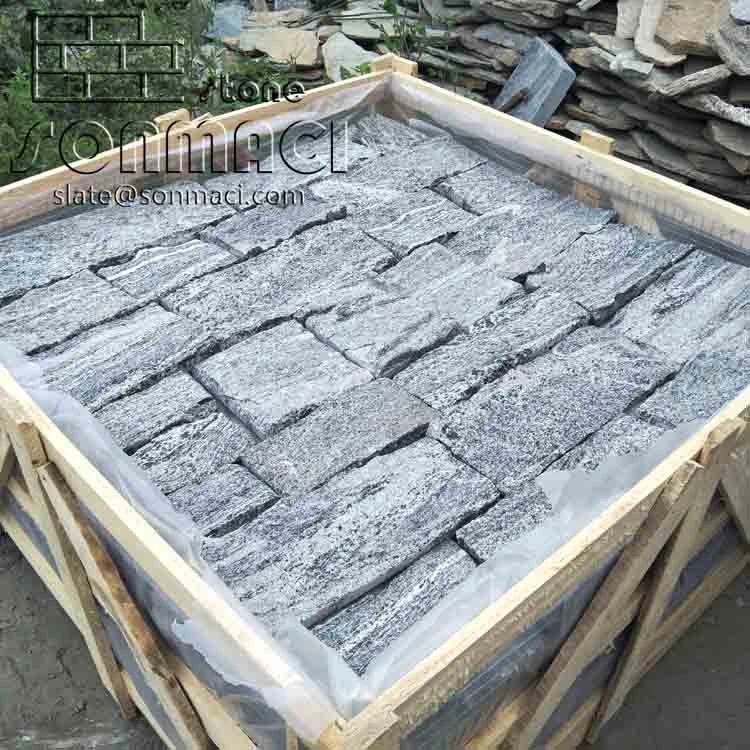
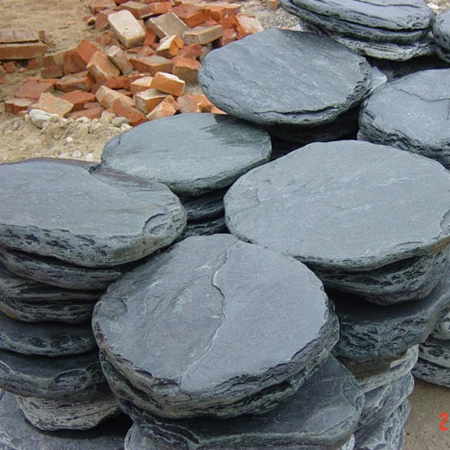
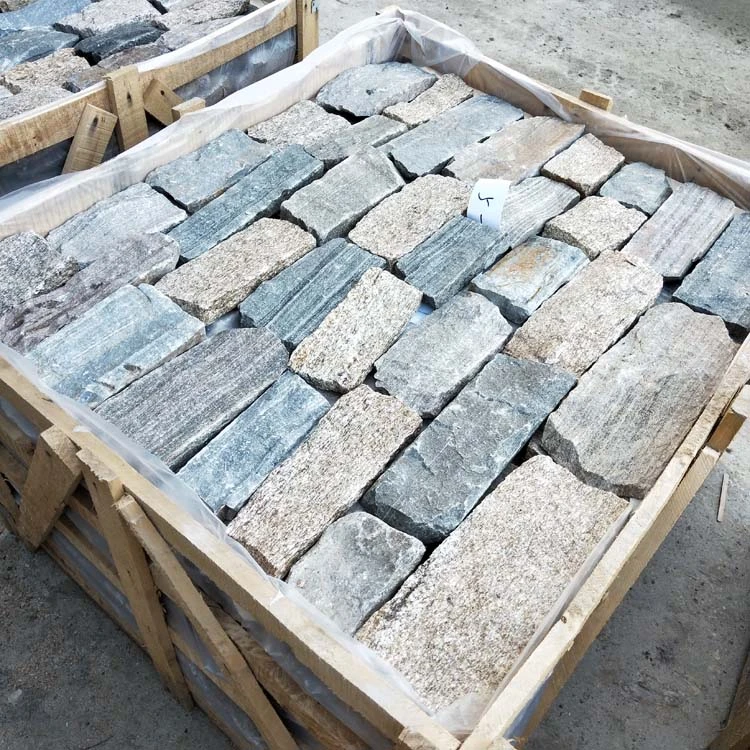
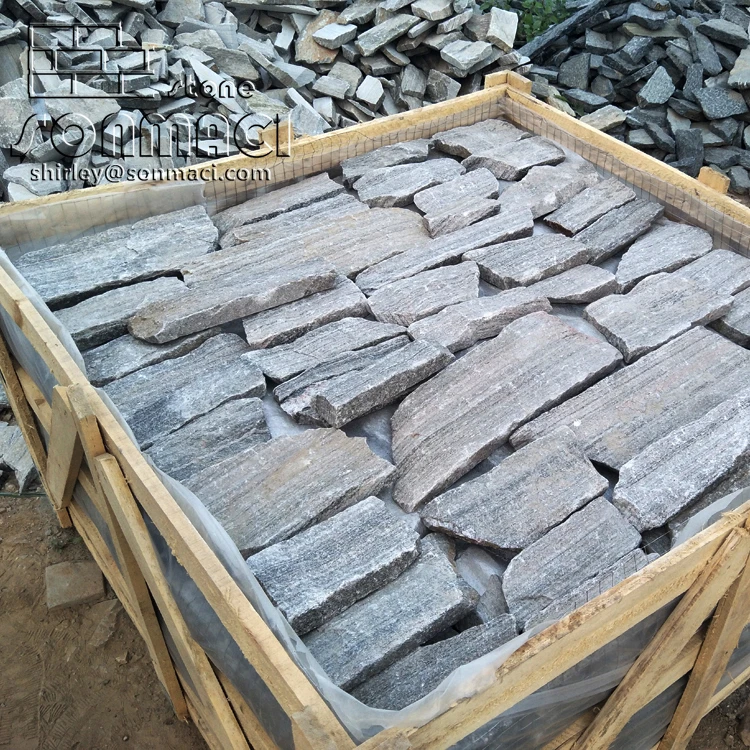
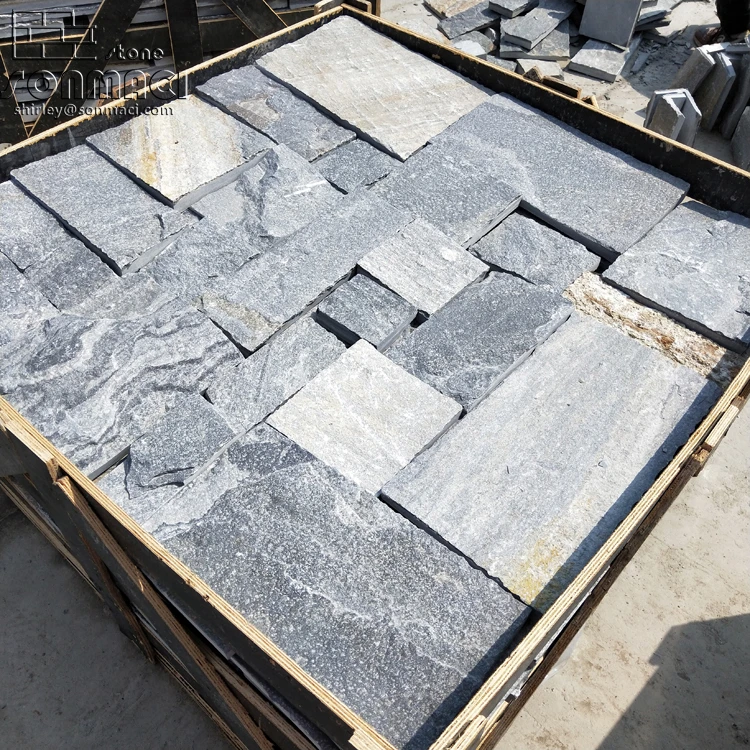
At its core, "stone for construction of building" refers to natural rock materials (like granite, limestone, sandstone, marble) or artificially processed stones used primarily in structural or decorative applications. These stones can be quarried, cut, shaped, and treated to fit myriad purposes, ranging from load-bearing walls to intricate facades.
Interestingly, stone’s role today isn’t just traditional masonry work. It’s woven into modern industrial applications, such as engineered stone countertops or stone-based composites that incorporate recycled materials, enhancing strength and reducing waste.
Stone is often preferred for its durability, thermal mass, and timeless aesthetics — qualities that modern infrastructure demands more than ever. It also aligns with humanitarian projects needing robust, low-maintenance housing solutions.
Key Factors in Choosing Stone for Construction
1. Durability and Strength
Stone’s unparalleled longevity — often measured in centuries — makes it a go-to for load-bearing structures. Granite and basalt are among the hardest, resistant to weathering and abrasion. This reduces repair costs and extends building life.
2. Cost Efficiency and Availability
While precise costs vary, local quarrying generally slashes transport expenses. Limestone, for instance, is abundant in many parts of the world and cost-effective, while exotic stones tend to carry premium pricing due to rarity and processing.
3. Thermal Mass & Energy Efficiency
Stone’s ability to absorb and slowly release heat aids in passive temperature regulation — an often overlooked sustainability feature that can reduce energy use in buildings.
4. Aesthetic & Cultural Value
There’s a reason historical cities boast stone buildings — the visual impact is timeless. Plus, stone can be sourced and shaped to match local styles or modern designs.
5. Sustainability and Environmental Impact
Compared to materials like concrete, natural stone’s embodied carbon can be significantly lower, especially if quarrying and transport are optimized.
Product Specification of Popular Building Stones
| Stone Type | Density (kg/m³) | Compressive Strength (MPa) | Water Absorption (%) | Typical Uses |
|---|---|---|---|---|
| Granite | 2600 - 2800 | 100 - 250 | Foundations, Flooring, Monuments | |
| Limestone | 2100 - 2700 | 30 - 250 | 5 - 20 | Walls, Cladding, Architectural Details |
| Sandstone | 2000 - 2300 | 25 - 170 | 1 - 10 | Paving, Facades, Landscaping |
| Marble | 2700 - 2800 | 70 - 140 | Interior Flooring, Wall Panels, Sculptures |
Global Applications and Use Cases
Stone construction materials have been central across different geographies and industries. For instance:
- Europe & Mediterranean: Historic preservation efforts often involve local stones like travertine and limestone to maintain cultural authenticity.
- South Asia: Granite is heavily used in rapidly growing metro areas for durable public buildings and transport hubs.
- Post-Disaster Relief: NGOs use locally quarried stones for rebuilding homes and community infrastructure, providing resilience against future natural calamities.
- Industrial Zones: In remote regions, stone offers a low-maintenance, reliable material for building factories, warehouses, and worker housing.
Several organizations, including the UN Habitat program, encourage stone use in eco-friendly and affordable housing projects, underscoring its lasting global value.
Advantages and Long-Term Value of Stone in Construction
- Cost Savings: While initial quarrying can be pricey, the extremely low maintenance and repair frequency balance expenses over decades.
- Environmental Sustainability: Stone's minimal processing emissions make it attractive in green building certifications.
- Safety and Security: Stone walls provide natural fire resistance and sound insulation, elements vital in residential and commercial buildings.
- Aesthetic Appeal: The timeless beauty and ability to craft bespoke designs add social value and identity to structures.
- Emotional Connection: Many cultures associate stonework with strength and endurance, lending a psychological sense of protection and permanence.
So yeah, it’s not just logic but also emotion wrapped into the stone story — you feel this when walking through an old city, right?
Vendor Comparison: Stone Suppliers in Construction Industry
| Vendor | Stone Types Offered | Geographical Reach | Sustainability Practices | Custom Fabrication |
|---|---|---|---|---|
| StoneWorks International | Granite, Limestone, Marble | Global | ISO 14001 Certified Quarries | Yes |
| EcoStone Supply | Sandstone, Recycled Stone Composite | Europe, Asia | Focus on Low-Emission Processing | Selective Custom Orders |
| Regional Stone Co. | Local granites and limestones | North America | Community Quarry Partnerships | Limited |
Future Trends and Innovations Shaping Stone Use
Innovation isn’t so much about replacing stone but enhancing its applications with tech.
- Digital Stone Cutting: Laser-guided machining allows unprecedented precision, reducing waste.
- Composite Stones: Combining natural stone with polymers or recycled materials enhances durability and lowers weight.
- Eco-Certifications: More projects demand verified sustainability scores, pushing quarries towards greener extraction methods.
- 3D Modeling and BIM: Integration of stone supply and fabrication into Building Information Modeling streamlines project delivery.
So, stone isn’t just “old-fashioned” — it’s evolving with the times.
Challenges and How to Tackle Them
One obvious challenge is the environmental impact of quarrying — extracting stone can disrupt ecosystems and generate dust and noise. But improved quarry management and rehabilitation approaches are mitigating these issues.
Transportation costs also bite if stone isn’t sourced locally, which frankly weighs heavily on the carbon footprint. Encouraging local sourcing and off-site fabrication can help.
Another issue is limited flexibility compared to modular or prefab alternatives. Here, combining stone with modern building systems (steel frames, engineered wood) offers hybrid solutions.
FAQ: Common Questions About Stone for Building Construction
- What types of stone are best for load-bearing walls?
- Granite, basalt, and some limestones are excellent for load-bearing walls due to their high compressive strength and durability. The selection also depends on local availability and climatic conditions.
- Is using natural stone environmentally friendly?
- Yes, especially when sourced locally with sustainable quarrying practices. Natural stone has low embodied energy compared to concrete or steel, making it an eco-friendly option.
- How does stone perform in earthquake-prone areas?
- Stone’s weight can be a disadvantage in seismic zones, requiring careful engineering and sometimes reinforcement. Modern techniques blend stone façades with flexible framing to address this.
- Can stone be customized for modern architectural designs?
- Absolutely. Advances in cutting and finishing technologies allow intricate shapes and patterns, enabling stones to fit contemporary aesthetics and functional requirements.
- What’s the lifespan of buildings constructed primarily with stone?
- Properly built stone structures can last several centuries. Maintenance needs are relatively minimal, which supports long-term durability and value.
Conclusion: Why Stone Still Matters in Building Construction
In this age of soaring urban demand and climate consciousness, stone for construction of building is anything but outdated. It blends sustainability, strength, and beauty in ways few materials can. Whether you’re a builder, designer, or development professional, understanding stone's nuances opens the door to truly resilient and inspiring projects.
So, if you want to explore high-quality stone options or learn about supplier capabilities, don’t hesitate to visit our website. There’s a world of durable, sustainable stone waiting to be shaped into tomorrow’s architecture.
Thanks for reading — and hey, next time you pass an old stone building, you might just look a little closer and appreciate the story locked inside its walls.