Stone Building Supplies: Durable, Sustainable Materials for Modern Construction
Stone Building Supplies: The Backbone of Durable Construction Worldwide
Stone building supplies may sound like a niche topic, but their influence stretches farther than you might guess—touching everything from global infrastructure projects to humanitarian housing solutions. At its core, understanding stone building supplies means grasping how robust, natural materials continue to shape the way we build stable, lasting structures in an increasingly resource-conscious world. From architectural marvels to humble shelters, the benefits of stone-based construction include sustainability, cost efficiency, and timeless durability.
Why Stone Building Supplies Matter on a Global Scale
As urban populations swell and infrastructure demands intensify, the need for reliable and affordable building materials escalates alongside. According to the United Nations, nearly 68% of the world's population is projected to live in urban areas by 2050—a figure that makes resilient construction materials critical. Stone, ubiquitous and time-tested, answers many construction challenges with its natural properties.
However, there are bumps on the journey. The sourcing, transportation, and processing of stone building materials raise environmental and logistical concerns. Also, modern construction must balance speed with quality—something that traditional stone supplies have struggled with at times. So the industry is evolving to meet both economic and ecological demands without sacrificing the very durability stones offer.
What Exactly Are Stone Building Supplies?
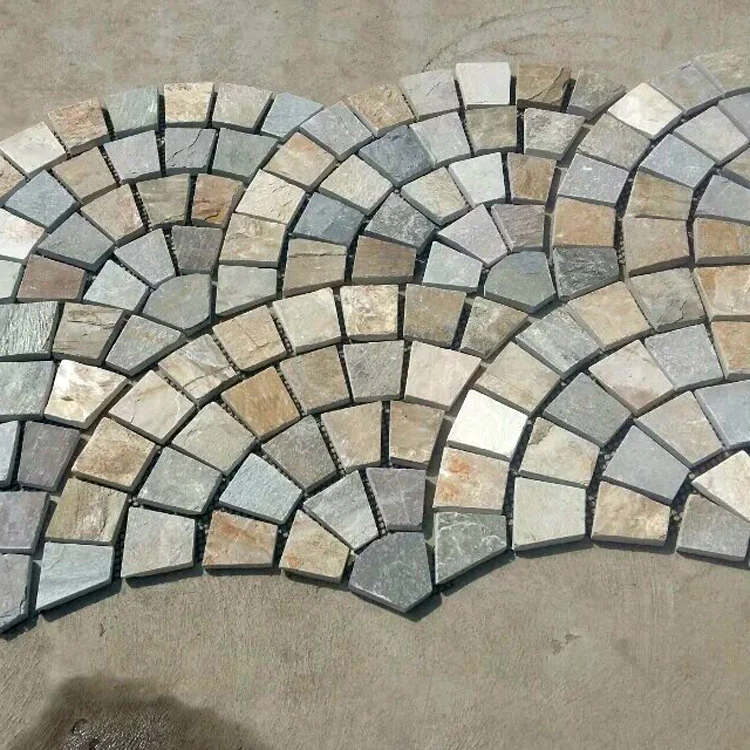
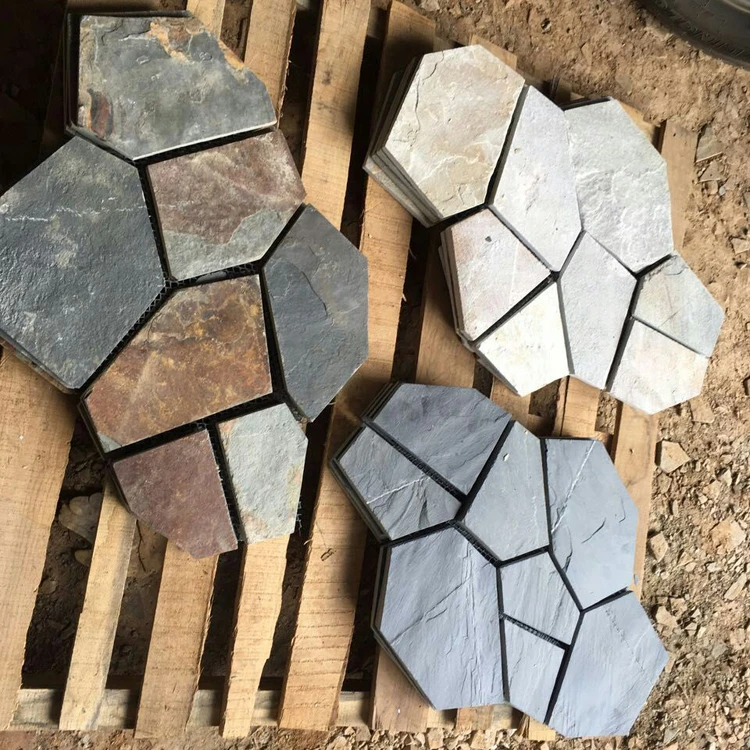
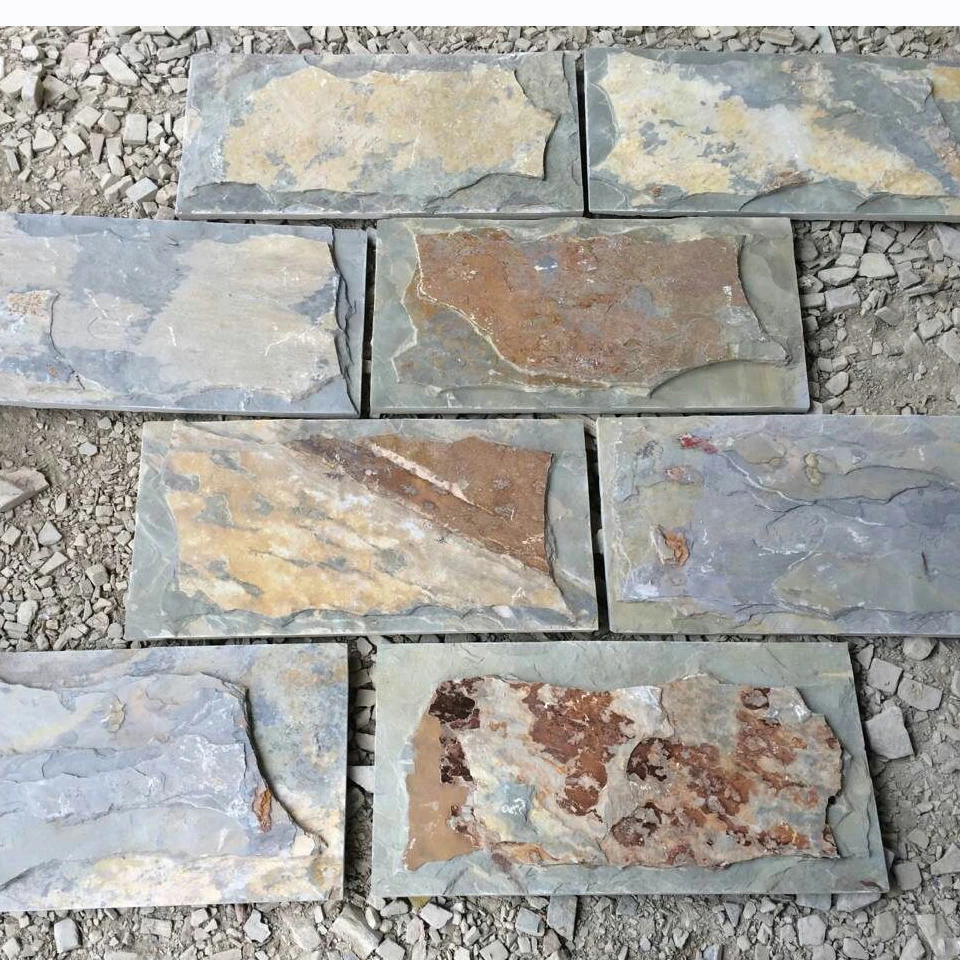
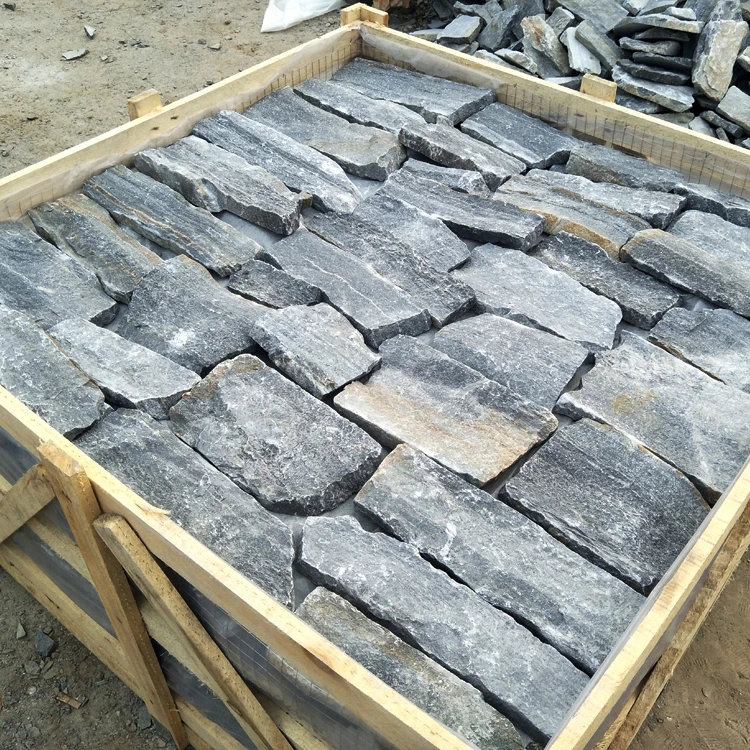
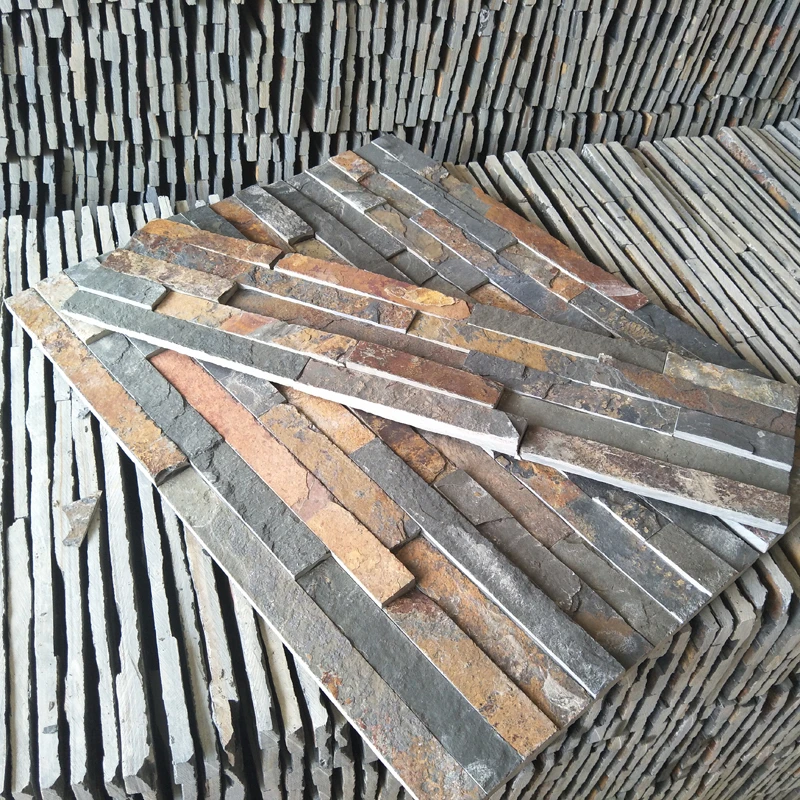
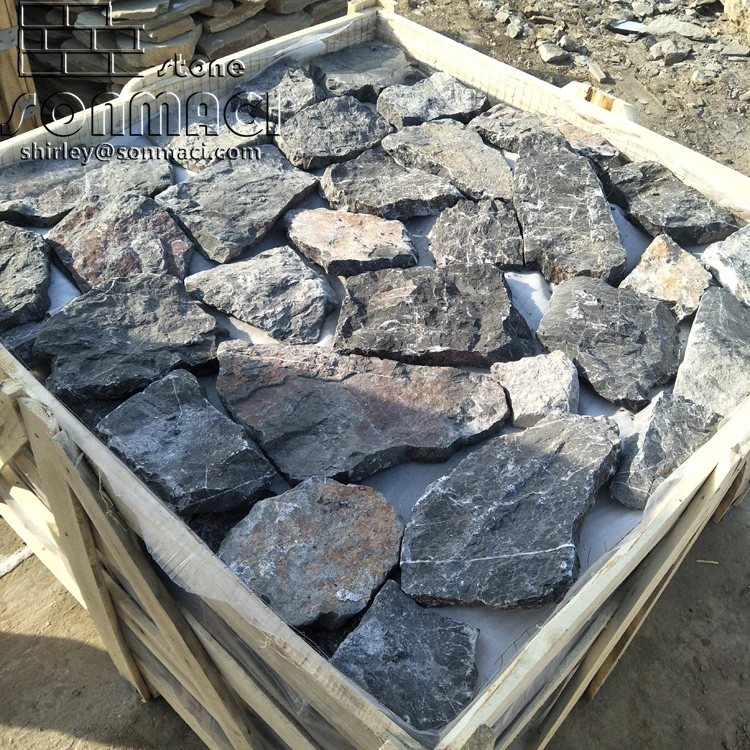
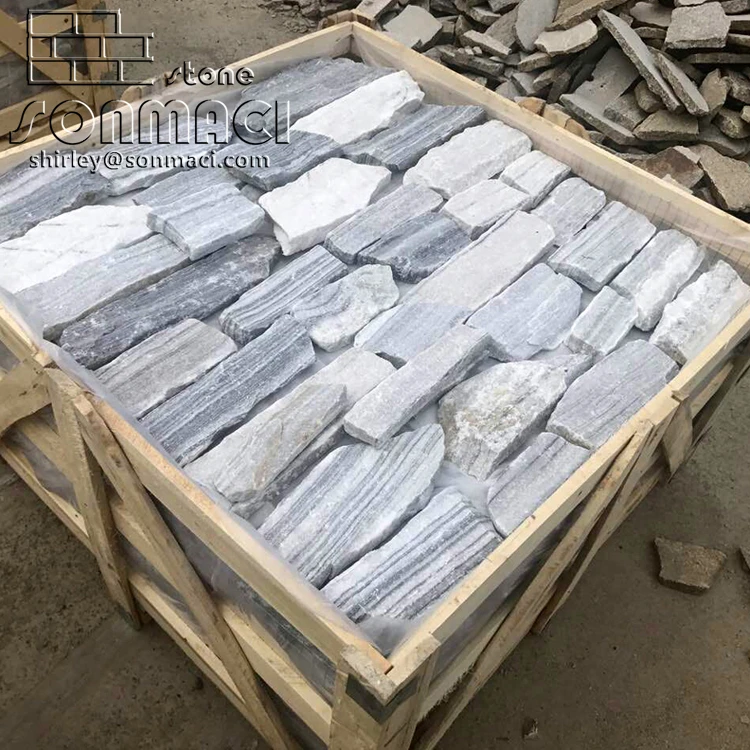
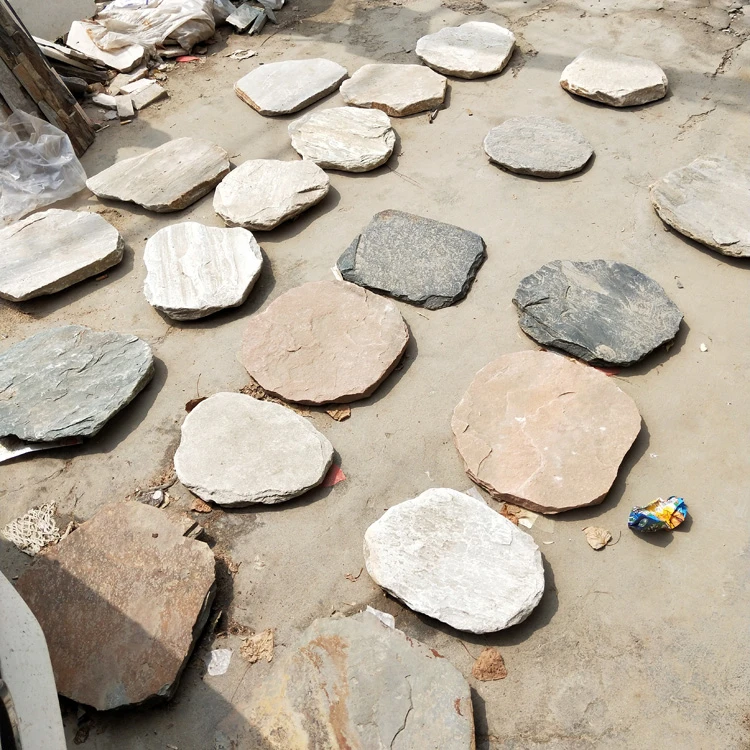
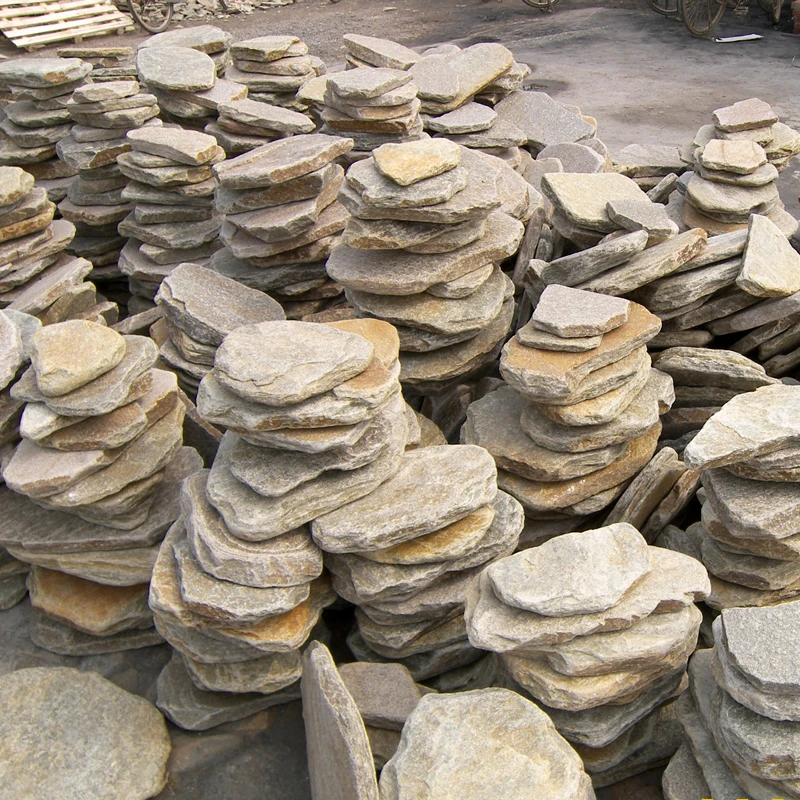
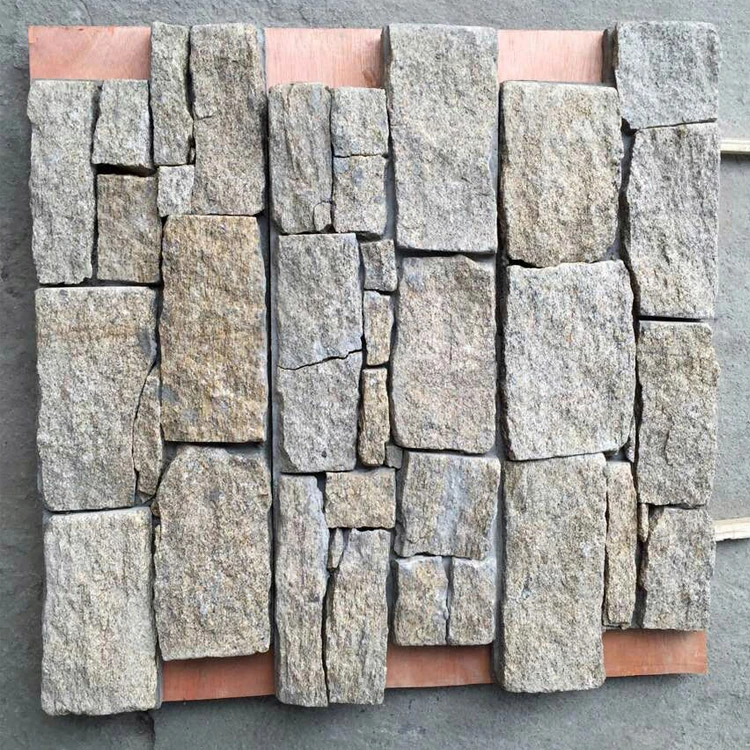
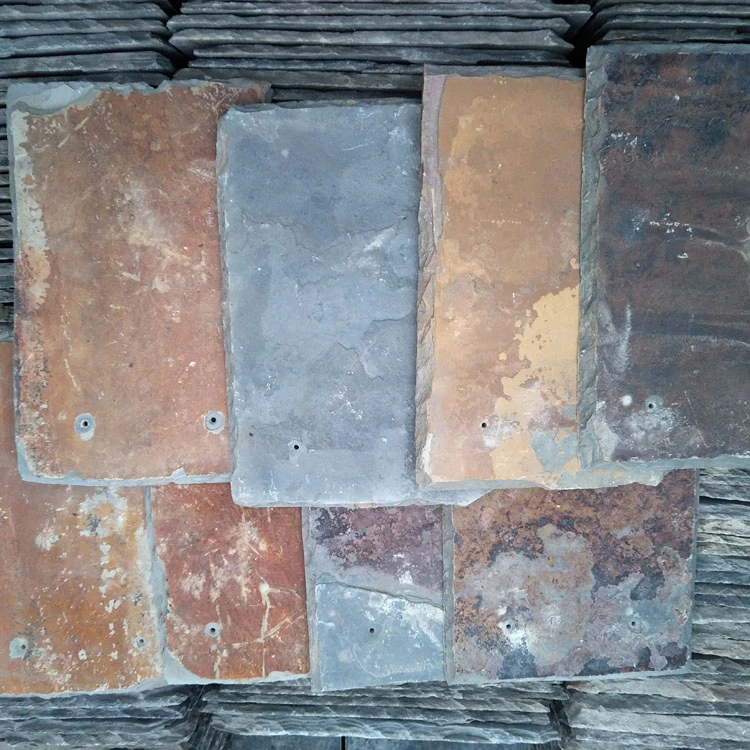
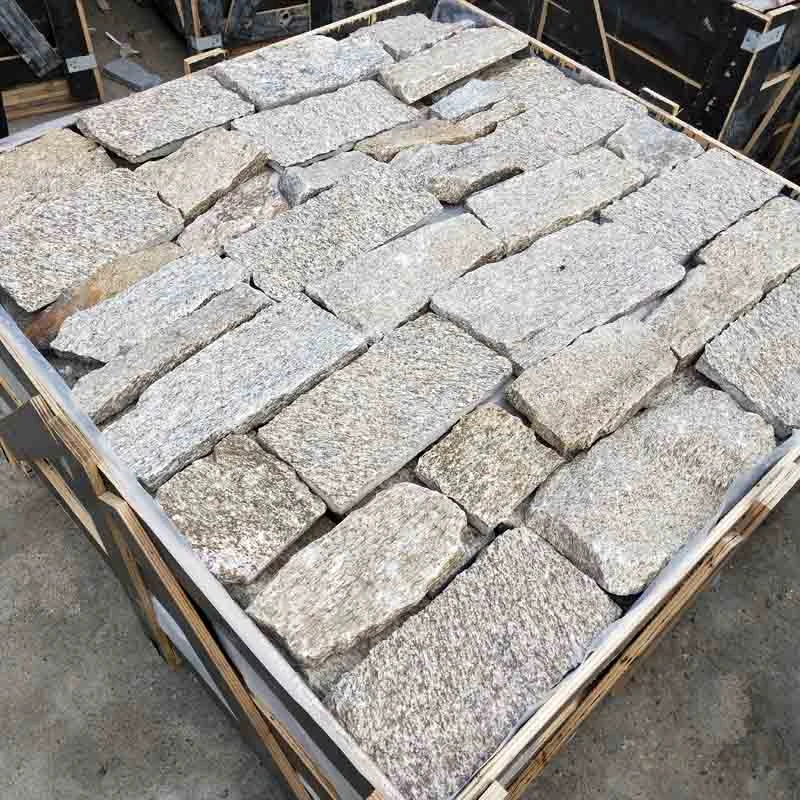
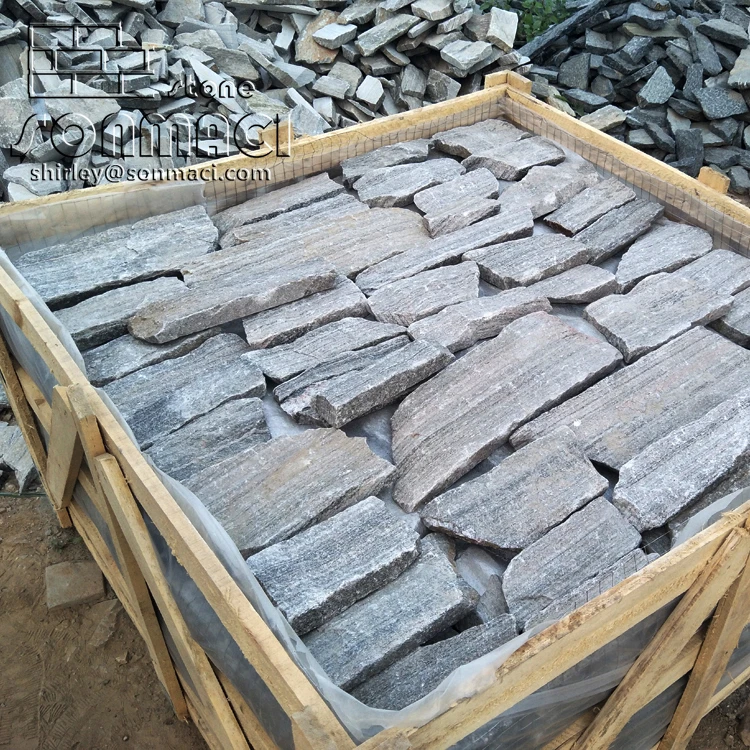
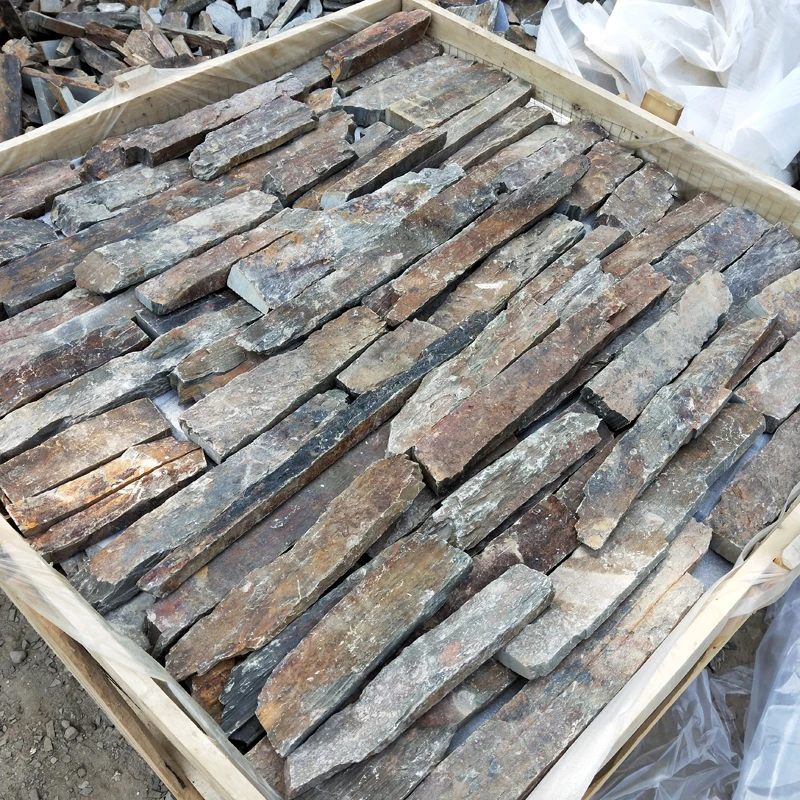
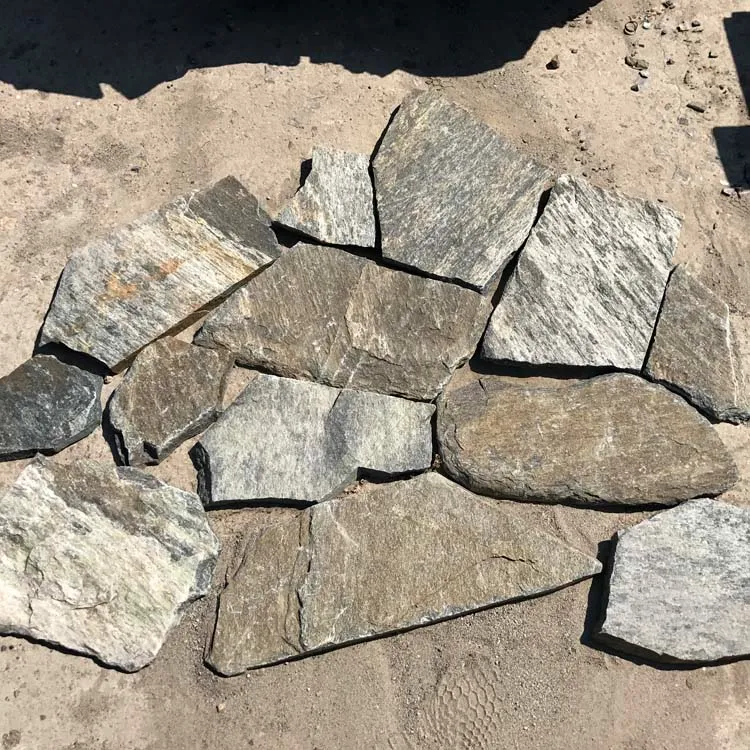
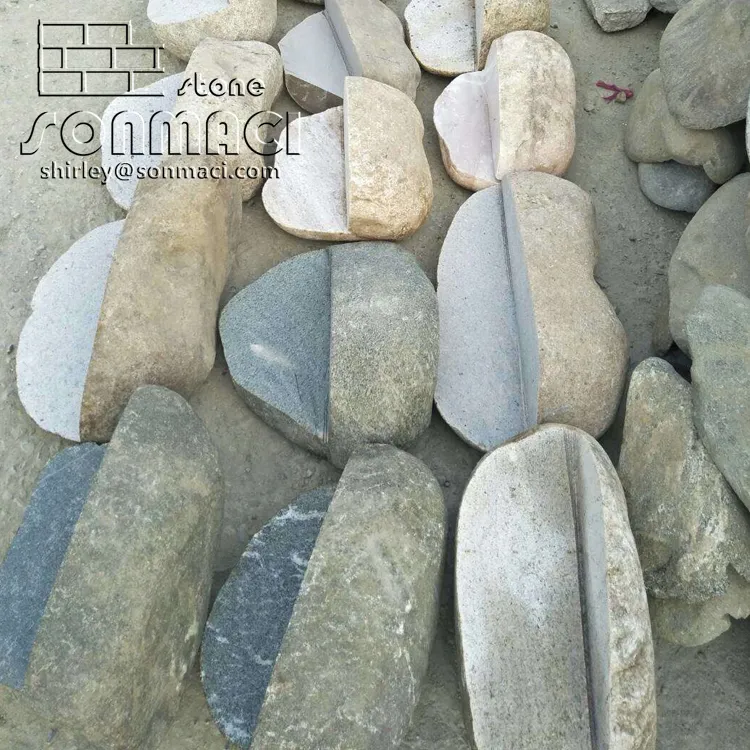
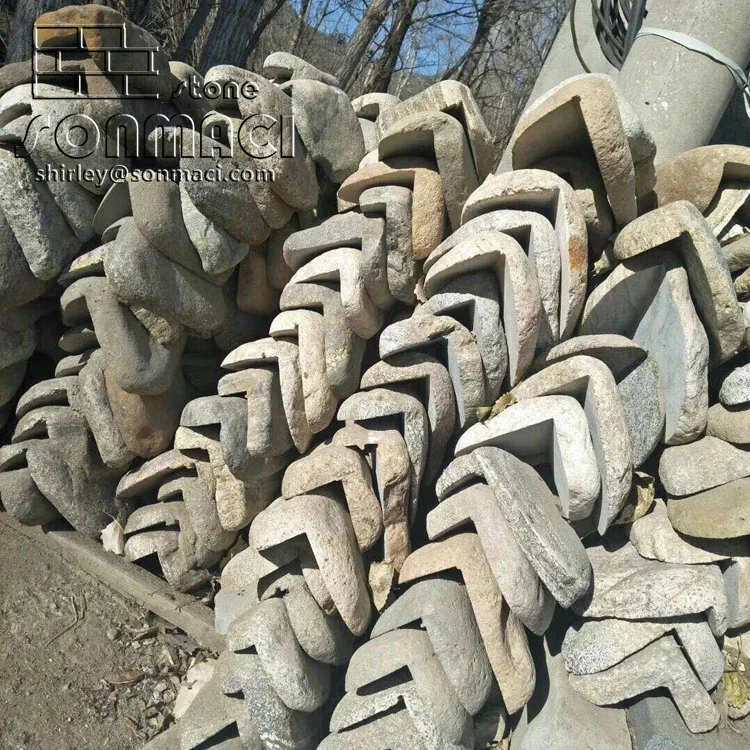
Simply put, stone building supplies refer to natural rocks and quarried stone materials used in construction—from foundation blocks, facing stones, and crushed aggregates to paving slabs and dimension stone.
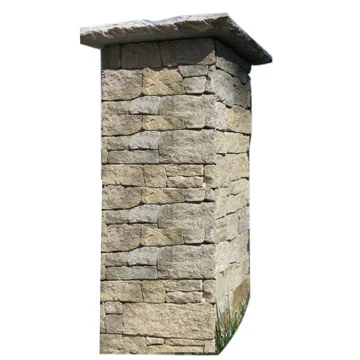
In modern times, these materials serve traditional architecture and newer applications alike—think sustainable facades, retaining walls, landscaping, and even ecological housing projects. The connection to humanitarian work is significant too: rugged, locally sourced stone often forms the backbone of shelters in disaster zones and remote development areas.
Core Components of Stone Building Supplies
Durability
One reason stone remains a favorite is its unmatched longevity. Resistant to weather, pests, and fire, stone materials can outlast many synthetic alternatives. Engineers often cite granite and limestone as benchmarks for durability in outdoor and structural projects.
Cost Efficiency
While initial extraction and cutting might be pricey, the low maintenance and extended lifespan of stone can reduce costs over decades. When factoring in repair savings and energy efficiency (stone’s thermal mass aids in indoor climate control), the economics often favor stone in the long haul.
Sustainability
Stone is a natural, recyclable resource, generally with less embodied carbon than concrete or steel production. Many projects now emphasize sourcing local stone to reduce the carbon footprint associated with transport. Plus, companies are innovating ways to reuse stone waste in landscaping or road building.
Scalability
Thanks to global quarry networks, stone supplies are readily scaled for both small custom architectural jobs and massive infrastructure efforts. The modular nature of quarried blocks makes it easier to tailor stone to project requirements.
Aesthetic Versatility
Naturally, stone offers a broad palette of colors, textures, and finishes—making it a timeless choice for designers who want durability and beauty. This versatility transcends cultural and regional styles, soaring from historical cathedrals to modern minimalist offices.
Mini takeaway: Stone building supplies bring durability, beauty, and environmental advantages to diverse construction challenges, balancing cost-effectiveness with timeless appeal.
Global Applications: Where Stone Supplies Shape the World
Stone building supplies might conjure images of old castles or ancient temples, but today they underpin dynamic projects worldwide. For instance:
- Disaster Relief and Humanitarian Housing: In earthquake-prone regions, stone masonry offers stronger protection than flimsy temporary shelters. Organizations use local stone to build lasting, dignified homes in places like Nepal or Haiti.
- Urban Infrastructure: Public spaces in cities such as Paris or New York feature granite paving and stone benches that endure harsh traffic and weather for decades without costly replacement.
- Remote Industrial Zones: Mining and extraction sites in Australia or Canada rely on stone blocks for equipment foundations, ensuring reliability far from major supply chains.
Oddly enough, the slow evolution of stone supply chains mirrors some challenges with modern logistics and sustainability—yet the natural resilience of the materials frequently evens out initial hurdles.
Stone Building Supplies: Advantages and Long-Term Value
Choosing stone is often about more than price per square foot. It’s a tangible investment in future-proofing buildings against weather, wear, and even shifting regulations on carbon emissions. Besides straightforward durability and low maintenance, stone can offer:
- Environmental Trust: Stone’s natural origin matches green building certifications, supporting corporate sustainability goals.
- Emotional Impact: There’s something profoundly reassuring in stone’s solidity—a feeling of permanence, safety, and dignity.
- Cost Savings Over Time: Reduced repair cycles and energy savings often outweigh initial material costs.
- Architectural Innovation: Advances in cutting and finishing allow more creative freedom than ever before.
Stone Building Supplies: Product Specification Table
| Specification | Granite | Limestone | Sandstone |
|---|---|---|---|
| Compressive Strength (MPa) | 130-250 | 30-250 | 35-150 |
| Density (kg/m³) | 2600-2800 | 2200-2600 | 2000-2400 |
| Water Absorption (%) | 5-20 | 3-8 | |
| Typical Uses | Structural walls, paving | Cladding, flooring | Landscaping, facade |
Leading Vendors of Stone Building Supplies Compared
| Vendor | Specialties | Locations | Price Range |
|---|---|---|---|
| StonePro Ltd. | Custom cut granite, bulk aggregates | North America, Europe | $$$ |
| EcoStone Supplies | Locally sourced limestone, recycled stone | Europe, Asia | $$ |
| Global Rock Traders | Sandstone & dimension stone, global shipping | Worldwide | $$$ |
Eye on the Future: Innovations Reshaping Stone Building Supplies
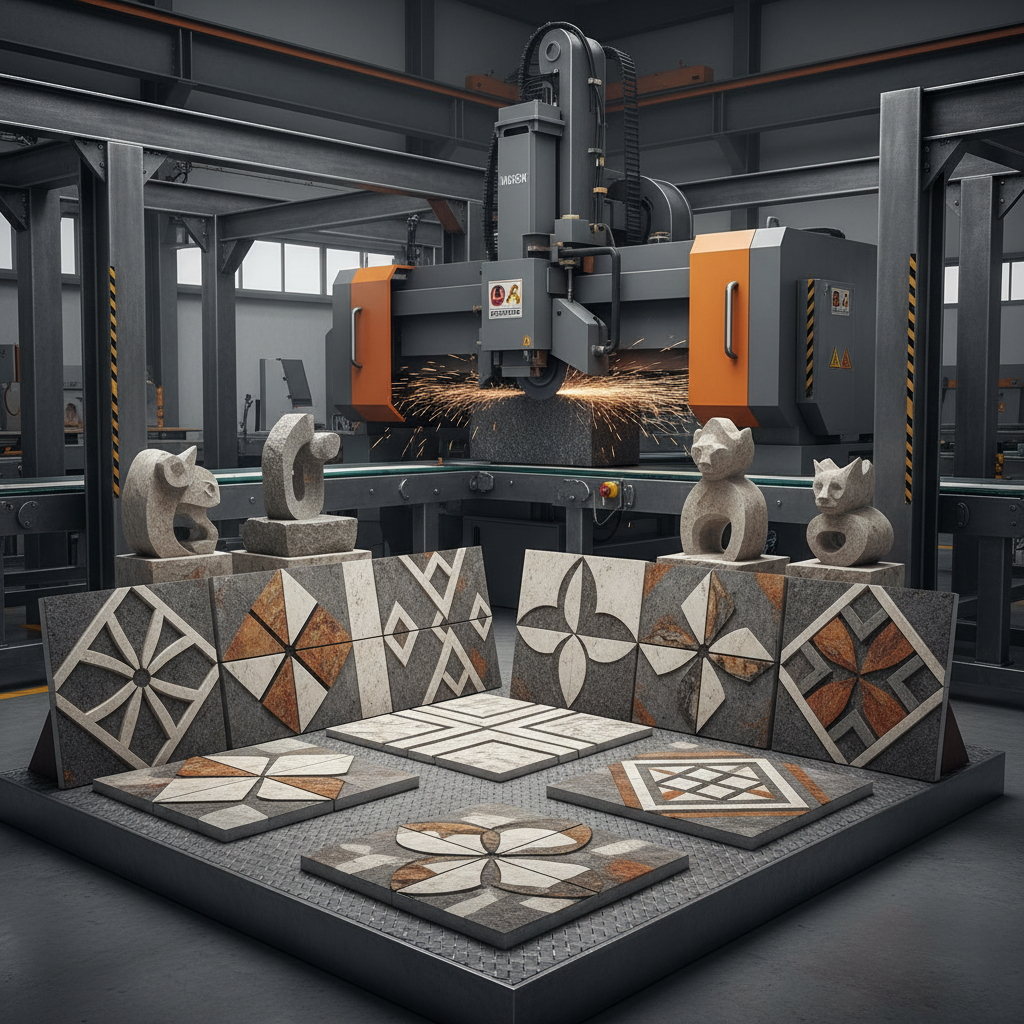
Some emerging processes and technologies are breathing new life into stone supplies. For example, digital cutting tools now allow unprecedented precision and complexity in stone shapes, expanding design possibilities while reducing waste. Moreover, integrating stone building supplies with green energy initiatives—such as stone's ability to moderate building temperature—enhances overall sustainability.
Automation in quarrying and processing is improving efficiency and safety, while environmental policies increasingly push sourcing transparency—helping buyers track the carbon footprint of their stone materials. Oddly enough, even 3D-printed stone composites are entering early-stage testing...
Common Challenges and How Industry Innovates Around Them
Yet, it wouldn’t be honest without mentioning some challenges. Stone supplies are often heavy, requiring thoughtful transport logistics. Extraction can disrupt ecosystems if not managed well. Variability in stone quality means rigorous testing is essential to ensure safety and performance.
Innovations such as circular economy approaches repurposing stone waste, and virtual inventory platforms enabling real-time stone quality assessment, are helping the industry surmount these issues. Engineers increasingly blend stone with other materials to optimize structural integrity while managing weight and costs.
FAQ: Frequently Asked Questions About Stone Building Supplies
Q1: How sustainable are stone building supplies compared to concrete or steel?
Stone generally has a much lower embodied carbon footprint than concrete and steel, mainly because it requires less processing energy and is often sourced locally. Unlike manufactured materials, stone is natural and recyclable, making it a favored choice in green building strategies.
Q2: What makes stone building supplies suitable for disaster relief projects?
Stone’s durability against weathering and fire, combined with availability in many regions, makes it ideal for creating lasting shelters. Although heavier than some modern materials, stone provides better protection and comfort, preserving dignity for displaced communities.
Q3: Are there modern innovations that make stone faster to use in construction?
Yes, advanced cutting technologies and modular design approaches speed up the assembly of stone structures, while high-precision fabrication reduces onsite adjustments. This blend of tradition and technology means construction timelines can be competitive with more 'modern' materials.
Q4: Can stone building supplies be easily integrated with digital building information models (BIM)?
Absolutely. Many suppliers offer digital catalogs and detailed specifications that can be imported into BIM software, aiding architects and engineers in precise project planning and reducing costly onsite surprises.
Wrapping Up: A Solid Foundation for the Future
In real terms, stone building supplies remain a cornerstone of sustainable, resilient, and cost-effective construction worldwide. Their natural strength, environmental benefits, and timeless appeal ensure they keep a place alongside modern materials — maybe even growing in importance as we seek greener solutions.
For anyone interested in harnessing these advantages, whether for a historic restoration or a cutting-edge eco-project, a great place to start is exploring trusted suppliers and staying abreast of technological advances. Curious? Visit our website at https://www.sonmacistone.com to see detailed product offerings and expert advice.
Mini takeaway: Stone building supplies aren’t just relics of the past — they’re dynamic, eco-friendly materials evolving with the times to meet today's construction demands.