Stacked Stone Fireplace Facade – Durable & Stylish Cladding Solutions
Stacked Stone Fireplace Facade: Timeless Charm Meets Industrial Craftsmanship
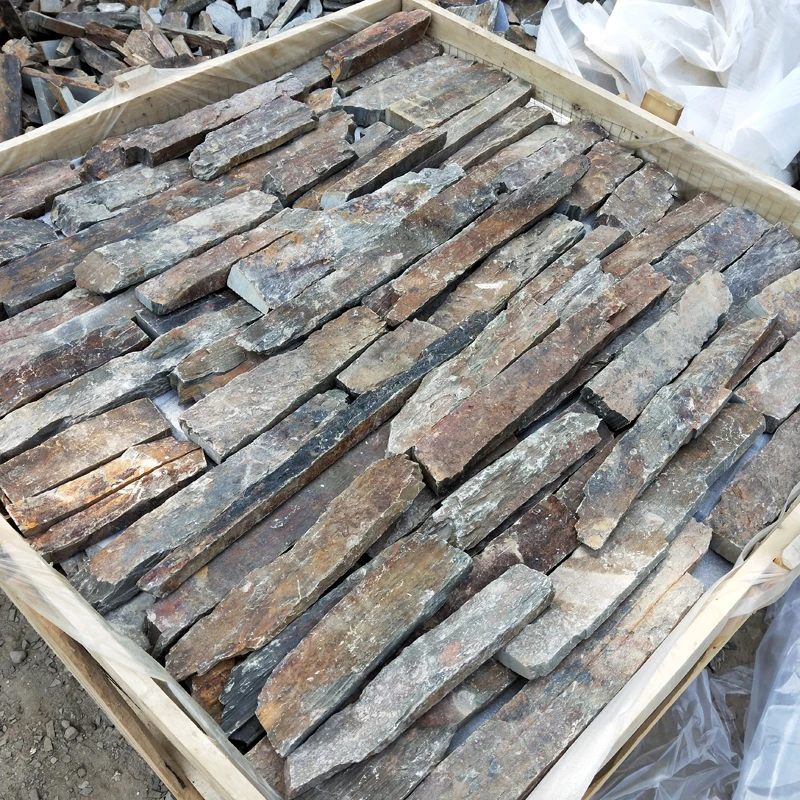
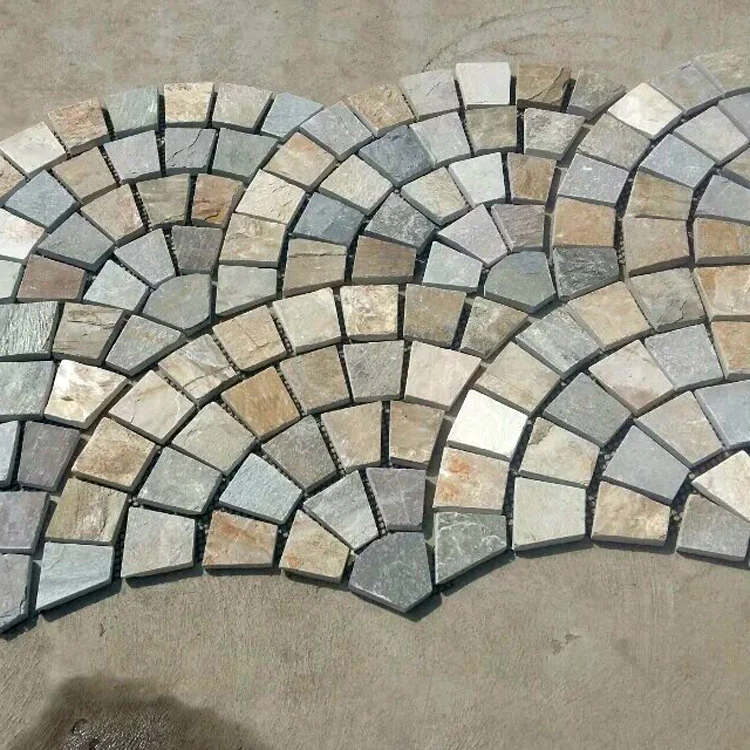
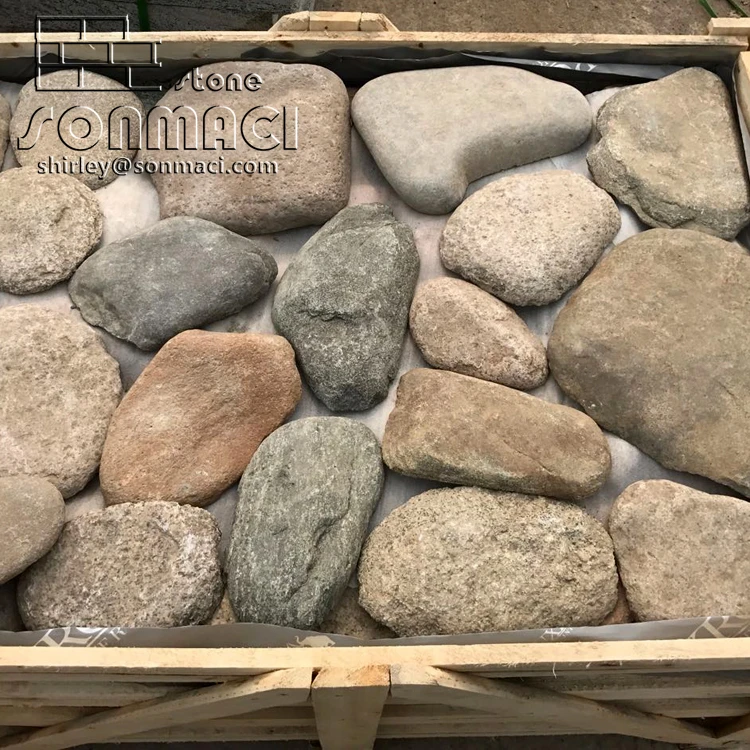
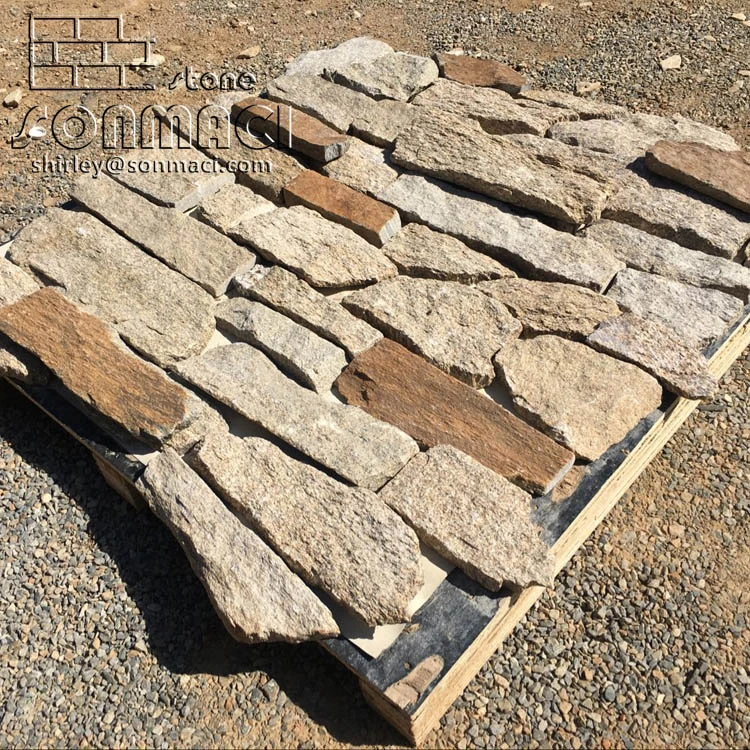
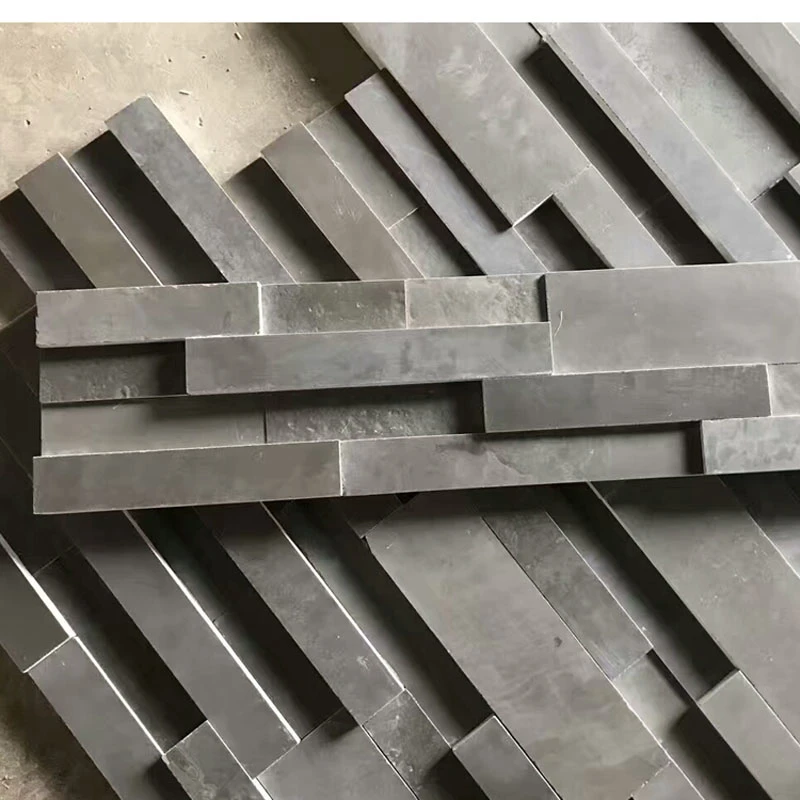
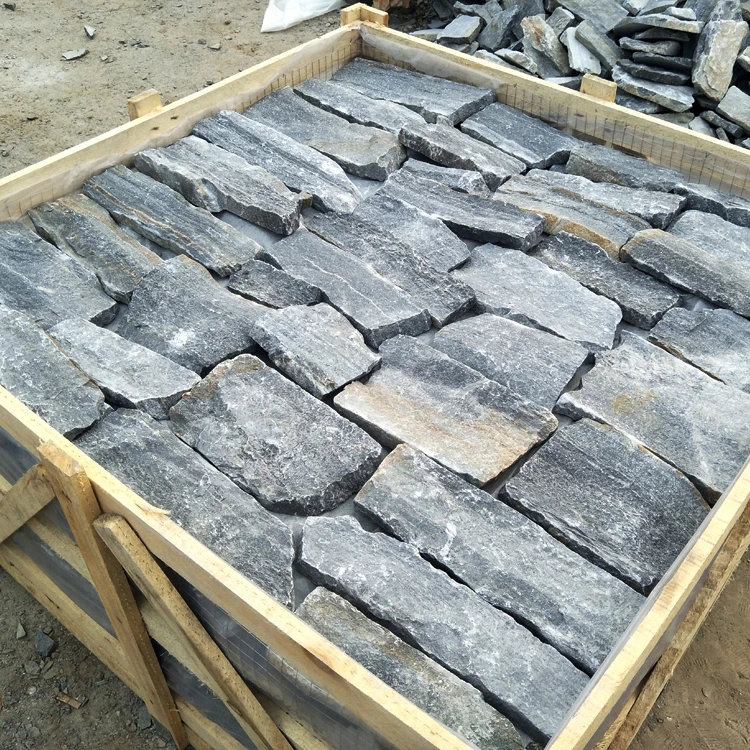
Having spent a good portion of my career immersed in the industrial equipment and materials sector, I've seen trends come and go—some fleeting, others stubbornly enduring. stacked stone fireplace facade is one of those elements that, frankly, never seems to lose its appeal. It has this rugged, natural quality that complements both rustic cabins and sleek modern lofts. Oddly enough, despite all the contemporary cladding options available, the tactile, layered look of stacked stone still commands attention. In real terms, it’s as much about texture as it is about warmth.
What’s fascinating is how manufacturers have refined their techniques over the years. Gone are the days when you had to rely solely on quarried stone—today, engineered stone veneers offer a lighter-weight, more consistent alternative without sacrificing much in the way of durability or aesthetic appeal. In my experience, these veneers are easier to work with for installers yet still provide the authentic look clients crave.
Speaking of installation, one thing I often tell clients is to pay attention to the details—proper backing, moisture barriers, and anchor systems are just as important as the stone itself. Many engineers I've known emphasize that the fireplace facade isn't just a decorative front; it has to endure heat cycles and potential exposure to ambient moisture. So, selecting the right product is a balance between beauty and functional performance.
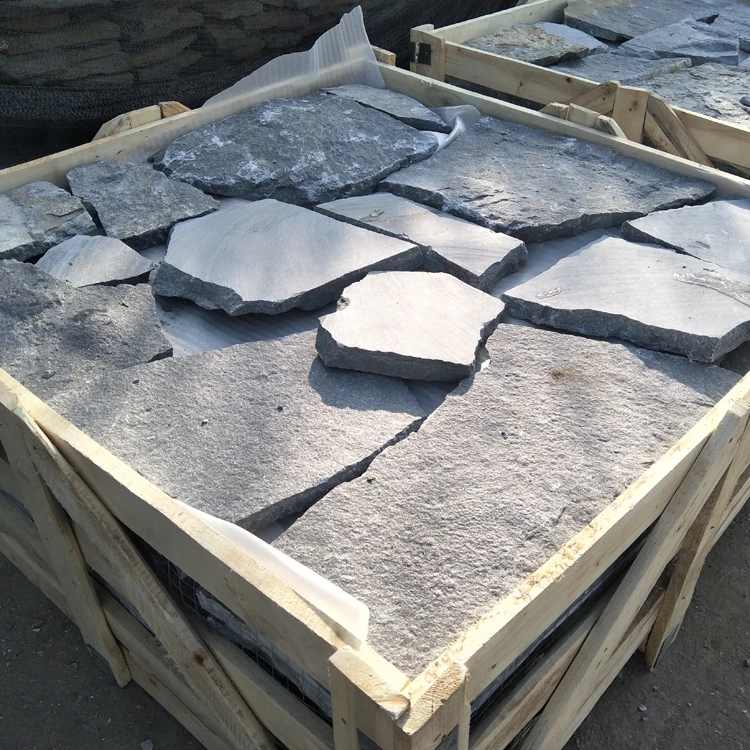
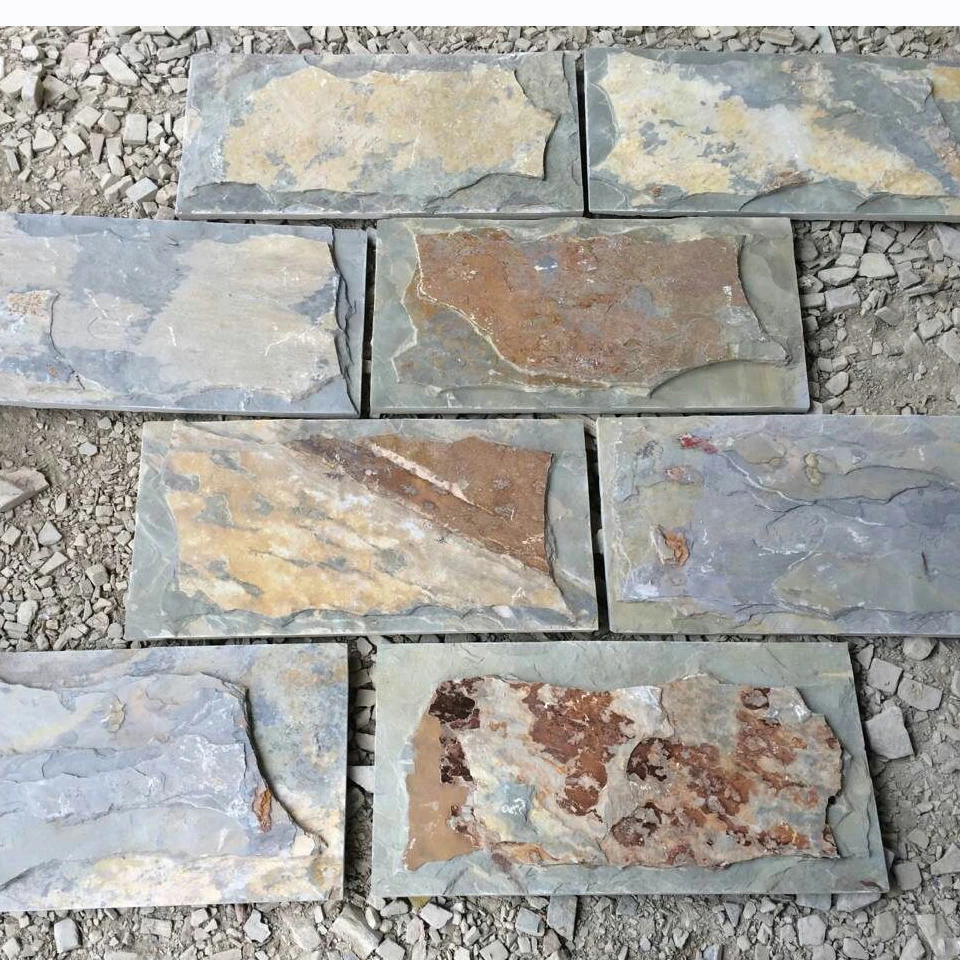
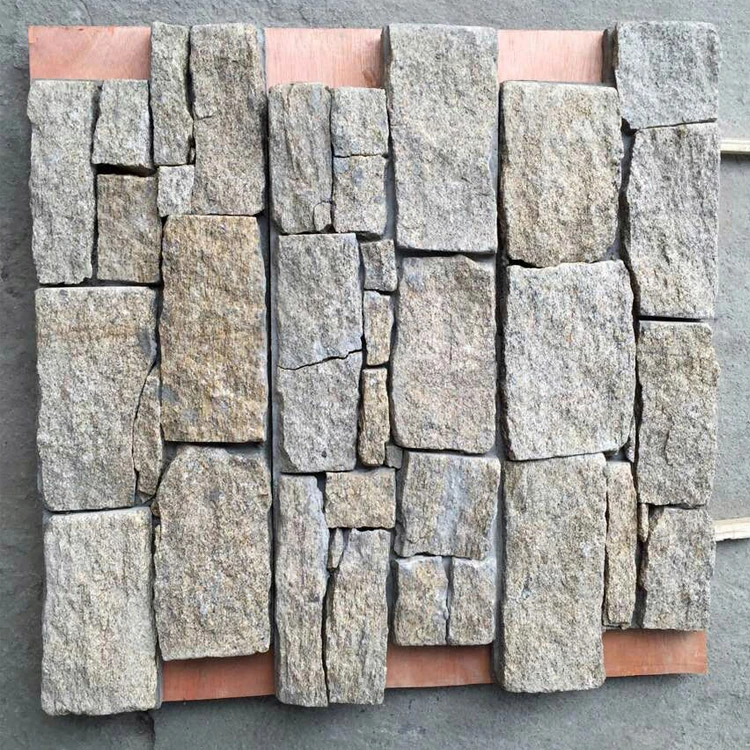
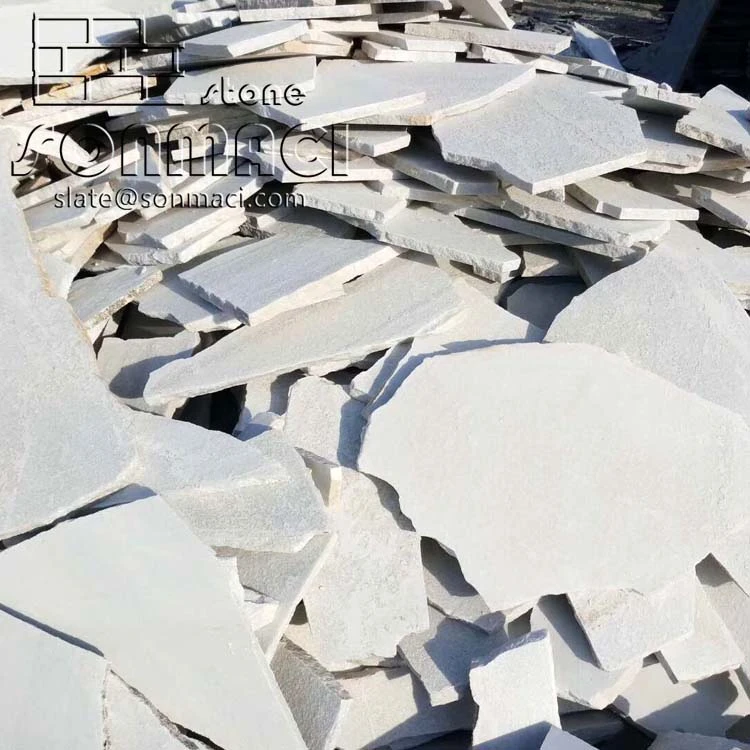
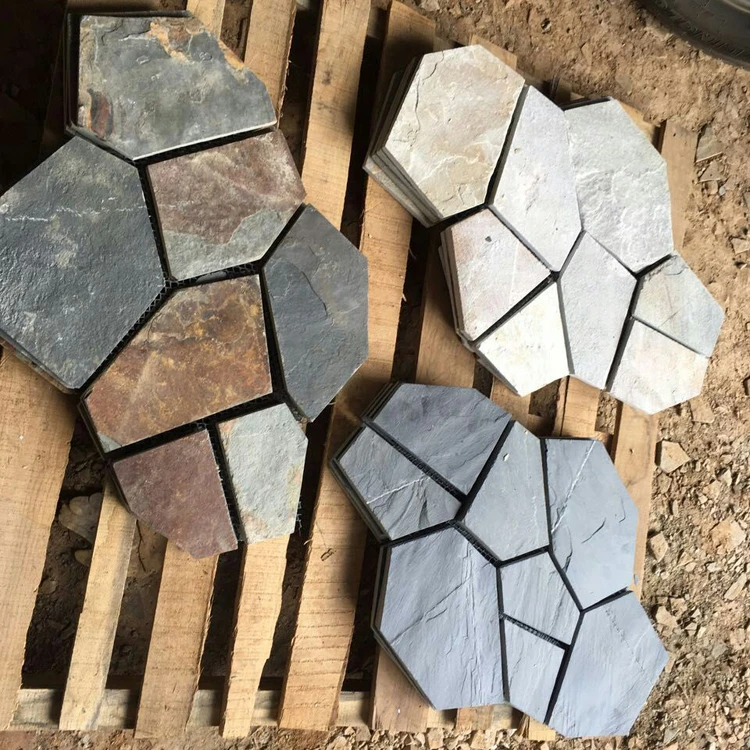
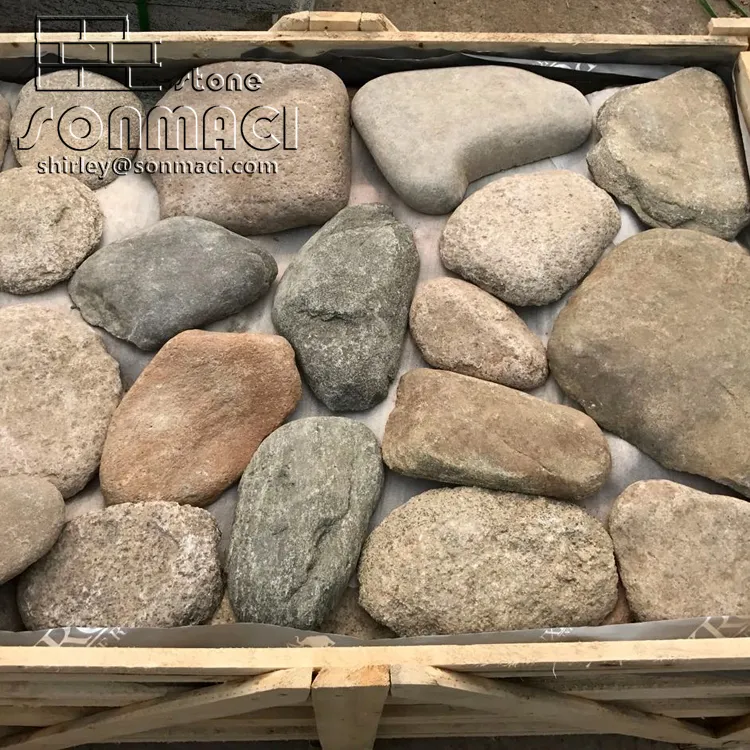
Here’s a quick glance at a typical stacked stone veneer product you might encounter on the market:
| Specification | Details |
|---|---|
| Material | Natural Quartzite / Engineered Stone Veneer |
| Thickness | 1 to 2 inches |
| Weight | 8-12 lbs per sq ft |
| Color Options | Earth tones, grays, and sandstone hues |
| Installation Method | Mortar or Mechanical Anchors |
| Fire Resistance | Class A (per ASTM E84) |
Choosing the right vendor can feel overwhelming since so much depends on reliability, consistency, and support after purchase. I’ve dealt with several suppliers throughout the years, and the differences can be subtle but impactful. For example:
| Vendor | Material Quality | Lead Time | Price Range | Customization Options |
|---|---|---|---|---|
| SonMaci Stone | Premium natural quartzite | 2-3 weeks | $$$ | Color & shape on demand |
| Rustic Stone Co. | Standard engineered veneer | 1-2 weeks | $$ | Limited color palette |
| StoneCraft Ltd. | Mixed quality natural stone | 3-5 weeks | $$$$ | High customization, premium |
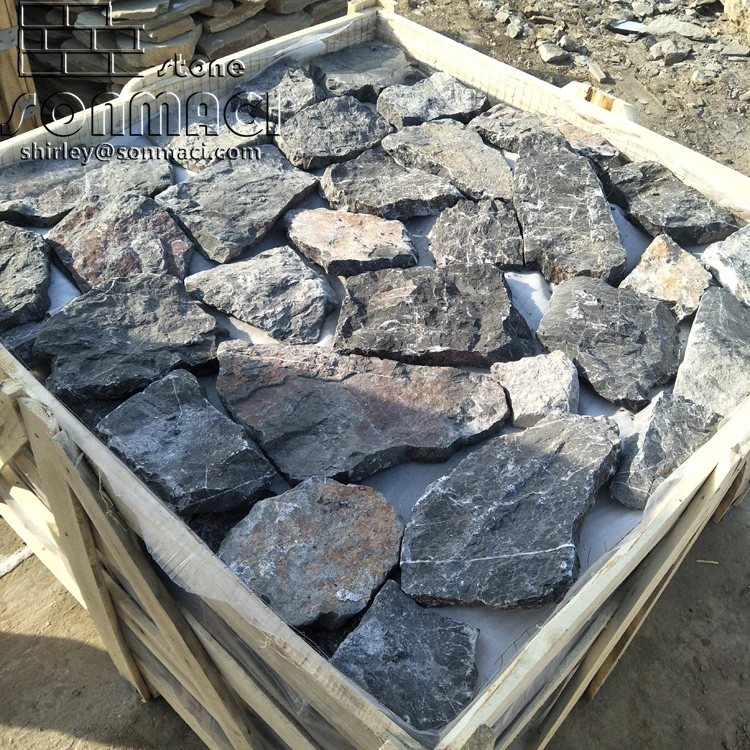
One memorable project I worked on recently involved a lakeside cabin where the client was keen to incorporate a stacked stone fireplace facade that echoed the rugged terrain outside. We opted for a quartzite veneer from SonMaci Stone, mainly because their customization options allowed us to pick hues that perfectly matched the surrounding granite outcrops. It turned out beautifully – you could almost reach out and feel the cold stone, yet it brought warmth into the living space.
What this kind of project reminds me is that stone facades—stacked or otherwise—don’t just dress up a fireplace; they embed a story, craftsmanship, and natural history right into your living room.
So, when considering your next fireplace facade upgrade, whether you’re a builder, architect, or homeowner, take a moment to reflect on not just the look but the material’s provenance and installation nuances. It feels like the small details always make the most difference in the long run.
And yeah, if you want something both timeless and truly sturdy, stacked stone is hard to beat.
References:
- ASTM International. ASTM E84 – Standard Test Method for Surface Burning Characteristics.
- Industry conversations, materials testing labs, & personal field experience.
- Client project logs and vendor product sheets (2023-2024).