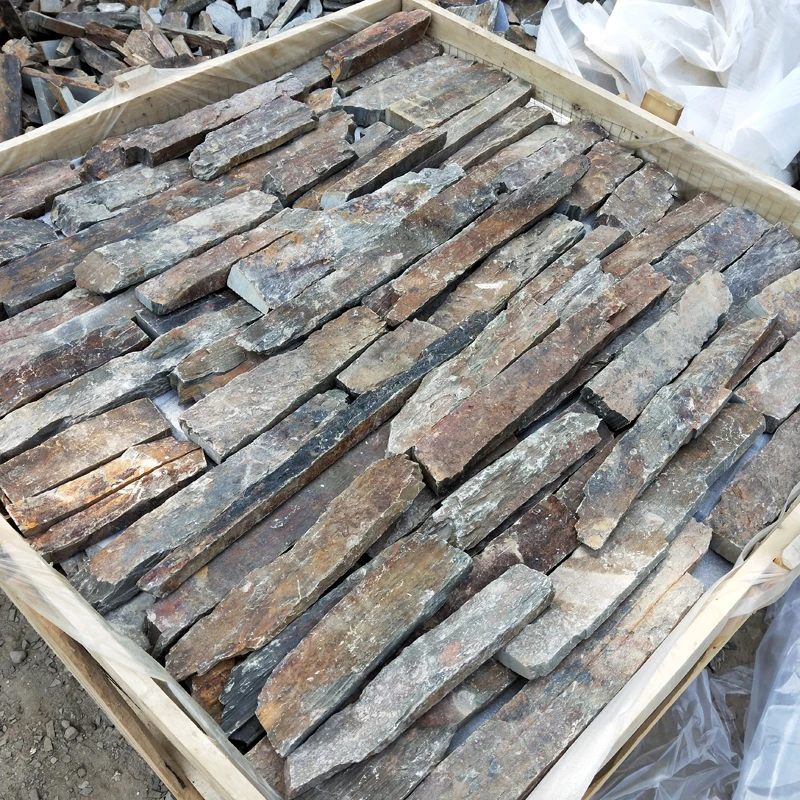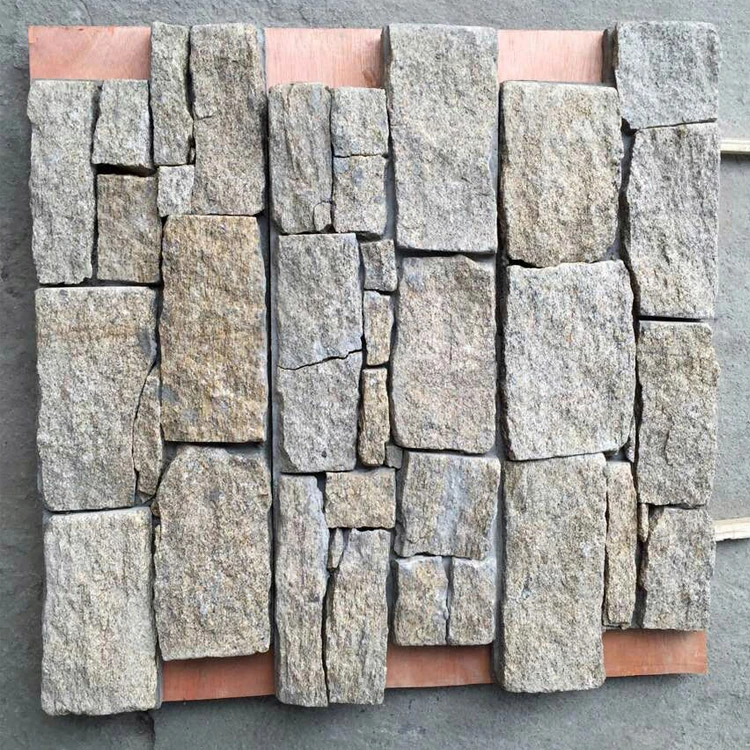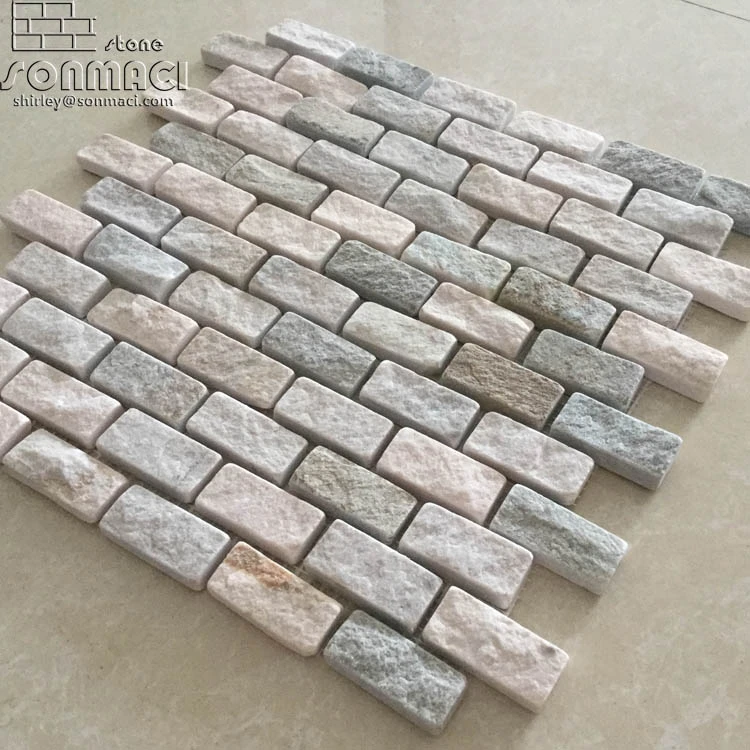
Discover Ashlar Stone Veneer – Durable, Stylish & Sustainable Building Solutions
Understanding Ashlar Stone Veneer: Why It Matters in Today’s Industry
At first glance, ashlar stone veneer might sound like something only architects or stonemasons fuss over, but it’s actually a key element shaping global construction practices and sustainable building trends today. Think of it as the elegant “skin” we wrap buildings in — enhancing appearance without the cost and weight of full-thickness stone. This lightweight, precision-cut stone facing is not just about aesthetics; it addresses pressing industry challenges like cost-efficiency, environmental impact, and durability.
Globally, the construction sector consumes over 40% of raw materials and contributes approximately 39% of carbon emissions according to the United Nations Environment Programme (UNEP) [1]. Innovative materials like ashlar stone veneer step into this space offering both form and function. Whether restoring historic landmarks or crafting modern office spaces, understanding this material can mean the difference between a quick fix and a sustainable architectural solution.
Global Context: Why Ashlar Stone Veneer Matters
The world’s urban landscapes are expanding faster than ever. The World Bank estimates that by 2050, nearly 70% of the global population will live in cities, pushing architects and builders to find smarter, greener solutions [2]. Enter ashlar stone veneer — providing the strength and beauty of natural stone while reducing the logistics burden and material waste.
But here’s the rub: full stone walls are heavy, costly, and require skilled labor that’s increasingly scarce. Ashlar stone veneer addresses these challenges by delivering modularity and speed in construction — important when rapid urbanization meets tight environmental regulations. Oddly enough, these stone veneers also help preserve architectural heritage in disaster-prone regions where retrofitting old buildings is both urgent and complex.
Defining Ashlar Stone Veneer: What It Is and Why It’s Different
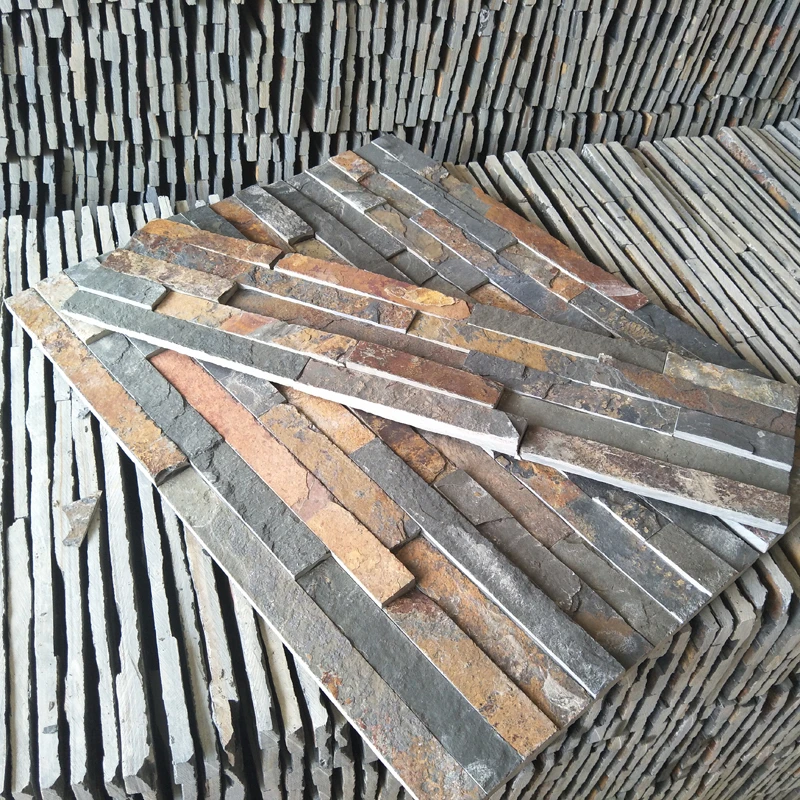
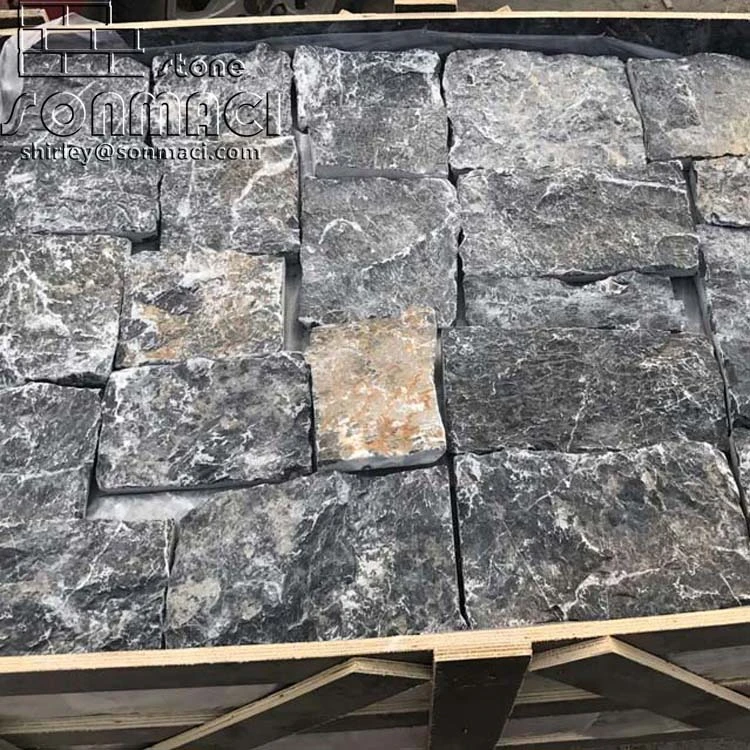
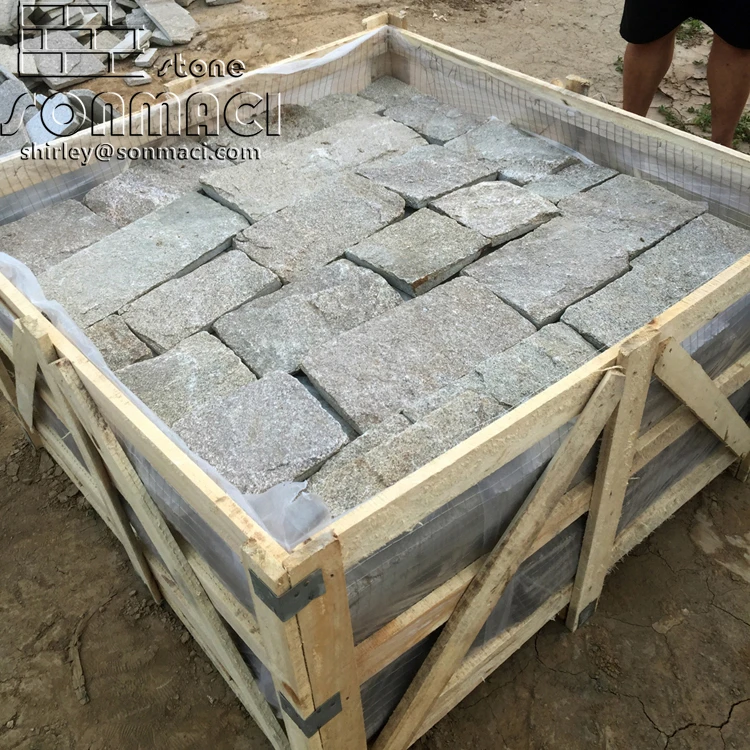
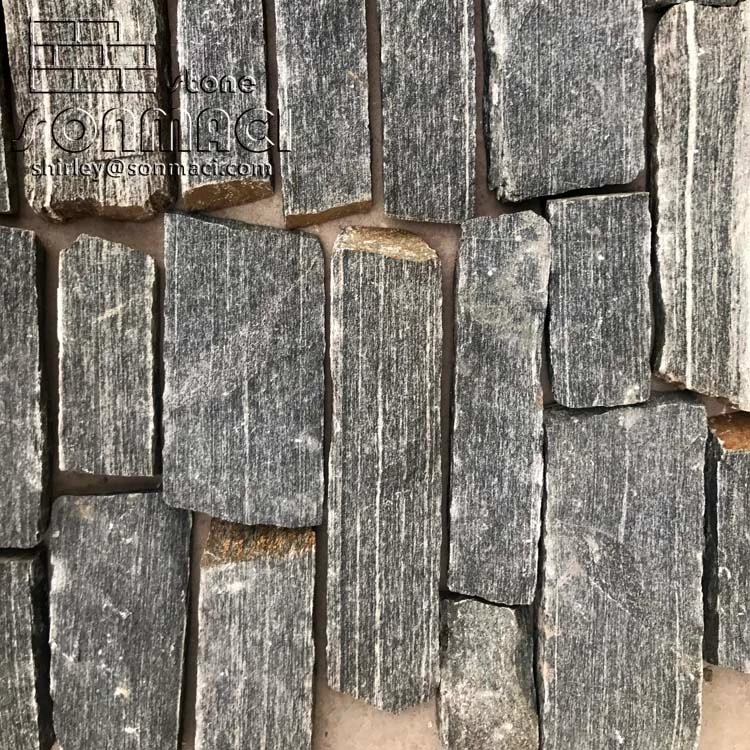
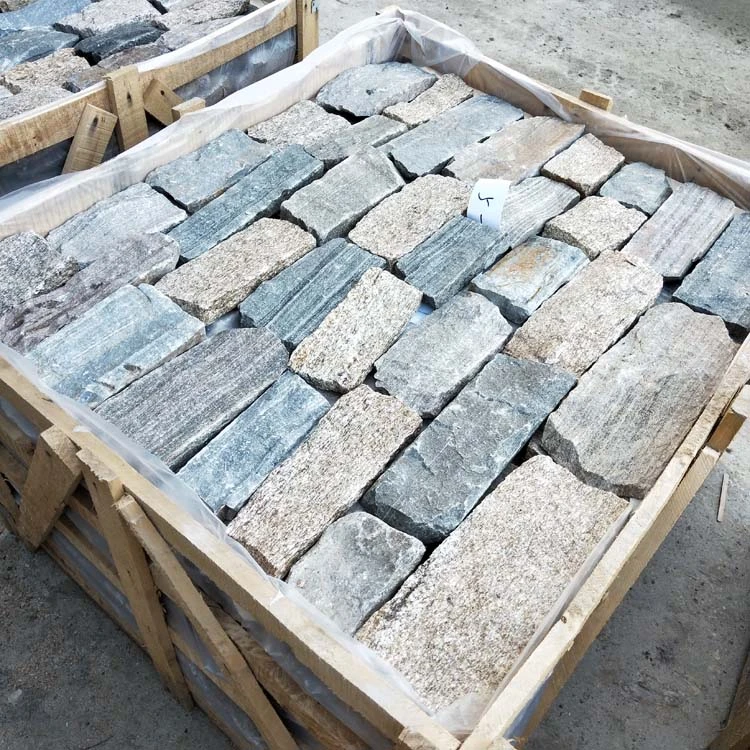
So, what exactly is ashlar stone veneer? Simply put, it’s a facing made up of finely cut, square or rectangular stones arranged in a uniform pattern, applied as a cladding to building exteriors and interiors.
Unlike random rubble stone or rough-cut facing, ashlar veneer emphasizes precision and uniformity, making installation faster and the finish cleaner. It’s not structural — the veneer is a fairly thin layer, usually 1-2 inches thick, backed by concrete, steel, or wood frame walls.
Modern industries use it for everything from commercial offices to luxury homes — but there’s also a strong humanitarian angle: some NGOs have used these veneers in disaster relief rebuilding projects to restore dignity and strength to damaged structures, saving time and resources.
Key Components of Ashlar Stone Veneer
1. Durability
One of the biggest selling points is its long-lasting quality. Despite being thinner than full stone walls, the veneer stones are carefully quarried and treated to resist weathering, freeze-thaw cycles, and pollution — which is vital in places with harsh climates like northern Europe or parts of Canada.
2. Scalability
Due to their uniform size and interlocking potential, ashlar veneers can be rapidly installed at scale. This modular approach helps contractors deploy large façade surfaces with fewer errors and less downtime.
3. Cost Efficiency
By significantly reducing the volume of stone needed, veneer cuts material costs and transportation energy. Installation times shrink as well, since skilled masons aren’t spending days hewing irregular shapes on site.
4. Aesthetic Flexibility
The neat, “grid-like” pattern allows for classic, timeless looks — but can also be digitally customized in patterns and color shades to match modern architectural trends.
5. Environmental Friendliness
Many veneers now come from sustainably sourced quarries and sometimes incorporate recycled stone aggregates, tying into circular economy principles.
| Specification | Detail |
|---|---|
| Stone Thickness | 1½–2 inches (approx. 38–50 mm) |
| Typical Stone Size | 6x12, 8x16, 12x24 inches modular units |
| Material Source | Limestone, sandstone, granite (regional variations) |
| Installation Method | Mortar-adhesive layers on framed wall systems |
| Expected Lifespan | 50+ years with proper maintenance |
Where Does Ashlar Stone Veneer Shine Globally?
Ashlar stone veneer finds vibrant uses around the world. In Europe, it’s a staple in historic preservation projects — think centuries-old castles or town halls lovingly restored but modernized with veneer to preserve appearances without structural overload.
In the United States and Canada, commercial real estate developers use stone veneer to deliver the impression of luxury without the monstrous budgets granite walls would demand.
In Asia’s booming urban centers, its lightness helps with seismic requirements while still meeting upscale design demand.
Even more impactful is its role in humanitarian and post-disaster building projects. NGOs operating in places like Nepal and Haiti have adopted veneer panels to rebuild community centers and clinics quickly, preserving cultural look but delivering cost and time savings critical for those rebuilding after earthquakes or hurricanes.
What Makes Ashlar Stone Veneer Worth Your Attention?
- Cost Savings: Lower shipping weight and reduced stone volume translate into smaller project budgets.
- Sustainability: Less quarry impact, easier recycling, and energy savings during construction.
- Reliability: Meets stringent ISO standards for weather resistance and durability [3].
- Emotional Impact: Adding natural stone veneer evokes feelings of permanence and dignity for residents and users.
- Customizable Aesthetics: Architects can mix stone types and patterns for tailored visual effects.
Looking Ahead: Innovations and Trends in Stone Veneer
It’s an exciting time. New adhesives and anchoring systems reduce labor and improve seismic ratings. Digital cutting and laser profiling mean veneers now fit perfectly – no need for tedious site trimming — a win for installers and cost estimators alike.
Sustainability is the buzzword here. Some manufacturers are blending stone dust with resins for ultra-lightweight panels that still look and behave like real stone but can be installed indoors where weight is an issue.
Green certification programs like LEED increasingly recognize stone veneers for their lower environmental footprint — so using them is not only trendy but also commercially sensible.
Challenges You Might Face and How to Overcome Them
Every rose has its thorn. Some builders worry about installation expertise — ashlar veneer requires skilled masons to maintain the exact fit and pattern. That’s where prefabricated veneer panels come in, simplifying the job.
Weather is another hurdle. In areas with extreme freeze-thaw cycles, incorrect mortar specs can lead to delamination. Ensuring contractors follow best practices is crucial.
Lastly, there’s the challenge of sourcing sustainable stone. Connecting with vendors that prioritize eco-friendly quarrying and transparent supply chains is increasingly important.
| Vendor | Material Options | Eco Certification | Installation Support | Typical Lead Time |
|---|---|---|---|---|
| SonMac Istone | Limestone, Sandstone, Granite | Yes (ISO 14001) | Full Technical Support | 4-6 weeks |
| StoneCo Global | Granite, Marble | Partial Certification | Training Available | 6-8 weeks |
| NaturalStone Supplies | Sandstone, Travertine | No | Limited | 3-5 weeks |
Frequently Asked Questions About Ashlar Stone Veneer
1. How is ashlar stone veneer different from typical natural stone cladding?
Unlike rough or irregular stone cladding, ashlar veneer is precisely cut into uniform rectangular blocks, allowing for more consistent alignment and faster installation. Its thinner profile also makes it lighter, reducing structural load.
2. Can ashlar stone veneer be used in earthquake-prone zones?
Yes, when installed properly with modern anchoring systems on reinforced frames, ashlar veneer meets or exceeds seismic standards in many regions. Its lightweight nature reduces risk compared to heavy full stone walls.
3. What maintenance does ashlar stone veneer require?
Routine cleaning and periodic mortar joint inspections are usually enough. In harsher environments, sealing stones every 5-10 years can help maintain appearance and water resistance.
4. Is this veneer eco-friendly?
Many manufacturers source stone responsibly, and because the veneer uses less material and reduces transportation weight, it lowers carbon footprint compared to full stone walls. Certifications like ISO 14001 back these claims.
5. How quickly can ashlar stone veneer be delivered and installed?
Lead times vary but generally range from 4 to 8 weeks depending on customization. Installation is also faster than traditional stone walls, often cutting labor time by 30–50%.
Wrapping It Up: Why Ashlar Stone Veneer Is a Wise Choice
When you look beyond the obvious beauty, ashlar stone veneer is really about bringing together durability, cost efficiency, and sustainability in one neat package. For architects, builders, and NGOs alike, it offers a way to deliver strong, dignified structures that honor past traditions yet meet modern challenges.
If you’re curious about elevating your projects — whether commercial, residential, or humanitarian — you might want to take a closer look at ashlar stone veneer. The benefits go beyond stone’s timeless charm to include innovation, efficiency, and environmental responsibility. And frankly, isn’t that the kind of upgrade we all need?
References
- United Nations Environment Programme (UNEP), “Global Status Report on Buildings and Construction 2020.”
- World Bank, “Urban Development Overview,” 2021.
- International Organization for Standardization, ISO 14001 Environmental Management Systems.