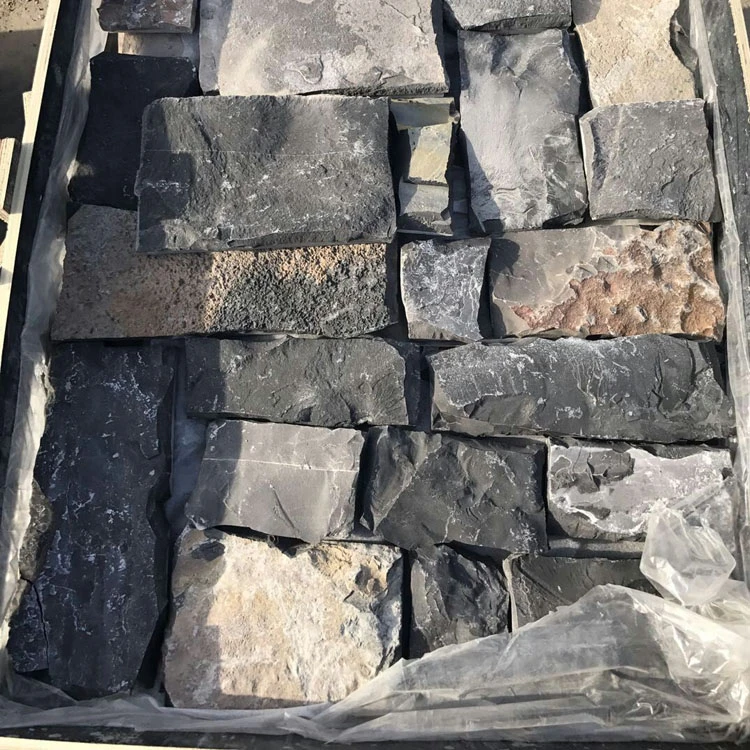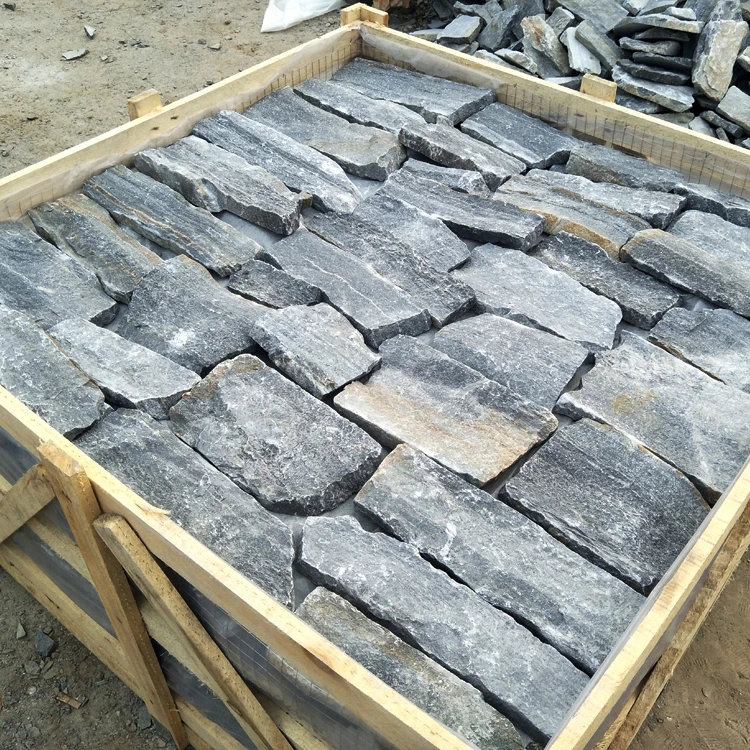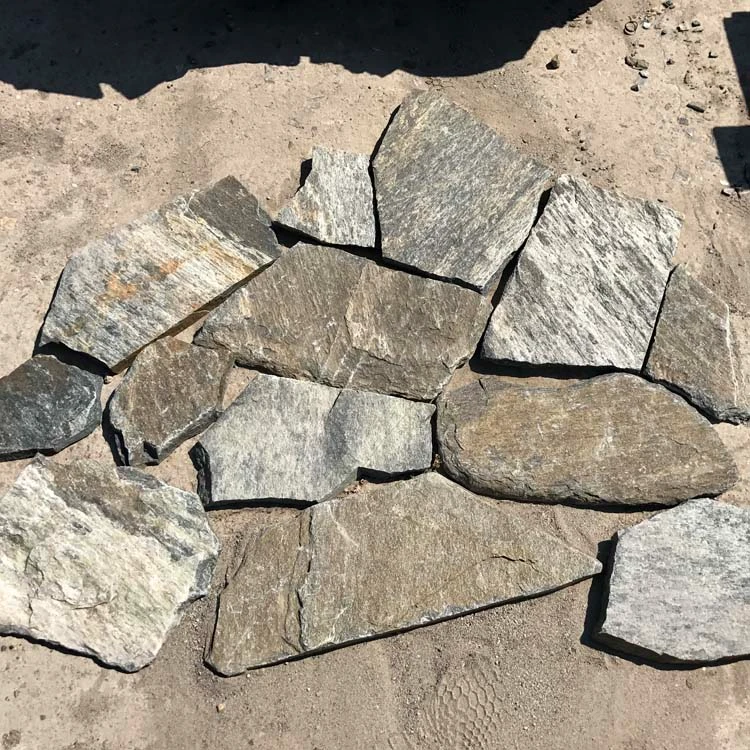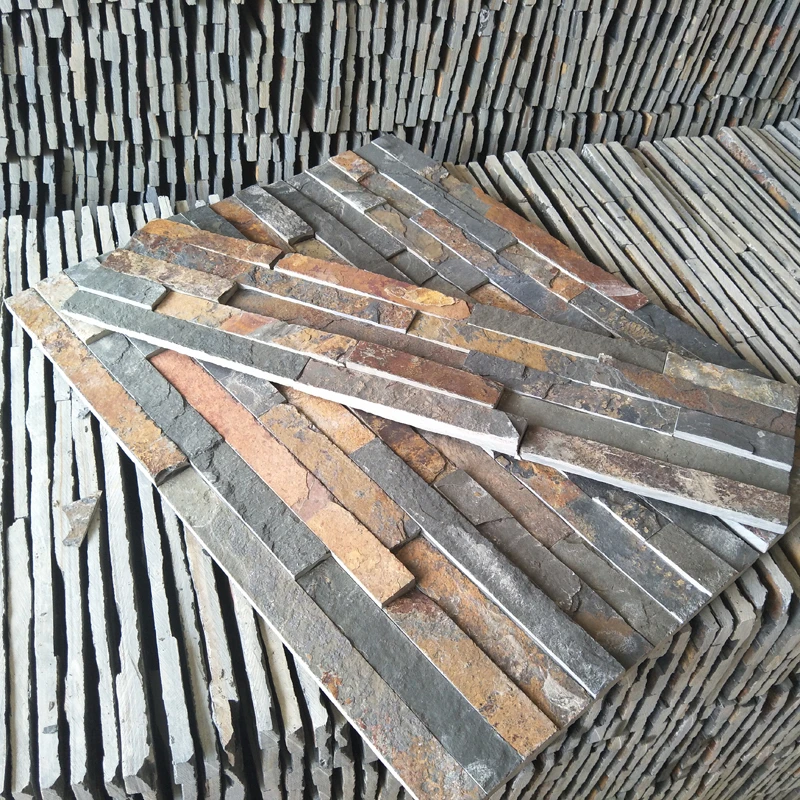
Artificial Building Stone: Sustainable & Cost-Effective Construction Material
Understanding Artificial Building Stone: A Sustainable Solution for Modern Construction
Artificial building stone has become something of a modern marvel in the world of construction. It's a manufactured material designed to mimic natural stone — think of it as nature reinvented on an industrial scale. This innovation matters globally because it addresses critical issues like environmental sustainability, cost-efficiency, and resource scarcity.
Why bother understanding artificial building stone? Well, the construction sector accounts for a significant chunk of global carbon emissions and resource depletion. Incorporating artificial stone effectively can reduce environmental impact while maintaining aesthetic and structural integrity. Plus, it often helps communities rebuild faster after disasters or develop infrastructure in challenging locations.
Global Context: Why Artificial Building Stone is Gaining Momentum
The global construction industry is booming, predicted to reach $15 trillion by 2030 according to the World Bank. Yet, natural stone extraction is costly and often environmentally damaging — leading to habitat disruption and waste issues. Artificial building stone offers a promising alternative.
Oddly enough, while cities grow taller and infrastructure needs scale up, the demand for sustainable building materials has never been higher. The ISO has even released standards regarding testing and classification of artificial building stones to ensure quality and safety globally. Challenges like resource depletion and climate change make this innovation not just useful, but necessary.
What Is Artificial Building Stone?
Simply put, artificial building stone is a composite material made by combining various aggregates, cement binders, pigments, and sometimes polymers — crafted to emulate the look, texture, and durability of natural stone. It connects to modern industry by providing builders with materials that are lighter, customizable, and often more affordable than quarried stone.
On the humanitarian side, these stones support rapid construction of housing and public buildings in crisis zones, offering a sturdy, cost-effective building option where natural resources might be scarce or inaccessible.
Key Components & Factors Influencing Artificial Building Stone
1. Durability
Most artificial stones are engineered to resist weathering, freeze-thaw cycles, and chemical erosion. This makes them excellent for outdoor use, even in harsh climates.
2. Scalability
Being manufactured, artificial stone can be produced in large quantities without the delays or environmental toll of quarrying. This scalability is vital for large-scale projects.
3. Cost Efficiency
Costs tend to be 20-40% lower than natural stone due to reduced labor and transportation needs. The ability to control ingredients also keeps waste and rework minimal.
4. Aesthetic Versatility
Manufacturers can tailor color, texture, and size to suit architectural demands, from rustic facades to modern urban designs.
5. Environmental Impact
Many artificial stones incorporate recycled materials and reduce quarry dependence — a win for sustainability.
Artificial Building Stone Product Specifications
| Specification | Typical Value | Unit |
|---|---|---|
| Compressive Strength | 50-70 | MPa |
| Water Absorption | <1 | % |
| Density | 1800-2200 | kg/m³ |
| Thermal Conductivity | 0.5-0.8 | W/m·K |
Global Applications & Practical Use Cases
- Post-Disaster Relief: Artificial building stone is extensively used in rapid housing solutions where natural stone may be unavailable or extraction impractical.
- Urban Development: Cities in Asia and Africa increasingly turn to these materials for affordable, sustainable housing projects.
- Industrial Zones: Remote mining or oil sites use modular buildings constructed with artificial stone panels for longevity and ease of transport.
- Historic Restoration: Some companies customize artificial stones to replicate heritage textures without damaging natural quarries.
For instance, a recent initiative in Southeast Asia employed artificial stone to rebuild resilient homes after flooding, combining speed and durability in one package.
Vendor Comparison: Artificial Building Stone Providers
| Vendor | Material Base | Sustainability | Typical Price (per m²) | Customization Options |
|---|---|---|---|---|
| StoneMakers Inc. | Portland cement + recycled aggregates | High | $45 | Color, texture, size |
| EcoStone Solutions | Polymer-modified cement mix | Very High (recycling focus) | $55 | Color, finish, thickness |
| Global StoneCraft | Limestone & concrete blend | Medium | $40 | Mostly texture |
Advantages & Long-Term Value of Artificial Building Stone
At its core, artificial building stone offers a blend of economic and environmental benefits. The cost savings don’t just come from the raw material price but from reduced transportation and installation labor. This often translates into more affordable housing and infrastructure projects, especially in rapidly urbanizing regions.
There’s also a sustainability angle that resonates emotionally — using artificial stone means fewer quarries scarred, fewer trees cut down, and less waste sent to landfills. For many, building with such materials feels like contributing to a safer planet.
Looking Ahead: Trends & Innovations
Digital manufacturing techniques like 3D printing are starting to intersect with artificial stone production, allowing even more precise customization and complex shapes. Meanwhile, new binders developed from industrial waste materials promise lower carbon footprints.
On the policy front, governments incentivizing green building materials ensure that artificial building stone continues to evolve and spread. Oddly, it sometimes feels like we’re on the edge of a quiet revolution in construction, led by such materials.
Challenges & Practical Solutions
Of course, artificial building stone isn’t without issues. Some users note limitations in natural feel or difficulty in matching complex architectural heritage details perfectly. Additionally, long-term aging behaviors in extreme climates are still under study.
Experts suggest robust testing (aligned with ISO standards) and blending natural and artificial materials to strike balance. Also, ongoing R&D in polymer additives offers promising improvements in texture and durability.
FAQ: Practical Questions About Artificial Building Stone
- Q: How durable is artificial building stone compared to natural stone?
- A: Artificial stone typically matches or exceeds the durability of many natural stones, especially in resisting water absorption and freeze-thaw damage — critical for outdoor use.
- Q: Can artificial building stone help reduce construction costs?
- A: Yes. It generally lowers costs through cheaper raw materials, easier installation, and less transportation, benefiting both large projects and small-scale builders.
- Q: Is artificial building stone eco-friendly?
- A: When manufactured with recycled content and sustainable binders, it can significantly reduce environmental impact compared to quarried stone.
- Q: Can artificial stone be used in heritage restoration?
- A: Some manufacturers specialize in custom blends and textures to match historic stones, making artificial stone a useful restoration option where natural quarrying is restricted.
- Q: Are there geographic limitations for using artificial building stone?
- A: Not really. Its adaptability means it’s viable in diverse climates and geographies — from urban areas to remote zones — although local standards should always be checked.
Conclusion
Artificial building stone blends functionality, style, and sustainability in a way that feels increasingly necessary in our fast-changing world. For anyone involved in construction or urban development, exploring this material isn’t just smart — it’s responsible. Curious? You might want to check out artificial building stone suppliers and learn more directly.
Long-term urban resilience, affordable quality housing, and environmental care aren’t merely trends; they’re the future, and artificial stone is a key part of that story. I suppose, it’s a testament to how innovation can transform even the most traditional of materials.
Takeaway: Artificial building stone is a versatile, cost-effective, and eco-friendlier alternative to natural stone that’s reshaping sustainable construction worldwide.