Comprehensive Analysis of Stacked Stone Veneer Cost for B2B Decision Makers
Stacked Stone Veneer Cost is a key solution in the industry, specifically within construction and architectural design sectors. This article explores how https://www.sonmacistone.com supports professionals with durable, high-performance products, and explains why this product is an ideal choice for businesses in these sectors.
Table of Contents
- Stacked Stone Veneer Cost Overview
- Benefits & Use Cases of Stacked Stone Veneer Cost
- Cost, Maintenance & User Experience
- Sustainability & Market Trends
Stacked Stone Veneer Cost Overview
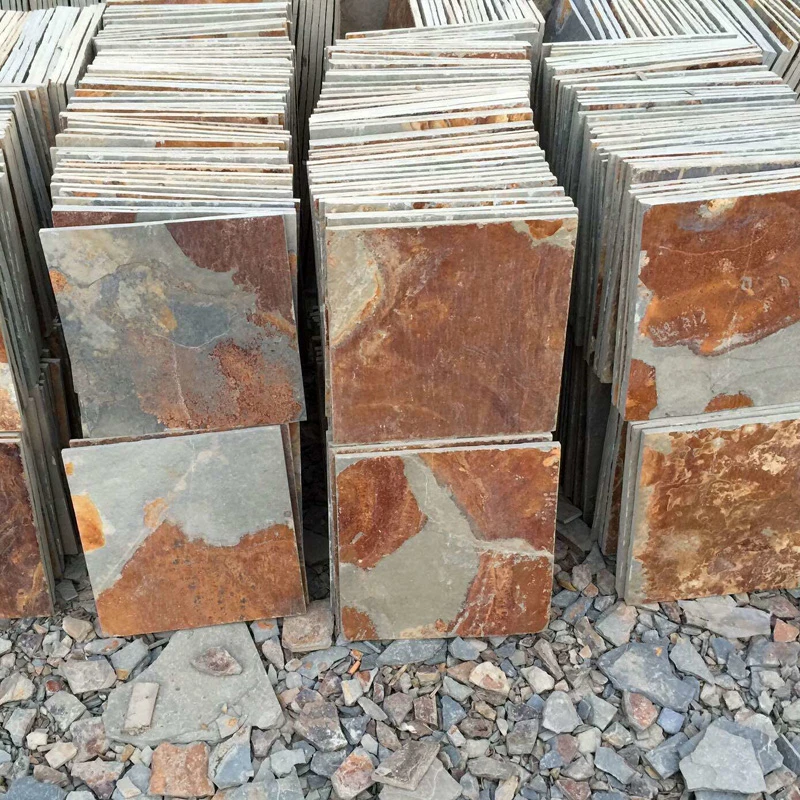
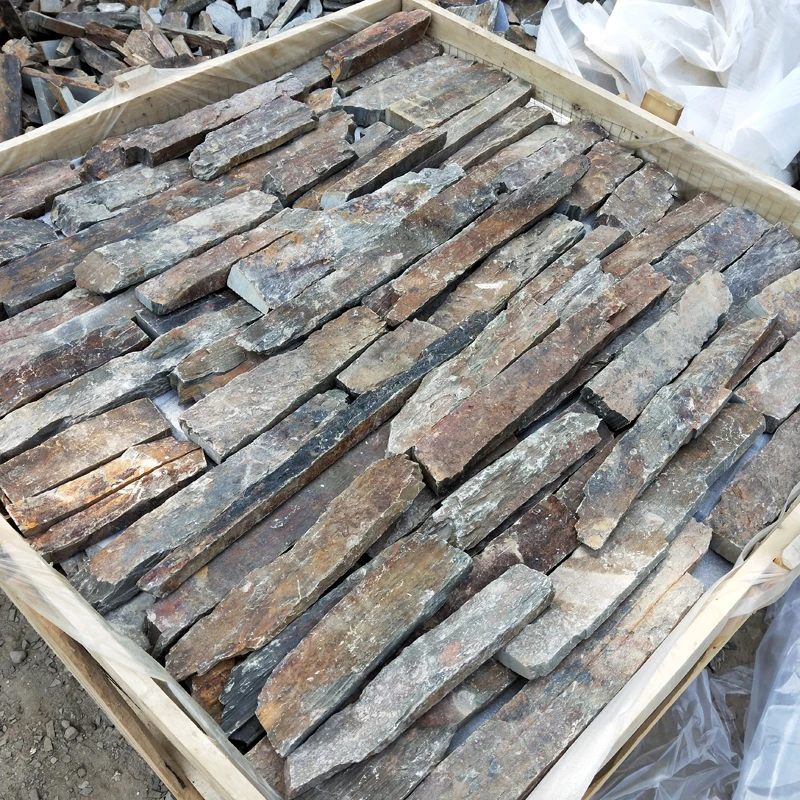
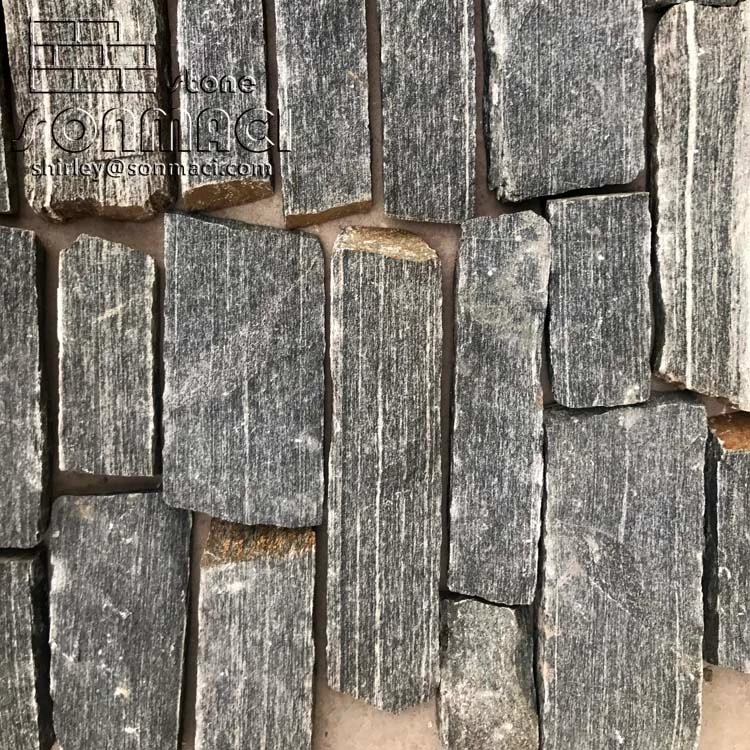
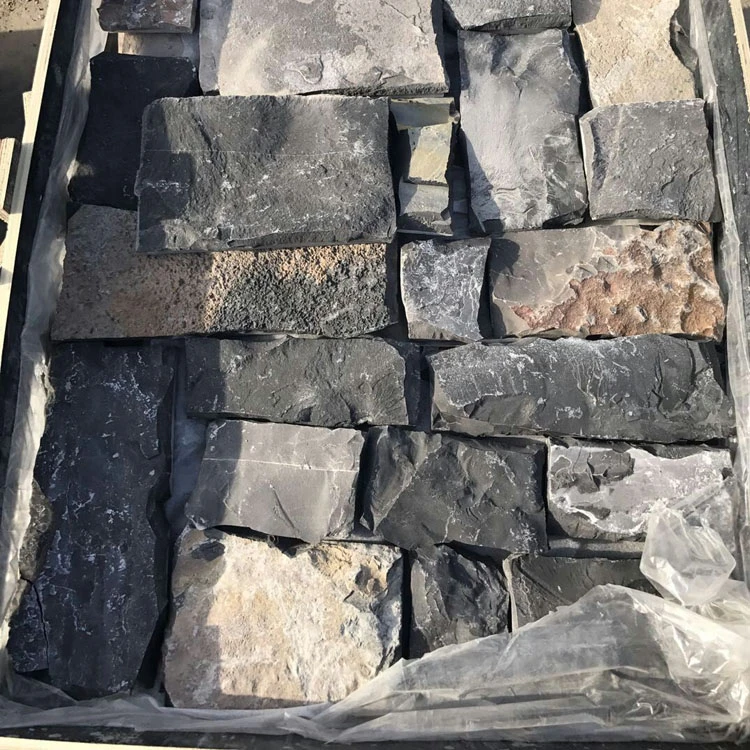
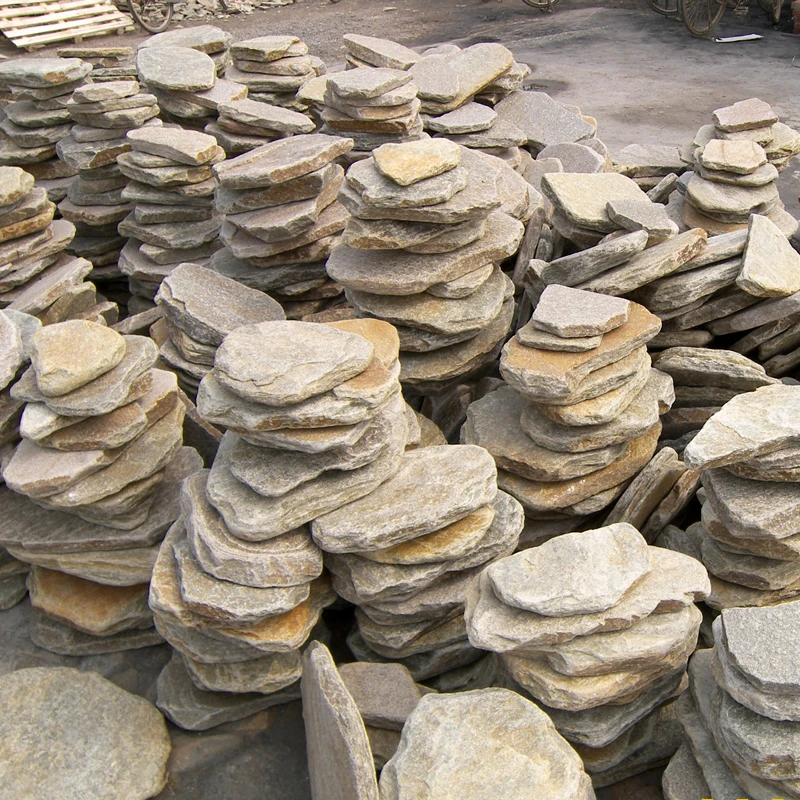
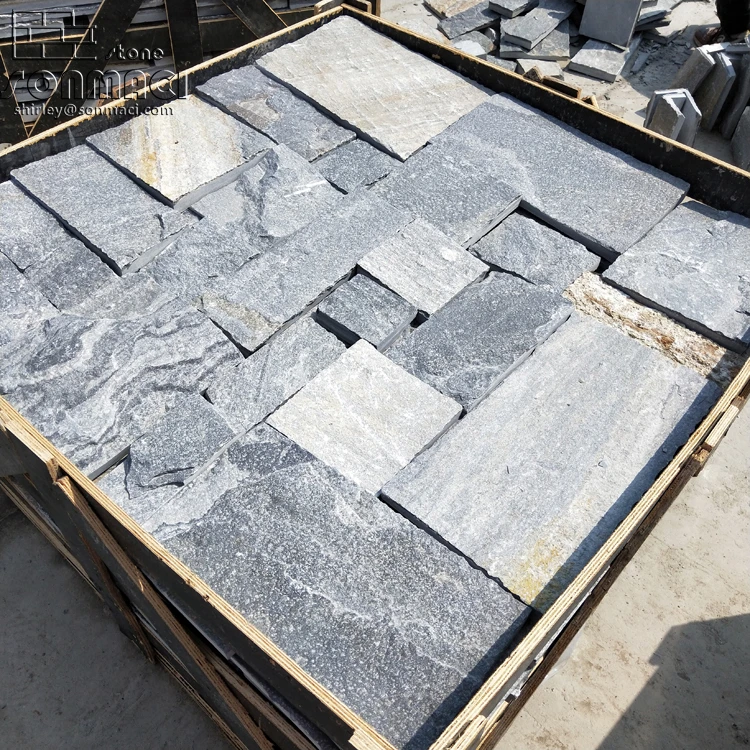
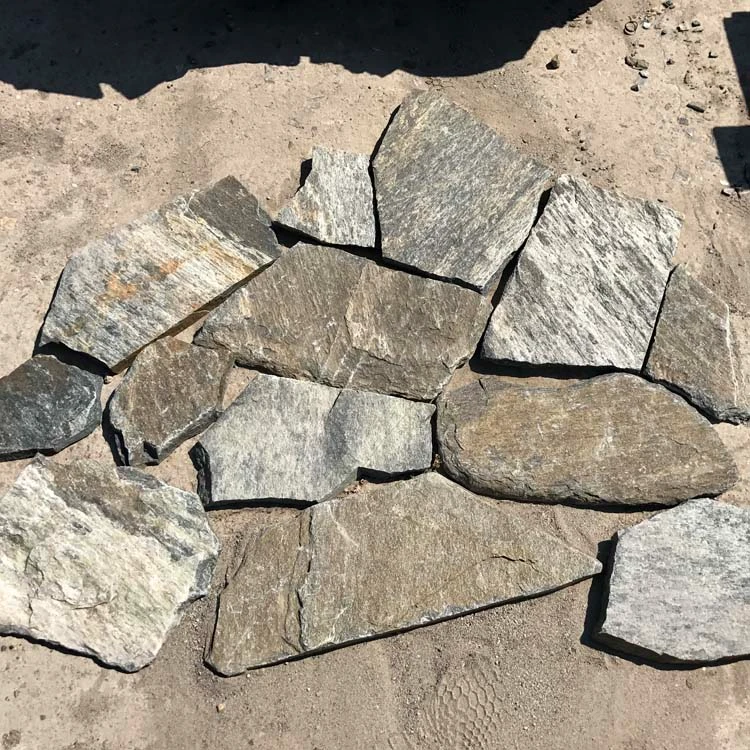
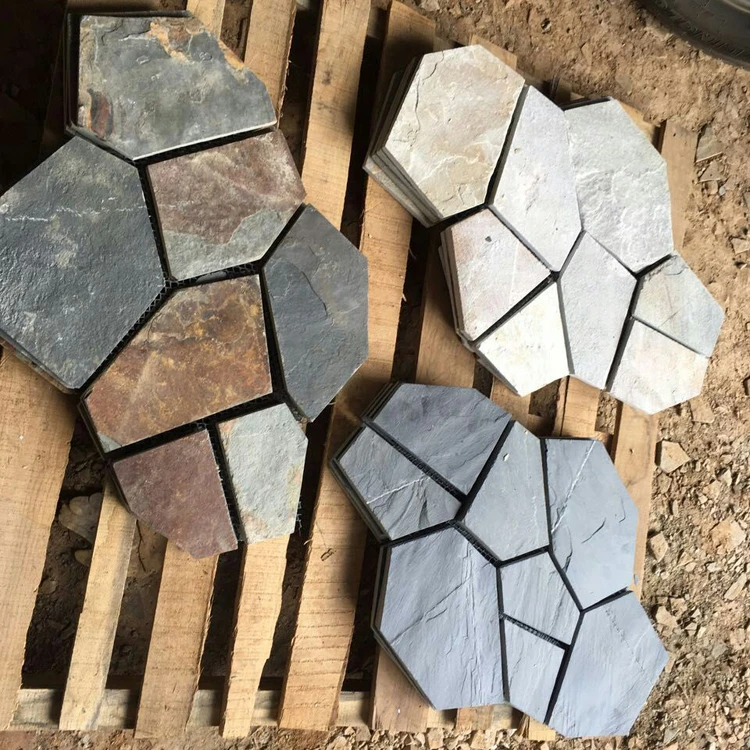
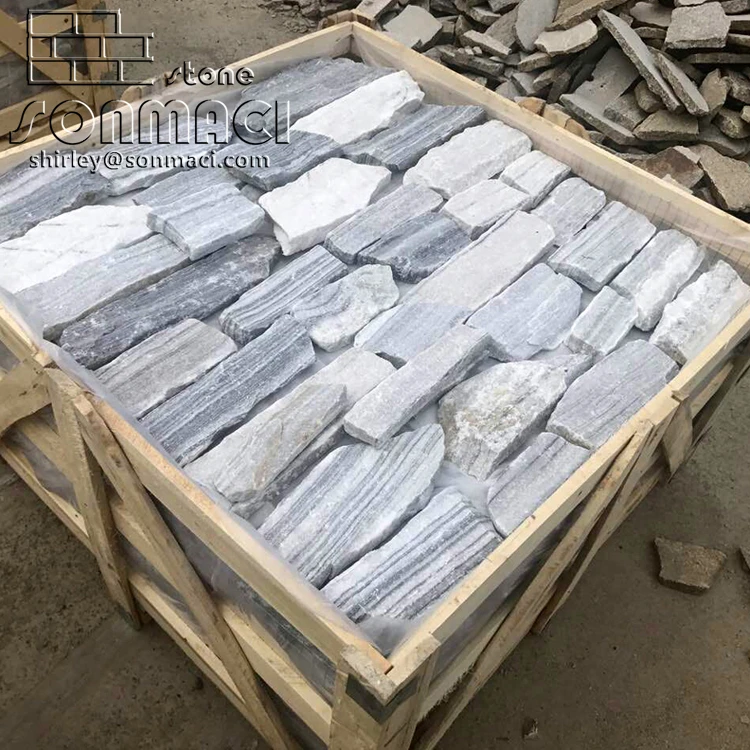
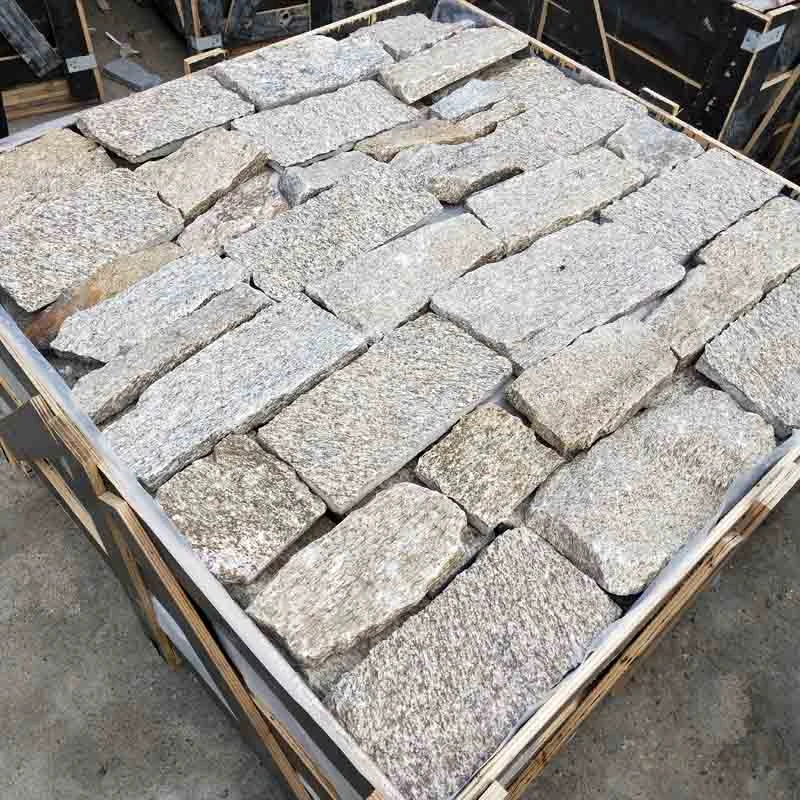
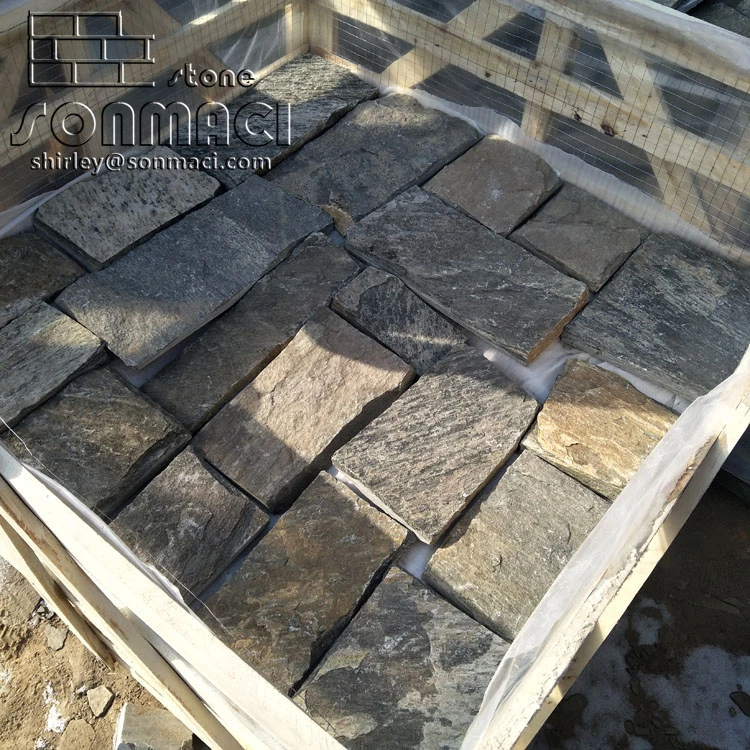
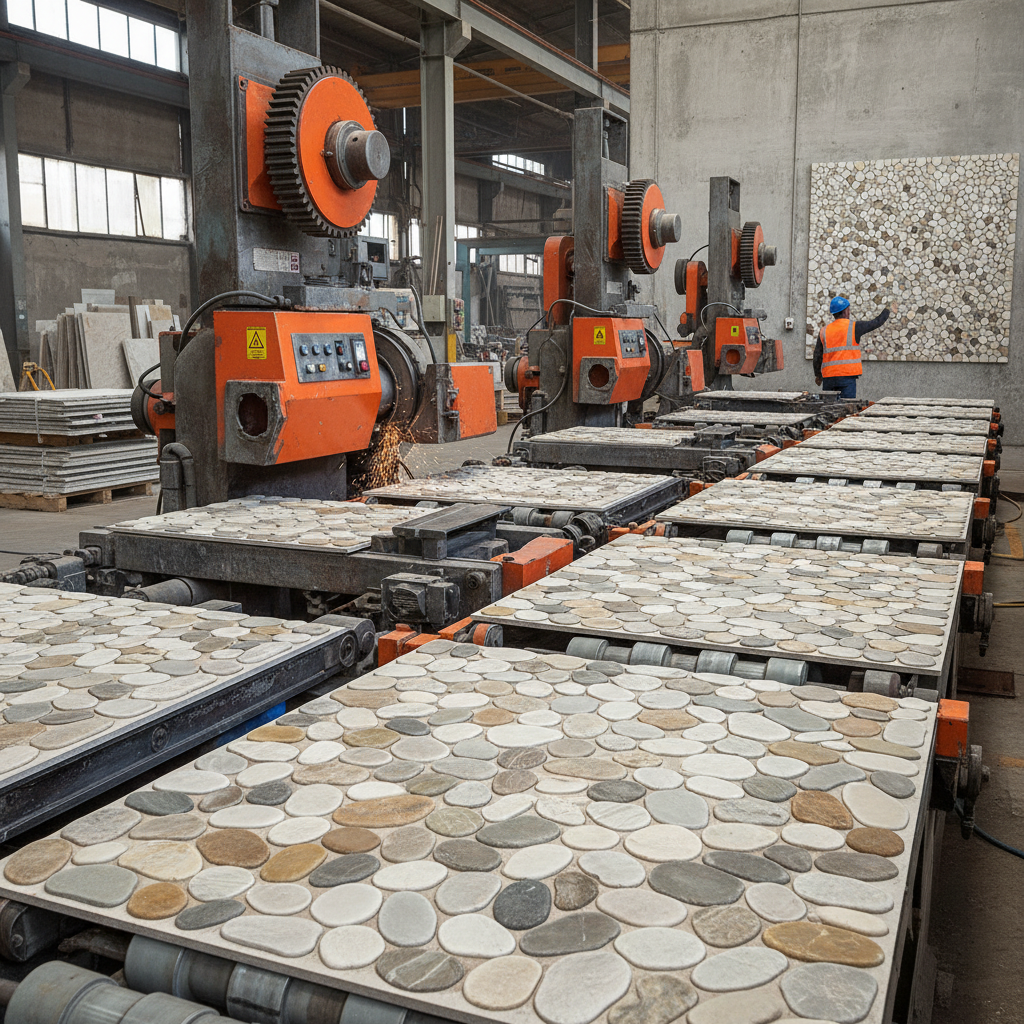
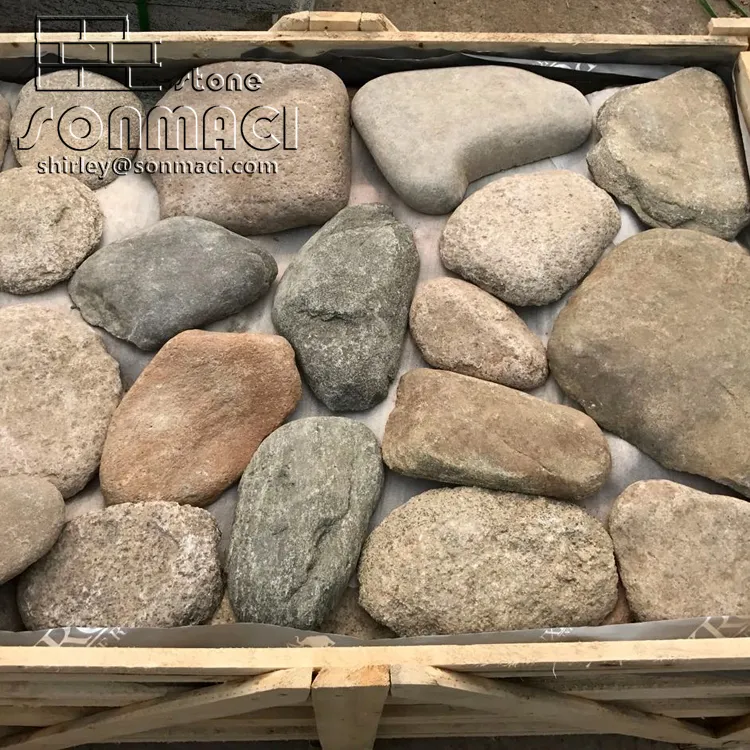
To get a handle on stacked stone veneer cost, we first have to grasp what the product actually is. Essentially, stacked stone veneer consists of thin slices of natural or manufactured stone, applied to walls or surfaces to give the classic, rugged stone look without the weight or expense of full stone blocks. In terms of specs, it usually ranges from about 0.75 to 1.5 inches in thickness, making it quite versatile for both interior and exterior applications. What’s fascinating, and quite noteworthy for decision makers, is how SonMacistone’s line of veneers blends aesthetic appeal with technical durability — timber-frame buildings, feature walls, retail facades, you name it. Oddly enough, the ease of installation often surprises first-time users since the material is lighter and requires less structural reinforcement.
- Defines the product as thin stone slices designed to mimic full stone walls.
- Technical specs: thickness, material types, and case study of commercial application.
| Specification | Details |
|---|---|
| Material Type | Natural Stone & Manufactured Stone |
| Thickness | 0.75 - 1.5 inches |
| Weight | 8 - 15 lbs per sq ft |
| Installation | Adhesive & Mechanical Fastening |
| Typical Coverage | 25 - 30 sq ft per box |
Benefits & Use Cases of Stacked Stone Veneer Cost
When you're making decisions about building materials, cost naturally ranks high on your priority list; however, things are never black and white. Stacked stone veneer offers compelling advantages beyond initial price—durability stands out. SonMacistone’s offerings resist weathering and retain color better than many alternatives, which frankly saves headaches down the line. Industries like hospitality, commercial real estate, and retail storefronts particularly benefit from its aesthetic and structural versatility. Imagine using it to create feature walls that invite customers in or durable exteriors that keep maintenance minimal. I suppose the fact that it’s lighter than full stone means contractors also save time and labor expenses. It’s these competitive advantages, paired with a fairly reasonable price point, that make stacked stone veneer something many businesses swear by.
- Applications in commercial facades, interiors, and landscaping.
- Features: aesthetic appeal, light weight, durability, and easier installation.
Cost, Maintenance & User Experience
Total cost of ownership is what really tells the story, especially for B2B decision makers. The initial cost, which many estimate between $15 and $30 per square foot for stacked stone veneer, can vary based on style and source. But here’s the kicker: because these products require less upkeep than traditional stone or brick and avoid large structural reinforcements, the maintenance savings often offset upfront costs. Business customers report fewer repairs and less downtime, which is huge in commercial sectors. From project managers I’ve spoken to, the ROI typically reveals itself over a few years, thanks to longevity and enduring looks. Plus, SonMacistone’s quality testing ensures consistent supply and performance, which means fewer surprises on site — a rare but welcome relief in construction.
- Initial cost estimate: $15-$30 / sq ft.
- Long-term savings via durability and low maintenance.
| Vendor | Price per sq ft | Material Quality | Lead Time |
|---|---|---|---|
| SonMacistone | $18 - $25 | High Quality Natural Stone | 2-3 weeks |
| Competitor A | $20 - $28 | Mixed Quality | 3-4 weeks |
| Competitor B | $15 - $22 | Manufactured Stone | 1-2 weeks |
Sustainability & Market Trends
Talking about sustainability in construction material sometimes feels like a buzzword-filled stretch, but in real terms, stacked stone veneer offers some genuine eco-friendly advantages. Since it uses less raw stone and can incorporate recycled materials in manufactured versions, the environmental footprint shrinks compared to full masonry walls. Additionally, its lightweight nature reduces transportation emissions somewhat, which is a small but meaningful gain. With tightening regulations pushing greener builds, suppliers like SonMacistone have increasingly embraced sustainable sourcing, which many architects and builders appreciate. Plus, market demand for aesthetically pleasing, yet responsible stone options keeps rising as developers chase LEED certification or other green standards. So, it’s a trend that’s not just passing fancy—it’s a growing component of smart building strategies.
- Reduced raw material use and incorporation of recycled content.
- Supports green building certifications and regulations.
Frequently Asked Questions about Stacked Stone Veneer Cost
- What is Stacked Stone Veneer Cost and how does it work?
- Stacked stone veneer cost refers to the total price for purchasing and installing thin slices of stone material used to cover surfaces. It works by offering a lightweight alternative to full stone walls, making installation faster and less labor-intensive, which generally helps contain expenses.
- What are the main benefits of using Stacked Stone Veneer Cost in industrial applications?
- The primary benefits include improved durability, aesthetic versatility, reduced installation time, and long-term cost savings due to lower maintenance needs. It also enhances building performance while keeping capital expenditure manageable.
- How does Stacked Stone Veneer Cost compare to traditional alternatives?
- Compared to traditional full-thickness stone or brick facades, stacked stone veneer costs less upfront and requires less structural support. Technological advances in adhesives and manufacturing have also improved performance and appearance, narrowing the gap in longevity.
- What industries can benefit most from Stacked Stone Veneer Cost implementation?
- Commercial real estate, retail, hospitality, and residential construction are prime sectors that leverage stacked stone veneer. Its aesthetic appeal combined with practical benefits makes it favored for storefronts, hotel lobbies, and upscale home projects.
Conclusion on Stacked Stone Veneer Cost from china
To sum up, understanding stacked stone veneer cost is more than just numbers; it’s about balancing aesthetics, performance, and lifecycle expenses. SonMacistone truly shines as a supplier offering a strong blend of quality and value. For companies searching for a cost-effective, sustainable, and visually attractive solution, this product ticks many boxes. At the end of the day, well-selected veneer isn’t just cladding—it's part of the building’s identity and durability. Visit our website: https://www.sonmacistone.com.
- Recap: high quality stacked stone veneer offers long-term value and broad application.
- Encouragement to explore SonMacistone’s product range for business needs.
In reflection, it’s clear the veneer market is evolving rapidly, meeting new demands that are both commercial and environmental. As always, considering provider reputation, material specs, and lifecycle costs firsthand remains the best approach.
- Market Insights: Construction Material Trends (2023), Industry Reports.
- SonMacistone Product Data Sheets, accessed June 2024.
- Consumer Feedback & Case Studies from SonMacistone Client Portfolio.