Installing Stacked Stone Ledger Panels: Durable Facade Solutions for B2B Professionals
Installing Stacked Stone Ledger Panels is a key solution in the industry, specifically within construction, architecture, and exterior façade enhancements. This article explores how https://www.sonmacistone.com supports professionals with durable, high-performance products, and explains why this product is an ideal choice for businesses in these sectors.
Table of Contents
- Installing Stacked Stone Ledger Panels Overview
- Benefits & Use Cases of Installing Stacked Stone Ledger Panels
- Cost, Maintenance & User Experience
- Sustainability & Market Trends
Installing Stacked Stone Ledger Panels Overview
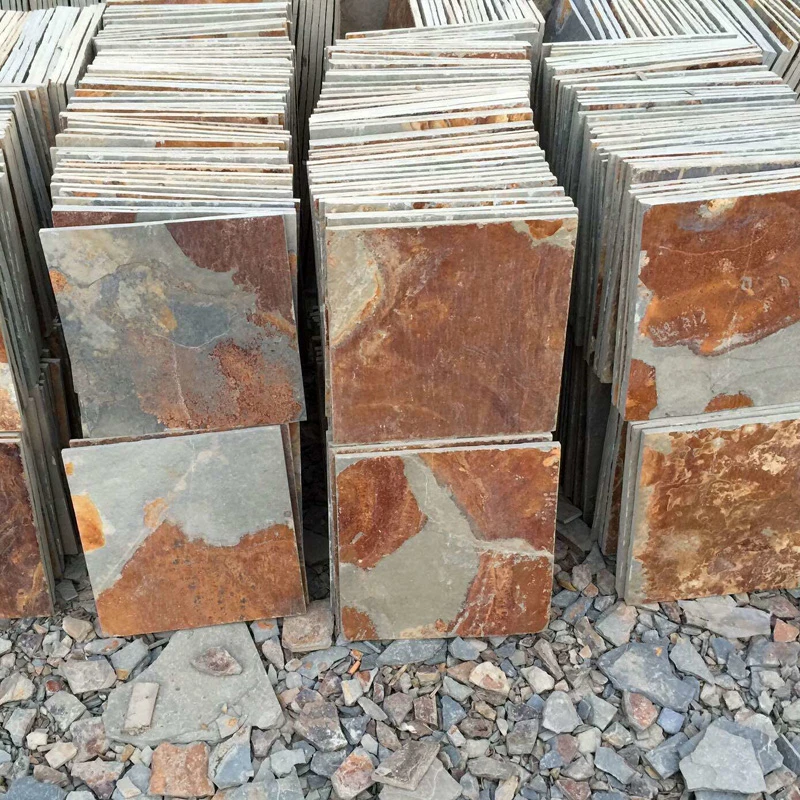
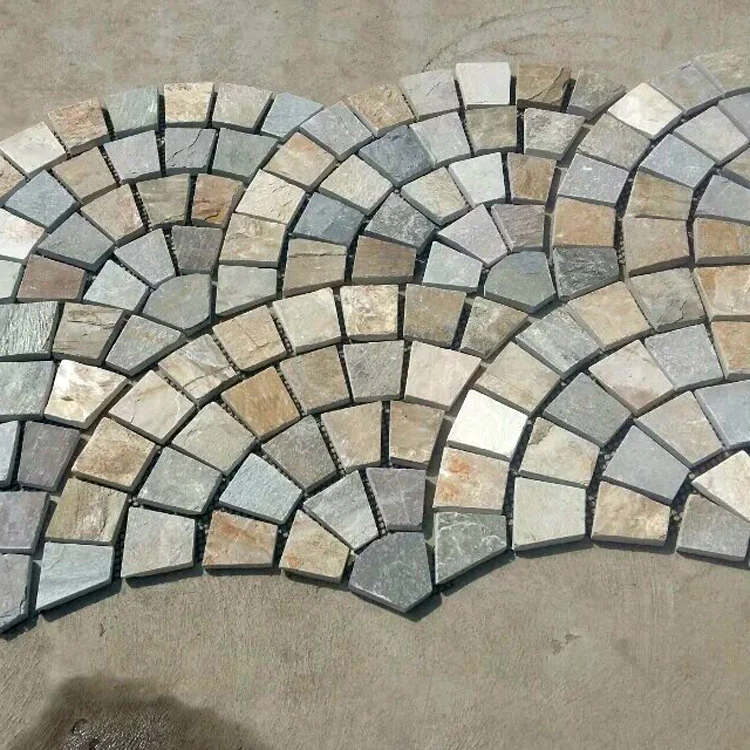
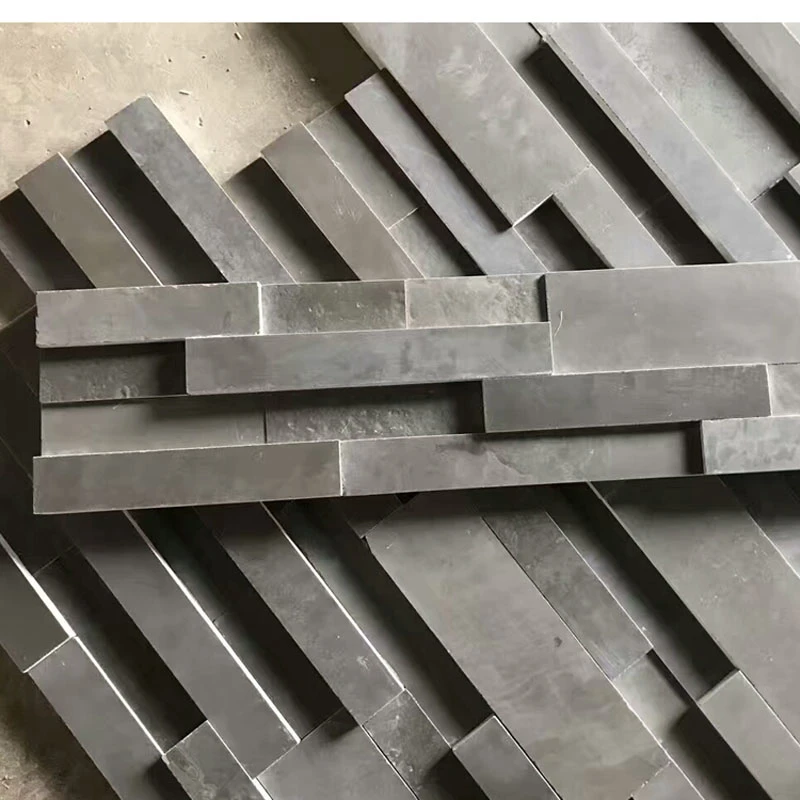
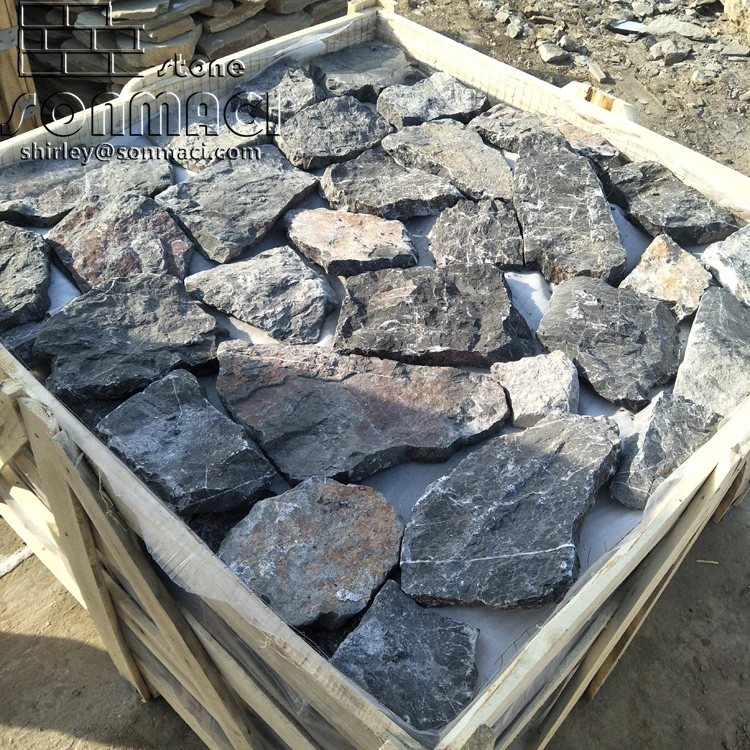
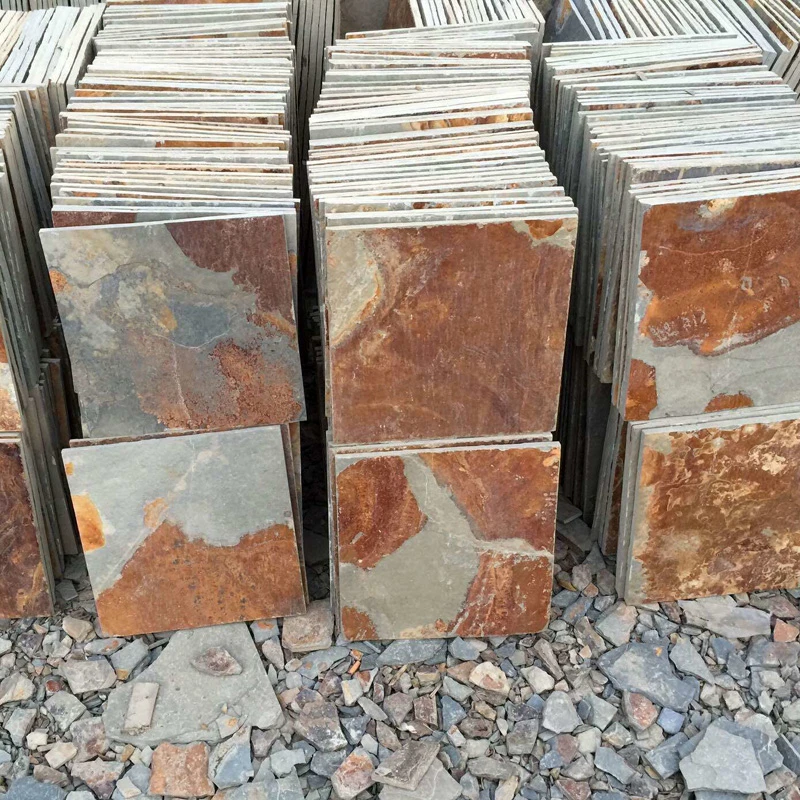
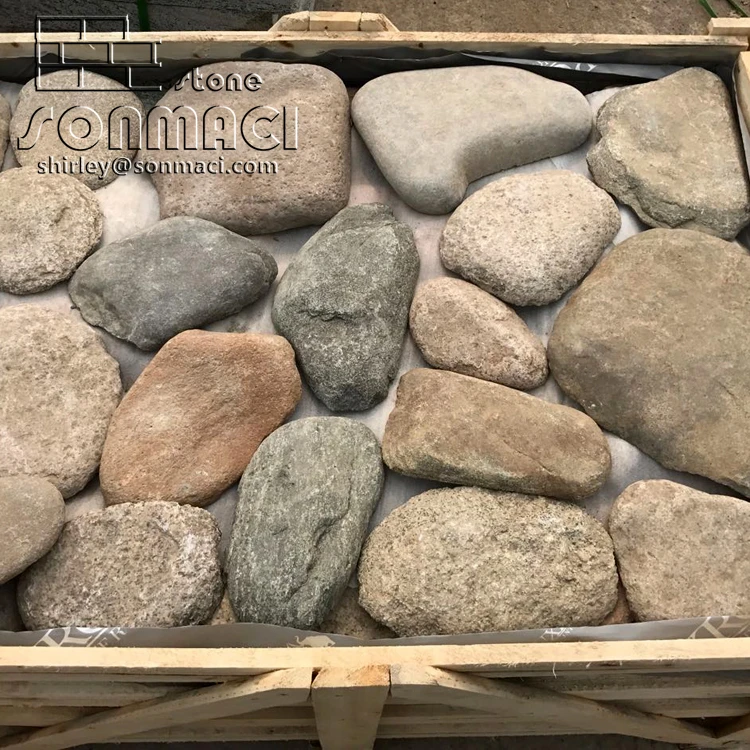
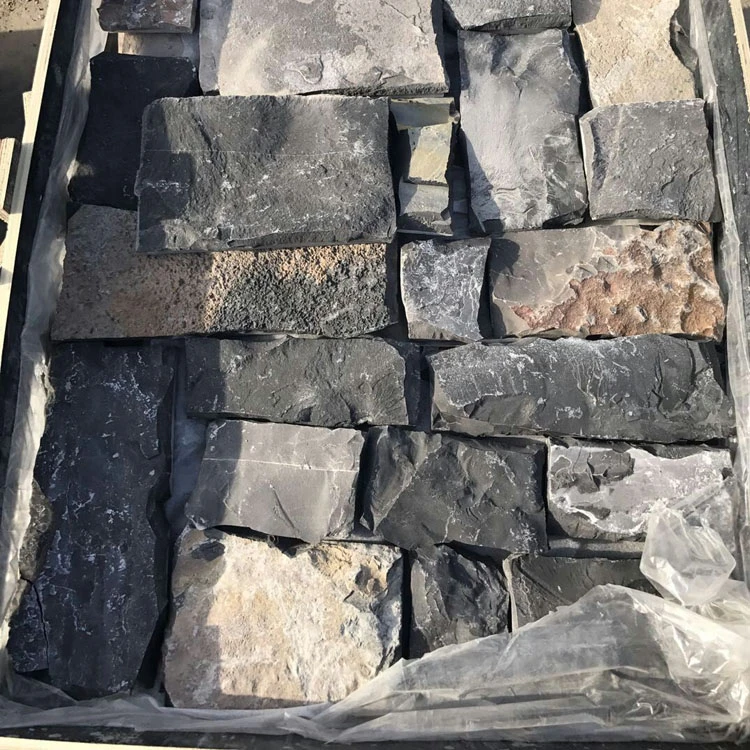
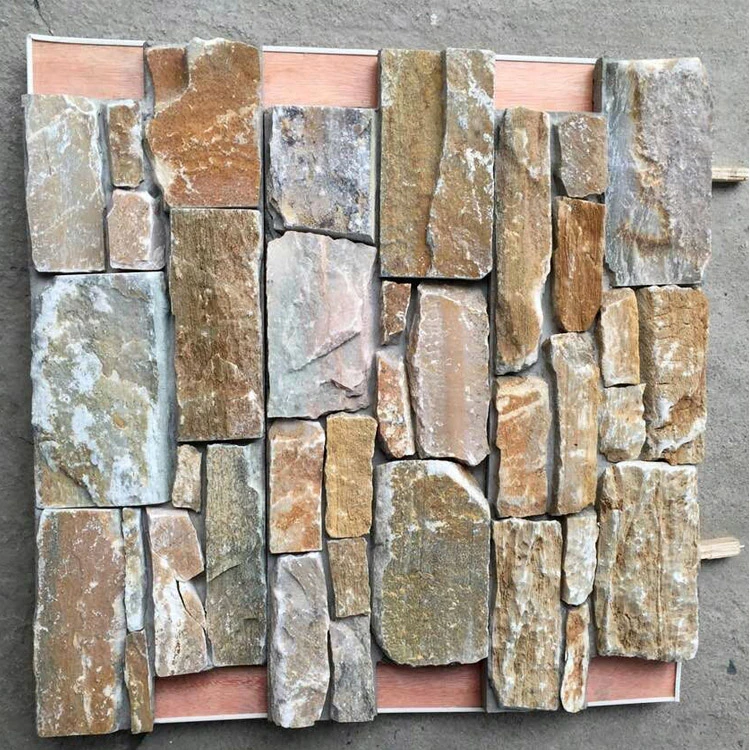
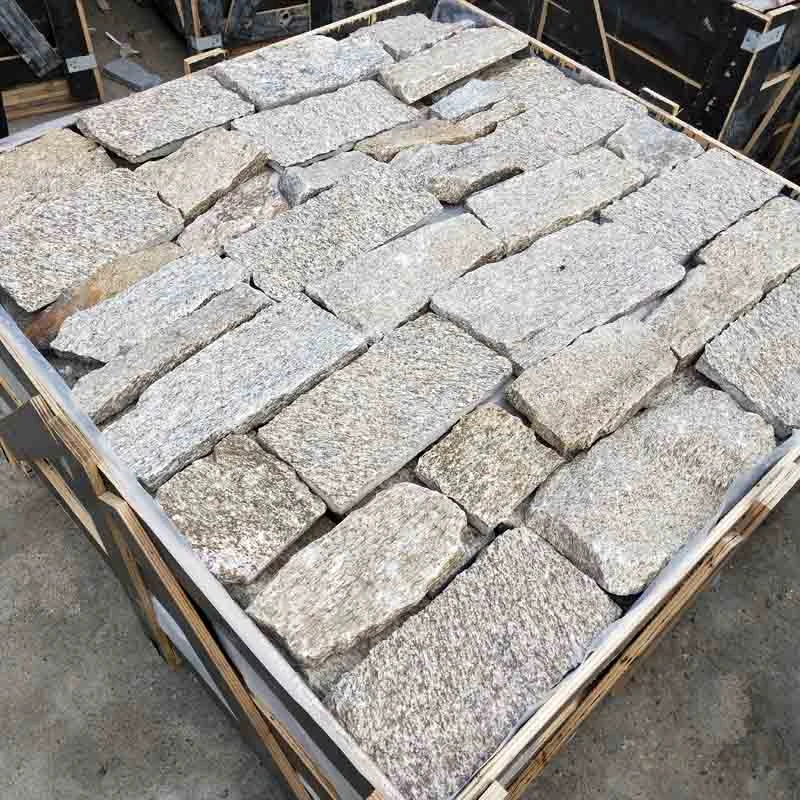
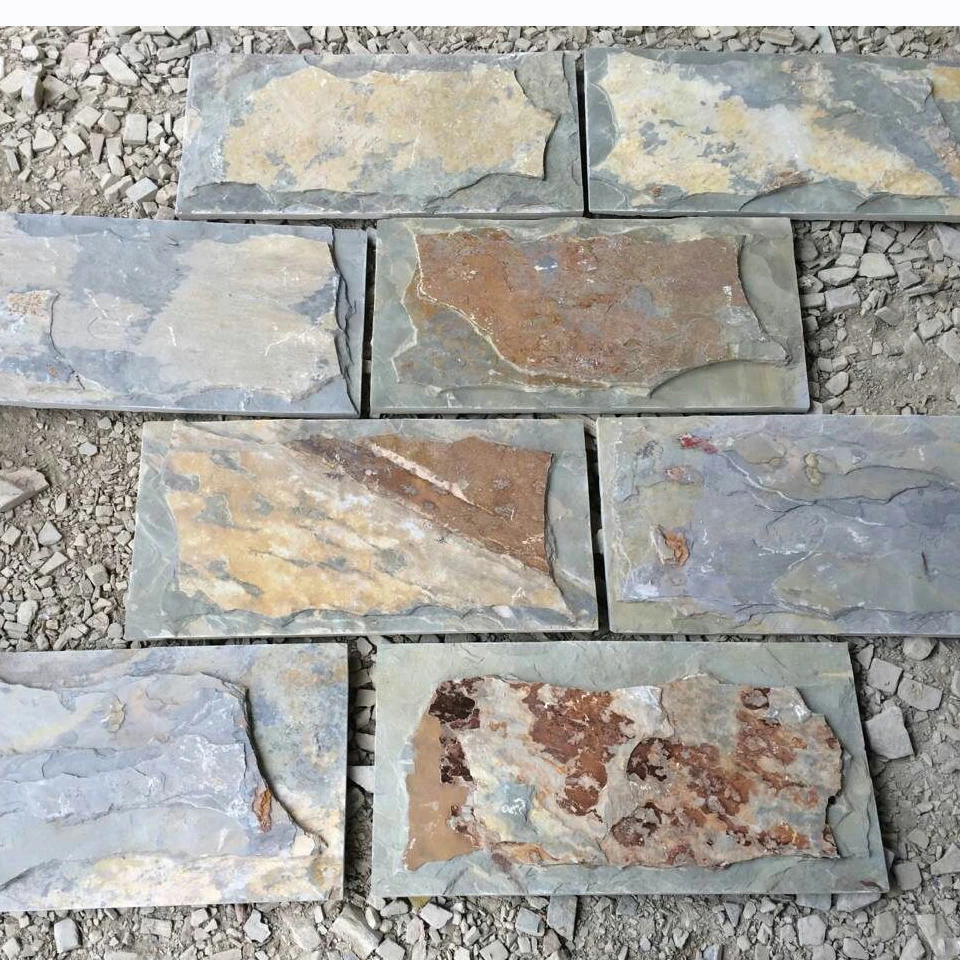
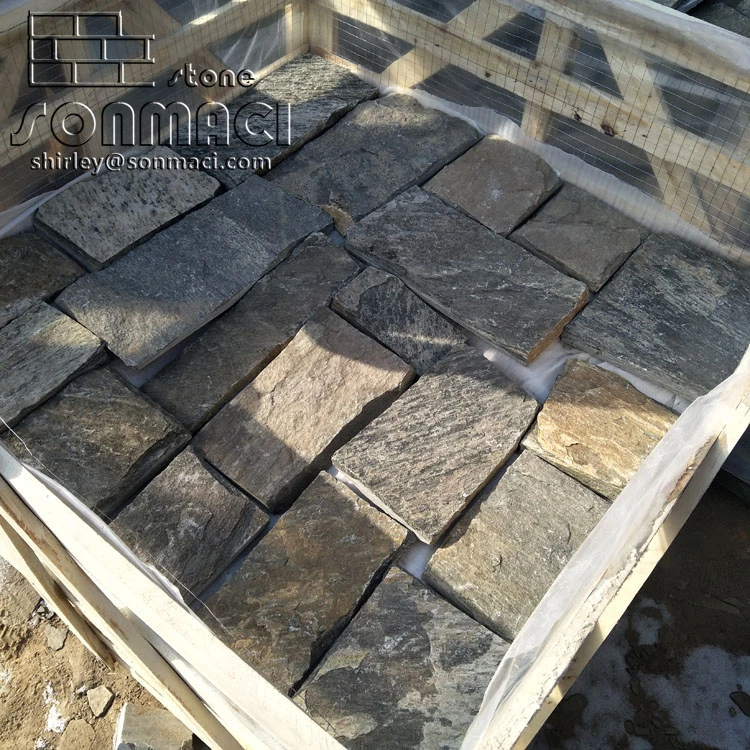
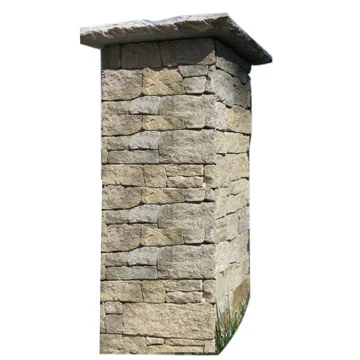
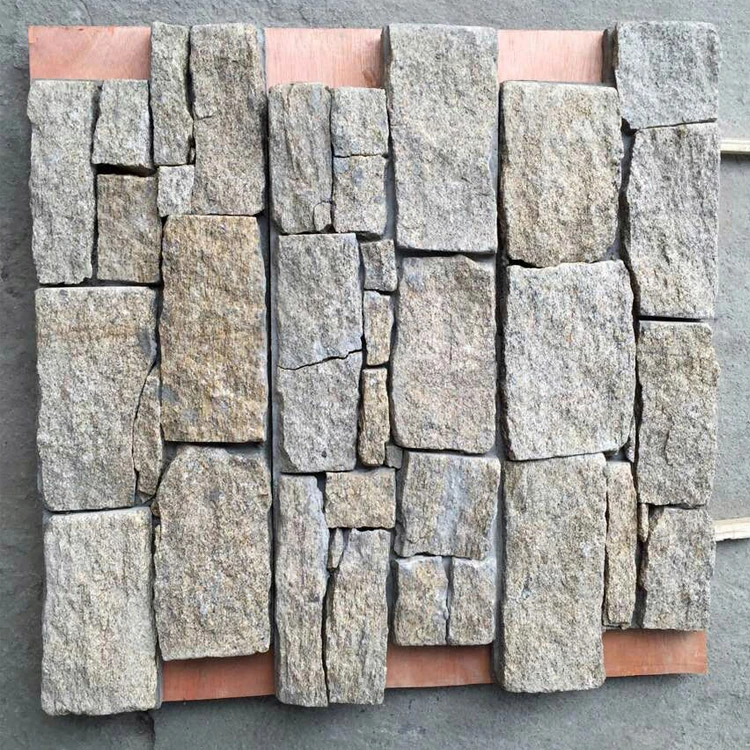
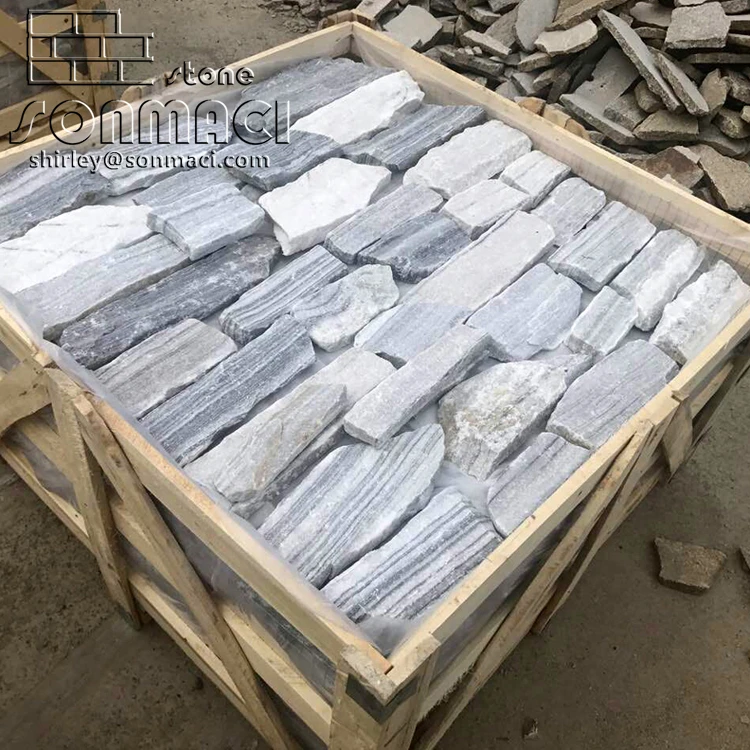
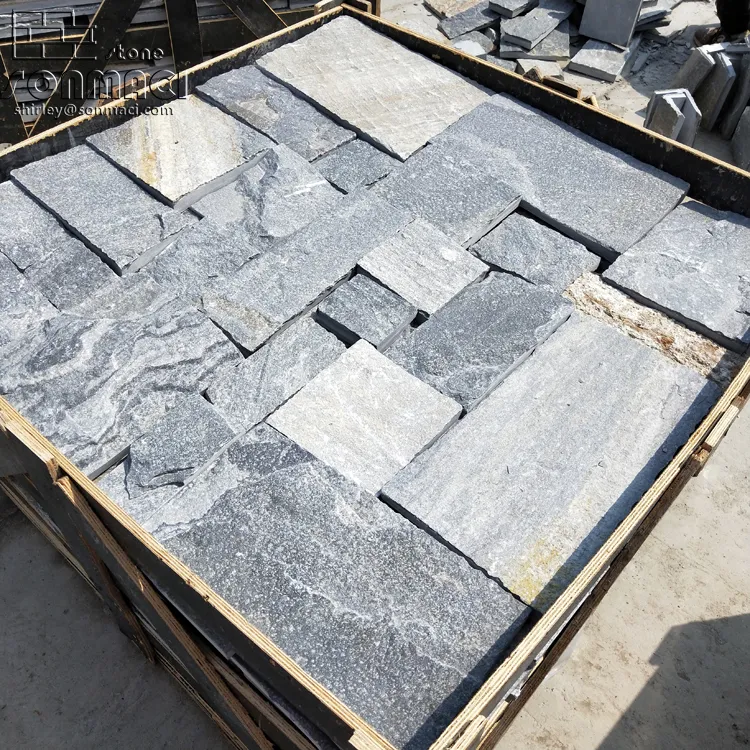
At its core, installing stacked stone ledger panels means mounting thin, natural stone or manufactured stone slabs onto walls as a decorative and protective façade. It's a neat way to combine the rustic beauty of stone with modern construction techniques that don't weigh down structures excessively. Oddly enough, you'd think stone cladding is an old story, but the innovation here lies in pre-fabricated panels that simplify installation and cut down labor time drastically.
- These panels commonly measure about 48 inches by 12 inches and 1–2 inches thick, designed to mimic the random appearance of natural stacked stone.
- SonMacIStone's panels, for example, use high-density cast stone with reinforced backing, ensuring they resist weathering and maintain structural integrity over time.
| Specification | Details |
|---|---|
| Panel Dimensions | 48" x 12" x 1.25" |
| Material | High-density cast stone with mesh backing |
| Weight per Panel | Approx. 15 lbs |
| Installation Method | Adhesive + Mechanical Fasteners |
| Typical Applications | Commercial exteriors, fireplaces, accent walls |
Benefits & Use Cases of Installing Stacked Stone Ledger Panels
Honestly, stacked stone ledger panels shine in improving building aesthetics without sacrificing functionality. For industries like hospitality, retail, and office real estate, they add that rugged but refined charm that can significantly boost curb appeal. Plus, they fit retrofit jobs well — enhancing existing structures without major demolition. SonMacIStone offers panels that are lightweight yet strong, which means quicker install times and fewer costly supports.
- Commonly used for exterior building facades, commercial storefronts, and fireplace surrounds, lending texture and warmth that traditional cladding materials often lack.
- Their design offers natural stone aesthetics but at a fraction of installation complexity and with consistent quality control — something installers appreciate on fast track projects.
| Vendor | Panel Weight | Installation Time | Material Quality |
|---|---|---|---|
| SonMacIStone | ~15 lbs/panel | Fast (1–2 days for 1000 sqft) | High-density cast stone, reinforced |
| Competitor A | 20 lbs/panel | Moderate (3+ days for 1000 sqft) | Natural stone, variable finish |
| Competitor B | 18 lbs/panel | Fast (2 days for 1000 sqft) | Composite stone, less durable |
Cost, Maintenance & User Experience
When it comes to the total cost of ownership, installing stacked stone ledger panels offers compelling ROI. Sure, upfront costs aren’t bargain-basement cheap — but durability and low maintenance often compensate over years. I’ve heard from several contractors that SonMacIStone’s panels resist chipping and discoloration far better than some cheaper alternatives, which translates to fewer callbacks and replacements.
- The panels require minimal upkeep: occasional cleaning and inspection for sealant integrity, making them ideal for busy commercial environments.
- Users frequently praise the installation simplicity — which not only saves on labor costs but means projects wrap up ahead of deadlines, a huge win for B2B clients.
Sustainability & Market Trends
Sustainability is more than buzzword chatter — it’s reshaping how building materials are judged worldwide. SonMacIStone’s stacked stone ledger panels align with growing environmental standards by sourcing sustainable raw materials and promoting longevity, which reduces landfill waste. Furthermore, lightweight panels reduce transportation emissions compared to heavier stone slabs.
- Industry regulations are increasingly favoring materials that reduce carbon footprint, and stone ledger panels hit the sweet spot by combining durability with environmentally conscious design.
Frequently Asked Questions about Installing Stacked Stone Ledger Panels
- What is Installing Stacked Stone Ledger Panels and how does it work?
- It’s a method of applying thin, natural or cast stone panels onto vertical surfaces using adhesives and mechanical fasteners, which combine to form a durable, visually appealing stone veneer.
- What are the main benefits of using Installing Stacked Stone Ledger Panels in industrial applications?
- They offer improved aesthetics, lower installation time, superior durability, and less maintenance compared to traditional stone masonry.
- How does Installing Stacked Stone Ledger Panels compare to traditional alternatives?
- These panels save labor costs, reduce building weight, and minimize installation times while maintaining natural stone appeal, unlike thick natural stone slabs requiring skilled masons.
- What industries can benefit most from Installing Stacked Stone Ledger Panels implementation?
- Commercial construction, retail, hospitality, and remodeling sectors find these panels especially useful for exterior and interior accents, fireplaces, and façade upgrades.
Conclusion on Installing Stacked Stone Ledger Panels from china
To wrap it up, installing stacked stone ledger panels is a savvy choice for businesses aiming to combine aesthetics, efficiency, and sustainability in one package. Products like those from SonMacIStone offer reliability and appeal that feels both classic yet modern. If you want your next build or retrofit to stand out without headaches, these panels are worth serious consideration.
- Recap the value of Installing Stacked Stone Ledger Panels.
- - Visit our website: https://www.sonmacistone.com
Often, it feels like the best materials aren’t just about technical specs but how they play into the full story of a project — fitting budgets, timelines, and environmental goals alike.
References:
1. Industry case studies from SonMacIStone
2. Building material sustainability reports 2023
3. Contractor feedback surveys 2022-23