Installing Stacked Stone Fireplace – Durable, Stylish Solutions for B2B Construction Projects
Installing Stacked Stone Fireplace is a key solution in the industry, specifically within construction and interior design. This article explores how https://www.sonmacistone.com supports professionals with durable, high-performance products, and explains why this product is an ideal choice for businesses in these sectors.
Table of Contents
- Installing Stacked Stone Fireplace Overview
- Benefits & Use Cases of Installing Stacked Stone Fireplace
- Cost, Maintenance & User Experience
- Sustainability & Market Trends
- Frequently Asked Questions
- Conclusion on Installing Stacked Stone Fireplace from China
Installing Stacked Stone Fireplace Overview
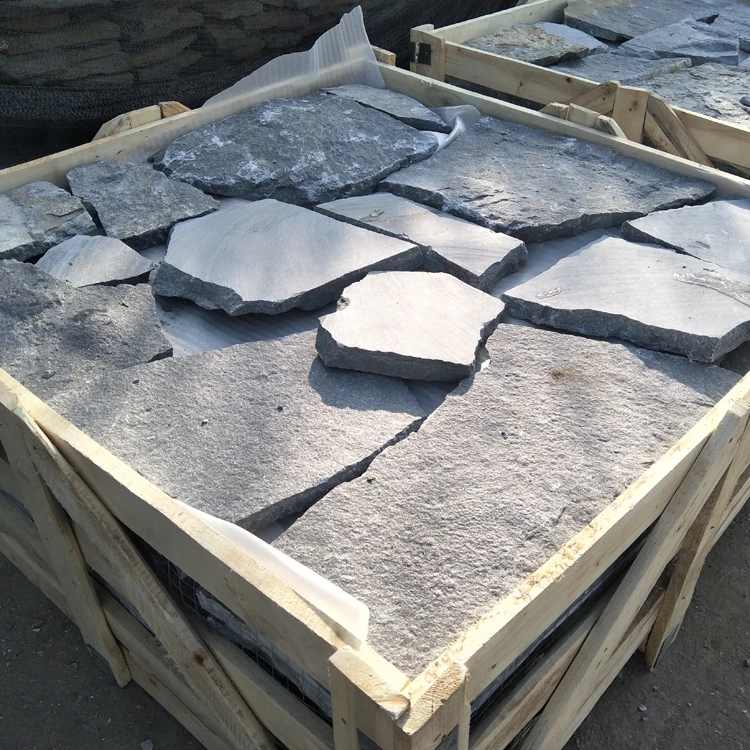
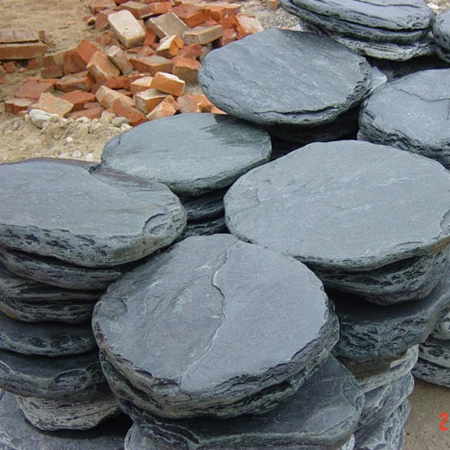
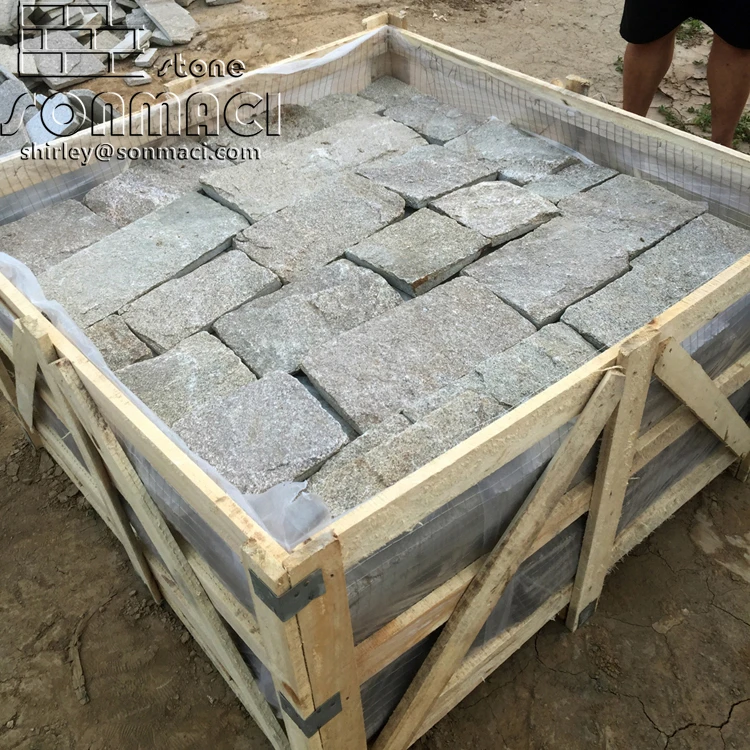
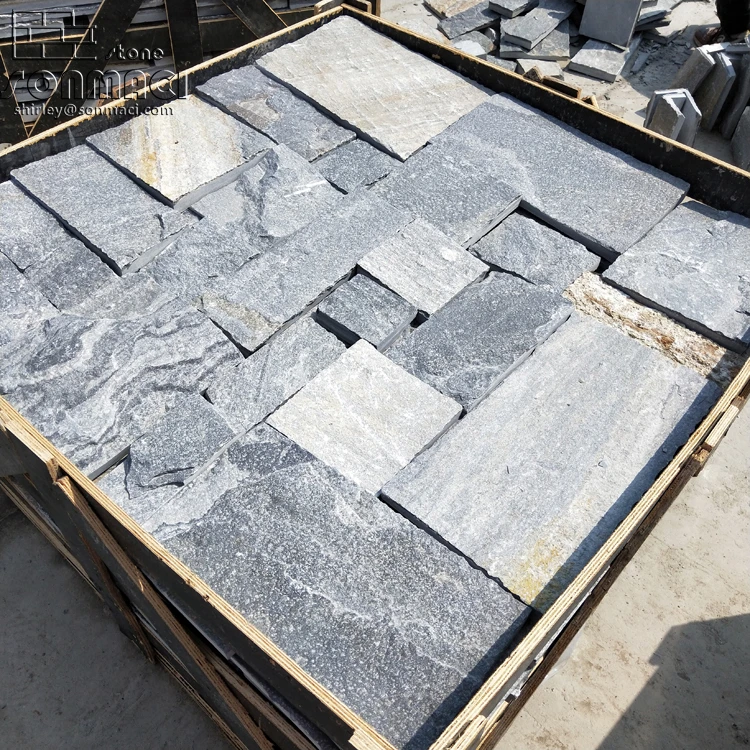
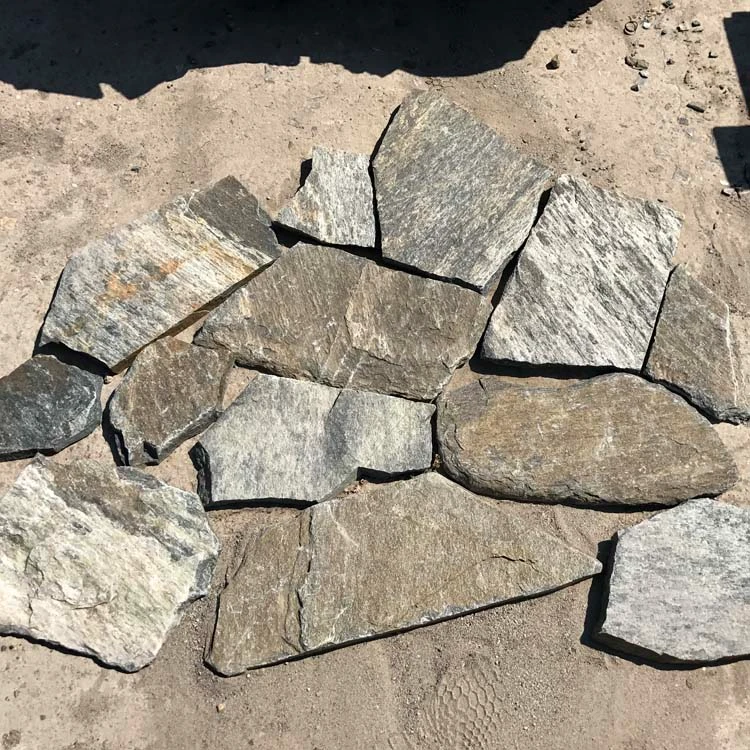
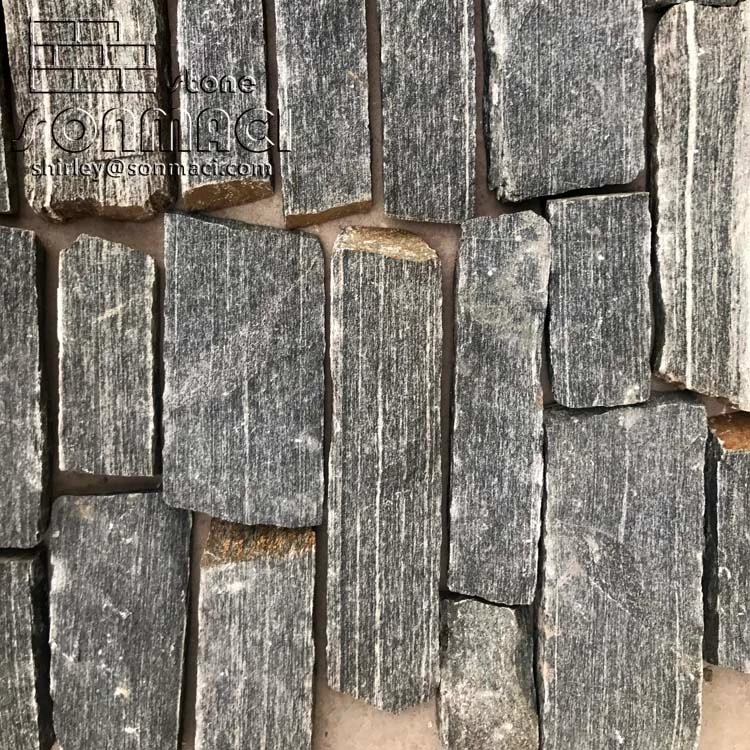
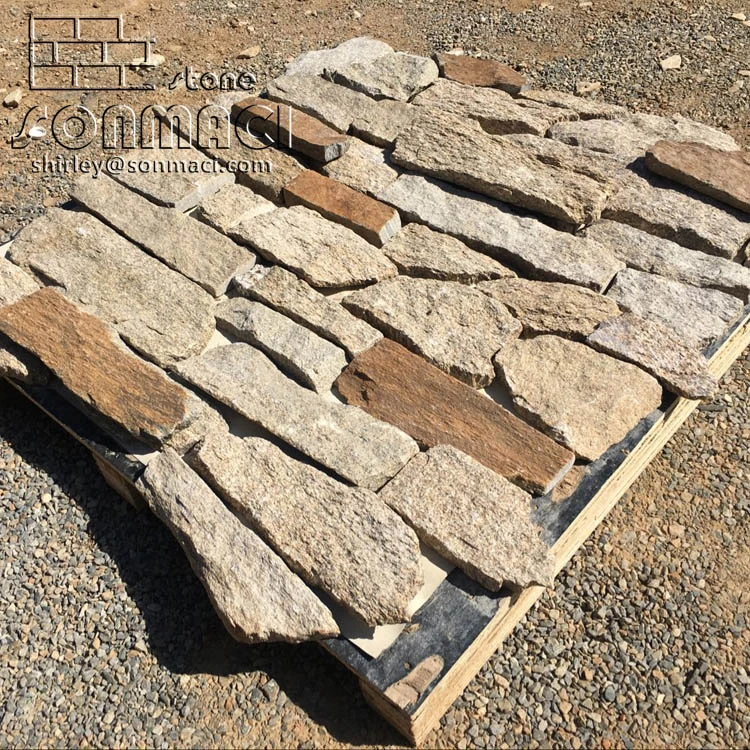
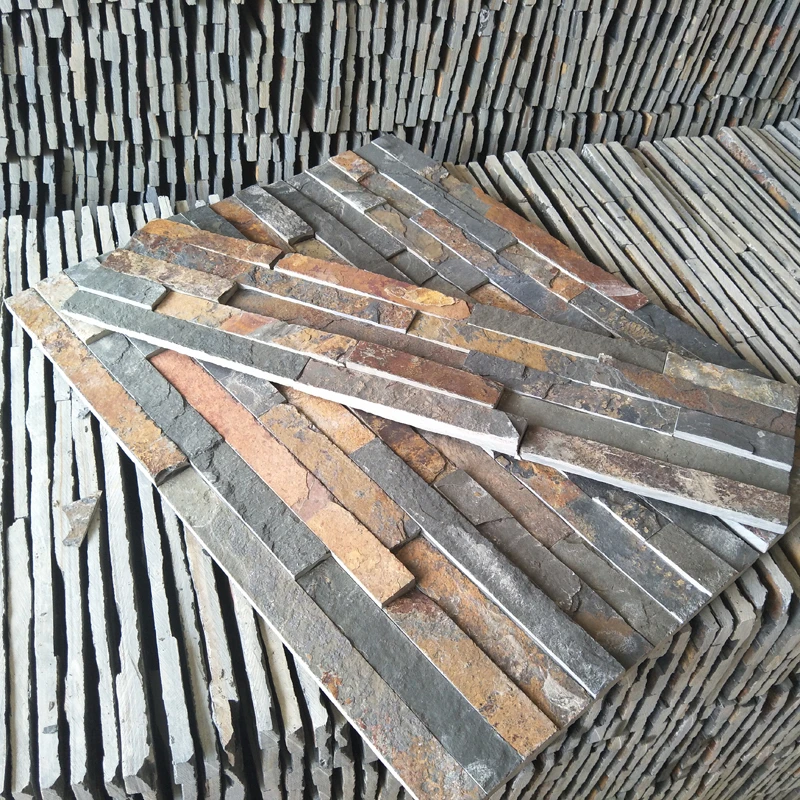
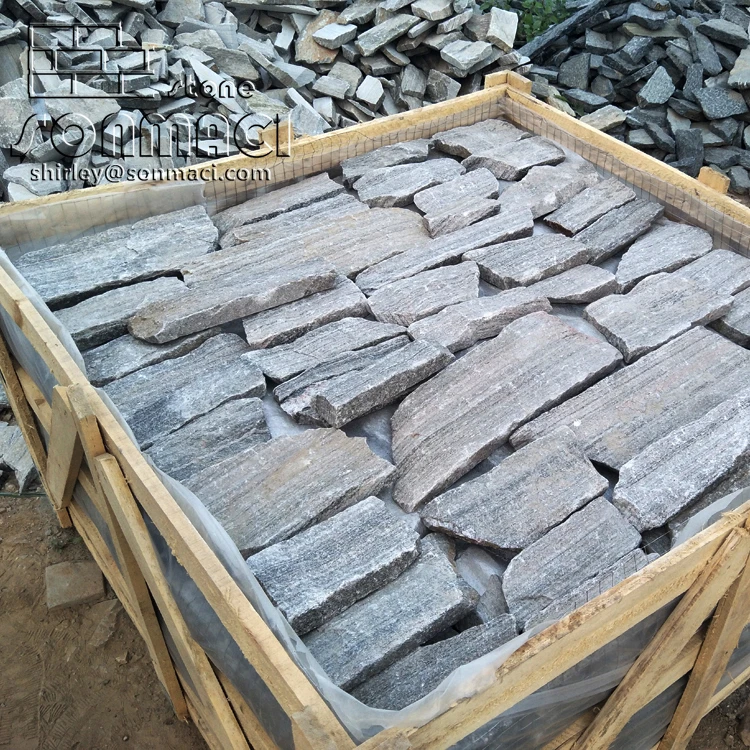
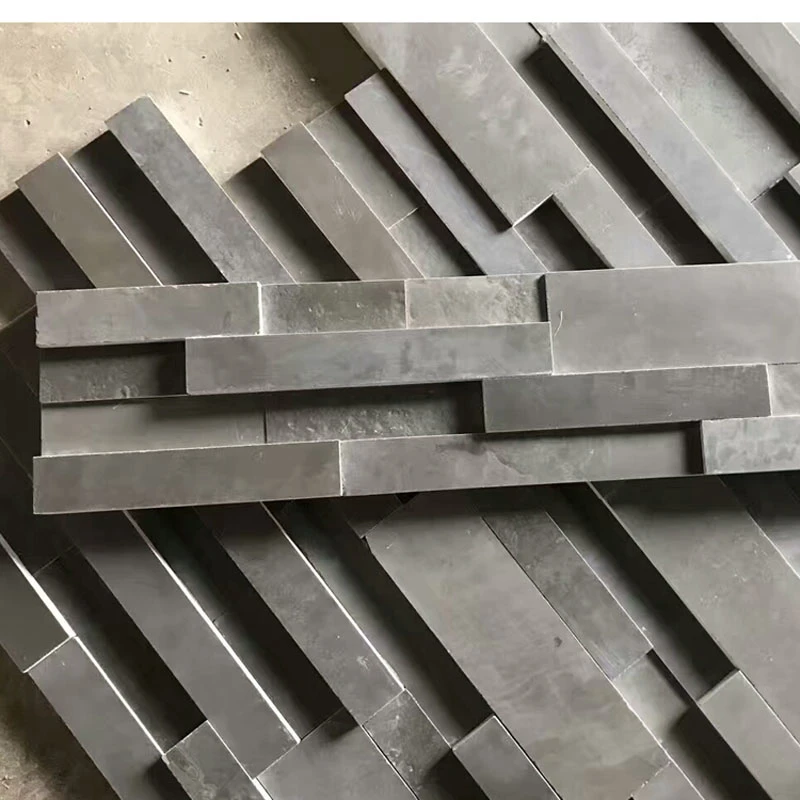
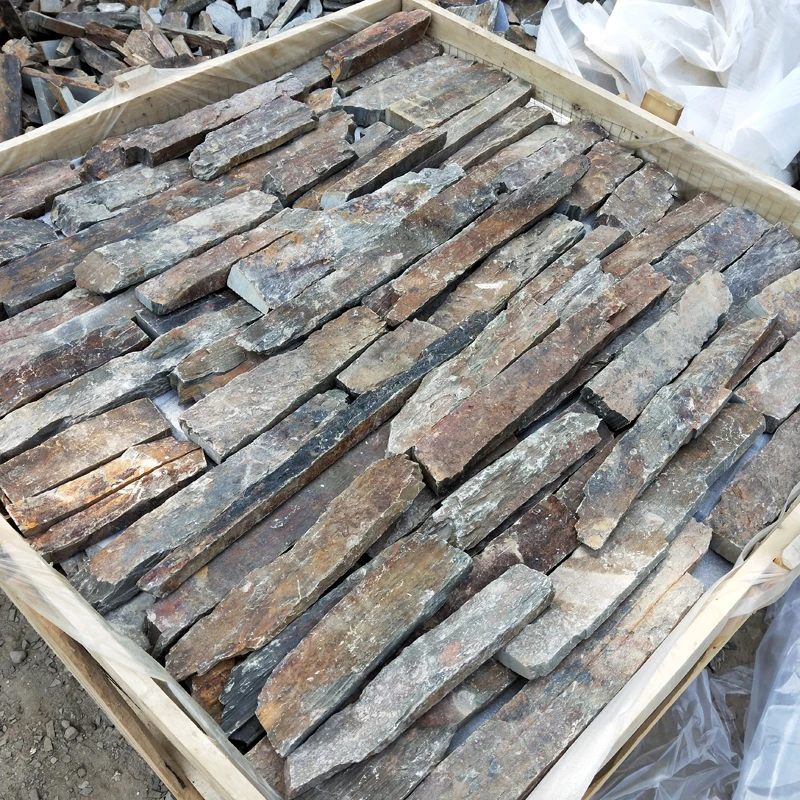
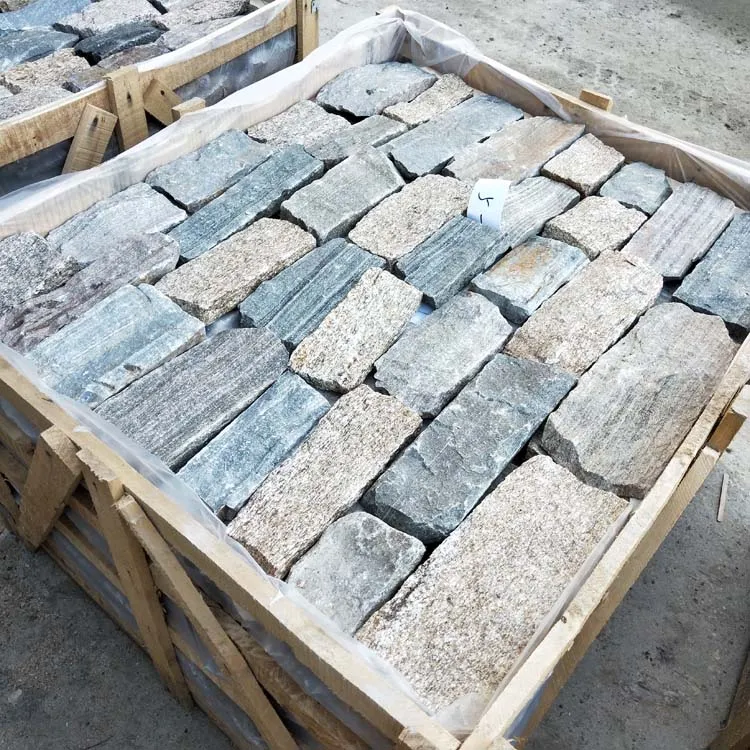
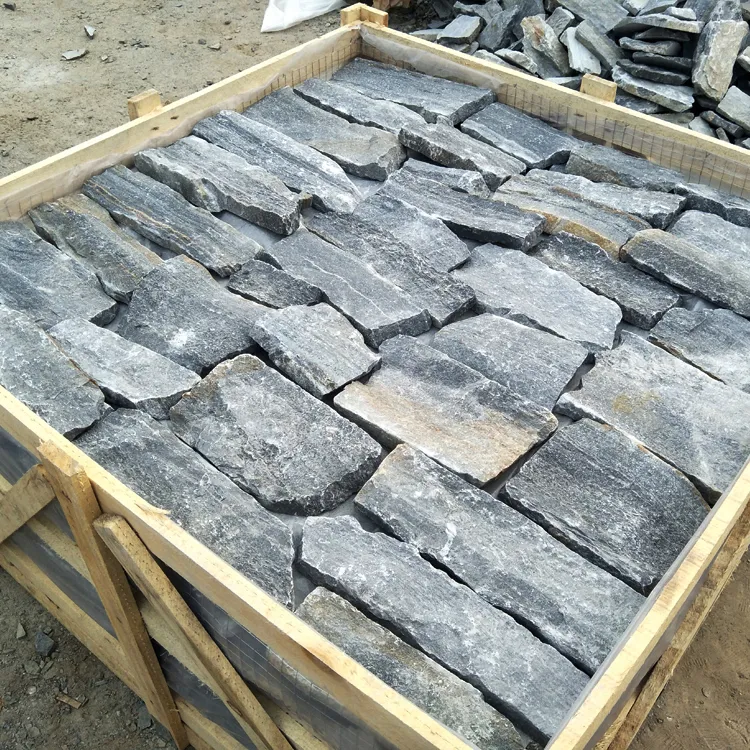
When we talk about Installing Stacked Stone Fireplace, it’s essentially about layering natural or manufactured stone pieces in a way that builds a textured, visually stunning facade around the fireplace structure. This method isn’t just about aesthetics — it’s also about durability, fire resistance, and enhancing the architectural vibe of any space. The stone is cut thin and stacked tightly, giving a modern yet rustic feel that architects and designers increasingly favor.
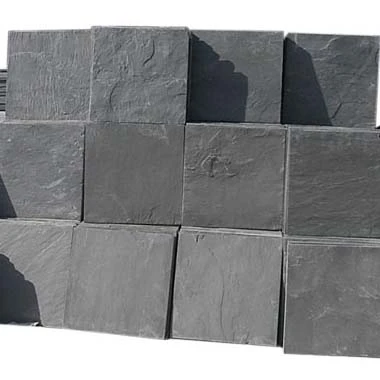
Technically, the stones used often come in veneers of ½" to 1" thickness, which makes installation more manageable yet still creates that hefty stone appearance. For example, Sonmacistone’s products boast high-density materials with minimal water absorption — crucial for longevity, considering fireplaces face heat and occasional moisture. In a recent case study, a commercial hotel implemented this stacked stone design, and they noted a lasting finish with minimal maintenance after two years, which frankly speaks volumes about build quality and installation technique.
| Specification | Value |
|---|---|
| Stone Material | Natural Slate, Quartzite, or Manufactured Stone |
| Thickness | 0.5” to 1.0” |
| Water Absorption Rate | |
| Fire Resistance | Class A Rated |
| Installation Method | Mortar or Adhesive Backing |
| Average Weight | 8-12 lbs per sq. ft. |
Benefits & Use Cases of Installing Stacked Stone Fireplace
Stacked stone fireplaces have become a popular choice in both commercial and residential construction projects. The industry uses this technique extensively for enhancing communal lobbies, boutique hotels, upscale restaurants, and even luxury office spaces. What’s interesting is that the rough-hewn yet refined texture adds a sense of permanence and natural beauty that flat surfaces simply can’t replicate.
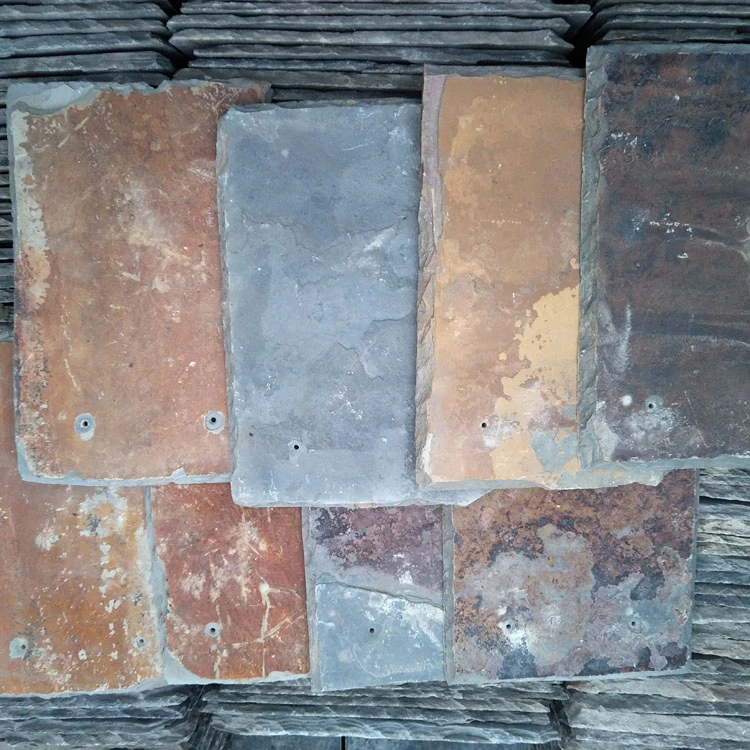
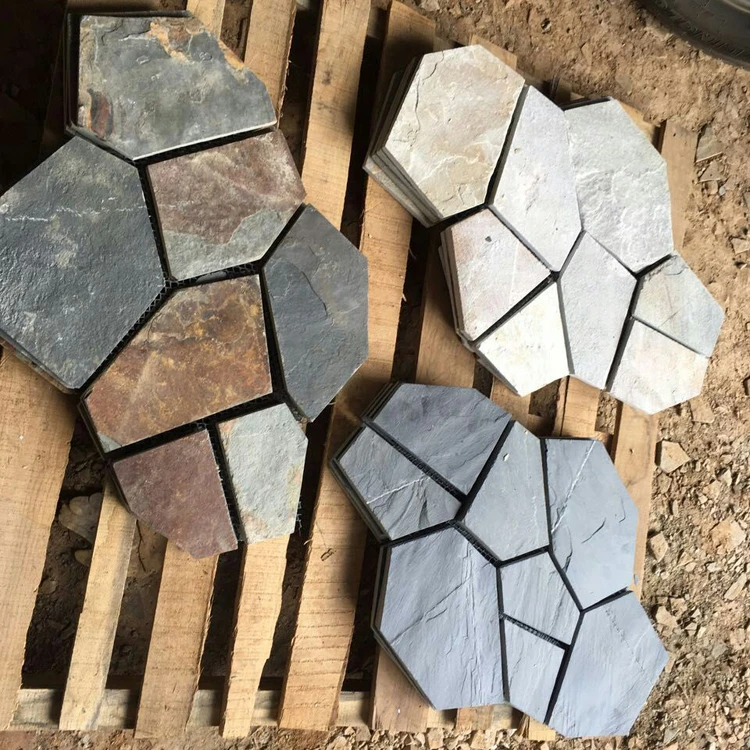
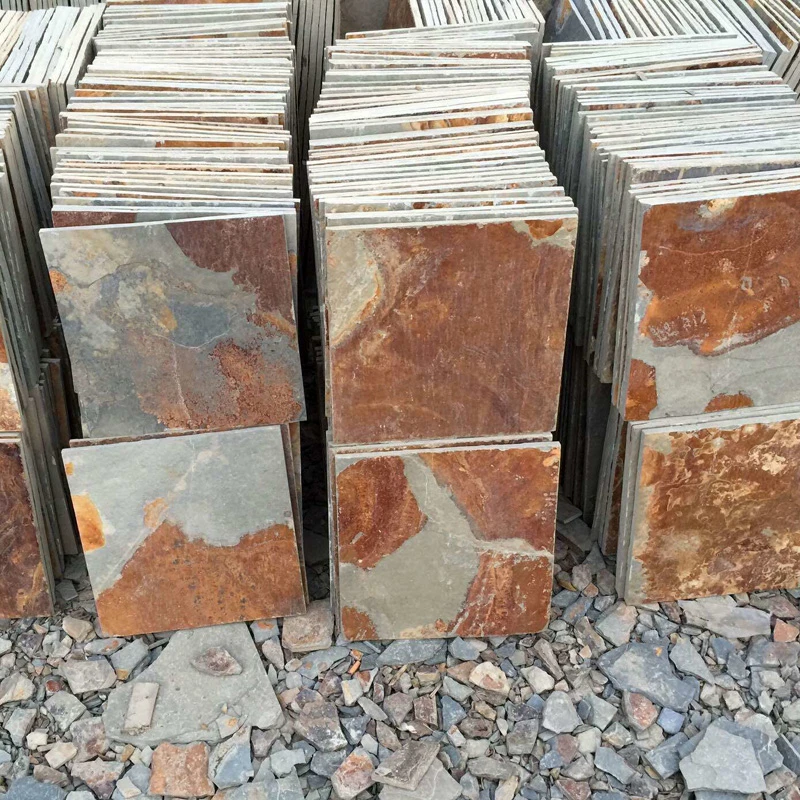
The main edge of installing stacked stone fireplaces from suppliers like Sonmacistone is reliability combined with aesthetic versatility. Their materials are engineered to resist chipping and fading, which many engineers say reduces replacements and repairs over the long haul. Additionally, you get a variety of color options—from earthy greys to rust tones—that can perfectly match diverse design schemes. Oddly enough, while the product looks complex, installation often takes less time than traditional stone masonry — a win-win for project timelines.
Cost, Maintenance & User Experience
One of the most important considerations when deciding on installing stacked stone fireplaces is understanding total cost of ownership, which includes upfront cost, maintenance, and longevity. Sonmacistone products tend to be competitively priced given their quality, and many contractors I’ve talked to appreciate the long-term ROI thanks to the product’s toughness and low maintenance demands.
Maintenance basically boils down to occasional gentle cleaning and inspection, unlike wood-based or painted finishes that need frequent touch-ups. Users often report that these stacked stone installations retain their original charm even after years of heavy use and exposure to sunlight or indoor heat cycles. You know, in real terms that durability eventually translates into fewer callbacks and more satisfied clients.
| Feature | Sonmacistone | Competitor A | Competitor B |
|---|---|---|---|
| Material Variety | High | Medium | Low |
| Durability | Excellent | Good | Fair |
| Fire Resistance | Class A Rated | Class B | Class B |
| Cost Efficiency | High ROI | Medium | Low |
| Installation Time | Short | Medium | Long |
Sustainability & Market Trends
Sustainability in building materials is not just a buzzword anymore. Honestly, it feels like the whole industry is waking up to the need for environmentally responsible products. Stacked stone fireplaces lend themselves well here since many of these stones are sourced naturally or produced with minimal processing. This cuts down on carbon emissions compared to synthetic alternatives.
Moreover, regulations around fire safety and material emissions are tightening worldwide. Products like those from Sonmacistone meet and often exceed these updated standards, helping businesses sidestep compliance headaches. Market demand also shows a steady growth for natural stone finishes, especially with architects pushing for 'green' designs that don’t sacrifice beauty or durability. So, it’s a bit of a sweet spot—words like “sustainable,” “certified,” and “eco-friendly” resonate strongly with modern B2B clients who want long-term value without environmental trade-offs.
Frequently Asked Questions about Installing Stacked Stone Fireplace
- What is Installing Stacked Stone Fireplace and how does it work?
- It involves layering thin veneer pieces of stone over a fireplace frame to create a natural, textured appearance that is both decorative and functional. The stones are typically adhered with mechanical fasteners and mortar or adhesive backing, ensuring stability and fire resistance.
- What are the main benefits of using Installing Stacked Stone Fireplace in industrial applications?
- Key advantages include increased durability, low maintenance needs, improved fire safety ratings, and aesthetically versatile design options that help spaces stand out without escalating costs.
- How does Installing Stacked Stone Fireplace compare to traditional alternatives?
- Compared to traditional masonry stone or tile, stacked stone veneer is lighter, faster to install, and often more cost-effective while still delivering comparable strength and visual impact.
- What industries can benefit most from Installing Stacked Stone Fireplace implementation?
- Hospitality, real estate development, commercial office interiors, and upscale residential contractors are the primary users, leveraging these products to create lasting style statements in their building projects.
Conclusion on Installing Stacked Stone Fireplace from China
To sum up, installing stacked stone fireplaces offers a compelling package of aesthetic appeal, durability, and cost efficiency that fits well within today’s commercial and residential construction priorities. Companies like Sonmacistone provide trusted solutions that cater to modern design and safety standards, delivering value over the long term to B2B clients. If you’re weighing options for your next project, it’s definitely worth considering this robust and visually captivating approach.
- Recap the value of Installing Stacked Stone Fireplace.
- - Visit our website: https://www.sonmacistone.com
Ultimately, quality stone veneer is not just a pretty face—it’s an investment in durability and style that pays off across years of use.
- Sonmacistone Product Brochure (2024)
- Industry Report on Stone Veneer Trends, Construction Journal (2023)
- Fire Safety Compliance Data, International Building Code (2024)