Expert Guide to Installing Stacked Stone Exterior Panels | Sonmacistone
Mastering the Installation of stacked stone exterior for Lasting Impact
If you’ve spent any time around industrial equipment or construction sites, you’ll know that behind every beautiful wall is a lot of planning, sweat, and a fair share of surprises. Stacked stone exteriors are no exception. They've become a favorite not just for their rugged charm but also because, frankly, they hold up well when done right. I suppose it’s that blend of nature and craftsmanship that really speaks to people.
From my years in the industry, working hands-on with various materials, stacked stone stands out because it bridges aesthetics with durability. When you’re installing them on an exterior façade, you’re not just putting rocks on rocks. There’s a technique, a certain respect for the material’s quirks, and a plan that incorporates weather, drainage, and structural support.
Oddly enough, many folks underestimate how much prep work matters. You’ll hear a lot about fancy tools and perfect cuts, but honestly, the surface preparation often makes or breaks your project. Roughly, you want a clean, flat substrate with moisture barriers in place — seems straightforward, but in real terms, I’ve seen too many rushed jobs skip these steps and pay for it with warping or worse, water damage.
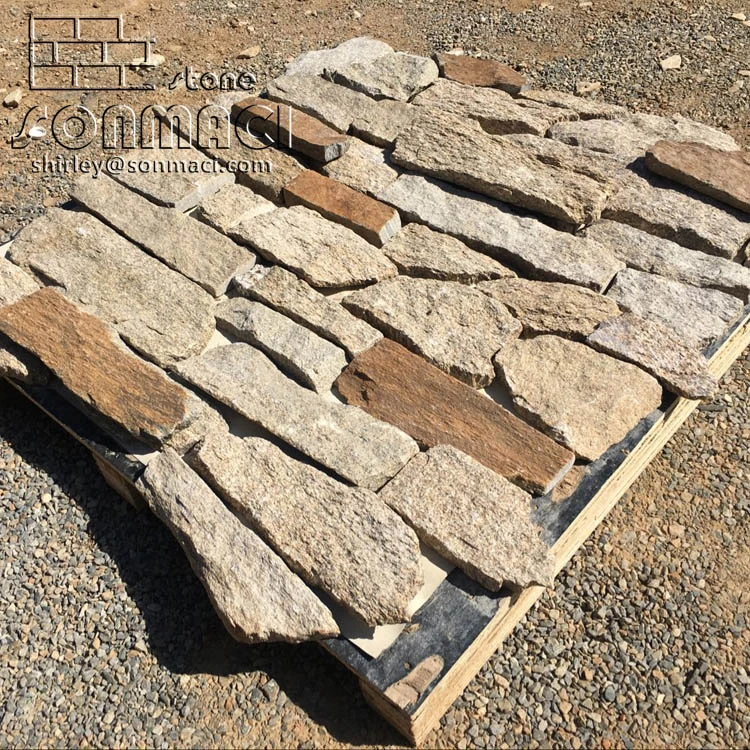
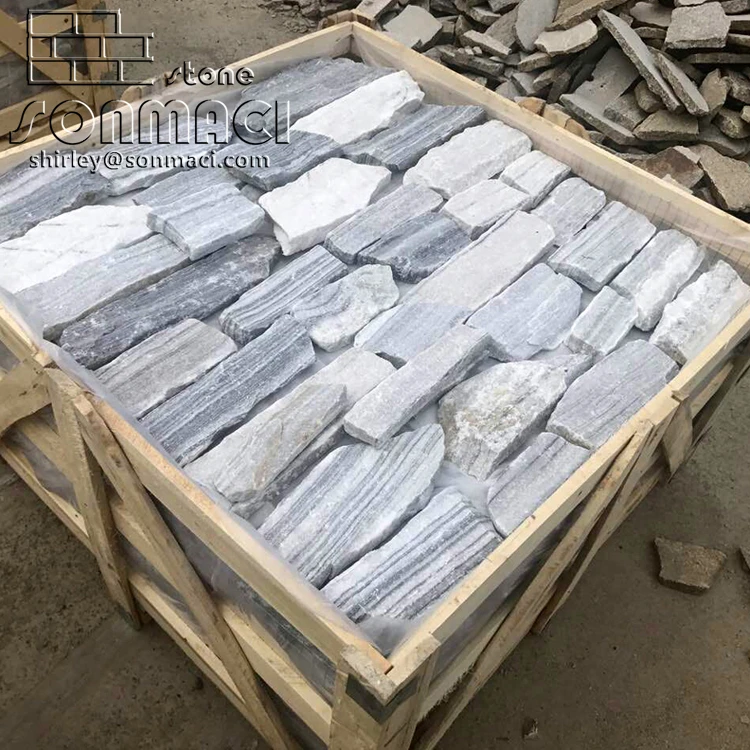
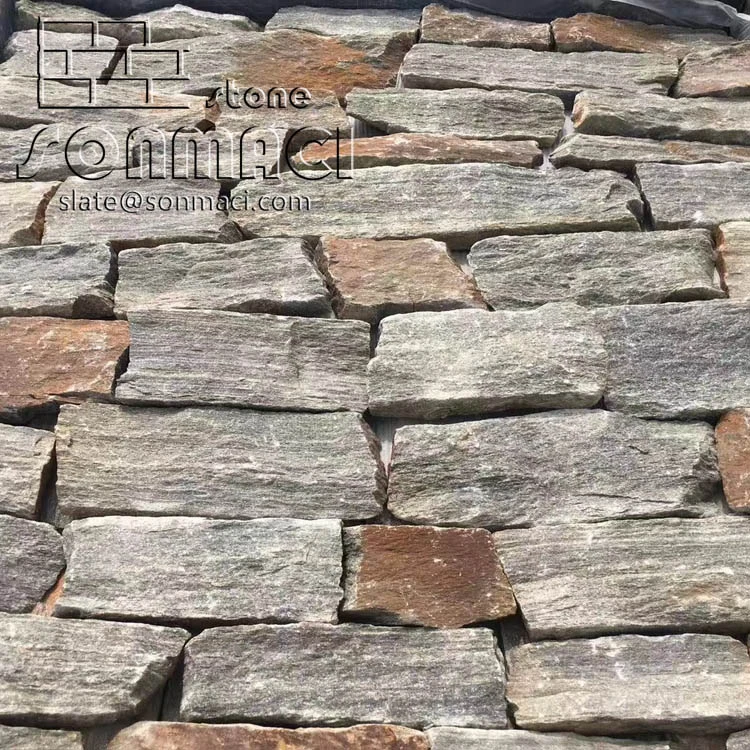
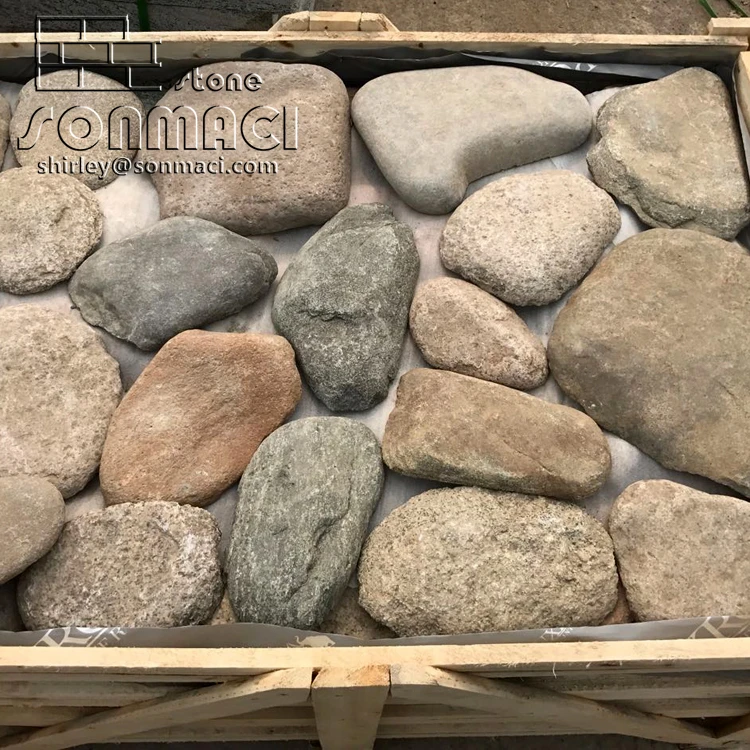
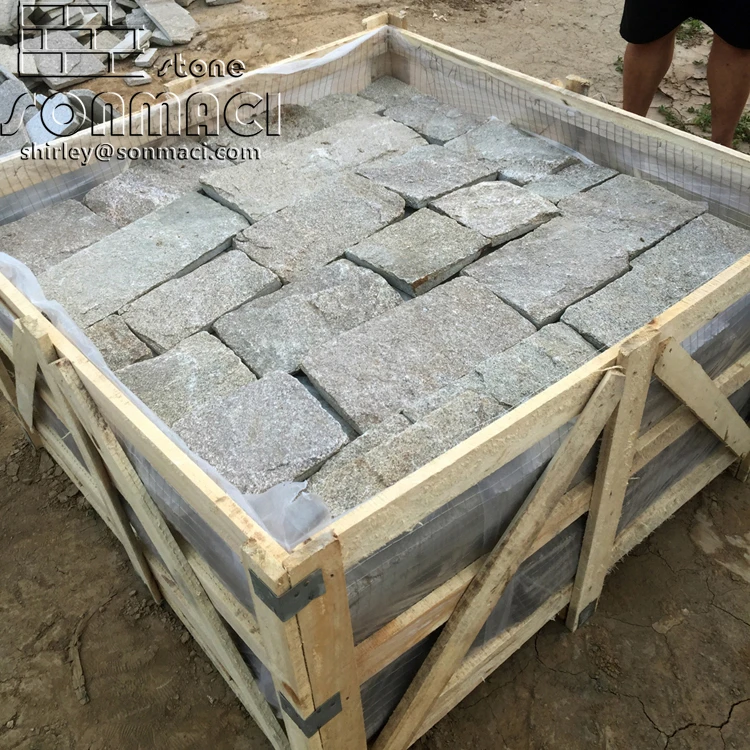
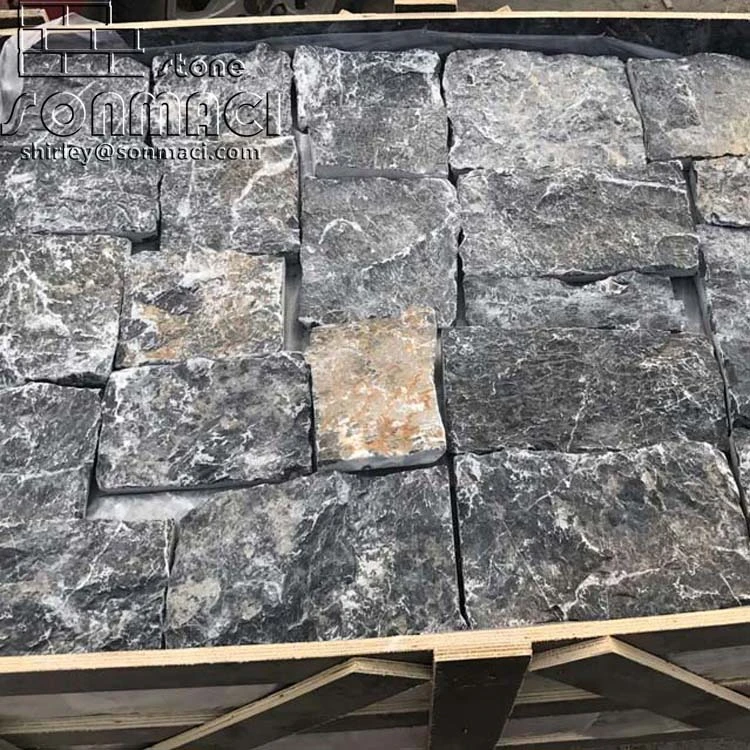
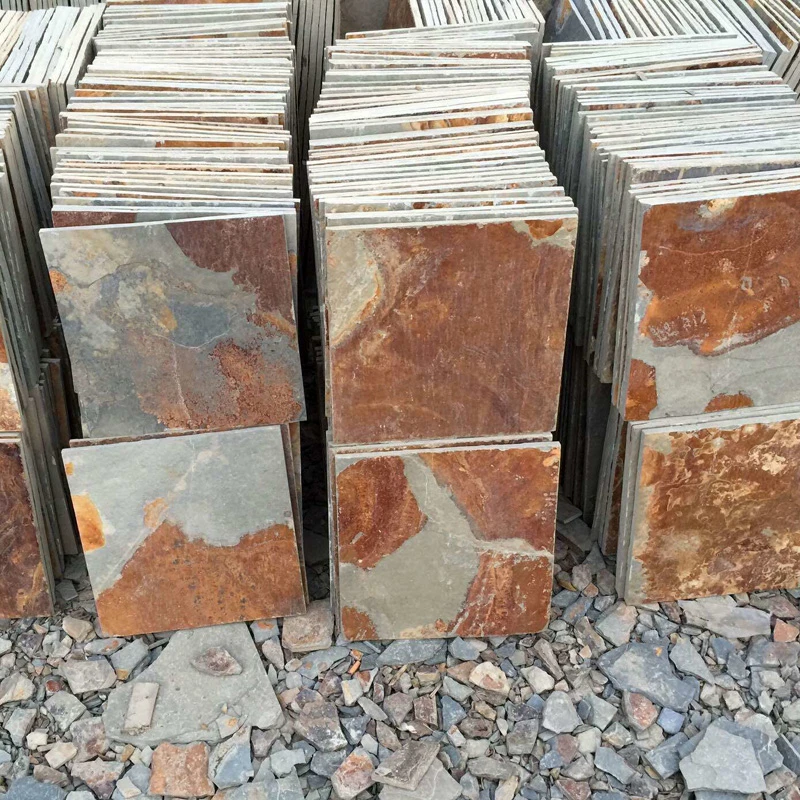
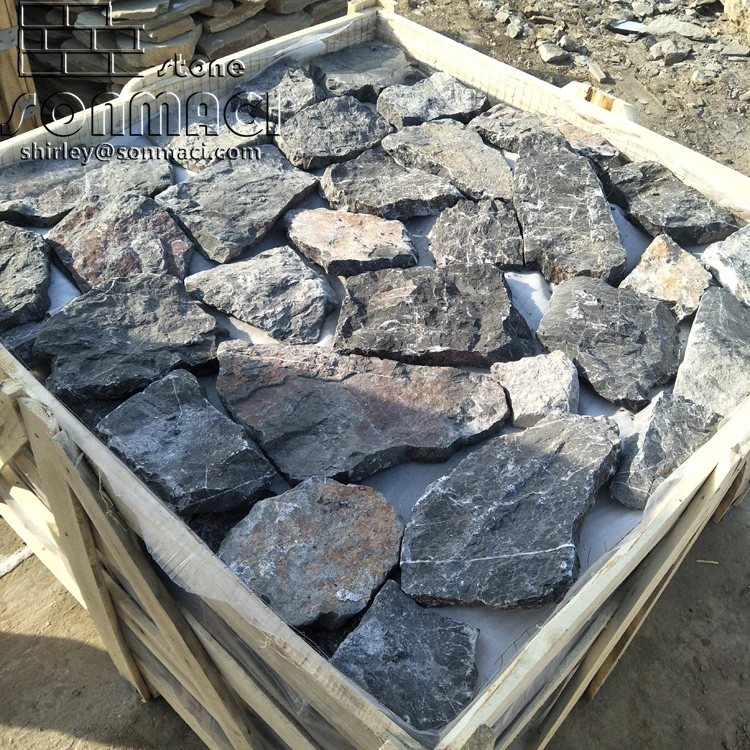
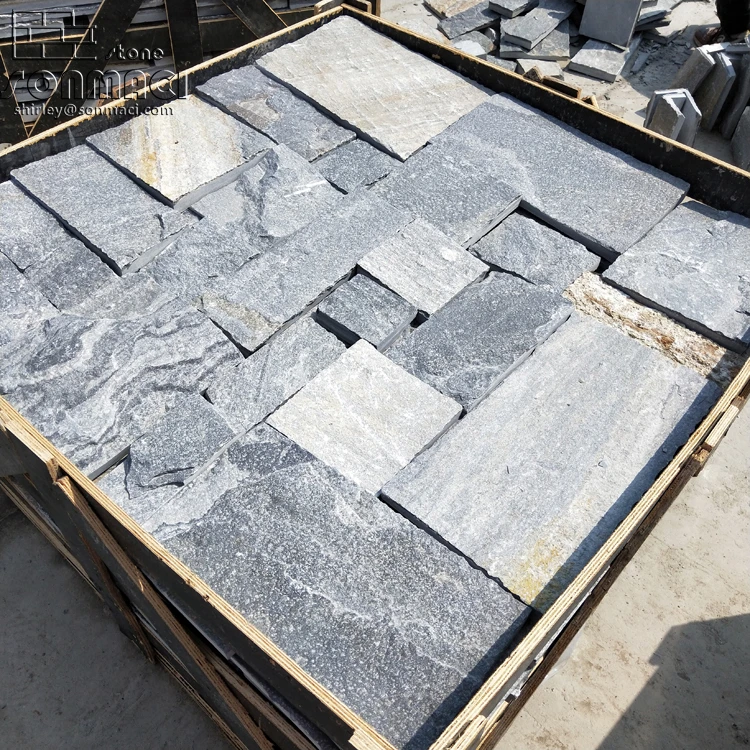
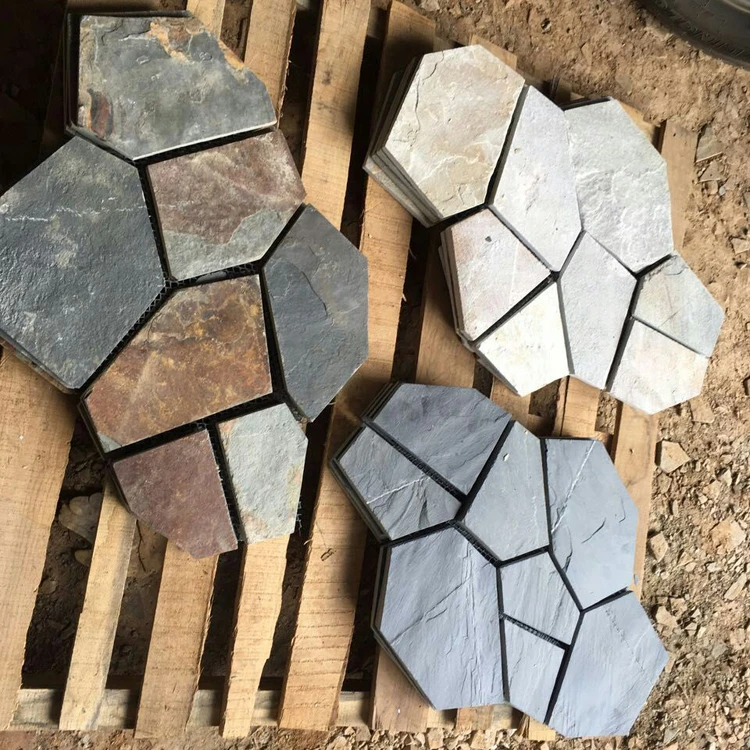
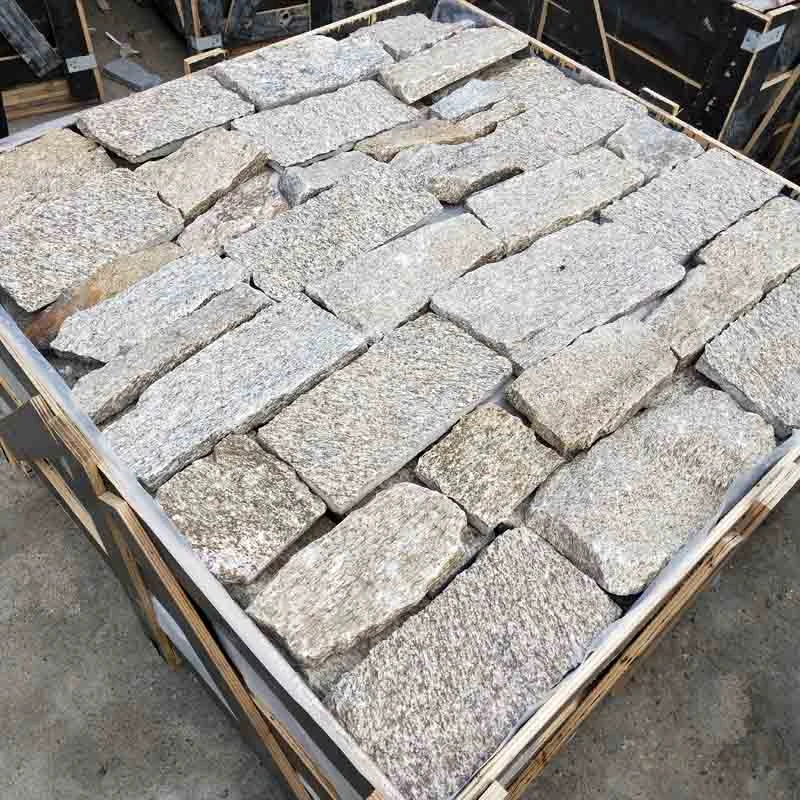
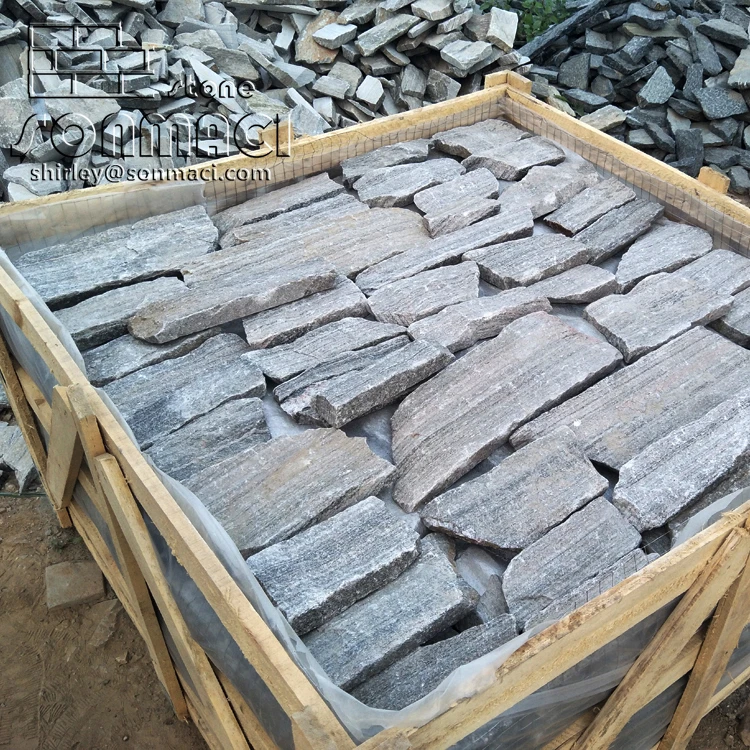
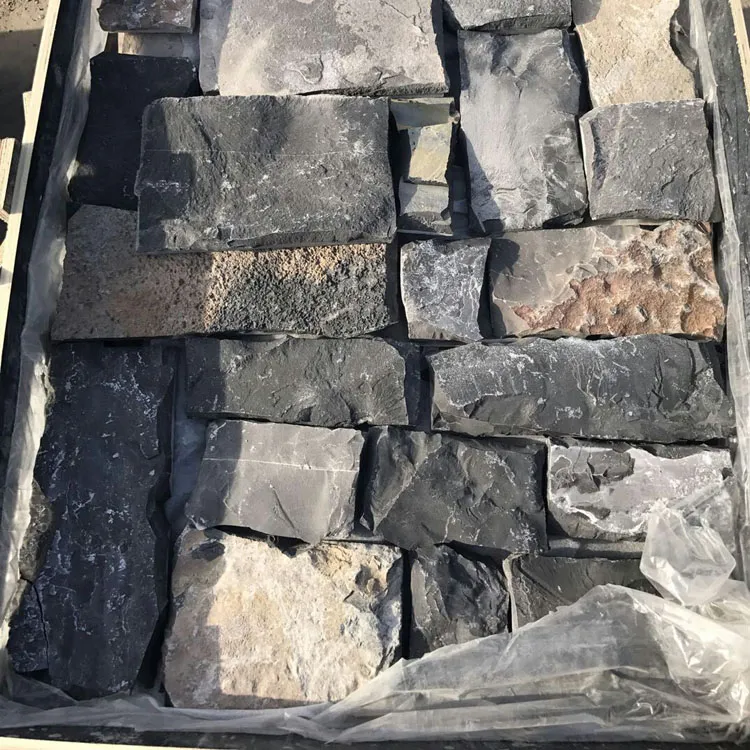
Now, talking about materials, stacked stone exterior panels—like those you’ll find at Sonmacistone—come in factory-cut segments that reduce on-site labor significantly. These panels often include engineered stone crafted for uniform thickness and strength. It’s a bit like industrial design meets natural rock: consistent quality but with a genuine stone look.
| Specification | Details |
|---|---|
| Material Composition | Natural stone aggregate + polymer resin binder |
| Panel Size | 24" x 6" to 48" x 12" |
| Thickness | 1.5" - 2.5" |
| Weight | 8-12 lbs per square foot |
| Weather Resistance | High; frost and UV resistant |
| Installation Method | Mortar or adhesive with mechanical anchoring |
By the by, many engineers I've spoken to insist on a strong mechanical anchoring system, especially for applications in high-wind or seismic zones. While the adhesive bond might seem enough, the extras guarantee long-term safety. Plus, it gives peace of mind, which counts for quite a bit when you’re on the jobsite late and thinking of what could go wrong.
To give you more perspective, I gathered a quick comparison of some top vendors known in our sphere. It’s not exhaustive, but it brings out the nuances that often influence choice beyond just price.
| Vendor | Material Quality | Range of Styles | Lead Time | Installation Support | Price Level |
|---|---|---|---|---|---|
| Sonmacistone | Top-tier engineered stone | Extensive natural textures | 2-3 weeks typical | Technical guides, responsive support | Mid-range |
| StoneWall Co. | Natural quarried stone | Classic rustic styles | 4-6 weeks | Limited installation advice | Premium |
| RockCraft | Mixed natural and cast stone | Wide mix, modern and traditional | 1-2 weeks | Standard manuals provided | Budget-friendly |
Speaking of experience, I once worked with a client who insisted on using only natural stone. They loved the rustic look but soon realized how time-consuming cutting and fitting were, not to mention the weight issues on their thin walls. When we switched to stacked stone exterior panels, the project not only sped up but the finished wall looked sharper and performed better against the elements. That kind of satisfaction — both from a contractor and homeowner perspective — really sticks with you.
Installation isn’t just about slapping on some stone; it’s a careful dance of moisture control, alignment, and sometimes a bit of creativity. The panels from trusted vendors come with coating options to repel water and resist fading, but how you install them matters just as much. Remember to stagger seams, monitor the level rigorously, and make sure all joints have proper sealants.
In all, stacked stone exterior installation blends the old-school labor of masonry with modern engineered advantages. When you do it right (and trust me, years of mixed results give an eye for “right”), you get walls that don’t just look impressive but carry decades of durability. That’s why I can confidently recommend exploring stacked stone exterior options when quality and ease matter.
So, if you’re embarking on an exterior stone project — whether residential or commercial — think of it a bit like tuning a machine. Each part, from stone selection, substrate prep, to anchoring, must fit perfectly to keep everything running smooth over time.
My takeaway? Stacked stone exterior panels are a brilliant intersection of nature’s beauty and industrial practicality — respect the details, and the results will pay off.
- Industry knowledge and site experience with stone installation — personal insights and best practices.
- Vendor literature and product datasheets from Sonmacistone for specs and warranty details.
- Conversations with structural engineers on substrate preparation and anchoring methods.