Classic & Sustainable White Limestone House Exterior Solutions | Sonmac
White Limestone House Exterior: Timeless Beauty Meets Practicality
If you've ever strolled through historic European towns or modern upscale neighborhoods, chances are you've admired a white limestone house exterior. It's that subtle elegance, the natural creamy-white hue that radiates warmth yet sophistication. But beyond its aesthetic charm, white limestone exterior cladding holds significance far beyond looks — it tells a story about sustainability, durability, and heritage in architecture worldwide. In this article, we'll explore why this material is more than just a pretty face and why it remains a global favorite for residential and commercial buildings alike.
Why Does It Matter Globally?
White limestone has been used in construction for thousands of years, from the pyramids of Egypt to classic French chateaus. Fast forward to today, and its use in house exteriors touches on critical global themes — climate resilience, eco-friendly building practices, and cost-effective durability. According to the International Organization for Standardization (ISO), sustainable materials like limestone help reduce carbon footprints, an increasingly urgent requirement as urbanization grows. Notably, limestone’s high thermal mass contributes to natural temperature regulation, easing energy demands worldwide, which ties directly into UN climate action goals.
Yet, the challenge remains — how do architects and builders balance the desire for beauty, sustainability, and affordability? That's part of why understanding the nuances of white limestone exterior finishes is so beneficial.
What Exactly Is a White Limestone House Exterior?
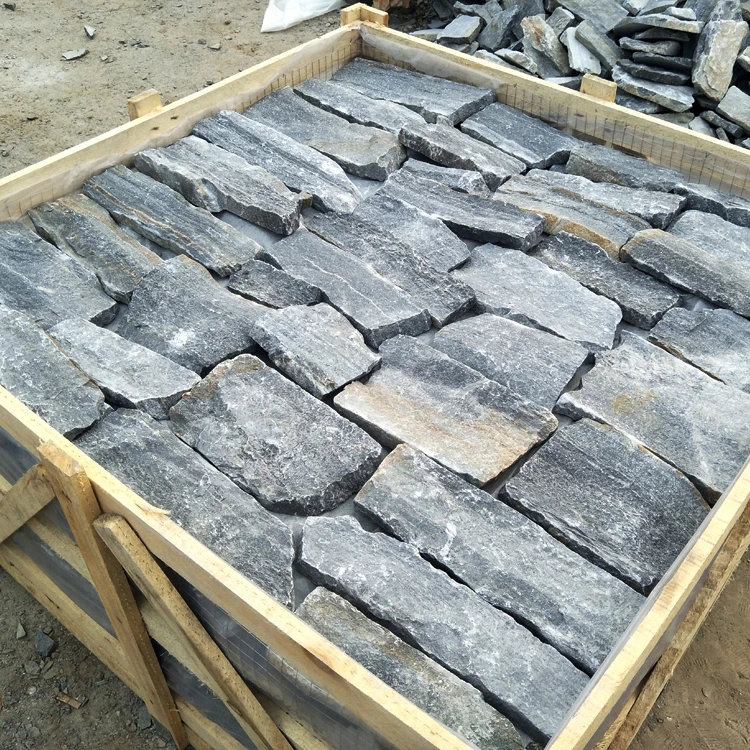
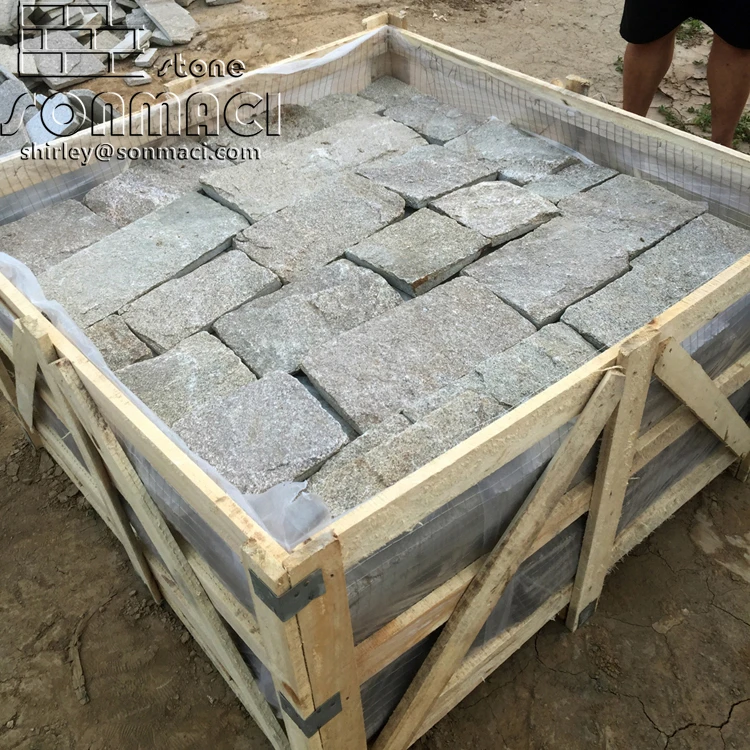
Put simply, a white limestone house exterior refers to the outer façade of a building covered in or constructed from limestone that naturally exhibits a white or off-white color. Limestone is a sedimentary rock primarily composed of calcite, often formed in marine environments, which gives it its characteristic texture and appearance.
Linking back to construction and industry, white limestone is prized not only for its looks but also its weather resistance, structural qualities, and eco-friendliness. It fits perfectly with modern building codes emphasizing green materials without sacrificing the classic “stone house” vibe many homeowners crave.
Core Components of White Limestone Exteriors
Durability and Weather Resistance
Limestone’s resilience is one of its hallmarks. It withstands rain, sun, and wind fairly well — especially when treated. In coastal regions or areas with harsh winters, a white limestone exterior can maintain integrity for decades, often aging into an even more beautiful patina.
Thermal Efficiency
Thanks to its porous but dense makeup, limestone can absorb and slowly release heat. This natural thermal regulation means less energy spent on indoor heating or cooling — a subtle sustainability win that architects appreciate. Plus, it harmonizes well with passive design principles.
Cost Efficiency Over Time
While initial installation might be pricier than vinyl siding or brick, the long-term cost-efficiency is where limestone shines. Minimal maintenance, longevity, and reduced energy bills often balance the scales.
Aesthetic Versatility
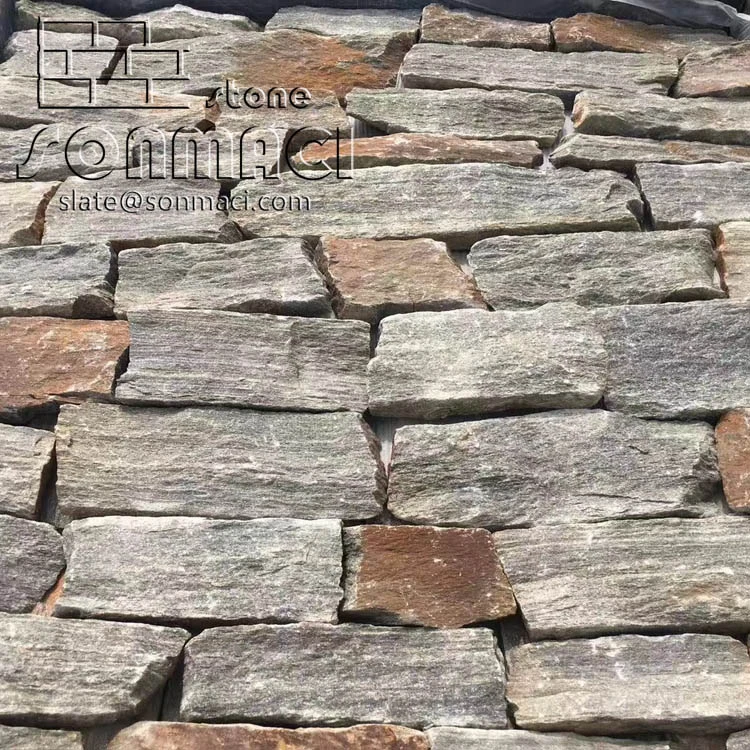
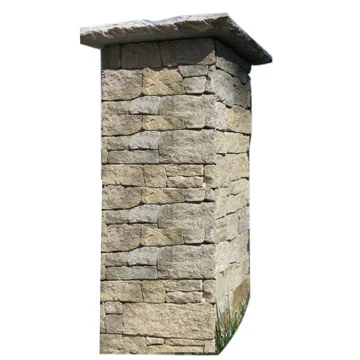
No two limestone blocks are the same — that's part of the charm. The white limestone exterior effortlessly complements modern, rustic, or traditional styles. It's also highly customizable, from smooth finishes to textured facades.
Environmental Sustainability
White limestone is a natural material with minimal processing required, lowering embodied energy. Quarries now often follow ISO 14001 standards for environmental management, ensuring responsible sourcing.
White Limestone Exterior in Global Use
White limestone homes dot the Mediterranean coasts, thrive in UK country estates, and are increasingly popular in parts of the U.S., especially the Northeast. Globally, it’s chosen for its balance of heritage and energy efficiency.
Industrially, construction firms leverage it in upscale housing developments to meet both aesthetic and green building certifications. NGOs in climate-sensitive zones recommend limestone for resilient, climate-adapted homes post-natural disasters, where quick, durable restoration matters a lot.
For instance, after the 2019 cyclones in the Caribbean, several reconstruction projects incorporated limestone facades to better withstand humidity and storms without losing charm or local identity.
Mini takeaway:
- White limestone exteriors blend timeless aesthetics with practical benefits worldwide.
- They serve diverse climates—from Mediterranean warmth to temperate dampness.
- Adoption is growing in projects needing both resilience and beauty.
Advantages and the Long-Term Value of White Limestone Exteriors
When you invest in a white limestone house exterior, you’re buying more than just stone. Imagine knowing your home ages gracefully, grows more characterful, yet still helps save on energy costs and keeps you cozy or cool. There’s a sense of safety and dignity wrapped up in those creamy-white stones, a trust in centuries of use.
Socially, communities appreciate limestone buildings for their low carbon impact and natural sourcing — a counterpoint to plastic claddings or composites. Emotionally, they evoke permanence and warmth, important in uncertain climates and markets.
Product Specifications: Typical White Limestone Exterior Panels
| Specification | Details |
|---|---|
| Material Composition | Calcite-rich natural limestone |
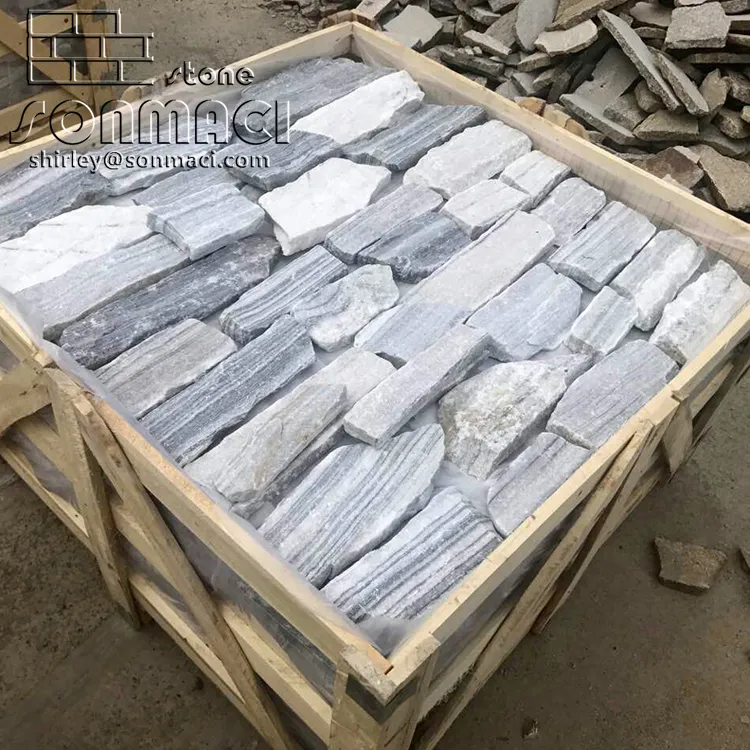
| Color Range | Soft white to creamy beige |
| Thickness | 20-50 mm (customizable) |
| Panel Size | Up to 1200x600 mm standard |
| Thermal Conductivity | Approx. 1.3 W/mK |
| Maintenance | Low; annual cleaning recommended |
Vendor Comparison: Leading Providers of White Limestone Exterior Materials
| Vendor | Key Strengths | Price Range | Sustainability Certifications |
|---|---|---|---|
| Sonmac Istone | Wide range, custom cuts, quarry-direct sourcing | $$$ (Premium) | ISO 14001, LEED Compliant |
| EuroStone Supply | Bulk orders, EU quality focus, fast delivery | $$ (Mid-range) | EMAS Certified |
| Natural Facades Inc. | Innovative finishes, eco-bonds, global shipping | $$$ | BREEAM Approved |
Looking Ahead: The Future of White Limestone Exteriors
Oddly enough, even as the construction world buzzes about composites and 3D printed materials, white limestone is evolving too. Researchers are mixing natural stone with bio-resins to improve impermeability while retaining that authentic look and feel. Digitally controlled machining technologies also allow for more intricate facade designs, meaning limestone isn't stuck as just plain slabs.
On the policy side, governments increasingly push for materials with low embodied carbon. Limestone quarries adhering to ISO and UN sustainability frameworks are favored, ensuring this stone remains a go-to choice. Frankly, the next decade might see limestone more embedded in smart building systems that combine natural materials with IoT sensors for temperature and moisture monitoring.
Challenges and Smart Solutions
Of course, white limestone is not without its quirks. It can be susceptible to acid rain erosion, some mechanical wear, and requires expert installation to avoid cracking. But many companies now coat limestone with thin, invisible hydrophobic layers that preserve it without altering the look. Modular stone cladding systems also ease on-site complexity and accelerate project delivery — especially useful in tight urban infills or delicate heritage projects.
FAQ: Your Questions on White Limestone House Exterior
- Q: How does white limestone compare to marble for house exteriors?
- A: While both are natural stones, limestone is generally softer and more porous, making it more breathable and better at thermal regulation. Marble tends to be pricier and harder but can stain more easily outdoors. Limestone strikes a balance between beauty, durability, and cost.
- Q: What maintenance is required for a white limestone house exterior?
- A: Regular washing to remove dirt and pollutants is usually enough. Applying protective sealants every few years helps guard against staining and weather effects. Unlike paint or siding, limestone doesn’t require frequent repainting or replacement.
- Q: Can limestone exteriors help reduce energy costs?
- A: Yes, limestone’s thermal mass naturally moderates indoor temperature swings, which reduces heating and cooling demands. This passive property is valuable for sustainable homes aiming for LEED or Passive House certifications.
- Q: Are white limestone facades suitable for earthquake-prone areas?
- A: When properly engineered with reinforced supports and anchoring systems, limestone cladding can be safe even in seismic zones. Consulting structural engineers is essential to ensure compliance with local codes.
Wrapping It Up
In the end, the charm of a white limestone house exterior isn't just in its classic, elegant look but also in what it signifies — durability, sustainability, and a subtle eco-conscious luxury. Whether you’re a homeowner, architect, or builder aiming for timeless quality and thoughtful environmental impact, limestone deserves a hard look. If you’re intrigued by how this material could redefine your projects, why not explore the options available? For detailed advice and premium selections, you can always visit Sonmac Istone to bring that gentle, white-tinged magic to your next build.
Mini takeaway:
- White limestone exteriors embody a fusion of natural beauty and high-performance building needs.
- The material is evolving with sustainability and digital innovations shaping its future.
- Choosing limestone means embracing a centuries-old tradition adapted for modern challenges.
References: