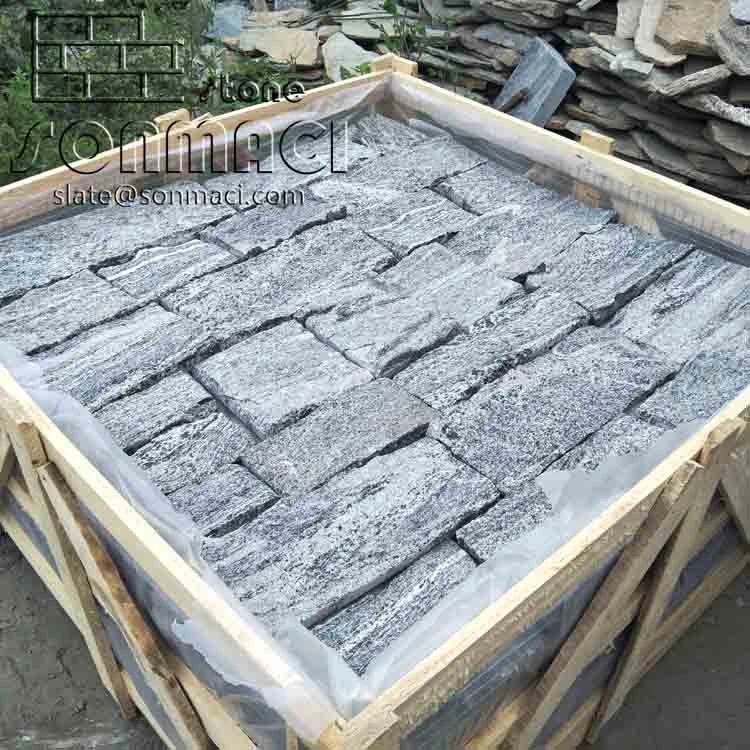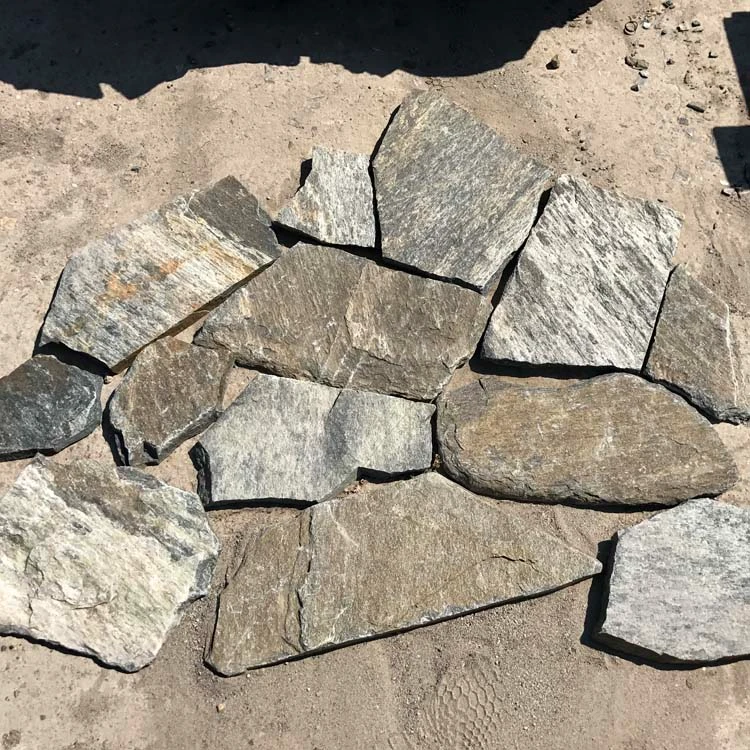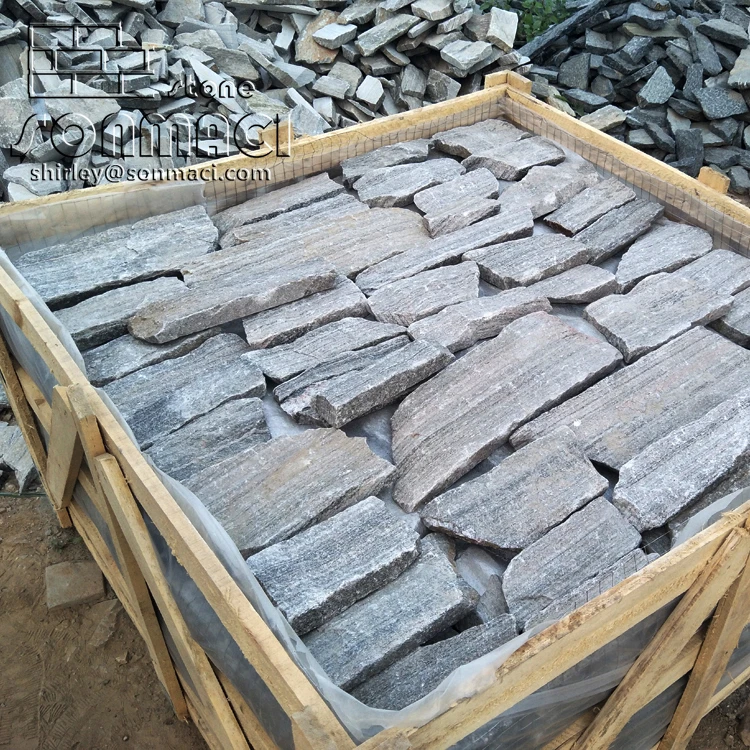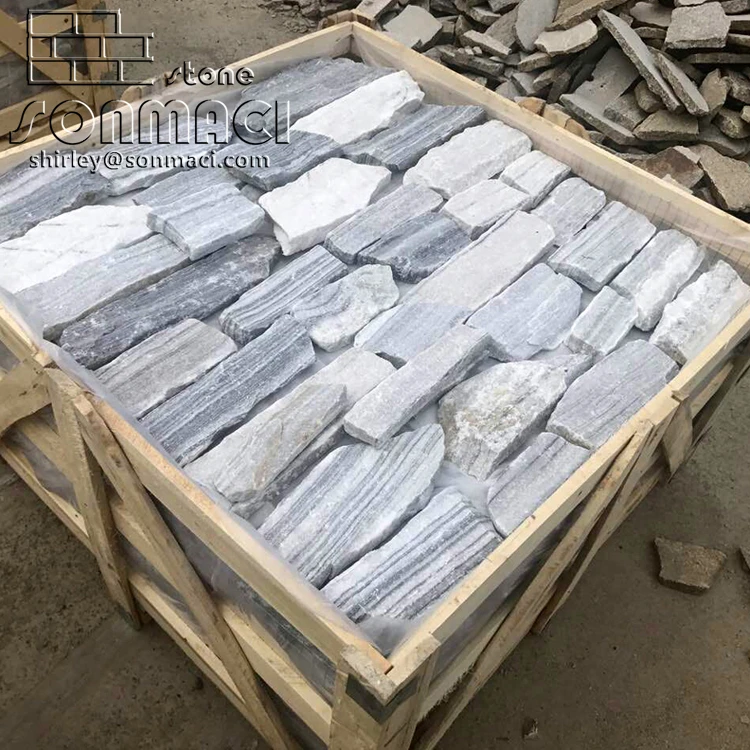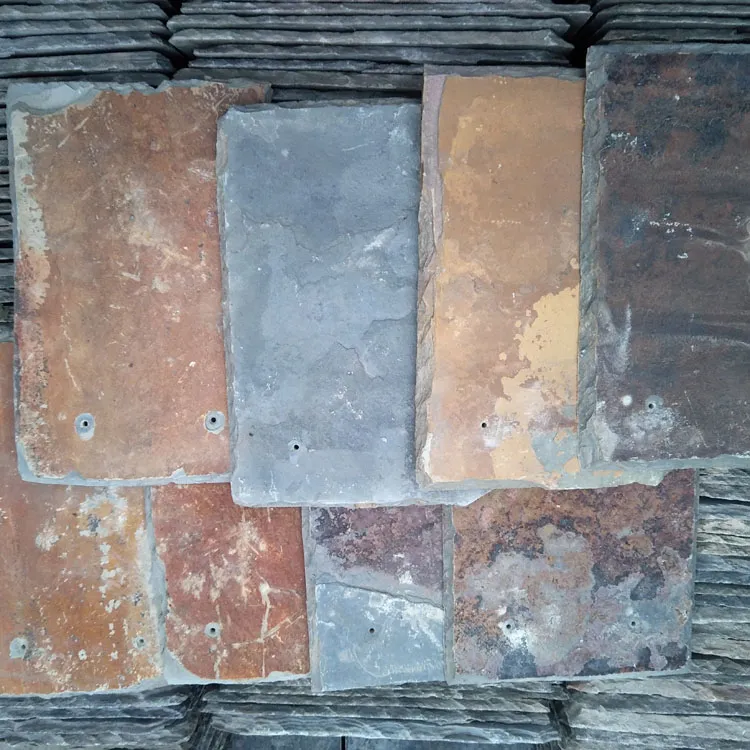
Durable & Sustainable White Limestone Building Stone for Modern Construction
Understanding White Limestone Building Stone: A Global Perspective
White limestone building stone has quietly been a cornerstone of construction traditions worldwide, yet its role is far more crucial now than ever before. Frankly, it’s not just about aesthetics or tradition; this particular natural stone represents sustainability, durability, and a material that fits into the evolving demands of modern construction — especially when urbanization and environmental challenges are accelerating.
Worldwide, the construction industry accounts for a staggering 39% of CO2 emissions (source: UNEP). Choosing materials like white limestone isn't just about beauty or structure; it’s about reducing carbon footprints and improving resource efficiency. In humanitarian and industrial spheres, understanding white limestone’s properties can contribute to better-built environments and even influence economic stability.
Mini takeaway: White limestone building stone is more than a traditional material. It’s a pivotal player in tackling modern construction challenges, blending heritage with sustainability and strength.
Why White Limestone Building Stone Matters Globally
The global building stone market reached around 17 billion USD in 2023, with white limestone commanding a significant share due to its versatility and demand in construction-heavy regions like Europe, the Middle East, and parts of Asia (World Bank data 2023). Yet, there’s a paradox: while demand surges, the extraction and processing must balance environmental concerns, especially concerning quarry restoration and emissions.
A key challenge white limestone addresses is providing an accessible, durable material in places that are resource-constrained or prone to natural disasters. For example, in Mediterranean and Middle Eastern countries, white limestone’s thermal properties assist in reducing heating and cooling needs, making it energy-efficient — an often overlooked but critical point.
What Is White Limestone Building Stone?
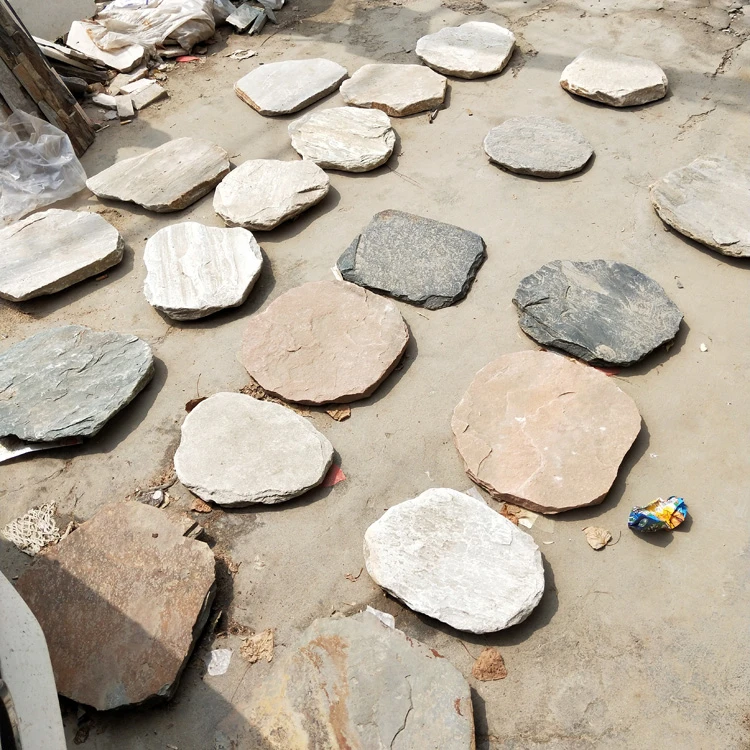
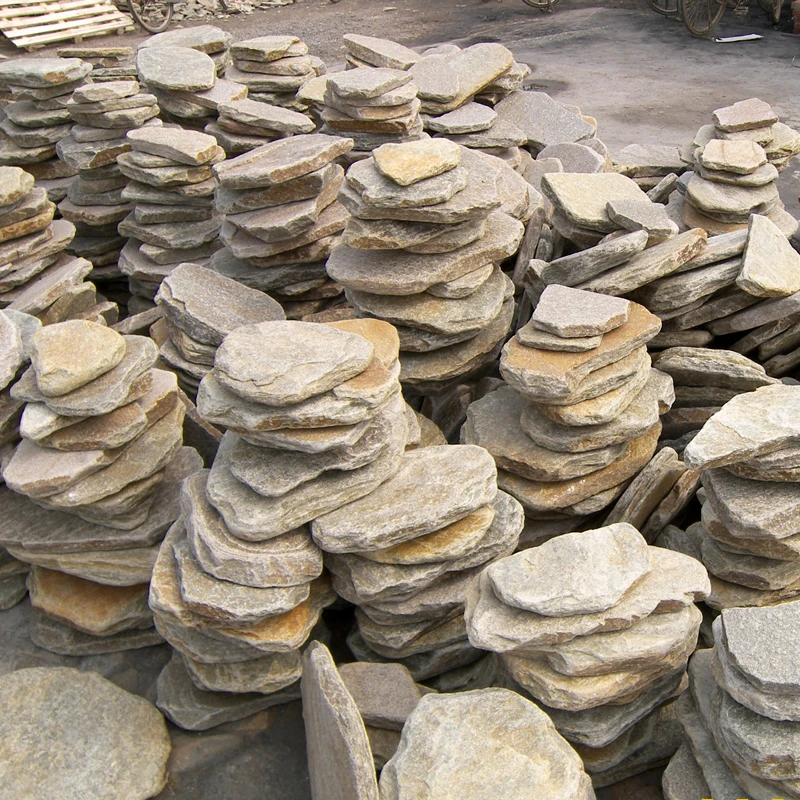
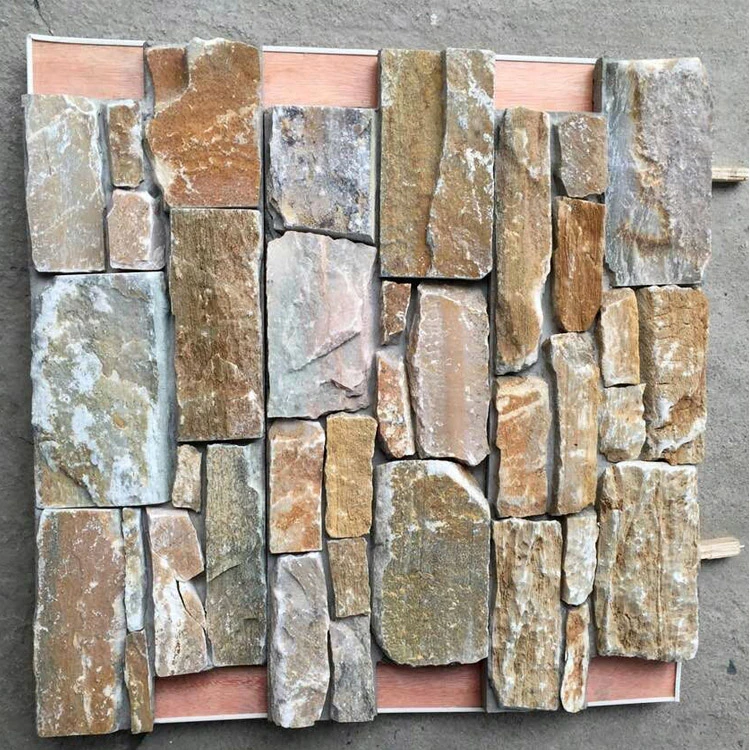
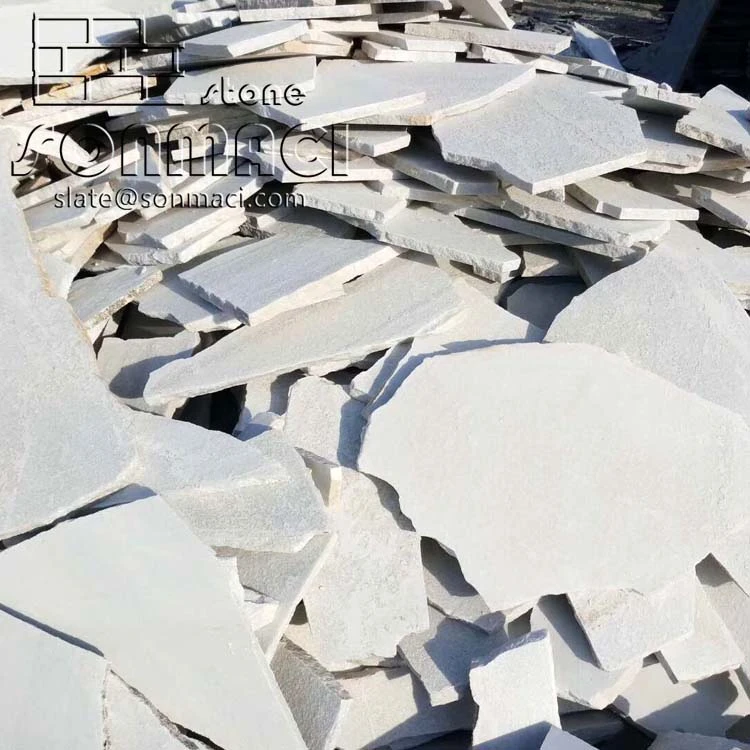
Simply put, white limestone building stone is a sedimentary rock primarily made of calcium carbonate, recognizable by its light, creamy-white hues. It’s prized for being relatively soft yet durable, easy to cut, and remarkably weather-resistant. This balance makes it ideal for everything from historical monuments to modern facade cladding.
Its connection to modern industry isn’t just aesthetic. White limestone often serves as a natural insulation medium and is compliant with many building safety codes worldwide. In humanitarian engineering, it’s used in reconstruction projects aiming to build long-lasting yet respectful-to-the-environment shelters.
Key Properties of White Limestone Building Stone
Durability
White limestone resists weathering, especially in dry climates, which makes it invaluable in arid regions. This longevity means less frequent repairs — an economic plus in developing areas.
Thermal Efficiency
Its light color reflects sunlight, reducing indoor heat gain. Many architects choose it for passive cooling strategies in hot climates, blending traditional wisdom with modern efficiency.
Workability
While strong, white limestone is relatively soft compared to granite, allowing for easy shaping and carving. This duality favors artisans and builders requiring customization without sacrificing strength.
Cost Efficiency
Depending on local availability, white limestone often offers a more cost-effective alternative to marble or synthetic materials — especially when factoring installation and maintenance over time.
Sustainability
Limestone quarrying has environmental implications, but white limestone can be sustainably sourced. Moreover, it is recyclable and has a low embodied energy compared to synthetic alternatives.
Mini takeaway: The unique combination of durability, thermal properties, and cost-efficiency make white limestone building stone an increasingly smart choice for modern construction.
Global Applications & Real-World Use Cases
White limestone building stone holds a wide reach globally, from bustling cities to remote industrial zones. For instance:
- In Greece and Italy, it’s a traditional exterior facade material, maintaining iconic historical aesthetics while meeting modern codes.
- In Middle Eastern countries prone to extreme heat, its use in large public buildings and mosques helps reduce energy consumption.
- Post-disaster relief operations in earthquake-prone regions often choose white limestone for durable shelters because it balances strength and availability.
- Urban development projects in cities like Dubai and Istanbul integrate it into sustainable building designs for a regional yet contemporary look.
These varied applications underscore the adaptability of white limestone. And it’s often selected by NGOs and government bodies looking to balance cultural respect with modern resilience.
Practical Product Specifications At a Glance
| Feature | Typical Value | Notes |
|---|---|---|
| Compressive Strength | 30–70 MPa | Suitable for foundations and cladding |
| Density | 2,300–2,700 kg/m³ | Moderate weight, easy to transport |
| Thermal Conductivity | 1.3–1.7 W/m·K | Effective for thermal insulation strategies |
| Water Absorption | 2–8% | Resistance varies with porosity |
| Color | White to cream shades | Popular in classic and modern designs |
Comparing Leading White Limestone Vendors
| Vendor | Region | Sustainable Sourcing | Product Range | Lead Time | Price Range |
|---|---|---|---|---|---|
| Sonmaci Stone | Turkey | Yes (ISO 14001) | Blocks, tiles, custom cuts | 2-4 weeks | $$ |
| Mediterranean Stones | Greece | Limited certification | Primarily tiles | 3-5 weeks | $$$ |
| Gulf Stone Co. | United Arab Emirates | Yes (Local eco standards) | Blocks & Facade panels | 1-3 weeks | $$$ |
Long-Term Benefits of Using White Limestone Building Stone
Choosing white limestone building stone delivers more than just the bricks and mortar. It’s an investment in reliability, energy efficiency, and cultural resonance. It enhances occupant comfort through natural insulation and durability while contributing to sustainable building practices.
Socially, its use supports local economies in quarrying regions and preserves architectural heritage. Emotionally, it fosters a sense of trust and safety — built on stone, literally. Sure, innovation is speeding forward, but some things, like good stone, remain timeless anchors.
Future Trends and Innovations
Looking ahead, advances in quarrying technology and digital stone-cutting promise to minimize waste and expand customization options. Additionally, integrating white limestone with modern green building certifications like LEED or BREEAM is becoming standard practice.
Moreover, hybrid solutions where white limestone is combined with engineered composites or used in modular building blocks are on the rise, offering even faster build times and improved performance.
Challenges and How Industry Experts Are Addressing Them
Of course, not everything’s rosy. Challenges around environmental impact, quarry degradation, and the energy-intensive transport of heavy stone remain significant.
Experts advocate sourcing stone locally, investing in quarry rehabilitation, and innovating in logistics. Some vendors, including Sonmaci Stone, are pioneering renewable-energy-powered operations and circular economy models.
FAQ: White Limestone Building Stone
- Q: What is the typical lifespan of buildings constructed with white limestone?
- A: Buildings made with quality white limestone can last several centuries if properly maintained. Its natural durability and resistance to weathering make it ideal for both historic monuments and contemporary architecture.
- Q: How eco-friendly is white limestone compared to concrete?
- A: Limestone generally has a lower carbon footprint than concrete, assuming local sourcing and sustainable quarrying. It’s natural, recyclable, and requires less energy for processing than cement production.
- Q: Can white limestone be used in cold or wet climates?
- A: While naturally porous, certain white limestones are treated or sealed to improve water resistance, expanding their usability to colder or wetter climates without degrading quickly.
- Q: How do I ensure ethical sourcing when purchasing white limestone?
- A: Look for vendors with certifications like ISO 14001 or specific environmental impact statements. Many suppliers provide transparency about quarry practices and sustainability initiatives.
- Q: Are there modern alternatives to white limestone for building?
- A: Yes, alternatives include engineered stone, concrete cladding with limestone finishes, or ceramic tiles that mimic the appearance but lack natural stone's benefits. Yet few match limestone’s combination of look and thermal properties.
Conclusion: Why Choose White Limestone Building Stone?
All said, white limestone building stone holds a unique place in construction today. It embodies tradition, embraces sustainability, and aligns with modern performance demands. It’s not just the past made stone—it’s a material that carries communities into the future with dignity and strength.
If you’re looking to build with natural elegance and resilience, consider exploring the offerings at Sonmaci Stone — your trusted partner for quality white limestone building stone.
—
References: