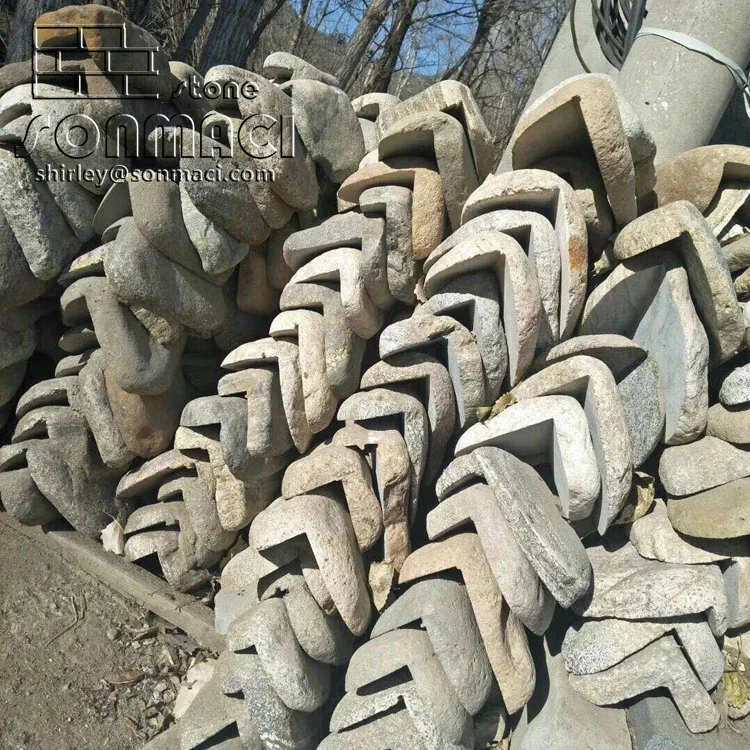
Discover the Strength & Sustainability of White Building Stone for Construction
What Is White Building Stone and Why Should We Care?
White building stone — it might sound like just another construction material, but it actually plays a fascinating and vital role in architecture, infrastructure, and even humanitarian efforts worldwide. At first glance, it’s simply a natural stone with a distinctive white or pale color. Yet, its global importance extends much deeper than aesthetics. From durable urban façades to sustainable construction in disaster-hit zones, white building stone offers a unique blend of beauty, strength, and environmental benefit. Understanding it, and why so many industries rely on it, feels increasingly relevant in a world pushing toward sustainability and resilience.
In this article, we’ll take a laid-back but thorough stroll through what white building stone really means and how it touches our built environments — sometimes subtly but always importantly. You might be surprised at the breadth of its applications and the innovations humming quietly behind the scenes.
White Building Stone: A Global Perspective
Globally, the construction sector absorbs roughly 39% of energy and contributes about 38% of CO2 emissions according to the United Nations Environment Programme (UNEP). Amid this backdrop, the choice of building materials — including white building stone — becomes critical. White stone is not only valued for its natural beauty but also for its efficiency and longevity, which directly impacts carbon footprints and urban heat reflection.
Regions like the Mediterranean, parts of Asia, and the American Southwest have long histories of leveraging natural white stones such as marble, limestone, and quartzite. Today, countries in Europe and North America are innovating with these classic materials through precision cutting and modern fabrication techniques, ensuring minimal waste and optimal durability.
However, challenges persist: sourcing pure white stone sustainably, transporting bulky materials, and matching aesthetic demands with structural requirements don’t exactly make it easy. Still, these stones often address critical needs where alternatives fall short – think earthquake resistance or preserving historical character.
So, What Exactly Is White Building Stone?
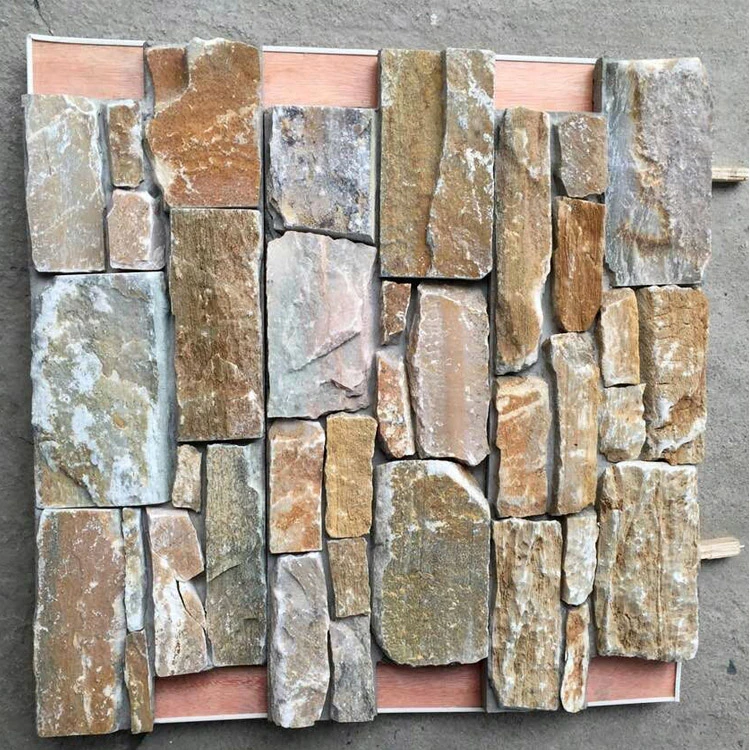
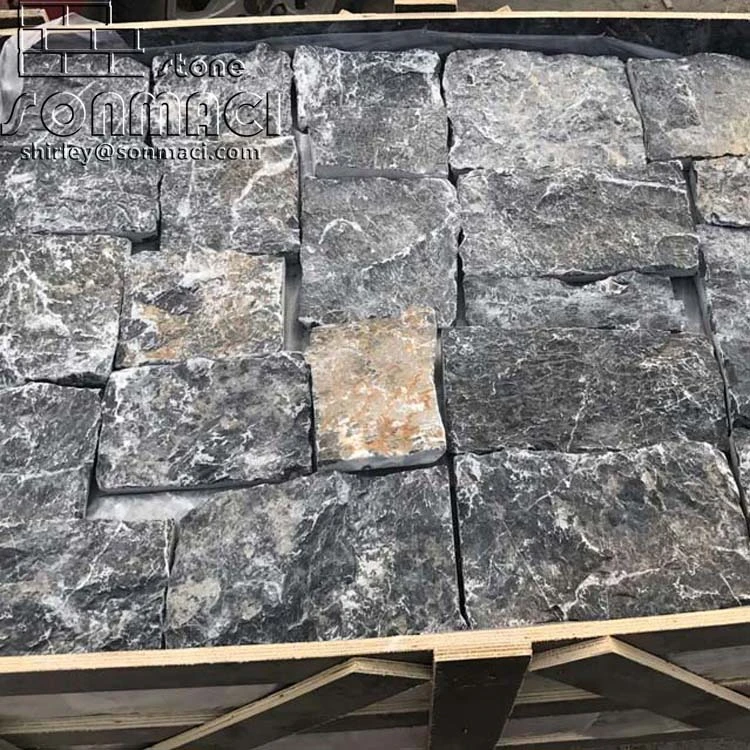
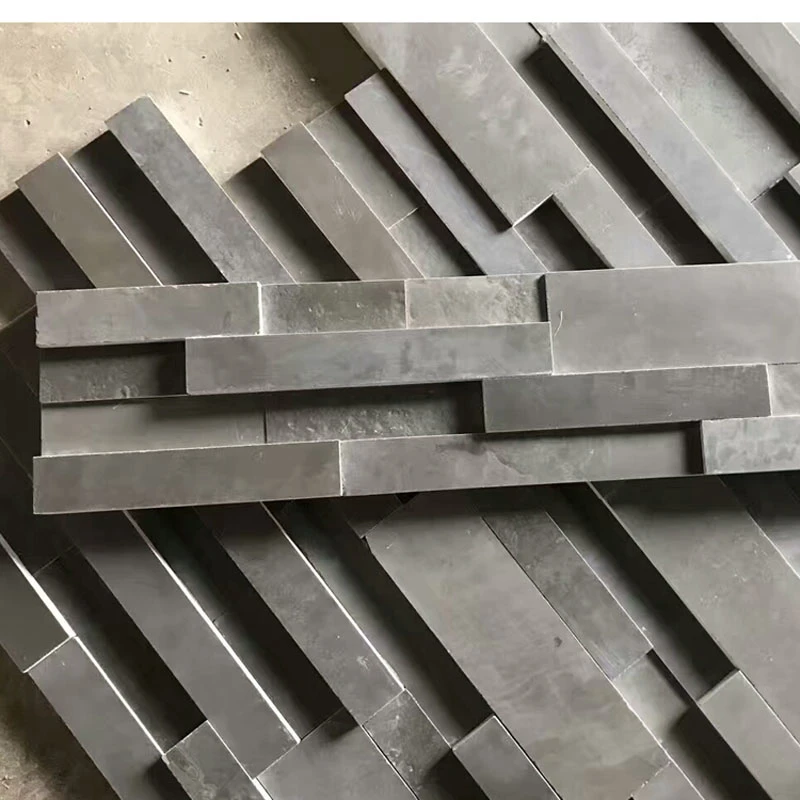
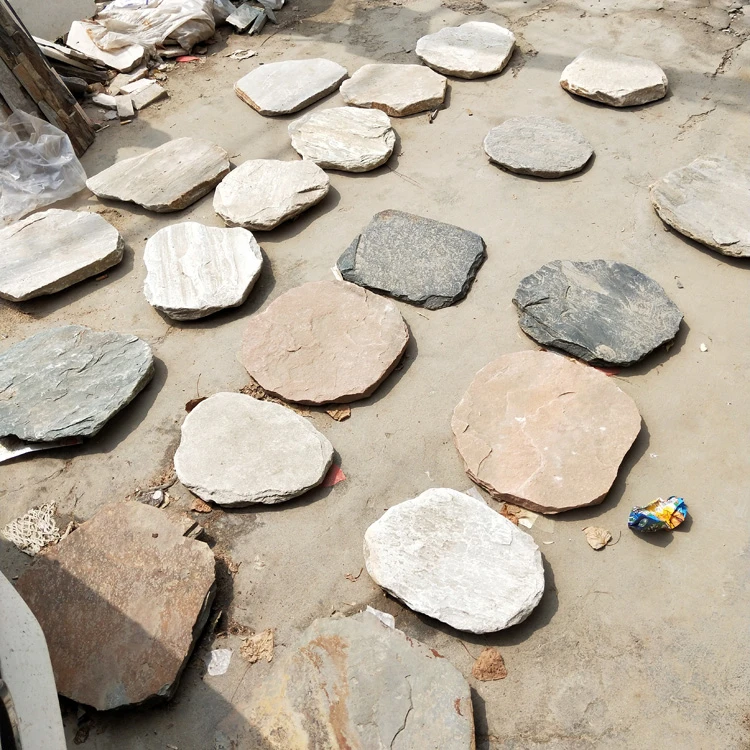
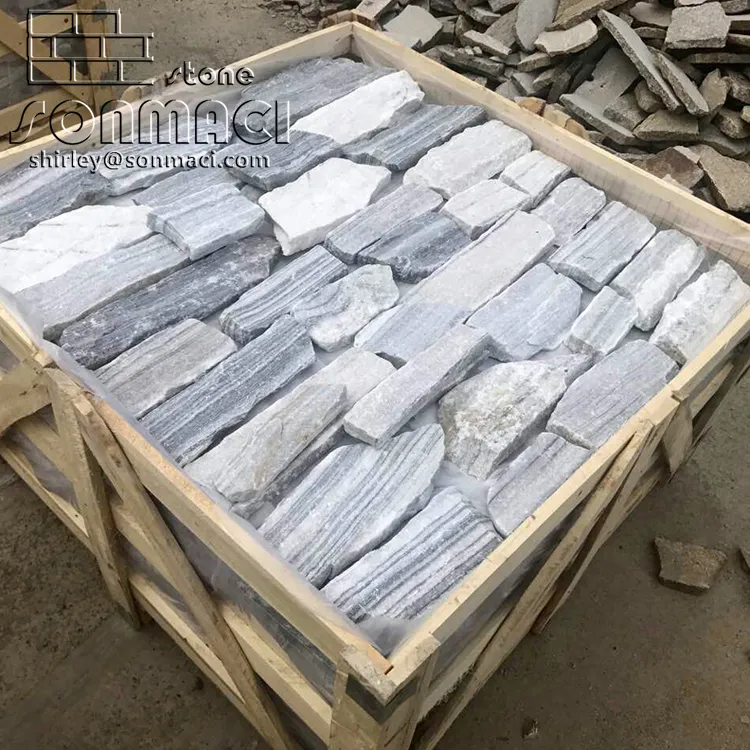
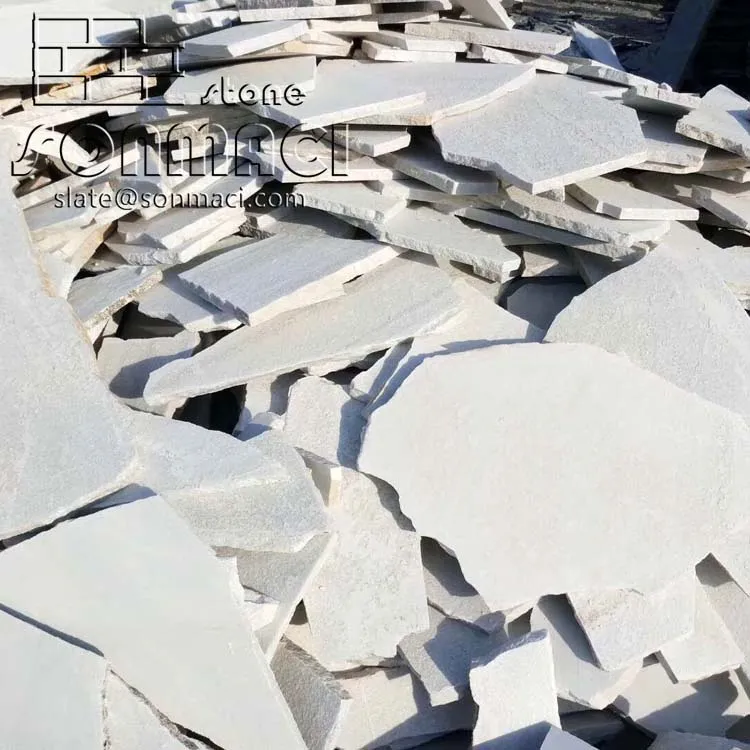
“White building stone” refers broadly to naturally occurring stones with a predominantly white or light hue used in construction or architectural finishes. This category includes types like:
- Marble – renowned for its crystalline beauty and polish
- Limestone – widely used for cladding and facades
- Quartzite – strong, weather-resistant, and often sparkling
- Alabaster – softer, often for interior detailing
Its appeal lies in combining aesthetic brightness with physical attributes such as hardness or porosity. In the modern industry, white building stone often forms part of sustainable construction strategies because these stones generally require less energy-intensive processing than synthetic materials.
On the humanitarian front, their robustness and thermal properties make them good candidates for shelters and public buildings where cost and reliability must align tightly with safety standards.
Key Characteristics of White Building Stone
Durability and Strength
Most white stones like marble and quartzite have excellent durability. They resist weathering, frost, and mechanical wear better than many alternative materials. This longevity reduces maintenance costs and extends building lifespans.
Thermal Performance
White building stones reflect sunlight more effectively than darker materials, helping to keep buildings cooler. This is especially valuable in hot climates or urban heat island zones — it’s an eco-friendly way to reduce energy consumption. Oddly enough, the stone’s natural properties sometimes outperform manufactured coatings tapping into this reflection.
Aesthetic Versatility
From ultra-smooth polished marble to rough-cut limestone, white building stones provide architects a broad palette. Their neutral shades harmonize with diverse styles, while subtle veining or textures inject personality without overpowering.
Cost-Efficiency
Although extraction and transportation can be pricey, white building stones often offset investments via longevity and low upkeep. Plus, the premium finish can increase property value — so it’s a long-term bargain in many contexts.
Sustainability and Environmental Impact
Natural stone is largely recyclable and sometimes locatable from regional quarries, cutting shipping emissions. Compared to synthetic cladding or paints, stones can reduce volatile organic compounds (VOCs) and other pollutants indoors and out.
Global Applications and Real-World Use Cases
White building stones are everywhere — even where you might least expect them.
- Historic Preservation: In Europe and Asia, iconic buildings rely on carefully sourced white limestone or marble to maintain heritage while meeting modern standards.
- Disaster Relief Architecture: NGOs use pre-cut white stone panels for durable, hygienic temporary shelters in earthquake-prone areas like Nepal or Haiti.
- Urban Development: Many green urban projects in Canada and Scandinavia utilize quartzite cladding on public buildings to boost energy efficiency and reduce heat absorption.
- Luxury Commercial Spaces: High-end retail, boutique hotels, and corporate offices often feature white marble interiors to evoke elegance and openness.
On a personal note, I recall visiting a remote industrial zone where designers relied on local white limestone to build worker housing that actually scaled well physically and financially, which was a refreshing break from purely prefab steel boxes.
Typical Product Specifications of White Building Stone
| Property | Marble | Limestone | Quartzite |
|---|---|---|---|
| Density (g/cm³) | 2.6 - 2.7 | 2.3 - 2.7 | 2.6 - 2.8 |
| Compressive Strength (MPa) | 70 - 140 | 30 - 250 | 120 - 200 |
| Water Absorption (%) | 0.1 - 0.4 | 0.5 - 5.0 | 0.2 - 0.6 |
| Thermal Conductivity (W/mK) | 2.0 - 2.7 | 1.3 - 1.7 | 3.0 - 3.5 |
Comparing Leading Vendors of White Building Stone
| Feature | StoneCo Global | Luxe Stone Imports | EcoRock Supplies |
|---|---|---|---|
| Sourcing Regions | Italy, Greece | USA, Brazil | Turkey, India |
| Sustainability Certification | ISO 14001 | None | LEED Compliant |
| Customization Options | Cut-to-size & Polishing | Limited | Cutting & Eco-friendly Finishes |
| Typical Lead Time | 3-6 weeks | 4-8 weeks | 2-4 weeks |
| Price Range | $$$ (Premium) | $$ (Mid-tier) | $ (Budget-friendly) |
Advantages & Long-Term Value of White Building Stone
It’s worth underscoring what makes white building stone a favorite for so many architects and engineers:
- Cost Savings Over Time: Long-lasting stone reduces repair cycles and re-coating expenses.
- Sustainability: Natural resource with relatively low processing footprint supports green building certifications.
- Emotional Appeal: There’s something reassuring about stone walls — a sense of permanence, safety, and dignity that plaster or cladding can’t replicate.
- Investment Value: Buildings clad in marble or quality limestone often command higher market prices.
From the logical side, it’s a smart choice. From the emotional, it resonates — structures built with white stone often feel timeless and trustworthy.
What’s Next? Innovations in White Building Stone
Innovations are quietly reshaping this ancient material’s role in modern construction:
- Digitally Driven Fabrication: CNC machines now carve astonishingly precise panels — minimal waste, maximal design freedom.
- Green Quarrying Practices: Water recycling and biodiversity programs are minimizing environmental impacts during extraction.
- Composite Technologies: Stone veneers bonded with sustainable substrates reduce weight and improve transport efficiency.
- Thermally Enhanced Stone: Research into coatings and treatments that bolster thermal resistance while maintaining natural appearance.
As building codes tighten and sustainability becomes non-negotiable, the stone industry is rushing — at a measured pace — to innovate thoughtfully.
Challenges & Solutions in Using White Building Stone
Of course, nothing’s perfect.
- Cost and Logistics: Transporting heavy stone adds cost and carbon emissions. Local sourcing and lighter composites help.
- Porosity and Weathering: Some white stones absorb moisture or stain easily. Sealants and engineered finishes mitigate this.
- Consistency: Natural variation can make matching colors tricky for large projects. Vendor partnerships and digital matching ease this pain.
Industry experts often say a combined approach — using stone where it makes the most impact and supplementing with complementary materials elsewhere — delivers the best balance.
FAQ: Common Questions About White Building Stone
- 1. How durable is white building stone in extreme weather conditions?
- Generally, white building stones like quartzite and certain limestones withstand freeze-thaw cycles and heat well, especially when properly sealed. Marble can be more sensitive to acid rain but still offers decades of performance under typical conditions.
- 2. Is white building stone eco-friendly compared to concrete or synthetic cladding?
- Yes, primarily because it requires less energy to produce, emits fewer VOCs, and is recyclable. That said, transportation and quarrying practices impact its overall footprint. Choosing local or certified sustainable stone improves eco credentials.
- 3. Can white building stone be customized for unique architectural designs?
- Absolutely. Modern cutting and polishing technologies allow for bespoke sizes, shapes, surface textures, and finishes. This adaptability is a big reason designers love working with it.
- 4. Are there applications of white building stone in disaster relief or temporary housing?
- Yes, NGOs and aid organizations often use prefab white stone panels for quick deployment shelters because of their durability, fire resistance, and hygienic surfaces.
- 5. How can buyers ensure the stone's quality and sustainability?
- Look for suppliers with recognized certifications (e.g., ISO 14001, LEED compliance) and ask about quarrying methods, fabrication processes, and environmental impact documentation.
Wrapping It Up: Why White Building Stone Matters
In the end, white building stone represents more than just a pretty façade or luxury interior. It’s a material rooted deeply in history and increasingly vital to our sustainable and resilient futures. It balances cost, beauty, durability, and environmental responsibility in a way very few building materials can match. Whether you’re an architect, builder, or a curious enthusiast, considering the use of white building stone could well be the start of something durable and meaningful.
If you want to explore trusted sources of premium white stone or get technical insights tailored to your next project, don’t hesitate to visit our website. It might just be the foundation your vision needs.