Comprehensive Guide to Walls With Stones: Benefits, Uses, and Trends
What’s All the Fuss About Walls with Stones?
When you hear “wall with stones,” you might picture rugged medieval castles or charming garden fences, but there’s far more to it—especially in modern construction and infrastructure. From stabilizing slopes in remote mountainous regions to creating durable façades that withstand decades, stone walls hold a surprisingly vital place globally. And as sustainable building practices rise in importance, understanding how a wall with stones performs and why it matters may just change how planners and builders think about longevity, resilience, and design.
Global Context: Why Stone Walls Still Matter in Today’s World
The United Nations estimates that over 55% of the world’s population lives in urban settlements, a figure expected to rise to nearly 70% by 2050 (UN World Urbanization Prospects, 2018). As cities sprawl and climate conditions become more extreme, infrastructure needs to be reliable, locally sourced, and sustainable. Here’s where walls with stones come back into sharp focus.
Stone walls have been part of human habitation for thousands of years, but modern engineering leverages this ancient technique in new ways. Often, they address challenges in regions prone to erosion, flooding, or seismic activity. For example, in mountainous agricultural regions or fragile coastal zones, walls made with durable stones help preserve land, protect infrastructure, and provide community safety — all while reducing carbon footprints compared to concrete or steel alternatives.
Mini takeaway:
Stone walls aren’t old news; they’re part of a global toolkit for sustainable, resilient infrastructure amid rapid urban growth and environmental challenges.
Defining “Wall with Stones” in Practical Terms
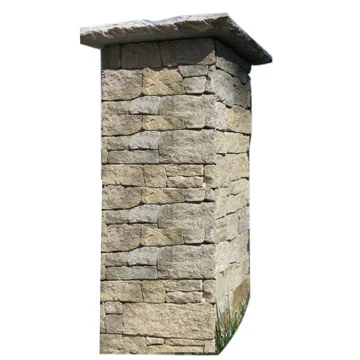
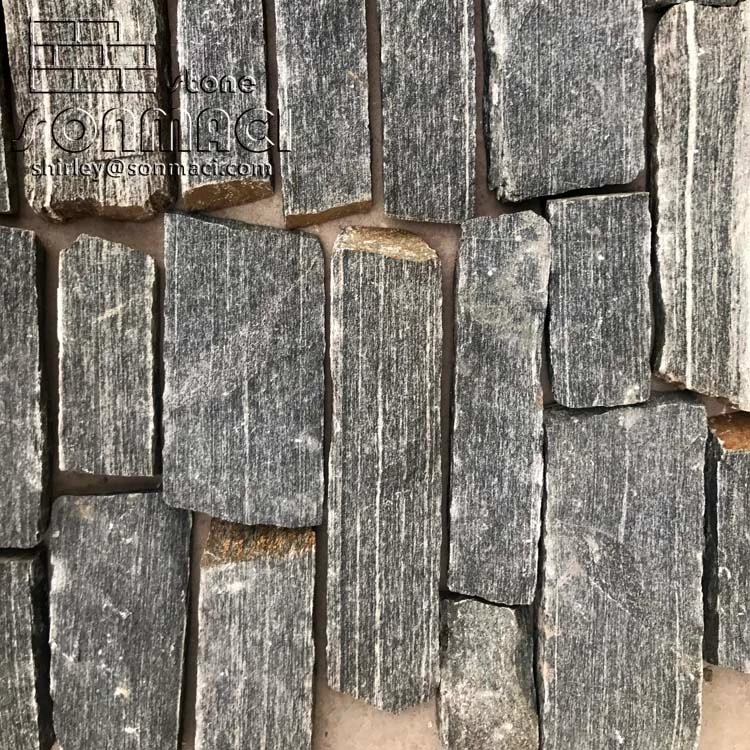
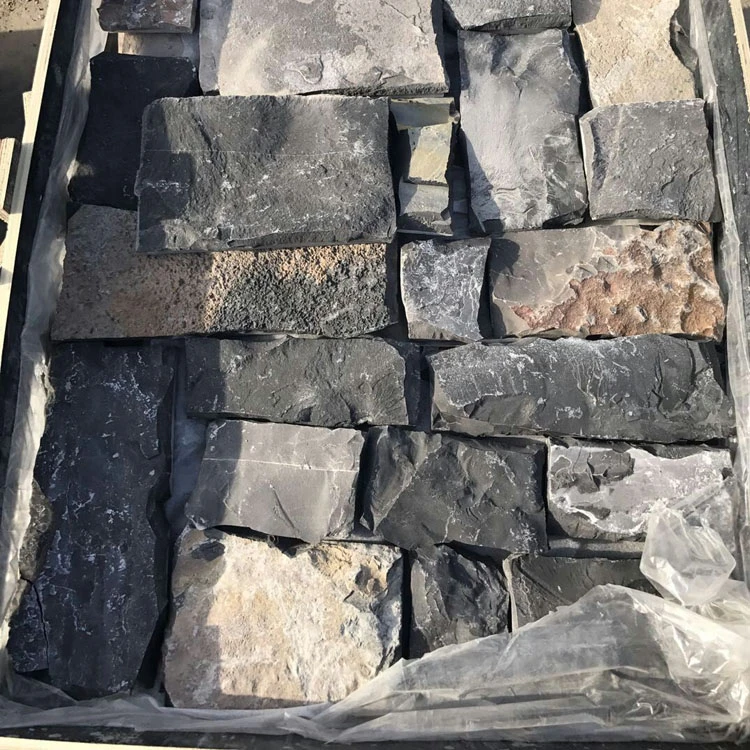
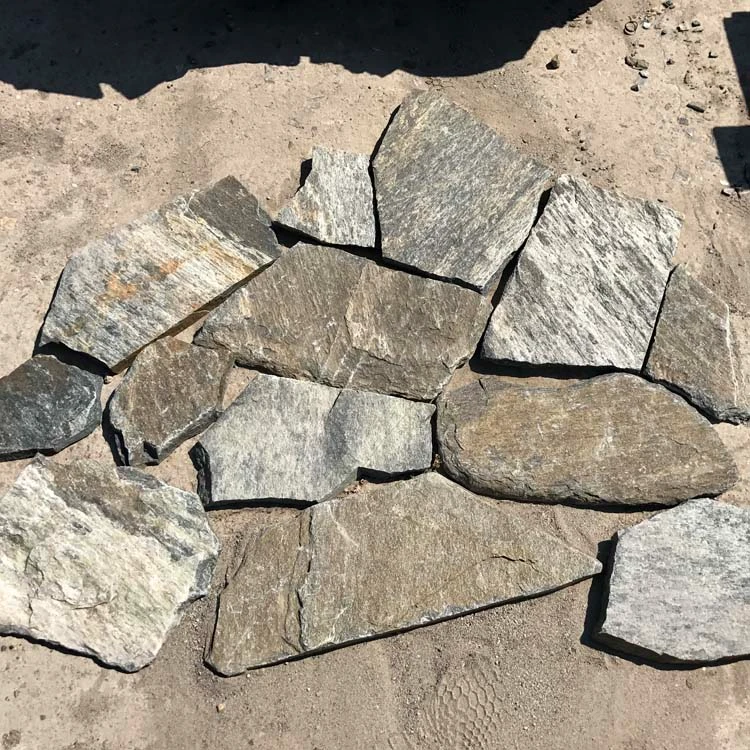
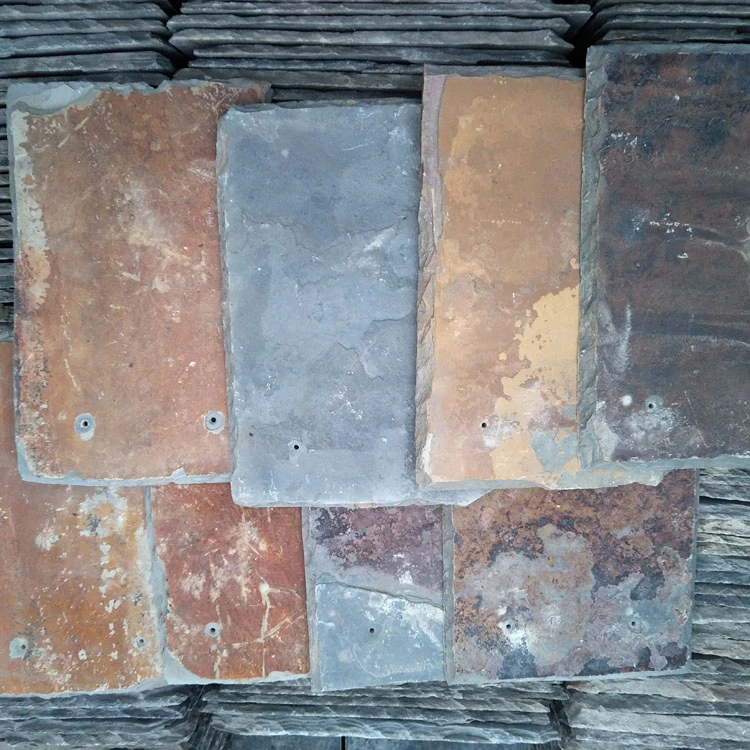
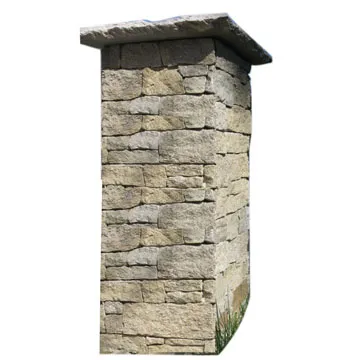
Simply put, a wall with stones is a structure built by placing stones together—either dry-stacked or mortared—to form barriers, retaining walls, fencing, or even building facades. Unlike purely decorative stone cladding, these walls serve structural and protective roles. They combine natural material strength with smart design principles, blending tradition with modern technology.
In humanitarian projects or industrial zones where material availability is critical, these walls often provide affordable yet robust solutions. For instance, in earthquake-prone areas, flexible dry stone walls can absorb shocks better than rigid concrete. Meanwhile, mortared stone walls are prized for urban landscaping and heritage restoration.
Mini takeaway:
A wall with stones is more than rocks piled up. It’s a versatile, time-tested construction method reinvented for today’s needs.
Key Components That Make Stone Walls Work
Durability & Longevity
Stones, when assembled correctly, can last centuries. Many engineers cite their unbeatable resistance to weather, pests, and fire. Mortar adds strength, but even dry stone walls shift slightly with natural movement, often making them surprisingly resilient in unstable terrain.
Material Sourcing & Sustainability
One big plus is local availability. Using regionally sourced stones reduces transportation emissions and costs. Plus, stone is recyclable — a torn-down wall’s components can go straight into new construction or landscaping.
Cost Efficiency
While stone walls may look labor-intensive, savvy builders often find the long-term savings on maintenance and replacement offset initial efforts. Some regions can use community labor, encouraging social cohesion and cutting costs even further.
Design Flexibility & Aesthetics
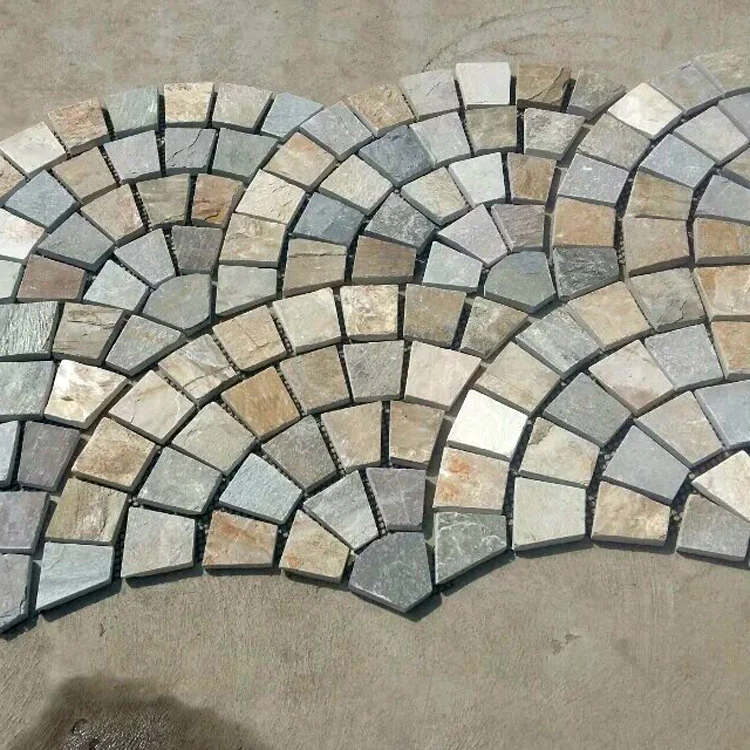
From rugged retaining walls to elegant garden boundaries, stone walls come in many styles. They can incorporate rough boulders or finely cut stonework, paired with mortar or dry-lay techniques according to design demands.
Structural Integrity & Safety
Properly engineered stone walls can resist heavy loads and environmental stresses. This is why civil engineers still incorporate them in slopes and road constructions worldwide.
Mini takeaway:
- Stone walls excel in durability and sustainability, adapting well to site-specific needs.
- Maintenance savings often balance the upfront investment.
- From rural to urban settings, design flexibility is a real advantage.
Real-World Applications Around the Globe
You’d be surprised how many sectors still swear by stone walls. Here’s a quick sampling:
- Post-Disaster Relief: In earthquake-affected Nepal and parts of Italy, dry stone walls have been rebuilt or reinforced to provide earthquake-resistant barriers and home foundations.
- Agricultural Terracing: In countries like Peru and Ethiopia, stone walls help conserve soil and water in mountain farming regions.
- Industrial Zones: Remote mining sites often use stone retaining walls to stabilize foundations without heavy equipment.
- Urban Restoration: European cities treasure their stone façades and heritage walls, combining modern mortar techniques with centuries-old stones for preservation.
A customer story:
One rural community in Scotland I read about switched to building with local granite stones after repeated failures of timber fencing. Not only did the walls dramatically reduce livestock escapes, but they became a valued village landmark — blending utility with pride.
Mini takeaway:
Stone walls serve diverse roles worldwide — from emergency responses to historic conservation — proving their timeless adaptability.
Advantages & Long-Term Value of Walls with Stones
There’s more than one way to measure value here. On the surface, stone walls are about cost savings and durability, but they bring deeper rewards:
- Environmental Impact: Lower carbon footprint versus steel or concrete walls.
- Social Impact: Community involvement in construction fosters ownership and pride.
- Reliability: Resistant to pests, fire, and weather fluctuations.
- Emotional Value: Their historic and natural charm often boost property appeal and well-being.
Frankly, it feels like a solution that balances the hard facts of engineering with the softer elements of aesthetics and culture — which, odd as it sounds, is exactly what many urban planners crave these days.
Stone Walls in the Future: Trends and Innovations
It’s easy to think stone walls are “old school,” but innovation is bubbling beneath the surface:
- Green Materials: Eco-friendly mortars reducing chemical emissions.
- Digital Assessments: Laser scanning and modeling to optimize stone placement and structural stability.
- Modular Stone Blocks: Factory-cut stones with precise interlocking designs making assembly faster.
- Hybrid Walls: Stone walls combined with solar panels or green walls to maximize energy efficiency and space.
Challenges & Expert Solutions
Of course, walls with stones aren’t perfect. Common hurdles include:
- Labor Intensity: Skilled masonry can be costly or scarce.
- Material Inconsistency: Natural stone sizes and shapes vary, making standardization tricky.
- Moisture Penetration: Poor drainage can lead to wall degradation.
Experts recommend training programs for local masons, using local quarries with quality control, and integrating modern drainage techniques to tackle these problems efficiently.
Frequently Asked Questions About Wall with Stones
- Q: How long can a well-built stone wall last?
- A: With proper construction and maintenance, stone walls can last several centuries. Dry stone walls, in particular, have proven durability due to their flexible nature, which handles environmental stresses well.
- Q: Are stone walls more eco-friendly than concrete walls?
- A: Generally, yes. Stone requires less manufacturing energy and can be sourced locally, reducing transportation emissions. Additionally, stone is reusable, which cuts down on waste.
- Q: Can stone walls be built in earthquake-prone regions?
- A: Yes. Dry stone walls can perform well during seismic events due to their ability to flex. Mortared walls can also be reinforced with modern techniques for added safety.
- Q: What maintenance do stone walls require?
- Periodic inspections for displaced stones or mortar damage are usually sufficient. Proper drainage and vegetation control help prevent degradation.
Specification Table: Typical Stone Wall Construction
| Specification | Details |
|---|---|
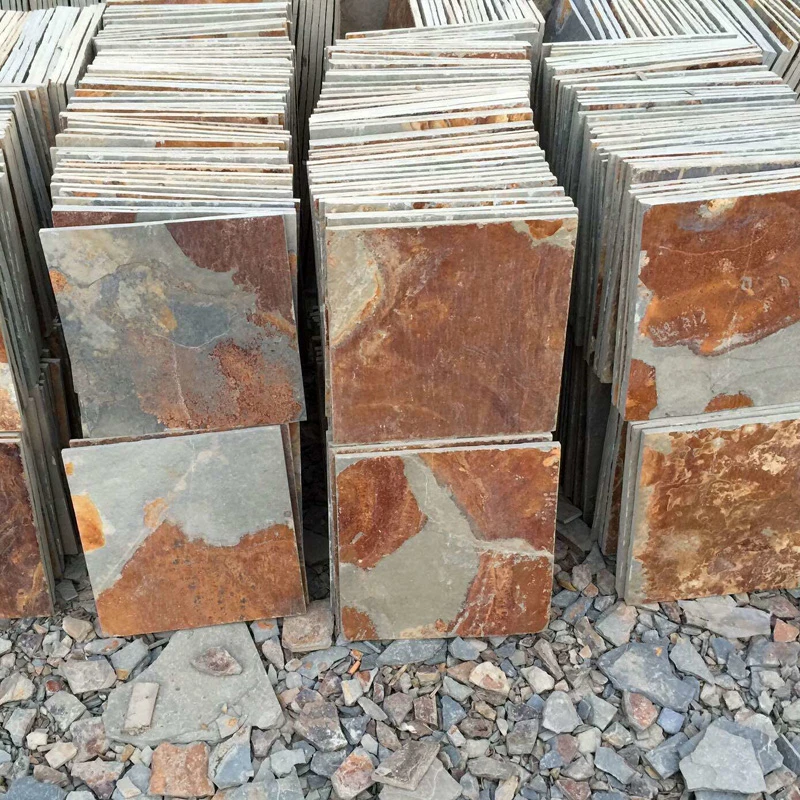
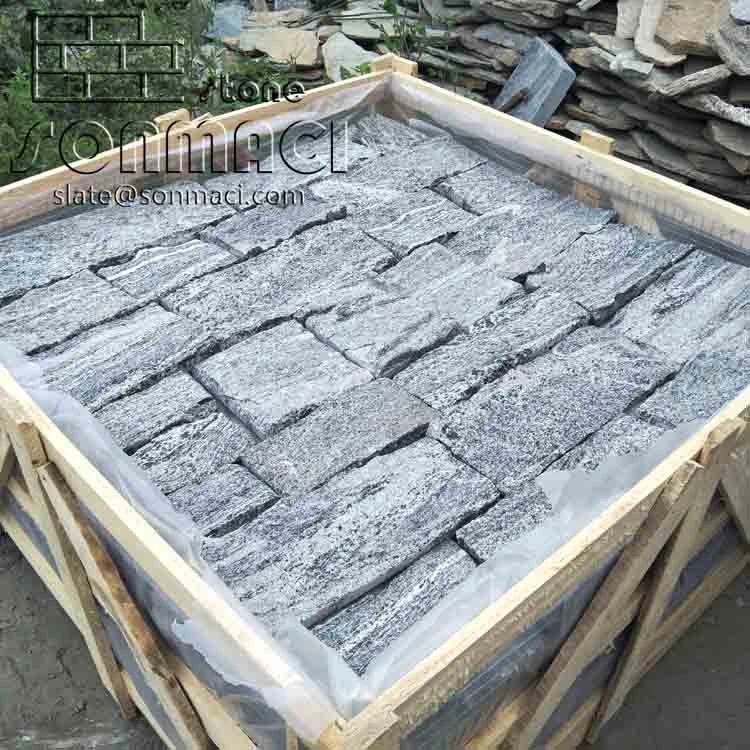
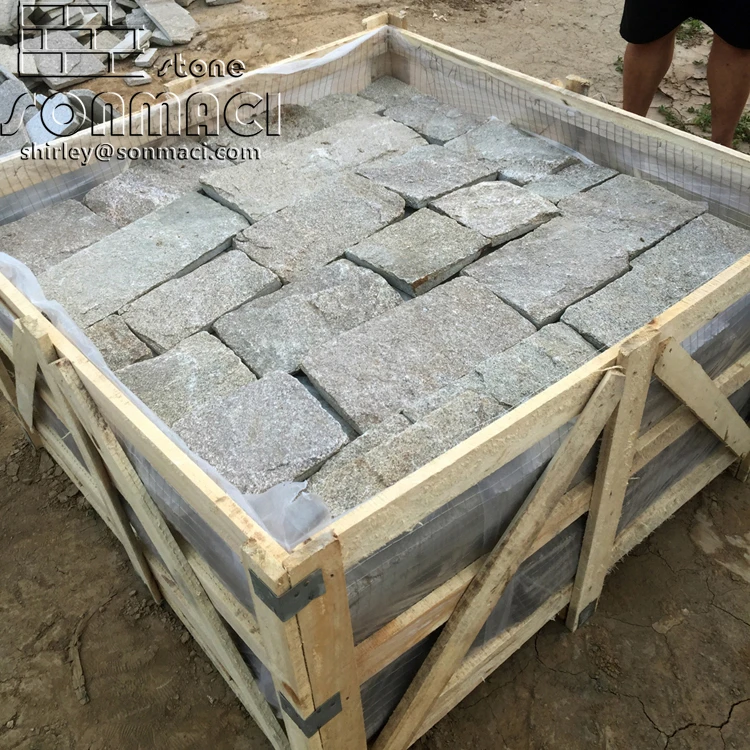
| Stone Type | Granite, limestone, sandstone (local availability) |
| Wall Height | Up to 2.5 meters (retaining walls) |
| Wall Thickness | 0.3 - 0.6 meters |
| Mortar Usage | Dry stack or cement-lime-sand mix |
| Expected Lifespan | 50-300+ years with maintenance |
Vendor Comparison: Stone Wall Solutions
| Vendor | Location | Specialty | Turnaround | Eco Practices |
|---|---|---|---|---|
| StoneCraft Ltd. | USA | Custom cut granite walls | 4-6 weeks | Uses recycled materials |
| Alpine Stones | Switzerland | Dry stone wall experts | 6-8 weeks | Certified sustainable quarrying |
| EcoWall Builders | India | Affordable mortared walls | 3-5 weeks | Low-energy processes |
Wrapping It Up: Why Walls with Stones Deserve Your Attention
When it comes down to it, walls with stones offer a beautiful paradox: ancient technology powering 21st-century challenges. They mix resilience with sustainability, craft with engineering, and history with innovation. If you’re pondering durable, eco-friendly, and cost-effective construction or restoration, these walls certainly warrant a second look.
So next time you’re browsing solutions, consider that robust, adaptable stone wall — and if you want to dive deeper, why not visit our site for expert insights and product options?