Discover the Enduring Charm and Sustainability of Architectural Stone
The Quiet Power of Architectural Stone in Modern Construction
When you stop and look around at the buildings that shape our cities, the homes we retreat to, or the memorials that capture our history, architectural stone is often the silent hero. It’s been centuries, yet this material continues to hold a vital place in construction worldwide—not just for aesthetics but for its tangible benefits in strength, sustainability, and cultural significance.
Oddly enough, despite its age-old reputation, architectural stone has never felt more relevant. With global urbanization rising and climate concerns mounting, the demand for durable, eco-friendly, and timeless building materials is stronger than ever. Grasping what architectural stone offers is key for engineers, architects, and planners navigating these evolving challenges.
Why Architectural Stone Still Matters in a World of High-Tech Materials
According to the United Nations, by 2050, nearly 70% of the global population will reside in urban areas (1). This mass migration fuels an urgent need for buildings that last and adapt well to various climates without compromising environmental standards. That’s where architectural stone steps in.
Yet, the industry faces a dilemma: balancing cost-efficient mass production and achieving design sustainability. Stone, as a natural resource, directly addresses this by offering longevity, minimal processing requirements, and wide availability. However, poor sourcing or inappropriate use can create supply problems or environmental issues. So, the conversation about architectural stone is not just about beauty—it's about responsible, resilient construction that serves communities across the globe.
What Is Architectural Stone? Unpacking Its Role
Simply put, architectural stone is any naturally occurring rock material specifically chosen and crafted for building construction and decorative purposes. Unlike quarried stone used solely for aggregate or industrial processes, architectural stone is about appearance, performance, and lasting quality.
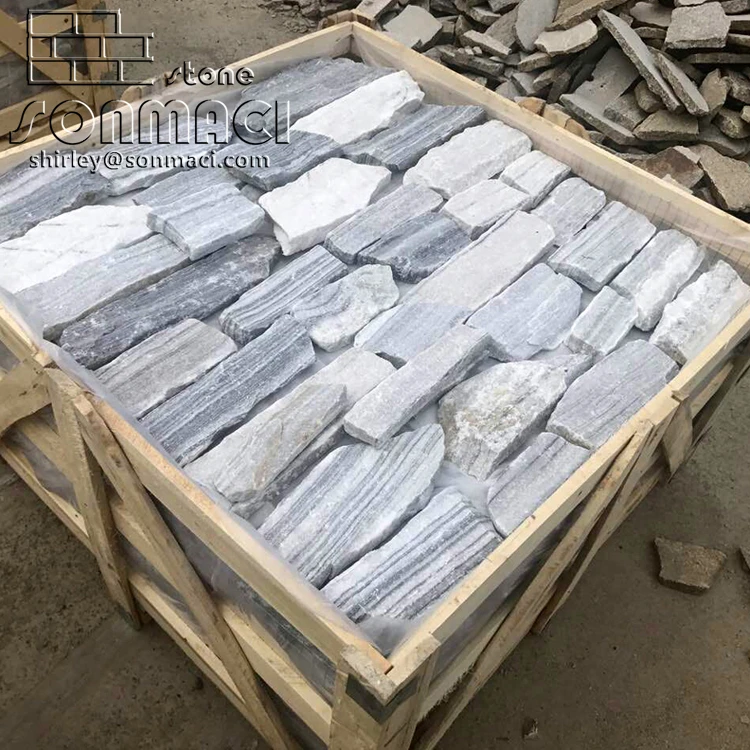
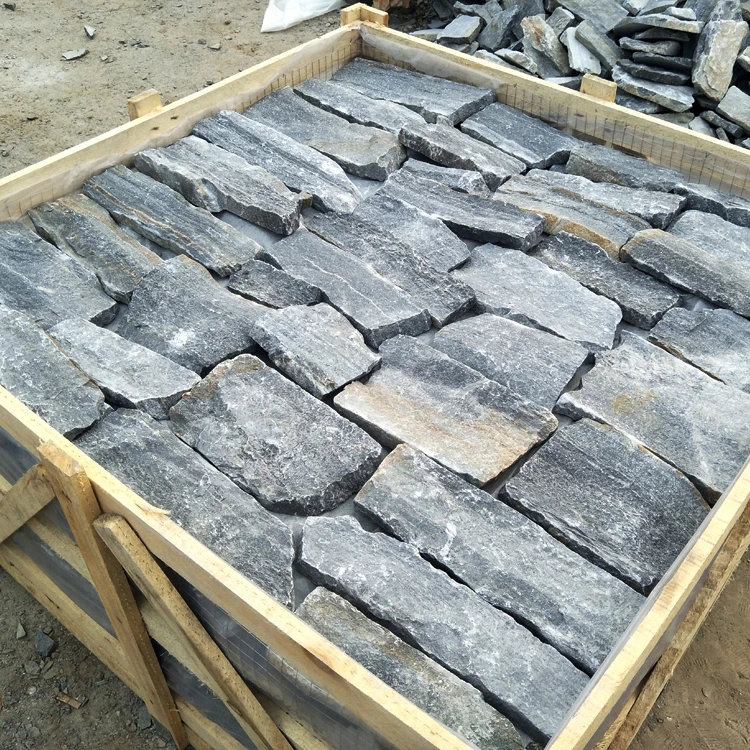
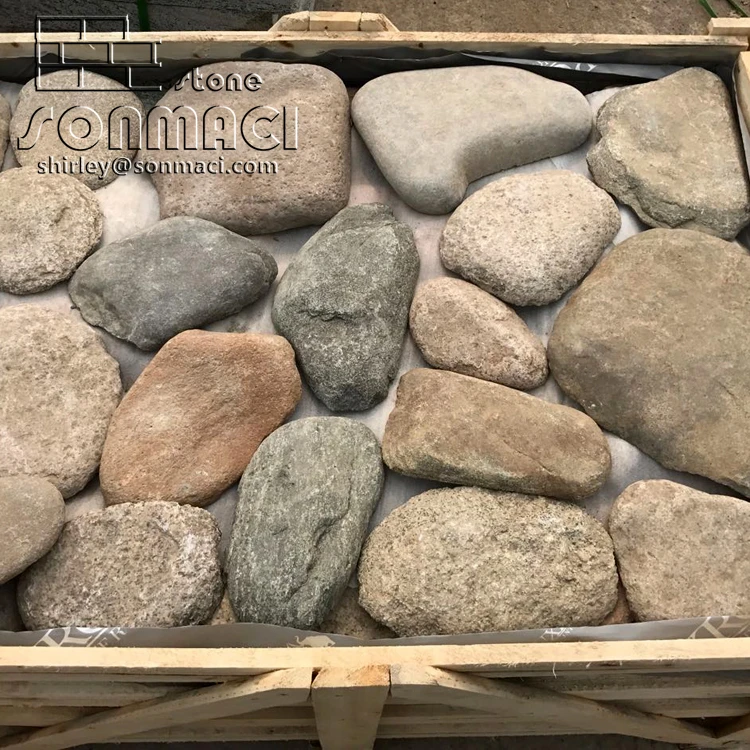
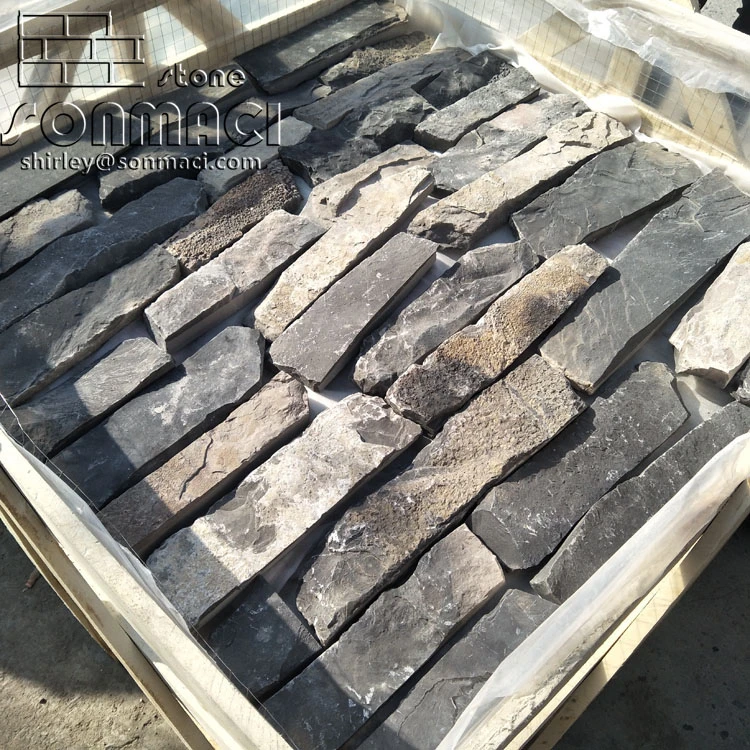
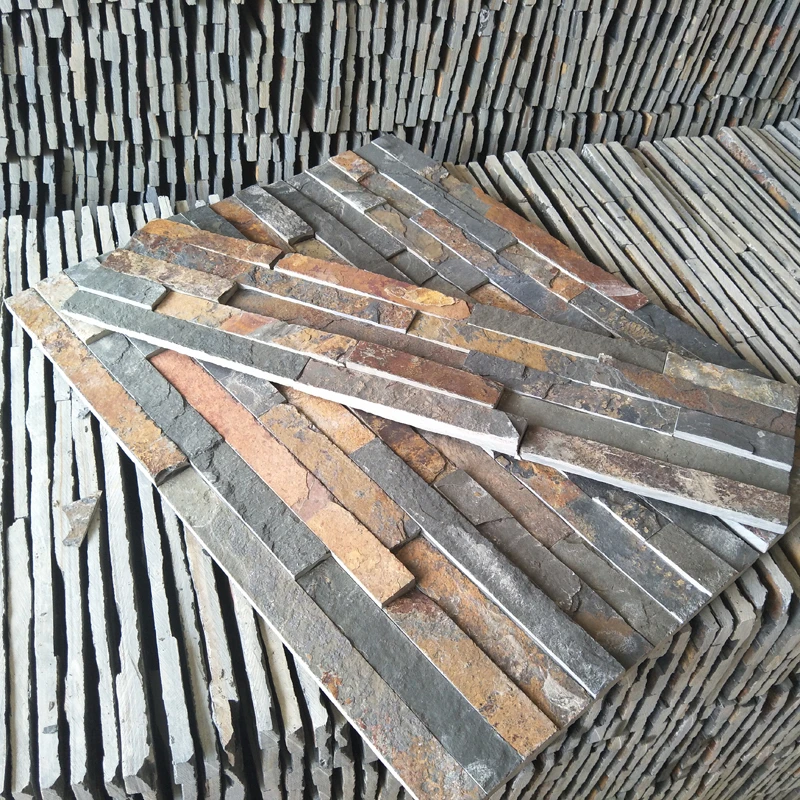
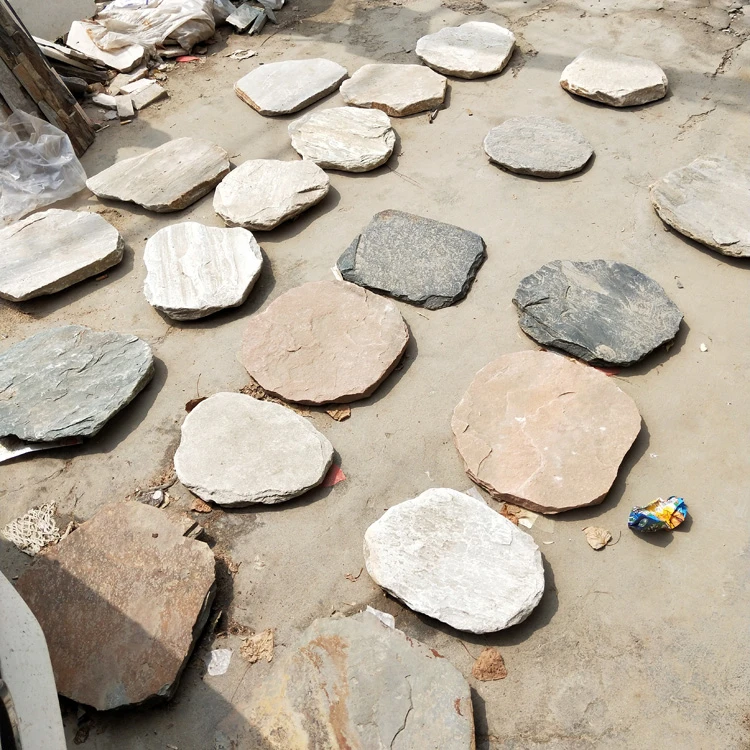
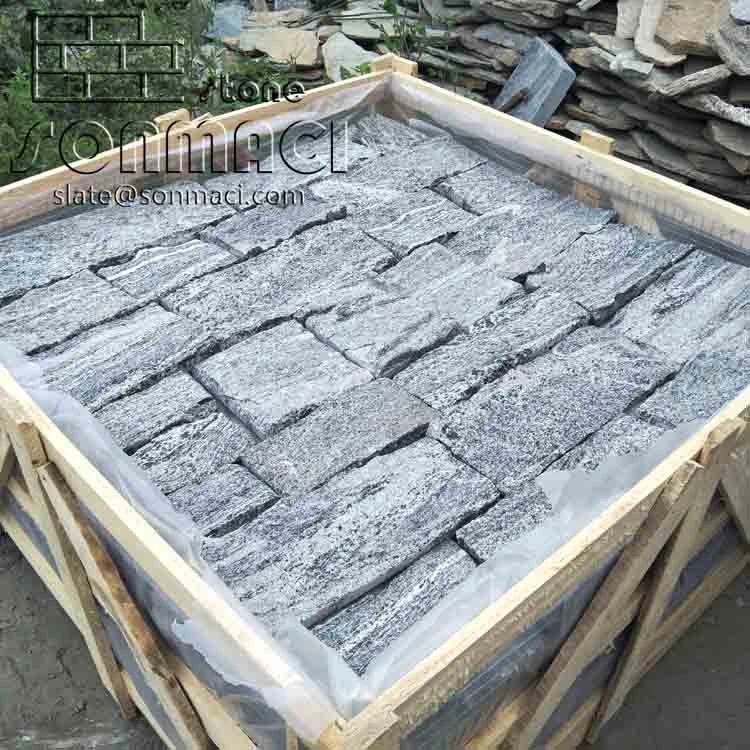
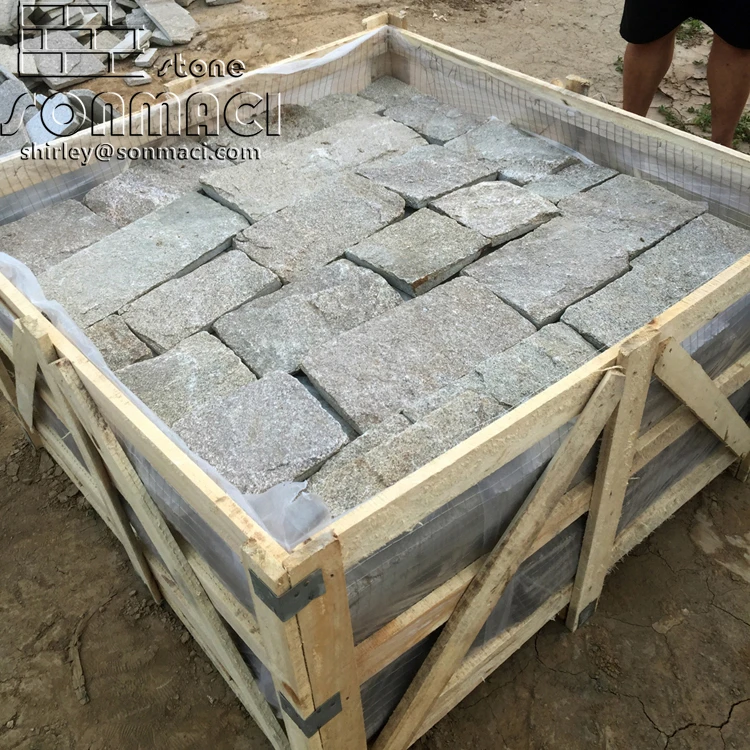
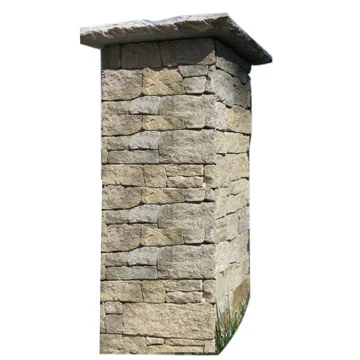
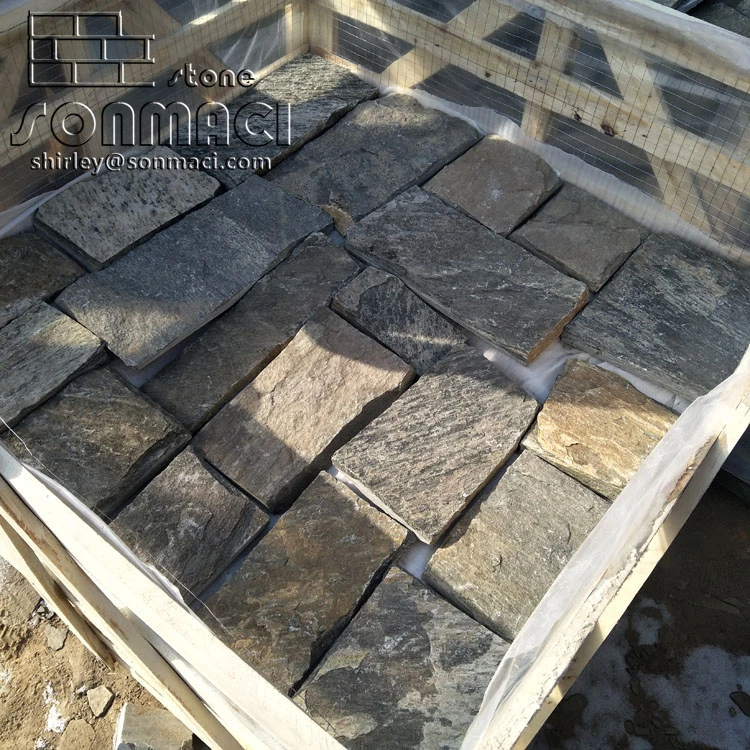
This term broadly covers materials like granite, limestone, marble, and sandstone, often cut precisely to add tactile and visual appeal to walls, floors, facades, monuments, and even landscape elements. It links industry tradition with modern humanitarian needs, particularly where structures must endure harsh climates or carry cultural symbolism.
Mini Takeaway:
Architectural stone blends natural beauty with structural resilience, making it a cornerstone of both heritage and future-ready construction.
Key Factors Behind Architectural Stone’s Enduring Popularity
1. Durability: Built to Last
One might say there’s no competitor to stone when it comes to resisting weather, fire, and wear. Many engineers highlight architectural stone's ability to maintain integrity for centuries with minimal maintenance, a feature especially prized in public infrastructure.
2. Environmental Sustainability
Stone requires less energy to extract and process compared to synthetic materials like concrete or steel. Plus, it’s recyclable and locally sourced in many cases—cutting down on transportation carbon footprints.
ISO 14040 standards emphasize the importance of lifecycle analyses, which often point favorably toward stone in terms of sustainability (2).
3. Aesthetic Versatility
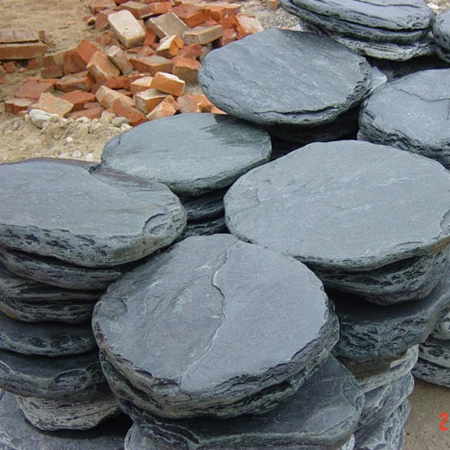
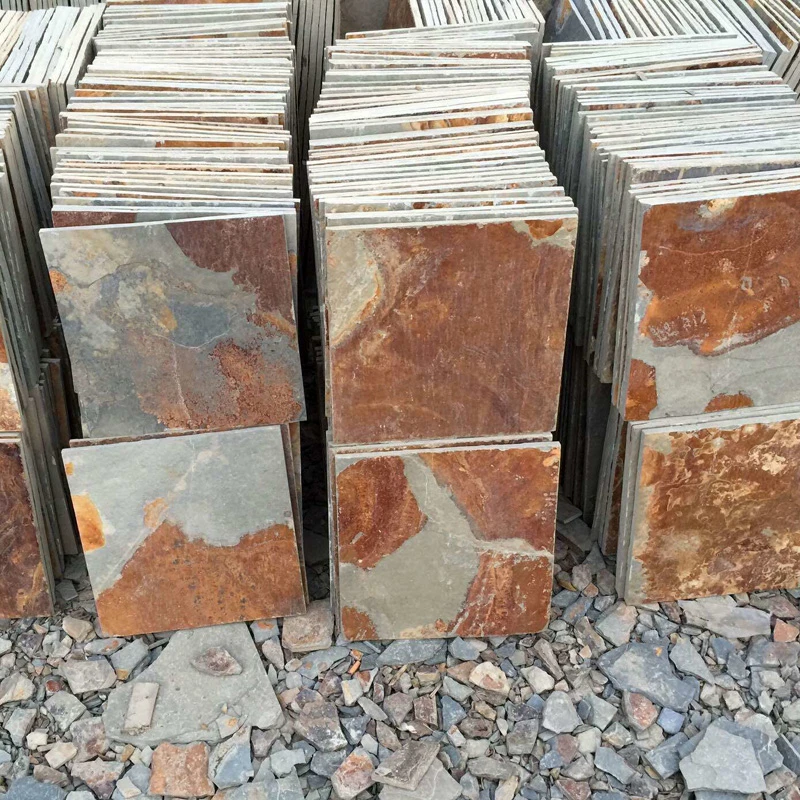
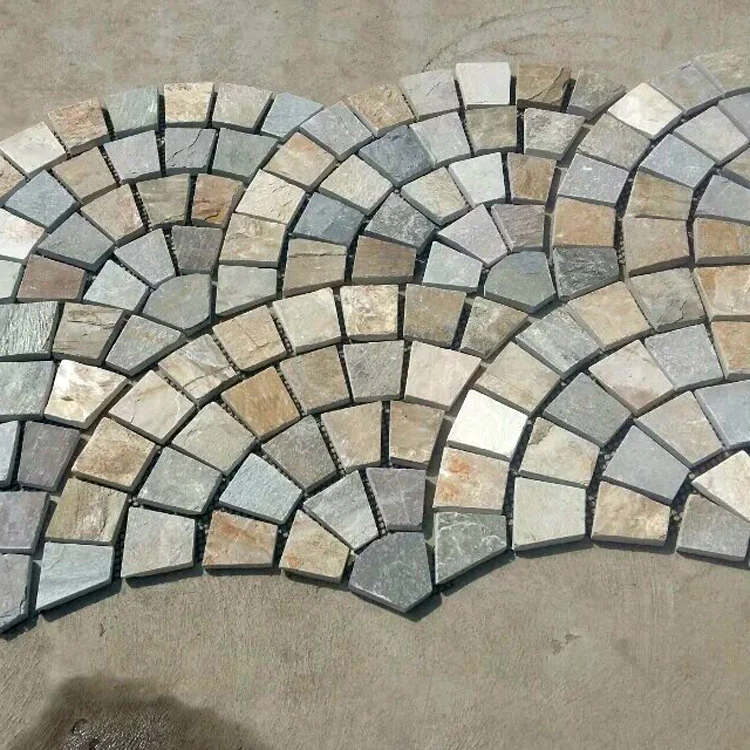
From the rugged texture of sandstone to the polished glow of marble, architects love stone’s multitude of finishes and colors. This versatility sparks creativity without sacrificing functional needs.
4. Thermal Performance
Stone’s natural thermal mass helps regulate indoor temperatures by absorbing heat during the day and releasing it at night—a passive way to improve energy efficiency.
5. Scalability and Adaptability
Whether for tiny residential features or massive commercial projects, stone adapts well. Advances in CNC machining and stone-cutting now allow highly customized, intricate designs that were impossible decades ago.
Mini Takeaway:
- Durability and sustainability top the list of stone’s benefits.
- Its aesthetic and thermal properties further cement its place in modern architecture.
Global Applications of Architectural Stone: Real-World Perspectives
The impact of architectural stone spans continents and industries. In Mediterranean regions, local limestone has shaped the vernacular architecture for centuries, while cities like New York rely heavily on granite for iconic skyscrapers. Post-disaster reconstruction projects, like those after the 2015 Nepal earthquake, employ stone for its robustness and cultural congruence.
Remote mining zones use readily available sandstone and granite to build worker housing and durable infrastructure, minimizing the need for costly imports. Even NGOs engaged in heritage conservation and low-impact housing advocate for stone-based materials.
It's not just about looks—these are practical, resilient structures designed for the long haul.
Architectural Stone Product Specification Table
| Stone Type | Density (kg/m³) | Compressive Strength (MPa) | Thermal Conductivity (W/mK) | Typical Uses |
|---|---|---|---|---|
| Granite | 2700 | 130–230 | 2.5–3.5 | Facades, Flooring, Monuments |
| Limestone | 2400 | 30–250 | 1.3–1.9 | Walls, Cladding, Sculptures |
| Marble | 2700 | 70–140 | 2.6–3.0 | Flooring, Countertops |
| Sandstone | 2200 | 20–170 | 1.4–2.0 | Walls, Paving |
Advantages and Long-Term Value: Why Architectural Stone Retains Its Appeal
So much of what makes stone invaluable goes beyond its physical traits. There’s a palpable feeling of trust when you walk into a building crafted from stone — it feels safer, more permanent, almost dignified. Socially, it can unify communities or symbolize heritage, enhancing occupants’ connection to places.
Financially, the story is straightforward. Stone’s low maintenance and extraordinary lifespan lead to reduced replacement costs and fewer repairs. Plus, its natural thermal mass can lower heating and cooling expenses over time.
Vendor Comparison Table
| Vendor | Stone Types Offered | Customization | Sustainability Certifications | Typical Lead Time |
|---|---|---|---|---|
| StoneCraft Ltd. | Granite, Marble | Full CNC Cutting | ISO 14001 | 4-6 weeks |
| Natural Stone Emporium | Limestone, Sandstone | Limited Patterns | FSC-Chain of Custody | 3-5 weeks |
| EverStone Inc. | All Major Types | Custom Engraving & Cutting | LEED Friendly | 6-8 weeks |
Looking Ahead: Innovations Shaping the Future of Architectural Stone
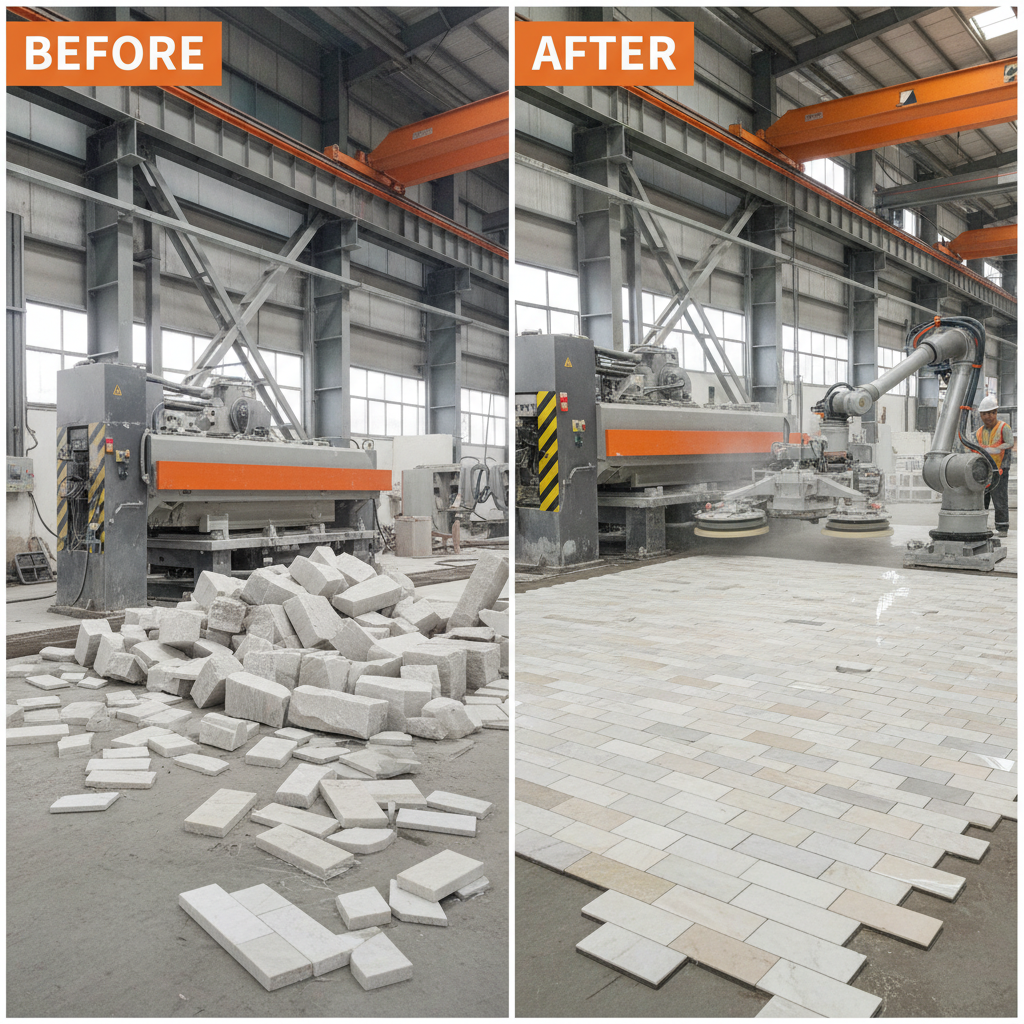
There’s more than just tradition at play now. Tech integration like 3D stone printing and robotic cutting is transforming customization options, enabling more complex architectural forms than ever before. Researchers also investigate stone composites that blend traditional stone with novel materials to improve strength-to-weight ratios.
On the sustainability front, energy-efficient quarrying practices and carbon capture during manufacturing promise to reduce environmental burdens further. Green building certifications increasingly reward projects using responsibly sourced stone, pushing the industry to improve transparency and accountability.
Challenges Facing Architectural Stone and How Experts Navigate Them
While stone is fantastic, challenges like quarry depletion, high upfront costs, and transport emissions persist. To tackle these, many companies embrace local sourcing whenever possible and partner with eco-certification bodies to ensure responsible extraction. Modular prefabricated stone panels also speed construction, reducing labor costs.
Careful design to optimize stone use without waste, combined with digital planning tools, further improves efficiency. Frankly, it’s a balancing act but one industry players appear eager to take on.
FAQ: Frequently Asked Questions About Architectural Stone
- What makes architectural stone a sustainable building material?
- Architectural stone offers sustainability through its natural origin, low processing energy, recyclability, and longevity. Its thermal mass also aids energy efficiency in buildings, reducing heating and cooling needs over time.
- How long can buildings made with architectural stone last?
- Many stone structures last for centuries—think historic cathedrals or monuments enduring weather and time. Proper maintenance can extend a stone building's lifespan even further, making it a long-term investment.
- Is architectural stone suitable for modern, energy-efficient buildings?
- Yes! Stone’s thermal properties can be harnessed in modern designs to improve energy efficiency, especially when paired with insulation and smart building orientation. Plus, its durability supports sustainable uses.
- Can architectural stone be customized for complex designs?
- Advances in CNC machining and 3D cutting mean stone can now be shaped into highly intricate forms, allowing architects creative freedom while maintaining structural integrity.
- How do I ensure the stone used is responsibly sourced?
- Look for suppliers with sustainability certifications like ISO 14001 or FSC Chain of Custody, and ask about quarrying practices. Transparency from vendors is key to ethical sourcing.
Conclusion: The Timeless Value of Architectural Stone
Architectural stone remains a cornerstone of sustainable and inspiring construction globally. Its blend of natural beauty, superior durability, and evolving innovations means it’s not stuck in the past but key to the future of building. For anyone invested in creating spaces that last and resonate deeply, it’s worth keeping architectural stone in the toolkit.
Ready to explore the possibilities? Visit our website for expert guidance and quality products tailored to your vision.