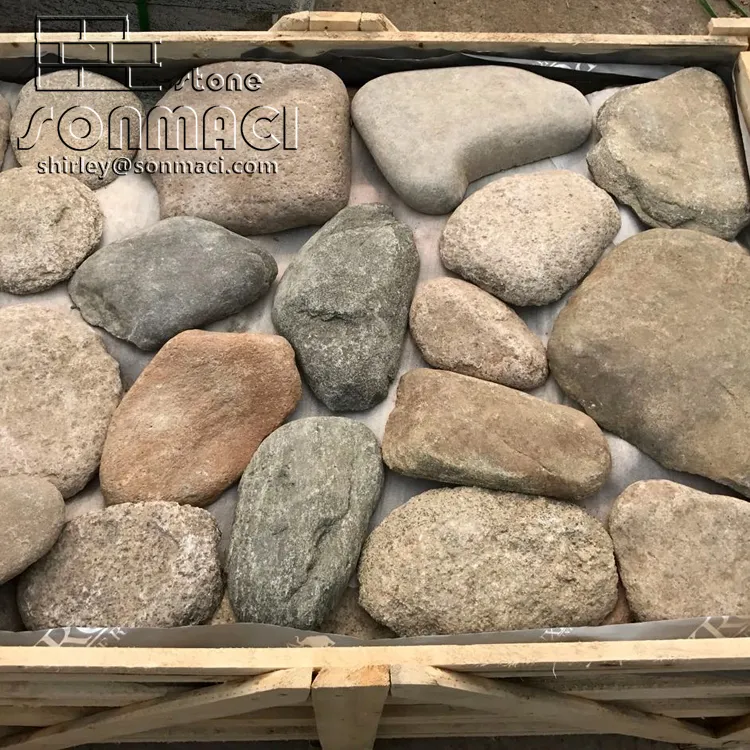
Stone for Exterior of House – Durable, Sustainable & Timeless Cladding Solutions
Stone for Exterior of House: Timeless Beauty Meets Modern Practicality
Choosing stone for exterior of house might sound traditional at first – and it definitely is! But don’t be fooled by just the old-world charm. This material remains a global favorite for good reasons. With urbanization skyrocketing and sustainable building becoming a priority (thanks, United Nations SDGs!), natural and engineered stones combine durability, aesthetic value, and eco-friendliness in a package that architects and homeowners worldwide crave.
Why does it matter? Well, buildings face harsh weather, wear out, and often waste natural resources. Stone, as an exterior cladding, offers benefits that address these concerns head-on, adding value that lasts decades and turns a house into a home. Understanding these benefits can help anyone—from construction pros to DIY enthusiasts—make smarter, greener choices.
Global Context: Why Stone Cladding Isn’t Just Old News
According to the International Organization for Standardization (ISO), sustainable construction practices are becoming non-negotiable worldwide, pushing builders to rethink materials. The World Bank reports rapid urban growth in Asia and Africa, regions where durable and weather-resistant building materials are desperately needed.
But here’s the kicker: many rapid-build initiatives neglect longevity and environmental harmony, focusing only on short-term costs. This is where stone – natural, recycled, or engineered – shines as a champion for both durability and sustainability. Plus, the stone for exterior of house often requires less maintenance over decades, saving costs and reducing waste long term.
Yet, challenges persist—how to balance stone’s weight, installation complexity, and upfront costs without hurting budgets? More on this later.
What Exactly Is Stone for Exterior Use?
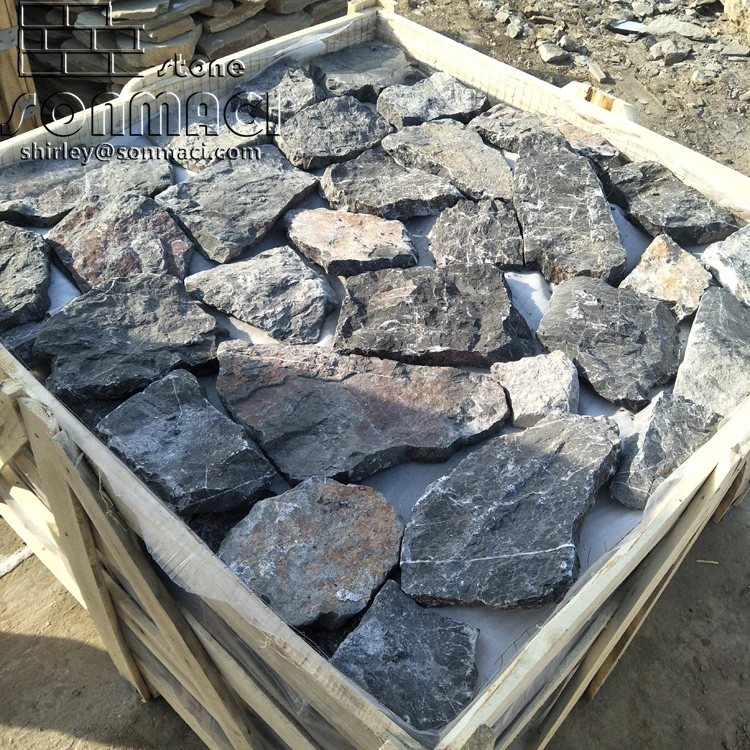
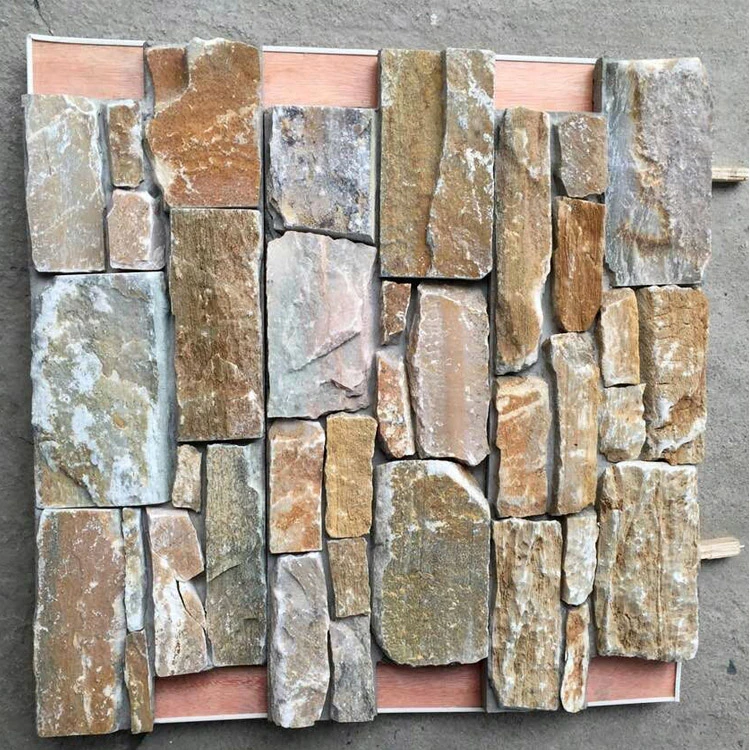
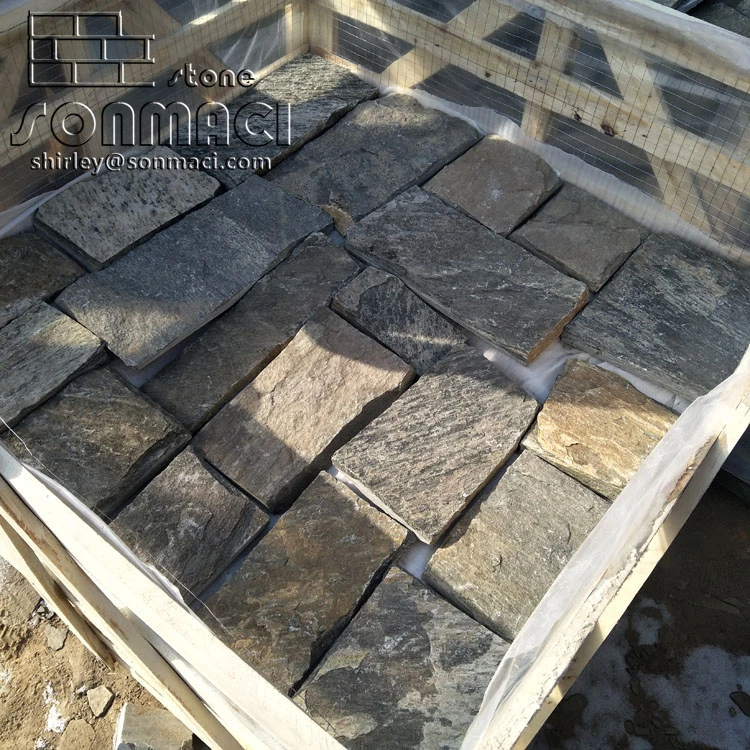
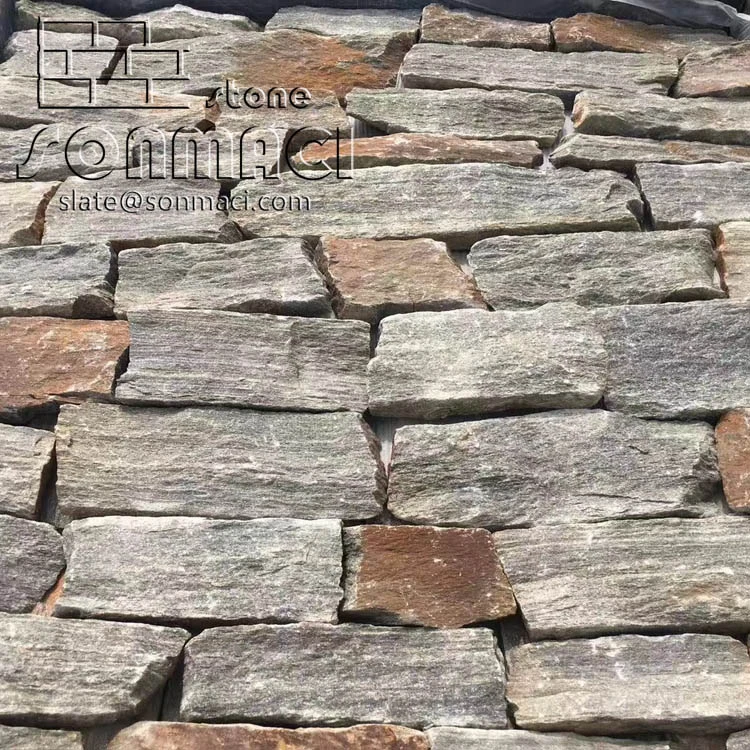
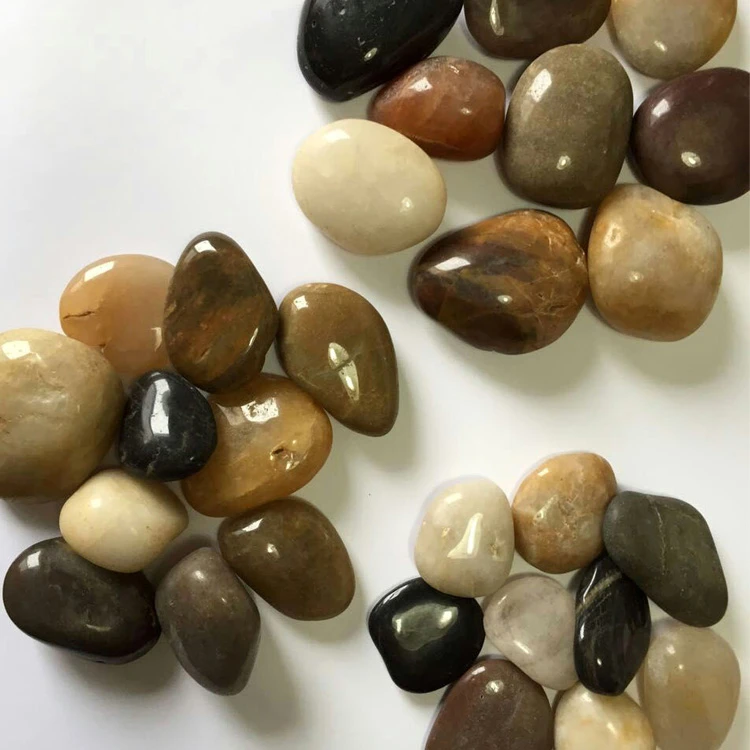
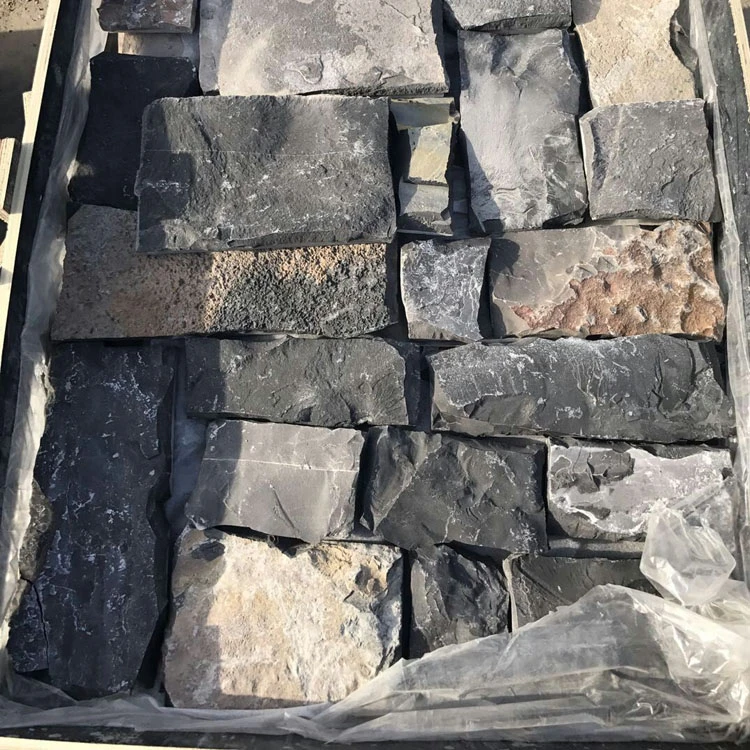
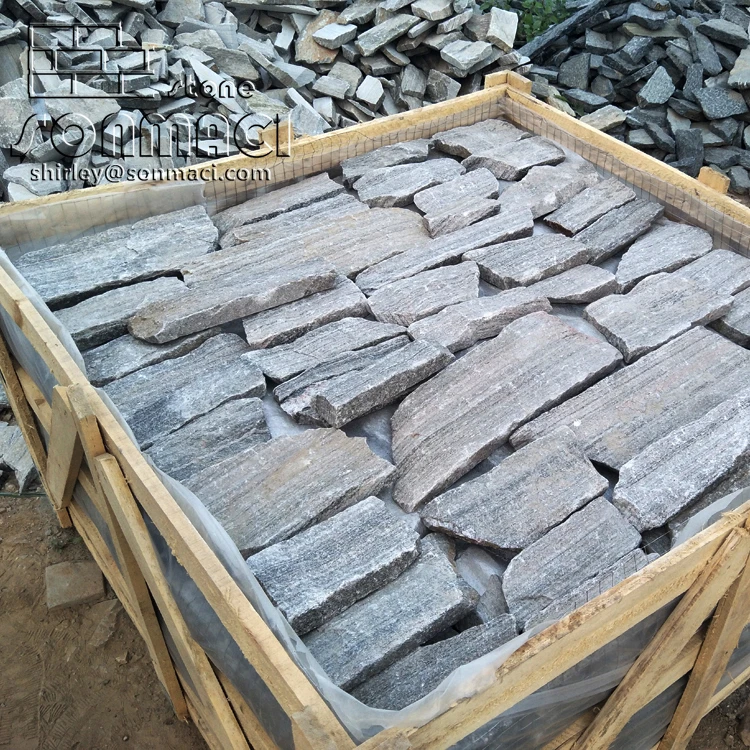
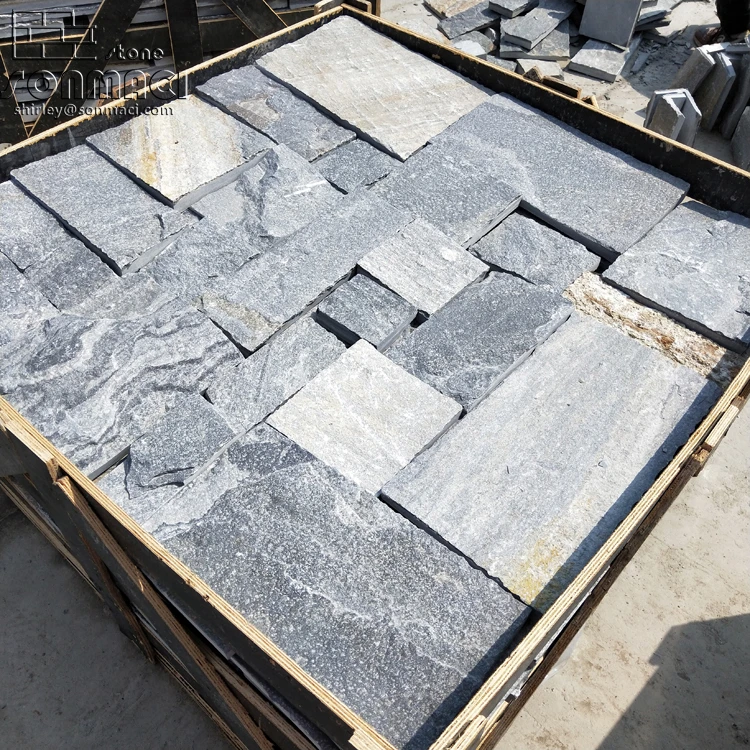
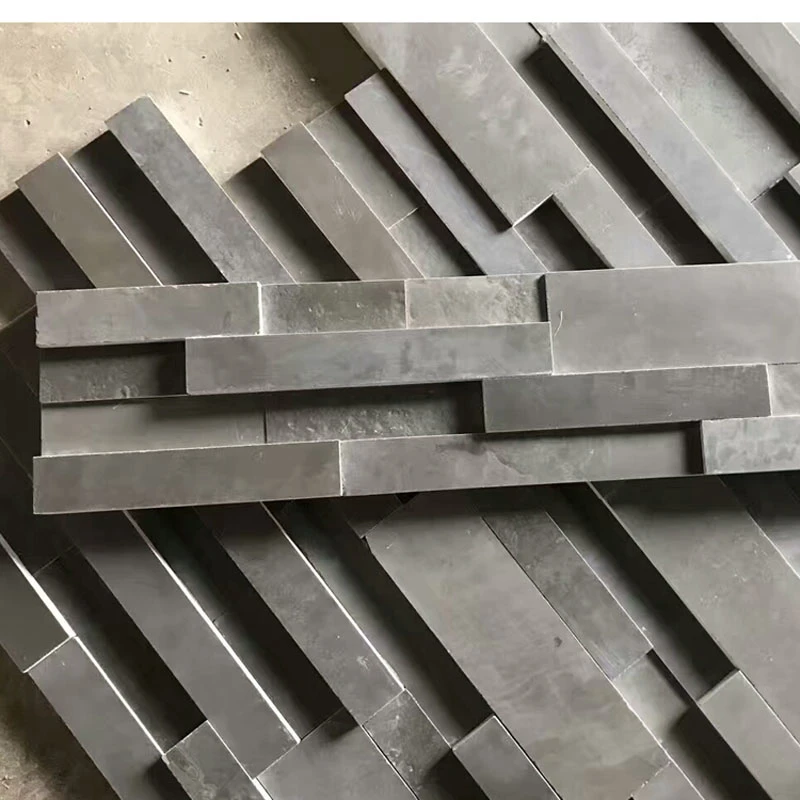
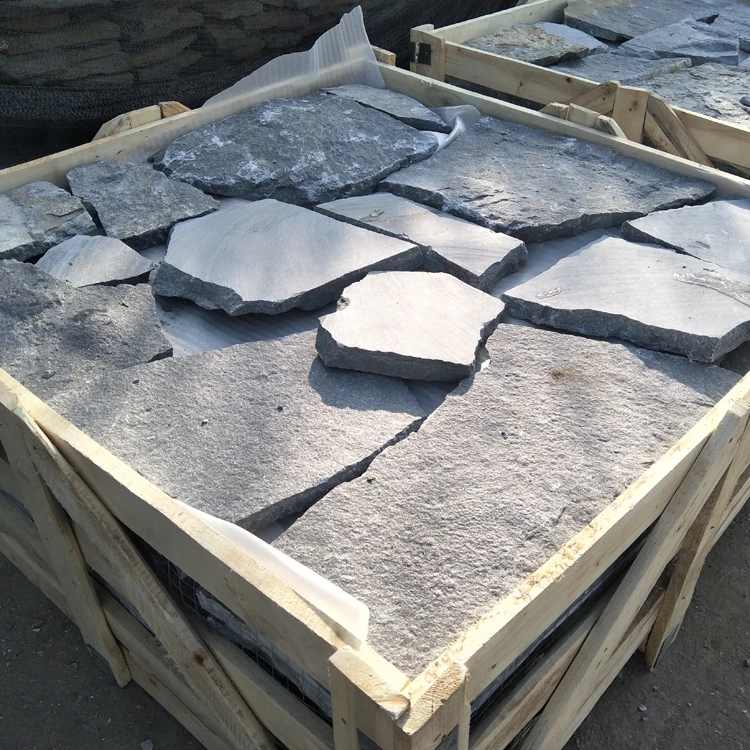
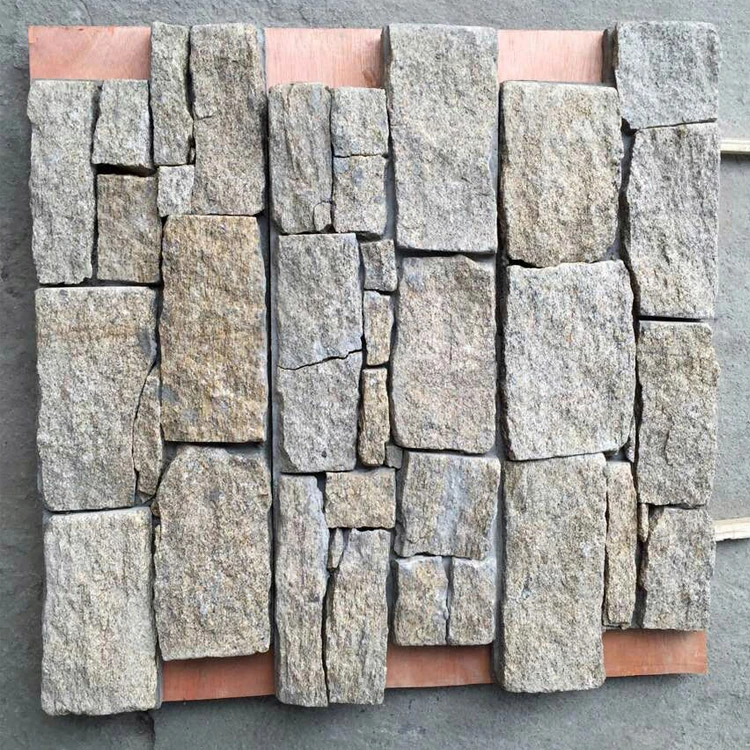
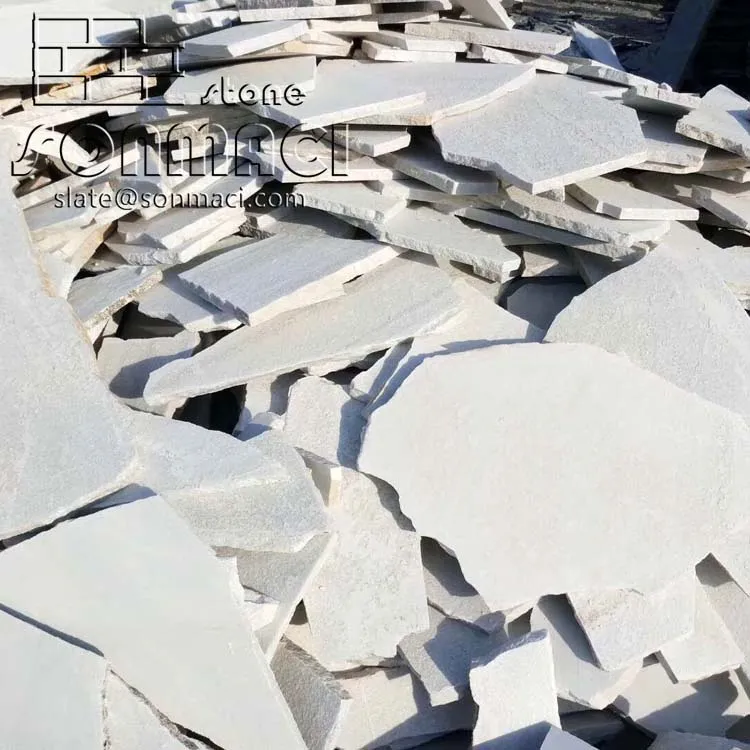
Simply put, stone for exterior of house refers to various types of rock materials used to clad, cover, or decorate the outer walls of residential buildings. This can be:
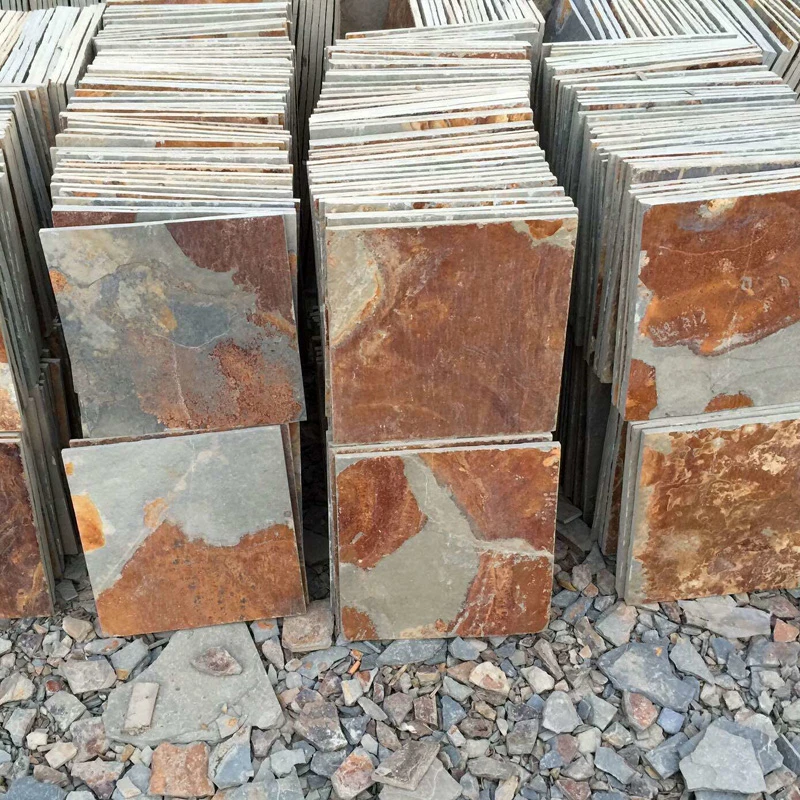
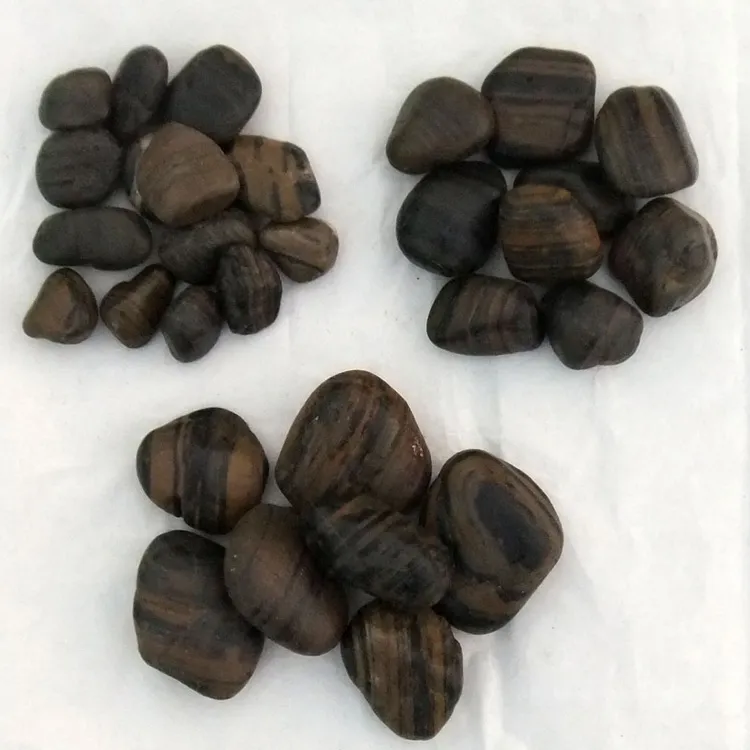
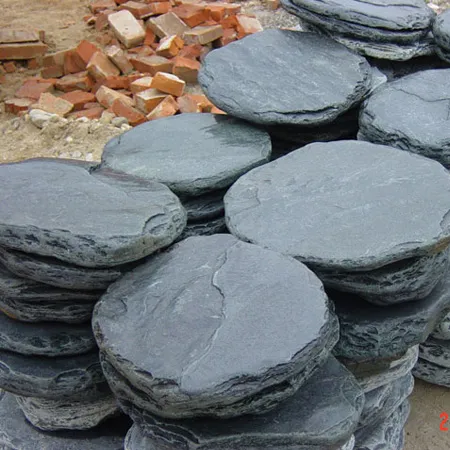
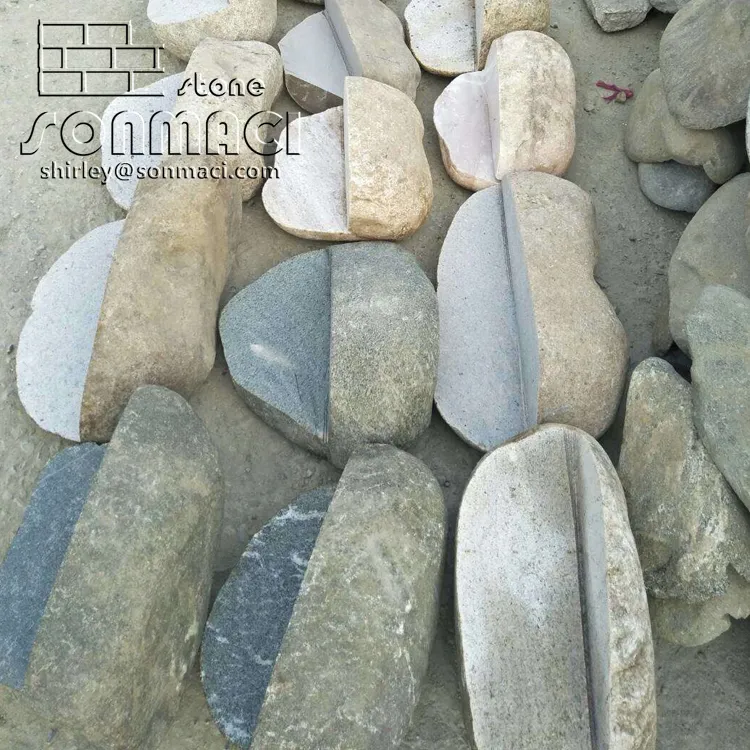
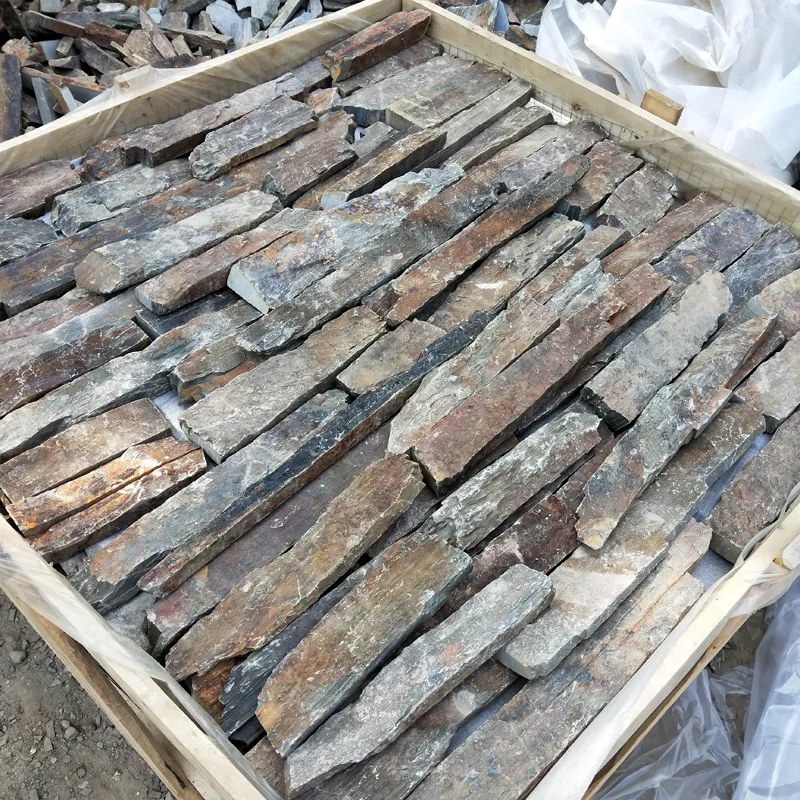
- Natural stone: granite, sandstone, limestone, slate, and marble.
- Engineered stone: composites that mimic natural stone but offer enhanced properties.
- Reconstituted stone: recycled aggregates mixed with cement or resin binders.
Each serves to protect the underlying wall from weather damage, improve insulation, and create visual appeal. In modern architecture and even humanitarian contexts—such as disaster relief shelters needing sturdy walls quickly—stone offers a blend of resilience and dignity that cheaper claddings rarely deliver.
Core Components of Stone for Exterior Application
Durability
Stone’s resistance to UV rays, freeze-thaw cycles, erosive winds, and pests is legendary. This longevity translates into fewer repairs and less frequent replacement, which in construction terms means money saved — plus a greener footprint for your building.
Cost Efficiency
At first glance, stone might seem pricey. However, when you factor in its lifespan and minimal upkeep, stone cladding often outperforms cheaper sidings that need constant fixing or repainting.
Thermal & Acoustic Insulation
The density of stone helps moderate indoor temperatures and deadens external noise. It adds comfort to your home without resorting to complex insulation layers.
Aesthetic Versatility
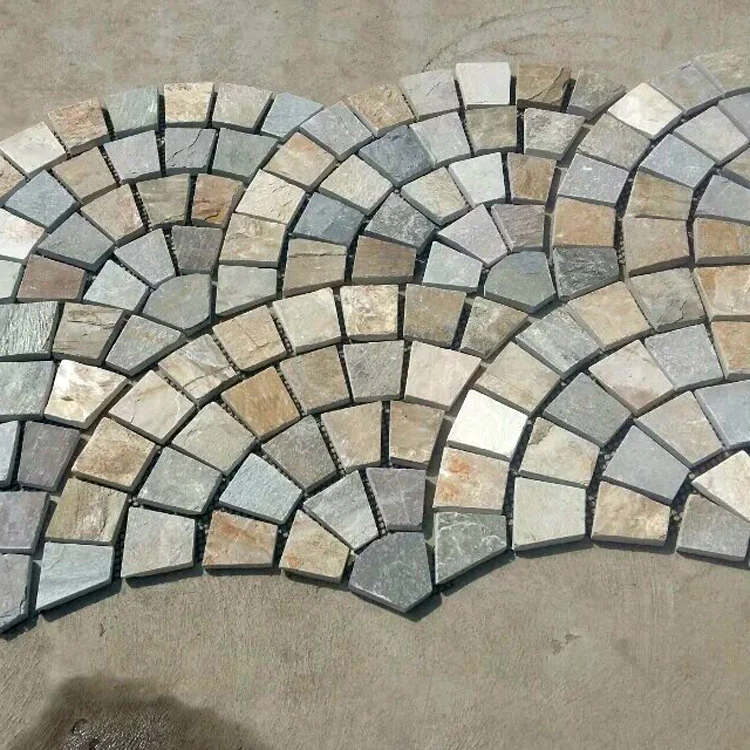
Through different cutting, polishing, and finishing techniques, stones can be tailored to a vast array of styles — from rustic mountain lodges to chic urban lofts.
Sustainability & Environmental Impact
Natural stone extraction has a lower carbon footprint than many synthetic materials. Also, using locally quarried stone supports local economies and reduces transportation emissions, all aligning with global sustainability goals.
Stone Cladding in Action: Global Use Cases
- North America: Granite and limestone remain staples in upscale residential neighborhoods, favored for their classic beauty and robust performance against snow and ice.
- Europe: Historic towns often mandate stone exteriors to preserve heritage, but newer green buildings in Germany and Scandinavia are incorporating engineered stone for improved insulation.
- Asia and Middle East: High-rise architects use decorative stone facades combined with modern HVAC systems to manage extreme heat and sandstorms.
- Post-Disaster Reconstruction: NGOs have recommended stone or stone-based exterior panels for rebuilding homes that resist future floods or earthquakes in vulnerable zones.
In real terms, this means stone for exterior of house is more than a look — it’s a practical, tested system that has global roots but local branches.
Typical Product Specifications
| Specification | Natural Granite | Engineered Quartz | Reconstituted Stone Panel |
|---|---|---|---|
| Average Density (kg/m³) | 2700 | 2300 | 2100 |
| Compressive Strength (MPa) | 150-250 | 80-120 | 60-100 |
| Water Absorption (%) | 0.1-0.5 | 0.5-1.2 | |
| Typical Thickness | 20-30 mm | 12-20 mm | 15-25 mm |
| Estimated Lifespan | 50+ years | 30-50 years | 25-40 years |
Comparing Top Stone Cladding Suppliers
| Vendor | Product Range | Sustainability | Lead Time | Warranty | Pricing |
|---|---|---|---|---|---|
| Sonmaci Stone | Natural & Engineered Stone | ISO 14001 Certified | 4-6 weeks | 10 years | Mid-range |
| StoneCraft Co. | Natural Stone Only | No formal certification | 6-8 weeks | 5 years | Premium |
| EcoStone Ltd. | Reconstituted & Engineered Stone | Cradle to Cradle Certified | 3-5 weeks | 7 years | Budget |
The Long-Term Value of Stone Cladding
Let’s not beat around the bush: stone cladding is an investment. But like many investments in quality, it appreciates your home’s value and feel over time. It’s a statement of permanence, safety, and taste—something that speaks not only to your wallet but also to your sense of home.
On the sustainability front, choosing stone reduces the need for repeated renovations and replacement. You get that lovely slab of history and future-proofing rolled into one.
Emotionally, it feels solid, trustworthy. The sort of home where you can kick back after a long day because it doesn't creak or bubble, or show signs of stress from just a cold snap.
Looking Ahead: Innovations in Stone Used Outdoors
The future of stone for exterior surfaces isn’t just about quarrying bigger or prettier slabs. Trends include:
- Digital fabrication: CNC cutting and 3D printing techniques allow for intricate stone patterns and façade modules that fit together like puzzles.
- Composite blends: Mixing natural stone with polymers or recycled materials to improve weight and installation speed without sacrificing durability.
- Green certifications: More suppliers are aligning with LEED, BREEAM, and ISO standards to give builders confidence in environmental impact.
- Energy efficiency: Stone panels integrated with photovoltaic cells or phase-change materials to regulate indoor temperatures better.
Clearly, stone is not stuck in the past. The merger of tradition and tech feels like a promising forecast for builders, homeowners, and sustainability advocates alike.
Overcoming the Challenges
Some common hurdles with stone use include:
- Installation complexity: Requires skilled labor and precise handling due to weight and fragility.
- Higher upfront cost: Not always feasible for tight budgets.
- Transport and sourcing: Heavy shipments can add to carbon footprint if not sourced locally.
How to solve these? Many recommend early planning with experienced fabricators, opting for engineered or recycled stone panels where appropriate, and choosing local quarries to keep logistics and emissions down. Occasionally, modular stone veneer systems fast-track installation without sacrificing aesthetic integrity.
FAQ: Quick Answers About Stone for Exterior of House
- Q1: How long does natural stone cladding typically last on a house exterior?
- A1: With minimal maintenance, natural stone exterior cladding can last over 50 years, often outliving the building's structural components. Weather-resistant and low absorption make it ideal for longevity.
- Q2: Is stone cladding a good option for energy-efficient homes?
- A2: Yes. Stone's density provides thermal mass that helps regulate indoor temperatures, reducing heating and cooling demands when combined with proper insulation.
- Q3: Can stone for exterior walls be used in earthquake-prone areas?
- A3: Traditional heavy stone can be risky, but modern engineered stone panels and veneer systems are lighter and designed to accommodate structural movement safely.
- Q4: How do you clean and maintain stone exterior surfaces?
- A4: Generally, mild detergent and water suffice. Avoid abrasive tools; periodic sealing may be required based on stone type and local climate.
- Q5: Are there eco-friendly stone options for home exteriors?
- A5: Absolutely. Reconstituted and engineered stone using recycled materials along with sourcing from responsible quarries can reduce environmental impact.
Wrapping It All Up
Choosing the right stone for exterior of house comes down to more than just looks. It’s a durable, sustainable, and emotionally satisfying material that has kept homes standing strong for centuries — and continues to do so in innovative ways today. Whether you’re building a future-proof family home or renovating for legacy, stone is an option worth considering deeply.
Interested in exploring beautiful and sustainable stone options? Feel free to visit our website to discover a diverse range of products designed to elevate your home's exterior with quality and style.
Mini Takeaways
- Stone exterior cladding balances durability, beauty, and sustainability.
- Global urban growth demands weather-resistant, low-maintenance materials.
- Modern stone innovations blend tradition with technology for eco-conscious construction.
- Choosing locally sourced or engineered stone panels helps overcome typical challenges.