Marble Building Stone: Durable Architecture with Timeless Elegance and Sustainability
Marble Building Stone: The Foundation of Durable Architecture
Marble building stone isn’t just some pretty rock you see in fancy hotels or museums—it's a globally significant material shaping architecture and construction industries worldwide. Understanding it helps architects, builders, and even policy makers grasp why certain buildings last centuries, how sustainability can be improved, and why marble remains so coveted despite newer synthetic rivals.
Introduction: The Global Impact of Marble Building Stone
Globally, the natural stone industry is valued at over $20 billion annually, and marble plays a starring role in that economy. The United Nations Environment Programme and ISO standards underscore the importance of responsibly sourced materials, especially as the world builds more extensively in urban centers and seeks sustainable alternatives. But here’s the rub: sourcing and processing marble involves environmental and logistical challenges that the industry still wrestles with. Marble building stone addresses these by offering longevity and timeless beauty — a counterpoint to throwaway construction materials.
What Exactly Is Marble Building Stone?
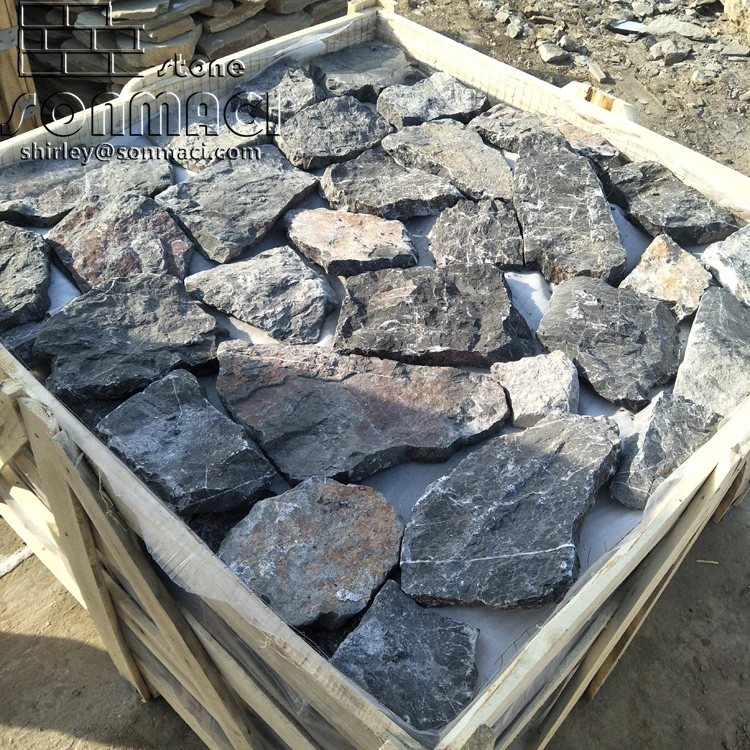
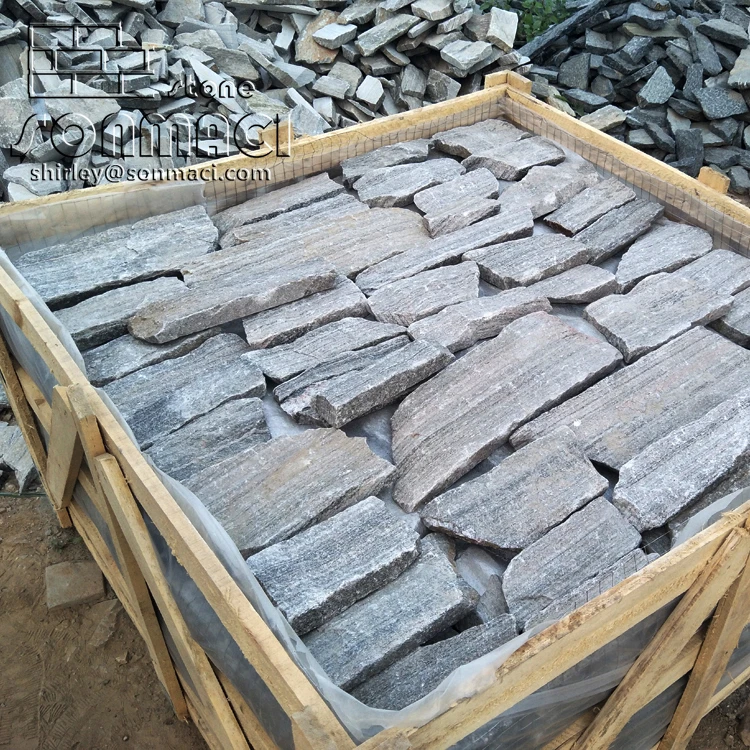
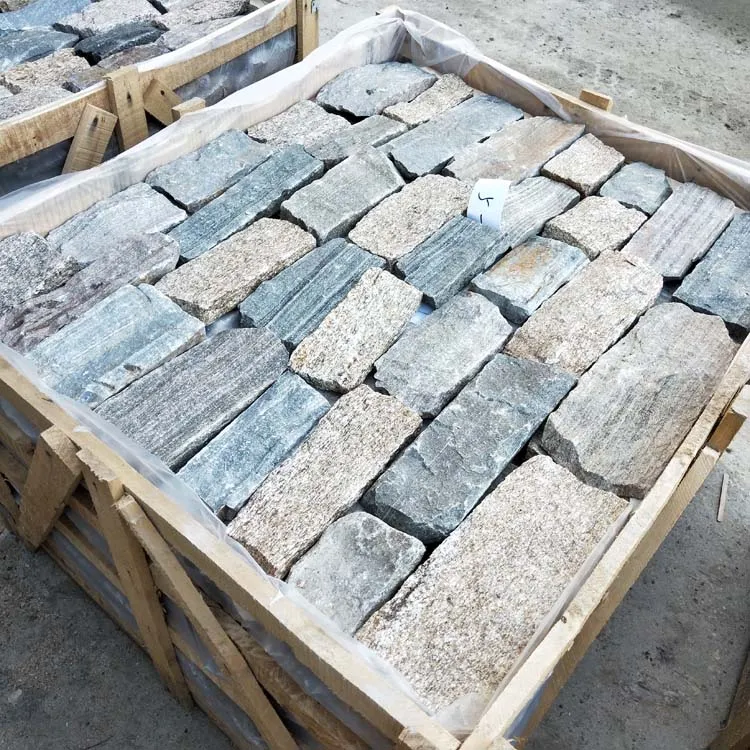
Simply put, marble is a metamorphic rock — mostly calcium carbonate — that forms when limestone is subjected to intense heat and pressure inside the Earth. When it’s cut into slabs and blocks for construction, it’s called marble building stone. It’s prized for its strength, ease of polishing, and elegant appearance. In modern industry, it bridges the gap between traditional artistry and practical building demands. You’ll find it in everything from stately government buildings to cutting-edge interiors, and yes, even infrastructure projects where quality really counts.
Key Factors Defining Marble Building Stone
Durability
Marble is impressively durable, withstanding decades—even centuries—of wear and weathering. That’s why historical monuments still stand tall. But it’s not impervious; acids and pollutants can dull its surface, so treatments often extend its lifespan on facades.
Aesthetic Appeal
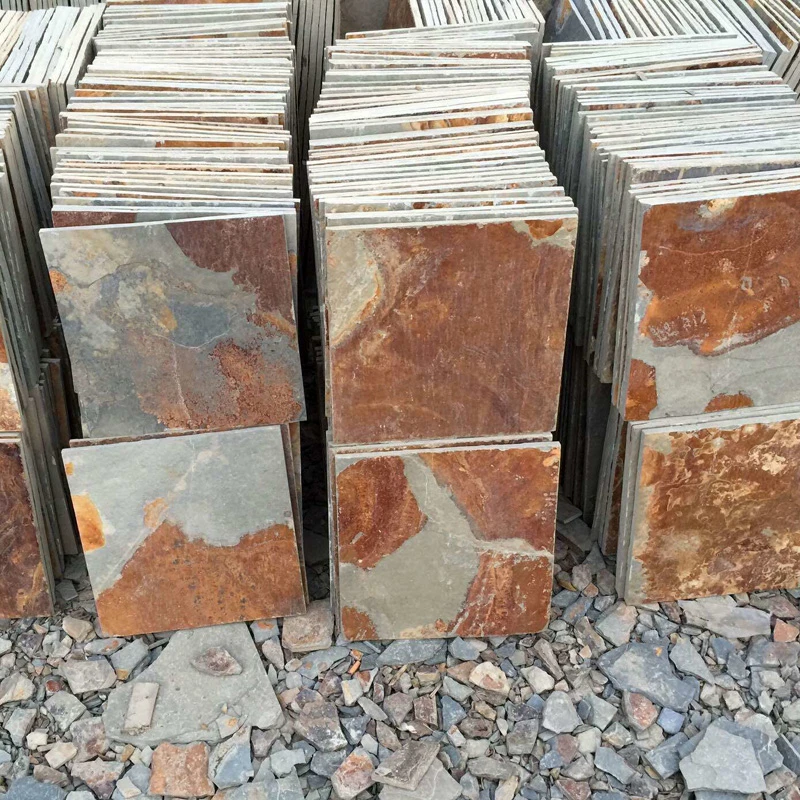
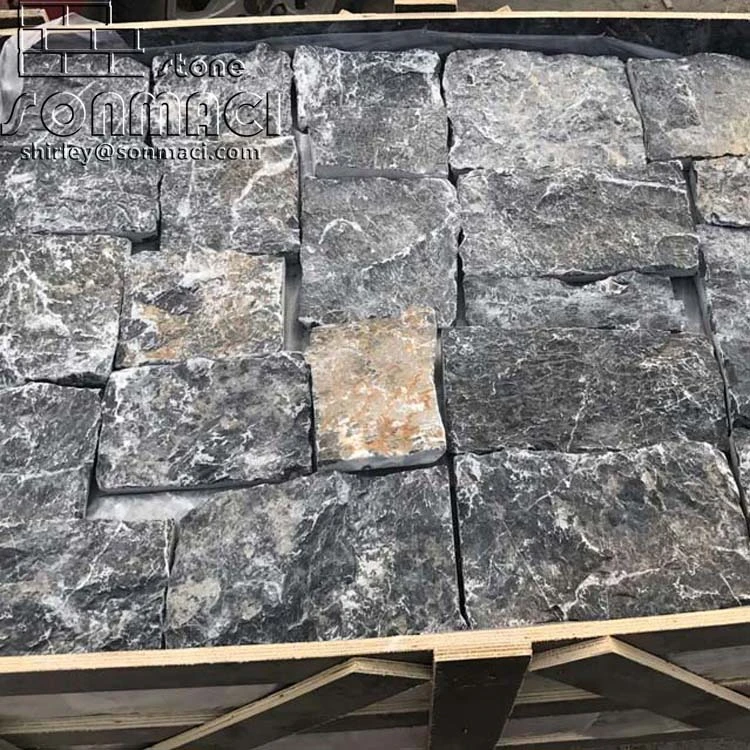
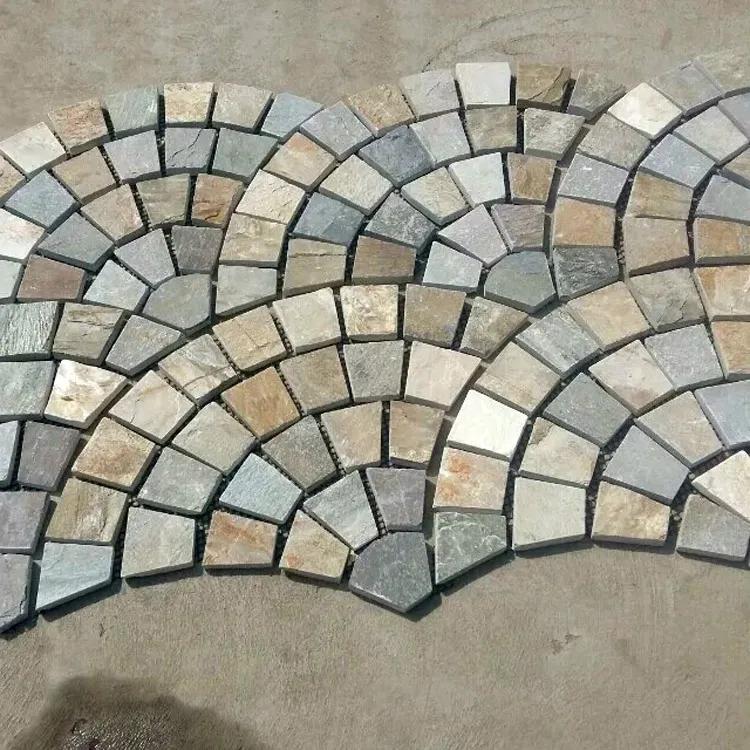
With its veins and varied hues—from snowy white to deep greens and reds—marble is unparalleled in sheer visual impact. This makes it a favored choice where appearance can’t be compromised.
Thermal Properties
Oddly enough, marble remains relatively cool in hot climates due to its thermal conductivity, which can be an asset in building design for natural temperature regulation.
Cost Efficiency over Life Cycle
While the upfront costs for marble can be high, its longevity and low maintenance often make it more cost-effective than cheaper materials that need frequent repairs or replacements.
Environmental Considerations
Natural stone extraction has environmental impacts, but marble’s longevity and recyclability help offset this when responsibly quarried. Innovations in quarrying reduce waste and energy use.
Marble Building Stone in Action: Global Applications
In Europe, countries like Italy and Spain supply premium marble for luxury residential and cultural projects. In India and the Middle East, it’s a staple for both traditional and modern architecture — Taj Mahal being the historical poster child. Asian megacities incorporate marble in transport hubs and commercial buildings. Even disaster-hit zones have benefited; for example, reinforced marble panels have been used in high-end modular shelters ensuring both strength and dignity.
Industries benefitting from marble extend beyond construction—art restoration, sculpting, and even industrial applications where inert, heat-resistant surfaces are required.
Marble Building Stone Specifications
| Specification | Typical Range | Remarks |
|---|---|---|
| Compressive Strength | 70-140 MPa | Varies by type and finish |
| Water Absorption | 0.05% - 0.4% | Low porosity indicates durability |
| Density | 2,500 - 2,800 kg/m³ | Relatively heavy; affects load calculations |
| Mohs Hardness | 3 - 5 | Moderate hardness; prone to scratches |
Mini takeaway: Knowing marble’s specs helps tailor its uses better — you don’t want to use a soft marble where abrasion is a problem.
Vendor Comparison: Selecting the Right Marble Supplier
| Vendor | Quality Grade | Sourcing Region | Sustainability Practices | Typical Lead Time |
|---|---|---|---|---|
| SonmacStone | Premium | Italy, Turkey | Certified ISO 14001 & Quarry Rehabilitation | 4-6 weeks |
| GlobalMarbles Inc. | Mid to High | India, Egypt | Partial Renewables Use | 6-8 weeks |
| StoneHub | Standard | China, Brazil | No formal certifications | 3-5 weeks |
Advantages and Long-Term Value of Marble Building Stone
Marble’s longevity means that it’s a sustainable choice in the sense that it avoids the “throwaway” culture pervasive in modern construction. It holds value aesthetically and financially over time, offering social and emotional benefits—structures built with marble convey trust, permanence, and even dignity. In practical terms, it resists fire, weathering, and structural wear better than many alternatives, which is crucial in both luxury and humanitarian settings alike.
Future Trends and Innovations
Innovations in quarrying equipment and digital stone scanning are transforming how marble is sourced and cut. Coupled with green energy initiatives and improved recycling techniques, the industry is gravitating towards environmental stewardship. Meanwhile, advances in surface treatments improve marble’s resistance to stains and acids, expanding its usability in even harsher environments. Oddly enough, 3D printing and CNC machining of marble blocks are also gaining traction, offering new design possibilities that were hard to imagine before.
Challenges & Practical Solutions
One challenge with marble is its susceptibility to acid rain and pollution, particularly in urban environments. Protecting the stone requires regular maintenance and sometimes costly treatments. Also, transportation costs can be significant due to marble’s weight and fragility. However, companies like SonmacStone are innovating by establishing local quarries closer to demand centers and developing composite stone products that mimic marble’s aesthetics with less environmental impact.
FAQ: Frequently Asked Questions About Marble Building Stone
- Q: How do I choose the right type of marble for exterior cladding?
A: Consider durability, porosity, and local climate. Denser marbles with low absorption rates perform better outdoors. Always consult supplier specs and test samples under expected environmental conditions. - Q: Is marble building stone environmentally friendly?
A: Marble is natural and recyclable, but quarrying impacts vary. Choose vendors with certifications like ISO 14001 and transparent sustainability practices for greener selections. - Q: How does marble compare cost-wise to engineered stone?
A: Marble often has higher upfront costs but outlasts many engineered stones, offering better life-cycle value in settings where durability matters. - Q: Can marble be used in seismic zones?
A: Yes, but it requires expert engineering to account for weight and fragility. Marble is often used decoratively over structural frameworks in such areas. - Q: How do I maintain marble building stone in polluted cities?
A: Regular cleaning with pH-neutral agents and applying protective sealants helps prevent surface erosion and staining.
Conclusion: Why Marble Building Stone Remains a Timeless Choice
Marble building stone continues to offer unmatched versatility, elegance, and long-term durability. It’s an investment not only in construction quality but also in cultural heritage and environmental stewardship. Whether you’re designing a state-of-the-art urban complex or restoring historic landmarks, considering marble’s intrinsic benefits could be your smartest move. For more insights and premium marble options, visit us at marble building stone.
Reflection: When I think of marble, I’m reminded of buildings standing stoically through time and change. It feels like choosing marble means choosing resilience and beauty told through stone.