Dry Walling Stone: Sustainable, Durable & Modern Masonry Solutions
What Is Dry Walling Stone and Why Is It Gaining Global Attention?
Dry walling stone isn’t just another construction buzzword. It represents a centuries-old technique with a fresh, modern twist—offering strong, eco-friendly stone walls built without mortar. Globally, as cities expand and climate awareness heightens, understanding dry walling stone can unlock solutions for sustainable infrastructure, disaster relief, and even cultural preservation.
Why? Because dry stone walls are versatile, resilient, and resource-efficient. They allow natural drainage, adapt to shifting soils, and can often be built with local materials. If you’re curious how a seemingly simple masonry method is actually crossing borders and disciplines, well — this story is worth your time.
Mini takeaway: Dry walling stone combines tradition and innovation, meeting modern demands for sustainability and durability worldwide.
A Global Perspective: Why Dry Walling Stone Matters Today
Around the world, infrastructure development faces challenges like rising costs, climate volatility, and scarcity of skilled labor. According to the International Organization for Standardization (ISO) and construction reports, the demand for eco-friendly building materials is up 25% over the last decade, particularly in developing regions.
This is where dry walling stone fits in. Not only does it tap into local, abundant stone resources, it reduces dependency on cement and artificial binders, which have hefty carbon footprints. In fact, the United Nations Sustainable Development Goals highlight the importance of sustainable construction practices to combat climate change and foster resilient communities.
But there's a problem: Many modern builders overlook dry stone options due to misconceptions about stability and aesthetics. This traditional method, when properly applied, can solve these issues — enhancing disaster resilience and preserving natural landscapes.
Mini takeaway: Dry walling stone aligns with global pushes towards sustainable, climate-adaptive building methods, but it needs more awareness in mainstream construction.
Defining Dry Walling Stone: What Exactly Is It?
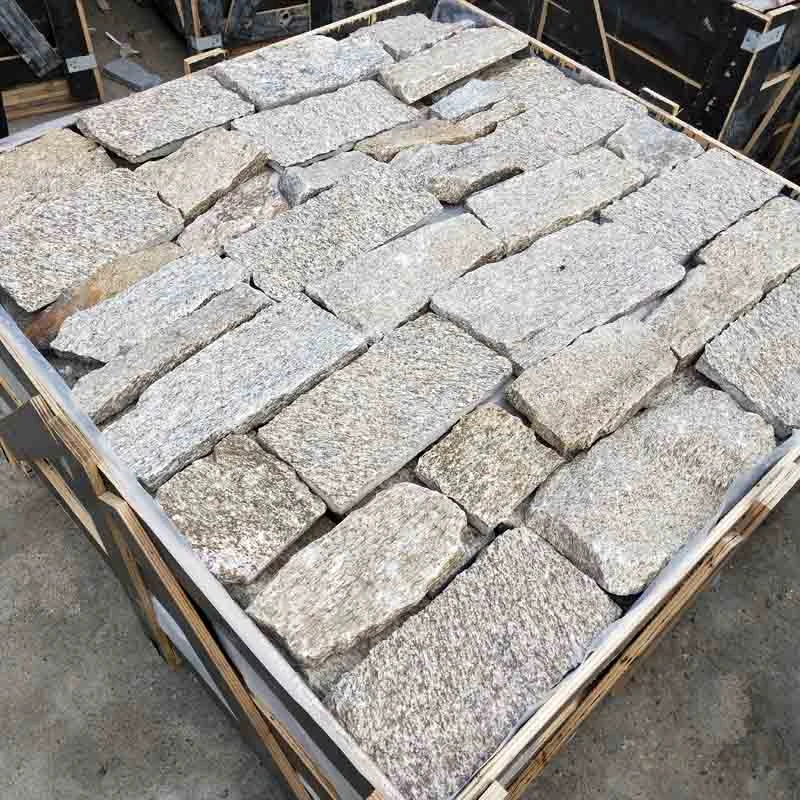
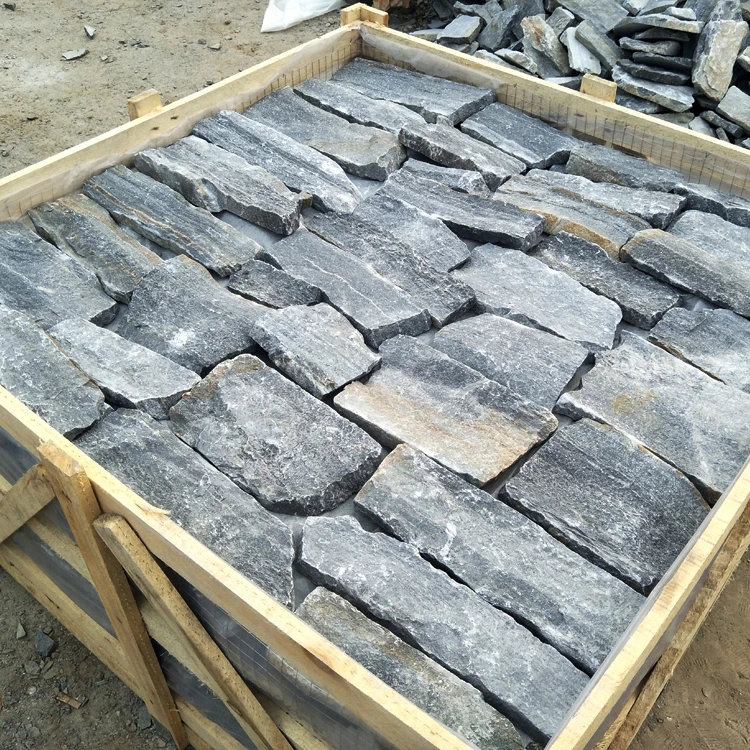
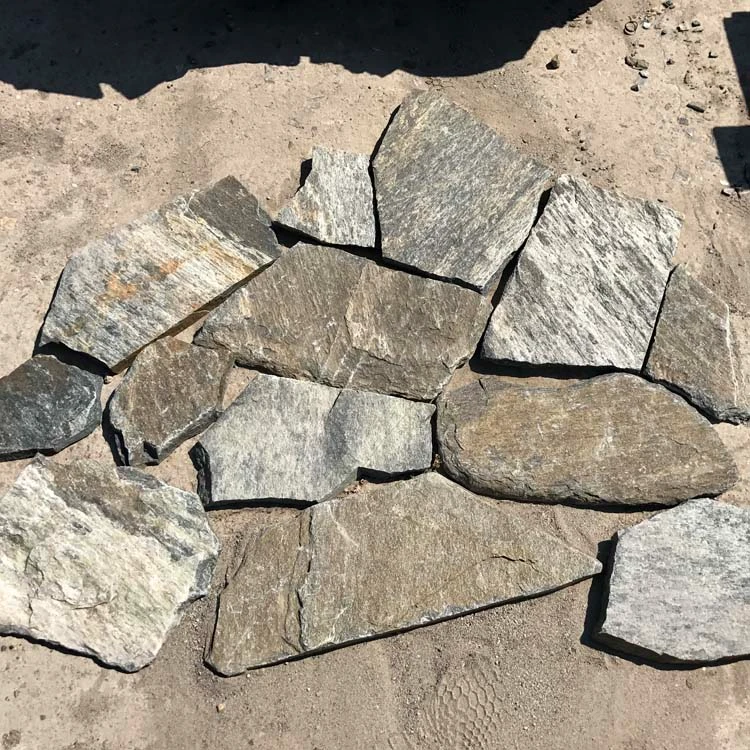
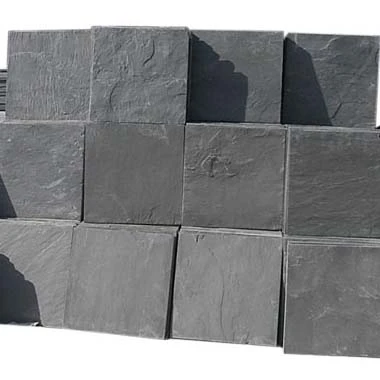
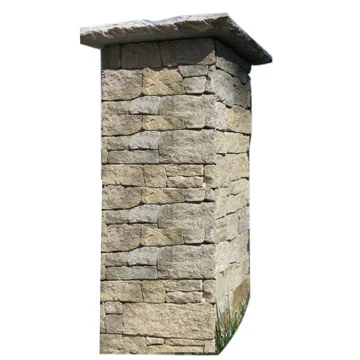
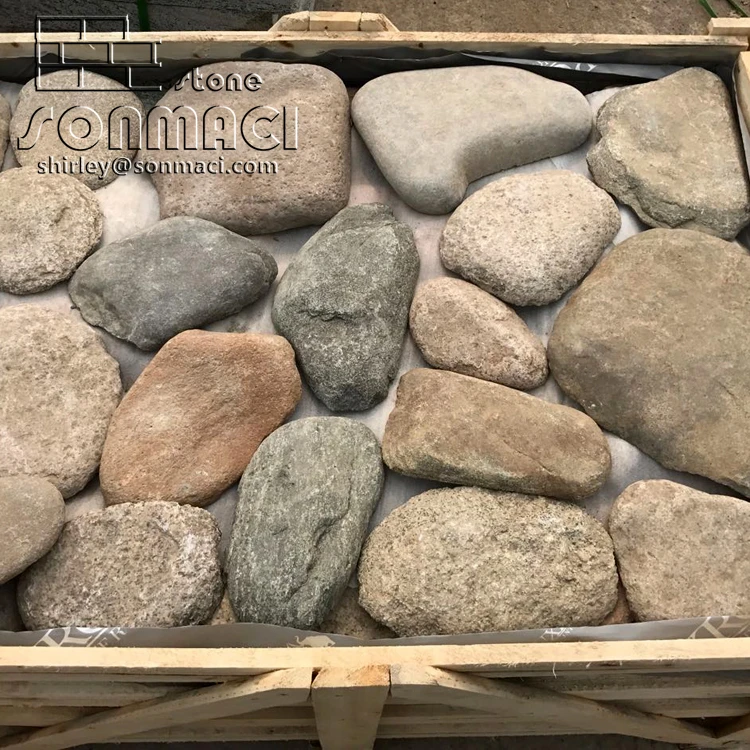
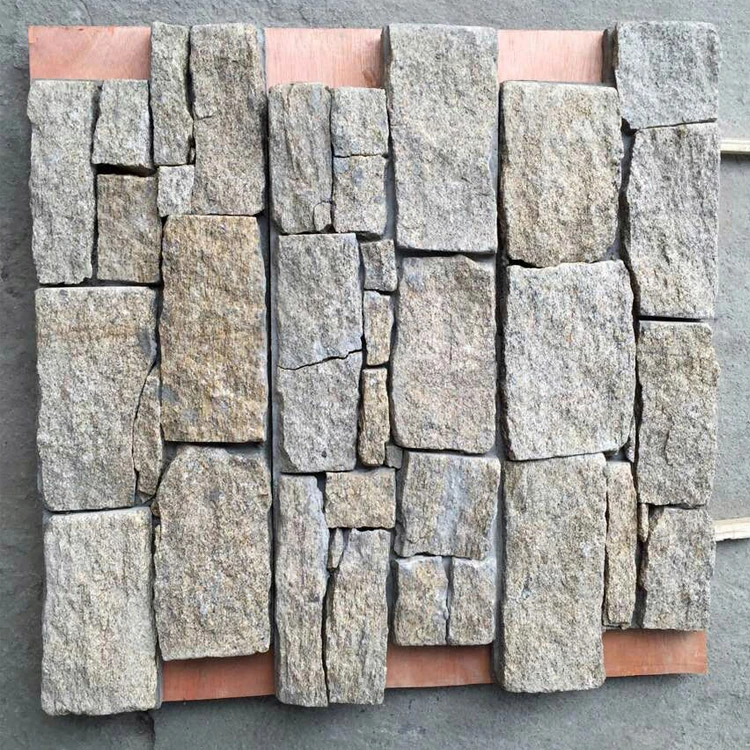
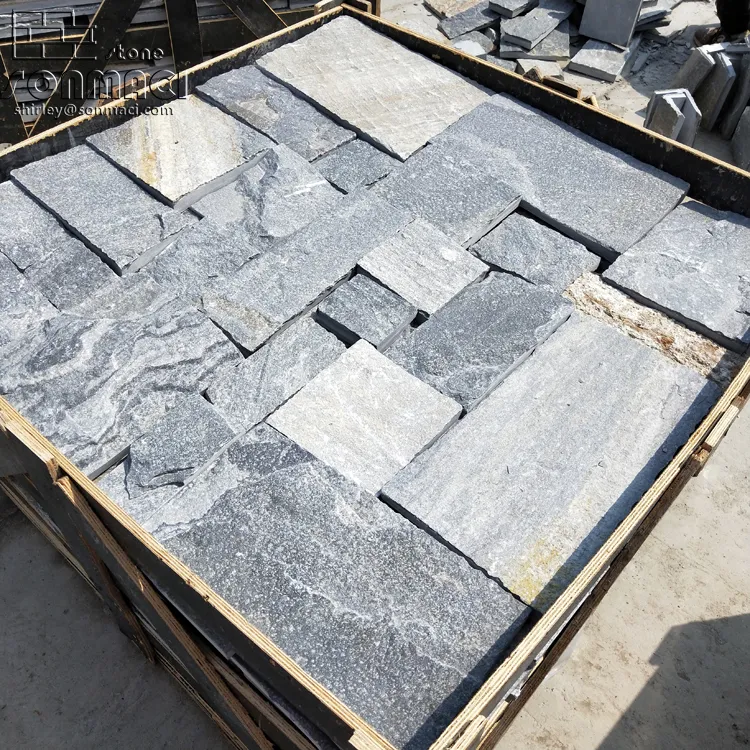
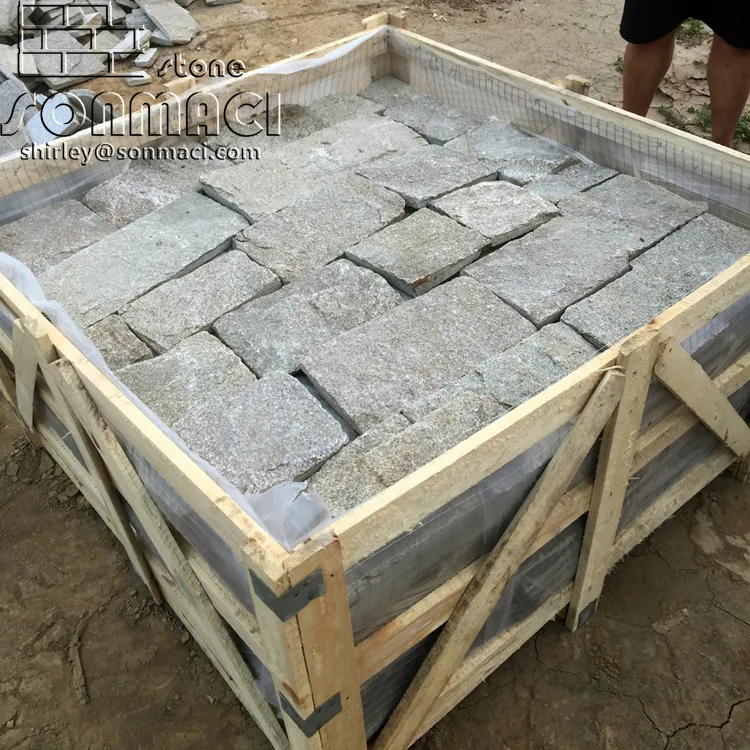
Simply put, dry walling stone refers to a masonry technique where stones are carefully shaped and stacked without mortar to create stable walls and structures. The art lies in fitting stones tightly so friction and gravity hold everything in place.
This method has roots stretching back thousands of years—from rural European farmlands to ancient Asian hillforts. Today, it finds new relevance in modern industry and humanitarian needs:
- Remote infrastructure projects use it where mortar or cement is unavailable.
- Post-disaster shelters benefit from its rapid assembly and repairability.
- Architects incorporate it for natural aesthetics and sustainable design.
It’s like a natural Lego set, but one that supports houses, terraces, and fences — and lasts for centuries if done right.
Mini takeaway: Dry walling stone is a mortar-free stone assembly technique, prized for durability and versatility across industries.
Core Components That Make Dry Walling Stone Work
Durability Without Mortar
The tightly interlocking stones create a flexible, self-supporting structure. This flexibility means walls can “breathe” and move slightly under pressure — crucial in earthquake-prone or frost-heavy areas.
Material Selection
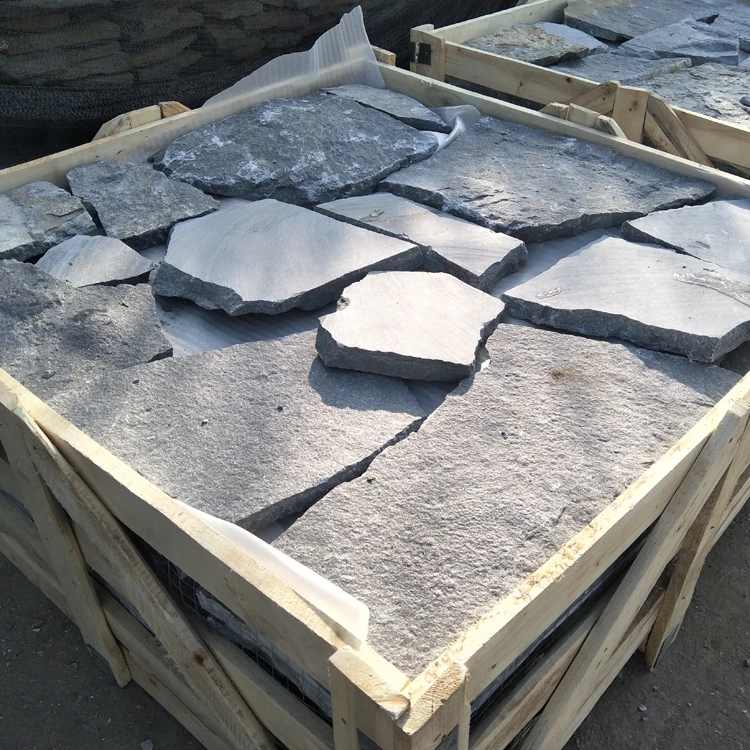
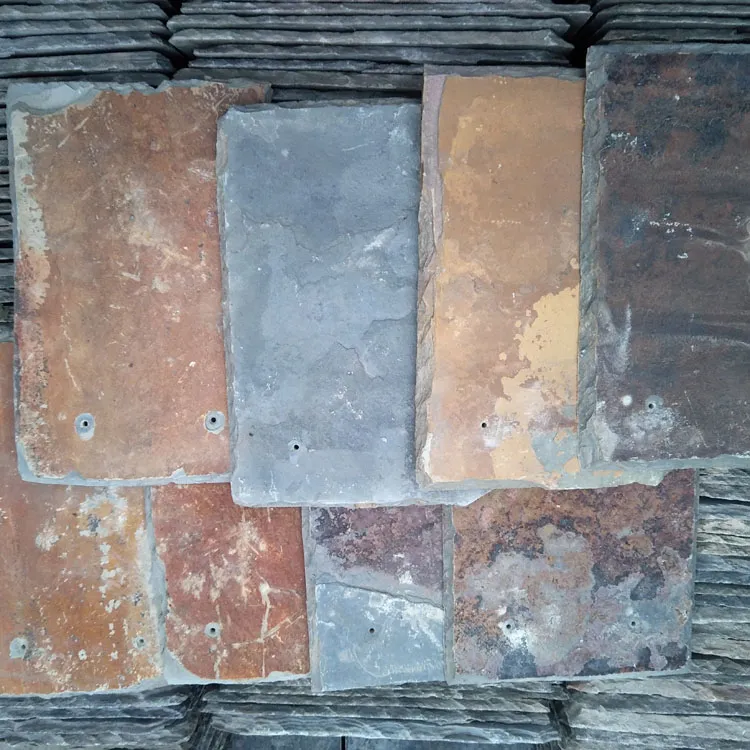
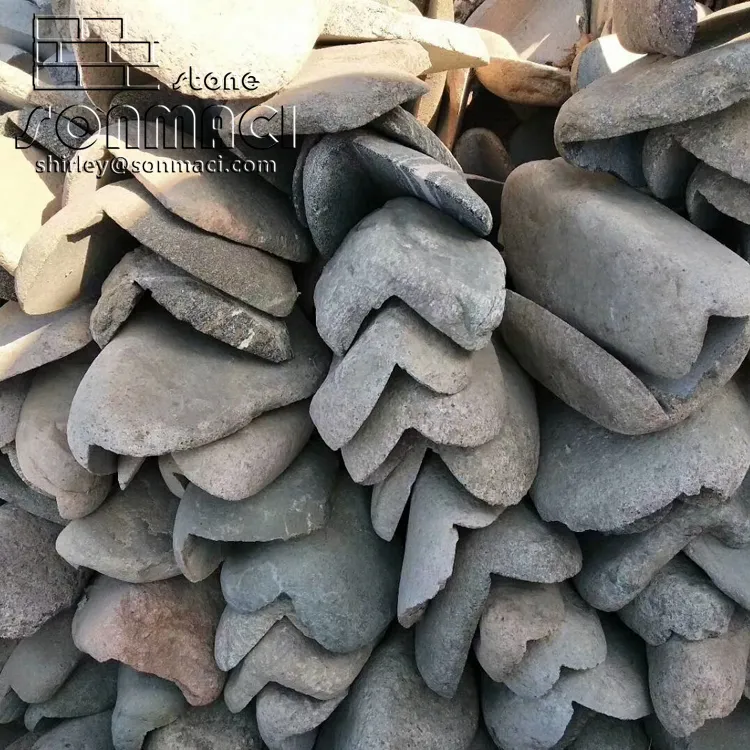
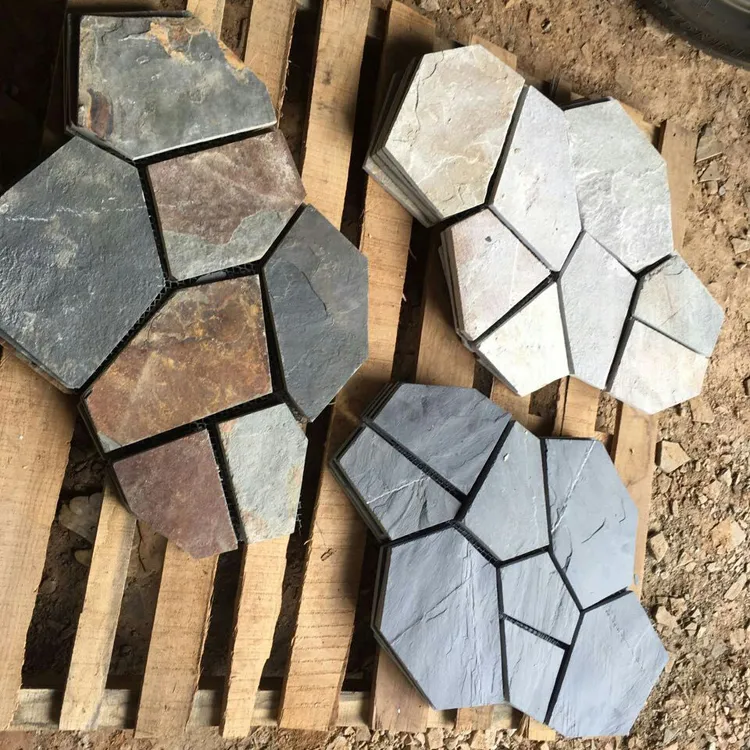
Not all stones are equal. Hard, dense stones like granite or basalt offer excellent weather resistance, while softer sandstones or limestones may require more maintenance. Local availability often determines the choice, impacting cost and carbon footprint.
Expert Craftsmanship
Fine dry walling demands skilled hands to shape, sort, and place stones properly. Even slight misfits can lead to instability. Lucky for the industry, training programs and apprenticeships are growing to keep the craft alive.
Cost Efficiency
While stone quarrying and shaping take upfront effort, the elimination of mortar reduces material costs and long-term repairs. Plus, reuse of stones from old walls enhances sustainability.
Environmental Impact
Dry-stone structures allow water to pass freely, reducing erosion and promoting healthy micro-ecosystems around the wall. This ecological harmony is appreciated by environmental planners.
Aesthetic and Cultural Value
The natural textures and patterns of stones appeal to architects and designers seeking authentic appearance and timeless charm.
Mini takeaway: Durability, skill, local materials, and eco-impact—these ingredients define successful dry walling stone use.
How Dry Walling Stone Is Employed Around the Globe
From terraced fields in Nepal to vineyard boundaries in France, dry stone walls have distinct regional flavors. But here are some prominent use cases:
- Post-Disaster Reconstruction: After earthquakes or floods, dry walling stone helps NGOs rapidly restore homes and essential infrastructure using local resources.
- Remote Industrial Zones: Mining camps or pipelines in rugged areas favor dry stone barriers for erosion control and shelter walls because bringing cement is expensive.
- Urban Green Spaces: Parks and trails in cities across North America use dry stone walls as retaining structures that minimize water runoff.
- Heritage Restoration: In Mediterranean countries, dry stone techniques revive centuries-old walls preserving cultural heritage while meeting modern codes.
One interesting example: a remote village in Scotland rebuilt flood defenses with dry walling stone after devastating storms, cutting costs by nearly 40% compared to concrete alternatives, according to local council reports.
Mini takeaway: Dry walling stone adapts from emergency housing to landscape design, proving its widespread utility.
Advantages and Long-Term Value of Dry Walling Stone
The benefits are more than skin-deep (or rock-deep, if that counts). Here’s what clients mention most often:
- Cost Savings: Lower material and labor costs over long periods.
- Sustainability: Low carbon footprint, reuse of materials, less waste.
- Resilience: Earthquake tolerance, weather adaptability.
- Community Impact: Job creation in traditional masonry, empowering local economies.
- Aesthetics and Identity: Natural look connects people to place, boosts property values.
Beyond logistics, dry walling stone imbues a sense of permanence and dignity often lost in temporary construction. Safety and trust build with solid, breathable structures — something you feel when you lean against a rugged stone wall on a crisp morning.
Mini takeaway: The logical and emotional rewards of dry walling stone underscore its growing appeal—from saving money to supporting culture.
Future Trends Shaping Dry Walling Stone
Technology and innovation are quietly entering the scene. Here’s what to watch:
- Digital Stone Cutting: CNC machines and lasers improve precision, speeding assembly.
- Green Certifications: Integrating dry stone methods into LEED and BREEAM standards.
- Hybrid Materials: Using geosynthetics with dry stone walls to bolster strength with minimal environmental damage.
- Sustainability Policies: Government incentives encourage traditional masonry to reduce carbon footprints.
- Automation in Construction: Drones and robots assessing wall stability or aiding in stone placement.
It’s an odd but timely marriage: ancient techniques and cutting-edge tech. This blend promises to make dry walling stone even more accessible.
Mini takeaway: Innovations around precision cutting, materials, and regulation will broaden dry walling stone’s role.
Challenges Facing Dry Walling Stone Today—and Pathways Forward
Like any craft, dry walling stone isn’t without hurdles:
- Labor Intensive: Skilled masons take years to master, so projects can face shortages.
- Perception Issues: Seen sometimes as old-fashioned or unsuitable for “modern” aesthetics.
- Scale Limitations: Large buildings need hybrid approaches; dry stone alone isn't always feasible.
- Material Quality: Local stones can vary, affecting integrity.
Yet experts suggest solutions:
- Developing training schools and apprenticeships through industry partnerships.
- Promoting awareness campaigns tied to sustainability credentials.
- Design innovations to combine dry stone with eco-friendly reinforcements.
- Mapping and quality testing local rock sources before projects.
In short, the path to wider adoption is clear, if not always easy.
Mini takeaway: Overcoming labor, perception, and technical constraints depends on education, tech, and clever design.
Dry Walling Stone FAQs
- Q: How long do dry stone walls typically last?
- A: Surprisingly, many dry stone walls have stood for hundreds of years, especially when well-maintained. Their flexibility and drainage qualities help them survive shifts and water damage that mortared walls might suffer.
- Q: Is dry walling stone sustainable compared to concrete?
- A: Yes, it usually has a much lower carbon footprint since it uses natural local stone without cement. It also promotes less soil erosion, making it eco-friendlier in the long run.
- Q: Can dry walling stone be used for large commercial structures?
- A: For very large buildings, dry stone alone is often supplemented with modern reinforcements or used in landscaping and retaining walls. However, advances in hybrid solutions are expanding possibilities.
- Q: How can organizations find skilled dry stone masons?
- A: Many regions have emerging training programs, heritage groups, or stone masonry guilds. NGO collaborations and online networks also help connect projects with craftsmen.
- Q: Are dry stone walls earthquake-resistant?
- A: Their flexibility means they often perform better than rigid mortared walls in earthquakes. They can absorb movement without catastrophic failure, which is why they’re favored in seismic zones.
Product Specification Table: Dry Walling Stone Key Parameters
| Specification | Typical Values | Notes |
|---|---|---|
| Stone Type | Granite, Basalt, Sandstone | Depends on local geology |
| Wall Thickness | 300–600 mm | Varies with load & height |
| Wall Height | Up to 3 m | Larger requires engineering |
| Durability | 50+ years | With proper construction |
| Water Permeability | High | Reduces erosion risks |
Vendor Comparison: Leading Dry Walling Stone Providers
| Vendor Name | Material Sourcing | Customization Options | Lead Time | Eco-Certifications | Price Range |
|---|---|---|---|---|---|
| StoneMason Ltd. | Local quarries | Custom sizing & finishes | 4-6 weeks | ISO 14001 | $$$ |
| EcoRock Solutions | Regional recycled stone | Limited | 3-5 weeks | BREEAM Compliant | $$ |
| Heritage Stoneworks | Imported artisan stone | High customization | 6-8 weeks | None | $$$$ |
Conclusion: Why Dry Walling Stone Could Be Your Next Smart Investment
So, what’s the final word on dry walling stone? It bridges the old and new, the environmental and economical, and the practical and elegant. For industries ranging from humanitarian relief to luxury landscaping, this technique offers resilient, cost-effective, and sustainable solutions worth serious consideration.
If you want to explore quality dry walling stone options, check out trusted suppliers and learn more at dry walling stone specialists’ portal.
It’s one of those things that, once you see its benefits, feels obvious — and oddly satisfying, like crafting something where science meets art.