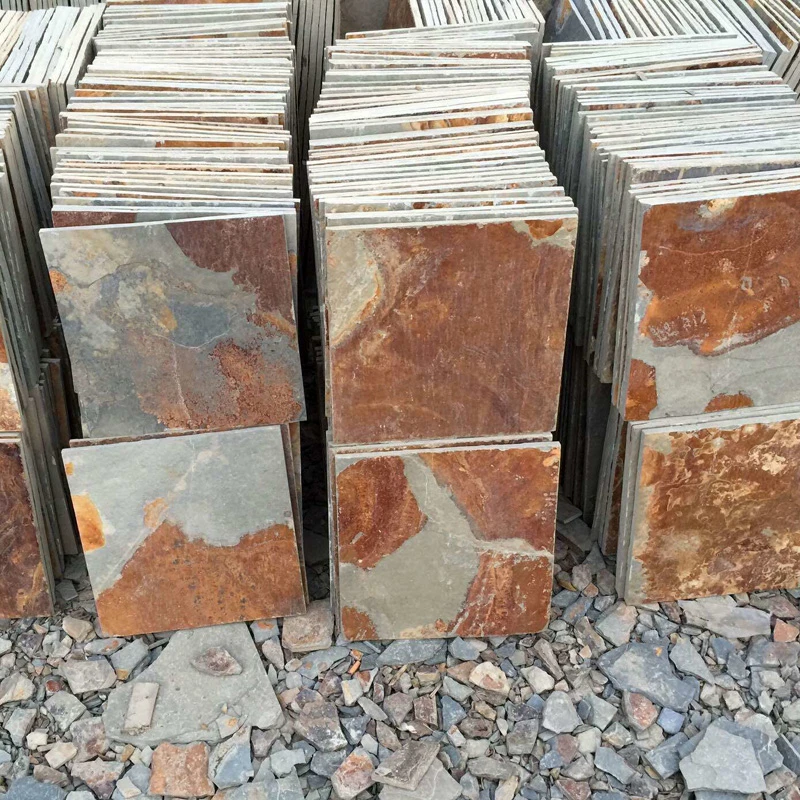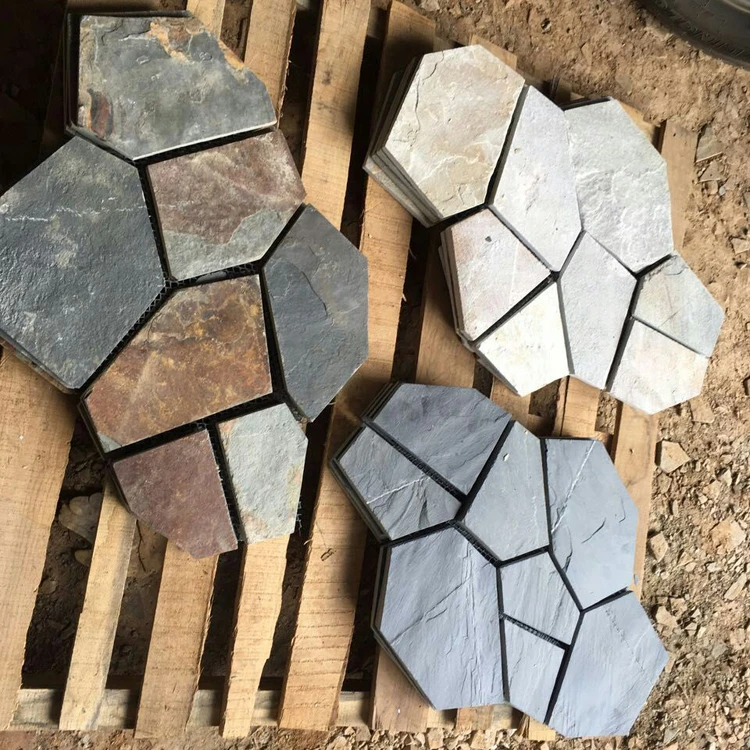
Precast Concrete Stepping Stones: Durable, Sustainable Pathways for Every Terrain
Understanding Precast Concrete Stepping Stones and Their Global Impact
If you’ve ever strolled through a landscaped garden path or crossed a damp backyard without sinking into the mud, you’ve probably encountered precast concrete stepping stones. Though they might seem like simple, everyday items, these stepping stones have quiet but powerful roles in construction, infrastructure, and even humanitarian aid worldwide. In fact, understanding precast concrete stepping stones isn’t just about aesthetics or convenience — it touches on sustainability, cost control, and rapid deployment solutions in challenging environments.
Globally, the concrete industry accounts for around 8% of CO2 emissions, according to the International Energy Agency, so any innovation in concrete products that enables efficiency and durability matters a lot. Precast concrete stepping stones, with their modular nature and quality control advantages, are a neat piece of this evolving puzzle.
precast concrete stepping stonesWhy Precast Concrete Stepping Stones Matter in Our World Today
Precast concrete stepping stones are a small but significant element of modern infrastructure. Their relevance has increased over the years with the global push toward faster construction timelines, sustainability, and cost efficiency. According to an ISO report on precast concrete standards, off-site manufacturing reduces waste by nearly 30% compared to traditional methods.
One challenge that these stepping stones help solve is providing safe, durable footpaths in areas prone to heavy rain or flooding — think rural communities, disaster zones, or large-scale industrial sites. Without such infrastructure, walking safely can be a daily struggle. This is where stepping stones step in — literally. Their simplicity belies a vital role that spans continents and cultures.
What Are Precast Concrete Stepping Stones?
Simply put, precast concrete stepping stones are shaped slabs of concrete cast in a controlled factory environment, cured, and then transported to their final place for installation. Unlike on-site poured concrete, these are manufactured off-site, ensuring consistent quality, strength, and dimensions. The term “precast” points to this whole approach of producing concrete components ahead of time versus molding in place.
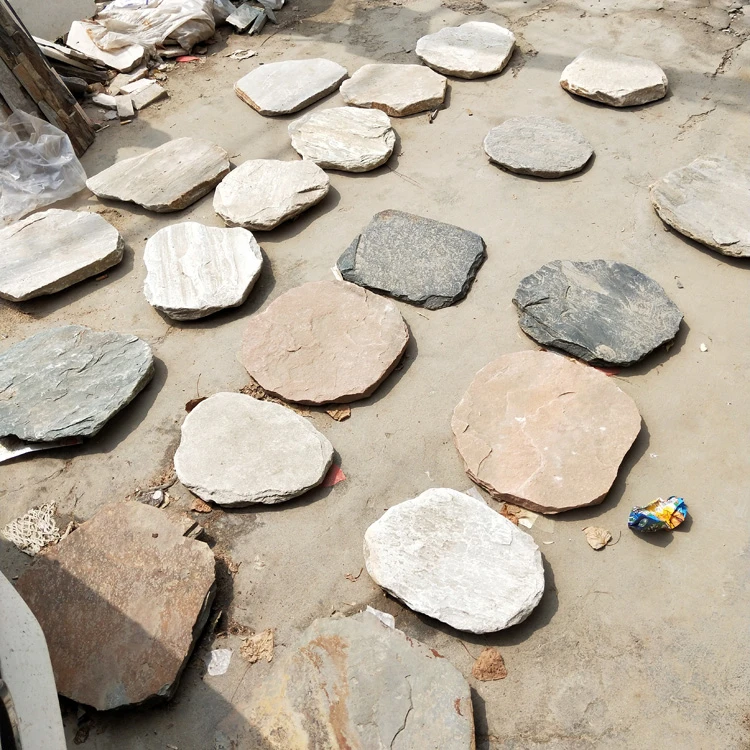
The simplicity of stepping stones — flat slabs designed to be placed intermittently on soil or grass — means their use extends beyond gardens. They’re often used in industrial yards, parks, emergency relief camps, and even as quick, temporary walkways. In humanitarian contexts, they help build dignified, resilient pathways where infrastructure is weak or has been wiped out.
Key Factors Behind the Success of Precast Concrete Stepping Stones
Durability
One big reason they’re favored is their strength. Precast concrete stepping stones are typically cast with high-density concrete, sometimes reinforced with fibers or steel, resulting in long-lasting wear resistance even in heavy foot traffic environments or harsh weather.
Scalability and Consistency
Since these stones are made in molds, manufacturers can produce thousands of identical units, allowing projects to scale quickly without losing dimension precision — something that’s often a headache in traditional concrete work. Uniformity also means fewer errors during installation.
Cost Efficiency
Though they require upfront factory manufacturing, precast stepping stones cut labor and resource costs significantly by reducing on-site casting times and minimizing waste. There’s also the upside of less material use compared to solid concrete slabs for the same walking purpose.
Environmental Sustainability
By controlling the production environment, manufacturers can optimize concrete mixes, sometimes integrating recycled materials or using eco-friendly cements, thereby reducing the environmental footprint. Plus, their reusability and longevity mean less frequent replacement.
Design Flexibility
Another perk is the ability to customize shape, texture, and color to match different aesthetic or functional needs — from rustic garden paths to industrial safety walkways.
Precast Concrete Stepping Stones in Real-World Applications
In Asia-Pacific rural areas, where muddy terrains impede access to schools and clinics, precast stepping stones have helped create all-weather access with minimal infrastructure. NGOs have adopted them in refugee camps, offering quick, dignified pathways while permanents structures are built.
Meanwhile, industrial parks in Europe and North America use them to maintain safe pedestrian routes amidst heavy machinery, reducing slip hazards.
Oddly enough, in many heritage and conservation projects, precast stones mimic natural rock textures to blend historical sites with modern safety requirements.
| Feature | Specification |
|---|---|
| Dimensions | 40cm × 40cm × 5cm (typical) |
| Material | High-density concrete with fiber reinforcement |
| Weight | Approximately 12-15 kg |
| Compressive Strength | Minimum 40 MPa |
| Surface Texture | Non-slip finishes available |
| Installation | Simple ground embedment, no curing on site needed |
The Long-Term Value and Benefits of Using Precast Concrete Stepping Stones
One of the bigger advantages is the reliability they bring, especially in environments where infrastructure investments must last. Their durability means less frequent replacements or repairs, which translates into long-term cost savings.
From a sustainability angle, reducing waste through factory-controlled production aligns with rising regulations requiring greener construction. It’s like stepping stones lead the way for eco-conscious site planning.
Socially, they improve safety and accessibility, whether for kids walking to school through muddy fields or workers navigating factories. Added comfort and dignity go a long way toward community well-being — which sometimes feels forgotten in “industrial” discussions.
Innovations Shaping the Future of Precast Concrete Stepping Stones
Technology is slowly but surely changing the game. For instance, some manufacturers are experimenting with integrating recycled plastics and industrial by-products into their mixes, pushing toward circular economy goals. Digital modeling and automation in factories enhance production speed and precision — which means custom shapes and textures can be created quickly for specialized projects.
Then there’s growing interest in “smart” materials — stepping stones embedded with sensors that can monitor foot traffic or environmental conditions, feeding data back for infrastructure planning or maintenance alerts. That might sound futuristic, but it’s happening now in pilot programs across Europe and Asia.
Common Challenges and Practical Solutions
Of course, there are hurdles. Transporting fragile stones, for example, can be costly and sometimes environmentally inefficient if distances are long. That’s why local manufacturing is often touted as a key step forward. Off-the-shelf designs can limit creativity, but modular customization options and digital modeling are helping overcome that.
Installation on uneven or unstable ground can cause issues with stone shifting. Solution? Embedded base layers with geotextile fabrics or gravel beds improve stability, and many contractors swear by simple but effective dry-installation methods.
Frequently Asked Questions About Precast Concrete Stepping Stones
- What are the main advantages of precast concrete stepping stones over poured in-place concrete?
- Precast stones offer consistent quality, faster installation, and reduced on-site labor, resulting in overall cost savings and better durability. They’re made in controlled conditions ensuring strength and uniformity — something poured concrete often struggles with on uneven sites.
- How long do precast stepping stones typically last outdoors?
- With proper installation, they can easily last 20 to 30 years or more. Their high compressive strength and weather-resistant finishes help withstand heavy foot traffic and harsh climates without significant degradation.
- Can these stepping stones be customized for different applications?
- Absolutely. They can be cast in different sizes, thicknesses, shapes, textures, and even colors to fit gardens, industrial yards, or access ramps. Modern manufacturing tech supports small batch custom orders efficiently.
- Are precast concrete stepping stones eco-friendly?
- They can be! When produced using optimized mixes that incorporate recycled materials and in factories using energy-efficient methods, their environmental impact is considerably lower than traditional, wasteful on-site casting practices.
- Can NGOs or contractors order these stones internationally?
- Yes, many vendors offer shipping worldwide, but local manufacturing or regional suppliers are often preferred to reduce costs and emissions. Some firms also provide kits for onsite assembly, making international logistics simpler.
Choosing the Right Precast Concrete Stepping Stone Vendor
| Vendor | Production Capacity | Customization Options | Sustainability Practices | Typical Lead Time |
|---|---|---|---|---|
| StoneForms Inc. | 30,000 pcs/month | Size, color, texture | Recycled aggregates, solar-powered plant | 2-3 weeks |
| EcoStep Solutions | 15,000 pcs/month | Custom molds & eco mixes | Fly ash and slag utilization | 3-4 weeks |
| Global Stepping Co. | 50,000 pcs/month | Standard sizes only | ISO 14001 certified factory | 1-2 weeks |
Wrapping Up: Why Precast Concrete Stepping Stones Are More Than Just a Pathway
All said and done, precast concrete stepping stones quietly champion a smarter, more sustainable, and scalable approach to meet both everyday and exceptional walking surface needs. Whether it’s a muddy village trail, a sprawling industrial park, or an emergency camp, these concrete slabs pave the way — literally and figuratively — toward safe access, cost savings, and environmental responsibility.
Curious to explore high-quality options or bulk orders? Be sure to check out precast concrete stepping stones offerings that combine craftsmanship with modern innovation. It feels like a small step, but it makes a world of difference.
Takeaway
Durability, design flexibility, scalability, and sustainability make precast concrete stepping stones surprisingly vital to modern infrastructure and humanitarian aid alike.