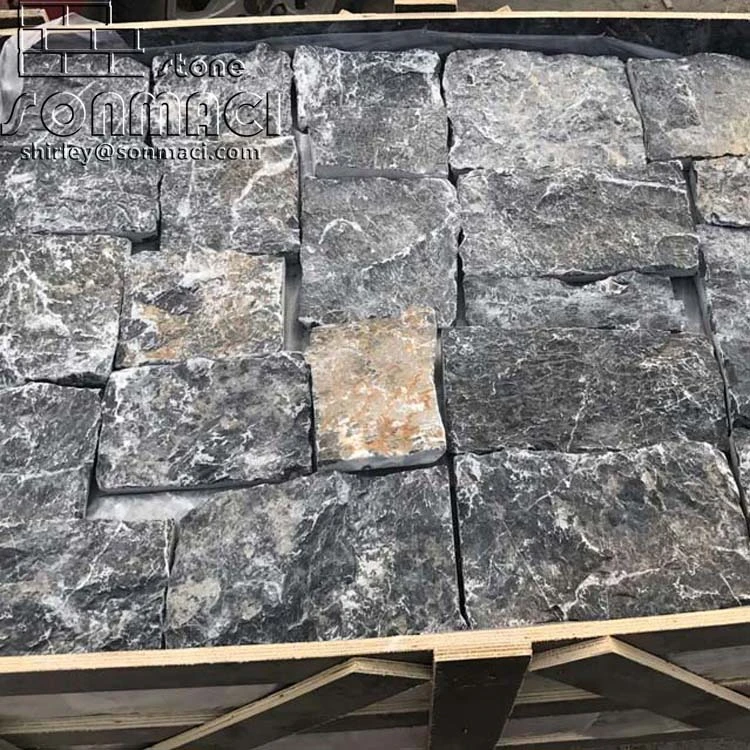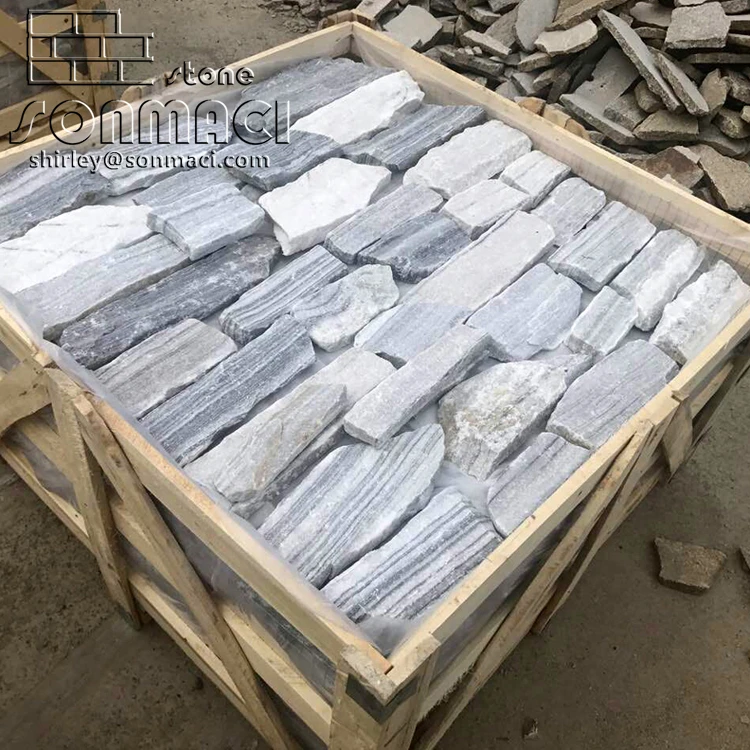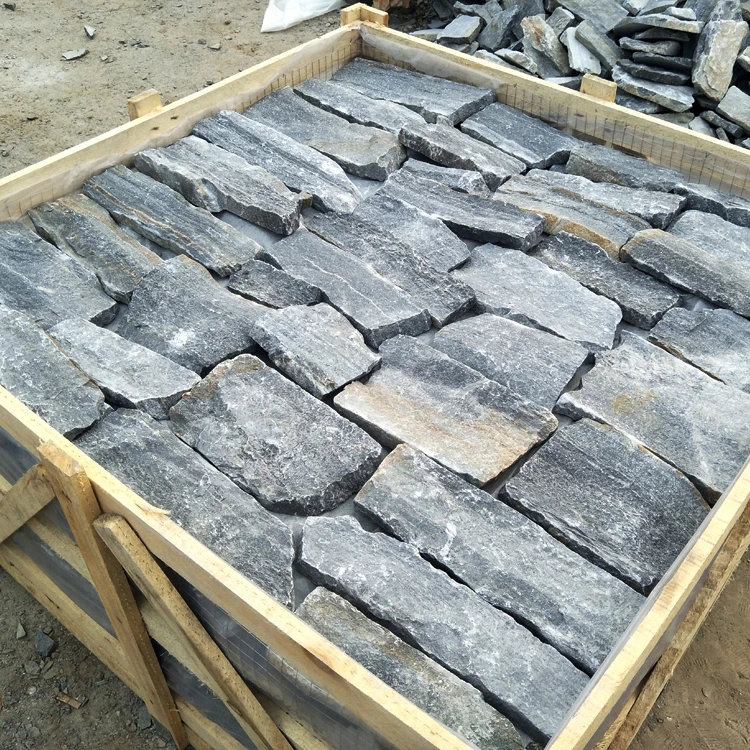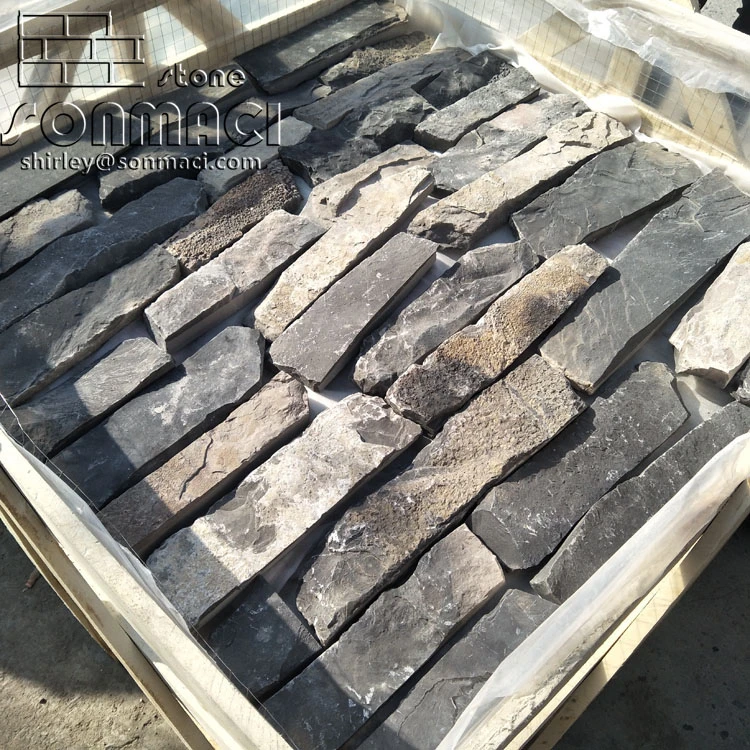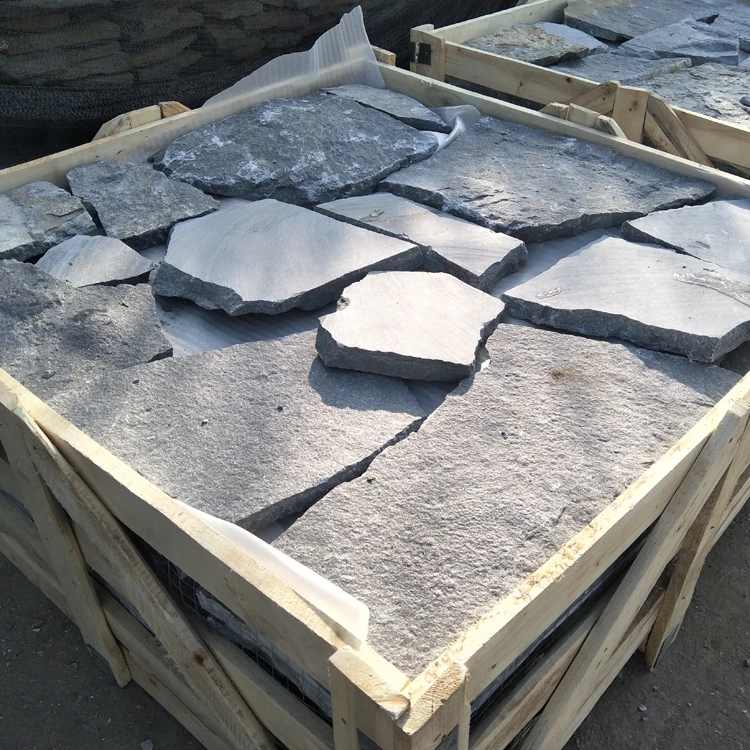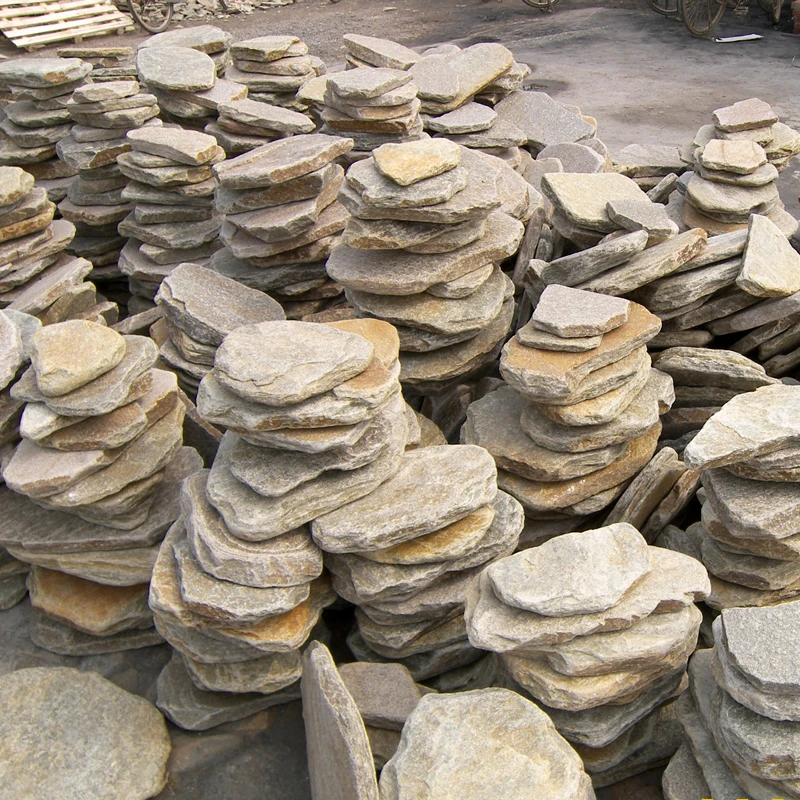
Durable and Sustainable Precast Stone Walls for Modern Construction
Precast Stone Walls: A Durable Solution for Modern Construction
Precast stone walls are more than just beautiful façades on buildings or charming garden edges. They’re a globally relevant technology shaping how we build safer, more sustainable, and faster infrastructure in many parts of the world. From urban centers to disaster zones, understanding the benefits and applications of precast stone walls helps us appreciate a modern method that blends tradition with modern engineering.
Why Precast Stone Walls Matter Globally
As urban populations balloon and industrial expansion pushes into challenging terrains, the global construction sector faces massive hurdles — cost, environmental impact, and speed of delivery, to name a few. According to the United Nations, about 55% of the world's population currently lives in cities, projected to rise to 68% by 2050.1 This rapid urbanization demands construction methods that are efficient, sustainable, and resilient.
Precast stone walls answer many of these challenges by offering robust, ready-made components that are not only aesthetically pleasing but also engineered to withstand harsh environments, reduce onsite labor, and minimize waste.
What Are Precast Stone Walls?
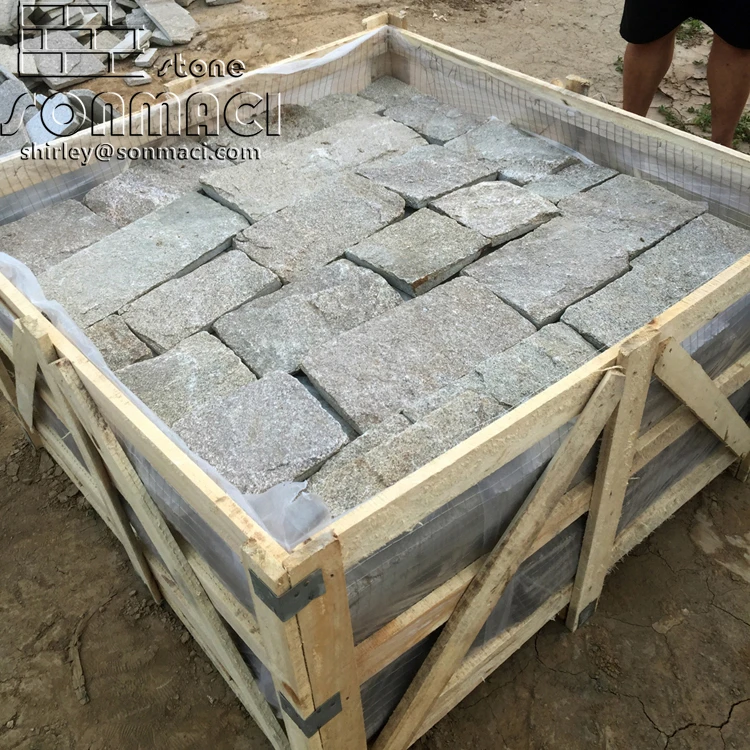
Simply put, precast stone walls are structural or decorative wall components cast in a controlled factory setting using natural stone or engineered stone mixtures. These panels or blocks are later transported and assembled onsite. The process separates the complex casting work from the field construction, allowing higher quality control and faster builds.
These walls play an important role in modern architecture and humanitarian efforts alike — their modularity and resilience make them popular for everything from luxury housing to temporary shelters in disaster-affected regions.
Core Components of Precast Stone Walls
Durability and Strength
Many engineers swear by precast stone for its impressive durability. The controlled environment ensures consistent casting densities and curing cycles, making these walls resistant to cracking, weathering, and impact.
Scalability and Speed
Because units are produced offsite, you can scale projects quickly. This is a game-changer in post-disaster relief or rapid urban expansion, where time is critical.
Cost Efficiency
Contrary to initial perceptions, precast stone improves cost-efficiency over time since onsite labor costs drop and mistakes (which are expensive) are minimized. There’s also less material wastage compared to traditional stone masonry.
Sustainability
With rising concerns about carbon footprints, precast stone walls present a more environmentally friendly option. Utilizing local stone, minimizing transport, and reducing onsite waste all contribute to greener construction practices.
Customization
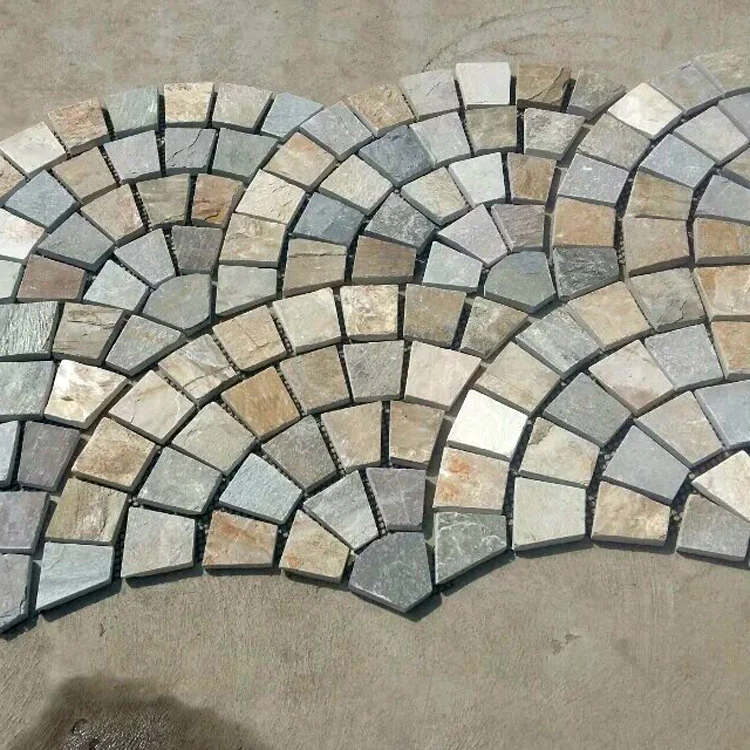
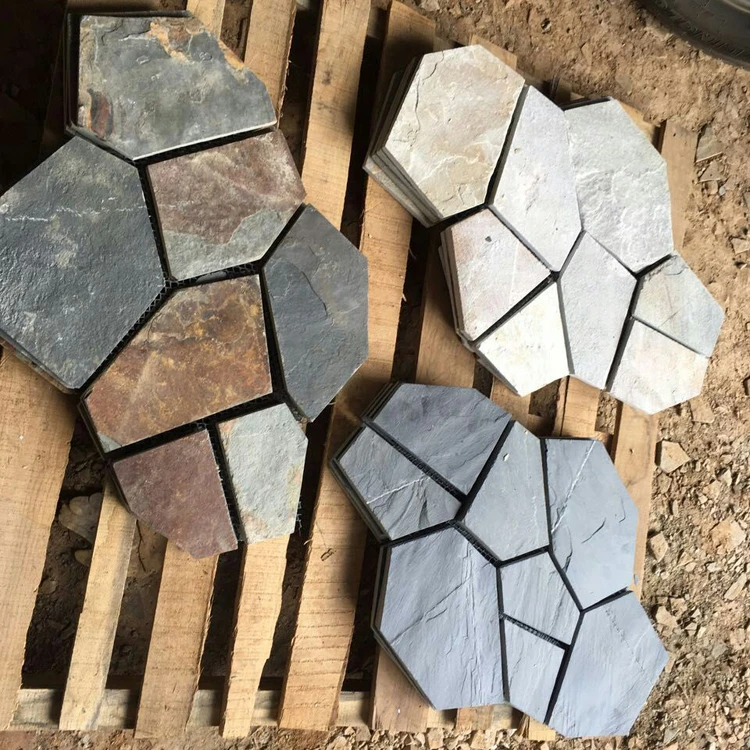
The versatility of design is surprisingly broad. You can mold textures, shapes, and finishes to fit aesthetic demands without slowing down production.
Safety and Reliability
Precast panels meet stringent international standards, ensuring structural safety in seismic zones and extreme climates.
Mini Takeaway: Precast stone walls blend strength, speed, and sustainability, making them a practical choice worldwide.
Global Applications: From Megacities to Remote Areas
In places like China and the UAE, large-scale urban projects utilize precast stone modular systems to speed up multi-story building facades. In Europe, eco-conscious architects lean on these solutions to meet ISO 14001 standards for sustainable construction.2
Meanwhile, NGOs working with post-disaster relief—say, after a devastating earthquake—use precast stone walls for quick assembly of durable shelters that can last years, restoring dignity amid chaos. Remote industrial zones, from mining sites in Africa to pipeline corridors in Canada, also rely on these walls to secure and protect key infrastructure in harsh conditions.
Knowing the diverse range of uses reaffirms the adaptability precast stone walls bring to sectors that couldn’t afford downtime or failure.
Advantages & Long-Term Value of Precast Stone Walls
- Cost Savings: Reduced onsite labor and faster completion mean projects come in under budget.
- Environmental Gains: Less waste and use of sustainable materials help organizations meet green building certifications.
- Emotional Impact: There’s something reassuring about stone — it feels solid, safe, and enduring, offering peace of mind to inhabitants.
- Reliability: Factory control allows for detailed inspections, leading to longer-lasting structures.
- Brand Value: Developers often highlight the precision and visual appeal of precast stone as a selling point for clients.
Mini Takeaway: Beyond raw numbers, precast stone walls connect practical benefits with human values like safety and trust — a rare combo.
Product Specification Table: Typical Precast Stone Wall Panel
| Specification | Value |
|---|---|
| Dimensions | 2.4m (L) x 1.2m (H) x 0.15m (Thickness) |
| Weight | Approx. 350 kg / panel |
| Material | Natural stone with polymer binder |
| Compressive Strength | > 45 MPa |
| Thermal Conductivity | 0.8 W/m·K |
| Fire Resistance | Class A (non-combustible) |
| Installation Time | ~10 minutes per panel (experienced crew) |
Emerging Trends and Innovations
The world isn’t standing still — precast stone walls are evolving alongside digital and green revolutions. Smart manufacturing techniques, including 3D scanning and automation, are making custom shapes and textures easier and more cost effective.
Material innovations are also underway, such as integrating recycled stone aggregates or bio-based polymers that boost sustainability scores without sacrificing strength. Policies around carbon-neutral building demand solutions like precast walls that reduce onsite emissions dramatically.
Interestingly, some companies experiment with solar-integrated stone panels or embedded sensors that monitor structural health — an odd mix of nature and tech that feels very 21st century.
Challenges and How the Industry Overcomes Them
Of course, no product is perfect. Transporting these heavy stone panels requires careful logistics, and onsite installation demands skilled crews, especially in difficult terrain. Additionally, initial investment in molds and factory setup can deter smaller firms.
Experts recommend partnering with specialized manufacturers who offer turnkey solutions—including design consultation and training—which helps smooth the adoption curve. Modular, lightweight alternatives are being developed to lower freight costs without compromising integrity.
Vendor Comparison: Leading Precast Stone Wall Suppliers
| Vendor | Panel Strength (MPa) | Customization Options | Price Range (USD / m²) | Typical Lead Time |
|---|---|---|---|---|
| StoneCraft Ltd. | 50-55 | High (textures, colors, shapes) | $120 - $150 | 4-6 weeks |
| EverStone Inc. | 45-48 | Medium (standard shapes/colors) | $100 - $130 | 3-5 weeks |
| GlobalStone Solutions | 48-52 | High (custom & rapid prototyping) | $130 - $170 | 5-7 weeks |
Frequently Asked Questions About Precast Stone Walls
1. How quickly can precast stone walls be installed onsite?
Installation speed depends on crew experience, but typically, each panel takes around 10 minutes to set in place. Complete walls can be erected much faster than traditional masonry, sometimes cutting onsite time by over 50%.
2. Are precast stone walls suitable for earthquake-prone areas?
Yes, when designed properly to meet local seismic codes, precast stone walls provide excellent resistance thanks to their uniform strength and controlled manufacturing. Engineering firms often incorporate reinforcement bars or special joint systems for added stability.
3. Do precast stone walls offer environmental benefits compared to traditional construction?
Absolutely. Precasting reduces onsite waste, uses less water during curing, and can incorporate recycled materials. Plus, minimizing onsite work lowers emissions from heavy equipment.
4. Can precast stone walls be customized for unique architectural designs?
Yes! One of their biggest strengths is adaptability. Architects can choose textures, colors, and shapes that suit any style without delaying the project.
5. How can international organizations source precast stone walls for humanitarian projects?
Many suppliers offer export services and provide training to local teams for assembly. Working with vendors experienced in logistics and rapid deployment can streamline the process.
Wrapping Up: The Lasting Value of Precast Stone Walls
In real terms, precast stone walls offer a powerful combination of durability, beauty, and efficiency. They’re not just cold, industrial elements but pieces of infrastructure that carry social, environmental, and economic value over decades. Whether you’re building high-rise apartments, crafting serene garden divisions, or responding quickly after a crisis, these walls deliver.
If this has piqued your interest, do check out more technical info and real examples at precast stone walls — you’ll see just how broad their impact really is.
References:
- United Nations, World Urbanization Prospects, 2018 Revision
- ISO 14001: Environmental management systems — Requirements
- Wikipedia: Precast Concrete