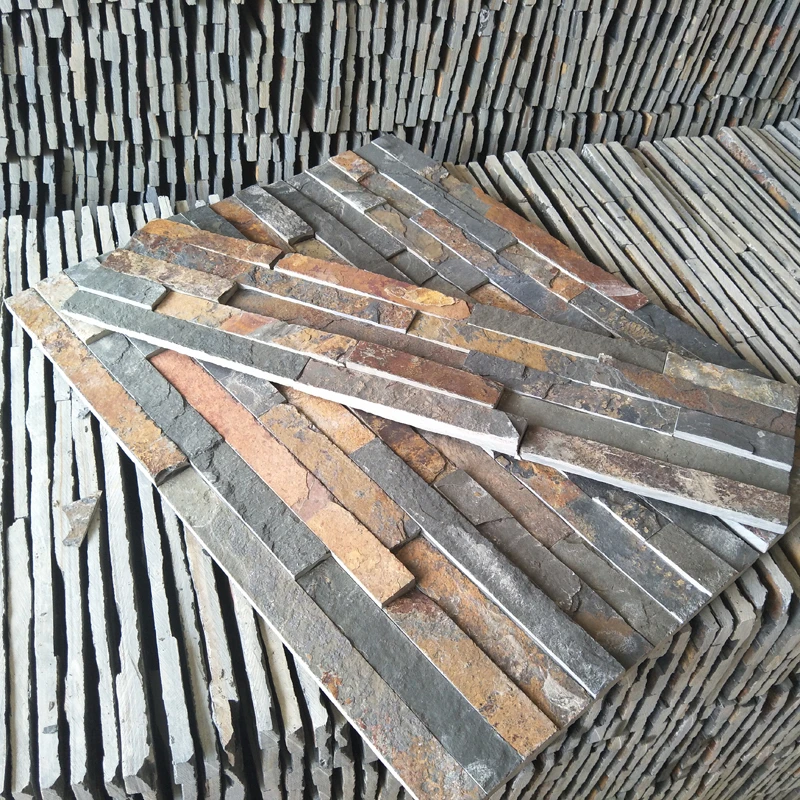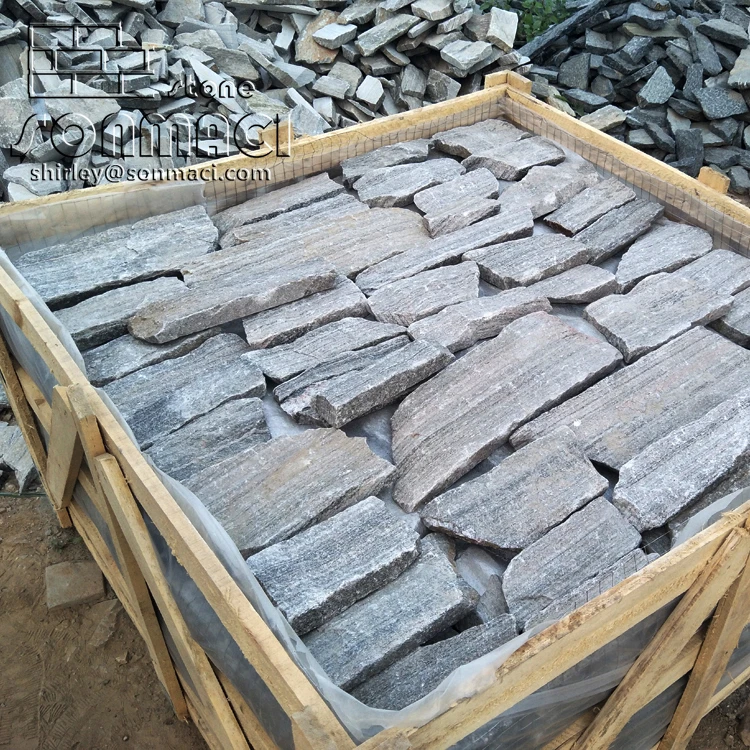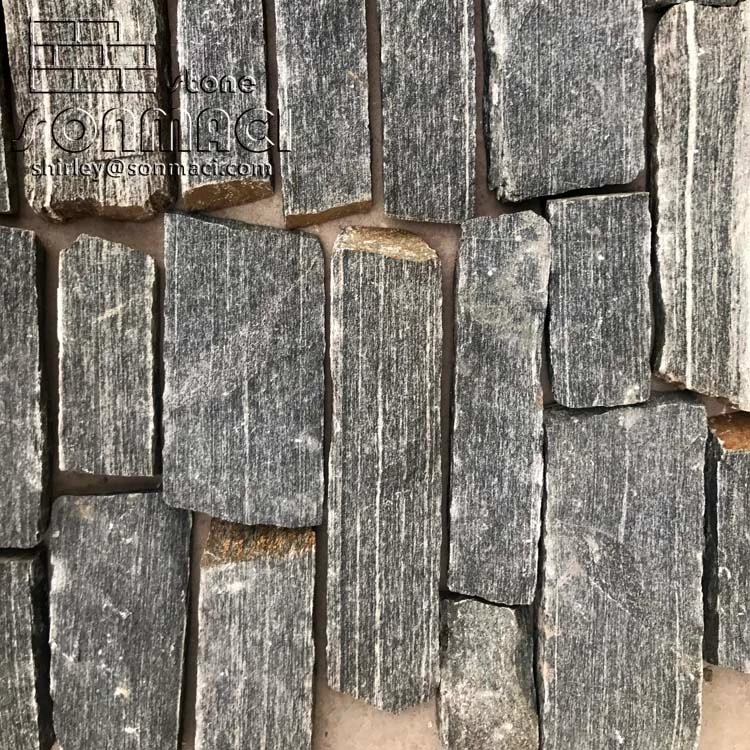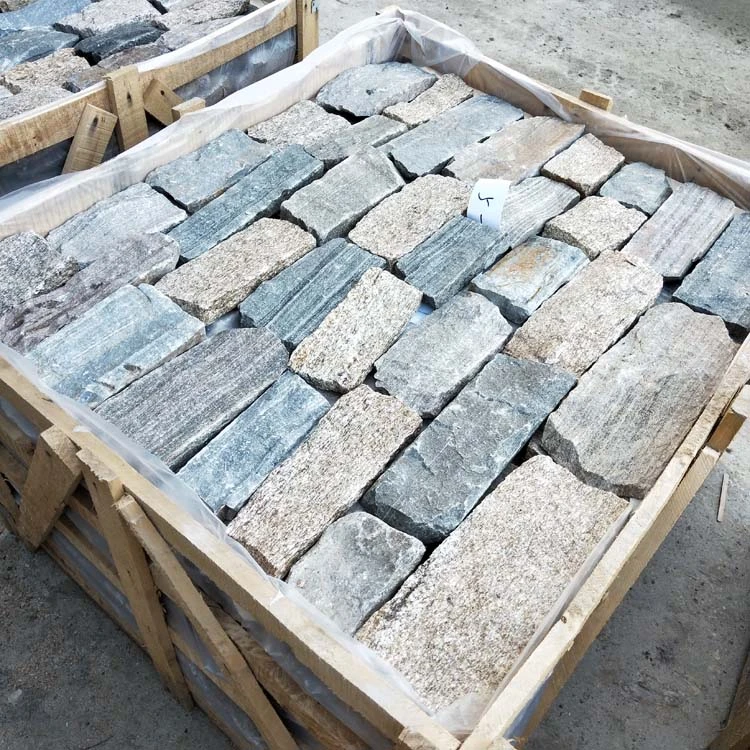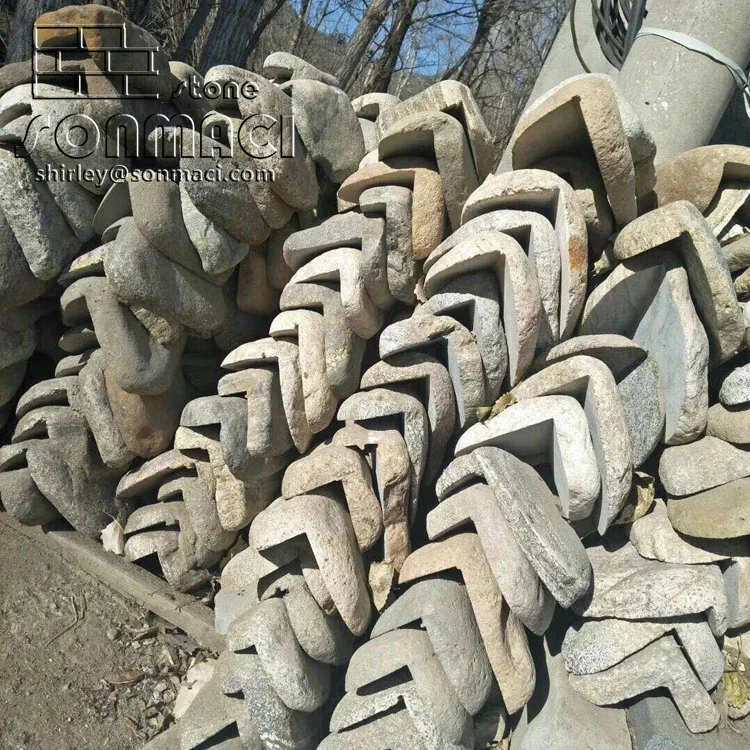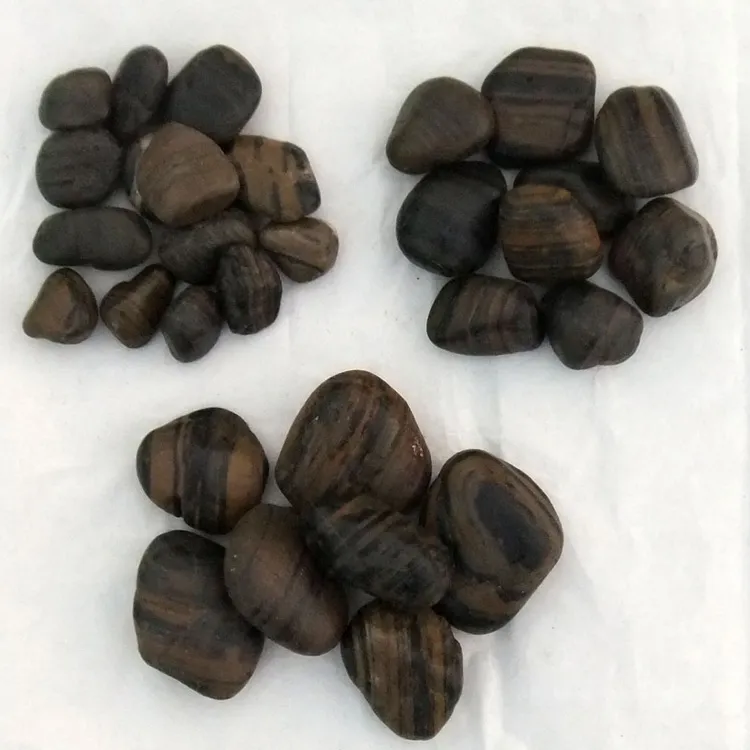
Stone Veneer for House – Durable, Sustainable & Stylish Exterior Solutions
Why Stone Veneer for House Construction Matters in Today’s World
Stone veneer for house has quietly cemented itself as a transformative material in both residential and commercial building sectors worldwide. Beyond just adding rustic charm or aesthetic appeal, its growing use reflects broader shifts in architecture, sustainability, and economic practicality.
Globally, as urbanization accelerates—more than 56% of the planet's population lived in urban areas in 2020, according to the United Nations—there’s an ever-increasing demand for affordable, durable, and eco-friendly building solutions. Stone veneer offers a neat compromise between natural stone’s longevity and modern construction’s desire for cost-effectiveness and speed. So understanding stone veneers and their applications isn't just stone-age nostalgia; it’s about tapping into a material that meshes old-world permanence with new-world sensibility.
Stone Veneer for House: A Global Perspective
In many regions, especially where natural stone is scarce or building budgets are tight, stone veneer steps in as a game changer. According to industry reports, the global market for architectural stone veneer is projected to grow by over 5% annually over the next decade. This reflects a push towards durable, lightweight, and visually appealing materials.
But what challenges does stone veneer actually address? For many builders, it’s the need to replicate the strong aesthetic of natural stone without incurring the weight, cost, or environmental impact. In areas prone to natural disasters or extreme weather, traditional stone can be impractical or hazardous due to its heaviness. Stone veneer offers the texture and look, minus the bulk.
Mini Takeaway:
The rise of stone veneer results from a practical response to global urbanization and sustainability pressures, marrying affordability with authentic style.
So, What Exactly Is Stone Veneer for House?
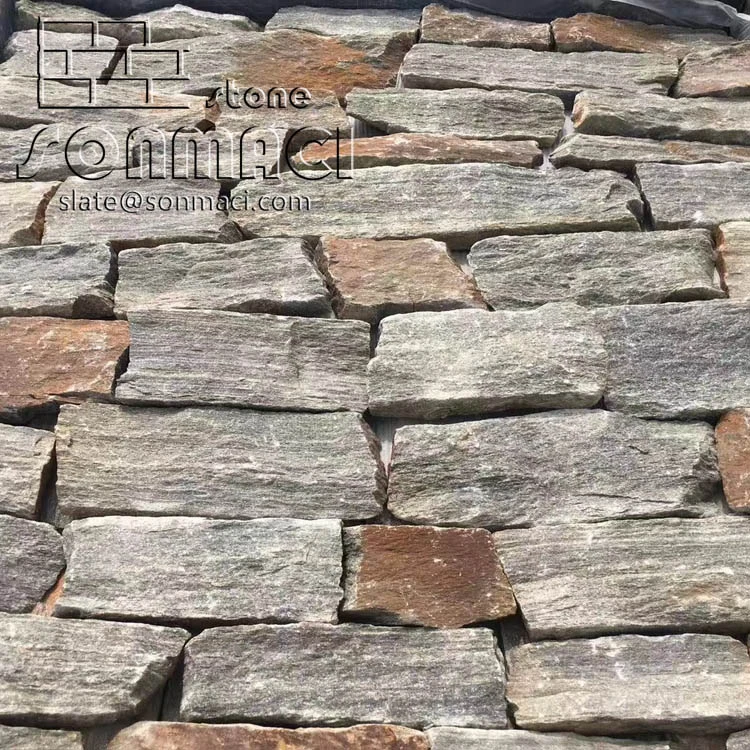
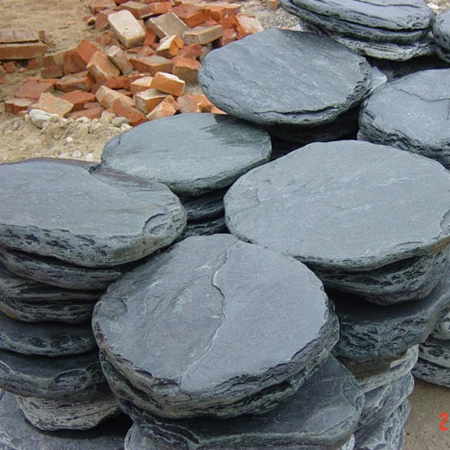
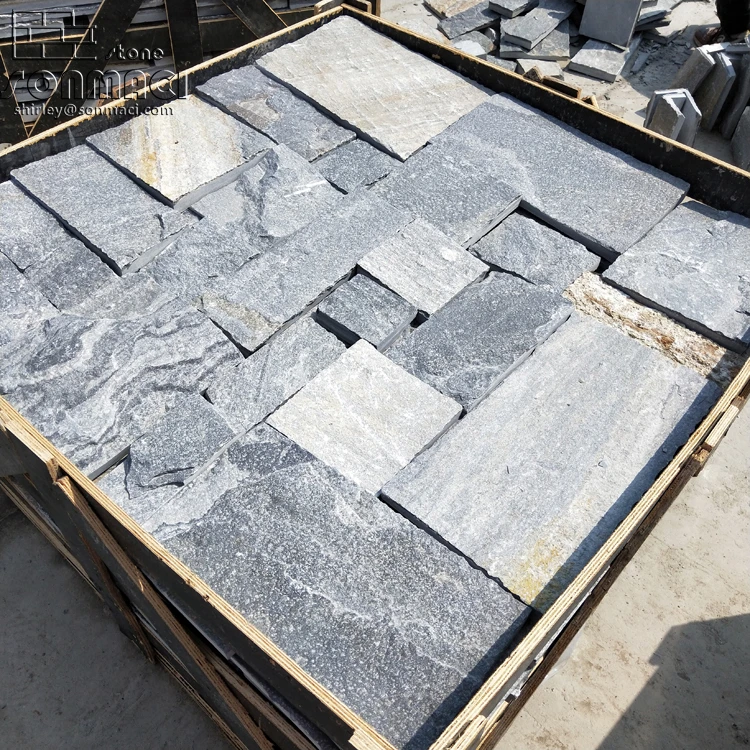
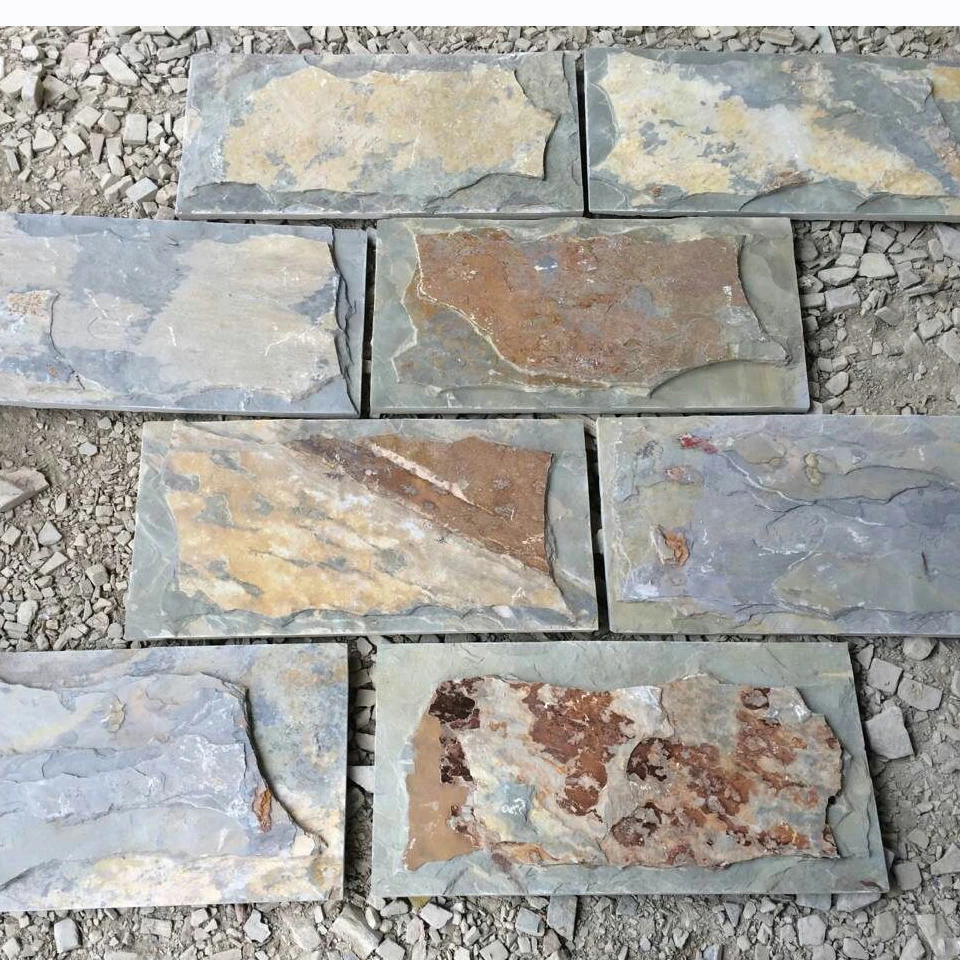
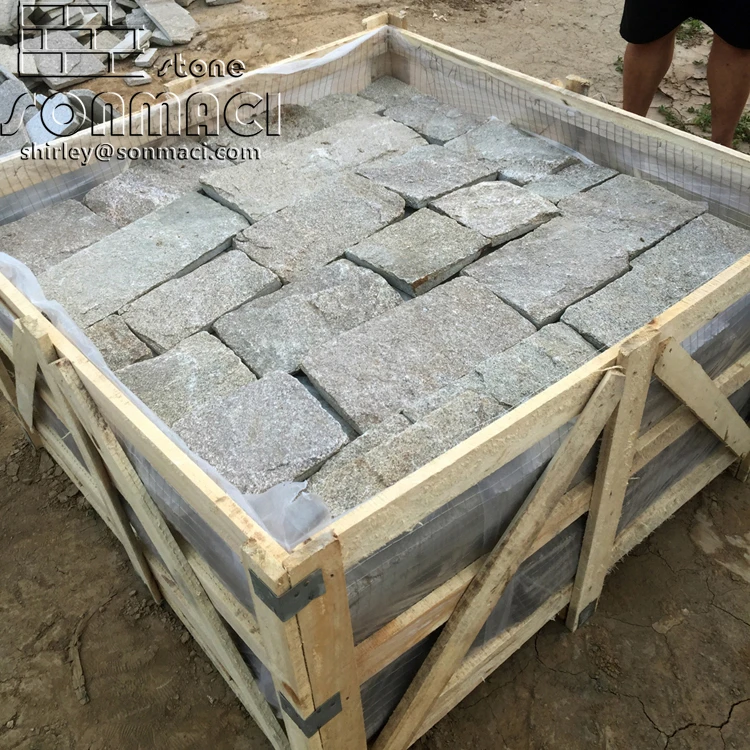
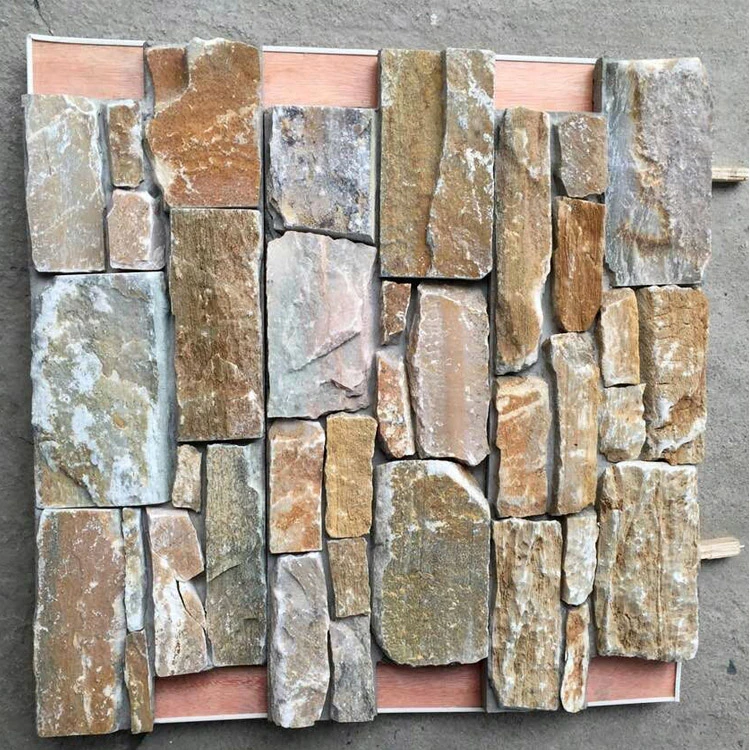
At its core, stone veneer is a thin layer of natural or manufactured stone designed to be applied to surfaces like walls, facades, or fireplaces. Typically ranging from ½ inch to 2 inches thick, it mimics traditional stone masonry but is far lighter and easier to install.
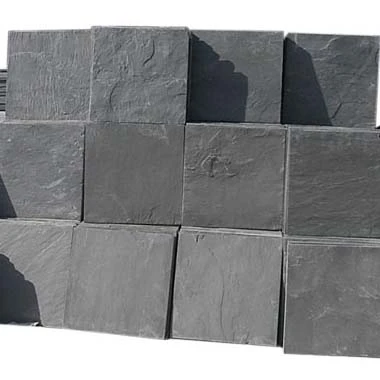
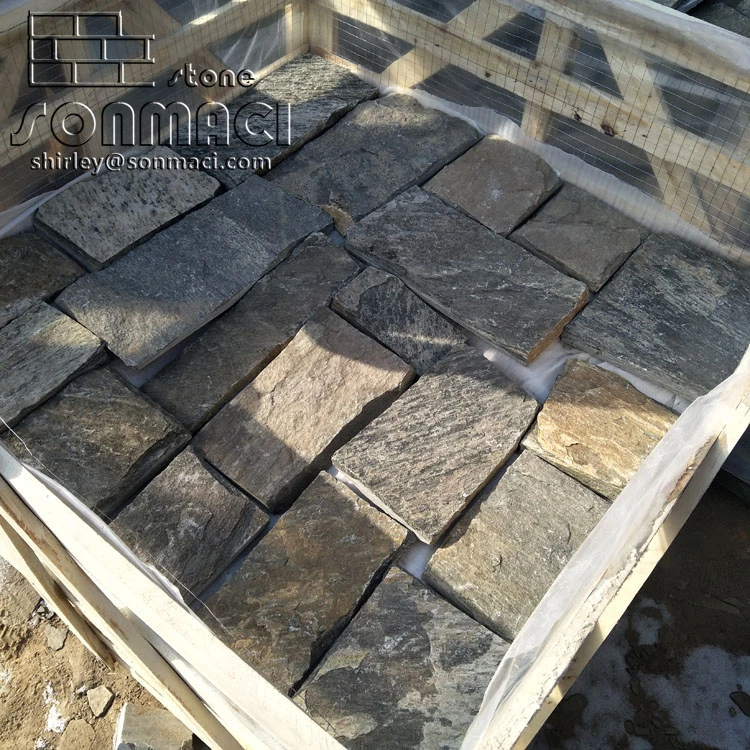
Manufactured stone veneer usually consists of a concrete mixture colored and molded to look like natural stone, offering consistent dimensions and easier handling. Natural stone veneer, meanwhile, is real quarried stone sliced to thin sheets. The allure? You get the timeless appeal of stone with less cost, environmental strain, and structural load.
Interestingly, stone veneer intersects with humanitarian and industrial needs as well: in post-disaster rebuilding, quick-to-install but resilient materials are needed, and stone veneer fits quite neatly.
Mini Takeaway:
Stone veneer is essentially a smart design innovation—thin stone layers delivering real stone looks with fewer drawbacks.
Breaking Down the Core Components of Stone Veneer
1. Durability
Despite its slim profile, quality stone veneer is built tough. Engineered to resist weathering, fading, and impact, it can last decades with minimal maintenance. This durability means homeowners and builders get lasting investment value.
2. Cost Efficiency
Compared to full-thickness natural stone, veneer reduces material and labor costs dramatically. It’s easier to transport, needs less structural support, and the installation is quicker—translating into substantial savings.
3. Lightweight Nature
One of stone veneer’s biggest selling points is how much lighter it is than conventional stone. This means less stress on foundations and framing, opening up retrofit possibilities for older buildings.
4. Aesthetic Versatility
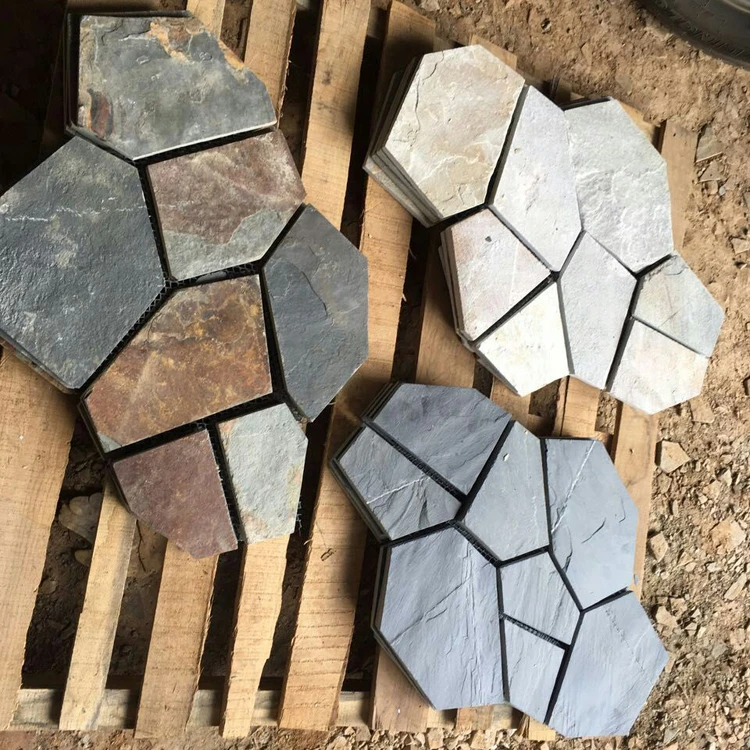
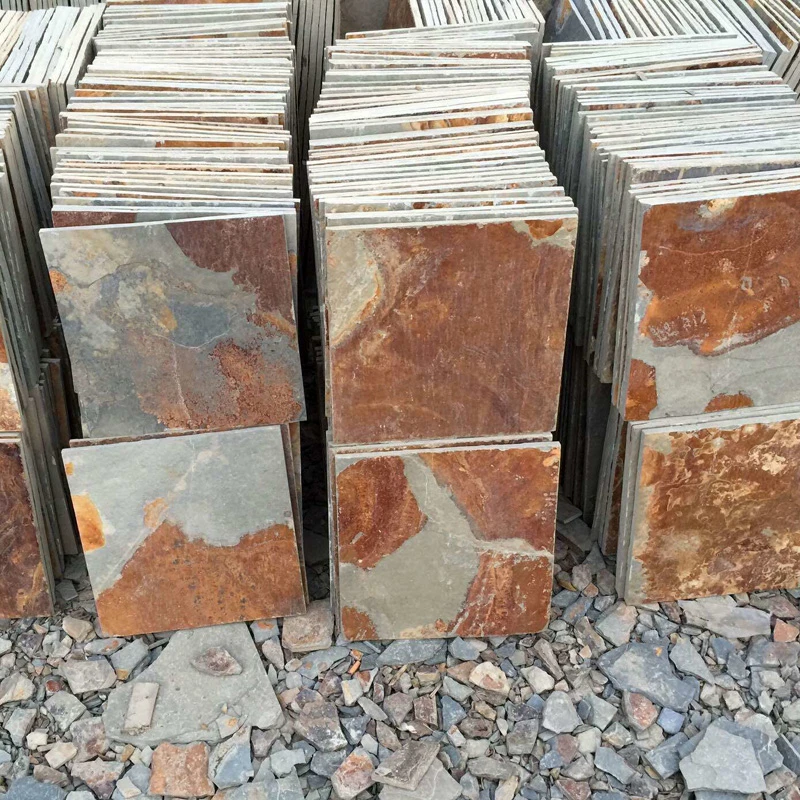
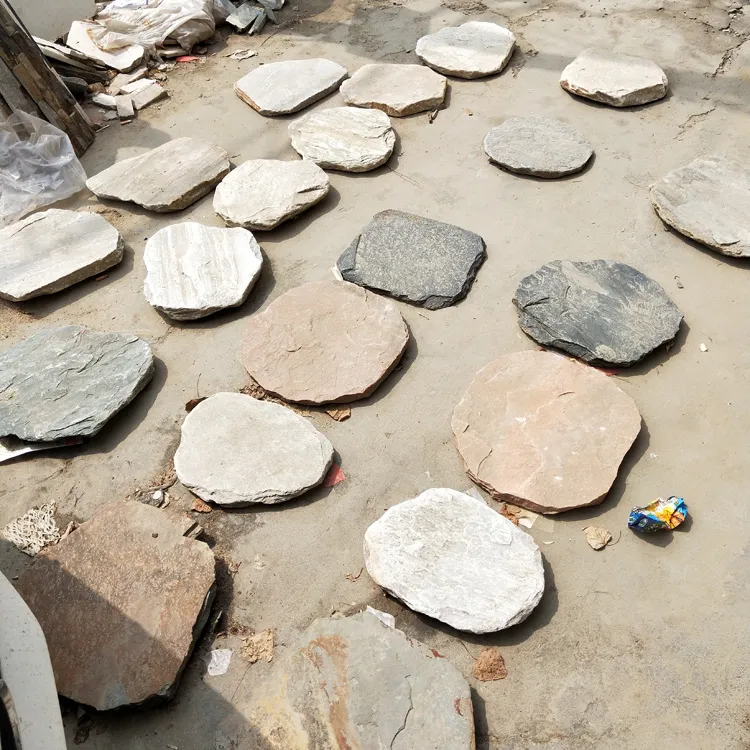
Manufactured and natural veneers come in an endless variety of colors, shapes, and finishes. Designers appreciate the flexibility in matching different architectural styles—from rustic cottages to sleek modern builds.
5. Environmental Impact
By using thin slices rather than quarried blocks, stone veneer reduces extraction waste and transportation emissions. Manufactured stone veneer further leans on recycled materials, making it a greener choice.
Mini Takeaway:
Stone veneer combines durability, economy, and style in a package that fits modern construction demands.
Stone Veneer for House: Real World Applications
Stone veneer has found its footing across many sectors and geographies:
- Residential facades: Homeowners looking to add curb appeal without breaking the bank favor veneer. It’s popular in North America and Europe.
- Commercial buildings: Retailers and office spaces seek the premium look for branding and customer appeal.
- Post-disaster housing: NGOs in Southeast Asia and the Caribbean use stone veneer to rebuild quickly and aesthetically after earthquakes or hurricanes.
- Remote industrial zones: Lightweight veneer reduces transport costs and installation times for worker accommodations.
For anyone curious about exterior stone upgrades, this stone veneer for house link is a solid place to start exploring real-world products and projects.
Mini Takeaway:
From cozy homes to disaster-resilient shelters, stone veneer’s adaptability makes it suitable worldwide.
Advantages & The Long-Term Value of Stone Veneer
When you’re investing in building materials, it’s rarely just about looks or price. It’s about longevity, empathy, and impact. Stone veneer offers:
- Cost savings: Less material and labor costs upfront and over time.
- Sustainability: Lower resource usage and improved energy efficiency when combined with modern insulation.
- Emotional warmth: The natural textures can make a house feel like a home, boosting inhabitants’ well-being.
- Safety & reliability: Resistant to fire and pests compared to wood siding.
- Innovation trust: Many architects trust veneer as a tested yet innovative material to bridge old and new methods.
Stone Veneer for House: Key Specifications
| Specification | Typical Range | Remarks |
|---|---|---|
| Thickness | 0.5 – 2 inches (12–50 mm) | Varies by natural or manufactured stone |
| Weight | 15 – 25 lbs/ft² (73–122 kg/m²) | Reduced compared to full stone masonry |
| Compressive Strength | > 4,500 psi (31 MPa) | Ensures durability under load |
| Water Absorption | Vital for weather resistance | |
| Installation Time | 50-70% faster than full stone masonry | Depends on substrate and finish |
Comparing Popular Vendors of Stone Veneer for House
| Vendor | Product Range | Price Range (USD/sq.ft.) | Sustainability Certification | Typical Lead Time |
|---|---|---|---|---|
| Sonmacistone | Natural & Manufactured Stone Veneers | $12 - $18 | ISO 14001 Certified | 2-3 weeks |
| StoneCraft | Premium Handmade Veneers | $15 - $25 | LEED Compliant | 3-5 weeks |
| EcoStone | Recycled Material Veneers | $10 - $16 | BREEAM Registered | 1-2 weeks |
What’s Next? Future Trends in Stone Veneer for House
The stone veneer market isn’t just standing still. Innovations are blazing ahead—here’s what many in the field are watching:
- Green Manufacturing: More vendors are shifting toward low-carbon footprint production methods, recycling stone waste, and utilizing water-based pigments.
- Digital Design & Automation: CNC cutting and 3D scanning mean veneer pieces can be custom-fit digitally before shipment—cutting waste and speeding installation.
- Improved Bonding Systems: New adhesives and mechanical fasteners improve veneer adherence, especially in high-rise or seismic zones.
- Integration with Smart Homes: Some designers are embedding sensors behind veneer layers for temperature monitoring or structural health.
Mini Takeaway:
Innovation in stone veneer aligns well with smart, sustainable, and precision-building trends of the coming decade.
Challenges Facing Stone Veneer and How They’re Being Tackled
No material is perfect. For stone veneer, common hurdles include:
- Moisture penetration: Without proper sealing or substrate prep, water ingress can cause damage.
- Installation errors: Poorly trained contractors can reduce lifespan and aesthetic value.
- Cost variability: While cheaper than solid stone, high-end veneers can still be pricey.
Experts emphasize thorough substrate preparation, certified installer training, and selecting reputable suppliers like Sonmacistone to minimize risks and improve outcomes.
FAQ: Stone Veneer for House
Q1: How does stone veneer compare to brick or stucco for house exteriors?
Stone veneer offers a natural, textured aesthetic that brick and stucco can’t easily replicate. It’s often lighter, more durable, and can be more energy-efficient when combined with insulation. However, stucco might be cheaper upfront, and brick may have better fire resistance in certain conditions.
Q2: Can I install stone veneer myself, or should I hire professionals?
While DIY installation is possible, especially for manufactured veneer, it's best to hire trained installers. Proper substrate preparation, moisture barriers, and mortar techniques are critical for long-lasting results and warranty compliance.
Q3: How sustainable is stone veneer compared to other siding options?
Stone veneer generally has a lower environmental impact than quarrying full stone blocks. Manufactured veneers use less raw material and often incorporate recycled content. They also improve building insulation, reducing energy use long-term.
Q4: What maintenance does stone veneer require?
Stone veneer is relatively low maintenance. Occasional cleaning, inspections for mortar cracks, and resealing every few years (for natural stone) typically suffice to keep it looking great and functioning properly.
Wrapping It Up: Why Stone Veneer for Houses Deserves a Spot in Your Next Project
In the end, stone veneer for house represents a thoughtful evolution in building materials—one that delivers the classic beauty of stone while addressing cost, weight, and environmental challenges head-on. Whether you’re an architect, a homeowner, or even working in humanitarian rebuilding, stone veneer offers a practical, stylish, and sustainable phase change you can appreciate.
Curious to see real products and ideas? Visit Sonmacistone for a curated showcase and expert advice tailored to your needs.