Pebble Mosaic: Durable and Stylish Industrial Finishing
Why Pebble Mosaic Remains a Timeless Choice in Industrial Design
Having spent quite a few years in the industrial equipment sector, I can honestly say that pebble mosaic isn’t just some decorative whimsy—it’s a practical finishing solution that has held its ground through decades of evolving tastes and technological advancements.
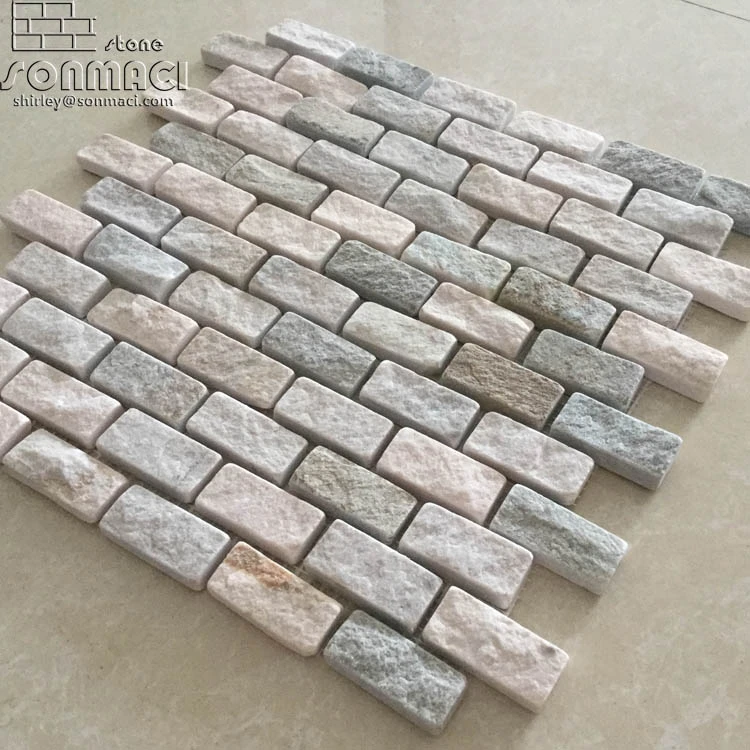
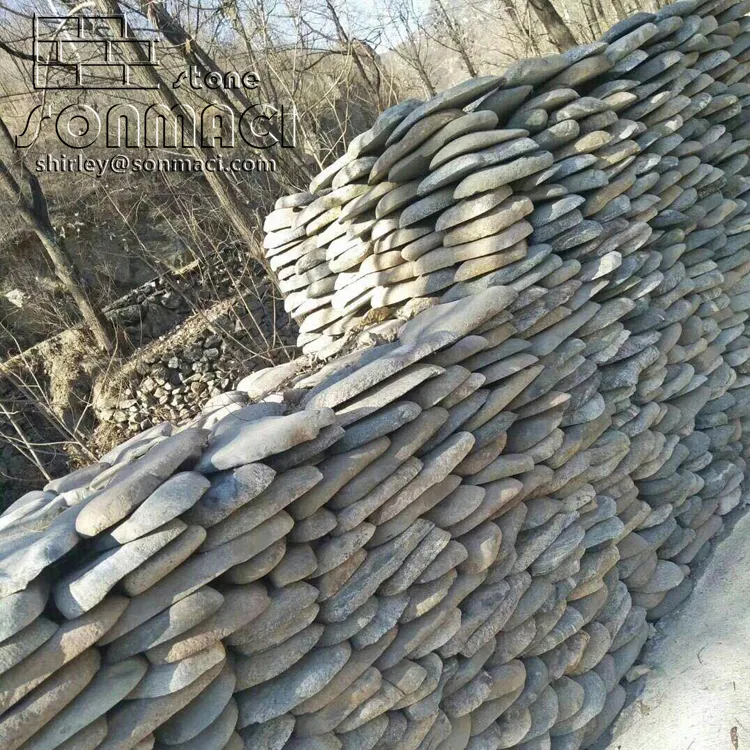
When I first encountered pebble mosaic in an industrial setting, I wasn’t expecting much. But frankly, its durability and design flexibility won me over. Pebble mosaics offer a rugged yet visually appealing surface, often installed in spaces where slip resistance and easy maintenance are crucial—think walkways, pool decks, or exterior facades.
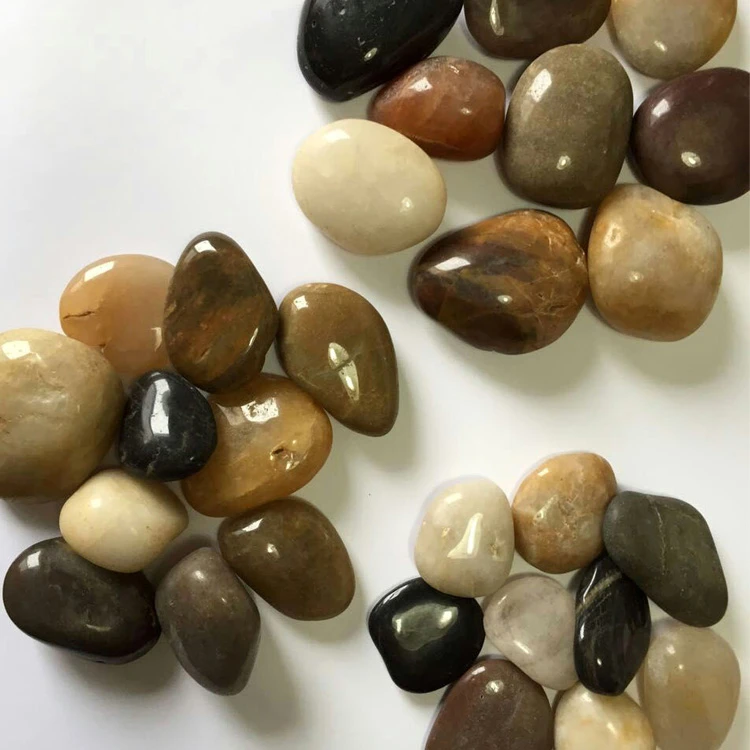
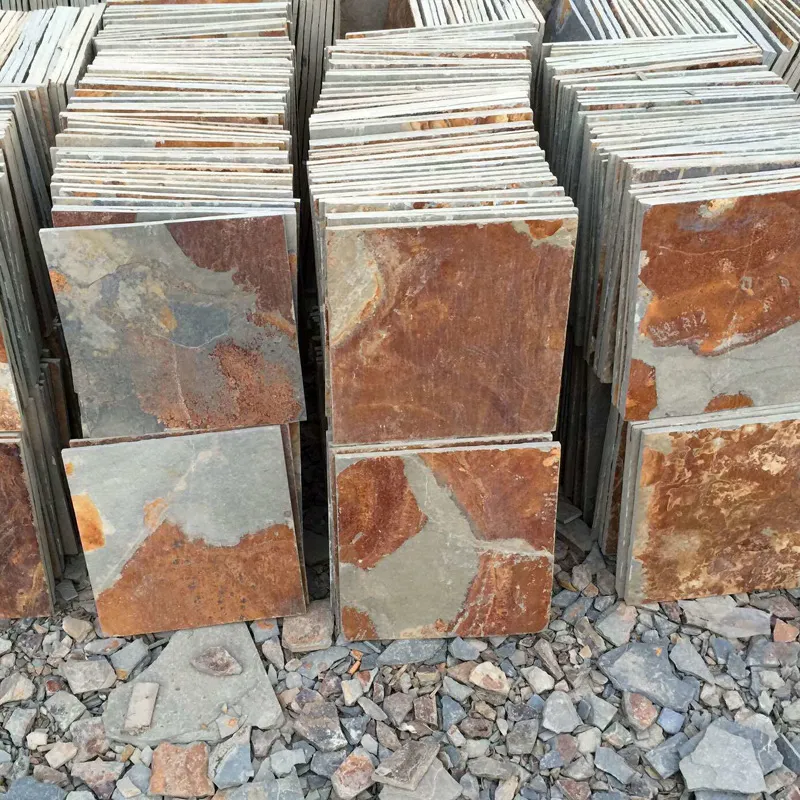
Oddly enough, many engineers I’ve collaborated with have praised pebble mosaic’s resistance to harsh weather, chemicals, and heavy foot traffic. Unlike other materials that deteriorate quickly, the natural stones embedded in the matrix provide remarkable longevity. Plus, you can get it customized in terms of pebble size, color, and pattern, which is a boon when aesthetics matter alongside functionality.
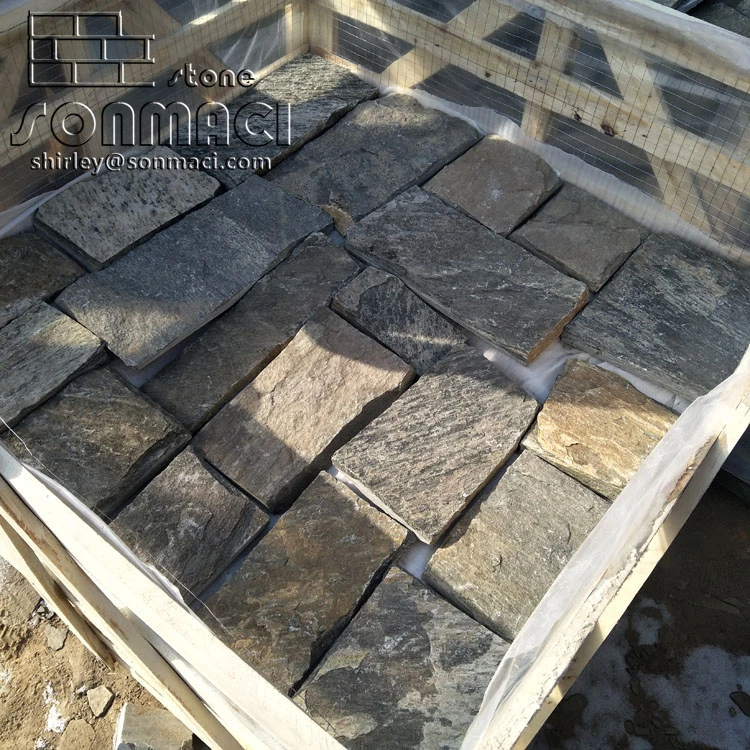
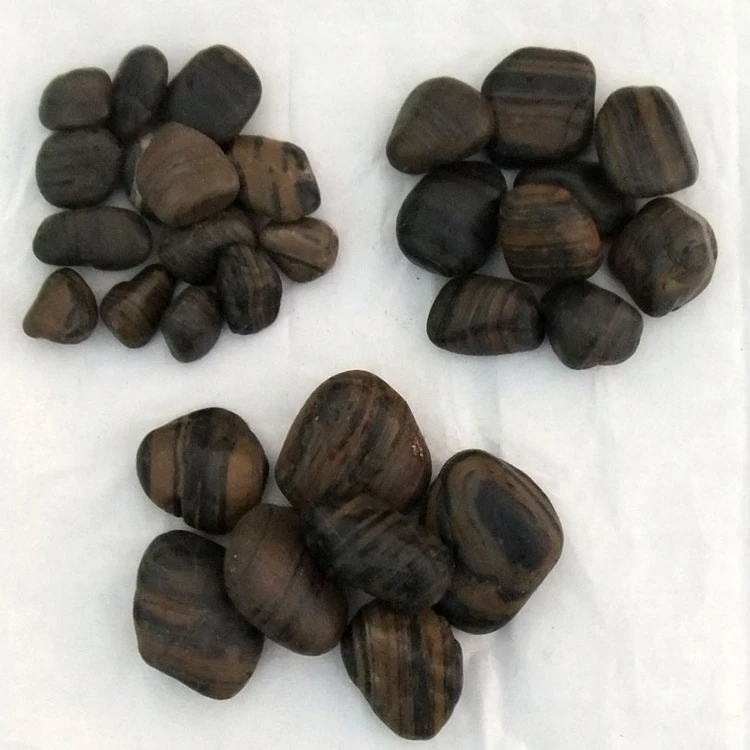
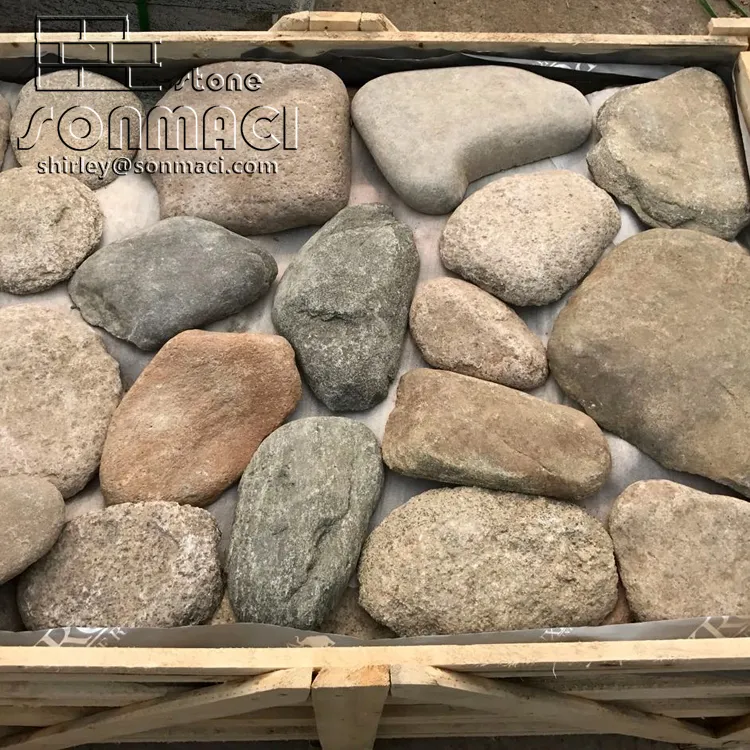
In terms of materials, the pebbles are usually natural stones collected from riverbeds or quarries, chosen specifically for their smoothness and hardness. The base or bonding agent typically comprises a strong cementitious or resinous mixture, designed to hold the pebbles firmly in place. Over the years, I noticed occasional debates about epoxy vs. cement bases—the former tends to be more chemical-resistant, but the latter is surprisingly versatile and cost-effective.
Testing procedures are pretty straightforward but rigorous. We look for abrasion resistance, slip resistance (which is essential in industrial environments), and adhesion strength. It’s reassuring when a supplier provides certified test data reflecting these metrics.
| Attribute | Details |
|---|---|
| Pebble Size | 5-20 mm diameter |
| Base Material | Cementitious / Epoxy resin |
| Slip Resistance | ≥ 0.60 (Coefficient of Friction) |
| Chemical Resistance | Excellent (especially epoxy bases) |
| Installation Time | 4-6 hours per 10 m² (typical) |
Choosing a vendor for pebble mosaic can be somewhat tricky, since quality hinges heavily on sourcing and preparation processes. I’ve worked with a few notable suppliers over the years, and what struck me is how each brings subtle differences to the table—some emphasize color consistency, others prioritize eco-friendly sourcing.
| Vendor | Pebble Variety | Customization | Lead Time | Typical Clientele |
|---|---|---|---|---|
| Sonmaci Stone | Extensive (multi-hued natural stones) | High (pattern & finish options) | 2-3 weeks | Industrial, Commercial |
| Pebblestone Pro | Limited (core color palettes) | Medium (color & size) | 1-2 weeks | Residential, Retail |
| RiverRock Solutions | Moderate (focus on natural river stones) | Low (standard patterns) | 3-4 weeks | Landscaping, Parks |
On a personal note, I remember a manufacturing client who installed pebble mosaic flooring in their employee break area. Not only did it hold up flawlessly under industrial boots and heavy use, but it also sparked conversations among staff who appreciated the natural look. Something about that smooth, tactile stone arrangement seemed to ‘ground’ people during hectic shifts.
To sum it up, pebble mosaic continues to be a robust, aesthetically pleasing option with solid industrial credentials. From its durable materials to customizable designs, it’s a product that bridges functionality and style—something both engineers and designers can get behind.
So, if you’re weighing options for a surface that can take a beating yet remain inviting, pebble mosaic deserves a close look.
References:
- Industry durability tests on pebble mosaic flooring, Concrete Research Institute, 2022.
- Material sourcing and sustainability in natural stone, Stone Suppliers Association, 2023.
- Slip resistance standards for industrial flooring, Occupational Safety Board Report, 2021.