Why Rubble Stone Is the Sustainable Backbone of Affordable Construction
The Quiet Power of Rubble Stone: Why This Material Matters More Than You Think
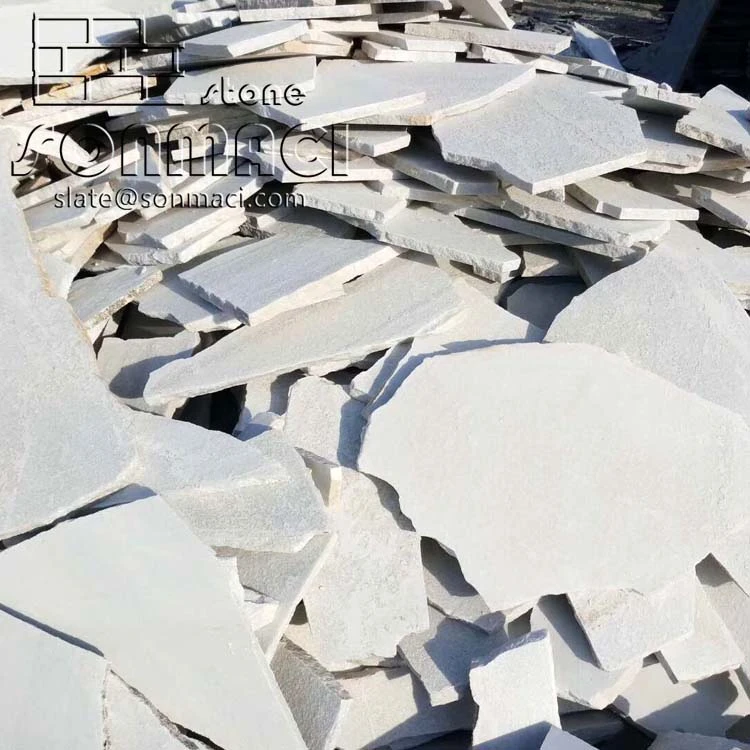
Before diving deeper, let's frame what rubble stone really is and why it’s getting renewed attention worldwide. At its core, rubble stone consists of rough, irregular fragments of natural rock often used in construction without much shaping or polishing. You might wonder: “Why focus on something so basic?” Oddly enough, rubble stone is a foundation of sustainable building, disaster relief, and heritage architecture—a simple material with big implications, especially in a world eager for affordable, durable, and eco-friendly solutions.
Introduction: The Global Relevance of Rubble Stone
According to the United Nations, an estimated 1.6 billion people worldwide live in inadequate housing, often relying on local, accessible materials for shelter. Rubble stone – easily sourced from quarries or cleared land – steps into this space as both affordable and versatile. The World Bank’s data on infrastructure development highlights a growing demand for cost-effective building materials, especially in developing regions that face rapid urbanization and climate challenges.
Yet, durability and scalability remain concerns, as not all rubble stone constructions meet modern safety standards. So the question rises: how can this humble material meet the evolving demands of housing and industry, while remaining sustainable?
What Exactly is Rubble Stone?
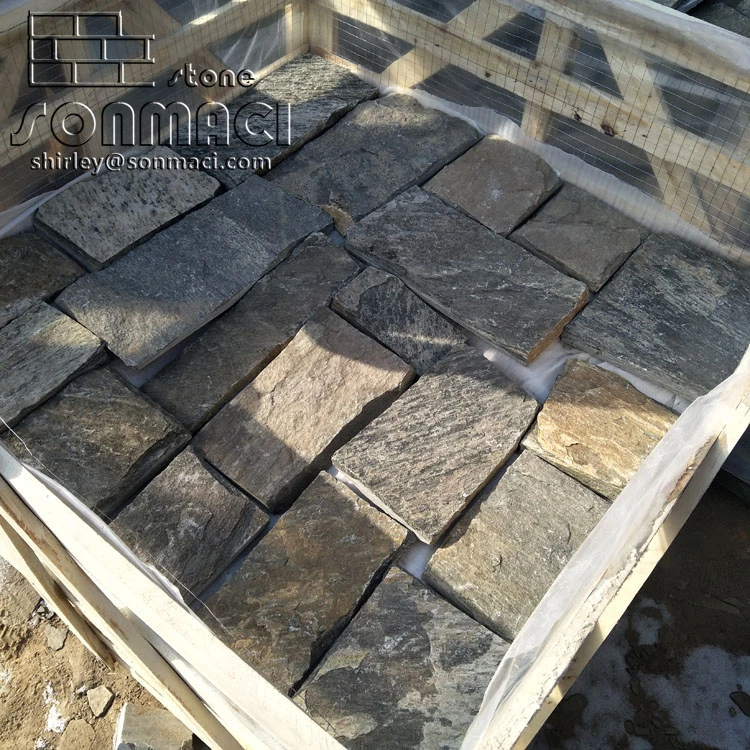
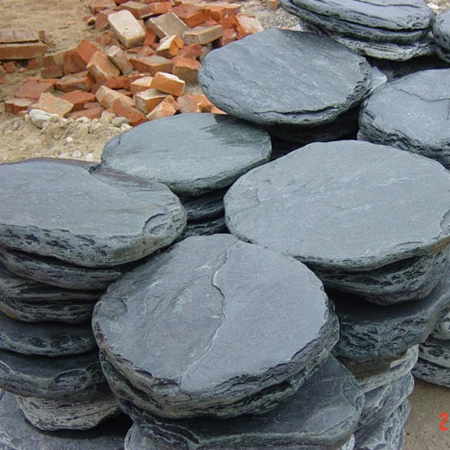
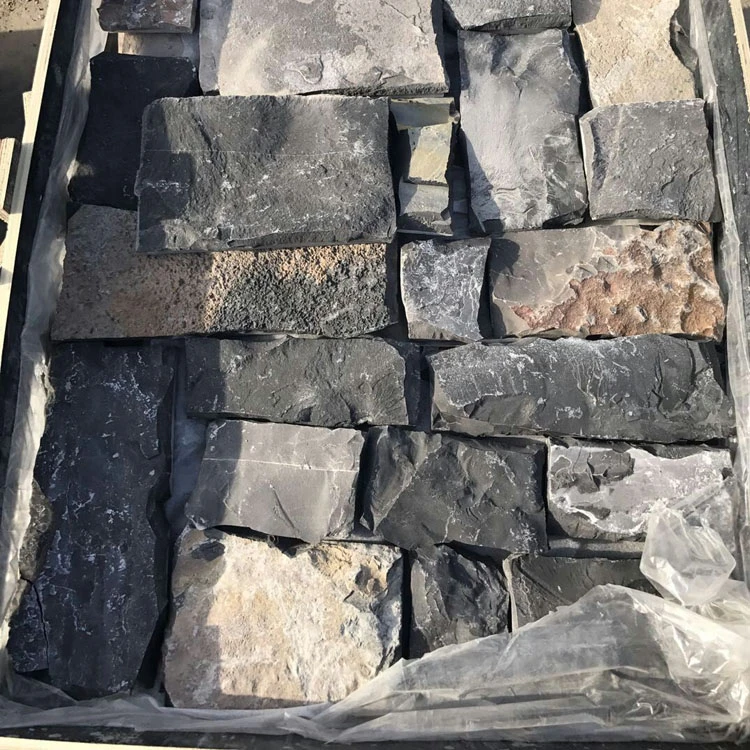
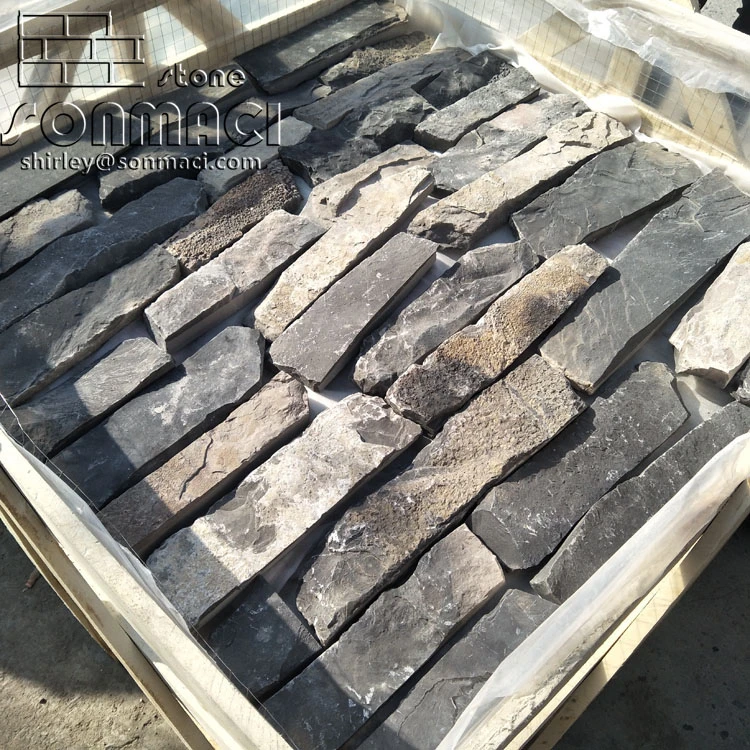
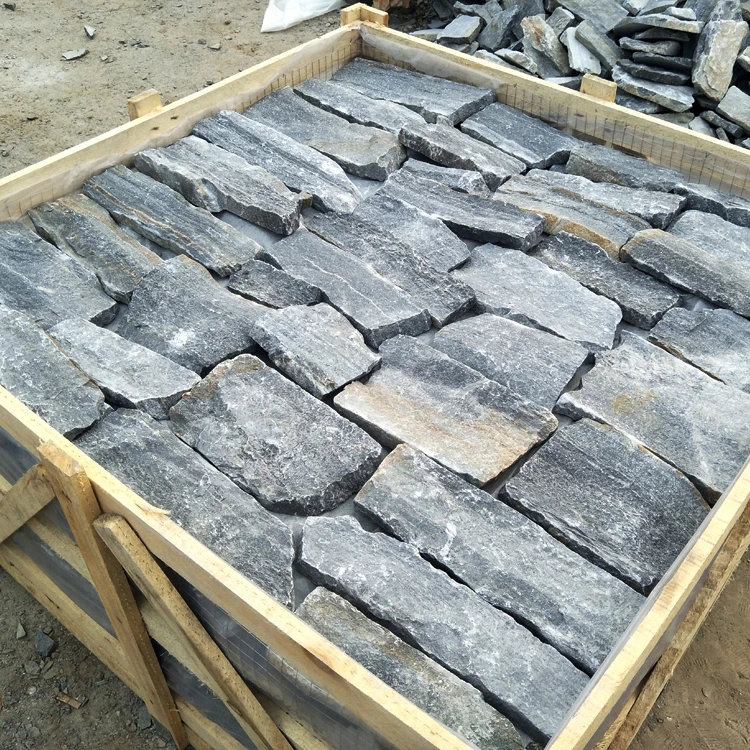
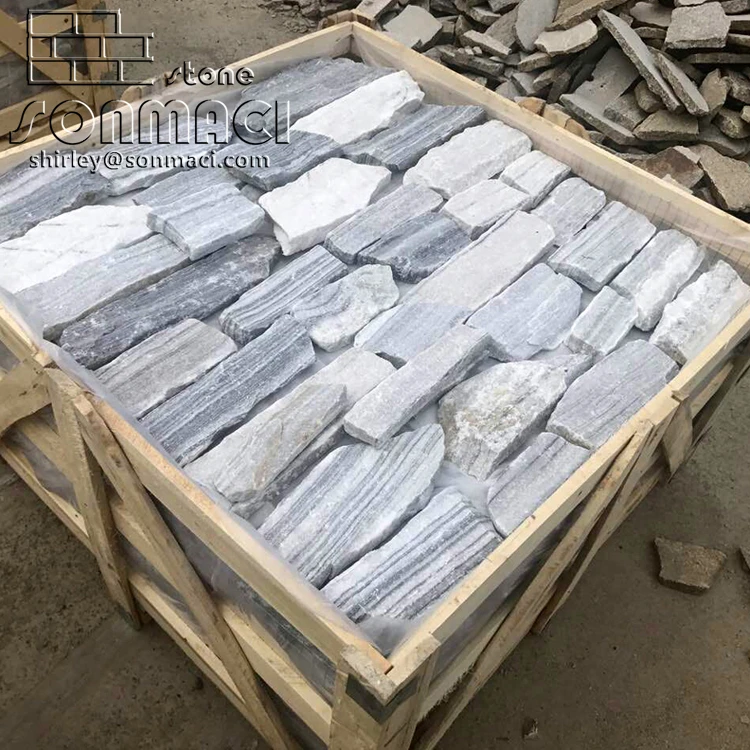
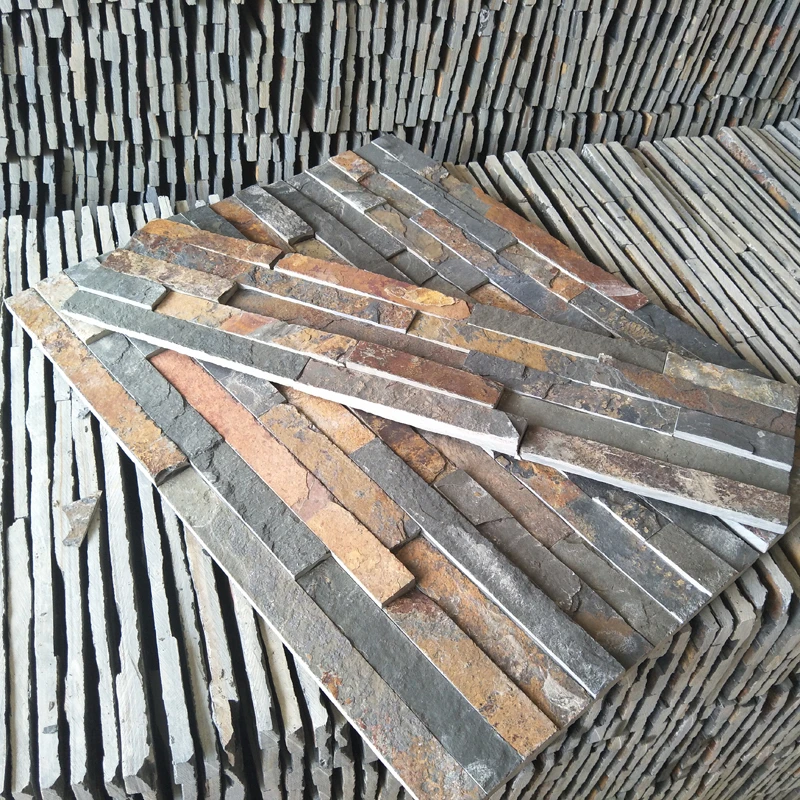
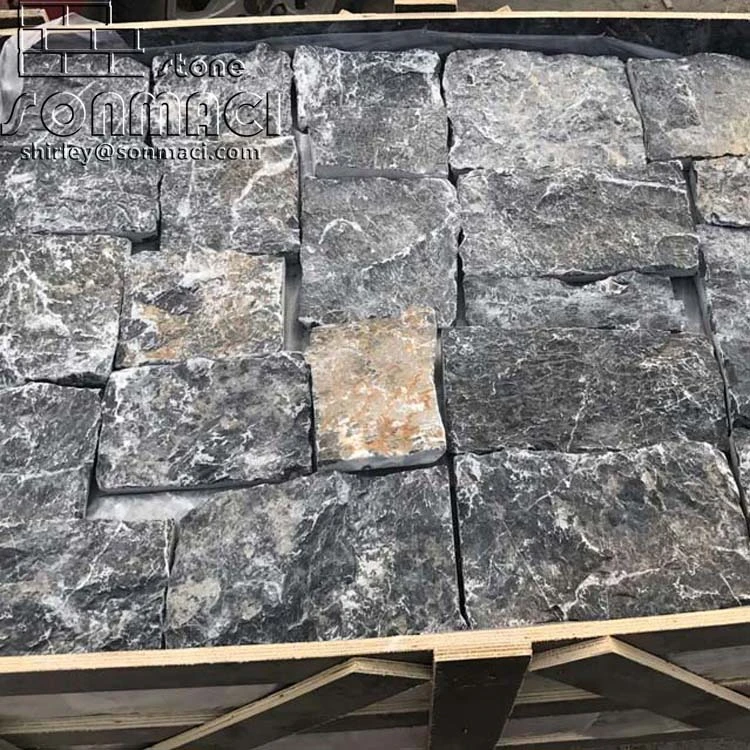
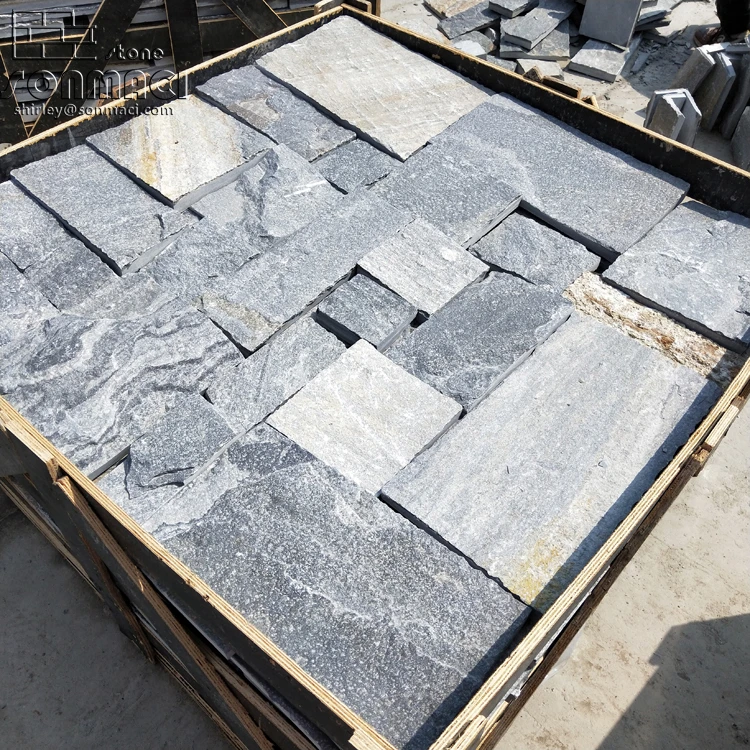
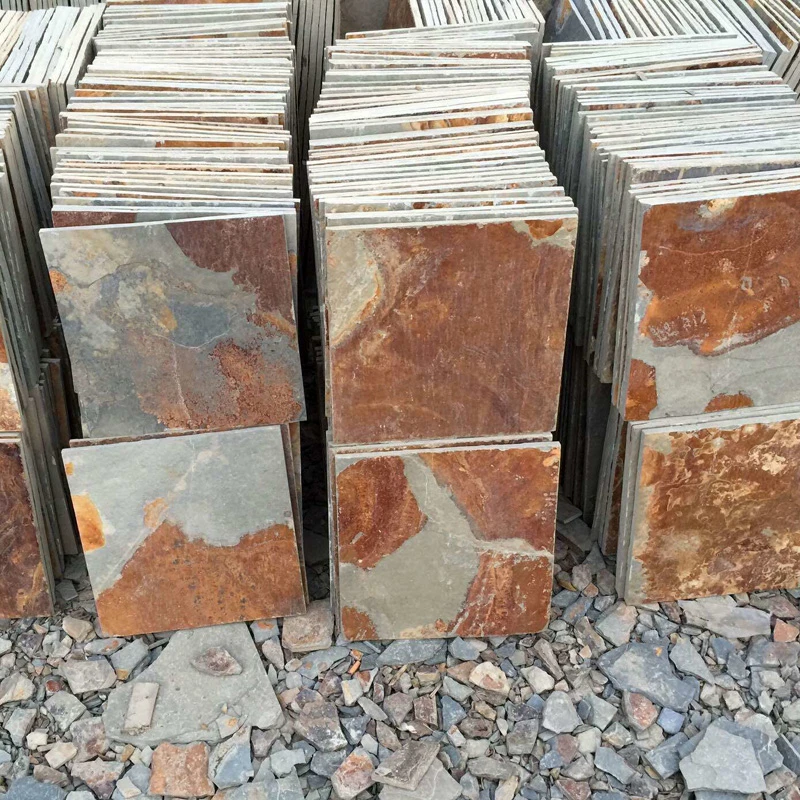
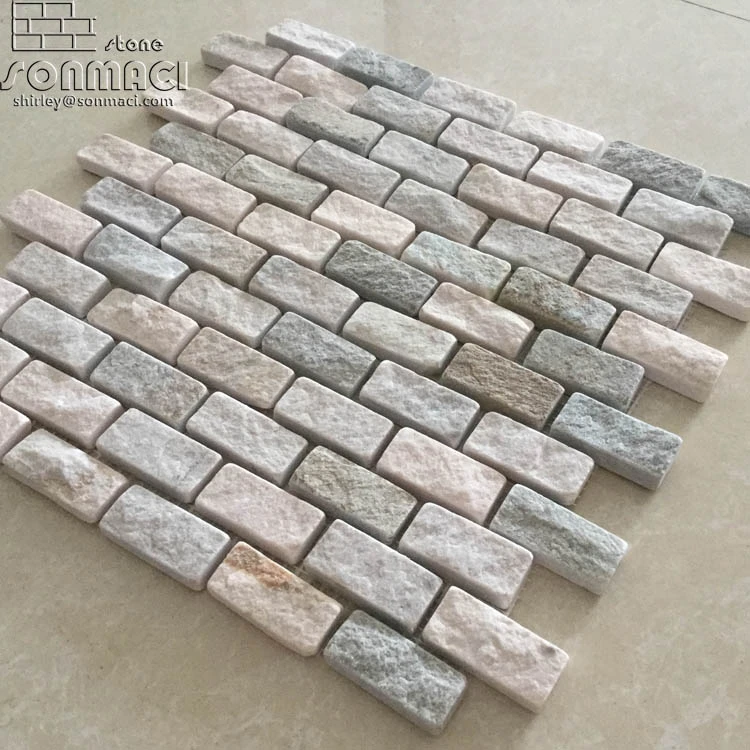
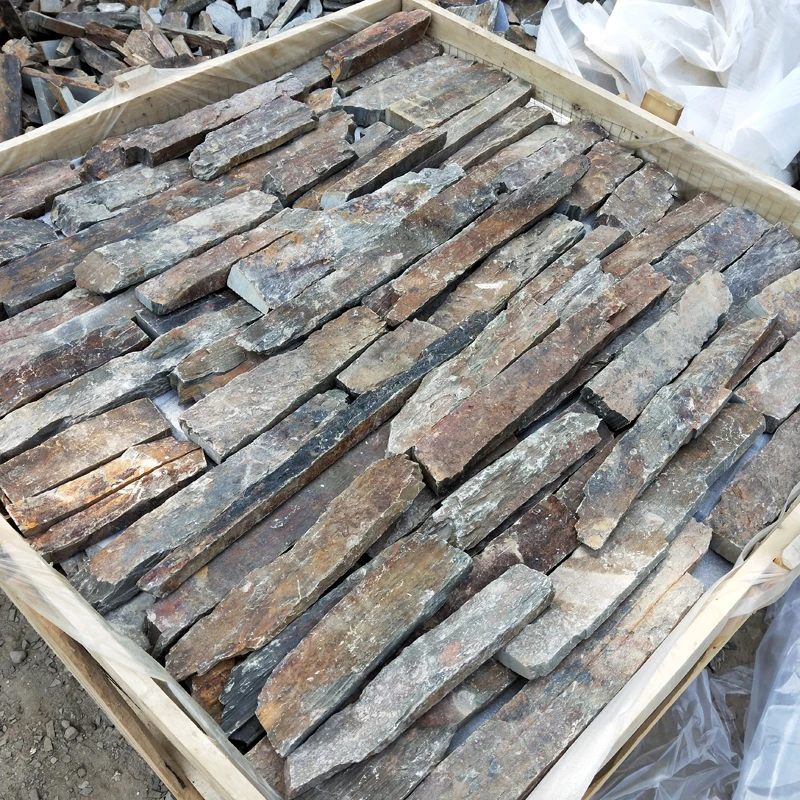
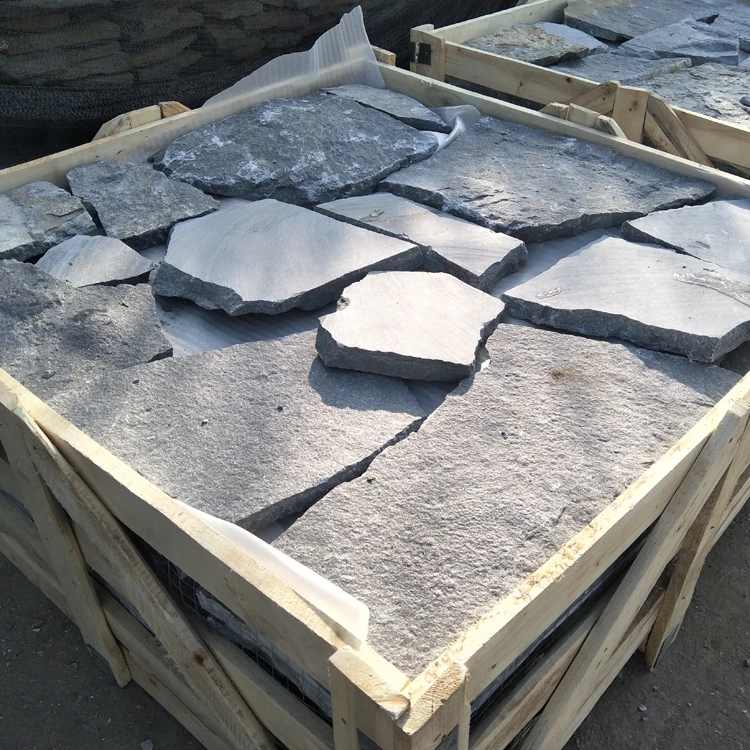
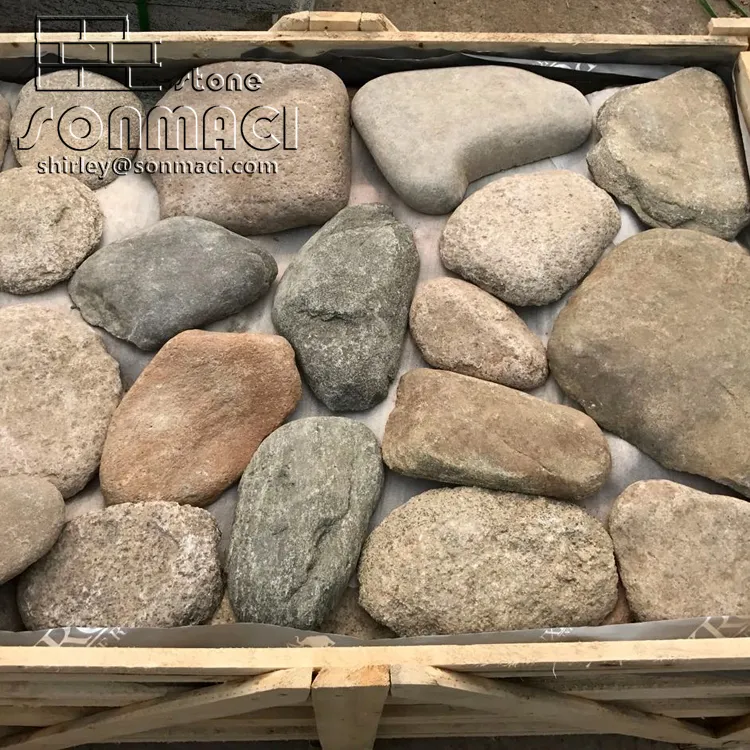
In simple terms, rubble stone refers to broken pieces of stones extracted from quarries or fields, typically left in rough shapes rather than cut or dressed into uniform blocks. It’s often used in walls, foundations, and even decorative applications.
Crucially, rubble stone connects the dots between traditional craftsmanship—think old stone cottages or castle walls—and modern emergency or low-budget building solutions. Its accessibility, plus natural thermal mass and weather resistance, give it practical traction in both crisis zones and green construction.
Key Features to Know About Rubble Stone
Durability and Strength
Rubble stone is remarkably tough. Many engineers working on rural infrastructure praise it for bearing weight and standing up against erosion, provided it’s partnered with proper mortar. Its irregular shapes interlock naturally, boosting structural stability.
Cost Efficiency and Availability
Using rubble stone often slashes costs since it’s frequently sourced onsite or nearby, reducing transportation and processing expenses. This makes it a darling material in areas where budgets are thin but material needs are high.
Sustainability and Environmental Impact
Because rubble stone requires little processing, it has a low carbon footprint compared to concrete or fired bricks. It also supports circular construction when recovered from demolished buildings or quarries.
Scalability in Construction
From small-scale housing projects to retaining walls or perimeter fencing, rubble stone scales up or down with surprising ease. You can layer it simply or use it as infill in composite structures.
Aesthetic and Cultural Value
There’s something timeless and grounding about rubble stone. It lends a rustic, authentic charm to architecture, which explains its popularity in heritage and contemporary “green” buildings alike.
Mini takeaway: Rubble stone blends raw strength with social and environmental benefits. Its cost-effectiveness and durability make it a go-to material that respects tradition while serving urgent modern needs.
Global Use Cases and Who Benefits Most
Across Africa, Asia, and parts of South America, rubble stone finds eager application in:
- Post-disaster housing: NGOs construct rapid, low-cost shelters using rubble stone because it’s locally available and requires minimal industrial inputs.
- Rural infrastructure: In remote villages, rubble stone walls, culverts, and foundations form the backbone of resilient community buildings.
- Heritage preservation: Many European countries maintain centuries-old structures using traditional rubble stone repairs.
Take an example from Nepal’s 2015 earthquake recovery. Engineers leveraged rubble stone masonry to rebuild lasting homes that conformed to stringent seismic codes—a perfect case of old materials meeting new standards.
Advantages and Long-Term Value
Cost, sustainability, and cultural resonance aside, rubble stone offers several benefits worth underscoring:
- Resilience: With proper construction, rubble stone withstands weather extremes and time.
- Social impact: Locally sourced rubble stone empowers communities, creates jobs, and preserves cultural identity.
- Thermal regulation: Stone’s mass helps maintain cooler interiors, reducing energy needs.
- Safety and dignity: Durable housing means people rest easier, literally and figuratively.
Honestly, rubble stone feels less like a fallback and more like a step forward when you consider these factors.
Emerging Trends and Innovations in Rubble Stone Application
Wondering how something so traditional stays relevant? Here’s where technology and policy blend:
- Digital modeling: BIM (Building Information Modeling) tools now include rubble stone for precision planning.
- Improved mortars and binders: Eco-friendly lime or geopolymer mortars enhance stone adhesion while cutting emissions.
- Green infrastructure: Some urban projects integrate rubble stone for drainage and landscaping
- Policy shifts: Governments and NGOs promote rubble stone in sustainable housing programs to meet SDG 11 targets.
It’s kind of like rubble stone got a high-tech upgrade, making it ready for the 21st century.
Common Challenges and How to Overcome Them
Still, construction with rubble stone isn’t without hurdles:
- Structural concerns: The irregularity requires skilled masons and quality mortar.
- Logistics: Transport of stone can be cumbersome if sources are far.
- Building codes: Some areas lack up-to-date codes that recognize rubble stone’s potential.
Experts recommend investing in training local workers, adopting hybrid building models combining rubble stone with modern reinforcements, and working toward policy advocacy for clearer standards.
Rubble Stone Product Specs at a Glance
| Specification | Typical Value | Notes |
|---|---|---|
| Density | 2.4 - 2.8 g/cm³ | Varies by rock type |
| Compressive Strength | 30 - 250 MPa | Depends on stone and construction |
| Thermal Conductivity | 1.3 - 3.5 W/m·K | Aids indoor comfort |
| Typical Mortar | Lime or Cement-Lime Mix | Improves bonding |
| Common Uses | Walls, foundations, retaining, landscaping | Widely versatile |
Vendor Comparison: Rubble Stone Providers
| Vendor | Region | Material Quality | Pricing | Custom Services |
|---|---|---|---|---|
| StoneMasons Inc. | North America | Premium-grade granite rubble | High | Custom mixes and onsite consultation |
| EcoRock Supplies | Europe | Locally quarried limestone rubble | Moderate | Bulk discounts, mortar kits available |
| BuildStrong Ltd. | Asia-Pacific | Mixed sedimentary rubble | Low | Training workshops and tech support |
FAQ: What You’re Asking About Rubble Stone
Q1: Can rubble stone be used reliably for earthquake-prone areas?
Yes, but with caution. Rubble stone masonry must be combined with proper seismic reinforcements and mortar to meet safety standards. Modern engineering blends old materials with new techniques, meaning rubble stone homes can withstand earthquakes if planned well.
Q2: How does rubble stone compare environmentally to concrete blocks?
Rubble stone generally has a lower carbon footprint since it requires less processing and often uses onsite materials, reducing transport emissions. Unlike energy-intensive concrete production, rubble stone is a greener option when sourced responsibly.
Q3: Is rubble stone suitable for modern urban housing?
It can be, especially in hybrid applications where rubble stone adds aesthetic and thermal properties, while reinforced concrete frames provide structural safety. However, purely rubble stone high-rise buildings are rare due to load-bearing limits.
Q4: Where can I find quality rubble stone suppliers?
Regional suppliers vary by geology, but vendors like rubble stone specialists often provide custom sourcing and technical advice. Checking local quarry certifications and reviews can also help ensure quality.
Conclusion
Rubble stone may seem like yesterday’s material, but its enduring qualities and adaptability keep it squarely in the game for sustainable, affordable, and culturally rich construction worldwide. For those looking to blend tradition with innovation—and value with ecological responsibility—it's worth a serious look.
Want to explore how rubble stone might fit your next project? Visit our website: https://www.sonmacistone.com to browse products and get expert advice tailored to your needs.
Reflection & References
In researching rubble stone, I was reminded how often the simplest solutions persist because they just… work. From earthquake-resistant homes in Nepal to rural community centers in Africa, rubble stone quietly supports millions. It’s a reminder that sometimes, sustainability isn’t flashy, it’s foundational.