A Comprehensive Guide to Adding Stone to Exterior of House – Benefits, Trends & Tips
Adding Stone to the Exterior of Your House: Why It Continues to Matter Globally
If you’ve glanced at any modern home design lately, you’ve likely noticed the growing trend of adding stone to the exterior of houses. But why is this particular finish capturing so much attention worldwide? Frankly, it’s a mix of timeless aesthetics and practical benefits that make stone an enduring choice.
Understanding the intricacies of adding stone to the exterior of a house not only helps homeowners improve curb appeal but also ties into broader issues like sustainability, resilience against climate-driven weather events, and cultural preservation. In many regions, stone cladding isn't just about looking good — it’s about durability and long-term value.
The Global Context of Stone Exterior Facades
When you zoom out, building with stone façades touches on some surprisingly important global conversations. According to ISO standards for sustainable construction and resilient housing, materials must meet rigorous durability and eco-friendliness criteria. Stone, in many ways, ticks those boxes — especially when sourced responsibly.
In regions vulnerable to extreme weather, like parts of the Mediterranean, the American Southwest, or the Middle East, adding stone to exterior home walls means better protection against heat, moisture, and erosion. The UN's climate action initiatives emphasize adaptation strategies for the built environment — durable exterior finishes with natural stone often play a quiet but important role here.
Still, a challenge remains: traditional stone installation can be expensive and labor-intensive, deterring many. That’s shifting now with innovations in stone veneer and modular stone panels making the process more accessible.
What Exactly Does Adding Stone to the Exterior of a House Mean?
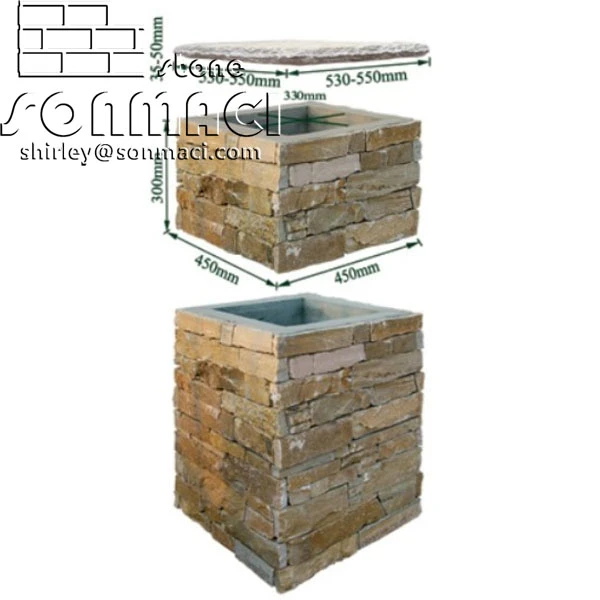
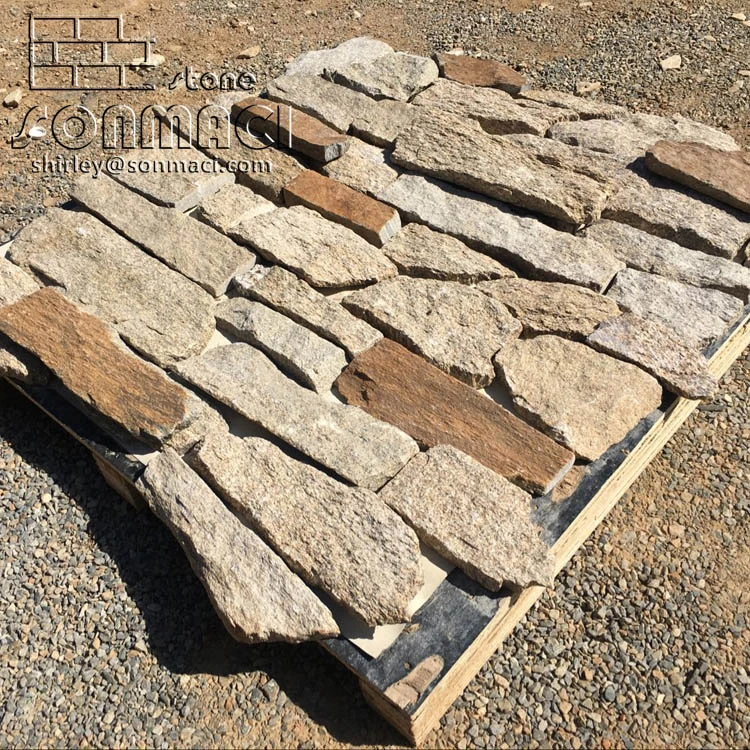
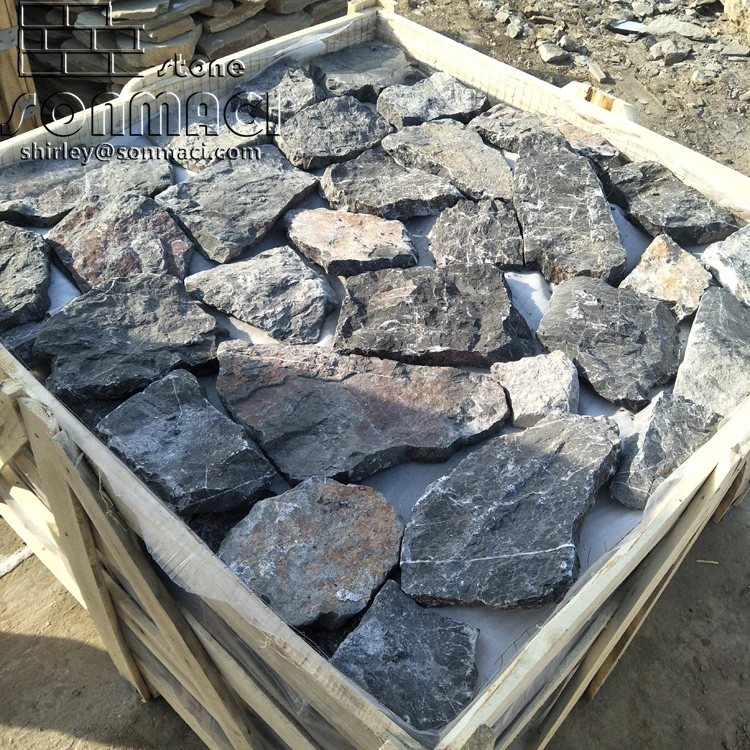
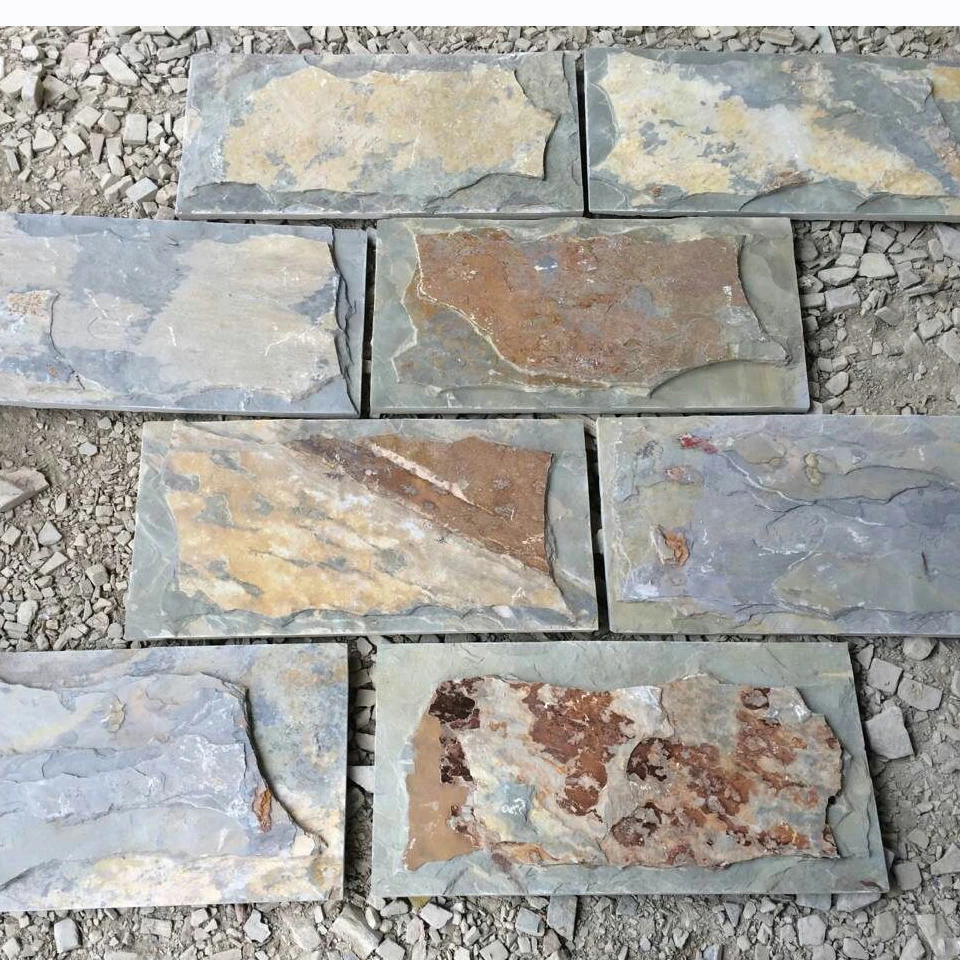
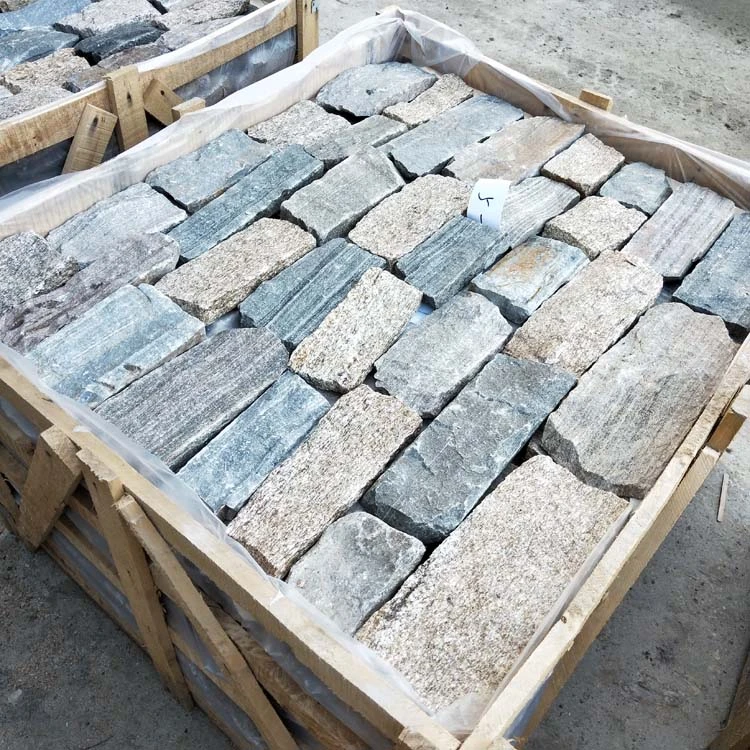
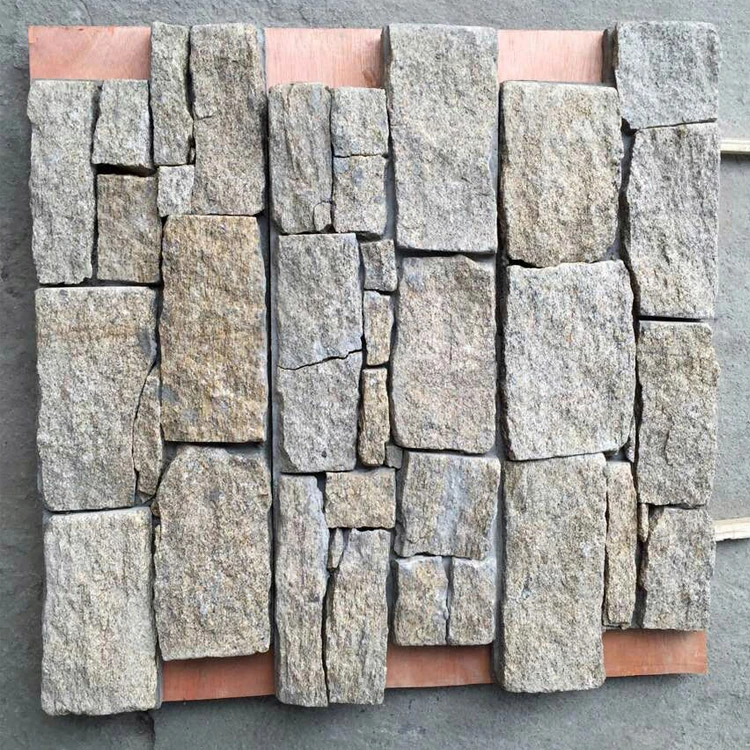
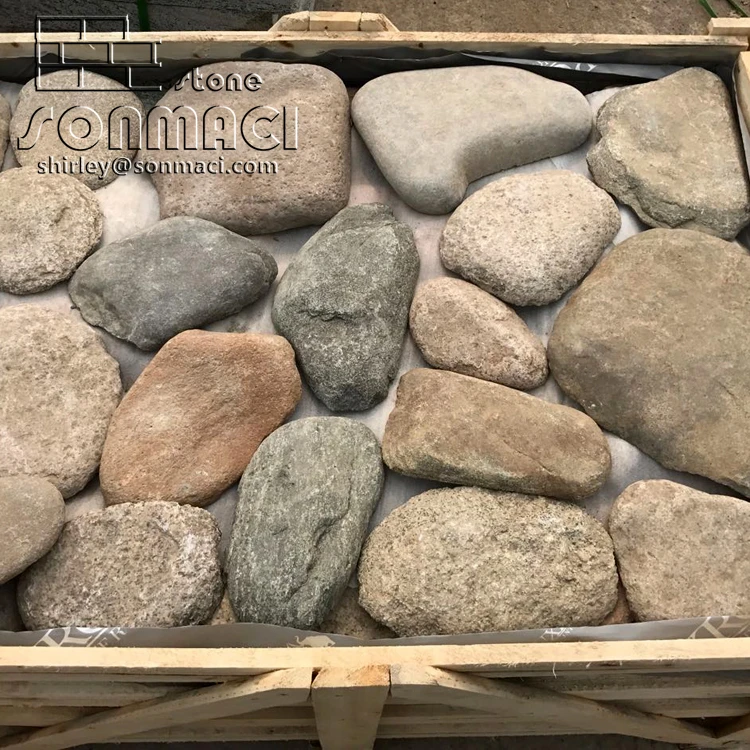
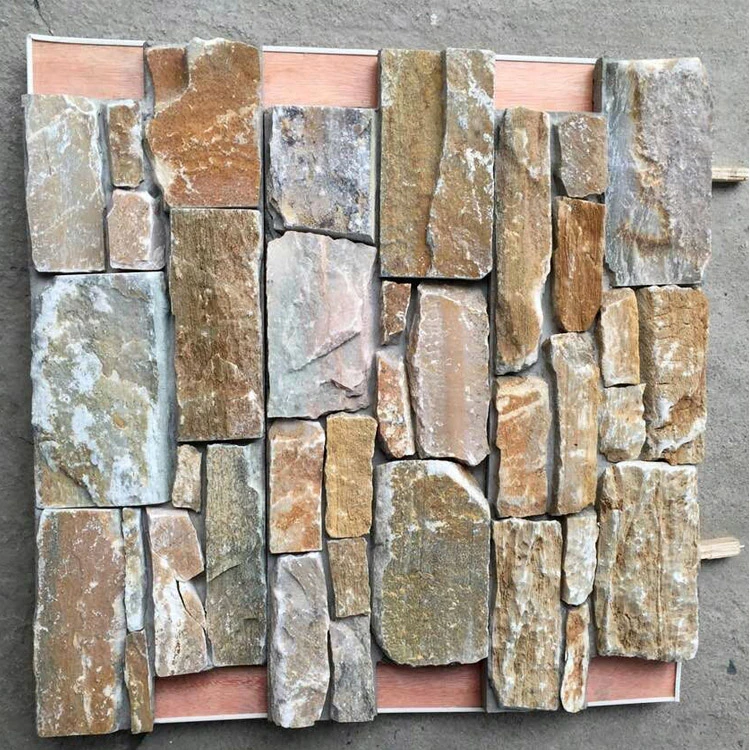
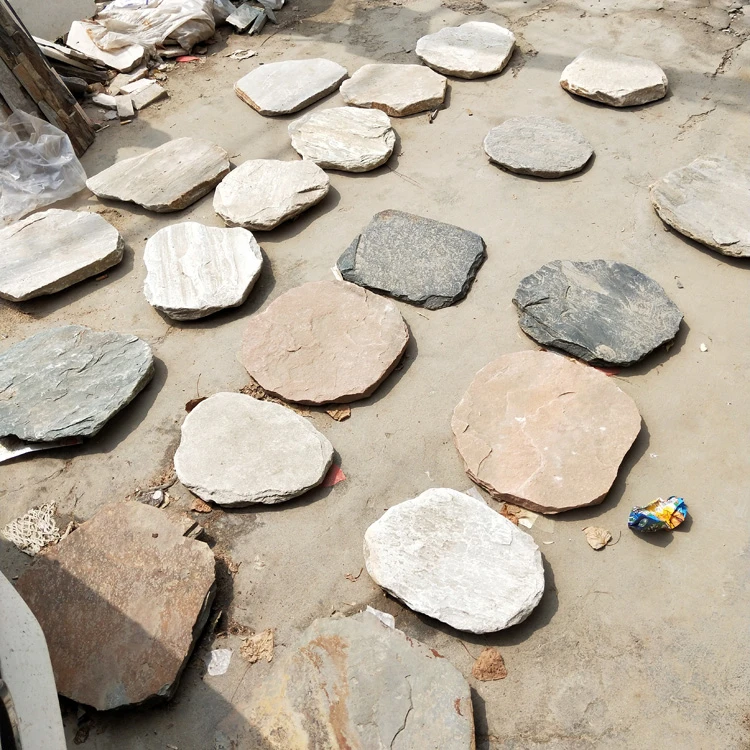
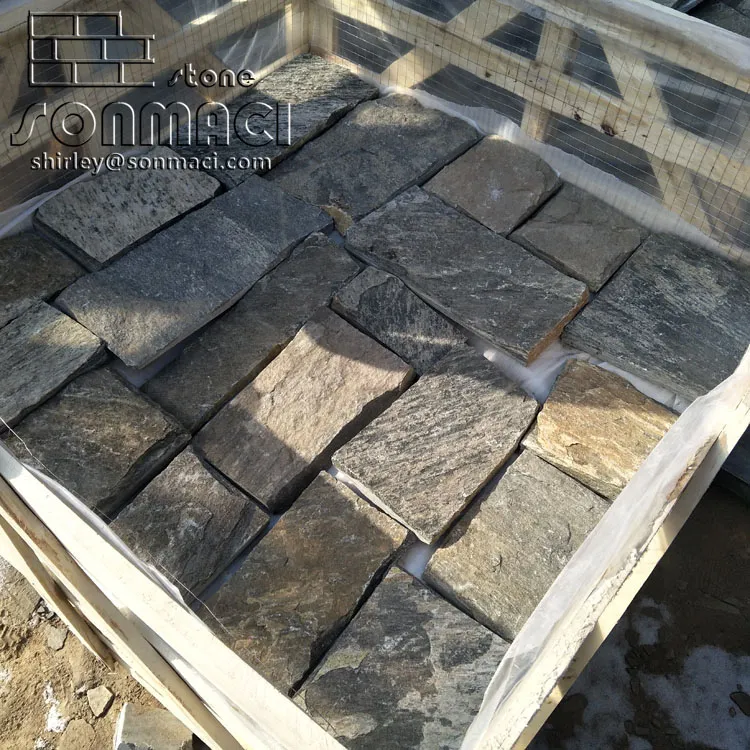
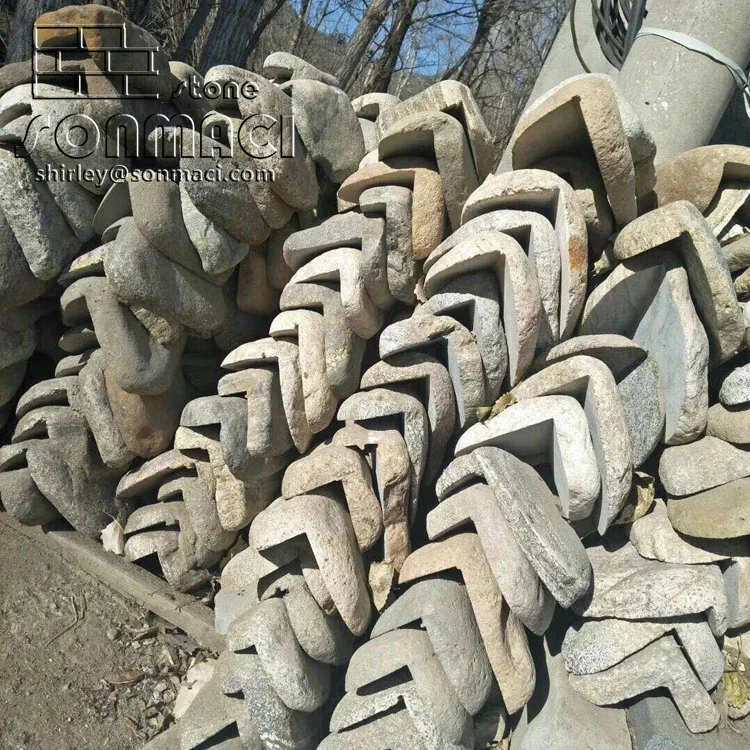
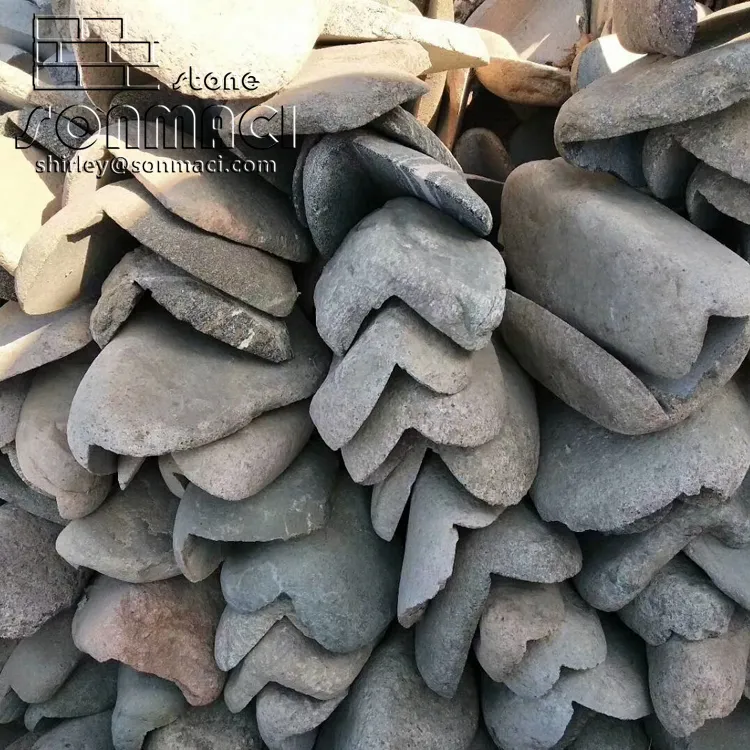
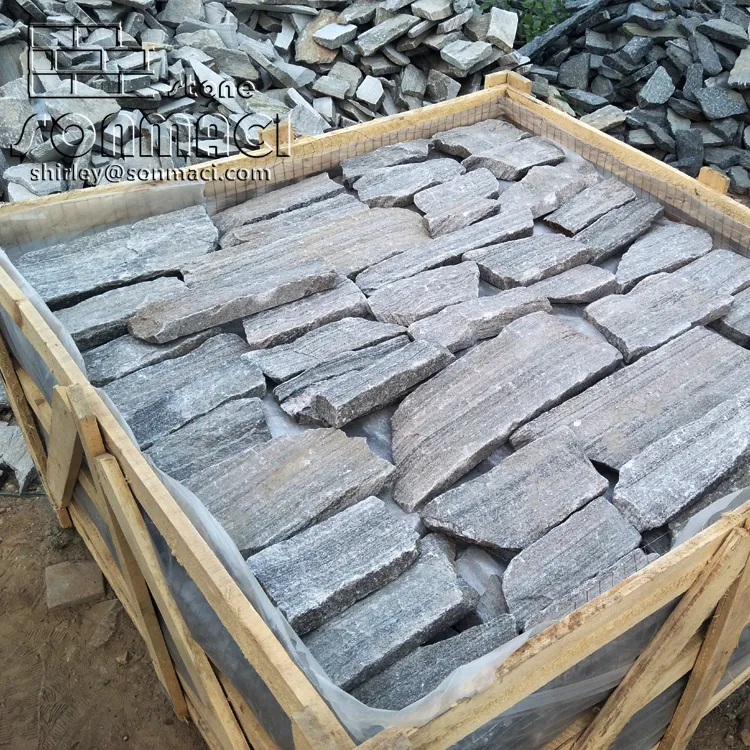
At its simplest, this practice refers to applying natural or manufactured stone material onto the outside walls of a residential building. It’s a form of cladding or façade enhancement that goes beyond paint or siding, adding texture, depth, and strength.
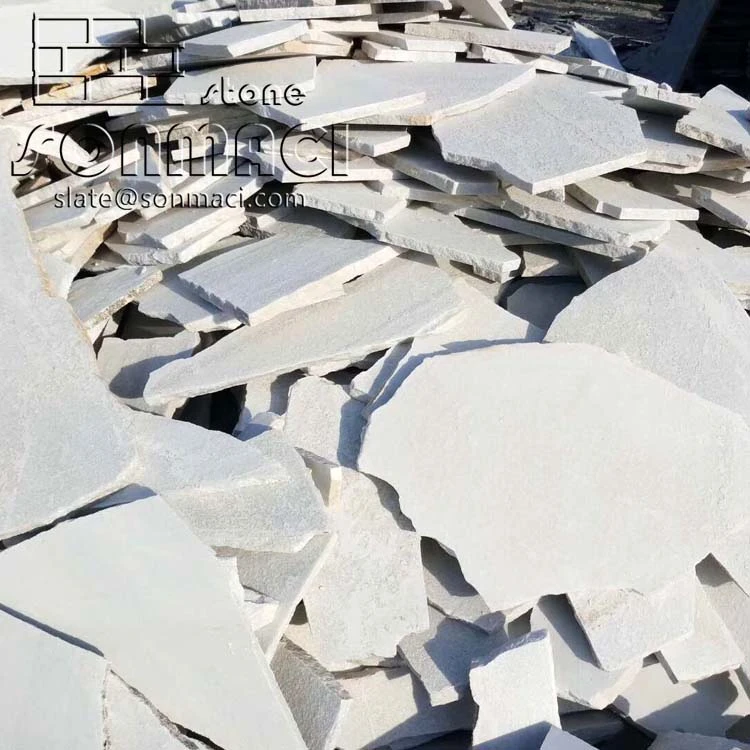
In the context of modern construction, “adding stone” might not always mean heavy quarried slabs. It could mean lightweight stone veneers, composite panels, or engineered stone surfaces designed to look just as authentic but install more quickly and with less structural load.
Historically, many cultures built entire homes from stone. Today, it’s often about preservation or elevating design. But the link to humanitarian building needs exists too — stone exterior finishes can provide lasting shelter in climates where other materials simply fail.
Core Components When Adding Stone to Exterior House Walls
Durability and Weather Resistance
First, stone is prized for its ruggedness. It naturally resists the effects of wind, rain, and sun. This means less maintenance over time compared to wood or vinyl.
Thermal Performance
Stone also acts as an effective insulator. In hot climates, it helps keep interiors cool, while in cold zones, it stabilizes indoor temperatures — a handy energy saver.
Aesthetic Versatility
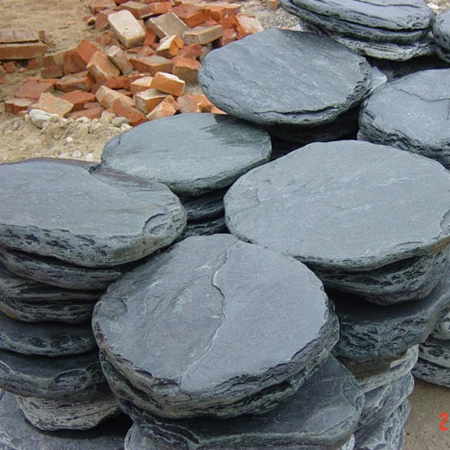
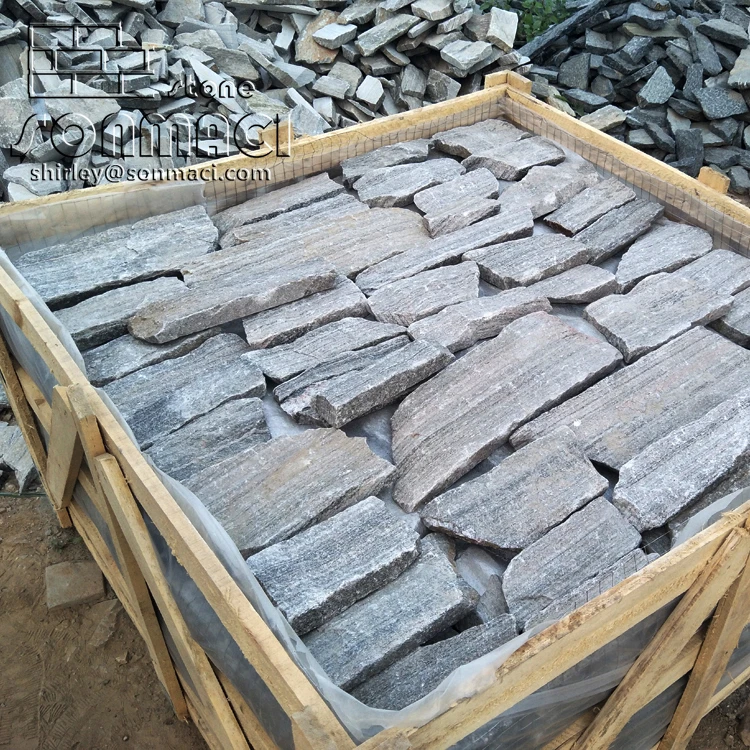
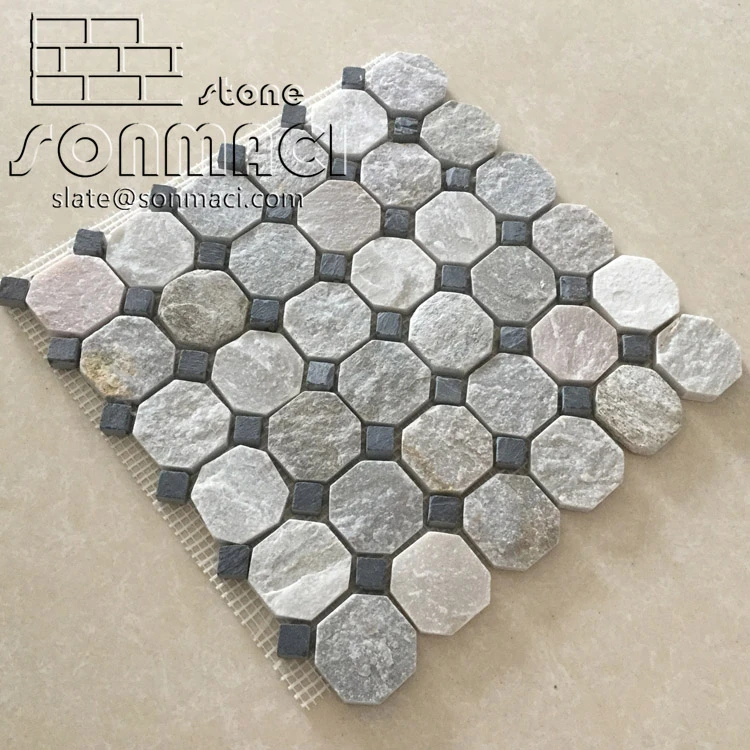
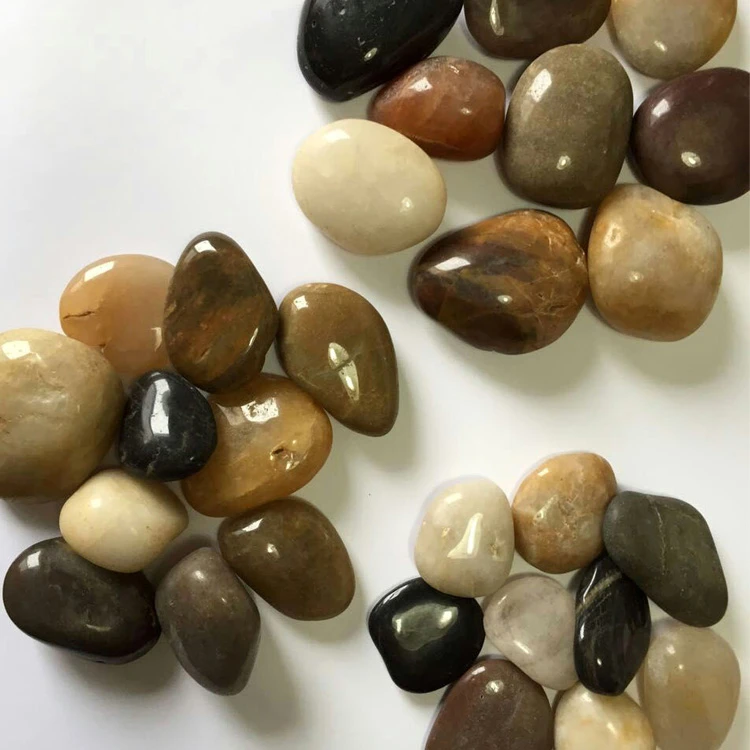
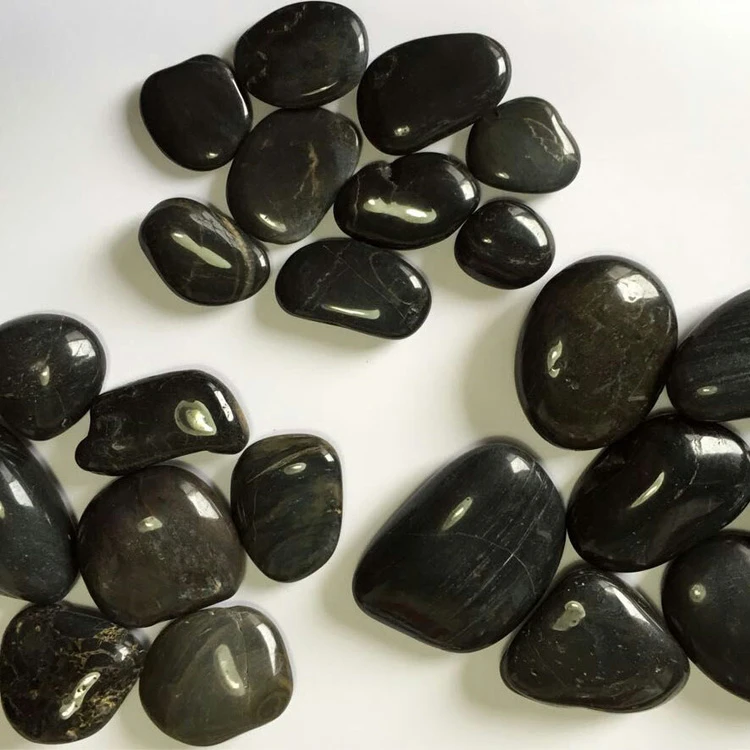
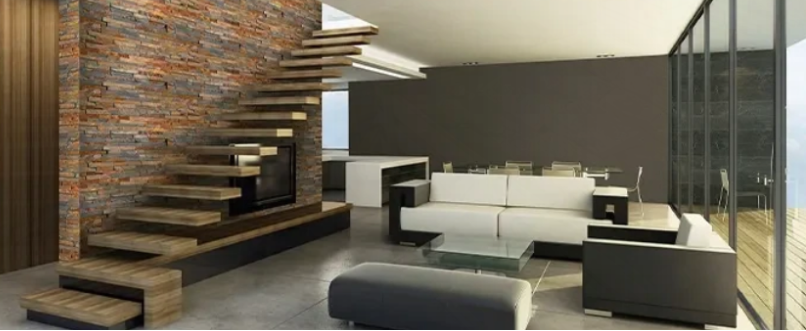
Rough or smooth, variegated colors or uniform tones — stone provides a classic yet versatile palette that fits rustic cottages or sleek modern homes alike. Architects love how it adds character.
Environmental Impact
Natural stone is earth-friendly if sourced locally. Manufactured stone products strive to reduce carbon footprints through recycling and efficient production. Sustainability is a factor many homeowners are weighing now.
Installation Complexity
Unlike simple paint or siding, stone requires more skill. However, innovations like stone veneer and modular panels speed installation and reduce costs, opening doors for DIY enthusiasts and smaller contractors.
Mini takeaway: It’s not just a pretty face. The decision to clad your home in stone speaks directly to performance, sustainability, and style, all wrapped together.
How Adding Stone to Exterior Walls Works Across the Globe
Globally, this concept finds use not only in residential settings but also in commercial and institutional architecture. Let’s look at a few cases:
- North America: Throughout the U.S. and Canada, adding stone to exterior home façades is a popular way to boost resale value. New suburban communities often feature stone-veneered homes.
- Mediterranean Countries: In places like Italy and Greece, the stone façade tradition dates back centuries. Modern renovations often maintain these exteriors for historical integrity and thermal benefits.
- Post-Disaster Housing: In earthquake or hurricane-prone areas, durable stone finishes provide additional protection, helping communities rebuild with resilience.
- Industrial Zones: Stone cladding offers protection against chemical corrosion and wear in factories and warehouses, doubling the house metaphor for durability.
Advantages & Long-Term Value of Stone Exterior Finishes
Tangibly, stone extends the life of your walls by preventing moisture infiltration and reducing maintenance costs. Emotionally, it brings a sense of solidity and permanence — a safe harbor in an uncertain world.
- Cost Efficiency Over Time: Though initially pricier than some sidings, stone saves money over decades by lasting longer.
- Sustainability: Natural material that often requires less frequent replacement and can be locally sourced.
- Social Impact: Neighborhoods with stone-faced homes often see increased pride and community cohesion.
- Reliability: Stone resists pests such as termites, leading to fewer structural issues.
What’s Next? Trends & Innovations in Stone Exterior Applications
We’re seeing some interesting shifts. For one, green construction standards are favoring stone veneers laminated on insulating substrates, drastically reducing weight yet retaining the look and durability. Also, digital fabrication methods like CNC cutting enable precise and custom patterns previously unattainable.
The rise of drones and robots for façade inspection means stone exteriors will be easier to maintain safely, too. Plus, policies encouraging low-carbon materials are pushing manufacturers to optimize quarrying and processing techniques.
Challenges & How to Overcome Them
Common hurdles include higher upfront costs, skilled labor shortages, and supply chain issues when sourcing quality stone. Yet, modular stone panels and prefabricated stone walls help shorten installation times and lower costs.
Additionally, blending stone with modern waterproof membranes and breathable barriers tackles the classic concern of trapped moisture behind heavy stone.
Training is more important than ever — and various industry bodies provide certifications to ensure proper installation, which frankly can make or break the outcome.
Frequently Asked Questions About Adding Stone to Exterior of House
- How expensive is adding stone to the exterior compared to other siding options?
- Costs vary widely depending on the type of stone and installation method. Natural stone is generally pricier upfront but lasts much longer, making it more cost-effective long-term. Veneers and modular panels offer more affordable alternatives.
- Can stone exterior cladding improve home energy efficiency?
- Yes, stone adds thermal mass which helps regulate indoor temperatures, reducing heating and cooling needs. When combined with proper insulation, it can significantly improve energy efficiency.
- Is it possible to do the installation myself?
- While stone veneer kits exist for DIY, large natural stone installations often require professional installers due to weight and specialized techniques. Mistakes can be costly, so professional help is recommended for best results.
- What maintenance does stone exterior require?
- Stone is generally low-maintenance; occasional cleaning and sealing (depending on stone type) prevent staining and water penetration. Inspections to check mortar or panel adhesion help catch issues early.
- Is stone exterior environmentally sustainable?
- Natural stone is sustainable when sourced locally and responsibly since it requires minimal processing. Manufactured stone products have varying environmental impacts, so check certifications and production methods.
Product Specification Table: Typical Stone Veneer Panel
| Feature | Specification |
|---|---|
| Material | Natural quartzite / engineered stone composite |
| Panel Dimensions | 24" x 48" (61 cm x 122 cm) |
| Thickness | 1 inch (25 mm) |
| Weight | 15 - 20 lbs (6.8 - 9 kg) per panel |
| Installation Type | Mechanical fastening with mortar backing |
| Thermal Resistance (R-Value) | Approx. 1.0 per inch |
| Warranty | 10 years limited |
Vendor Comparison Table: Leading Stone Exterior Solution Providers
| Vendor | Product Range | Sustainability Commitment | Installation Support | Average Cost per sq. ft. |
|---|---|---|---|---|
| Sonma Stone Co. | Natural quarried stone & veneers | 100% locally sourced, low carbon quarrying | Certified installer network | $15 - $25 |
| EcoStone Panels | Engineered stone composites | Recycled materials & LEED certified production | Online training & guides | $10 - $18 |
| Global Rockworks | Custom cut natural stone slabs | ISO-compliant eco practices | Full onsite project management | $20 - $35 |
Final Thoughts on Adding Stone to Exterior of House
All things considered, adding stone to the exterior of house remains a timeless strategy that balances aesthetics, practicality, and environmental awareness. It feels like a statement — one that speaks to quality, sustainability, and staying power. Whether you’re a homeowner aiming to future-proof your investment or a builder looking to bring something a bit more enduring to the market, stone exteriors have a lot to offer.
Curious to explore the options yourself? Dive into more details about adding stone to exterior of house and find the right style and solution to fit your project today.