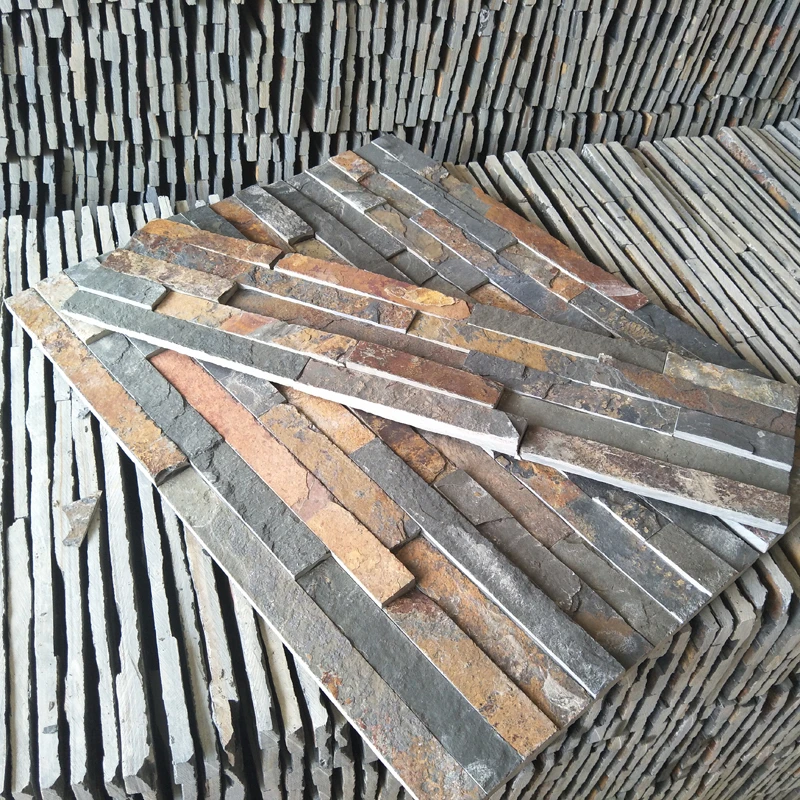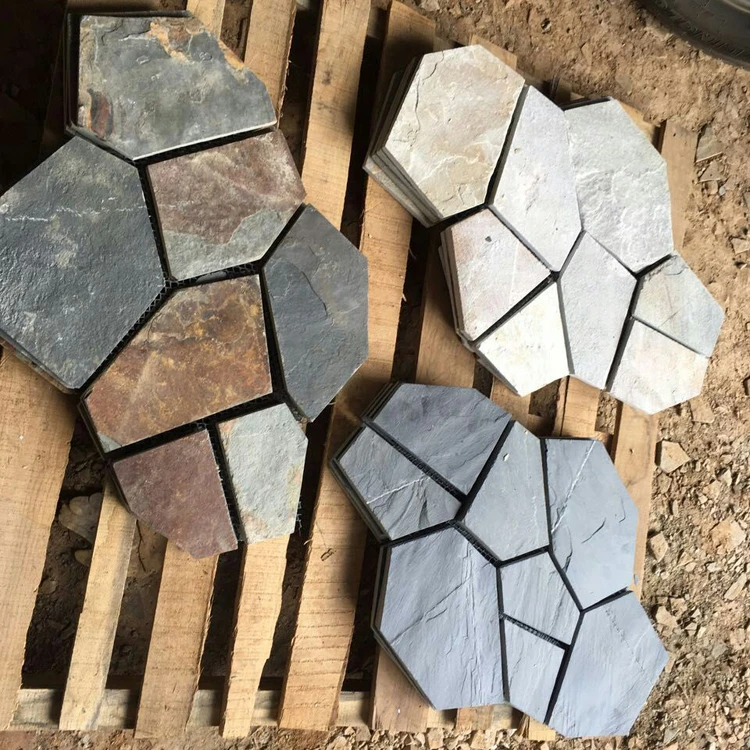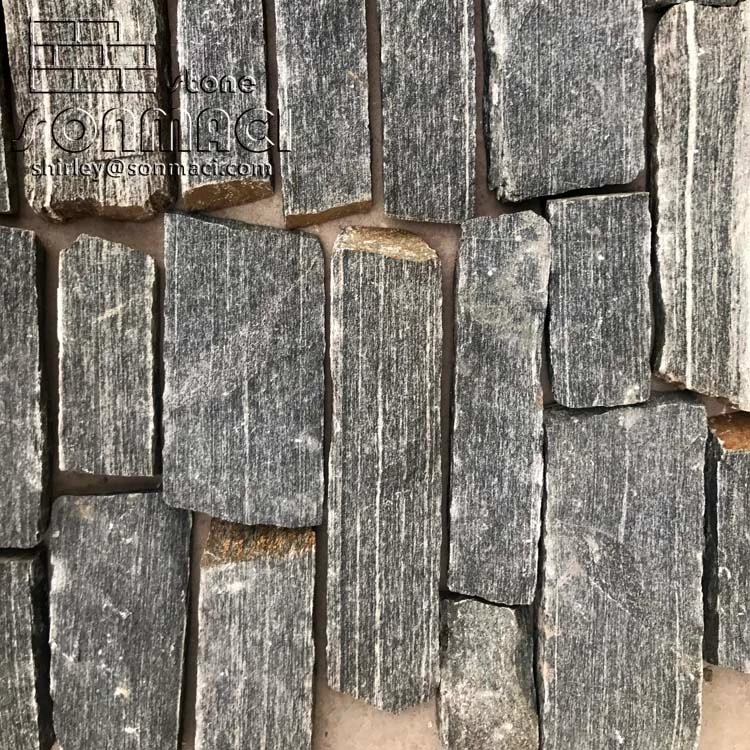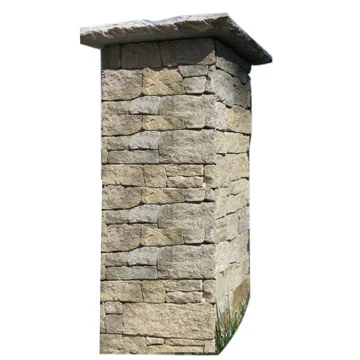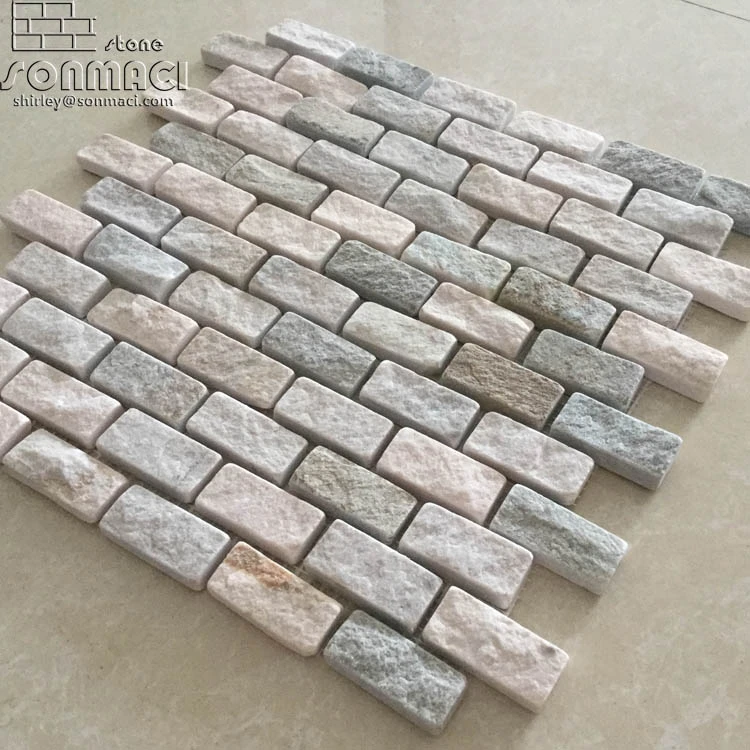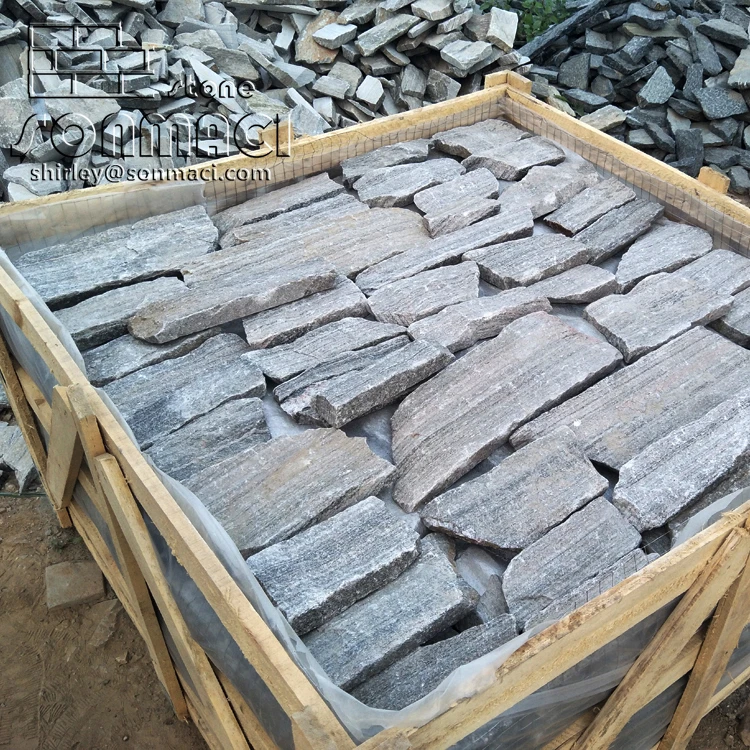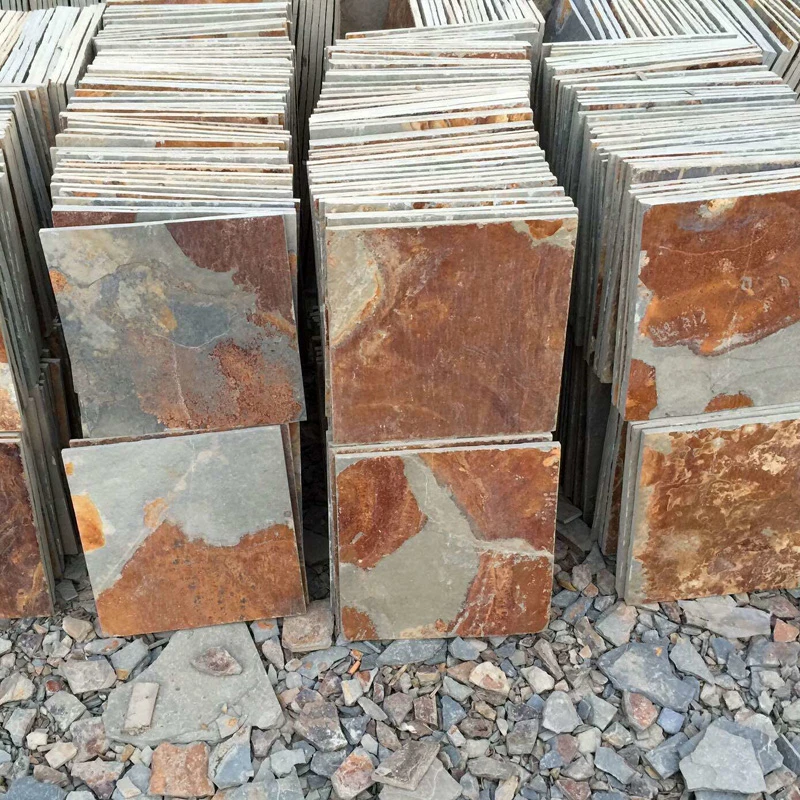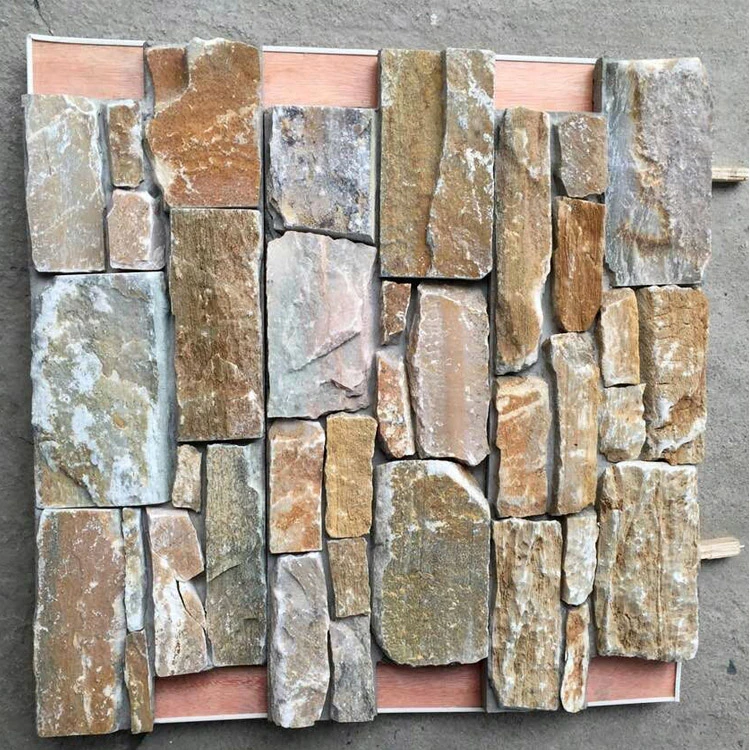
Flagstone Building Supplies: Durable, Sustainable Natural Stone for Modern Construction
Unlocking the Potential of Flagstone Building Supplies in Modern Construction
In a world where sustainable building materials are more than a trend—they’re becoming a necessity—flagstone building supplies stand out as an enduring choice that bridges aesthetics and utility. Whether for residential patios, commercial landscaping, or heritage restoration projects, understanding flagstone’s role offers insight into its global significance, environmental benefits, and technical advantages.
Global Context: Why Flagstone Matters in Today’s Construction Landscape
Flagstone—those natural, flat stones quarried mainly from sandstone, limestone, or slate—rose to prominence centuries ago, yet they continue to maintain their relevance globally. According to a 2023 report by the International Organization for Standardization (ISO), approximately 25% of natural stone consumption worldwide is dedicated to architectural and landscaping uses, with flagstone accounting for a significant slice of that market.
One challenge the industry faces is sourcing supply sustainably amid increasing demand for eco-friendly alternatives to concrete and synthetic materials. Flagstone’s longevity and minimal processing requirements mean it fits the bill for this shift, especially as urban planners and environmental bodies push for greener building codes.
What Exactly Are Flagstone Building Supplies?
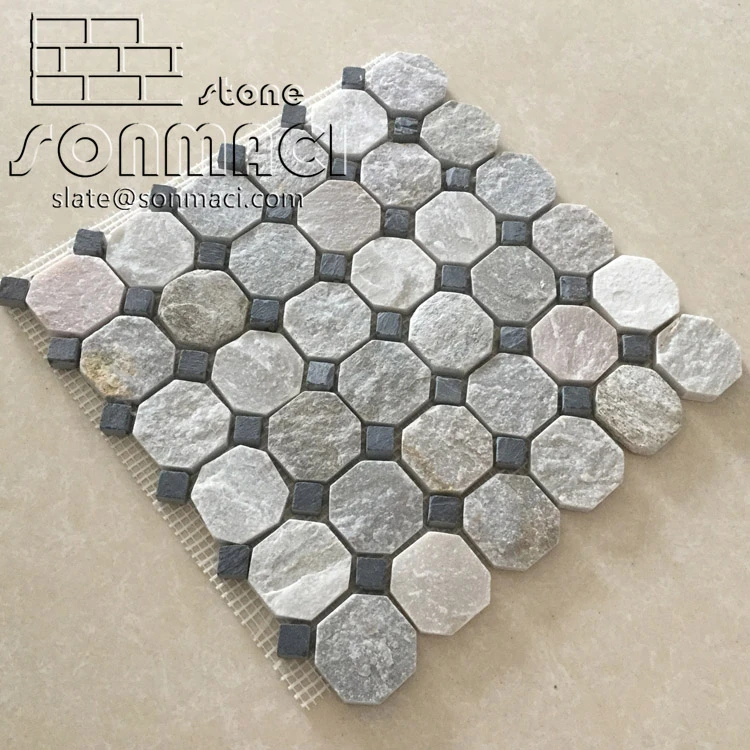
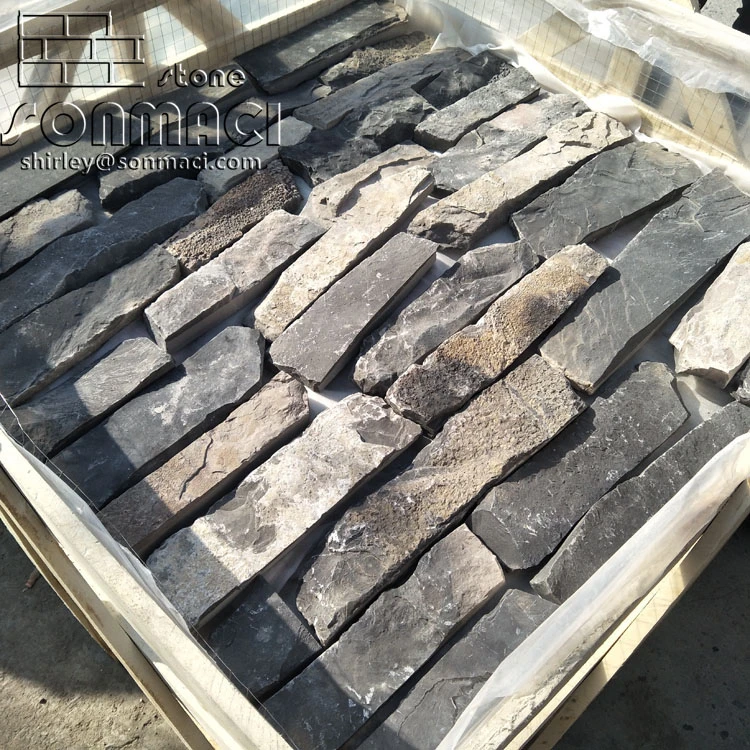
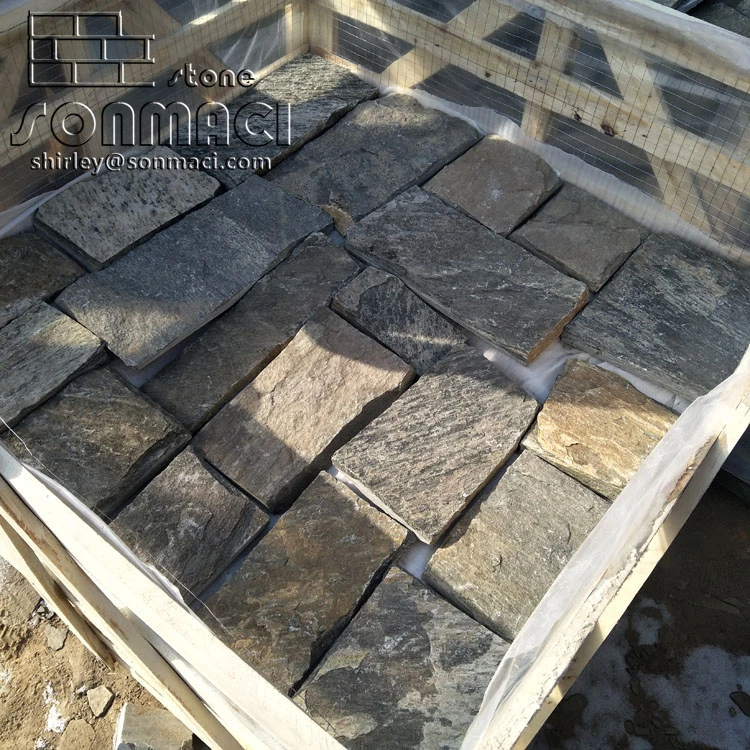
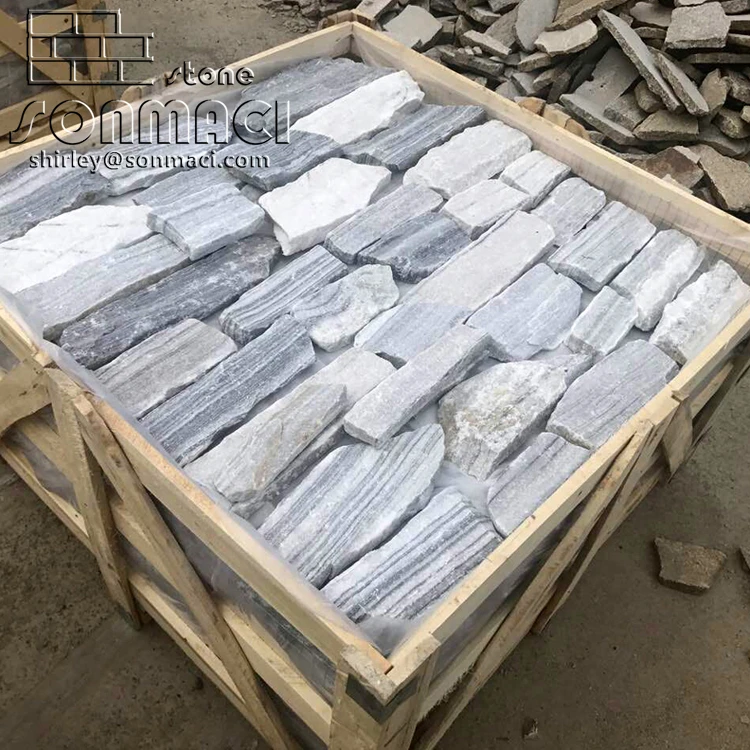
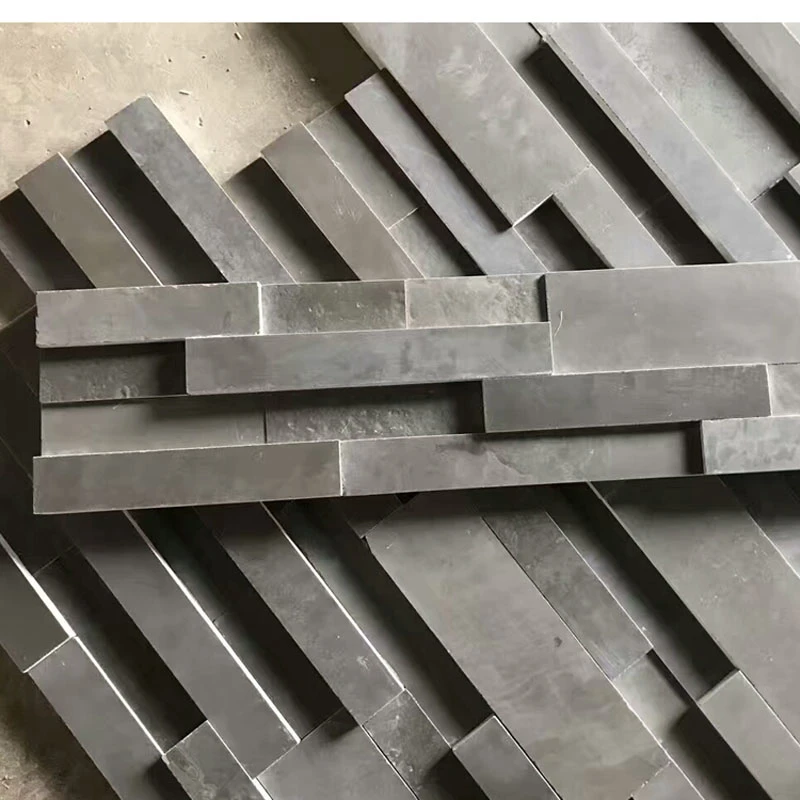
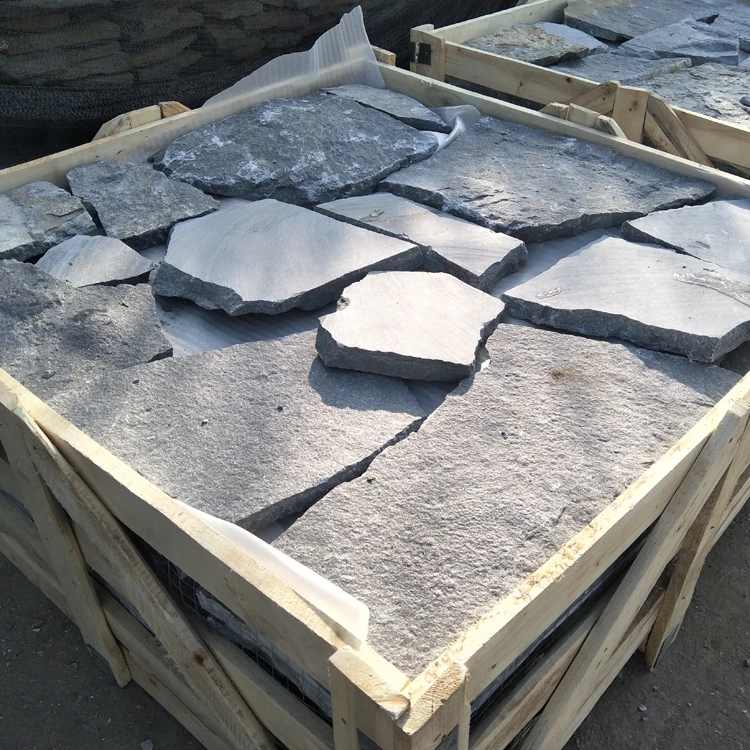
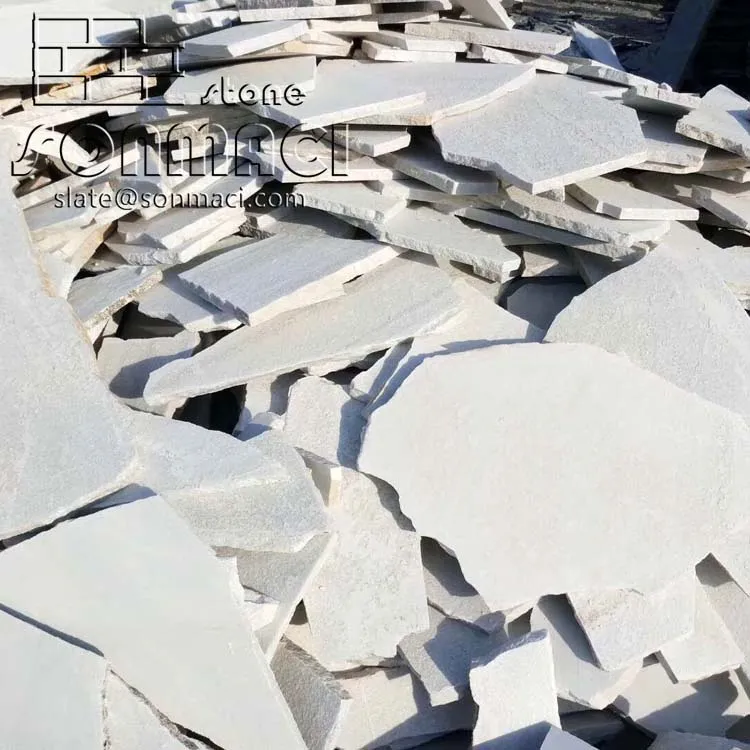
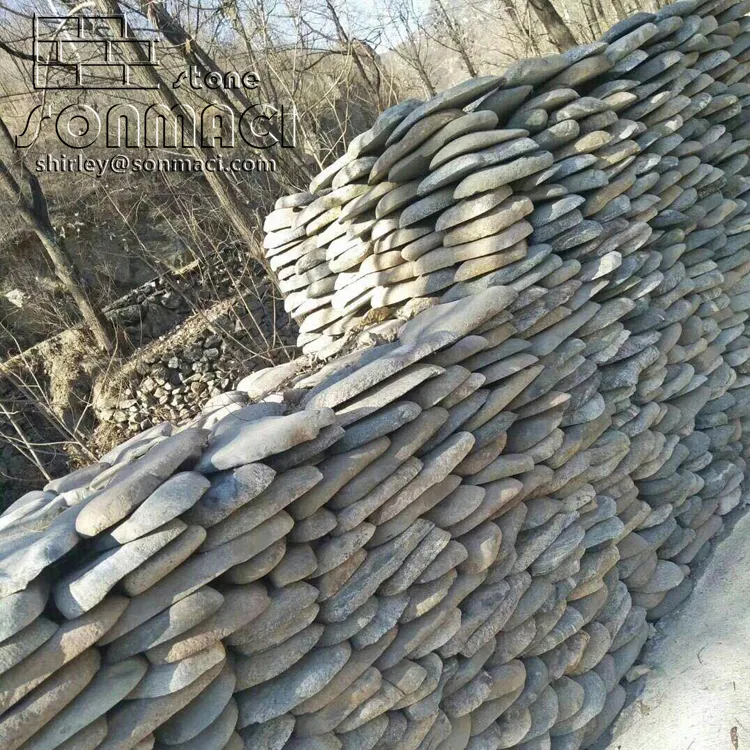
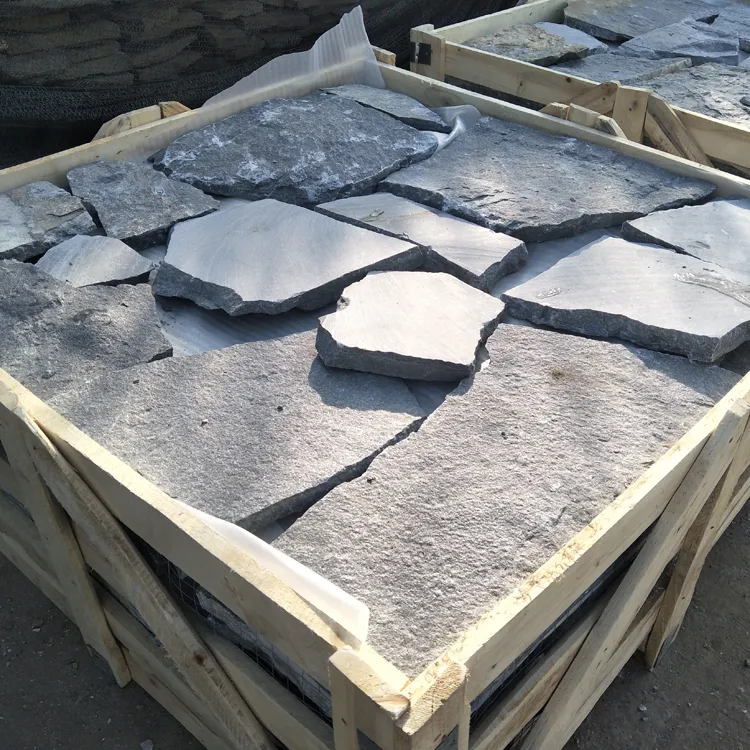
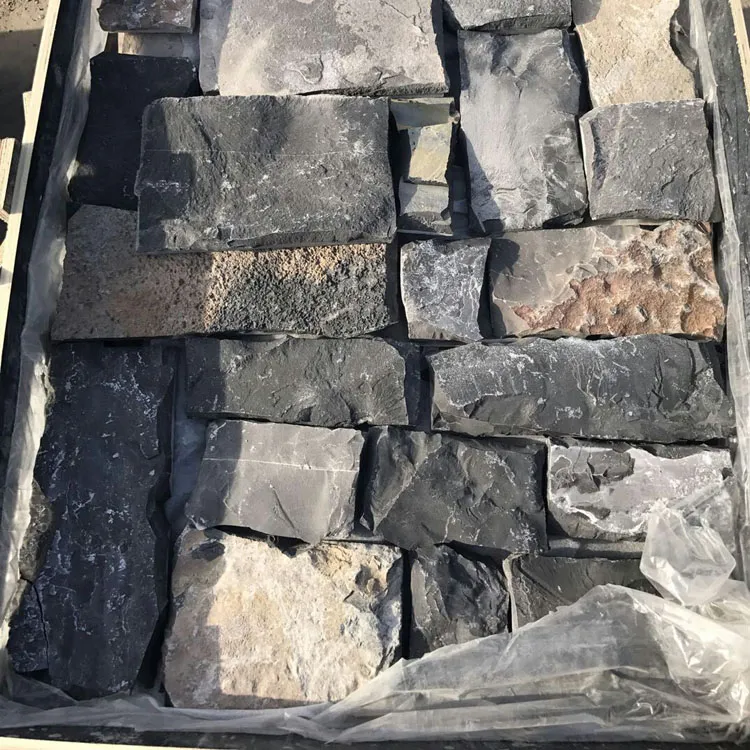
Simply put, flagstone building supplies consist of quarried flat stones split into slabs that can be used for flooring, paving, wall cladding, and outdoors surfaces. Their natural variations make them unique compared to manufactured tiles. From an industry perspective, they remain critical components in both modern modular construction and traditional masonry. Oddly enough, their rustic charm is paired with robust performance that supports humanitarian needs such as durable shelters or community infrastructure in fragile environments.
Core Components to Consider When Choosing Flagstone Building Supplies
1. Durability & Weather Resistance
One cannot overstate flagstone’s ability to withstand extreme weather conditions. Because these stones are dense and non-porous to varying degrees, they resist cracking, erosion, and frost damage better than many alternatives. In coastal or freeze-thaw cycle regions, this means longevity with less maintenance.
2. Cost Efficiency Over Time
Flagstone may have higher initial costs compared to concrete slabs, but its durability means fewer replacements. Plus, its natural extraction and minimal processing lower energy consumption, indirectly saving costs and reducing carbon footprints in the long run.
3. Aesthetic Versatility
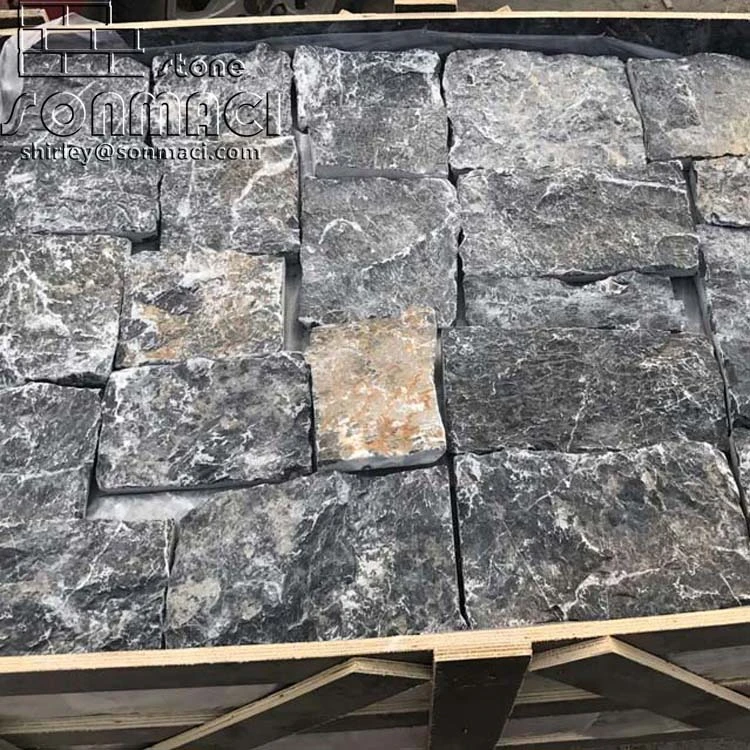
The natural striations, colors, and irregular shapes mean every flagstone piece tells its own story. Designers love how this variability creates rich textures and organic layouts in everything from ornate walkways to minimalist patios.
4. Sustainable Sourcing & Eco-friendliness
Many quarries now observe stringent environmental controls to reduce habitat destruction or water use during extraction. Meanwhile, flagstones contribute to permeability in paving, supporting natural water drainage and reducing urban runoff.
5. Ease of Installation & Customization
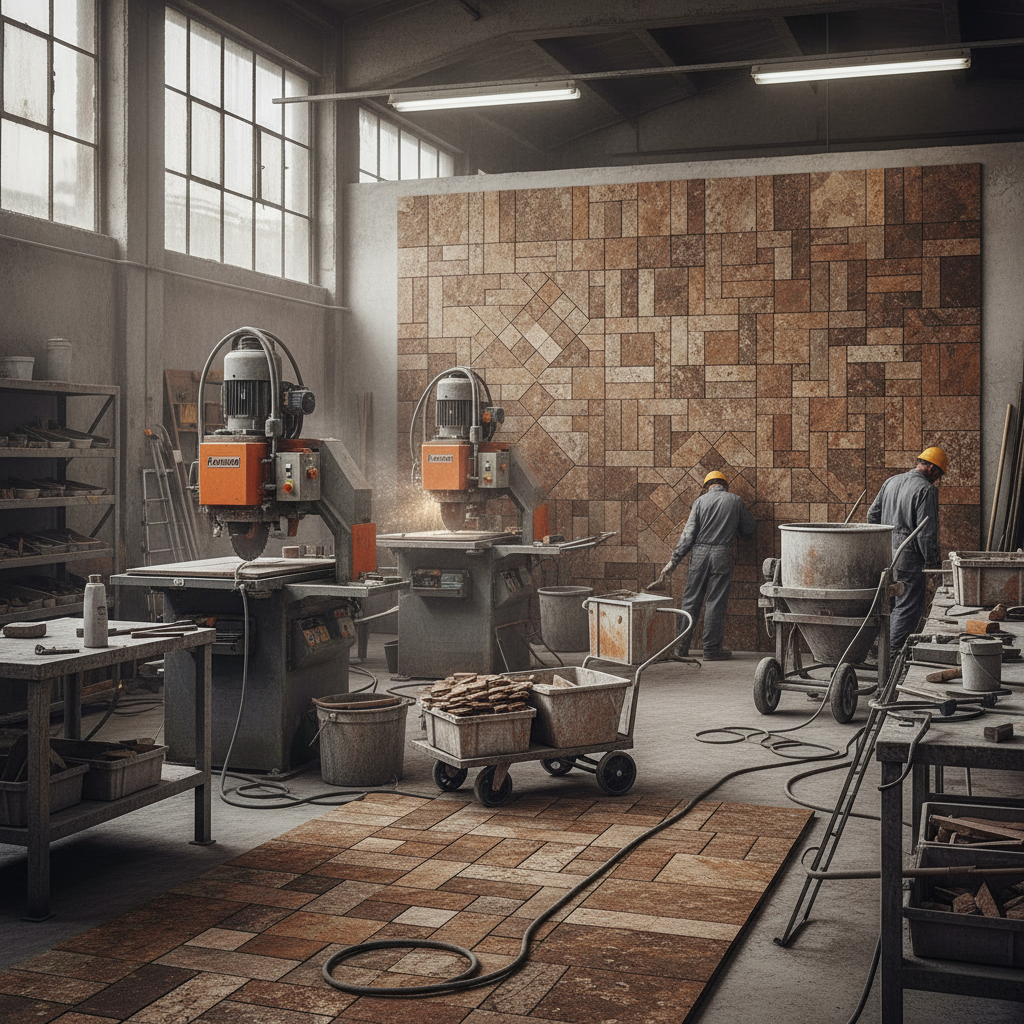
Flagstone slabs can be cut into various sizes and thicknesses, making them versatile for customized builds. Some suppliers also offer pre-cut patterns or modular units for faster project completion.
Flagstone Building Supplies – Product Specification Table
| Specification | Typical Value/Range | Notes |
|---|---|---|
| Material Type | Sandstone, Limestone, Slate | Varies by quarry region |
| Thickness | 1.5–3 cm | Customizable |
| Compressive Strength | 50–150 MPa | Higher strength stones for traffic areas |
| Water Absorption | Key for frost resistance | |
| Typical Weight | Approx. 15–25 kg per slab (depending on size) | Important for logistics planning |
How Are These Building Supplies Used Around the Globe?
Flagstone features prominently in many different contexts—here’s the practical diverse usage:
- Urban and residential landscaping: Flagstone paths, patios, and internal flooring provide a timeless, durable surface in gardens globally.
- Commercial and public spaces: Parks, museums, and heritage sites often require natural stone for authenticity and durability.
- Post-disaster reconstruction: Some NGOs prefer flagstone building supplies for rebuilding infrastructure where durable, weather-resistant materials are essential.
- Remote industrial zones: Flagstone’s low maintenance appeals to mining or forestry operations needing resilient walkways or facilities.
For even more on landscaping and construction materials, visit flagstone building supplies.
Vendor Comparison: Leading Flagstone Suppliers
| Vendor | Material Varieties | Sustainability Certification | Typical Lead Time | Pricing Range |
|---|---|---|---|---|
| Sonmac Stone Co. | Sandstone, Limestone | ISO 14001 Certified | 2-3 weeks | Mid-range |
| Global Stone Supplies | Slate, Flagstone Mix | FSC Alliance | 4-5 weeks | Higher-end |
| EcoStone Quarries | Sandstone Only | LEED Verified | 1-2 weeks | Competitive |
Why Choose Flagstone? Advantages That Count
Cost savings framed over decades, combined with ecological benefits and that undeniable aesthetic warmth—flagstone building supplies truly shine. Their natural origin means fewer chemicals and less industrial waste, which aligns with growing corporate sustainability goals. Long-term, flagstone supports safety (non-slip surfaces), dignity (beautiful, resilient homes or public spaces), and trust (durability backed by tradition and testing).
Looking Ahead: Innovations and Future Trends
The future is exciting here. Increasingly, you see integration of digital mapping and automated cutting tools allowing precise customization while minimizing waste. Some suppliers are partnering with green energy microgrids at quarry sites, reducing carbon output. There's also growing interest in recycled stone aggregates combined with flagstone to push the envelope on circular economy principles in construction.
Challenges & How the Industry is Overcoming Them
Flagstone’s main challenge? Sourcing sustainably without environmental degradation, plus occasional price fluctuations due to quarrying restrictions. But many manufacturers have stepped up transparency and reclamation efforts. Innovations in logistics and supply chain forecasting help keep projects on schedule despite stone’s irregular weight and size. Plus, composite options that blend natural stone with eco-friendly binders are emerging, expanding applications.
FAQs About Flagstone Building Supplies
- Q: How long does flagstone last in outdoor installations?
A: Properly installed flagstone can last 30+ years outdoors, often much longer, given its resistance to weather and wear. - Q: Is flagstone environmentally friendly compared to concrete?
A: Generally, yes. Flagstone requires less energy to produce and is naturally recyclable, supporting eco-conscious construction. - Q: Can flagstone be customized for complex designs?
A: Absolutely. Modern cutting techniques allow for bespoke shapes, patterns, and thicknesses tailored to design needs. - Q: What regions primarily supply flagstone?
A: The US, India, China, and parts of Europe notably quarry large quantities, but quality and types vary regionally. - Q: How do I ensure ethical sourcing when purchasing flagstone?
A: Look for suppliers with environmental certifications such as ISO 14001 or LEED verification and supply chain transparency.
Wrapping It Up
Flagstone building supplies offer a fascinating mix of tradition and modern-day relevance. Their beauty paired with durability and sustainability makes them a smart choice across projects worldwide. If you’re considering a project that values natural materials without compromising longevity, flagstone might just be your go-to.
For a solid starting point or to discuss tailored solutions, feel free to visit flagstone building supplies. They’ve got the kind of industry know-how you can trust to deliver.
Quick takeaway: Flagstone blends natural beauty, technical strength, and sustainability for building projects that truly last.