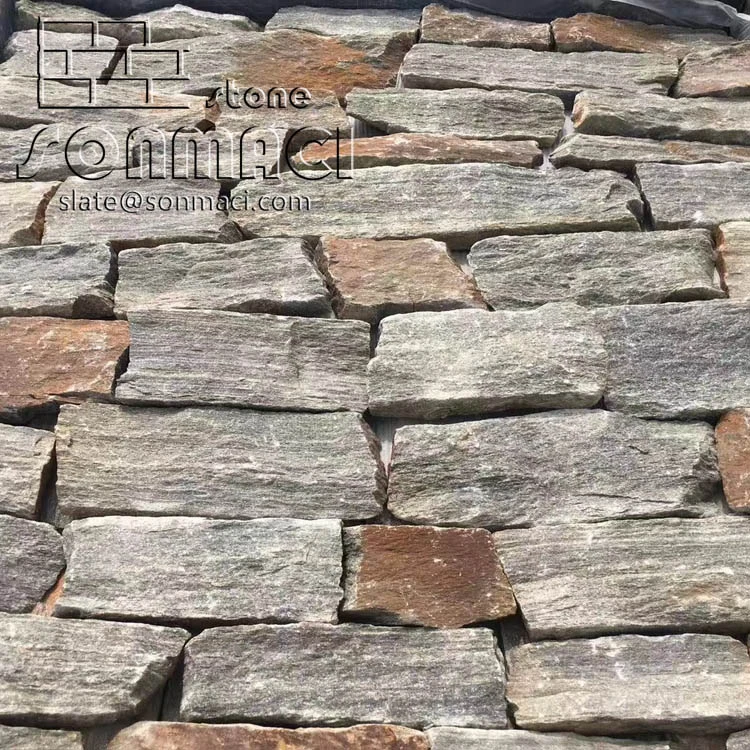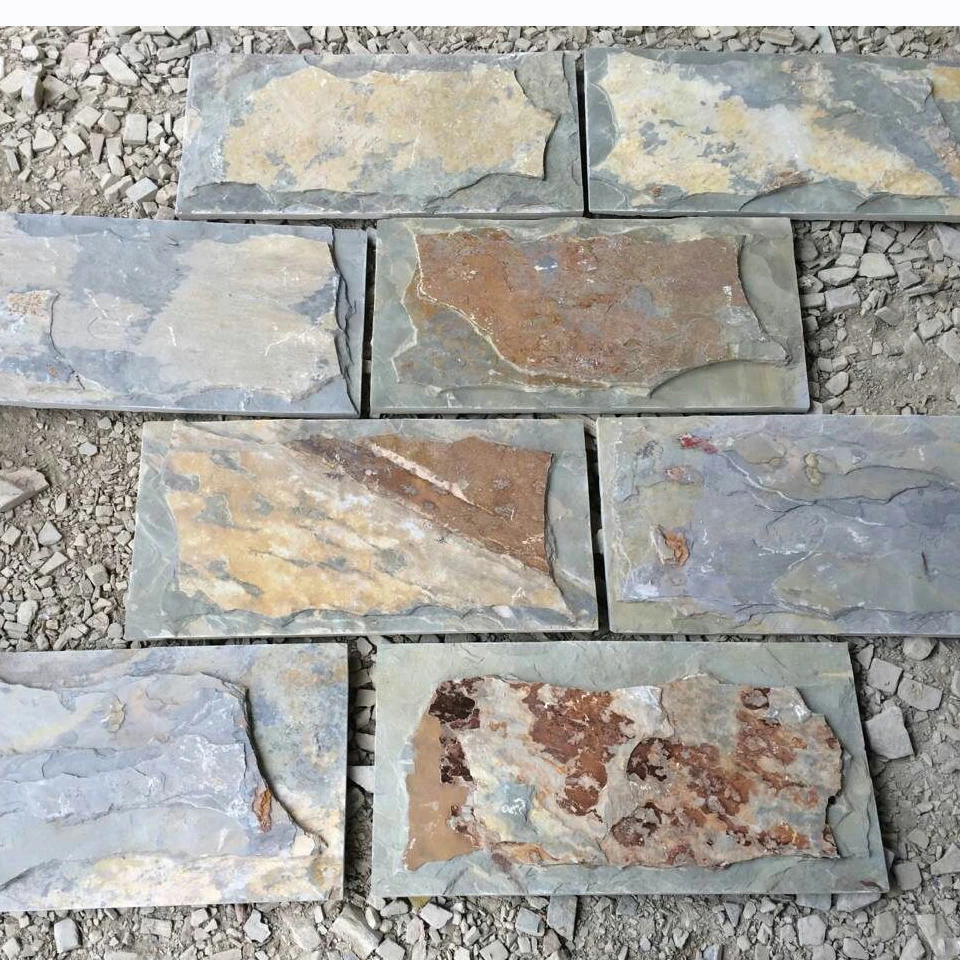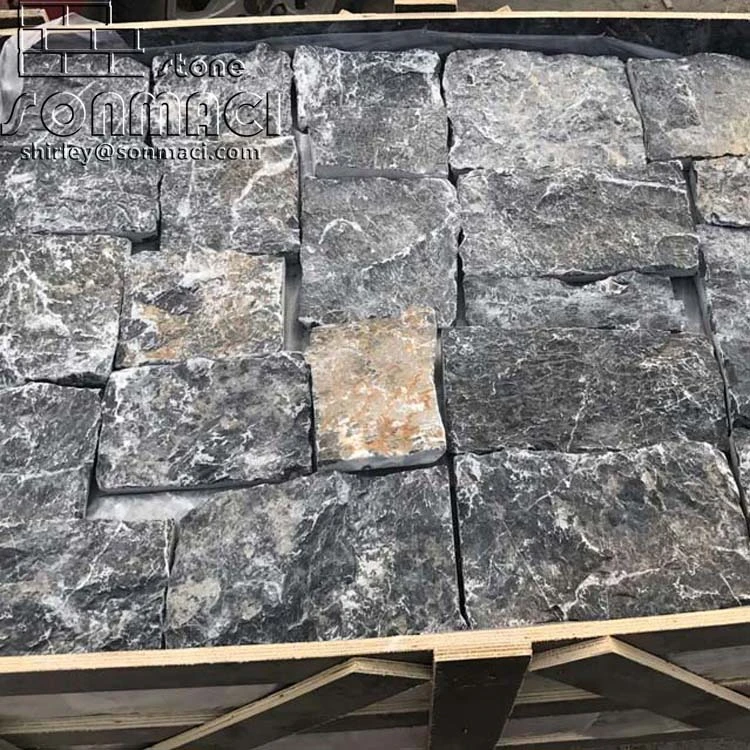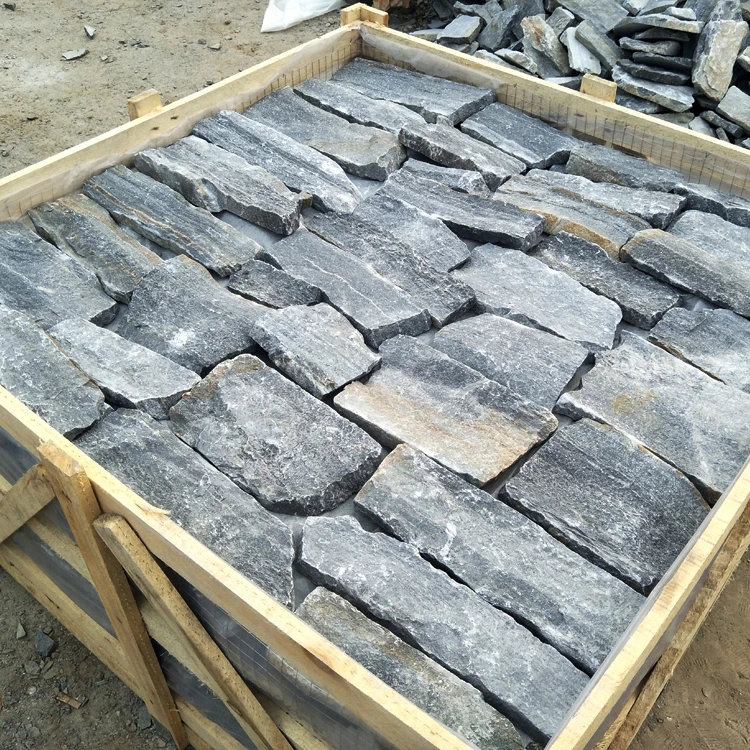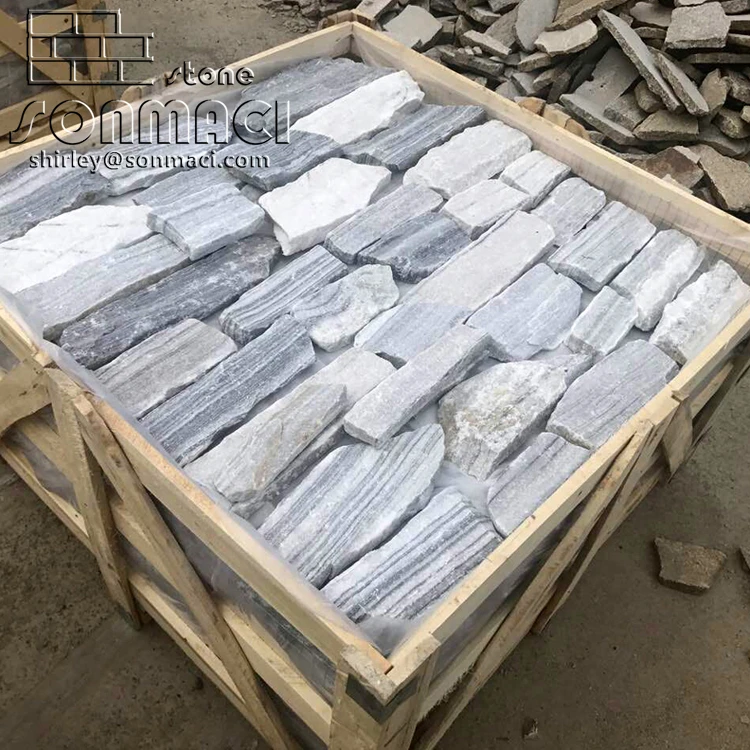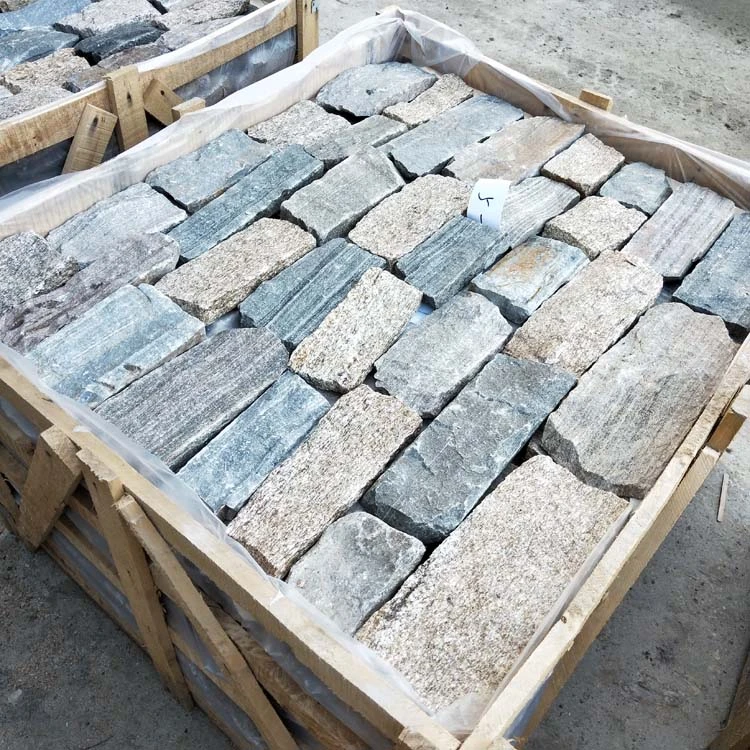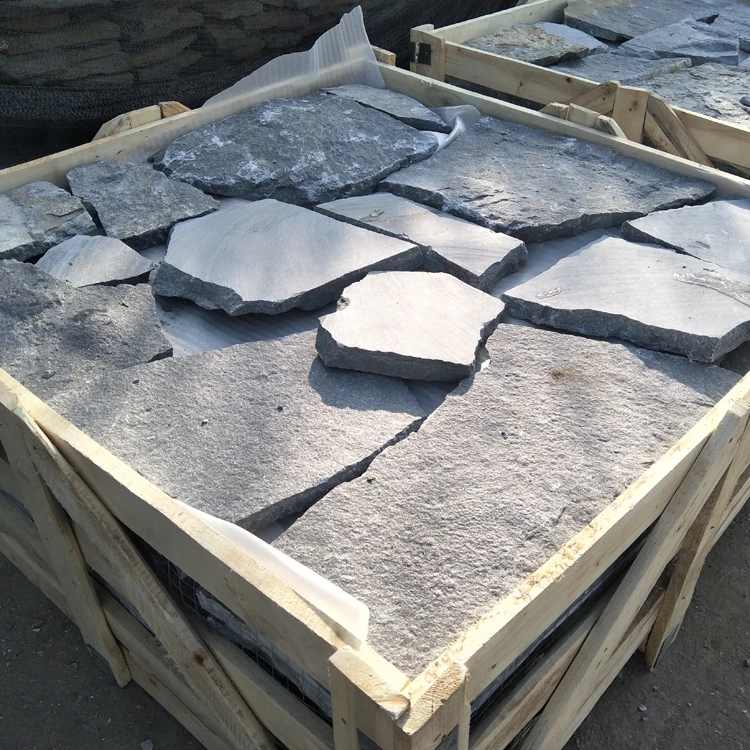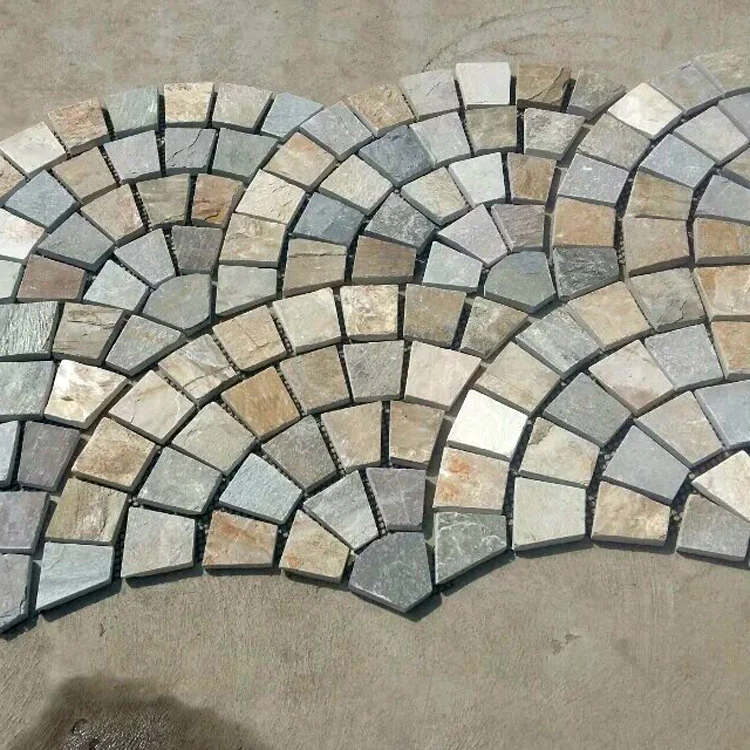
Natural Stone for House Exterior Cost – Durable, Sustainable & Stylish
Natural Stone for House Exterior Cost: Understanding the Value and Impact
Natural stone has long been celebrated for its aesthetic appeal and durability, but when it comes to the cost of using natural stone for house exterior finishes, many homeowners, architects, and contractors find themselves weighing aesthetics against budget. In today’s housing market, this question isn’t merely about price tags; it's about long-term value, sustainability, and even energy efficiency. Globally, the demand for natural, durable, and environmentally responsible building materials is rising—and understanding the true cost of natural stone for home exteriors plays a pivotal role in decision-making worldwide.
Introduction: Why Natural Stone Exterior Costs Matter Globally
According to the United Nations Environment Programme (UNEP), sustainable building materials are becoming a priority to reduce global carbon footprints. Interestingly, natural stone fits this profile well because it’s a low-maintenance, long-lasting product that requires minimal processing compared to synthetic options. Yet, cost remains a challenge, especially in emerging economies where affordable housing is critical.
The World Bank reports that up to 1.6 billion people worldwide live in inadequate housing conditions—a stark reminder that choosing materials that balance cost with durability directly affects millions. The question of natural stone for house exterior cost thus isn’t just academic; it touches on issues of shelter quality, weather resilience, and local economic development.
That said, many developers and homeowners still hesitate because the initial expenditure for natural stone cladding or siding can sometimes be higher compared to alternatives like vinyl or fiber cement. This leads us to ask: what are the real costs behind the natural stone facade? What factors shape those costs, and how do they translate to long-term investment?
What Does "Natural Stone for House Exterior Cost" Mean?
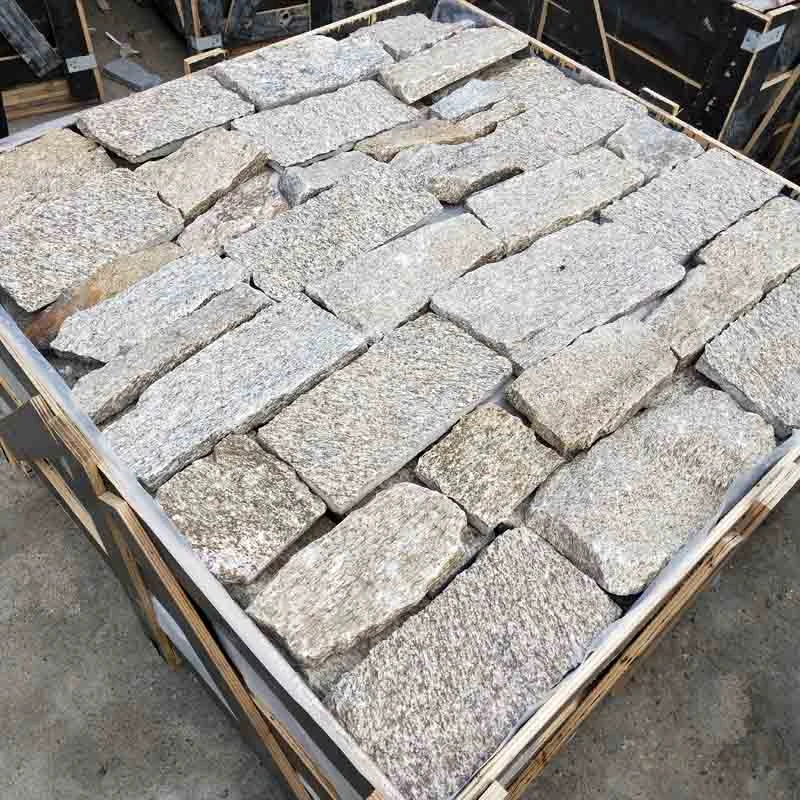
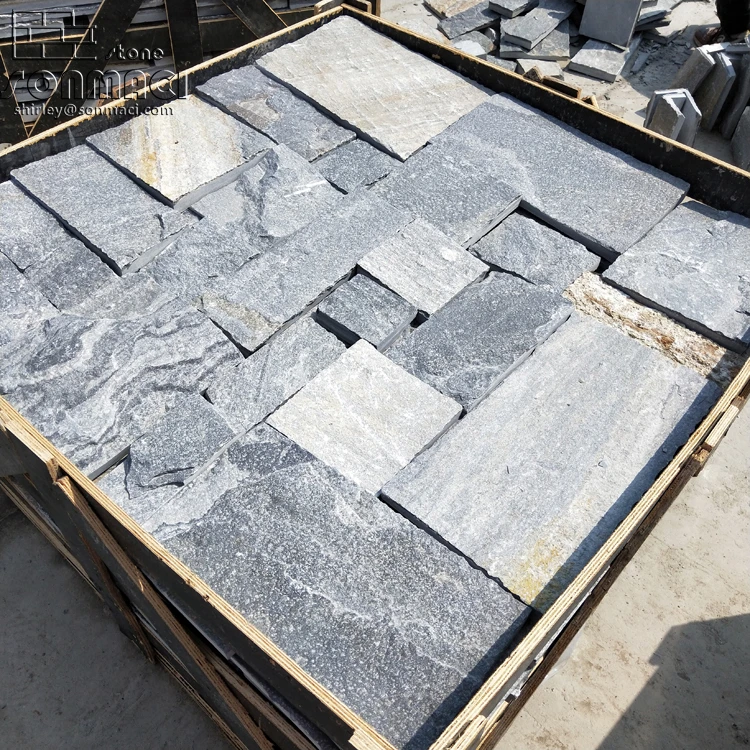
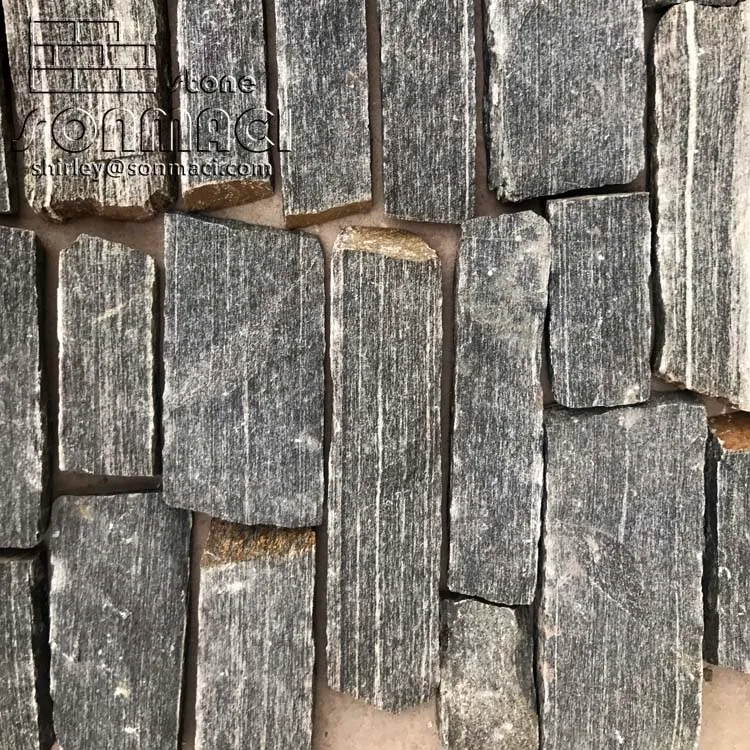
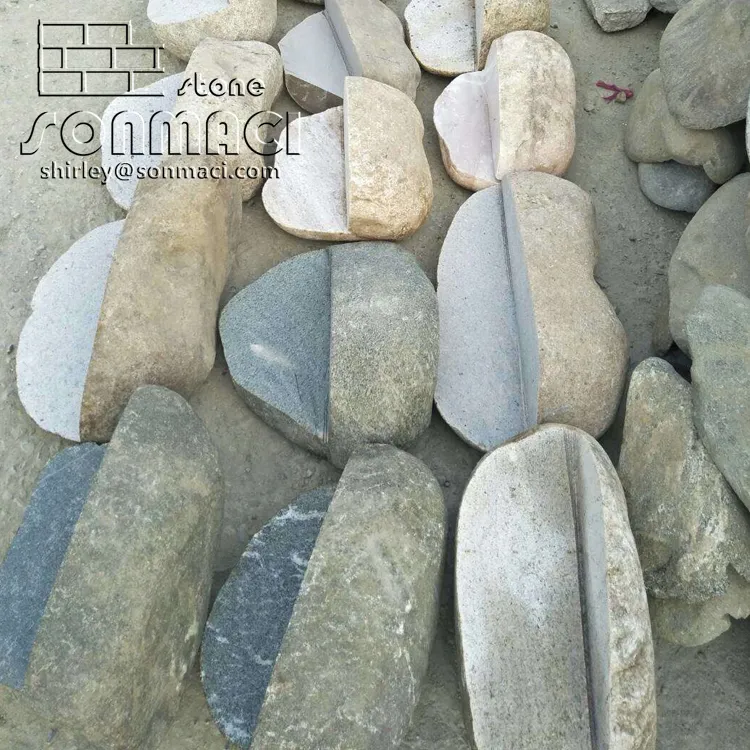
At its core, the phrase refers to the total expenses involved in sourcing, transporting, fabricating, and installing natural stone materials—think granite, limestone, slate, or sandstone—for finishing the outer walls of residential buildings. Unlike manufactured veneers or synthetic panels, natural stone is quarried directly from geology, meaning its intrinsic properties—color variation, texture, density—are unique, which affects logistical and labor costs.
Historically, natural stone has been prized for its durability and timeless beauty. In modern construction, it also connects to sustainable practices. The industry increasingly values materials that reduce embodied energy—basically, the sum of all energy required to extract, process, and install a product. Using natural stone for exteriors ties into broader humanitarian and ecological concerns by potentially improving building lifespan and reducing waste.
Key Factors Influencing Natural Stone for House Exterior Cost
1. Quality and Type of Stone
Different stones come at different prices. Granite tends to be more expensive than sandstone, for example, owing to hardness and quarry availability. Higher-grade stones cost more upfront but may save in maintenance.
2. Quarry Location and Transportation
Transporting heavy stone blocks from remote quarries significantly adds to costs. Locally sourced stone cuts logistic expenses, which is why regional stone is often more affordable.
3. Fabrication and Finishing
Cutting, polishing, and shaping the stone to fit the exterior design consumes skilled labor and time. Intricate patterns or custom finishes escalate costs.
4. Installation Complexity
Unlike simpler materials, natural stone installation requires expertise. Structural support, adherence methods, and weatherproofing all contribute to labor expenses.
5. Maintenance and Longevity
Although natural stone might cost more initially, its longevity and low maintenance often make it more cost-effective over decades. This is a nuance sometimes overlooked.
Product Specification Table: Typical Natural Stone for Exteriors
| Stone Type | Average Cost ($/sq.ft.) | Durability (Years) | Maintenance Requirements |
|---|---|---|---|
| Granite | 8 - 15 | 50+ (very high) | Low |
| Sandstone | 6 - 12 | 30-40 | Moderate |
| Limestone | 7 - 14 | 40+ | Moderate |
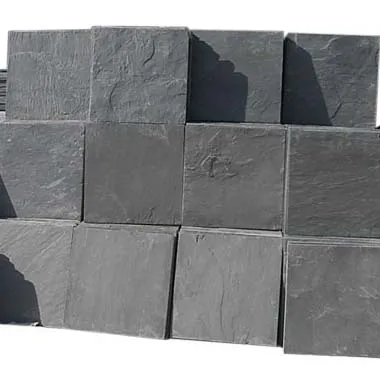
| Slate | 9 - 18 | 50+ | Low |
Global Use Cases of Natural Stone Exteriors
Natural stone façades have graced buildings from Europe’s historic city centers to modern luxury homes in Asia. In fact, you’ll find many places in the Mediterranean where local quarries supply limestone and sandstone, defining architectural style with a natural palette.
On a more industrial scale, regions prone to harsh weather—like North America and Northern Europe—use granite and slate heavily for their exterior shells. In post-disaster relief and reconstruction projects, stone’s resilience against fire, moisture, and wind damage adds a layer of protection communities need.
Oddly enough, even in remote parts of Africa and South America, natural stone is coming back into use as infrastructure budgets grow and sustainability goals take hold. NGOs often recommend stone for affordable housing projects because material longevity reduces the need for costly repairs.
Vendor Comparison: Natural Stone Suppliers (Typical Cost & Service)
| Vendor | Price Range ($/sq.ft.) | Lead Time | Customization Options | Sustainability Certification |
|---|---|---|---|---|
| StoneCraft Intl. | $7–$14 | 4–6 weeks | High | ISO 14001 |
| EcoStone Suppliers | $8–$15 | 6–8 weeks | Medium | LEED Certified |
| Natural Rock Co. | $6–$13 | 3–5 weeks | Basic | None |
Advantages & Long-Term Value
- Cost-efficiency over time: While the initial natural stone for house exterior cost might seem steep, the durability reduces repair costs drastically.
- Sustainability: Natural stone involves less industrial processing and lasts decades, minimizing environmental footprints.
- Aesthetic and resale value: Homes clad in natural stone often command higher market value, thanks to timeless appeal.
- Weather resistance: Resistance to moisture, UV damage, and temperature fluctuations offers peace of mind in diverse climates.
Honestly, it’s that balance between logical investment and emotional security that makes natural stone attractive. People want a home that feels solid, dignified, and built to last—qualities stone uniquely provides.
Future Trends & Innovations
The industry is slowly embracing technology to bring down costs: automated cutting machines driven by AI, digitally customized stone panels, and eco-friendly quarrying techniques help reduce waste. Furthermore, green building certifications increasingly emphasize local sourcing, pushing suppliers to optimize logistic efficiency.
On the policy front, new regulations focused on carbon accounting for materials might make natural stone even more attractive over synthetics due to its lower embodied carbon. Innovation in composite stone, combining natural fragments with recycled materials, also looks promising.
Challenges & Solutions
Of course, nobody wants to ignore the challenges. The main one is often the upfront cost—which includes labor and transport—that can shove natural stone out of reach for some projects.
However, modular installation methods and prefabricated stone panels can reduce expenses. Plus, leveraging local quarries helps. Another challenge lies in environmental impact from quarrying, but stakeholders are addressing it with restoration projects and better management.
FAQ: Frequently Asked Questions About Natural Stone for House Exterior Cost
- What factors most impact the overall cost of natural stone exteriors?
- The main drivers are stone type, transportation distances, installation complexity, and finishing processes. Local stone usually helps reduce costs significantly.
- How does natural stone compare with synthetic exteriors long-term?
- Natural stone generally lasts decades longer and requires less maintenance, which often makes it more economical and sustainable despite a higher initial price.
- Is natural stone a good choice for energy efficiency?
- Yes, stone’s thermal mass can moderate indoor temperatures, reducing heating and cooling needs, sending benefits to both pocket and planet.
- How can homeowners reduce total exterior costs using natural stone?
- Choosing locally sourced stone, simpler finishes, and consulting experienced installers who use modular systems can trim costs without sacrificing aesthetics.
Conclusion
In real terms, natural stone for house exterior cost is more than dollars per square foot—it’s about balancing upfront investment with long-term savings, environmental responsibility, and architectural beauty. For anyone thinking of upgrading their home's exterior or building new, understanding these factors unlocks a better appreciation for what they’re really paying for.
Curious to learn more or get a personalized quote? Visit our website: natural stone for house exterior cost.
Takeaway: Natural stone’s true value lies beneath its surface, combining durability, sustainability, and elegance—an investment that pays dividends for decades.