Stone Exterior House Cost: A Comprehensive Guide to Materials, Benefits & Trends
Understanding Stone Exterior House Cost: What You Need to Know
When considering the true investment in a home’s exterior, stone surfaces have often stood out as both classic and surprisingly practical. Stone exterior house cost isn’t merely about price tags; it touches on durability, aesthetics, sustainability, and regional availability. Understanding how these costs are calculated—and why they matter globally—can shift your perspective whether you’re a homeowner, builder, or industry analyst. After all, stone cladding offers more than charm: it protects, insulates, and signals permanence.
Why Stone Exterior House Cost Matters on a Global Scale
Globally, construction industries are booming, with the United Nations Department of Economic and Social Affairs reporting that the urban population will grow to nearly 7 billion by 2050. This skyrocketing demand means that material choices for homes—such as stone façades—are under increasing scrutiny for sustainability and cost-effectiveness. Stone, long prized for its weather-resistant qualities, also responds well to modern environmental demands. Yet, the cost varies widely by region, type of stone, and installation complexity, sometimes creating barriers for affordable housing in developing areas. It’s a complex knot to untangle, but vital if we want resilient, beautiful living spaces worldwide.
What Does “Stone Exterior House Cost” Really Mean?
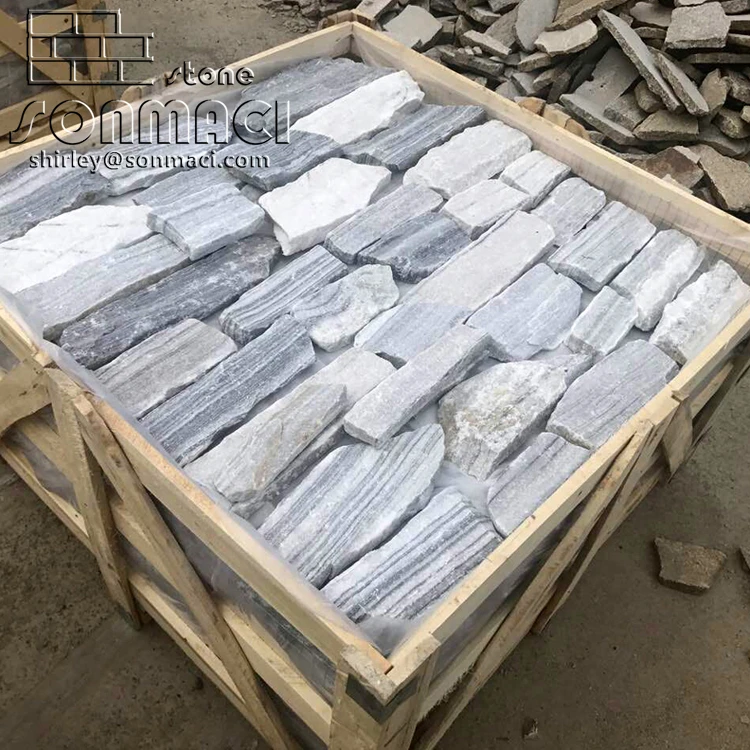
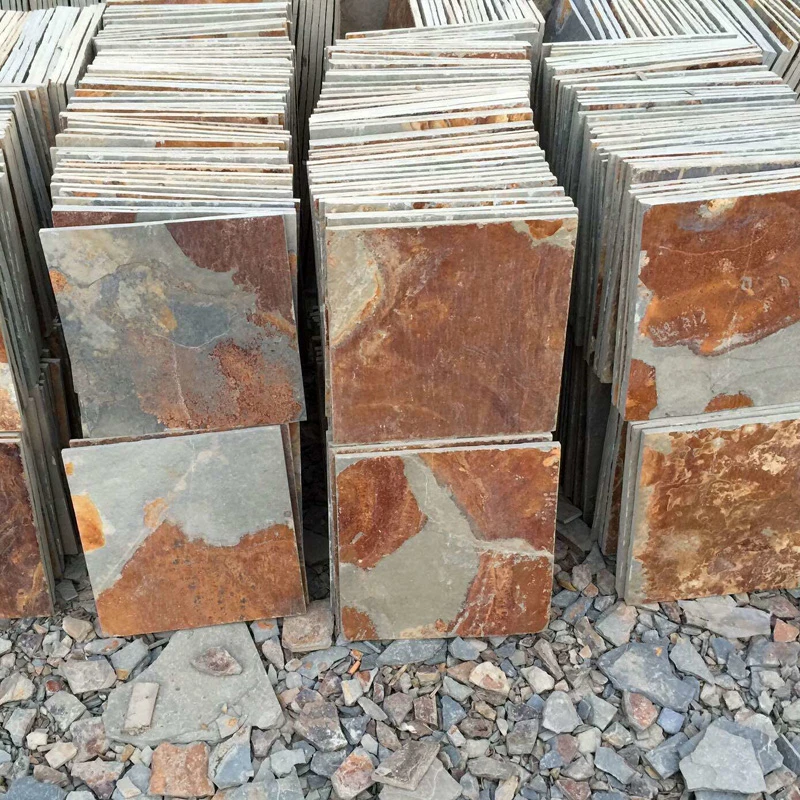
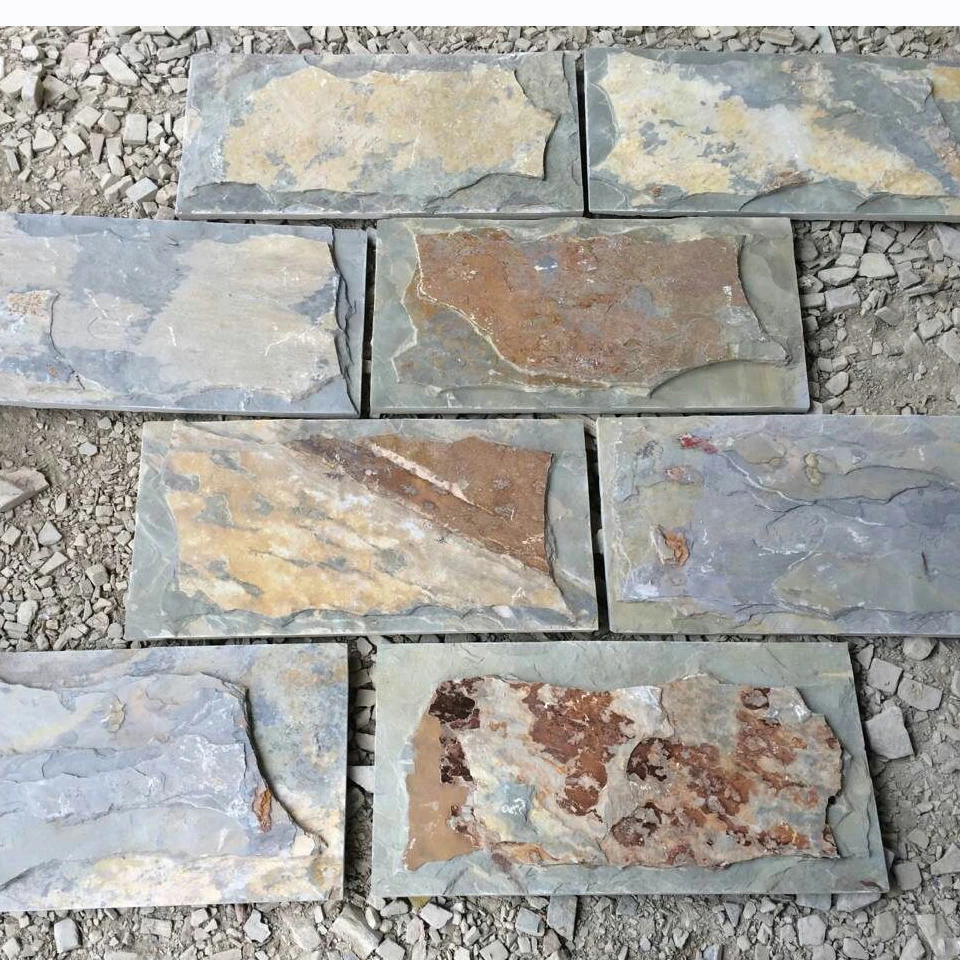
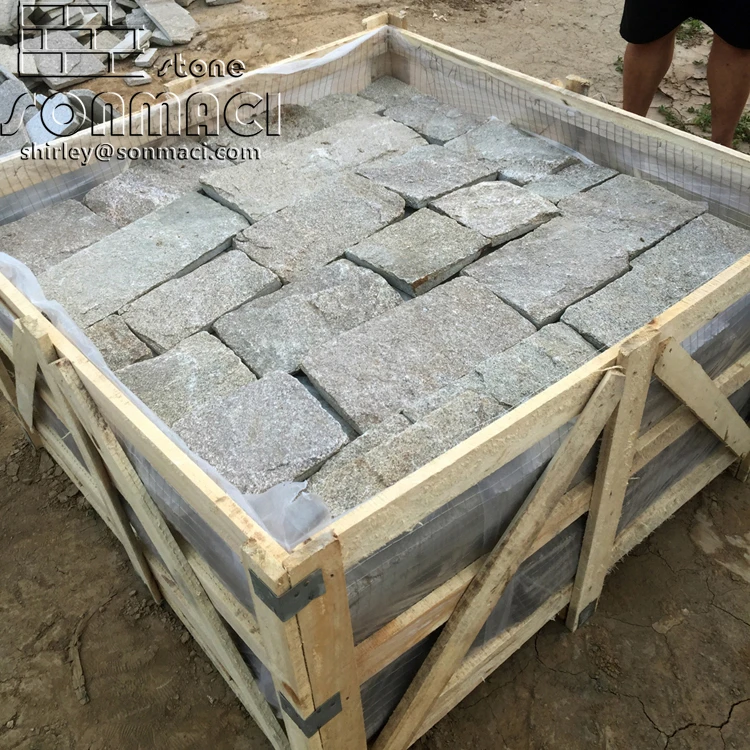
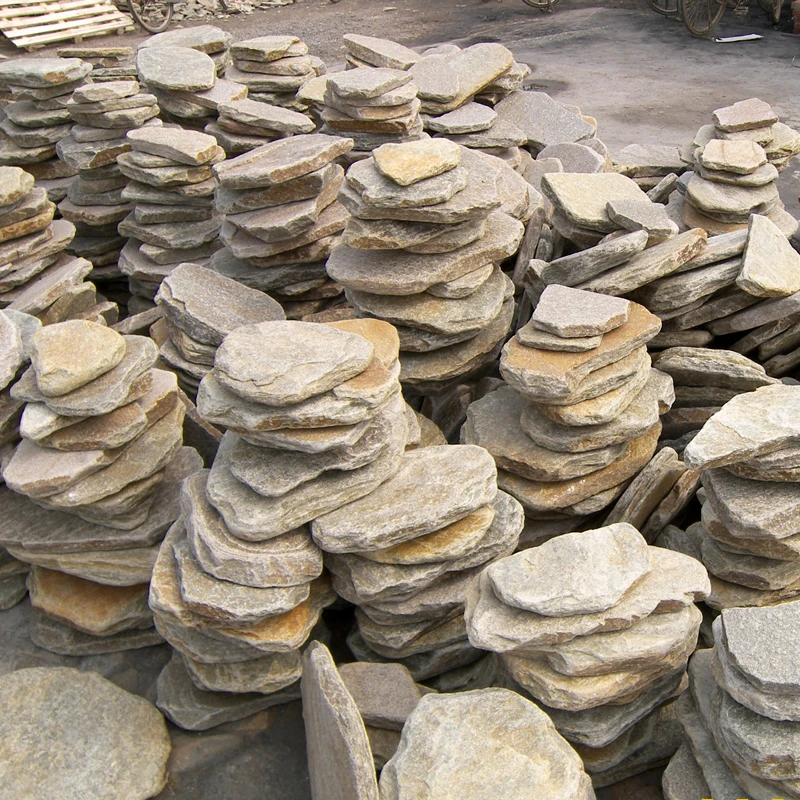
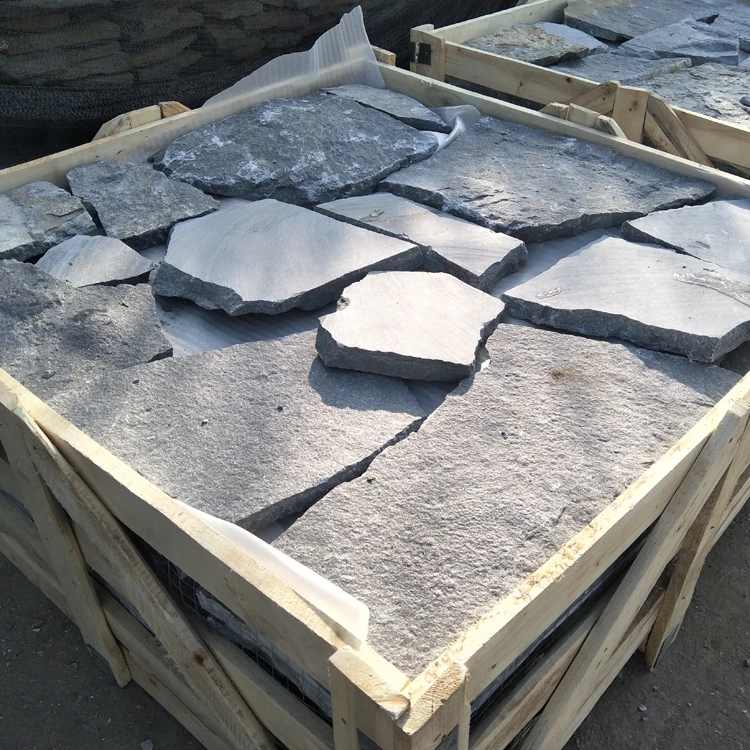
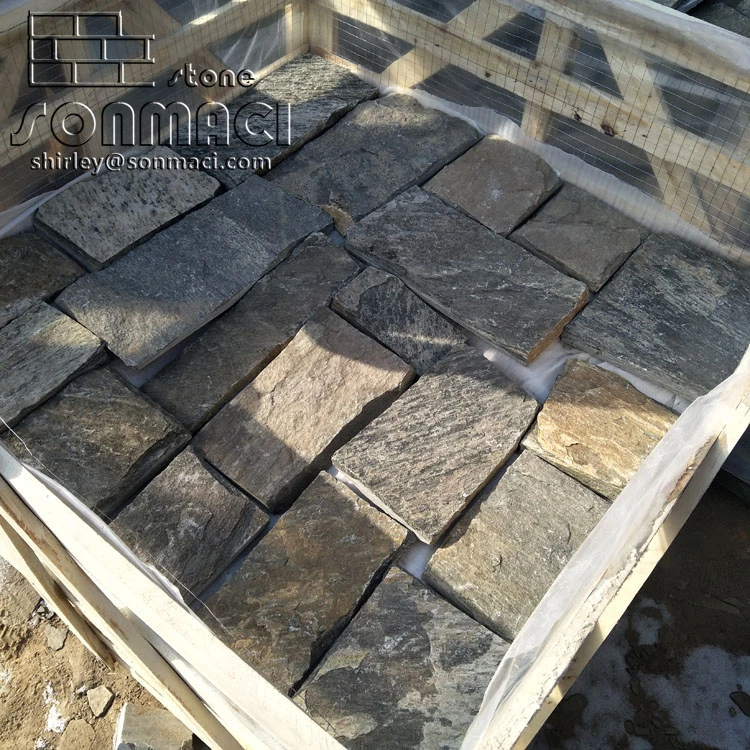
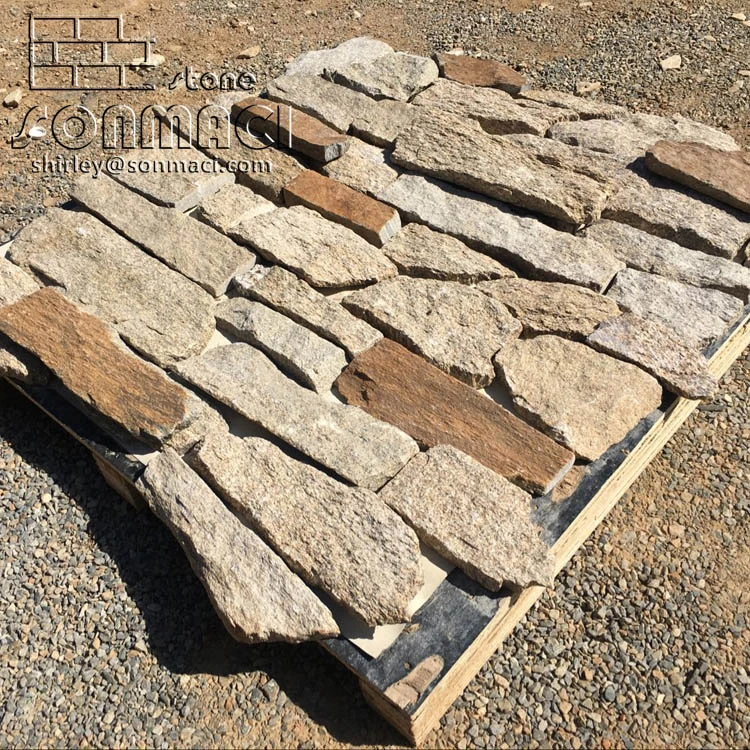
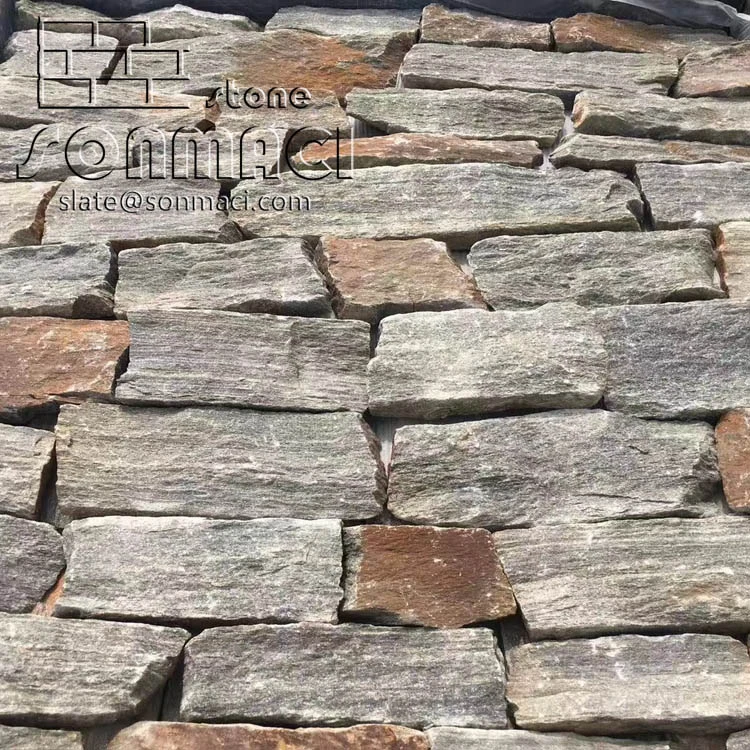
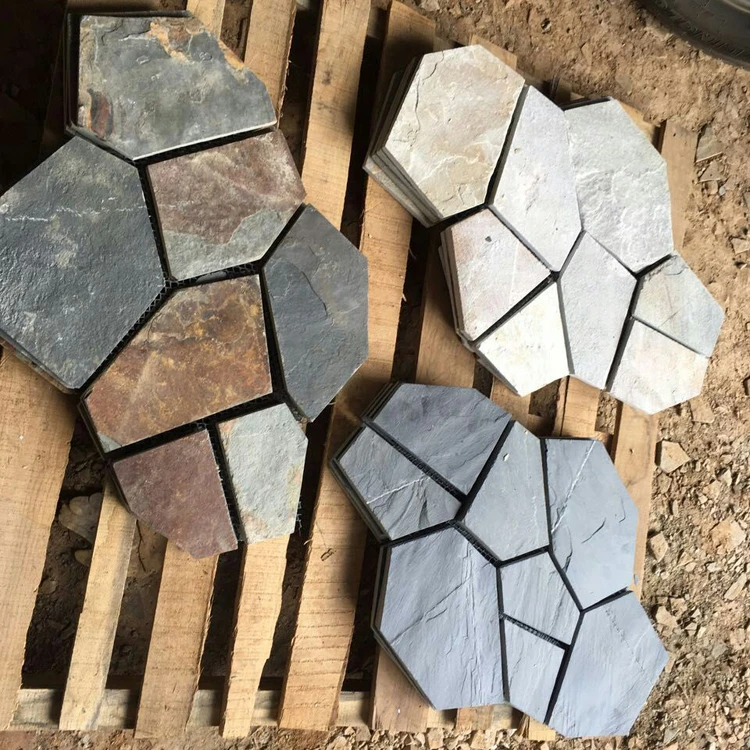
At its core, stone exterior house cost refers to the total expenditure involved in cladding or building a home’s outer walls with various natural or engineered stones. This includes material acquisition, transportation, cutting, installation labor, and maintenance over time. In construction terms, stone is differentiated by its type (granite, limestone, travertine, etc.), finish, thickness, and mounting method, which all play roles in the final cost. It’s not just a number on a bill—it reflects local resource availability and workforce expertise, too.
Key Factors Affecting Stone Exterior House Cost
1. Stone Type and Quality
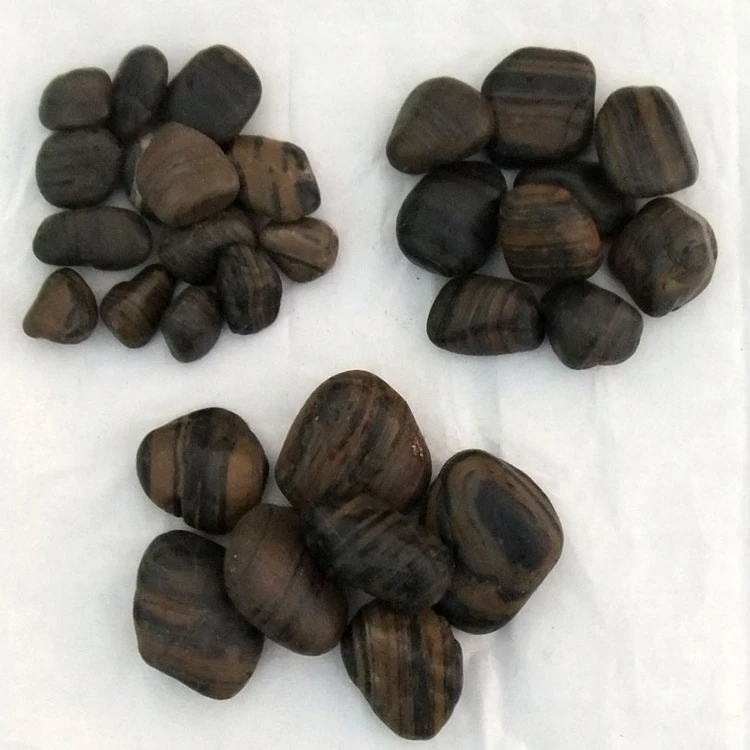
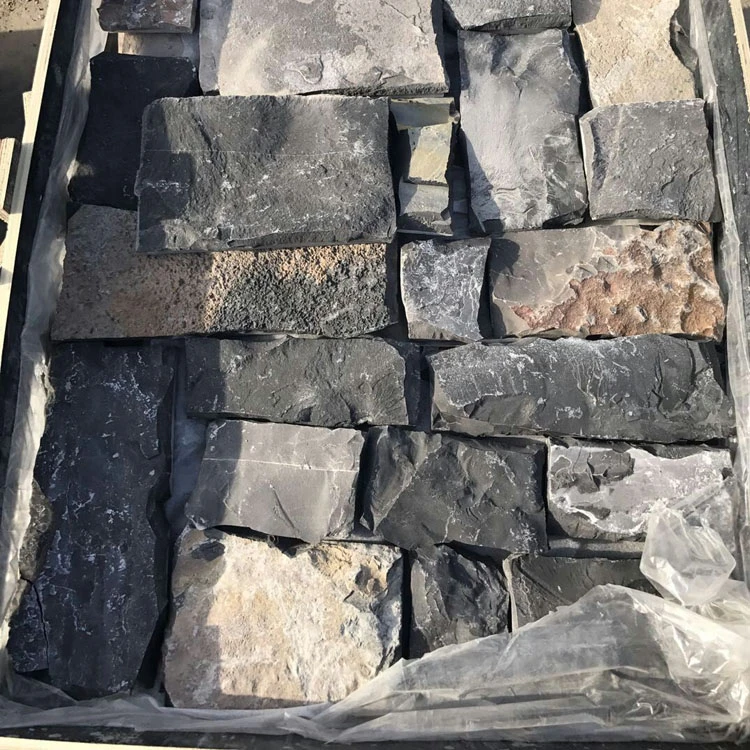
Natural stones like granite tend to be pricier due to mining complexity, while limestone or sandstone may be more affordable but less durable. Engineered stone blends can offer a middle ground. For example, high-density granite commands a premium for longevity.
2. Installation Complexity
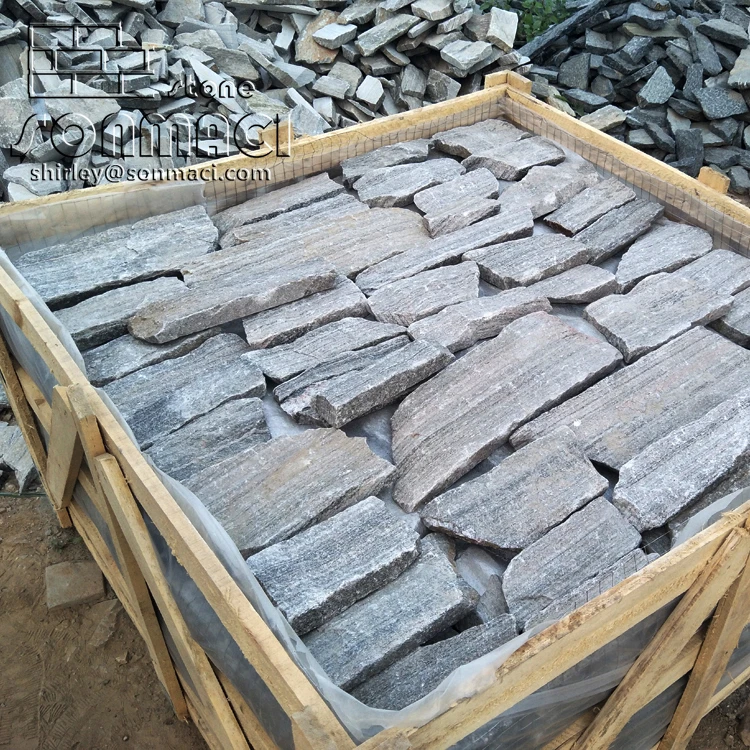
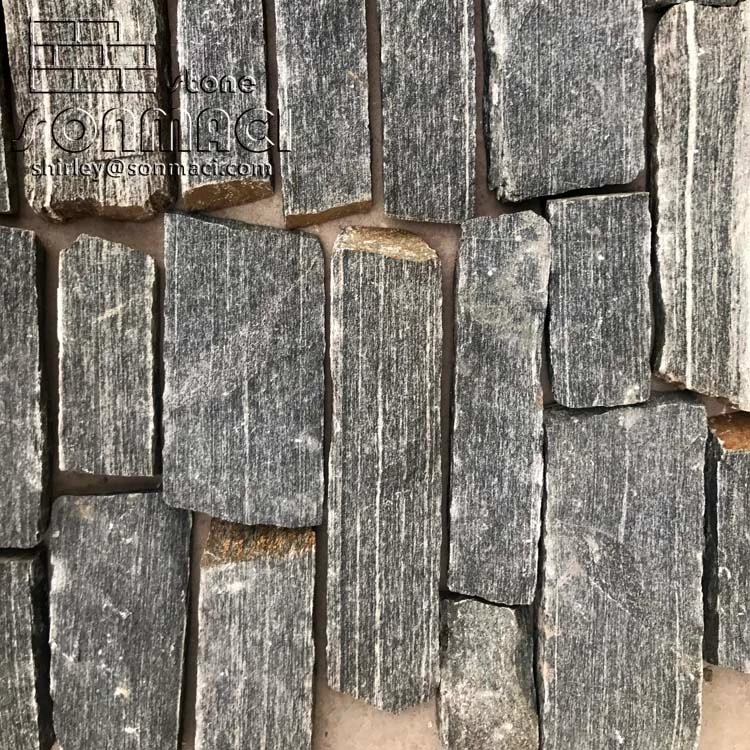
The labor costs for installing stone veneer can vary significantly — a complex pattern or detailed mortar work adds hours, pushing costs up. Plus, specialized masons may be required.
3. Transportation and Local Availability
Stone is heavy, and shipping from distant quarries inflates the cost. In some regions, local stones reduce transport fees, which is a boon for budgets.
4. Maintenance and Longevity
While stone can last for decades with minimal upkeep, sealing and occasional cleaning add to the life-cycle cost but often prove cost-saving long term.
5. Environmental and Regulatory Factors
Sustainability certifications or local building codes may influence material choices and costs, for example, mandating certain thermal insulation standards.
Mini takeaway: Stone exterior house cost isn’t a fixed figure; it’s a sum shaped by natural material properties, labor, logistics, and ongoing care.
Stone Exterior House Cost: Global Applications and Real-World Use Cases
From the rugged mountain homes of the Alps to coastal villas in the Mediterranean, stone façades offer distinct regional echoes. They’re prevalent in cold climates for insulation effectiveness, but also in tropical zones for durability against humidity and pests. For example, humanitarian organizations often prefer stone or stone-based materials for durable housing in disaster-prone zones thanks to their resilience—places where quick rebuilds still need long-lasting results.
In industrial settings, like remote mining outposts or power plants with harsh conditions, stone exterior walls can shield infrastructure physically and thermally. This real-world versatility is why the stone exterior house cost is closely studied in urban planning and post-disaster reconstruction.
Breaking Down the Product Specifications
| Stone Type | Cost per Sq. Ft | Average Lifespan | Maintenance Requirement |
|---|---|---|---|
| Granite | $15 - $30 | 50+ years | Low (Periodic sealing) |
| Limestone | $10 - $25 | 30-50 years | Moderate (Cleaning & sealing) |
| Sandstone | $12 - $22 | 25-40 years | Moderate |
| Engineered Stone | $20 - $35 | 40+ years | Low |
Vendor Comparison: A Quick Look
| Vendor | Average Price per Sq. Ft | Delivery Time | Sustainability Certification |
|---|---|---|---|
| StoneWorks Global | $25 | 2-3 weeks | LEED Certified |
| NatureStone Supplies | $18 | 1-2 weeks | No Certification |
| EcoStone International | $22 | 3-4 weeks | FSC & ISO 14001 |
Advantages and Long-Term Value of Stone Exterior House Cost
Investing in stone exterior finishes means you’re paying upfront for longevity — typically 30 to 50 years or more. That reduces future renovation costs, offers excellent insulation (thus lowering energy bills), and adds significant curb appeal. Emotionally speaking, stone radiates a sense of permanence and security; many homeowners report feeling a comforting solidity in stone-clad homes.
Socially, stone façades contribute to neighborhood character and often to historic preservation goals. From a sustainability angle, natural stone is a low-impact material when locally sourced, and it can be fully recycled or repurposed.
Emerging Trends and Innovations in Stone Exterior House Cost
Oddly enough, even with such an ancient material, stone exterior cladding is embracing innovation. Digital cutting and CNC machines reduce waste and lower labor costs. There’s also a push toward engineered stone façades that mimic expensive granite or marble but at reduced cost and weight. Furthermore, policies worldwide increasingly favor green construction materials, encouraging builders to select certified stone products combined with high-performance insulation systems. The rise of modular stone panels for rapid installation is another exciting trend.
Challenges in Stone Exterior House Cost and How to Address Them
The main hurdles? High upfront cost and the need for skilled labor. Stone’s weight demands strong structural supports, which can increase framing costs. Transporting bulky stone isn’t cheap either. However, solutions like sourcing local material, integrating lighter engineered stones, or pre-fabricated panels can mitigate these problems. Many construction teams also find that training programs for masons or partnering with specialized installers improve quality while controlling costs.
FAQ: Frequently Asked Questions About Stone Exterior House Cost
-
Q: How much more expensive is stone cladding compared to vinyl siding?
A: Stone cladding typically costs 3 to 5 times more upfront than vinyl siding due to materials and labor, but it offers superior durability and longevity, often recouping costs over years with reduced maintenance. -
Q: Can stone exterior houses improve energy efficiency?
A: Absolutely. Stone’s thermal mass helps regulate interior temperatures, reducing heating and cooling needs when combined with proper insulation. -
Q: Is natural stone environmentally sustainable?
A: When sourced locally and minimally processed, natural stone is a sustainable option. Certifications like LEED or ISO 14001 help identify eco-friendly suppliers. -
Q: What maintenance should I expect with stone exteriors?
A: Maintenance is generally low—periodic cleaning and sealing every few years to prevent moisture penetration are usually sufficient.
Conclusion: Why Stone Exterior House Cost is Worth Considering
Whether you’re upgrading your home or planning a new build, understanding the true scope of stone exterior house cost can guide smarter, longer-lasting decisions. The upfront investment pays dividends in durability, curb appeal, sustainability, and safety. If you want to learn more about materials or receive tailored cost estimates, don’t hesitate to visit our website. We offer insights into stone choices and installation tips customized to your region and budget.
In real terms, stone exteriors combine timeless appeal with modern practicality — a rare balance in building design.