Faux Stone for House Foundation | Durable, Affordable & Sustainable Solutions
Understanding Faux Stone for House Foundation: The Modern Solution to Timeless Challenges
When you first hear faux stone for house foundation, you might conjure images of something purely decorative, or maybe a shortcut in construction. But it’s actually a game changer in how foundations can blend beauty, strength, and sustainability — all at once. Around the globe, housing shortages, disaster recovery, and rising construction costs have pushed architects, engineers, and NGOs alike to rethink how to build smarter and more affordably. Faux stone, a man-made stone alternative, offers key benefits from cost efficiency to environmental impact, and understanding it can transform the way houses stand the test of time — literally.
So, why does faux stone matter on a global level? According to the United Nations Habitat Program, more than 1.6 billion people worldwide lack adequate housing. Addressing this crisis requires innovations that are practical, scalable, and respectful of local resources. Faux stone foundations, with their blend of durability and affordability, fit right into these global needs.
The Global Context: Why Faux Stone for House Foundations Matters Today
Globally, the construction industry accounts for roughly 38% of carbon emissions, according to the International Energy Agency. Traditional stone or concrete foundations add to environmental strain, both in extraction and transportation. Meanwhile, remote communities and disaster-stricken regions suffer delays in rebuilding, often because of unavailable materials or exorbitant costs. Faux stone solutions offer an exciting middle ground — mimicking natural stone's strength and aesthetics but with lighter, more sustainable materials and the ability to be pre-fabricated or assembled onsite quickly.
One challenge faux stone addresses is the “time-to-build” hurdle in emergency housing. The World Bank notes that rapid housing solutions are often hampered by supply chain issues or expensive imported materials. Faux stone for house foundation can be produced locally, reducing dependency and speeding up construction.
What Exactly Is Faux Stone for House Foundation?
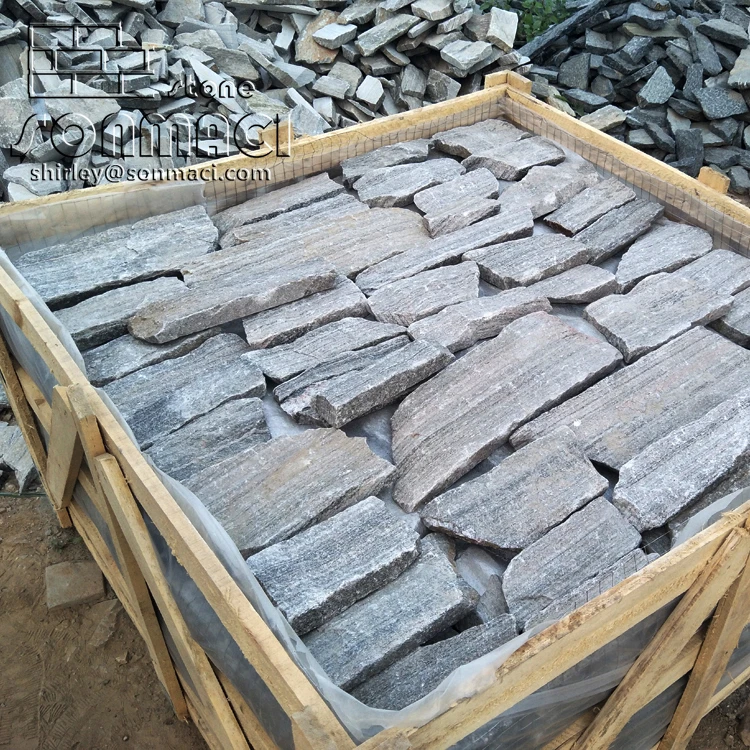
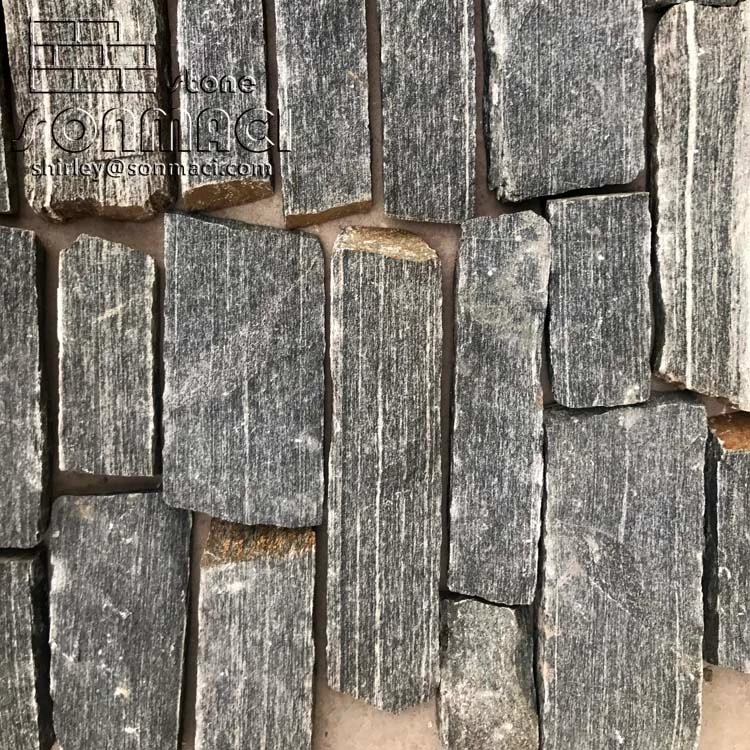
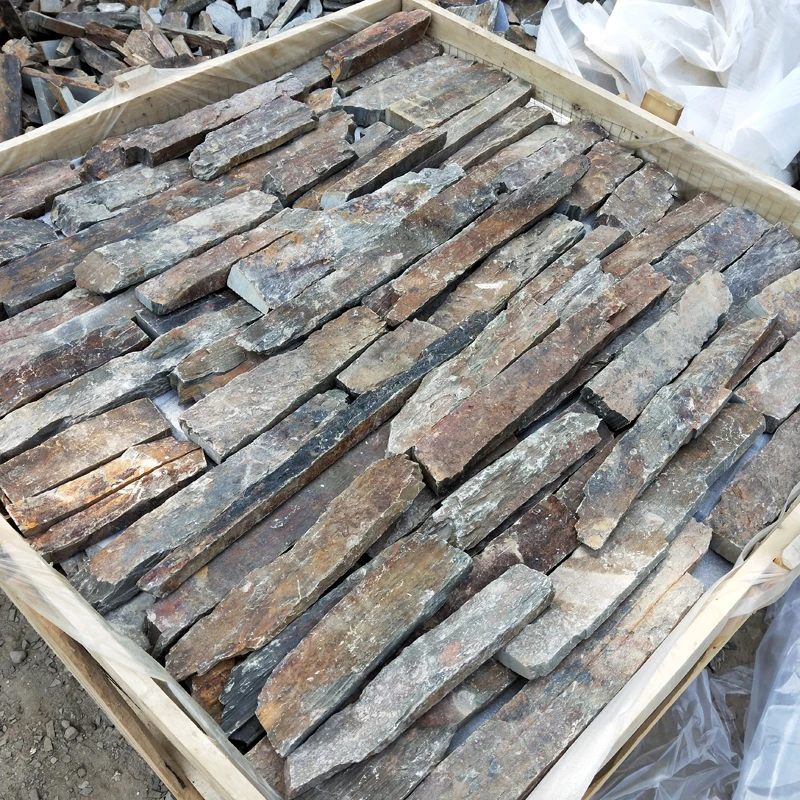
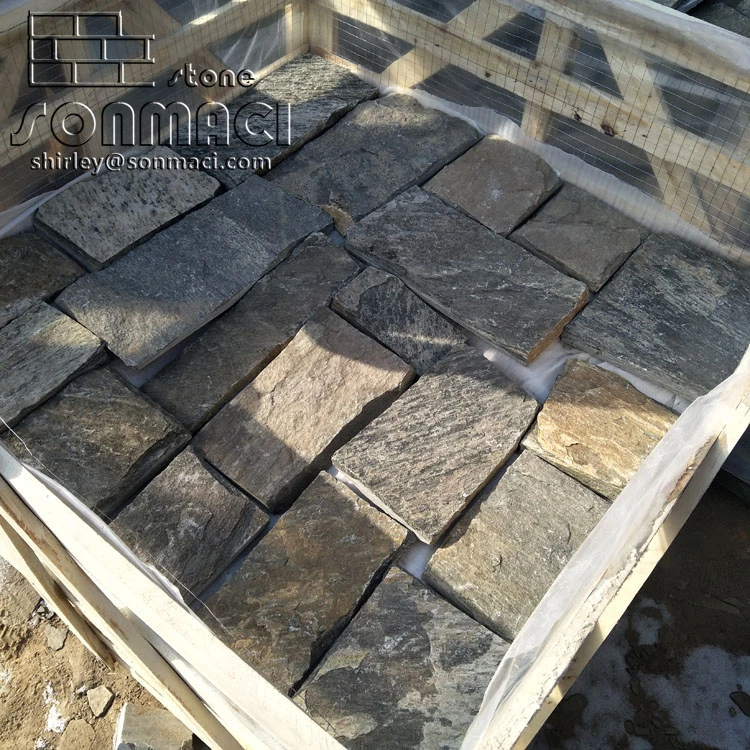
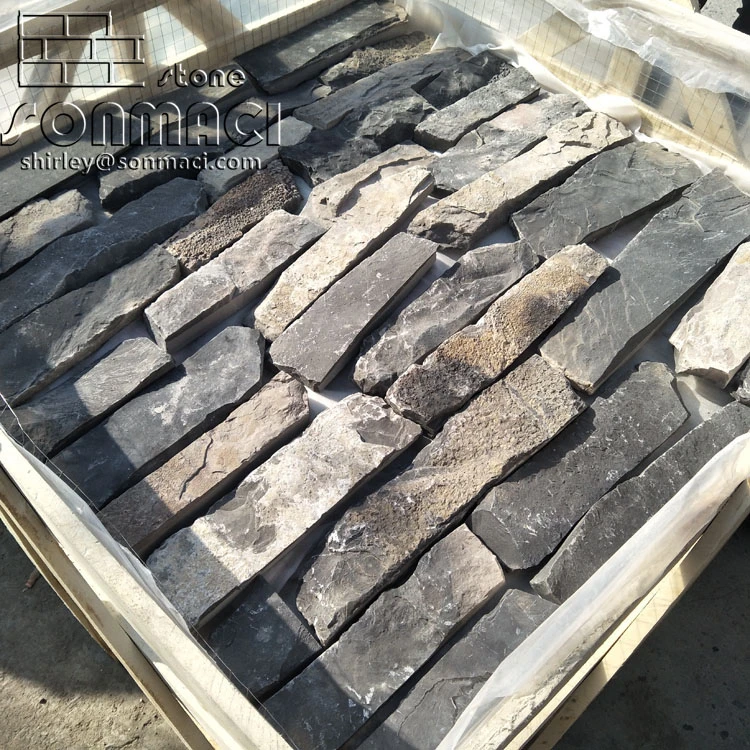
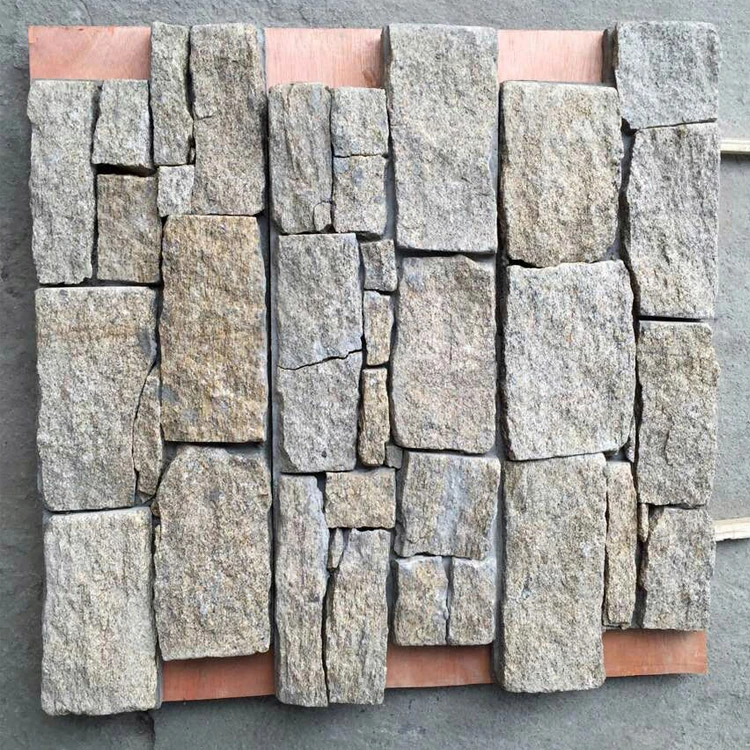
Put simply, faux stone is a manufactured product designed to look and function like natural stone but crafted from composite materials such as concrete, polymers, and aggregates. It is often lighter and easier to work with than quarried stone yet engineered for strength and durability. In the context of house foundations, faux stone serves as a reliable base that resists weather, pest damage, and erosion — crucial factors in foundational integrity.
Its connection to modern industry isn’t just superficial; this material aligns with advanced manufacturing techniques, including mold casting and reinforcing fiber additives, making quality control consistent. Beyond aesthetics, it meets humanitarian needs where natural stone is scarce, offering scalable housing options worldwide.
Core Features of Faux Stone Foundations
Durability and Strength
Faux stone foundations are engineered to withstand the stresses common in building sites. Many include additives that improve resistance to cracking, freeze-thaw cycles, and water absorption. This means fewer repairs and longer-lasting bases than some traditional methods.
Cost Efficiency
The production process consumes fewer natural resources, and the reduced weight lowers transportation and labor costs. Homeowners and builders save both upfront and long-term expenses—a big win for projects with tight budgets.
Ease of Installation
Theoretically, anyone with basic construction skills can install faux stone foundation panels or blocks, which often come in standardized sizes. This modularity enhances scalability—especially important for large or remote developments.
Aesthetic Versatility
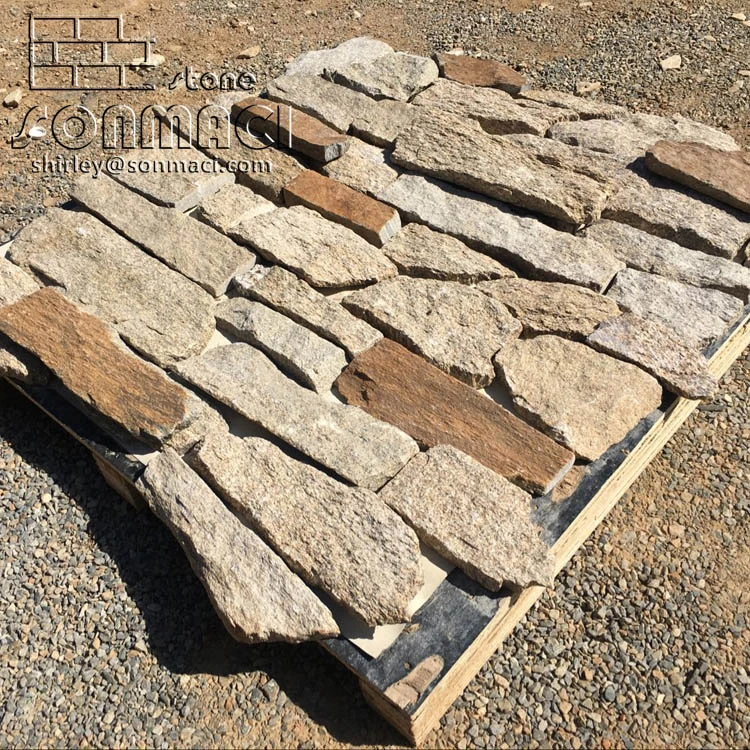
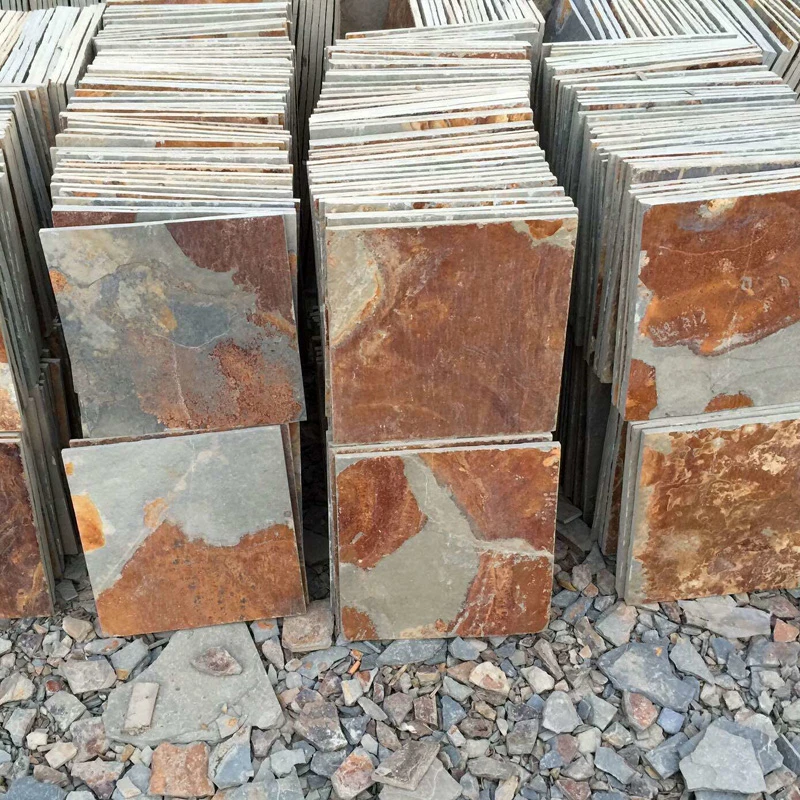
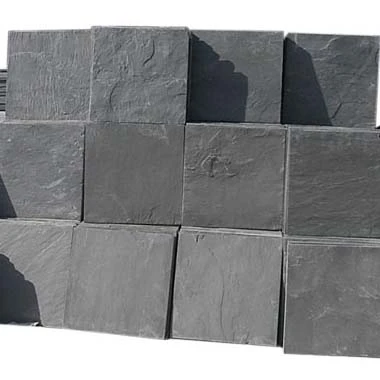
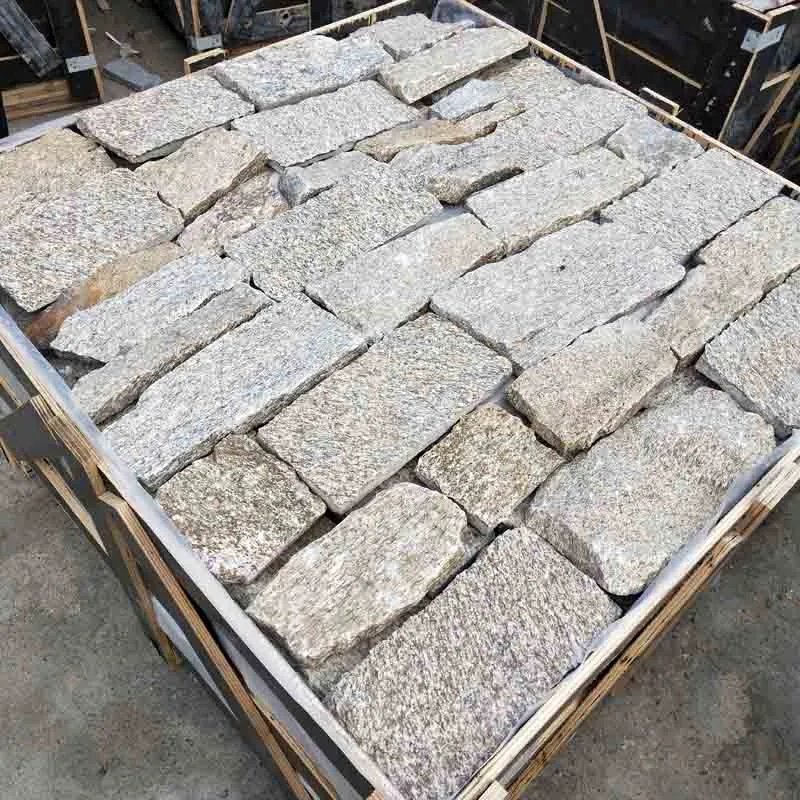
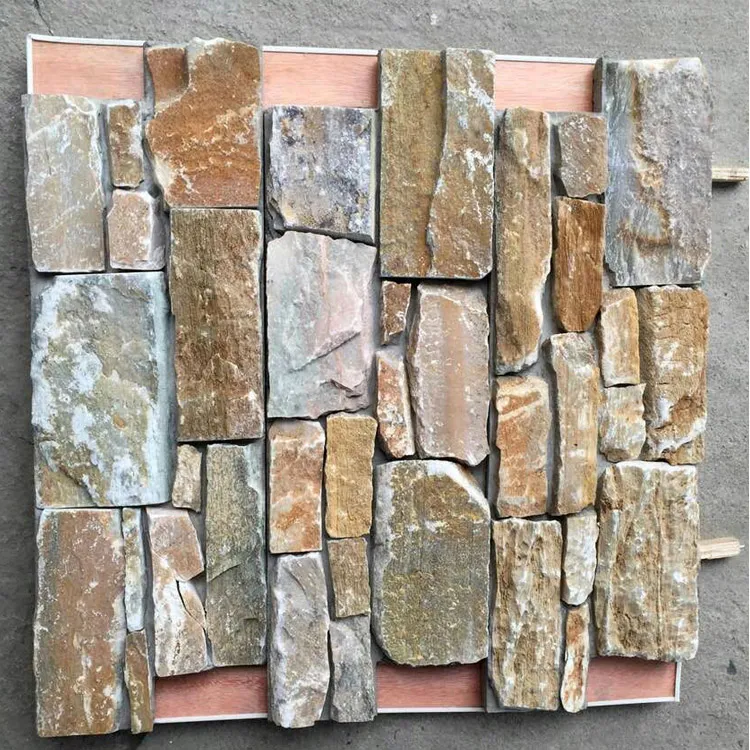
What’s surprisingly popular is the customization potential. Faux stone panels can mimic various stones—granite, limestone, sandstone—allowing architects and designers to blend functional foundations seamlessly into the home’s visual theme.
Environmental Impact
Many faux stone products now use recycled materials or low-carbon binders, aligning with green building certifications like LEED. This reduces the carbon footprint compared to quarried stone or poured concrete.
Resilience to Pests and Moisture
Unlike wood foundations susceptible to termites or brick that may weaken over decades, faux stone resists biological degradation, preserving home safety and structural integrity.
Mini Takeaway: Faux stone foundations blend mechanical performance with environmental responsibility and aesthetic flexibility – a combo that feels just right for modern housing demands.
Real-World Uses and Global Opportunities
Around the world, faux stone is emerging from niche applications to mainstream, especially in:
- Post-disaster Housing: In earthquake-prone or flood-affected regions, NGOs use faux stone foundations for rapid reconstruction, minimizing downtime and cost.
- Remote Industrial Zones: Mining or energy projects utilize modular faux stone foundations where transporting heavy stone is impractical.
- Urban Development: City planners favor faux stone to comply with sustainability goals while preserving the classic stone look in heritage districts.
- Affordable Housing Programs: Governments worldwide incorporate faux stone foundations to extend budgets without sacrificing quality.
For example, after the 2010 Haiti earthquake, some relief organizations experimented with faux stone foundation modules to accelerate rebuilding efforts. Similarly, Canadian architects working in northern territories have adopted faux stone due to its insulation properties and ability to handle freeze-thaw cycles.
Advantages and Long-Term Value of Faux Stone Foundations
Stepping back, the benefits feel practical and emotional alike:
- Cost Savings: Lower initial investment plus less maintenance.
- Sustainability: Reduced carbon footprint helps combat global warming—a small part with big meaning.
- Safety & Stability: Proven resisting harsh climate without risk of rot or pest damage.
- Visual Appeal: Creates trust and pride in homeowners, making a house feel like a home.
- Innovation: Investing in new tech boosts regional economies and skill cross-pollination.
All combined, it’s not just about building something that stands. It’s about building something that lasts — both physically and morally.
Emerging Trends and the Future of Faux Stone in Foundations
Looking ahead: new materials like bio-based resins or geopolymer concretes promise carboneutral production. Advances in 3D printing and digital fabrication allow bespoke faux stone elements at scale, reducing waste even further. Some startups are exploring self-healing composites, which could revolutionize repair needs entirely.
Policy shifts stressing circular economies and mandates for green buildings will motivate adoption. Using faux stone for house foundation isn’t just smart today; it’s likely to become industry standard in coming decades.
Challenges and What’s Being Done
No solution is perfect—some faux stone foundations currently have limitations regarding heavy structural loads or long-term UV exposure. Additionally, market education is a hurdle: many clients hesitate to swap natural stone for newer composites.
Innovations in material science are underway to increase strength and weather resistance. Manufacturers collaborate closely with civil engineers and local builders to tailor products fitting local codes and climates. Awareness campaigns and case studies help lower skepticism.
Ultimately, these challenges seem surmountable given the momentum behind construction innovation worldwide.
FAQ: Frequently Asked Questions About Faux Stone for House Foundation
- Is faux stone as strong as natural stone for foundations?
- Modern faux stone products are engineered for comparable strength, suitable for residential foundations. However, high-load industrial foundations may require specialized materials.
- How does faux stone impact construction costs?
- Generally, faux stone reduces overall costs due to lighter weight, easier installation, and less need for heavy machinery. Labor costs often decrease as projects finish faster.
- Can faux stone foundations withstand harsh climates?
- Yes, products include additives to prevent cracking from freeze-thaw cycles and resist moisture. Field data show strong performance in diverse environmental conditions.
- Is faux stone environmentally friendly?
- Most faux stone uses recycled or low-carbon materials, making it more sustainable than quarried stone or traditional concrete. Certifications like LEED often recognize this.
- Where can I learn more or purchase these materials?
- Start by visiting manufacturers’ websites—such as faux stone for house foundation suppliers—and inquire about product samples, technical specs, and local distributors.
Specification Table: Typical Faux Stone Foundation Panel
| Specification | Details |
|---|---|
| Material Composition | Concrete blend with polymer additives and recycled aggregates |
| Dimensions | 24" x 48" panel, 3" thickness (customizable) |
| Weight | ~40 lbs per panel |
| Compressive Strength | 5,000 psi (typical) |
| Water Absorption | |
| Fire Resistance | Non-combustible, Class A rating |
Vendor Comparison Table: Faux Stone Foundation Suppliers
| Supplier | Material Type | Price Range (per panel) | Customization Options | Lead Time |
|---|---|---|---|---|
| StoneTech Co. | Polymer-enhanced concrete | $45 - $60 | Colors, textures | 2-3 weeks |
| EcoStone Solutions | Recycled aggregate concrete | $50 - $65 | Standard designs only | 1-2 weeks |
| Greenstone Builders | Geopolymer composite | $60 - $75 | Limited custom colors | 3-4 weeks |
Conclusion: Why Faux Stone is More Than Just a Trend
Faux stone for house foundation is quietly rewriting the blueprint for how we build below ground levels. It manages to tick so many boxes — strength, affordability, aesthetics, and sustainability — you wonder why it hasn’t been standard forever. Housing equity, climate resilience, and innovation can come together with products like this. So whether you’re an architect designing the next suburban community or an NGO planning emergency shelters, faux stone foundations deserve a serious look.
To dive deeper into products and possibilities, visit our website, where you’ll find detailed specs, case studies, and friendly experts ready to chat your next big build.
Mini Takeaway: Faux stone foundations feel like a modern mix of tradition and technology — made to last, designed to care.
References: