Stone Veneer Wall: Lightweight, Durable, Easy Install?
A Field Note on the modern stone veneer wall
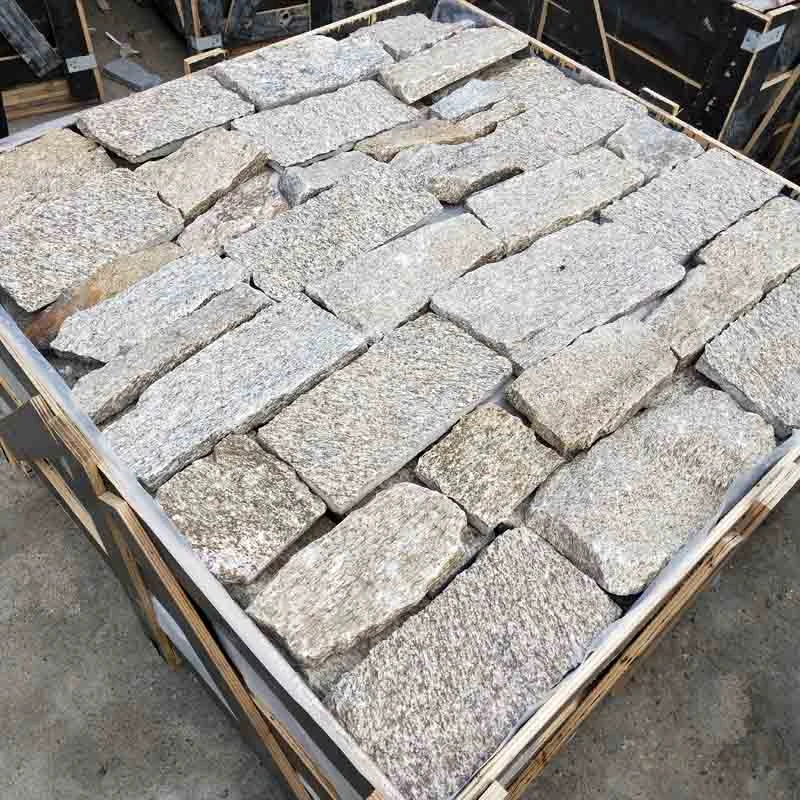
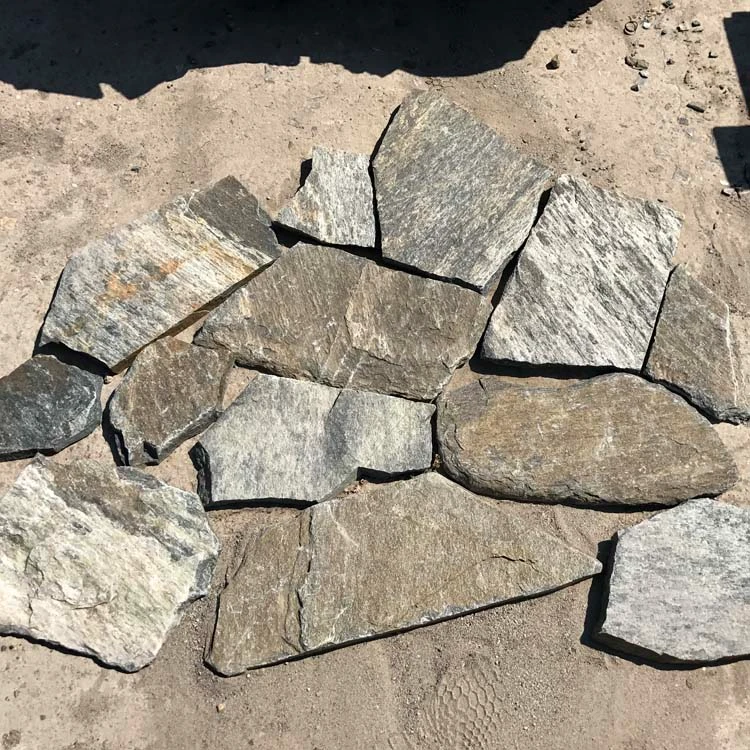
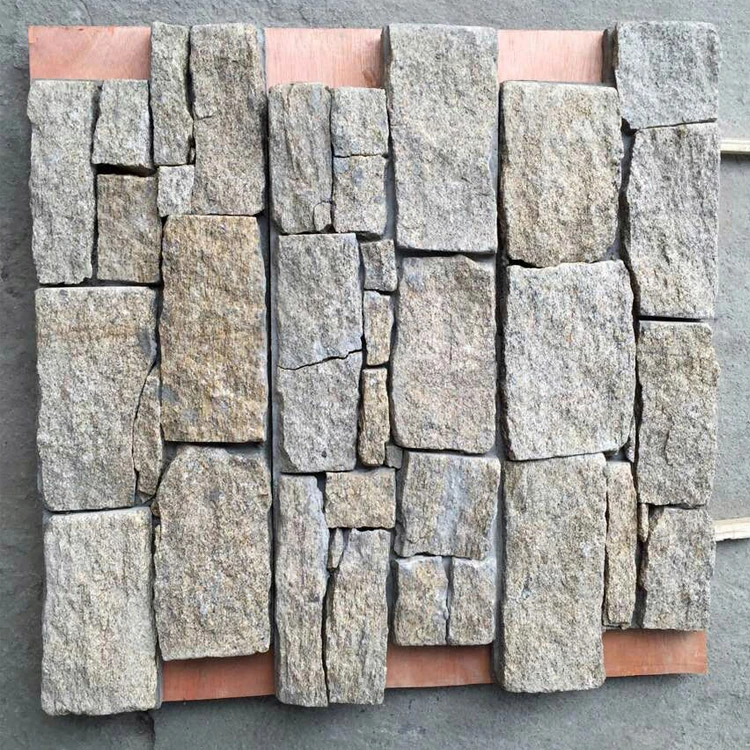
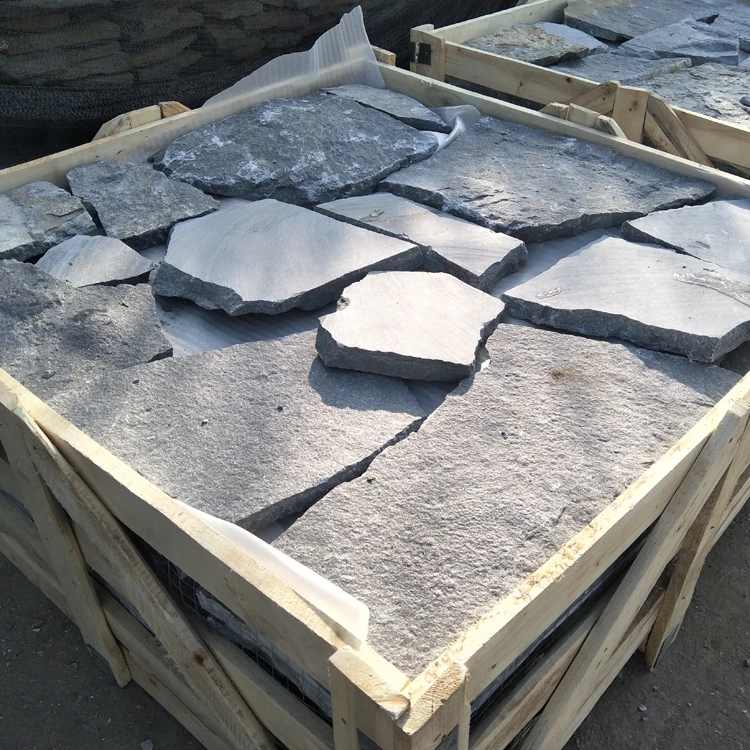
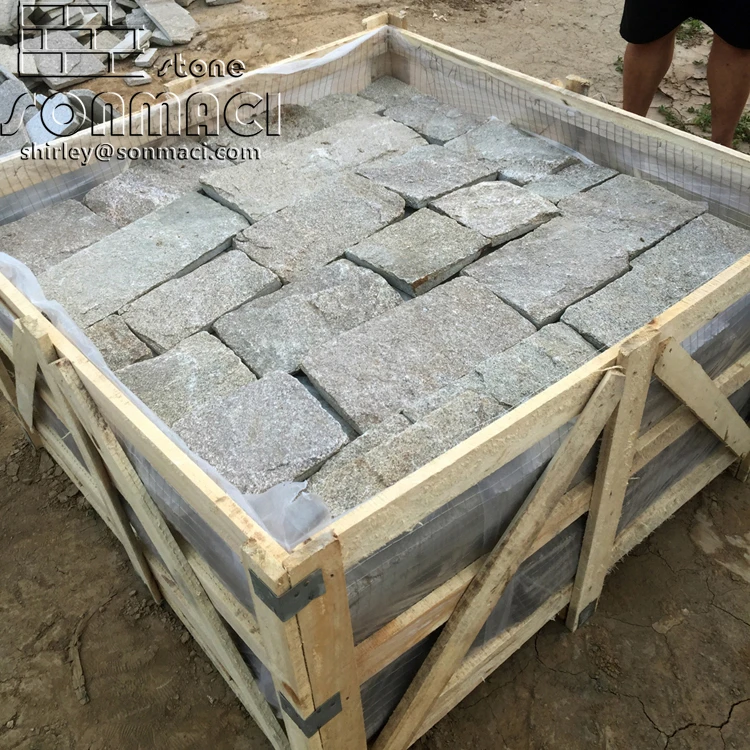
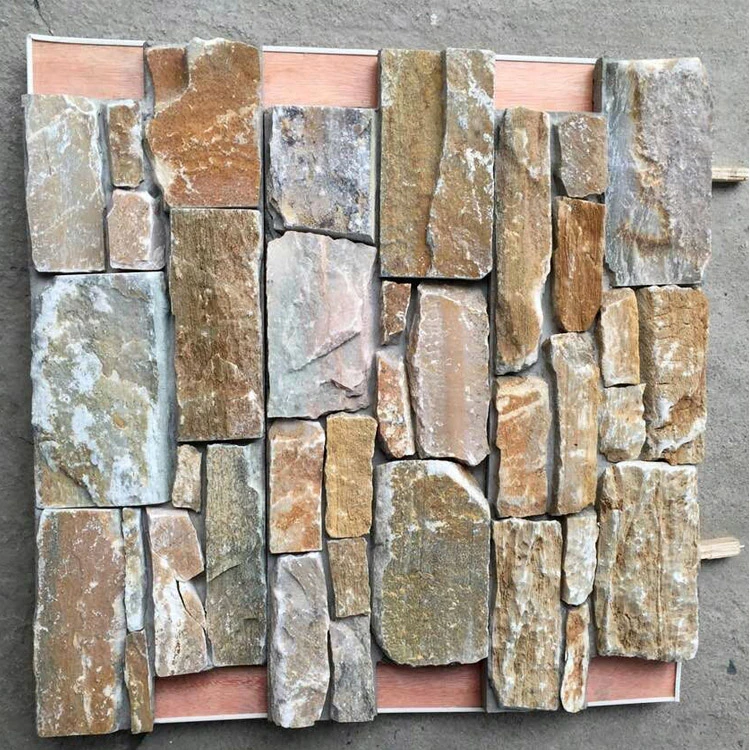
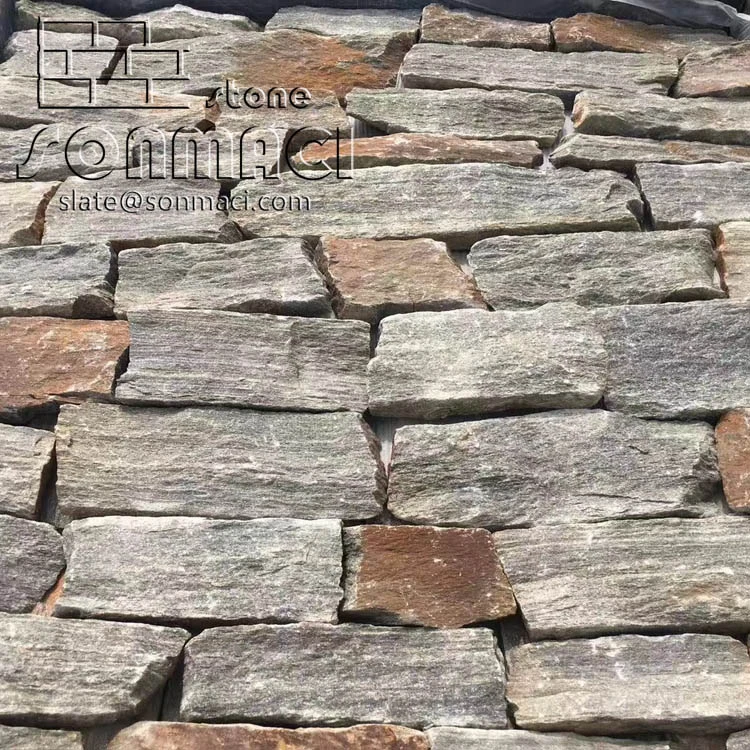
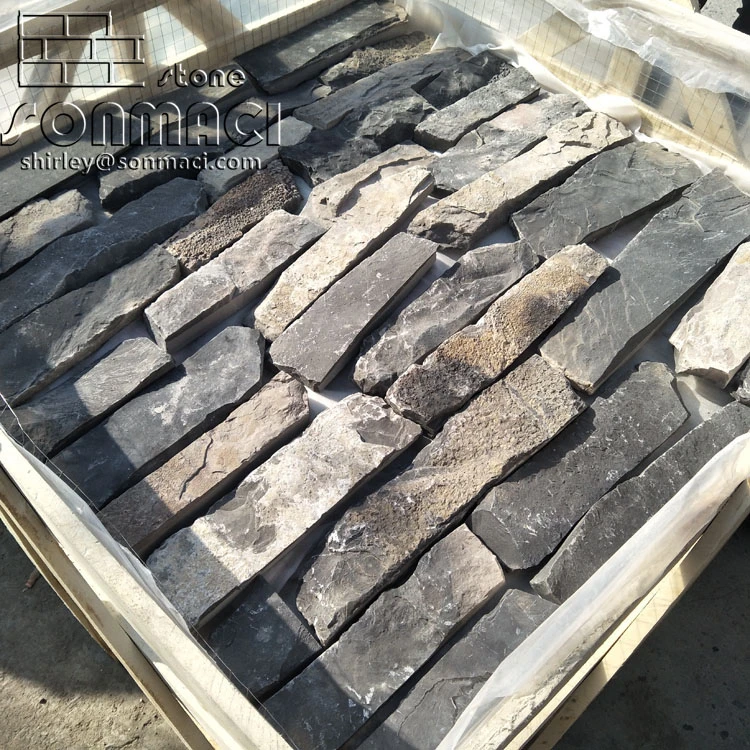
I’ve walked more jobsites than I can count, and one thing keeps coming up: clients want the texture and permanence of stone without the structural headache. That’s why thin loose veneer, especially Sonmaci’s Natural Slate Cultured Loose Stone Veneer (Item SMC-FS207), keeps popping up on submittals. Funny name, though—“Slate”—yet the spec sheet says limestone. In practice, it gives a slate-like split-face look, but it’s a dense limestone. It matters for testing, and we’ll get to that.
What’s trending (and why architects care)
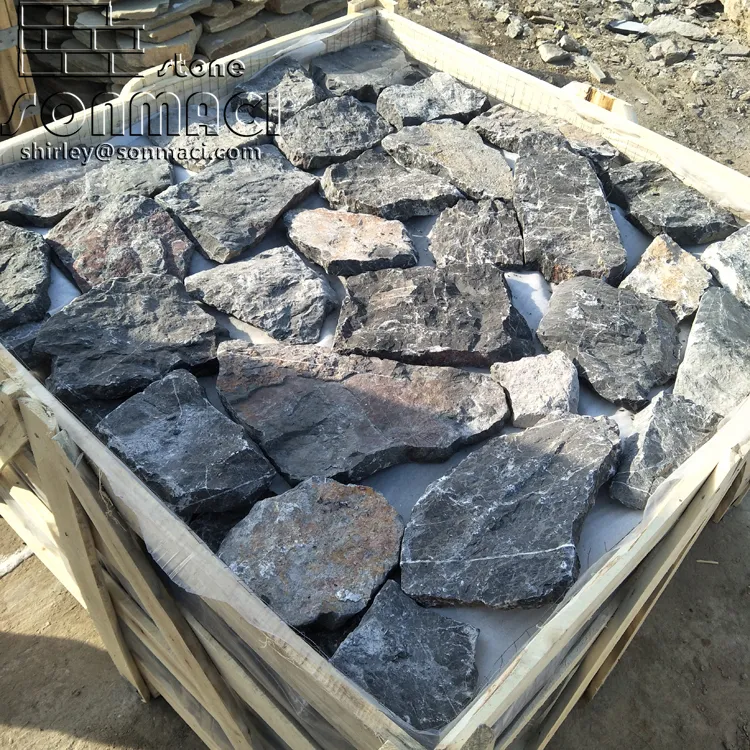
- Panel systems vs. loose pieces: panelized saves labor, but designers still love loose-piece randomness for a more “hand-set” story.
- Sustainability: lower embodied carbon than many claddings, quarry-to-site traceability, and longer service life than paint or stucco.
- Code-first specs: teams lean on ASTM/IBC language—less guesswork, fewer RFIs.
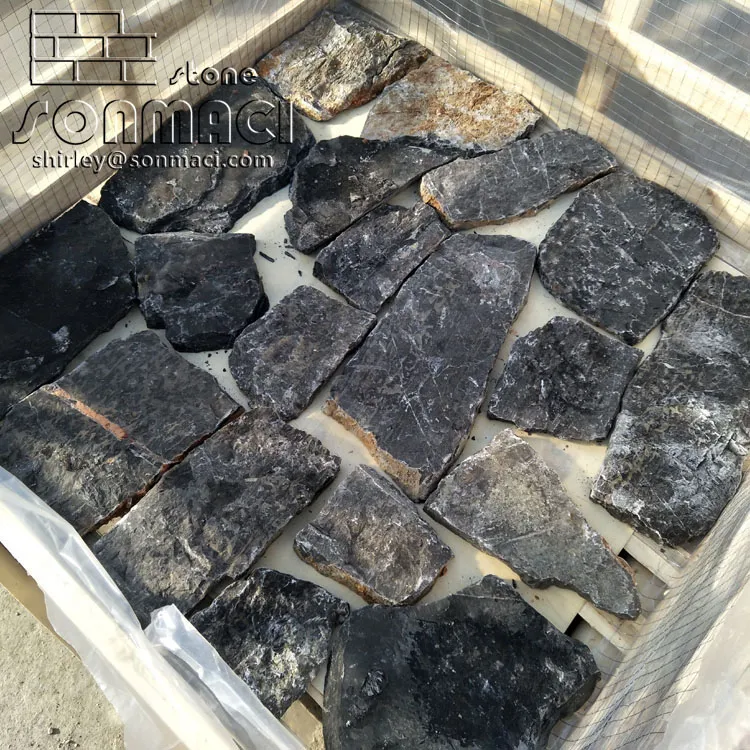
Product snapshot: Natural Slate Cultured Loose Stone Veneer (SMC-FS207)
| Material | Limestone (split-face, sawn back) |
| Piece size | Random ashlar ≈100–400 mm lengths, 30–120 mm heights |
| Thickness | ≈15–30 mm (real-world ±2 mm) |
| Nominal density | ≈2,500–2,650 kg/m³ |
| Water absorption (ASTM C97) | ≈1.5–4.0% by weight |
| Flexural strength (ASTM C880) | ≈8–12 MPa |
| Fire performance (ASTM E84) | Flame spread 0; smoke developed ≤5 (stone is non-combustible) |
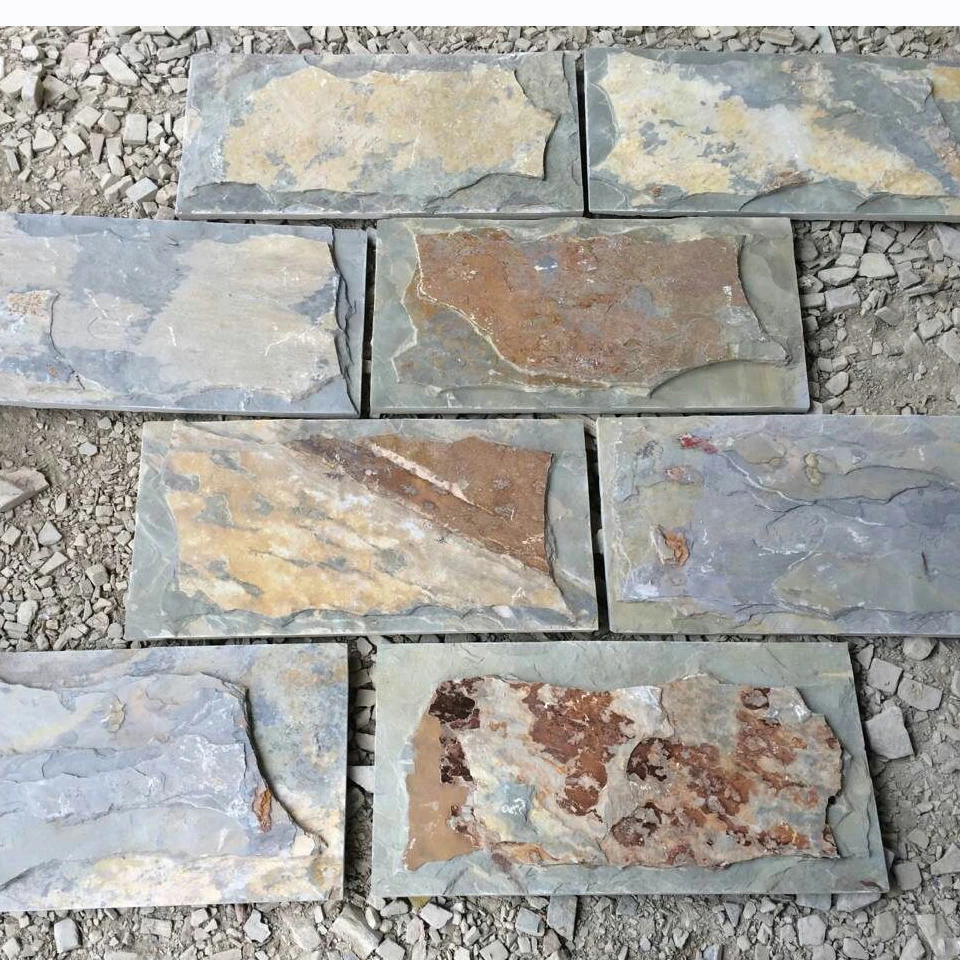
| Finish options | Split-face, tumbled edges; color range: warm greys to beige |
| Service life | 50–75+ years with compliant install and maintenance |
| Origin | YIJIA COMMUNITY 2-2702, YIHONG ROAD, XINYUAN DISTRICT, SHIJIAZHUANG, HEBEI, CHINA |
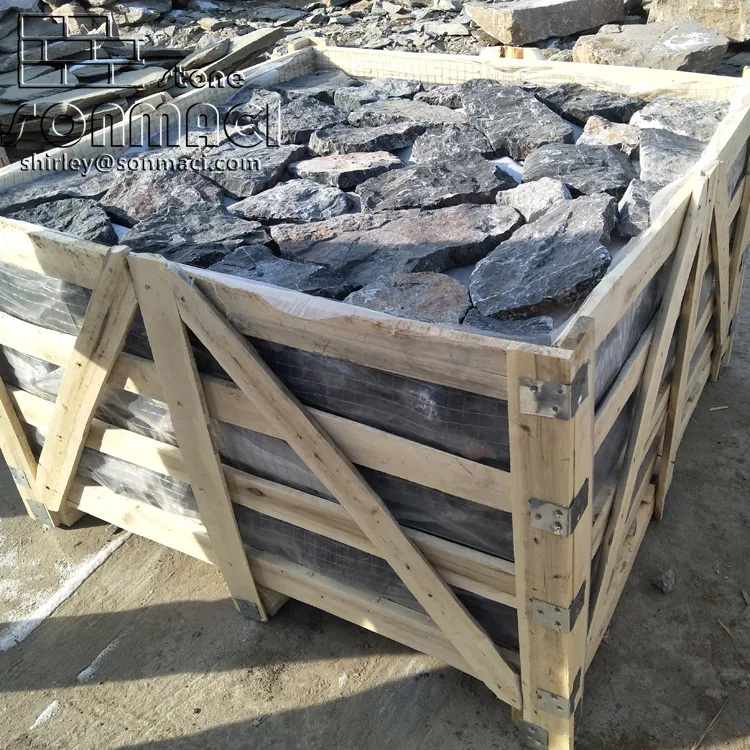
How it’s made (and tested)
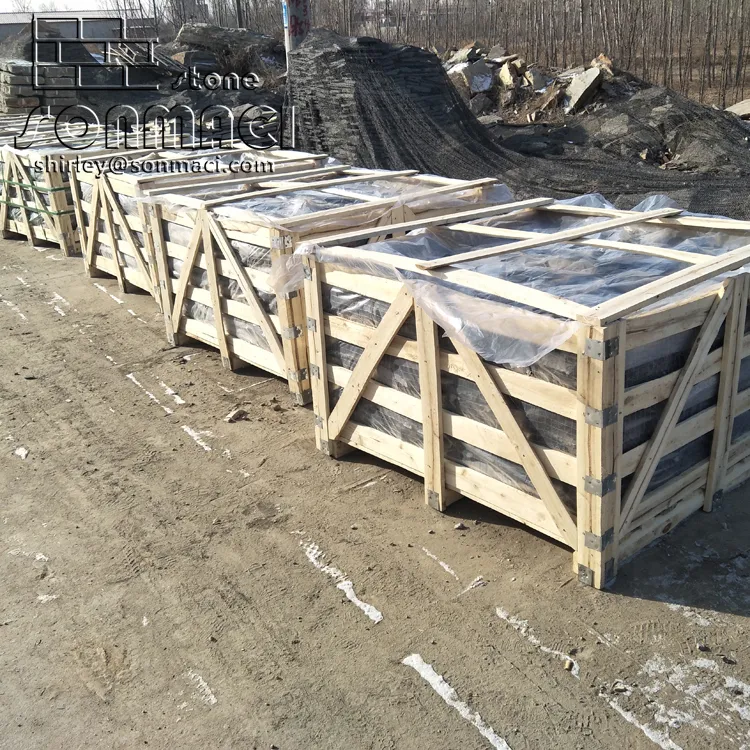
Process flow: quarry selection → block cutting → slab sawing → split-face dressing → thickness calibration → edge tumbling → batching by color → crate packaging → QC.
QC and standards: dimensional tolerance ±2 mm; absorption per ASTM C97; compressive strength (ASTM C170); flexural (ASTM C880); surface burning per ASTM E84. Installation typically follows ASTM C1780 using polymer-modified mortars conforming to ANSI A118.4/A118.15. I’ve seen teams add mockups to verify coursing and mortar color—worth it.
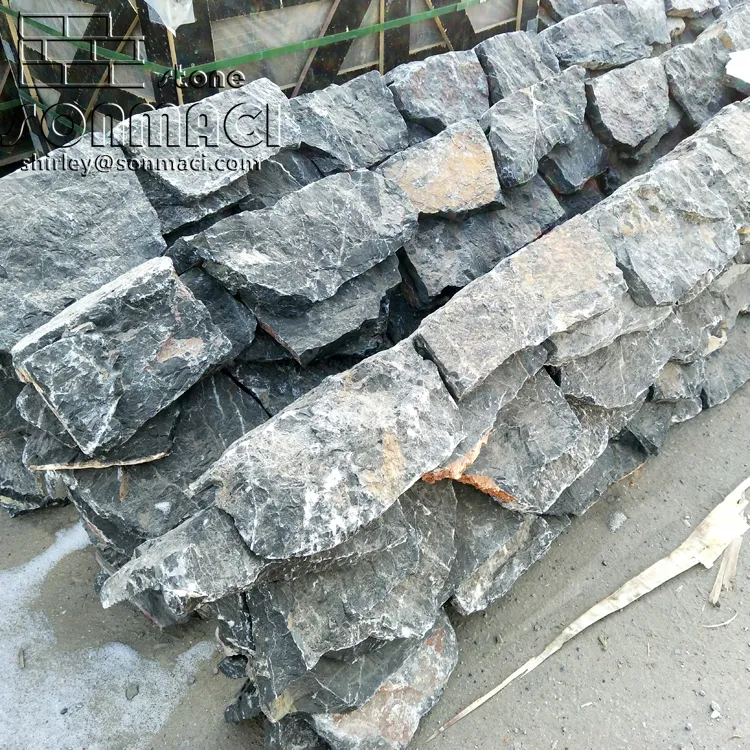
Where a stone veneer wall fits best
- Exterior façades on wood/steel studs with WRB and lath system.
- Fireplaces, accent walls, hotel lobbies, bar fronts—anywhere texture sells the space.
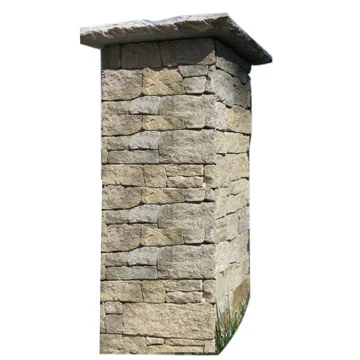
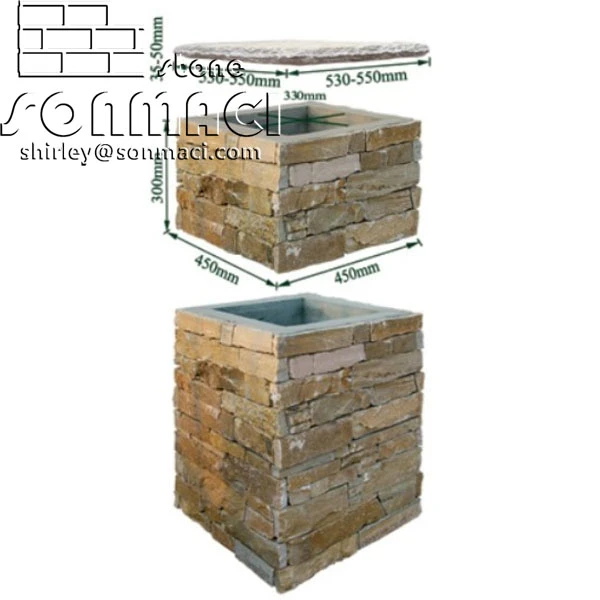
- Landscape plinths, low garden walls (with capstones), and columns.
Advantages: lighter dead load vs. full-bed stone, faster install, fewer structural modifications, and frankly—great curb appeal. Many customers say the color holds up surprisingly well even in freeze-thaw climates, assuming detailing is right.
Vendor snapshot (what specifiers usually ask me)
| Vendor | Lead time | Certs/Tests | Customization | MOQ |
|---|---|---|---|---|
| Sonmaci Stone (SMC-FS207) | ≈3–6 weeks ex-works | ASTM C97/C170/C880, E84 test data available | Sizes, blends, corner returns, pre-seal | ≈200–300 m² |
| Vendor A (panelized) | ≈2–4 weeks | E84, limited mechanicals | Panel sizes only | ≈100 m² |
| Vendor B (import mix) | ≈6–10 weeks | Varies; request per lot | Color blend by batch | ≈300 m² |
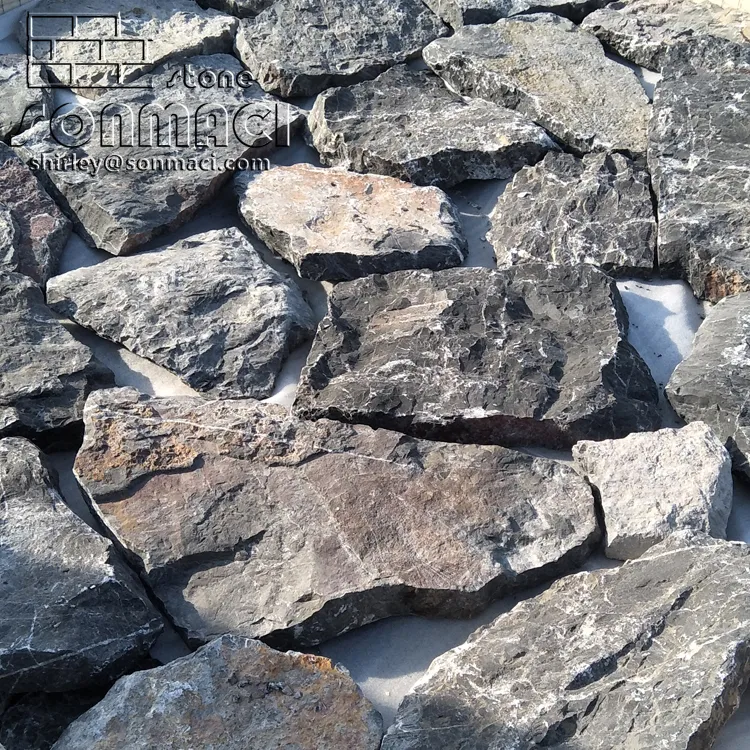
Customization and install tips
Corners: L‑shaped returns (e.g., 75×200 mm legs). Mortar: ANSI A118.4/A118.15 polymer-modified. Substrate: follow ASTM C1780 with WRB, lath/scratch, and weeps. Field blend multiple crates to avoid banding. For wet zones, consider factory pre-seal or breathable penetrating sealer; test a mockup (always).
Mini case files
- Hospitality lobby: 180 m² stone veneer wall, backlit signage. Noise absorption improved due to textured face; GC reported 20% faster install than full-bed stone.
- Ranch renovation: fireplace + exterior wainscot. Owner feedback: “Color variation feels natural; zero efflorescence after first winter.”
Real-world feedback
“Looks like full-depth stone without the structural drama.” “Cut edges are clean; backs are flat—our masons like that.” And my note: don’t skimp on drainage behind any stone veneer wall; water management is the quiet hero.
Authoritative references
- ASTM C1780 – Installation of Adhered Stone Veneer. https://www.astm.org/c1780
- ASTM C97/C97M – Absorption and Bulk Specific Gravity of Dimension Stone. https://www.astm.org/c0097_c0097m
- ASTM C170/C170M – Compressive Strength of Dimension Stone. https://www.astm.org/c0170_c0170m
- ASTM C880/C880M – Flexural Strength of Dimension Stone. https://www.astm.org/c0880_c0880m
- ASTM E84 – Surface Burning Characteristics of Building Materials. https://www.astm.org/e0084
- ANSI A118.4/A118.15 – Modified Dry-Set Mortar. https://www.tcnatile.com
- International Building Code (Exterior Veneers). https://codes.iccsafe.org