Stone Veneer on Metal Building: Sustainable & Stylish Architectural Solutions
Stone veneer on metal building: Why it matters in today's architecture and construction
Stone veneer on metal building surfaces has quietly become one of the most interesting blends of old-world charm and modern architecture. Globally, this method is gaining traction not just because it’s aesthetically pleasing, but because it addresses real-world challenges, from sustainability goals to structural resilience—and that’s a big deal in an age where cities grow fast and building materials need to keep pace.
If you’ve ever walked past a sleek metal-clad warehouse or office and thought, “Hmm, that stone facade kind of softens it up,” you’re already appreciating why understanding stone veneer on metal buildings is so relevant. It marries technical innovation with timeless beauty—plus, it often saves money in the long run. Let’s unpack why this combo is turning heads around the world.
The global backdrop: why stone veneer on metal buildings is emerging now
Look at the numbers. The International Energy Agency (IEA) estimates that the construction sector accounts for around 40% of global energy consumption and CO₂ emissions. Governments and firms worldwide are scrambling to lower environmental footprints while meeting booming urban demands. At the same time, metal buildings have surged as a modular, quick-to-install solution thanks to their recyclability and flexibility.
However, metal alone often feels cold or industrial—less inviting for commercial or residential use. That’s where stone veneer comes in. According to a 2023 ISO report on sustainable building materials, combining natural stone veneers on metal structures can reduce the need for heavy, traditional masonry, thus lowering overall embodied carbon. So, stone veneer on metal buildings isn’t just a style choice; it answers serious sustainability and design challenges.
Mini takeaway:
Metal buildings are popular, stone veneers add charm and sustainability, and together they tackle environmental and aesthetic challenges globally.
What exactly is stone veneer on metal buildings?
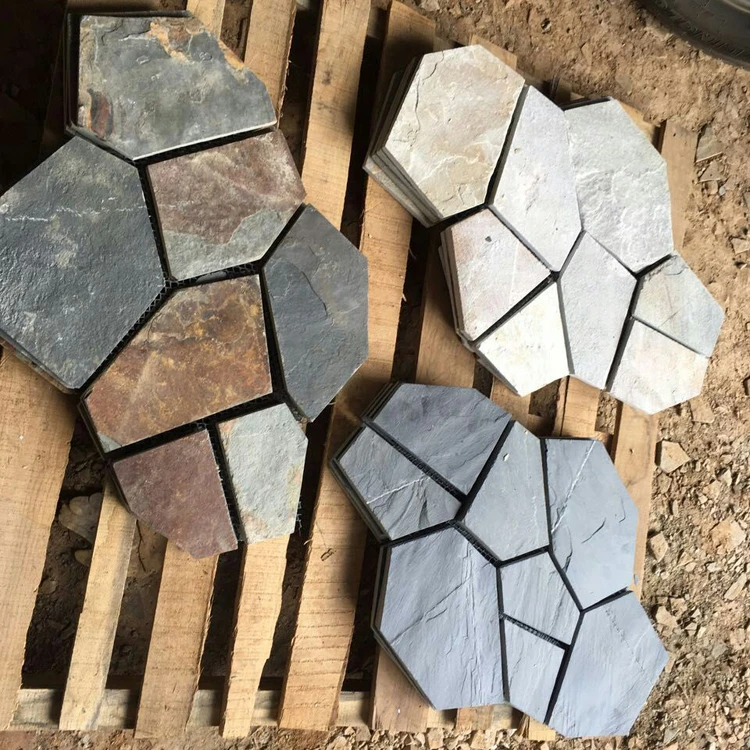
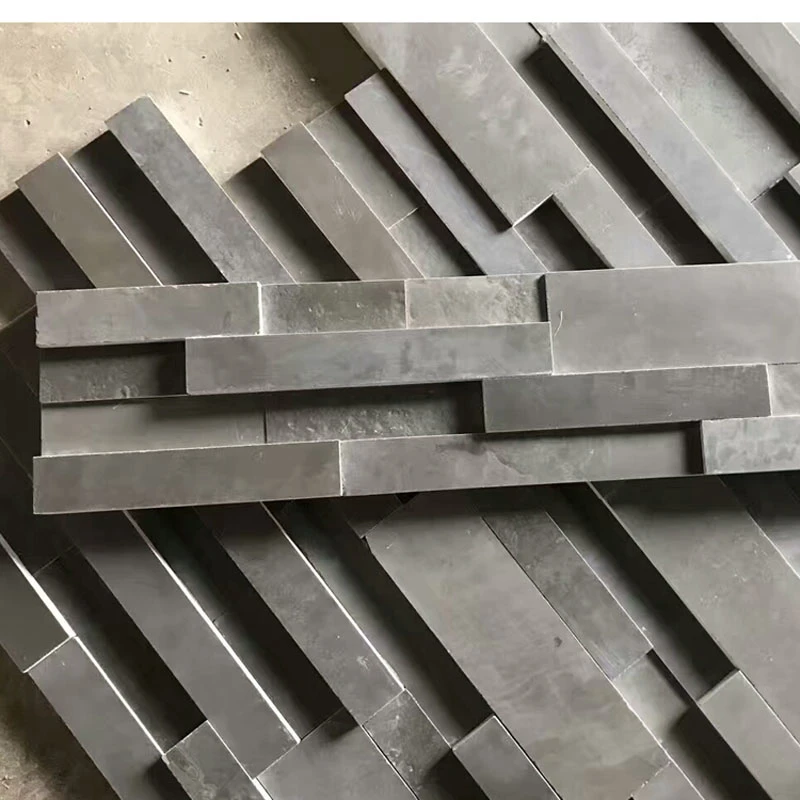
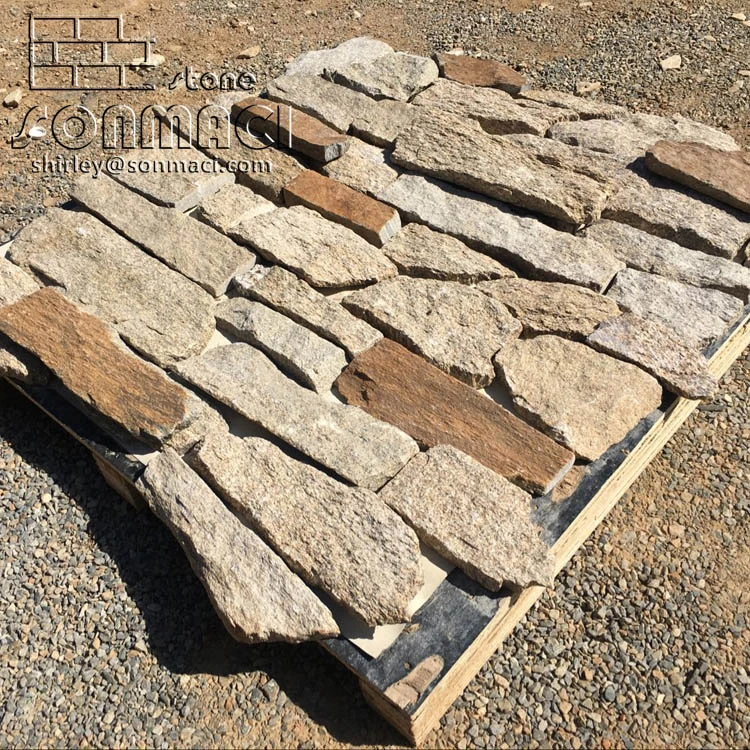
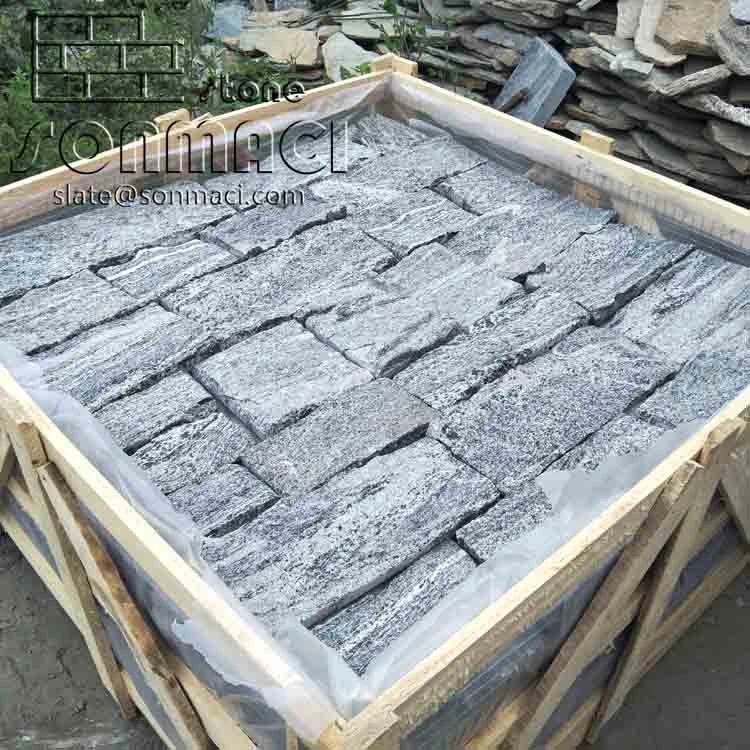
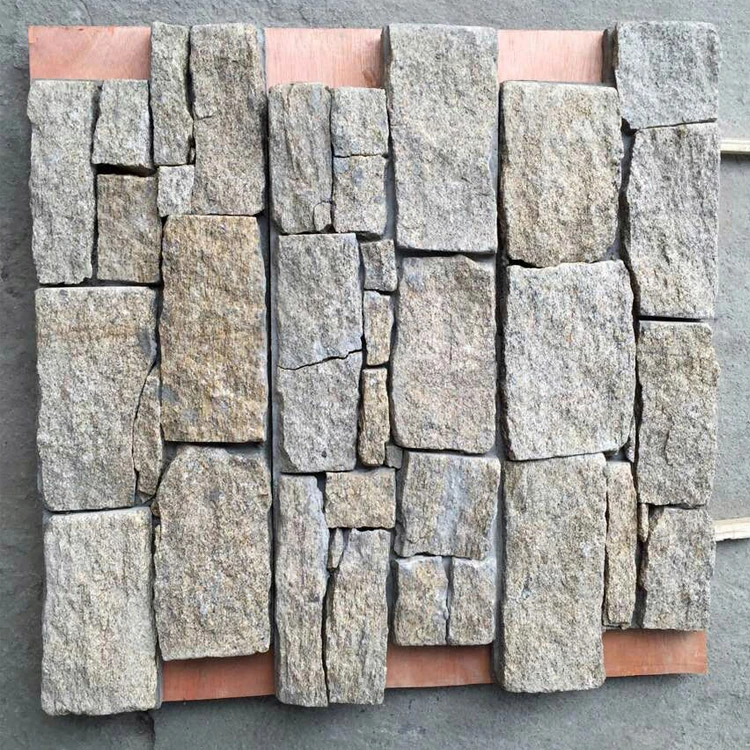
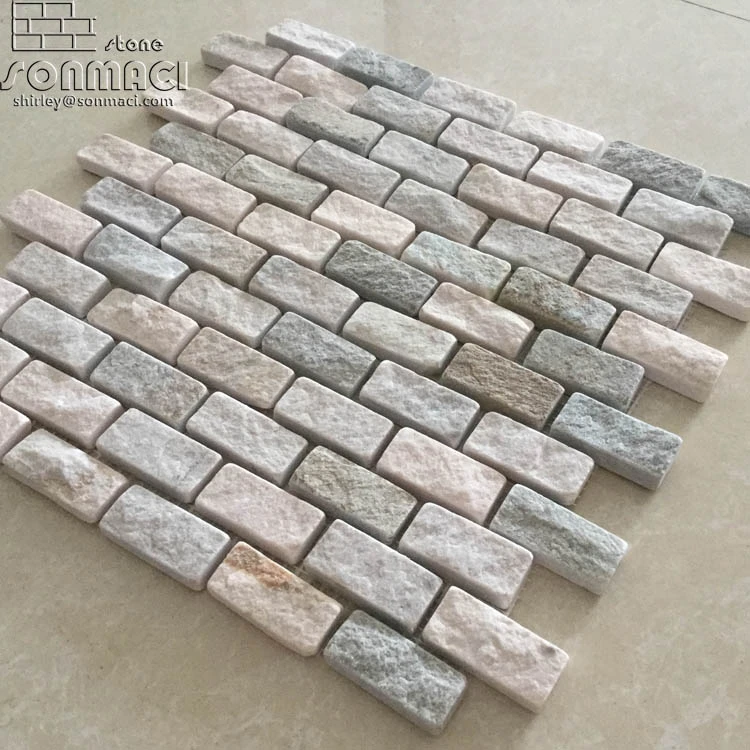
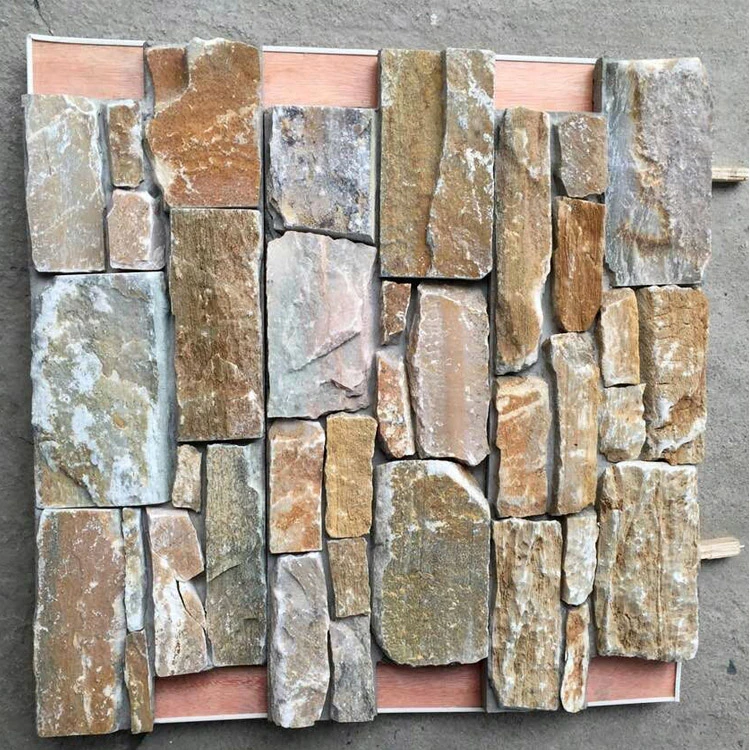
Simply put, stone veneer is a thin layer of natural or manufactured stone applied to the outside of metal building walls. It’s like a stone “skin” that clips or bonds onto metal panels, giving that lovely, rugged look without the heavy weight. Unlike solid stone walls, veneer systems are lighter, easier to work with, and cheaper while still offering durable protection from the elements.
In industries ranging from commercial real estate to humanitarian construction projects, this technique provides an appealing solution: you get structural integrity of a metal frame combined with the cultural and tactile warmth of stone. It also ties into modern needs for rapid deployment and performance without sacrificing long-term durability.
Mini takeaway:
Stone veneer on metal means using thin stone layers on metal frames, blending durability, beauty, and efficiency in modern builds.
Key elements that make stone veneer on metal buildings tick
1. Durability
Stone veneer naturally resists weathering, especially when properly sealed. The metal substrate underneath offers excellent structural support and flexibility during seismic events or storms, helping veneer stay intact longer.
2. Cost Efficiency
Using veneers reduces the volume of stone needed, which saves on raw materials and installation labor compared to full stone walls. Additionally, metal panels pre-fabricated off-site speed up the overall process, cutting labor costs and timelines.
3. Lightweight Design
Since a veneer is just a thin stone layer, the total weight bearing on the building foundation is considerably less than traditional masonry, enabling use on prefabricated metal structures not designed for heavy loads.
4. Aesthetic Flexibility
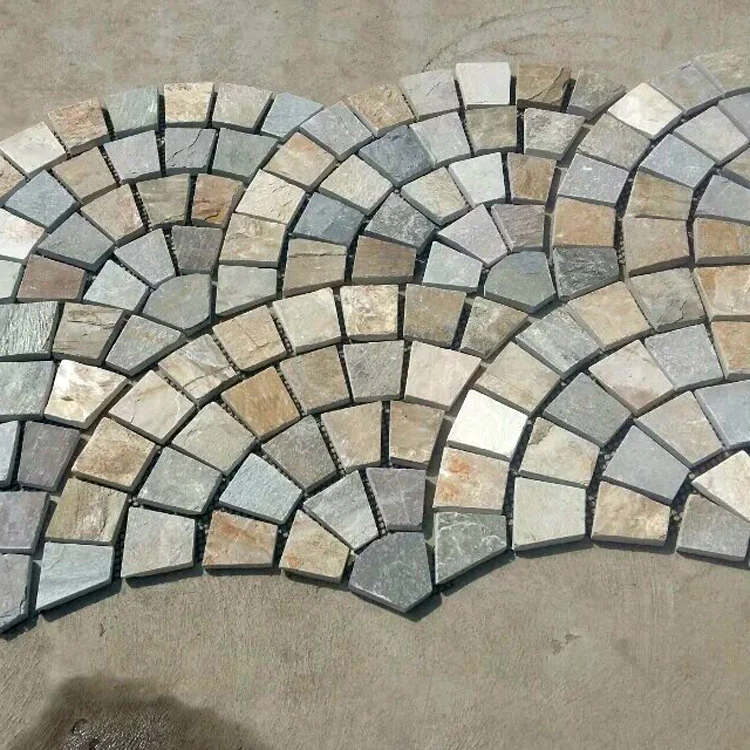
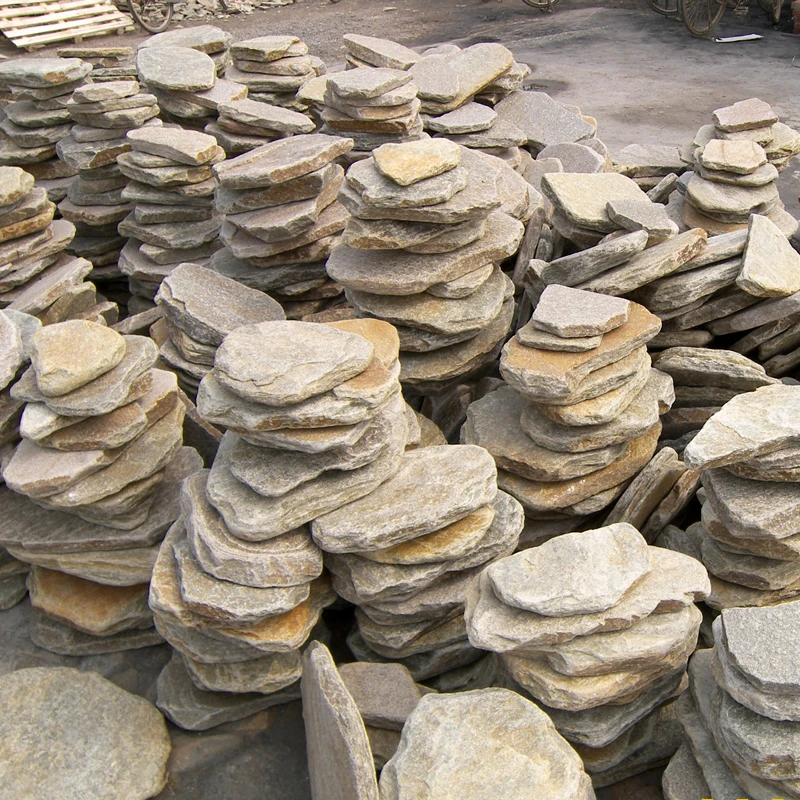
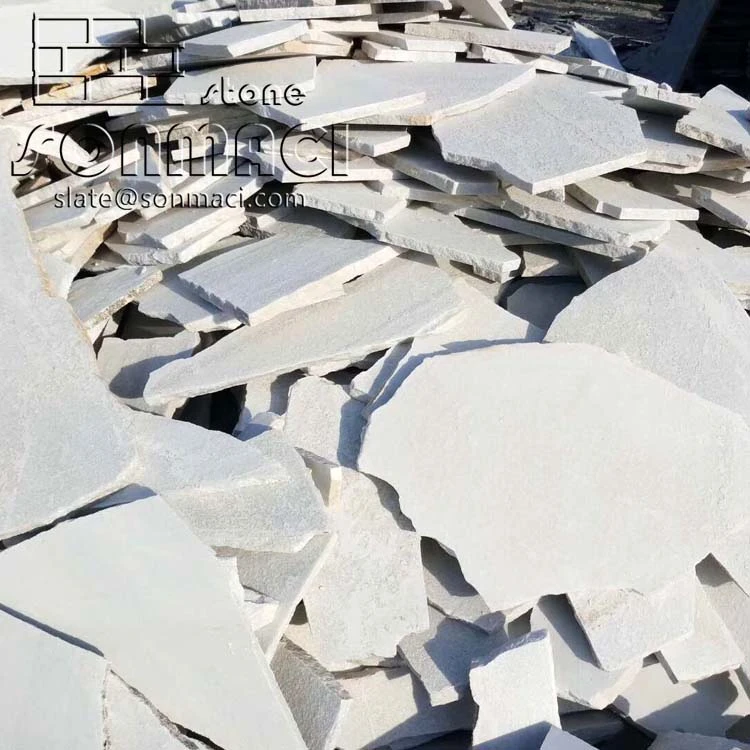
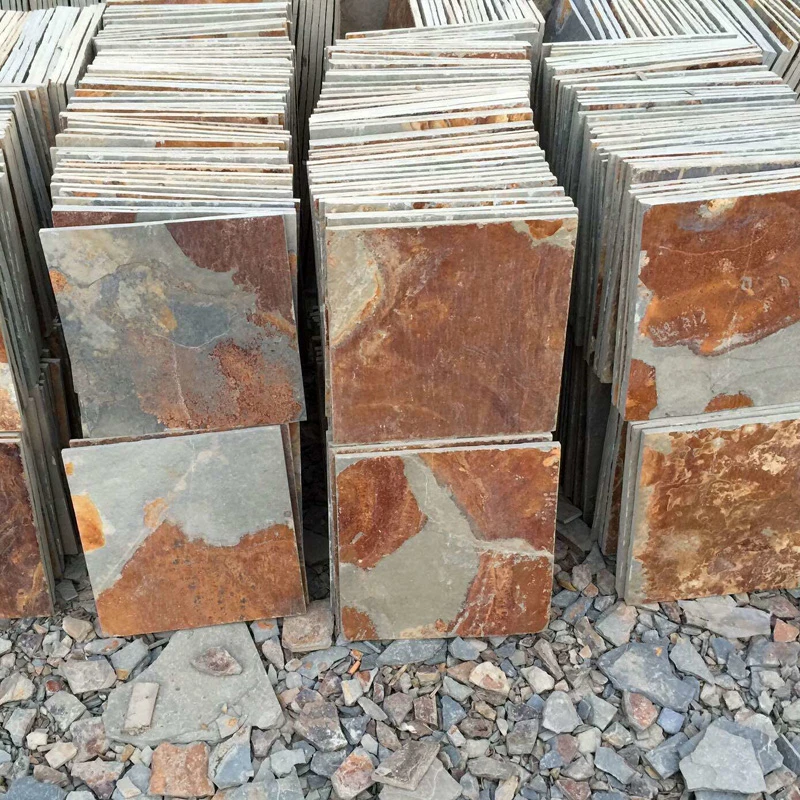
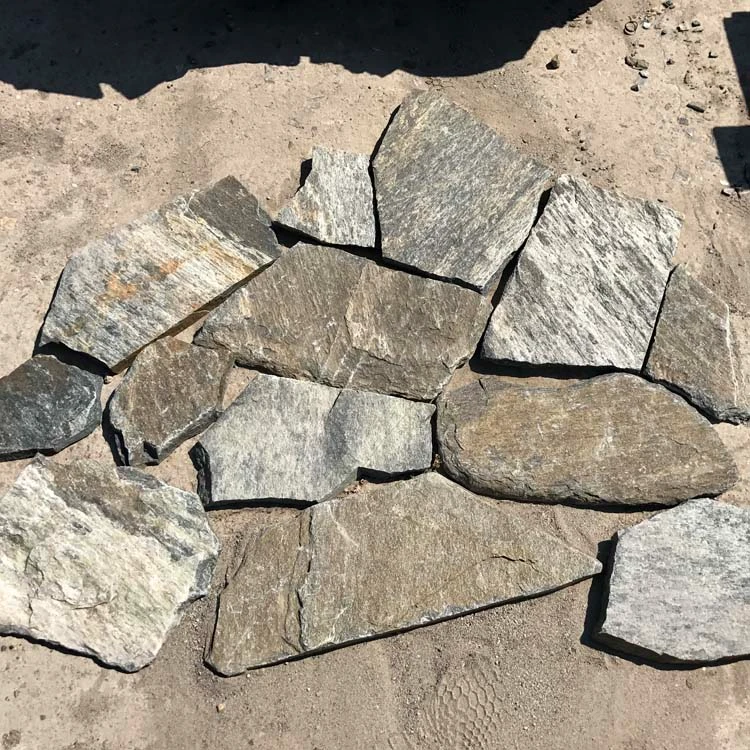
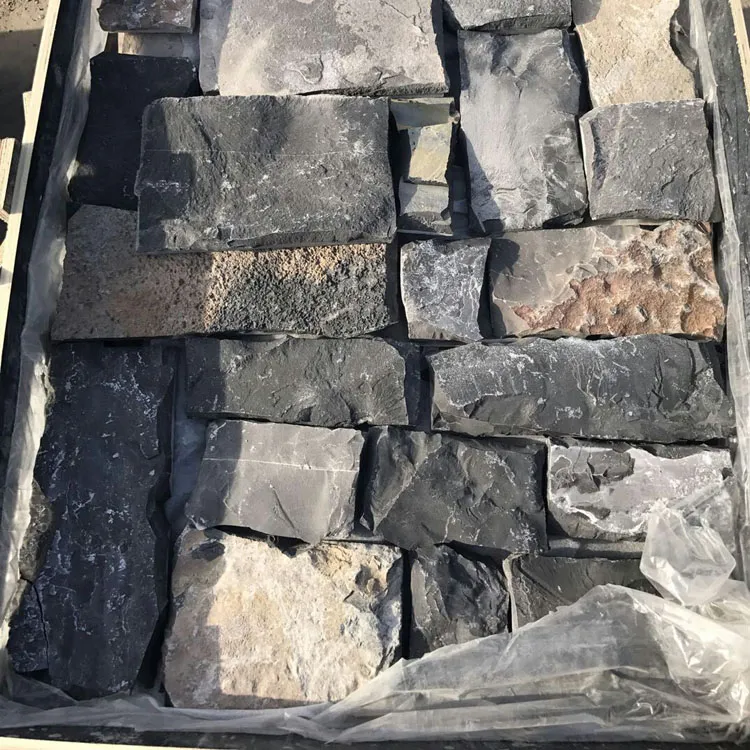
Stone veneer comes in an array of types and colors—from limestone to quartzite, natural or faux stone—allowing architects to customize looks for urban or rustic vibes alike.
5. Ease of Maintenance
Maintaining stone veneer on a metal building requires minimal upkeep compared to full masonry: occasional cleaning, sealant reapplication, and inspection for panel damage typically suffice.
Mini takeaway:
Stone veneer on metal offers durability, cost savings, and design flexibility with a surprisingly lightweight and easy-to-maintain facade.
Global applications and real-world use cases
From the commercial districts of Dubai to the tech parks of Silicon Valley, stone veneer on metal is leaving its mark. In post-disaster relief, organizations use metal buildings with stone veneer facades to create rapid but dignified shelter for displaced families, blending speed and community comfort.
Industrial zones in cold climates, like Northern Europe, deploy these systems due to their thermal mass benefits, which help regulate interior temperatures. Plus, governments in Southeast Asia favor stone veneer on metal structures to build resilient schools and clinics quicker while preserving local aesthetic traditions.
Even theme parks and boutique hotels prefer this blend, because it’s easier and less costly than full stone but still evokes natural ambiance and timelessness. If you’re curious about similar architectural combos, check out examples of stone veneer on metal building projects that balance cost and style impeccably.
Mini takeaway:
From disaster relief to luxury resorts, stone veneer on metal buildings suits diverse climates and industries worldwide, meeting urgent needs with elegance.
Advantages and the long view on value
- Cost savings: Lighter materials and faster install reduce upfront and labor expenses.
- Sustainability: Less quarrying, lower embodied energy, and enhanced recyclability make it eco-friendlier.
- Emotional appeal: Stone conveys permanence and natural beauty, improving occupant wellbeing and social value.
- Reliability: Combined materials resist common issues like corrosion, cracking, and mold.
In real terms, property owners and developers can expect lower lifetime costs and stronger tenant satisfaction. After all, buildings are not just functional shells—they reflect community identity and innovation. Stone veneer on metal buildings carries that message cleverly and efficiently.
Stone veneer on metal building: Typical product specifications
| Specification | Range/Value |
|---|---|
| Veneer Thickness | 12-25 mm (typical) |
| Metal Substrate Type | Galvanized Steel, Aluminum |
| Weight per sq.ft. | 15-20 lbs (varies by stone type) |
| Installation Time | 1-3 days per 1000 sq.ft. |
| Typical Service Life | 30+ years |
| Sealing/ Finish Options | Water-repellent, UV-resistant coatings |
Comparing popular vendors for stone veneer on metal buildings
| Vendor | Stone Types Available | Customization | Typical Lead Time | Warranty |
|---|---|---|---|---|
| StoneLayer Inc. | Granite, Quartzite, Limestone | High (custom cuts/colors) | 4-6 weeks | 15 years |
| EcoStone Panels | Manufactured stone veneer | Moderate (standard palettes) | 3-5 weeks | 10 years |
| MetalStoneWorks | Slate, Sandstone | Low (fixed offerings) | 2-4 weeks | 12 years |
Looking ahead: trends shaping stone veneer on metal building design
So, what’s next here? For starters, eco-conscious buyers are driving projects that incorporate recycled stone materials and even bio-based sealants to reduce chemical footprints. Digital tools like BIM (Building Information Modeling) are speeding up design precision and clash detection, making installation faster and less costly.
Automation in stone cutting and panel fabrication is improving accuracy and reducing waste—anyone who’s seen a stone saw dust cloud could appreciate that. Plus, green energy integration is popping up: metal buildings with stone veneer facades increasingly incorporate solar panels and smart ventilation systems, boosting building intelligence and sustainability standards.
Challenges and clever fixes in using stone veneer on metal buildings
Of course, nothing’s perfect. One issue engineers flag is the thermal bridging effect—metal frames can conduct heat, making insulation tricky under veneer. New composite insulation layers and thermal breaks help address this quite well nowadays.
Another challenge is moisture management: if stone veneers aren’t correctly sealed or drained, water can sneak behind panels and cause corrosion or mold. Innovative drainage mat designs and breathable membranes have emerged as simple but effective solutions.
Lastly, some critics argue the upfront cost might be higher than simple metal cladding. But honestly, when you factor in durability, long-term savings, and aesthetic appeal, the investment usually pans out.
Frequently Asked Questions about stone veneer on metal building
- 1. How does stone veneer on metal buildings improve building lifespan?
- Stone veneer acts as a protective facade, shielding metal from UV radiation and weather exposure, which often prolongs structural integrity by decades when properly maintained.
- 2. Can stone veneer be installed on existing metal buildings?
- Yes, retrofitting stone veneer on existing metal structures is common. However, structural evaluation is essential to ensure the frame can support the additional veneer weight.
- 3. Is stone veneer suitable for seismic zones?
- Stone veneer systems designed for metal buildings include flexible anchors and lightweight panels, allowing movement without cracking, so they perform well in seismic conditions when installed per code.
- 4. What maintenance does stone veneer on metal buildings require?
- Typically, periodic cleaning, sealant application every 5–10 years, and inspection for damaged panels or fasteners keep the facade looking good and protected.
- 5. How eco-friendly is stone veneer on metal construction?
- By reducing heavy masonry and leveraging recyclable metal frames and often quarried or manufactured stone with lower embodied carbon, this method aligns well with green building certifications.
Wrapping up: stone veneer on metal building’s lasting appeal
To sum it up, stone veneer on metal buildings beautifully marries rugged, natural aesthetics with modern technology and sustainability. It’s not just a trend but a practical, efficient solution—whether you’re an architect looking to add character or a developer focused on green goals and cost-effectiveness.
Interested in learning more or starting your project? Visit https://www.sonmacistone.com for smart materials, design ideas, and expert advice. There’s more to explore here than just stone on metal—it’s a glimpse at the future of smart, sustainable building.