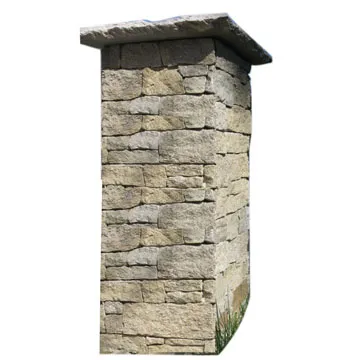
The Appeal and Power of Stone Veneer on Front of House
If you’ve ever driven through quaint neighborhoods or strolled past chic modern homes, chances are stone veneer caught your eye. There’s just something timeless yet contemporary about a stone-clad façade. Stone veneer on front of house doesn’t just spruce up curb appeal—it’s a global design staple, bridging aesthetics with practical benefits. Around the world, from luxury estates in California to townhouses in Europe and new urban developments in Asia, stone veneer is booming. But why? What is it about this material that makes it so desirable, and more importantly, why does it matter for homeowners, architects, and builders alike?
In real terms, stone veneer brings a blend of durability, elegance, and cost-effectiveness that few materials can claim. Plus, understanding its role ties into bigger conversations: sustainable building, affordable housing upgrades, and even heritage preservation. It’s a small piece in the big puzzle of how we shape our built environments while respecting resources and aesthetics.
Global Context: How Stone Veneer Fits the World’s Building Needs
Believe it or not, the market for stone veneer is part of a multi-billion-dollar global construction industry. According to the United Nations Environment Programme, sustainable building materials are on the rise as the construction sector accounts for roughly 39% of global carbon emissions. Stone veneer, often made from thin slices of natural stone or durable synthetic alternatives, offers a lower-impact solution compared to quarried stone blocks or concrete panels.
Developing urban areas, surge in renovation projects, and a growing eco-conscious consumer base all push demand. However, one challenge remains: balancing high-end finishes with affordability and environmental responsibility. This is where stone veneer shines—it delivers the look of real stone without the heavy price tag or ecological footprint. In fast-growing cities or post-disaster rebuilding zones, it’s a practical, aesthetic solution that can be installed swiftly and last for decades.
Stone Veneer on Front of House: What Exactly Is It?
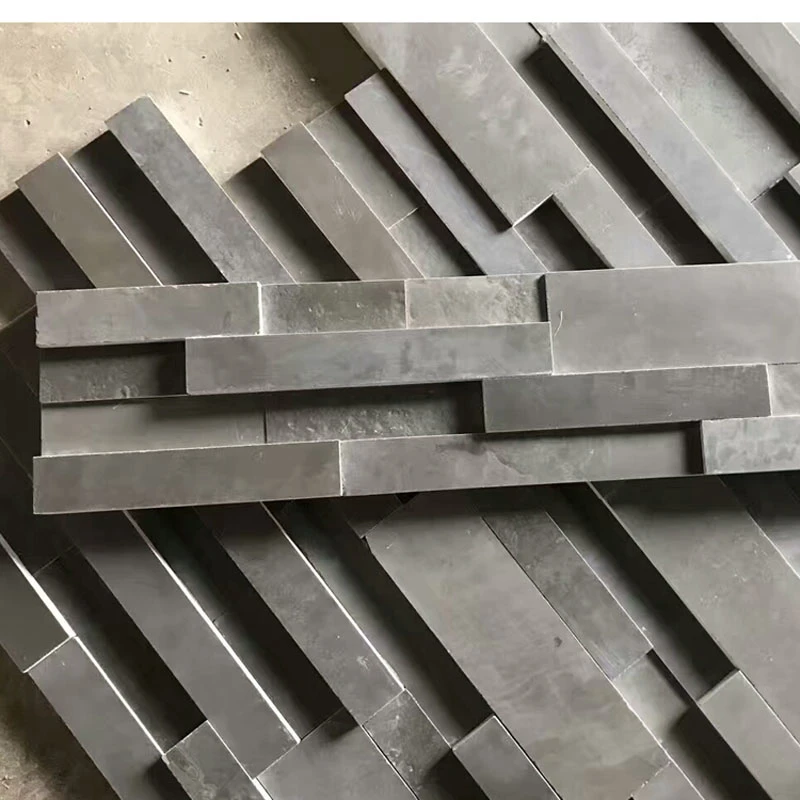
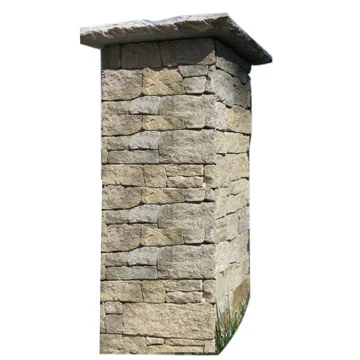
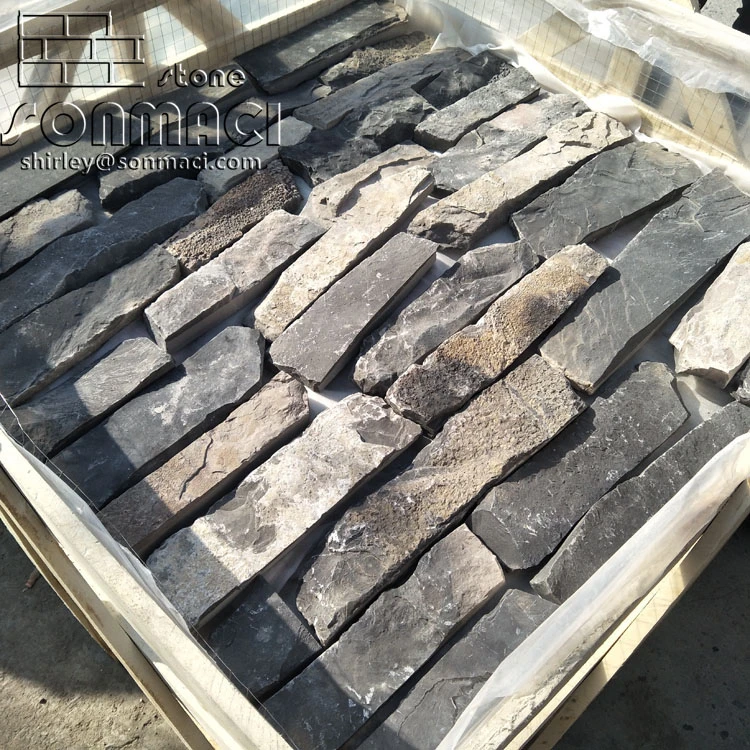
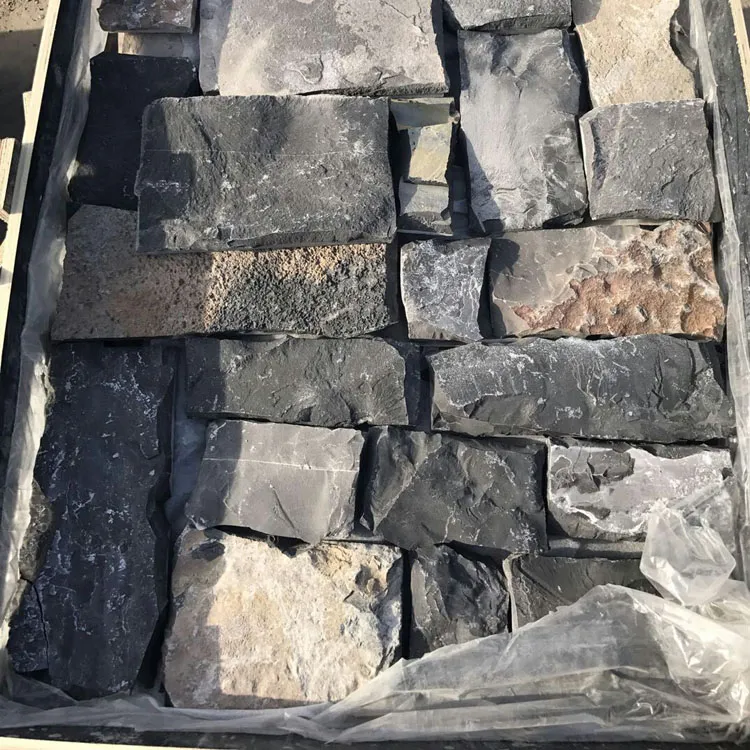
Stone veneer is essentially a thin layer of stone (usually ½ to 1½ inches thick) applied to a structural wall. Unlike full-thickness stone walls, veneer is a facade treatment that can be attached to wood, steel, or concrete frames. It mimics the appearance and texture of real stone but weighs significantly less.
There are two main kinds:
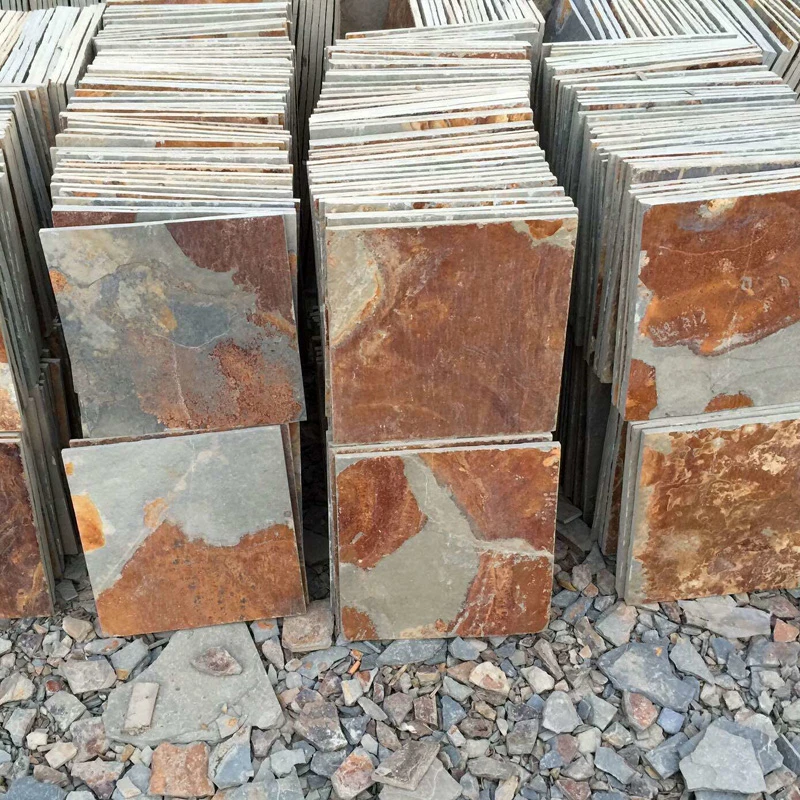
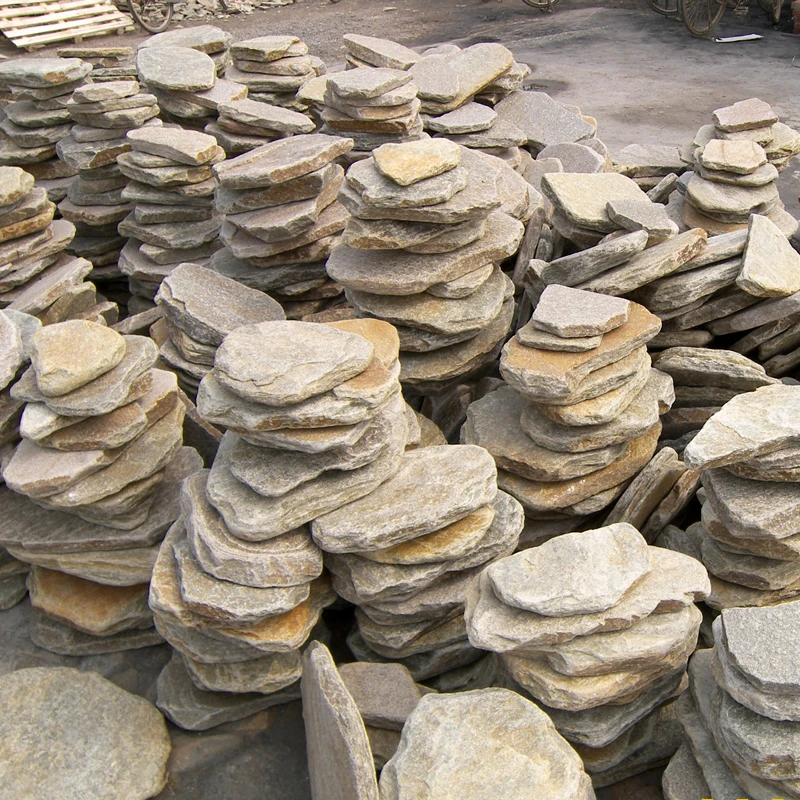
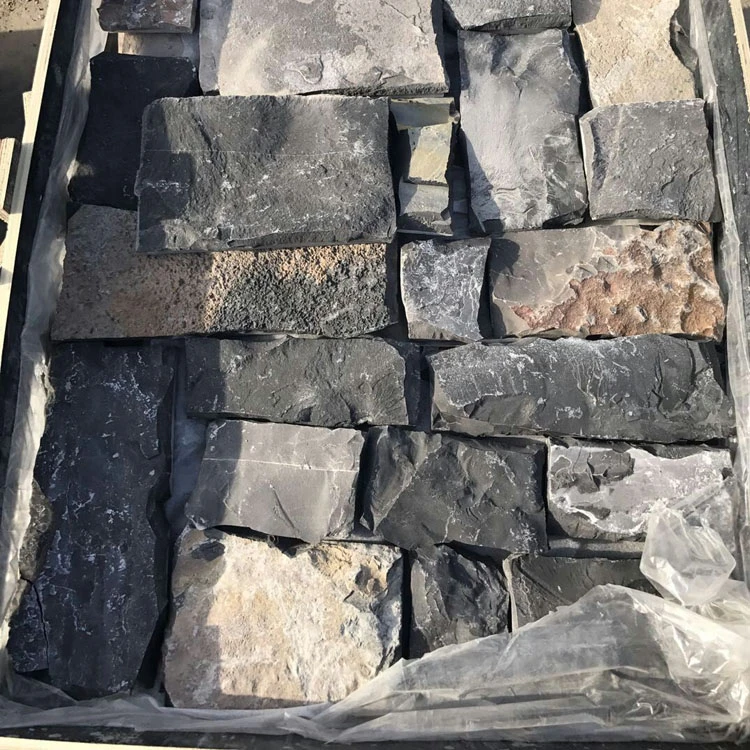
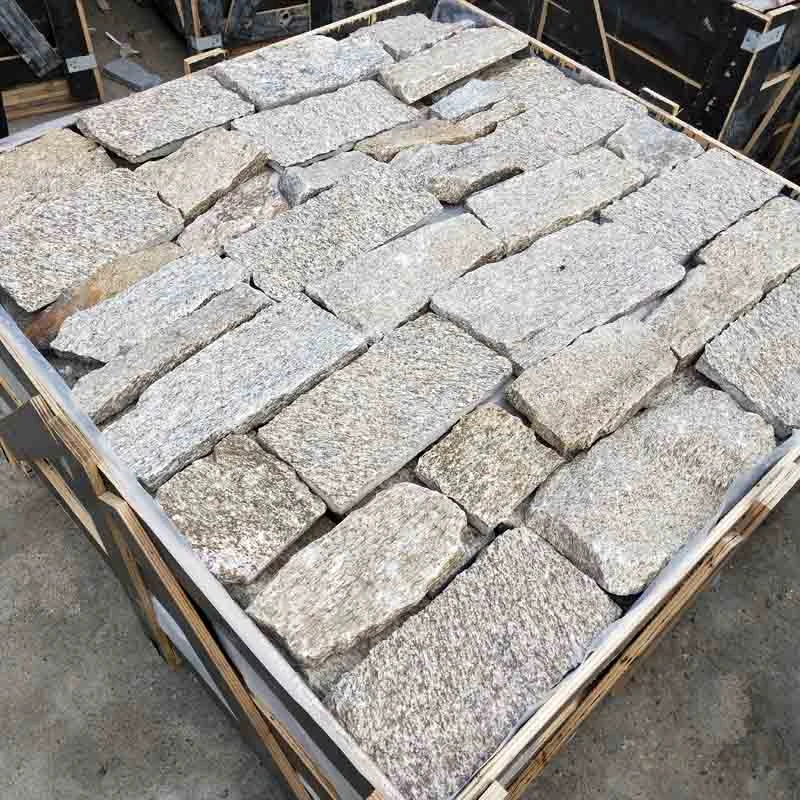
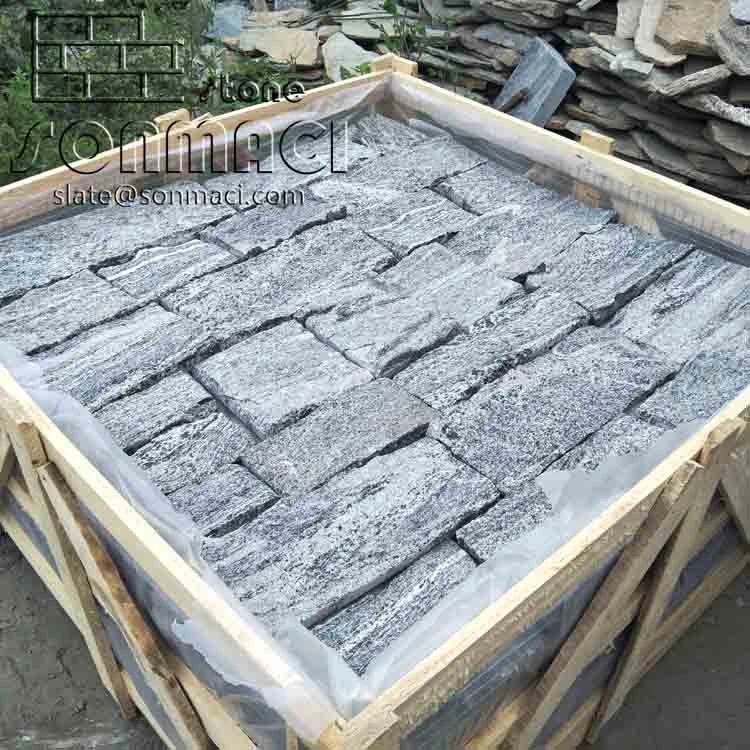
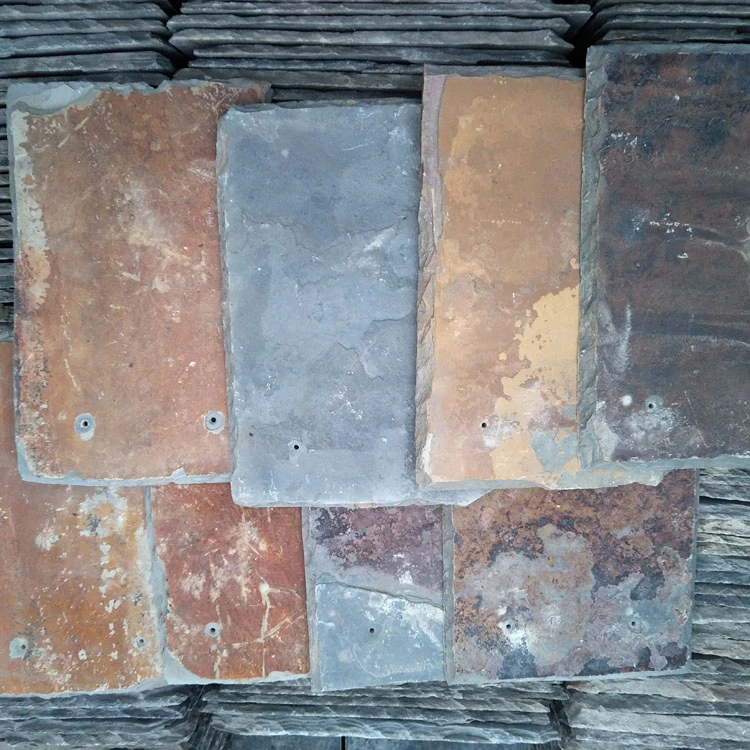
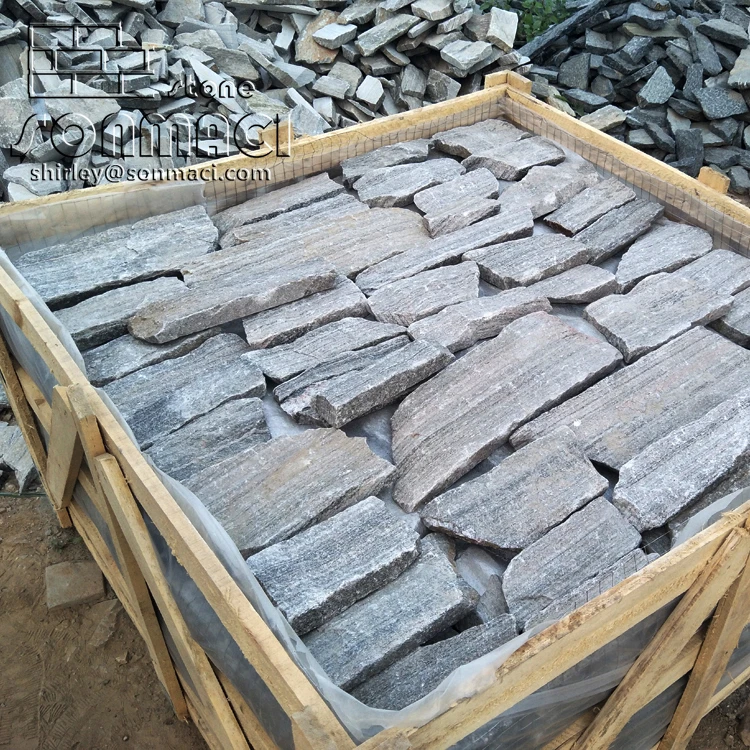
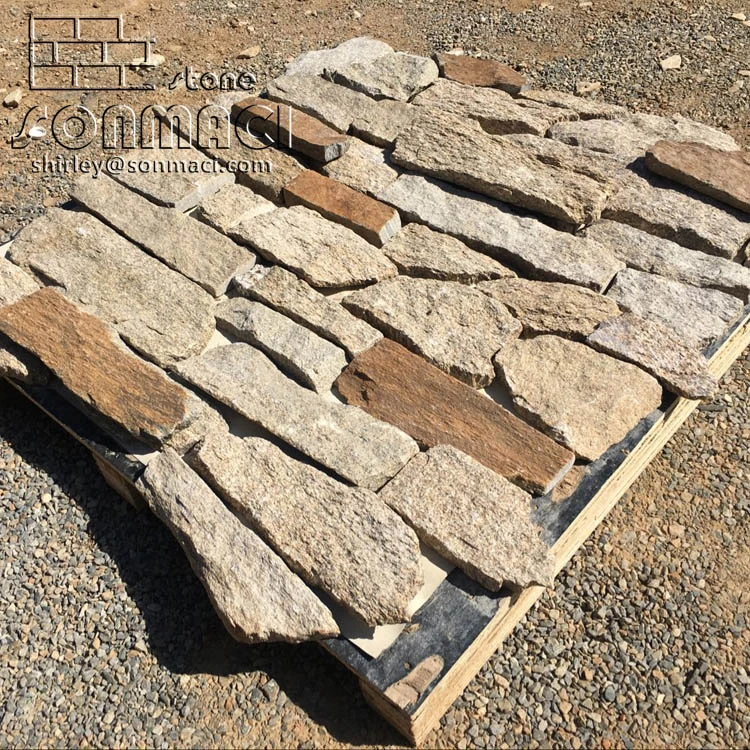
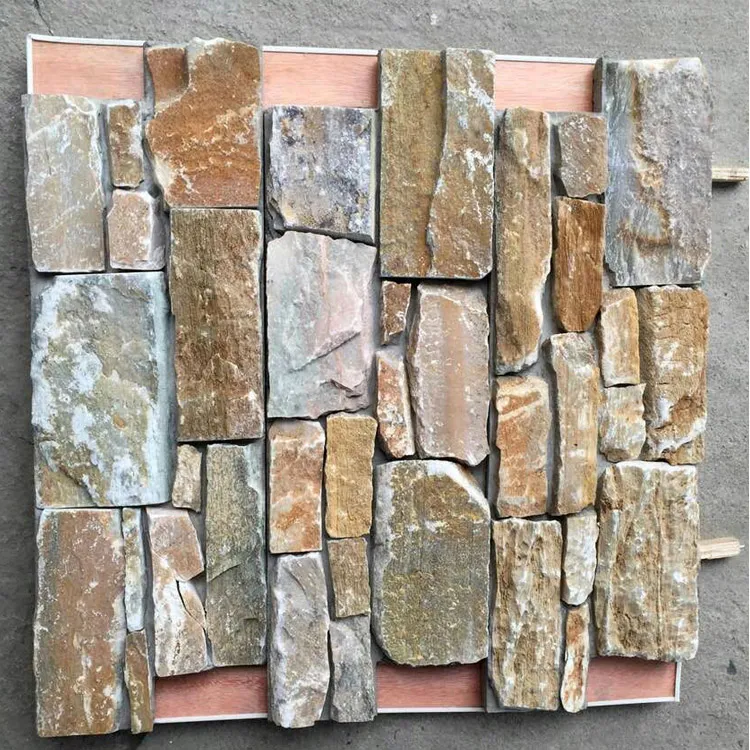
- Natural stone veneer: Thinly cut slabs or pieces of authentic stone like limestone, slate, or granite.
- Manufactured stone veneer: Cast stone made from concrete mixed with pigments and aggregates to imitate natural stone shapes and colors.
For modern construction, it fits a niche where owners want robust, attractive finishes and builders need practical installation methods. Interestingly, humanitarian architecture sometimes uses stone veneer in rebuilding shelters, as it adds psychological comfort with its “solid” appearance, while keeping structures lightweight and affordable.
Key Factors to Consider When Choosing Stone Veneer
Durability
Stone veneer stands up remarkably well against weather, UV rays, and freeze-thaw cycles—if installed properly with moisture barriers. Many homeowners report minimal maintenance long term, which is crucial when you think about the lifetime value.
Aesthetic Versatility
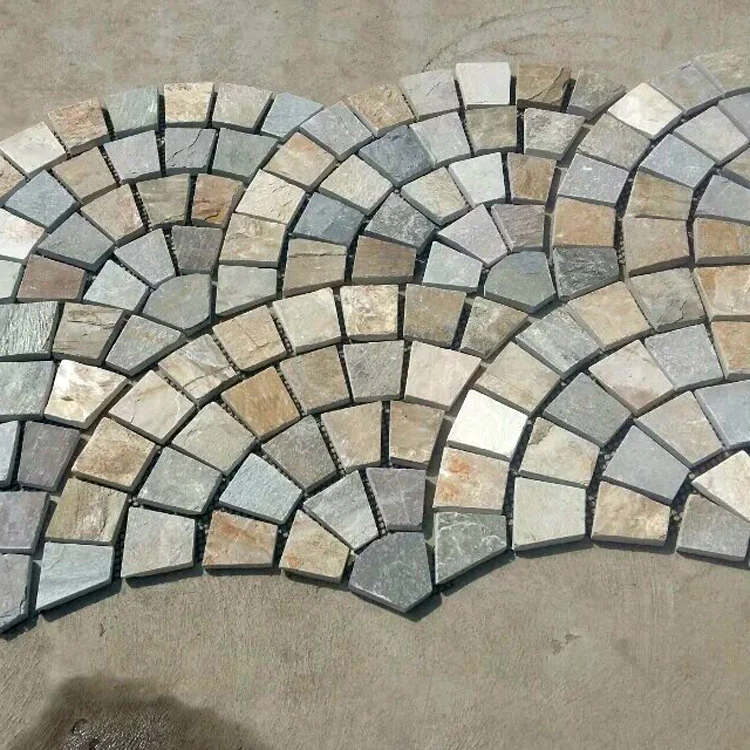
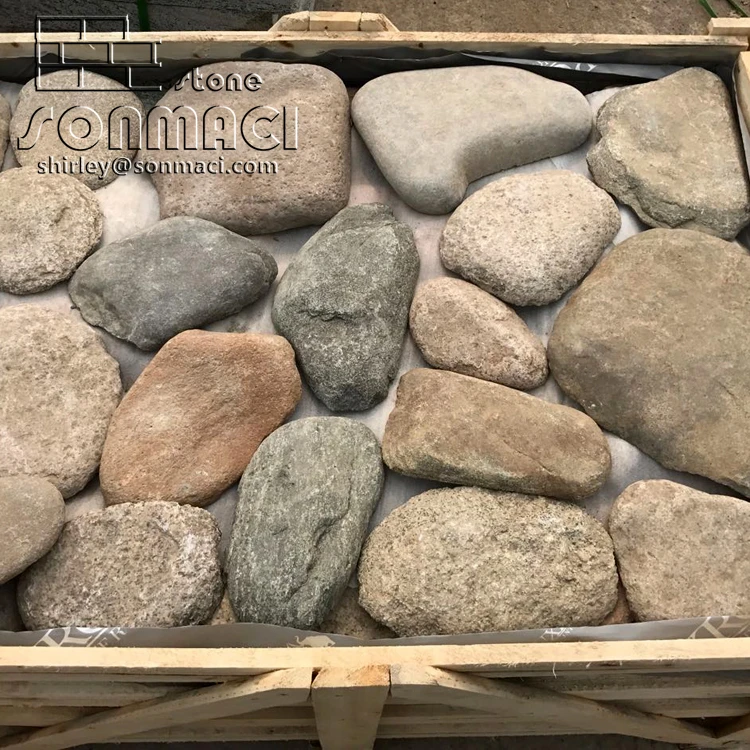
From rustic to ultra-modern, stone veneer comes in an array of finishes, colors, and textures. This adaptability means designers can craft nearly any look — whether you want a rugged farmhouse vibe or a sleek urban front.
Cost Efficiency
Compared to full stone construction or brick, veneer typically reduces materials and labor costs by 30-50%. Plus, its lighter weight means simpler wall framing, ultimately reflecting in the overall project budget.
Installation Speed
Because thin stone veneer can be glued or mechanically fixed over existing walls, installation times are faster than traditional masonry, minimizing construction delays and weather exposure risks.
Environmental Impact
Natural stone extraction is energy-intensive, but veneer uses less material and often sourced or manufactured closer to building sites. Some manufacturers also prioritize sustainable production methods.
Customization and Design Freedom
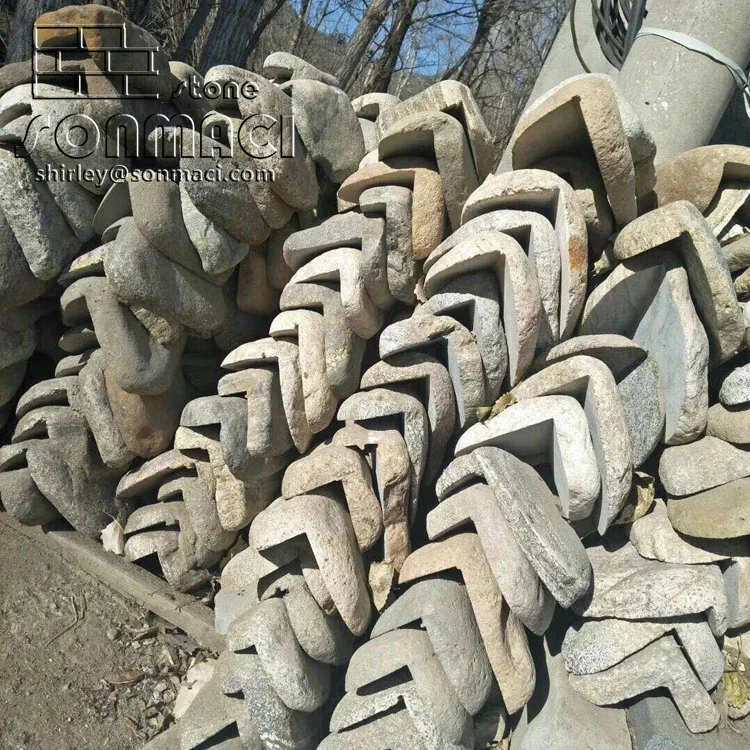
Manufactured stone veneers can be molded into diverse shapes and sizes, enabling tailored designs that suit unique architectural visions or historical restoration projects.
Where the World Uses Stone Veneer on Front of House
Across North America and Europe, stone veneer remains a homeowner favorite for upgrading curb appeal without a full remodel. In Australia, manufactured stone is widely used for new apartments and commercial facades to add character.
In fast-urbanizing regions of India and Southeast Asia, veneer offers a cost-friendly way to beautify often bland concrete structures. Not to forget, in parts of the Middle East and Mediterranean countries, stone veneer helps preserve traditional aesthetics while integrating modern insulation and moisture protection.
In post-disaster zones, such as certain locales hit by hurricanes, quick-install stone veneer can restore dignity and permanence to housing fast, lending affected families a sense of security.
Mini Takeaway: Stone veneer’s adaptability and appeal cross continents, cultures, and building types.
Benefits That Keep Stone Veneer Relevant
-
Long-lasting Elegance: The stone look endures fashion cycles. It’s a classic.
-
Sustainability: More efficient use of materials than heftier stone walls lowers environmental burden.
-
Increased Property Value: Many real estate agents agree that stone veneer frontages can accelerate sales and boost assessment.
-
Low Maintenance: Unlike wood or stucco, it rarely requires repainting or sealing.
-
Emotional Connect: Stone invokes strength, safety, permanence—good vibes for any home or office.
Looking Ahead: Innovations in Stone Veneer
The future is promising, especially as green building standards push material suppliers towards renewable composites and recycled content. Technology now allows 3D scanning and printing of stone veneer to perfectly recreate rare or historic stone patterns.
Smart facades with embedded sensors to monitor structural health or moisture ingress might well include stone veneer panels with integrated electronics. Meanwhile, nanocoatings improve stain resistance and keep surfaces cleaner longer.
Challenges and Clever Solutions
Yes, stone veneer isn’t magic. Moisture management remains a top challenge—poor installation can cause water penetration and mold issues. But industry experts recommend rigorous drainage systems and breathable membranes beneath the veneer.
While cost-effective, it’s not the cheapest option—so balancing budget with quality is important. Also, some cheaper manufactured veneers fade or chip; selecting reputable suppliers mitigates this risk.
Product Specifications – Typical Stone Veneer for Residential Use
| Specification |
Details |
| Material |
Natural stone or manufactured stone |
| Thickness |
1/2" to 1 1/2" |
| Weight |
10-15 lbs per square foot |
| Installation |
Adhesive or mechanical fastening |
| Fire Rating |
Class A (depending on type) |
| Maintenance |
Low; occasional cleaning |
Top Vendors Compared: Who Sells What?
| Vendor |
Product Range |
Price Level |
Sustainability |
| StoneMax |
Natural & Manufactured |
Mid-High |
Recycled content used |
| EcoRock |
Mostly Manufactured |
Mid |
Eco-certified production |
| Heritage Stone |
Natural only |
High |
Traditional quarrying |
FAQs About Stone Veneer on Front of House
- Q: How long does stone veneer typically last on a home exterior?
- A: With proper installation and maintenance, stone veneer can easily last 25-50 years or more. Many homes built 30+ years ago still showcase intact veneer facades.
- Q: Is stone veneer more affordable than traditional stonework?
- A: Yes. Veneer cuts material and labor costs by using thin slices rather than full blocks and simplifies installation. It offers a premium look at a fraction of the cost.
- Q: Can stone veneer improve my home's insulation?
- A: Veneer itself doesn’t add significant insulation but can be paired with insulated sheathing underneath. Combined, this system improves thermal performance.
- Q: Are manufactured stone veneers as durable as natural stone ones?
- A: Modern manufactured veneers are engineered for durability, colorfastness, and weather resistance rivaling natural stone. However, quality varies by brand and installation.
- Q: How can I ensure my stone veneer installation doesn’t trap moisture?
- A: It’s crucial to have a properly installed drainage plane, weather-resistant barrier, and flashing. Consulting experienced contractors ensures longevity and prevents moisture damage.
Wrapping It Up: Why Stone Veneer Remains a Smart Choice
Ultimately, stone veneer on front of house stands at an intersection of beauty, practicality, and sustainability. It’s an elegant answer to the age-old question: how do we achieve timeless looks without costing the earth? As cities grow, and the demand for preservation and innovation rises, stone veneer offers a flexible, reliable solution that many builders and homeowners swear by.
If your project calls for that lasting first impression — whether a cozy cottage or a sleek city pad — stone veneer deserves a close look.
For inspiration, options, and expert advice, don’t hesitate to visit our detailed portfolio at
stone veneer on front of house.
---
### Mini takeaway:
Stone veneer blends traditional aesthetics with modern needs, making it a versatile material that fits diverse environments worldwide.
---
References
- UNEP - Sustainable Building
- Wikipedia: Stone Veneer
- ISO 14001 Environmental Management