Durable & Stylish Stone Veneer on Concrete Block | Modern Construction Solutions
Stone Veneer on Concrete Block: A Durable, Stylish Solution for Modern Construction
The idea of covering concrete blocks with stone veneer might seem like merging old-school aesthetics with modern practicality—and that’s exactly what it is. Stone veneer on concrete block offers a marriage of the rugged durability found in concrete masonry and the timeless appeal of natural or manufactured stone. Globally, this technique is gaining traction—from urban towers in Europe to affordable housing developments in North America—because it delivers on cost, endurance, and beauty. Understanding why stone veneer on concrete block is increasingly popular helps builders, architects, and developers make smarter choices, especially with the push for sustainable and resilient building materials worldwide.
Global Context: Why Stone Veneer Matters in Today’s Construction Landscape
According to the United Nations, nearly 55% of the world’s population lives in urban areas—a figure that’s climbing steadily. With urban density comes a demand for buildings that are not only structurally sound and cost-efficient but also visually appealing and adaptable. Concrete blocks have long been a staple in construction because of their fire resistance, strength, and affordability. Adding stone veneer to these blocks addresses a global challenge: how to offer sustainable, attractive facades without skyrocketing costs.
Nearly 35% of the CO2 emissions in the construction industry come from traditional cement manufacturing, so modern builders are looking at ways to reduce environmental footprints without compromising on quality. Stone veneer, particularly when sourced sustainably or produced as lightweight manufactured panels, contributes to this by reducing the amount of concrete exposed and offering better thermal characteristics.
Frankly, the problem that stone veneer on concrete block helps solve is balancing practical building demands with aesthetic desires. It’s a solution that feels especially relevant as cities worldwide retrofit older concrete structures or pursue affordable new builds that need style points, fast.
What Is Stone Veneer on Concrete Block?
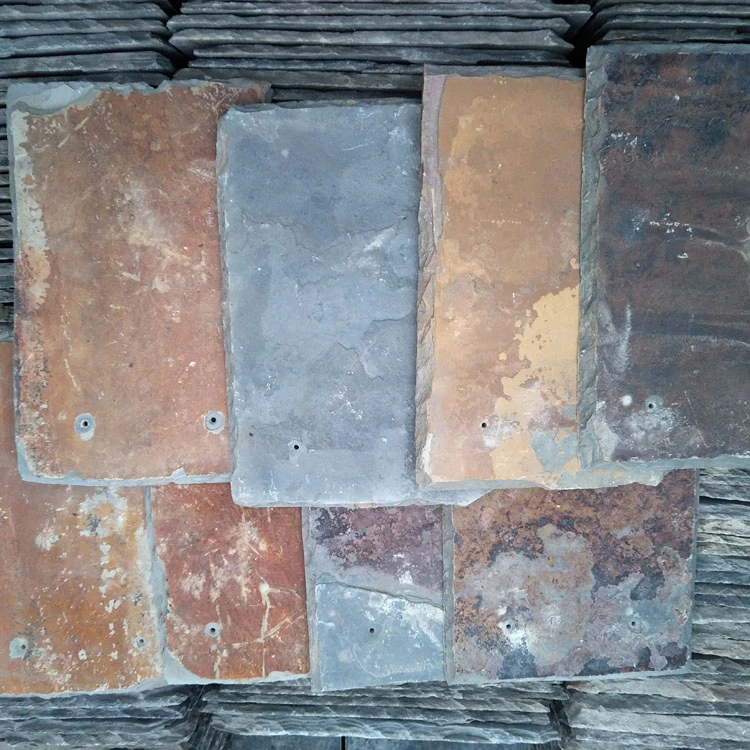
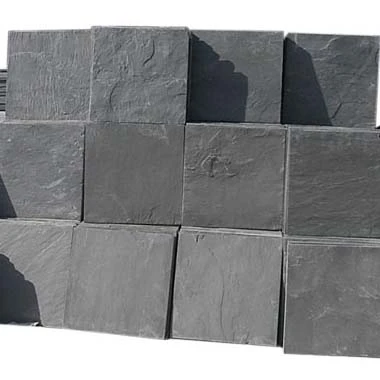
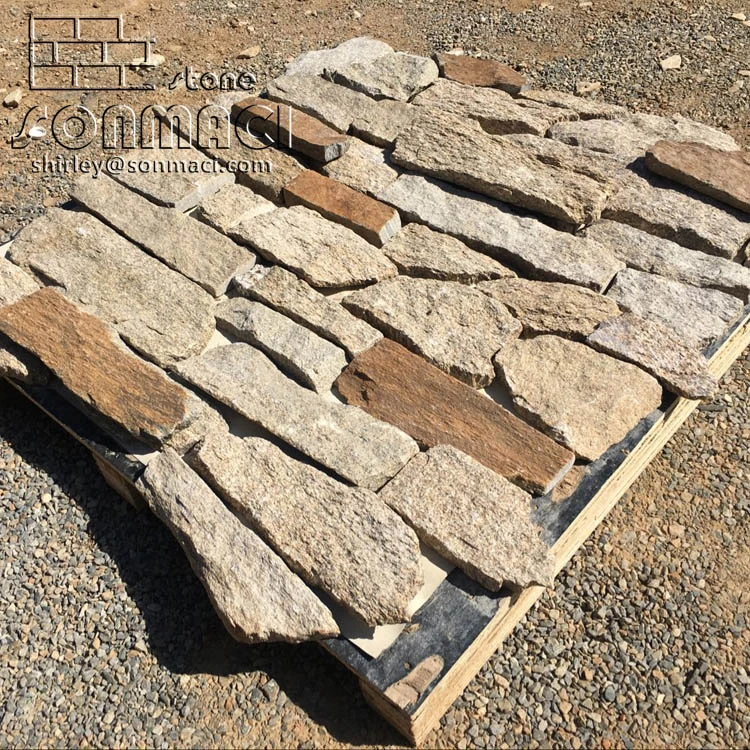
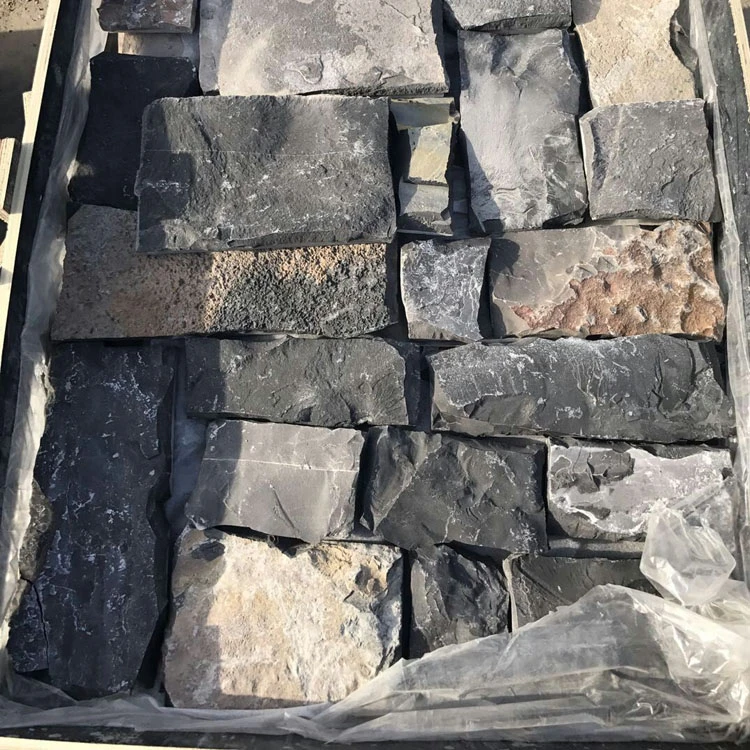
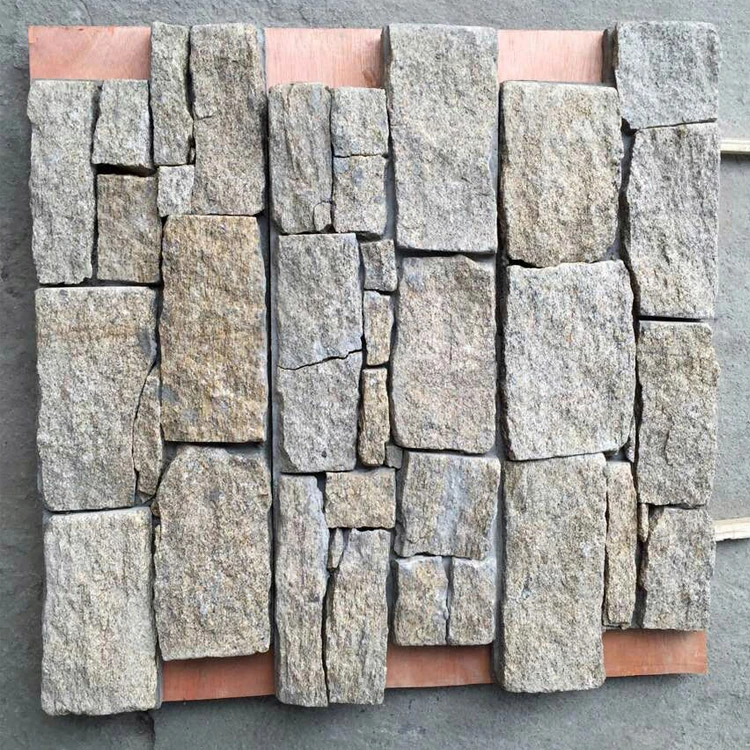
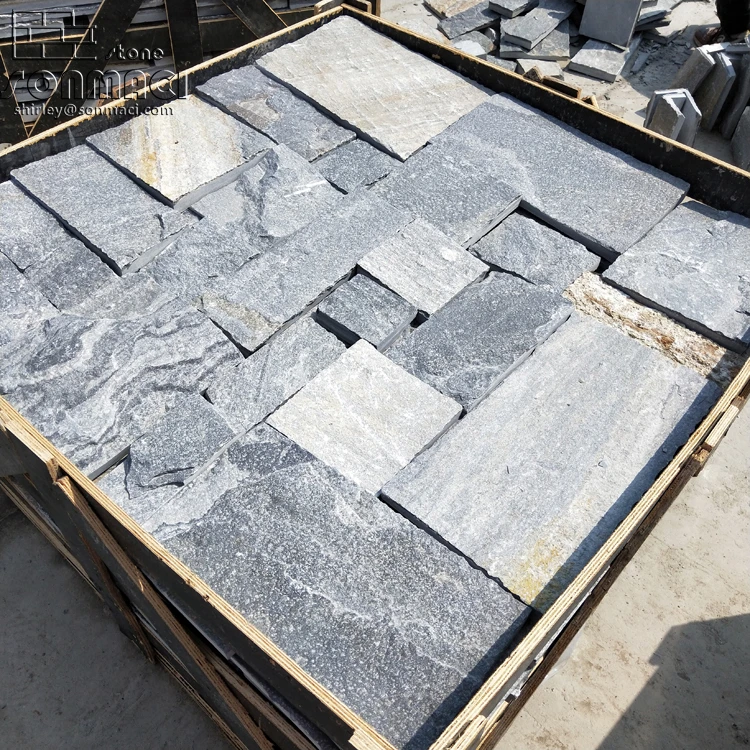
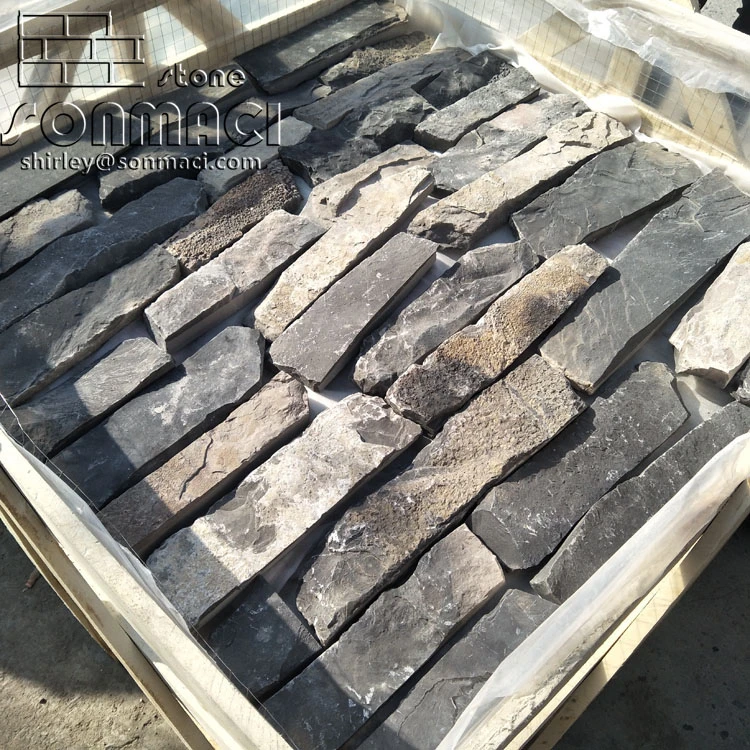
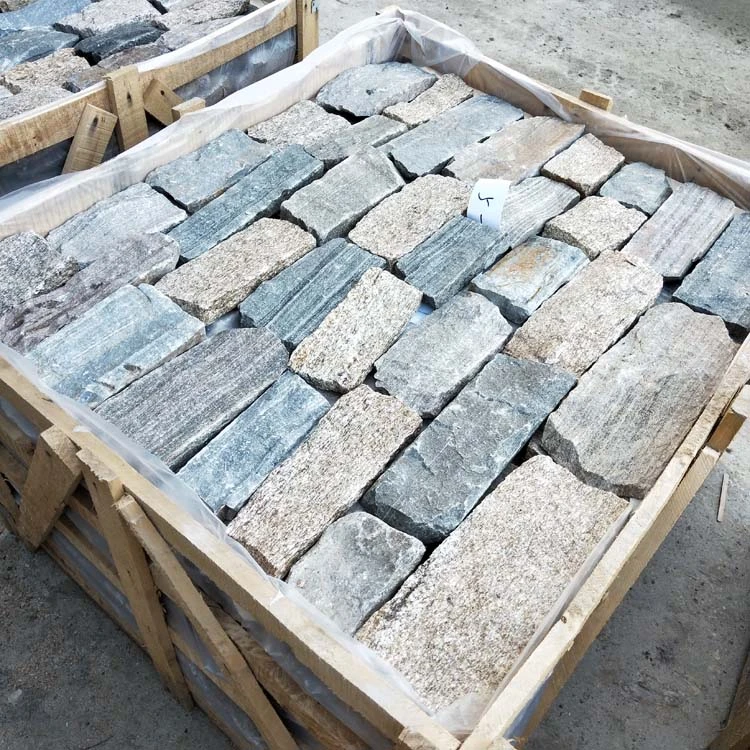
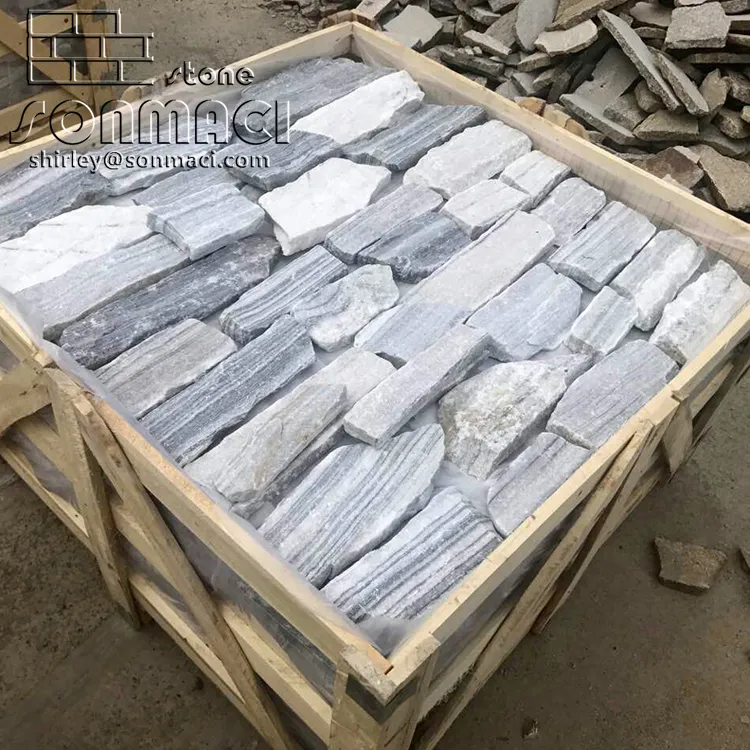
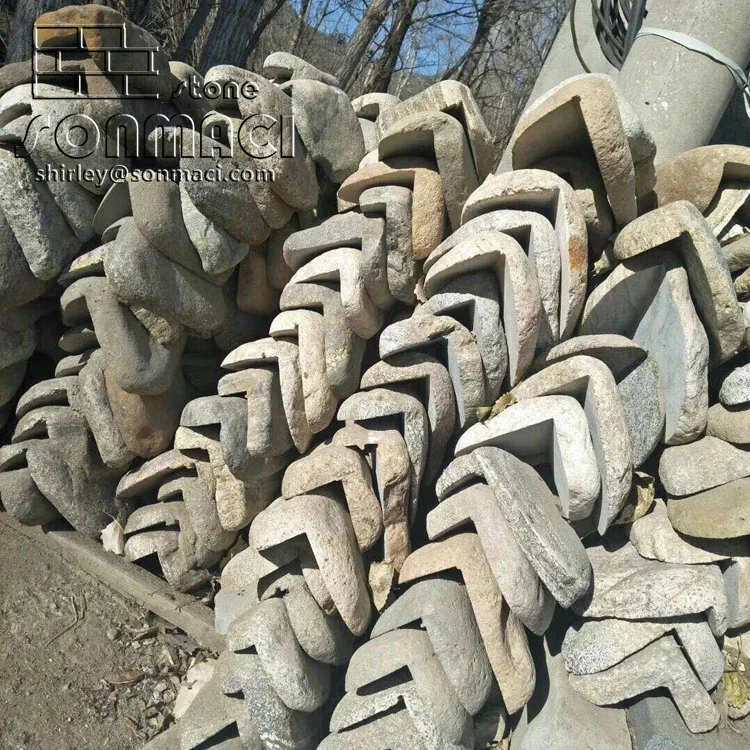
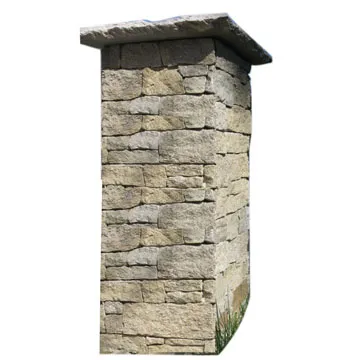
Put simply, stone veneer is a thin layer of either natural stone or manufactured stone applied to the exterior or sometimes interior surface of a concrete block wall. The veneer can be attached using mechanical fasteners or specialized mortar and sealer systems.
This isn’t just decorative—stone veneer serves as a protective skin, guarding the concrete block against weathering and physical damage while enhancing insulation and moisture resistance. In modern construction, it makes concrete block walls more versatile: viable for urban settings needing a contemporary look, yet dependable enough for harsher climates or high-wear environments.
It’s a straightforward upgrade with deep ties to both industrial efficiency and humanitarian housing needs—think rapid-build clinics or schools in remote areas where aesthetics matter for community morale and durability to withstand unpredictable climates.
Core Aspects to Know About Stone Veneer on Concrete Block
Durability and Weather Resistance
The stone veneer acts as an additional protective layer. Many manufacturers offer veneers rated for freeze-thaw cycles, abrasion, and even chemical resistance. When combined with concrete blocks, your wall system lasts longer with minimal maintenance.
Cost Efficiency
While natural stone can be pricey, manufactured stone veneer offers a more affordable option without sacrificing the look. The overall system cost—stone plus concrete block—is competitive compared to brick or solid stone walls.
Ease of Installation
Stone veneer products are lighter and thinner than traditional stone cladding, simplifying labor and reducing structural weight requirements. This means faster project turnaround and less need for heavy equipment. Many installers report 20-30% time savings.
Aesthetic Flexibility
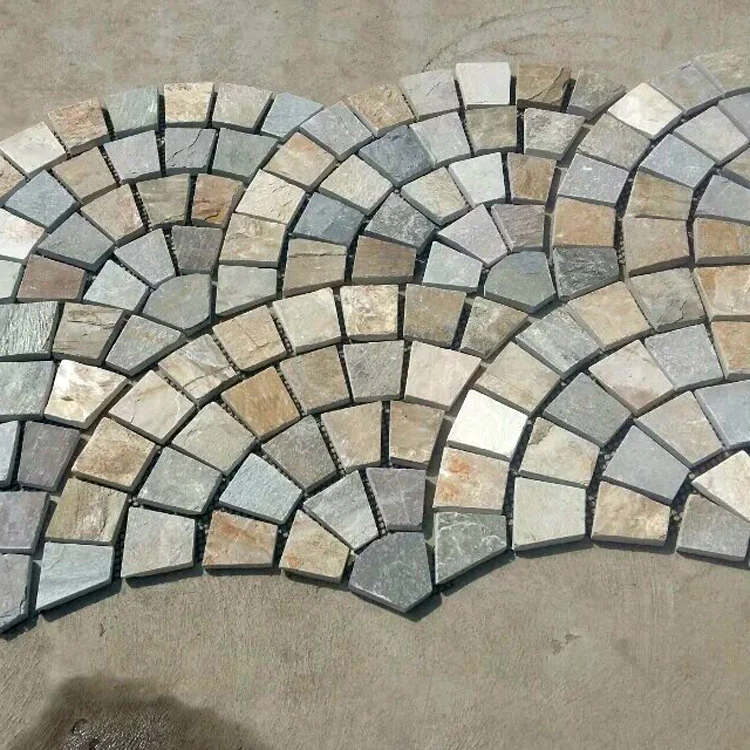
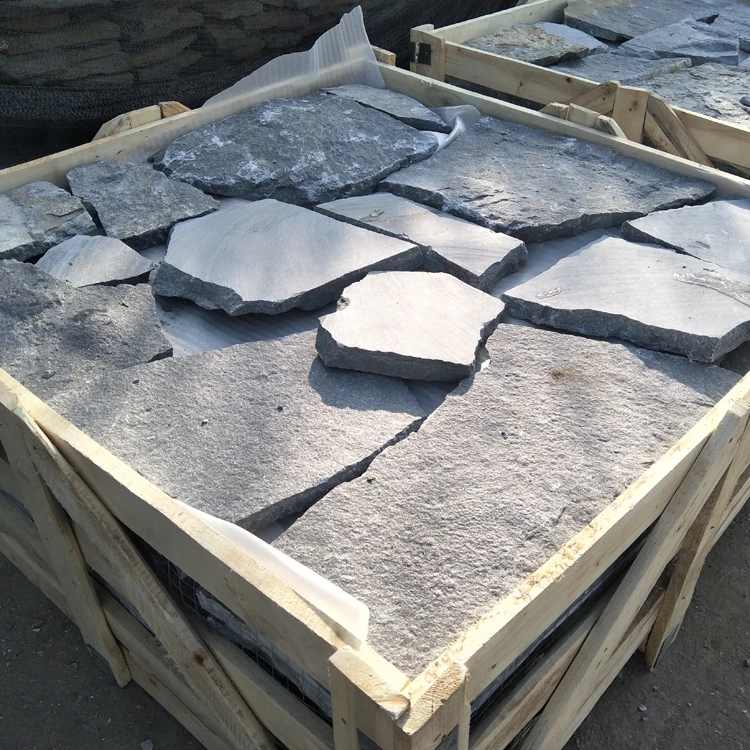
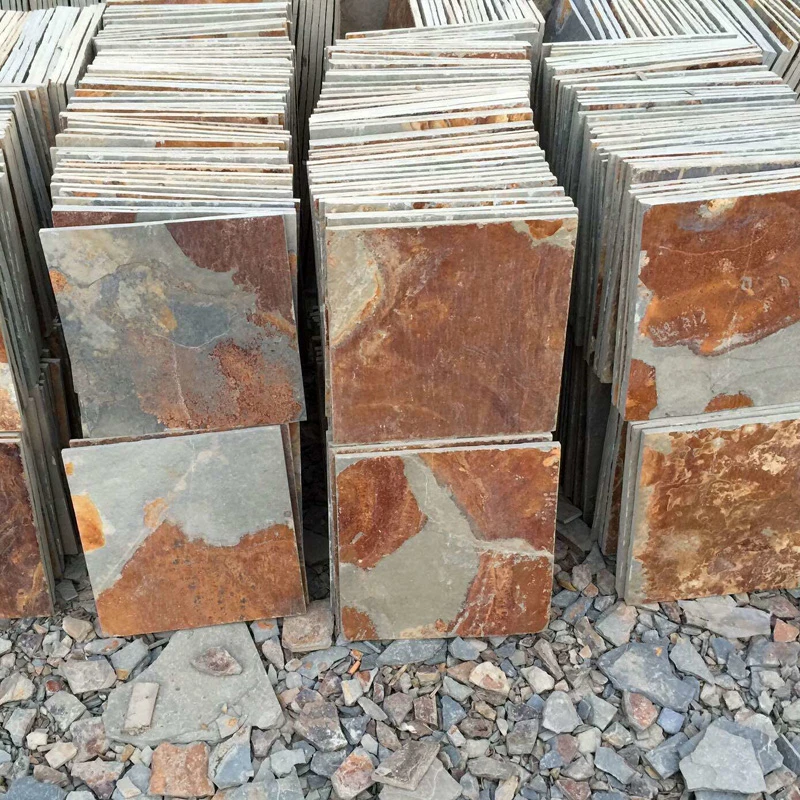
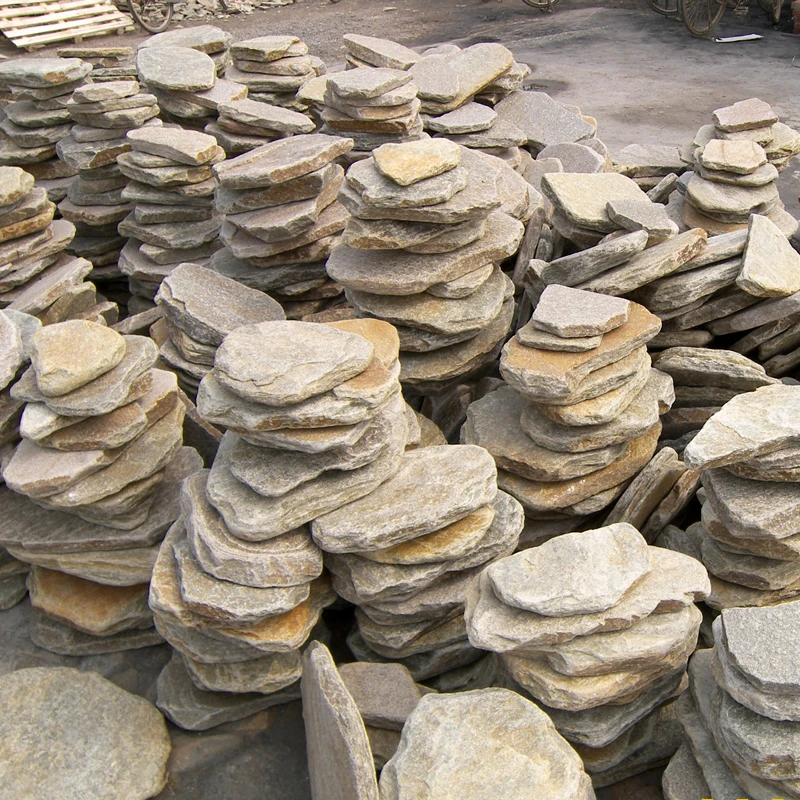
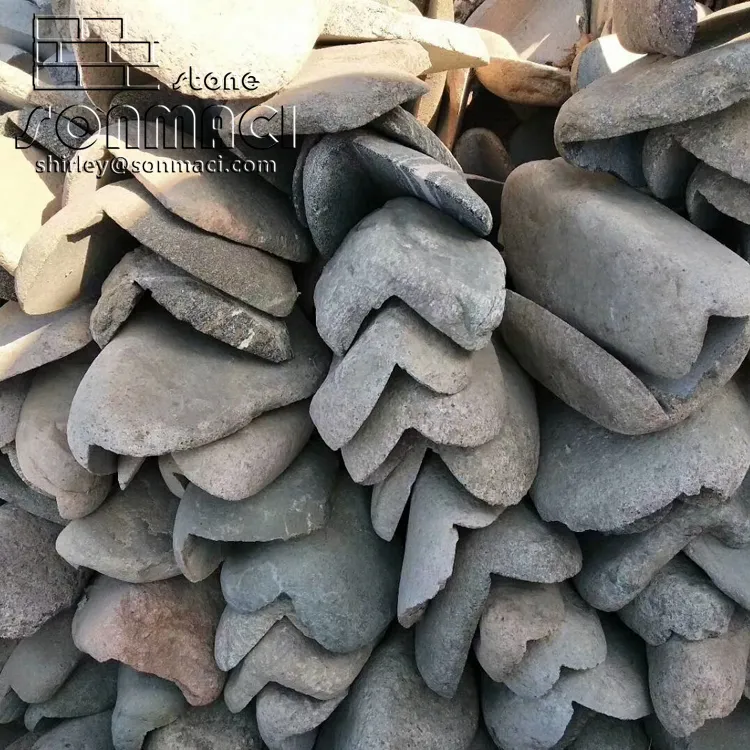
From rough-cut to smooth-faced, wide-ranging colors, and textures, stone veneers open up design possibilities that complement modern or classic architectural styles.
Environmental Impact
Some veneers come from recycled or low-impact materials, reducing landfill waste and embodied energy. Coupled with concrete blocks—which often incorporate recycled aggregates—it creates a more eco-friendly wall system.
Thermal and Moisture Control
Correctly installed veneer systems provide an air gap that acts as a drainage plane. This helps prevent moisture intrusion and improves thermal insulation performance, reducing heating/cooling costs.
Real-World Applications and Who Benefits
In North America, suburban homes and retail centers often utilize stone veneer on concrete block to achieve attractive facades without expensive masonry labor. Meanwhile in Europe, heritage buildings undergoing restoration can incorporate veneers on concrete block for discreet insulation upgrades.
Interestingly, humanitarian organizations have adopted stone veneer on concrete block for school buildings and clinics in disaster-prone zones. For example, after hurricanes in the Caribbean, modular clinics were quickly retrofitted with stone veneer walls for longevity and community pride.
Industrial facilities in harsh cold climates—like parts of Canada and Scandinavia—prefer stone veneer-faced concrete blocks because they resist salting, freeze-thaw damage, and can be easily maintained.
Stone Veneer on Concrete Block Product Specification Table
| Specification | Natural Stone Veneer | Manufactured Stone Veneer |
|---|---|---|
| Thickness | 10–20 mm | 12–25 mm |
| Weight (per sq. ft.) | 15–18 lbs | 8–12 lbs |
| Freeze-Thaw Durability | High | Moderate to High |
| Installation Method | Mortar & Mechanical Fixings | Mortar & Adhesives |
| Environmental Impact | Depends on quarrying | Lower; often recycled materials |
Comparing Top Vendors of Stone Veneer on Concrete Block
| Vendor | Product Range | Sustainability Features | Lead Time | Price Tier |
|---|---|---|---|---|
| StoneWorks Supply | Natural & Manufactured | Locally sourced stone, recycled content | 2-4 weeks | Mid |
| EcoStone Panels | Manufactured Stone Only | 100% recycled materials, low VOC | 1-3 weeks | Low-Mid |
| Heritage Masonry | Premium Natural Stone | Quarry reclamation, limited batches | 4-6 weeks | High |
Advantages and Long-Term Value of Stone Veneer on Concrete Blocks
- Cost Savings: Lower structural requirements and reduced maintenance translate into real savings over the building’s lifecycle.
- Sustainability: Many stone veneers contain recycled materials, and the system can be designed to meet high energy and environmental standards.
- Enhanced Curb Appeal: Adds a natural, luxurious finish to otherwise utilitarian concrete blocks.
- Durability & Safety: Stone veneer can withstand weather extremes and fire, improving the overall safety and lifespan of walls.
- Social Impact: Creates a sense of dignity and permanence in housing projects, especially in developing or disaster-recovery zones.
Looking Ahead: Trends and Innovations in Stone Veneer on Concrete Block
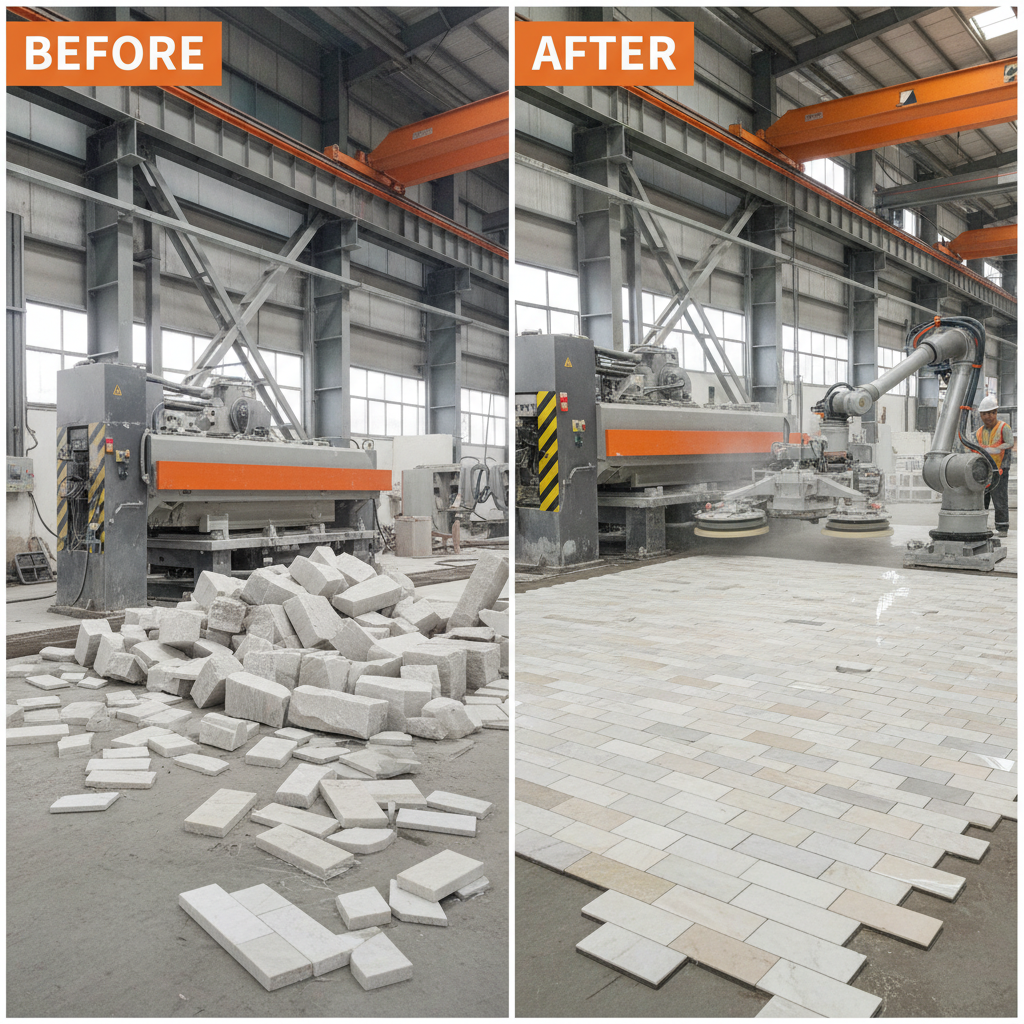
We’re starting to see digital fabrication techniques allowing for precision-cut veneer panels that speed installation even more and reduce waste. Meanwhile, integration of green insulation materials behind stone veneer is ramping up, improving energy efficiency beyond current standards.
Manufacturers are developing bio-based adhesives and sealants, contributing to more sustainable bonds between stone veneer and concrete block substrates. Oddly enough, some companies are exploring photoluminescent veneers that absorb solar energy during the day, subtly lighting walkways and facades at night.
Challenges and Practical Solutions
Of course, no system is perfect. Moisture intrusion remains a critical challenge if installers don’t pay close attention to flashing and drainage behind the veneer. Concrete block walls can also crack if foundation settlement occurs, potentially compromising the veneer’s integrity.
Experts recommend diligent site preparation, including appropriate water barriers and air spaces as well as flexible joint sealants to accommodate movement. It feels like many builders underestimate surface prep, but that’s truly the linchpin for long-term performance.
FAQ: Frequently Asked Questions About Stone Veneer on Concrete Block
- Q: How long does stone veneer on concrete block last?
- A: Properly installed, stone veneer can last 50 years or more, matching or exceeding traditional masonry durability. Key factors are quality materials and moisture management.
- Q: Is stone veneer on concrete block more expensive than brick?
- A: Generally, it’s comparable or slightly less expensive, especially when using manufactured stone veneer. Savings come from faster installation and lighter weight.
- Q: Can stone veneer be installed on existing concrete block walls?
- A: Yes, retrofitting stone veneer on older concrete block walls is common for aesthetic upgrades, provided the wall structure and moisture barriers are sound.
- Q: What maintenance does stone veneer require?
- A: Minimal—typically, periodic cleaning and inspection of mortar joints. Sealing may be recommended in certain climates to prevent moss or efflorescence.
- Q: Are there eco-friendly stone veneer options?
- A: Absolutely. Manufactured stone veneer often uses recycled materials, and some vendors prioritize sustainable quarrying and low-impact production methods.
Want to learn more about stone veneer on concrete block or explore product options? Visit stone veneer on concrete block for comprehensive guides and vendor listings.
Final Thoughts
Stone veneer on concrete block, in real terms, shines because it’s both a nod to tradition and a smart solution for modern construction challenges. Whether improving affordable housing, upgrading urban buildings, or fortifying facilities in disaster zones, it balances cost, durability, and style in a way few materials can. As technology and sustainability demands evolve, so too will the stone veneer systems—making them an investment that pays dividends far beyond the surface.
Remember, for any project aiming to blend beauty with resilience, stone veneer on concrete block is worth a serious look.
References: