Stone Veneer for Cinder Block | Durable & Stylish Construction Solutions
Stone Veneer for Cinder Block: Adding Strength and Style on a Global Scale
Stone veneer for cinder block might sound like a niche construction topic, but its importance spans continents—from sprawling urban developments in Europe to emergency housing in disaster-prone regions of Asia and Africa. Essentially, stone veneer is a thin layer of real or manufactured stone attached to cinder block walls, providing both aesthetic appeal and structural benefits. Understanding its advantages is compelling whether you’re an engineer, architect, or even someone fascinated by building innovations that combine functionality with longevity.
Why Stone Veneer Matters Globally
Looking at it through the lens of global development, cinder blocks are among the most widely used construction materials worldwide mainly because they’re affordable and quick to work with. However, their dull gray finish isn’t always ideal — that’s where stone veneer steps in. The World Bank notes that sustainable, resilient housing is crucial in climate-threatened regions, and stone veneer for cinder block offers a smart way to boost durability and energy efficiency. Plus, it’s a favorite in urban regeneration projects aiming to blend modernity with natural charm.
Yet, a challenge arises: how can progressing these technologies keep costs low while improving building performance across diverse economies? This makes stone veneer an increasingly talked-about solution, bridging aesthetics, cost efficiency, and environmental considerations in construction.
Getting to Know Stone Veneer for Cinder Block
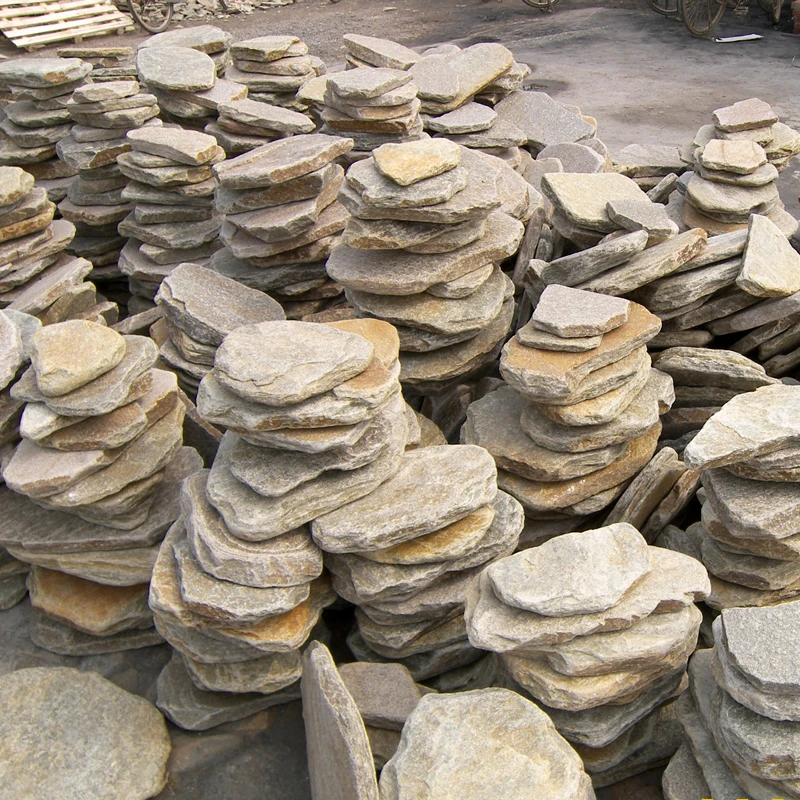
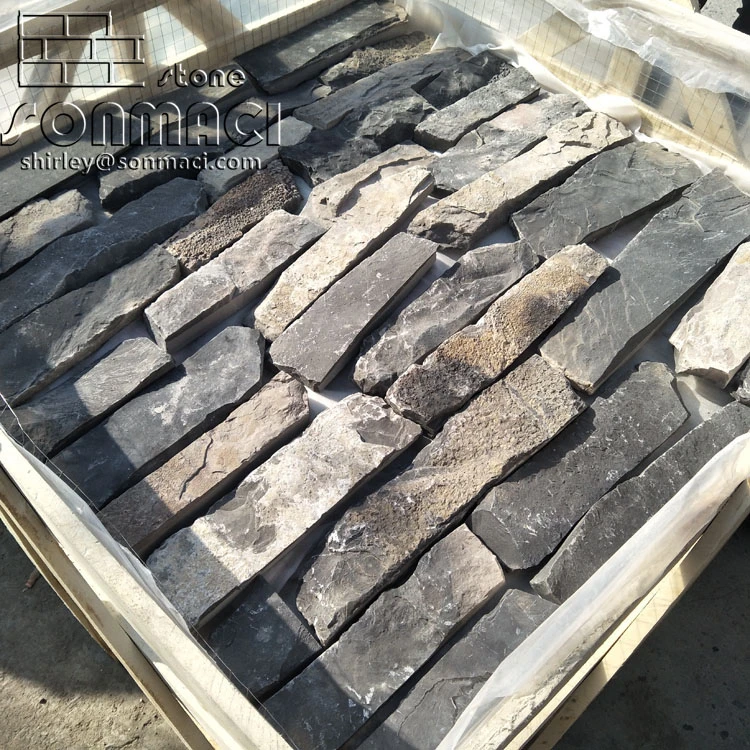
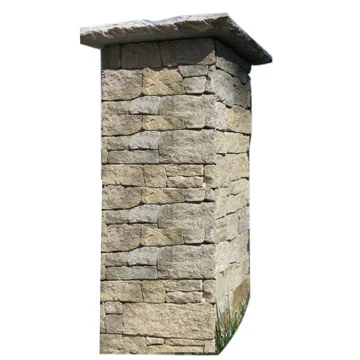
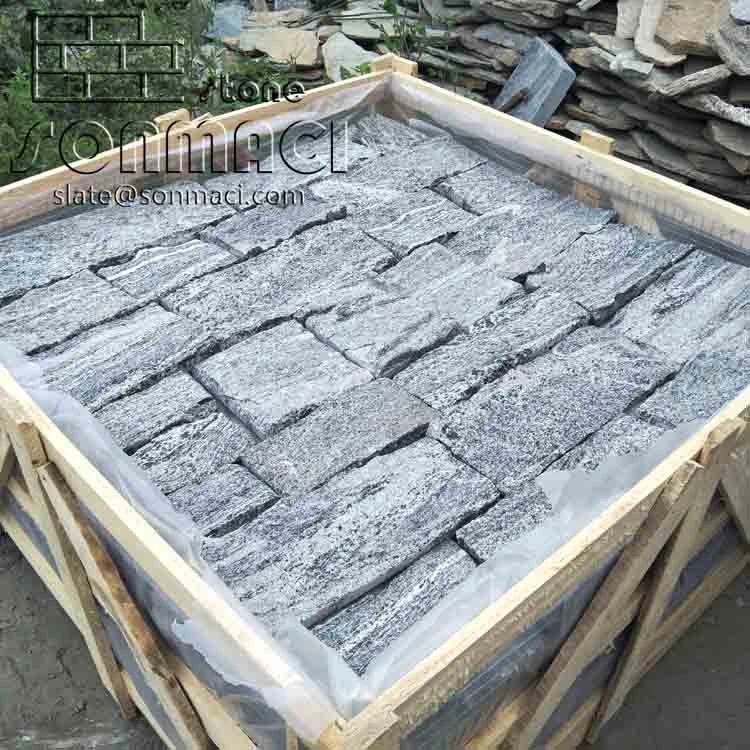
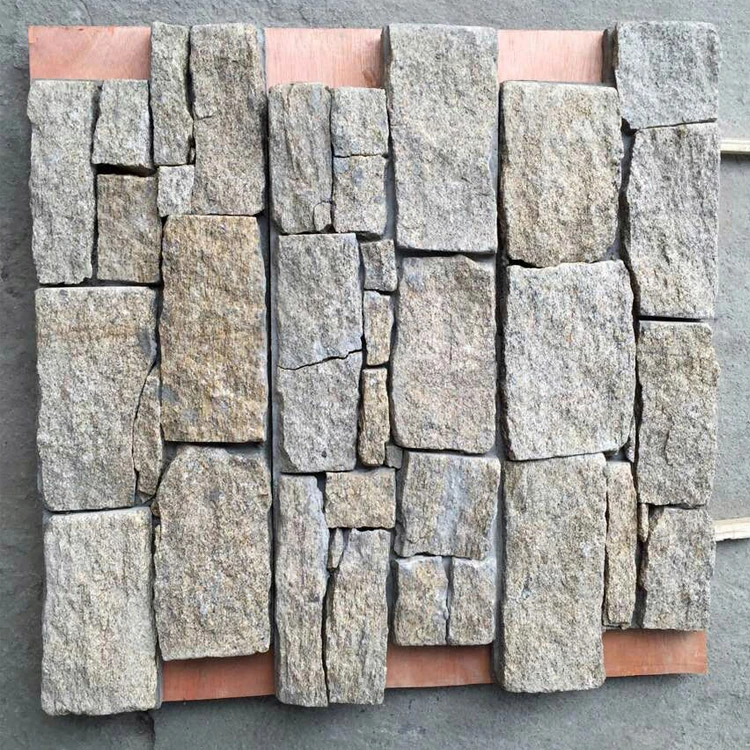
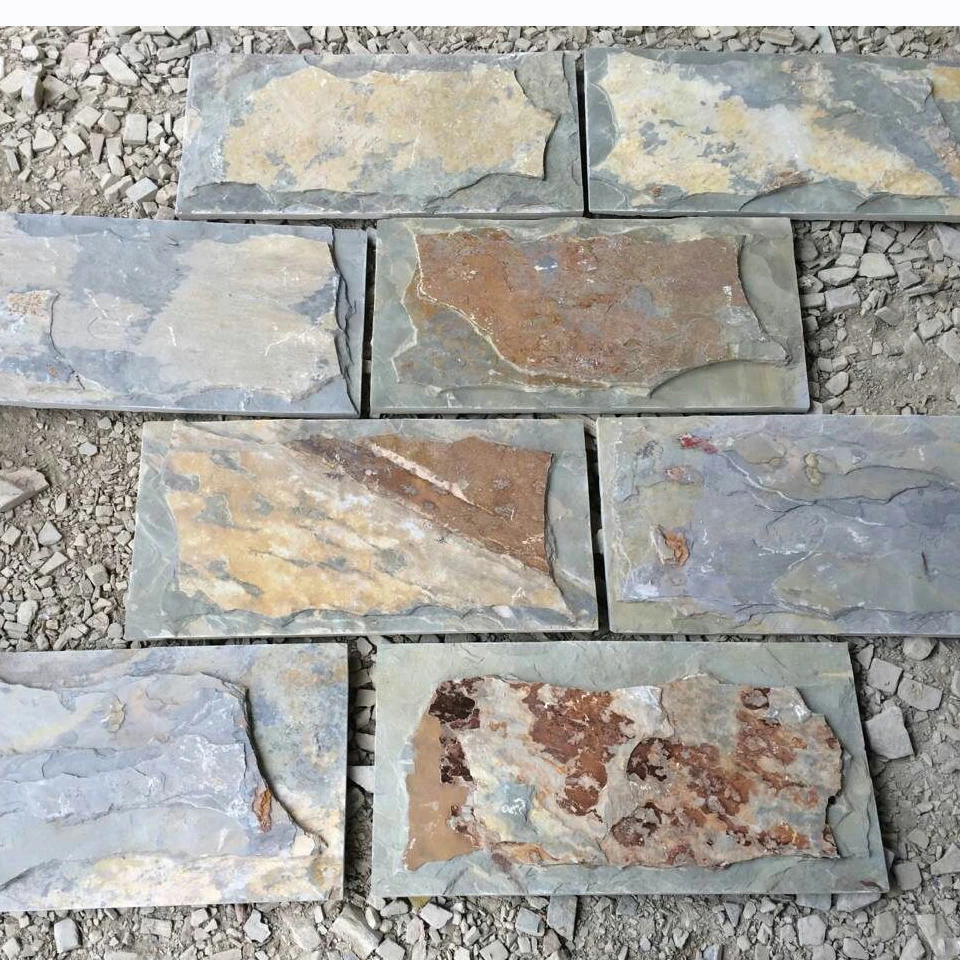
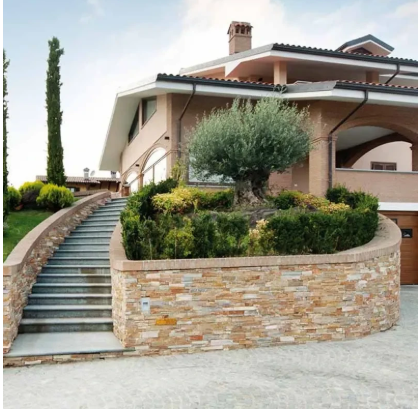
In simple terms, stone veneer is a thin, decorative layer of stone applied to the exterior or interior face of a cinder block wall. Unlike heavy natural stone, veneer is lightweight, reducing load stress and installation time. It’s essentially a skin that transforms a basic cinder block structure into something visually stunning while contributing to insulation and moisture resistance.
From a humanitarian viewpoint, stone veneer helps make modest housing more dignified and resilient, which matters when rebuilding communities after natural disasters or in developing urban centers.
Key Aspects of Stone Veneer on Cinder Blocks
Durability
Stone veneer resists weather impacts far better than bare cinder blocks. It minimizes cracking and thermal expansion, protecting the underlying wall from moisture infiltration. This is vital in humid or freeze-thaw climates.
Cost Efficiency
While stone veneer adds upfront cost versus painted or plastered cinder blocks, its impressive lifespan lowers maintenance expenses over decades. Construction projects often find this tradeoff worth it.
Installation Simplicity
Fabricated stone veneers come with standardized sizes and interlocking edges, speeding up installation even for moderately skilled workers. That’s a universal plus in both developed and emerging markets.
Energy Performance
When combined with insulation, stone veneer layers can enhance energy retention. Buildings stay cooler in summer and warmer in winter without cranking HVAC systems—a factor increasingly important with global energy costs fluctuating.
Aesthetic Flexibility
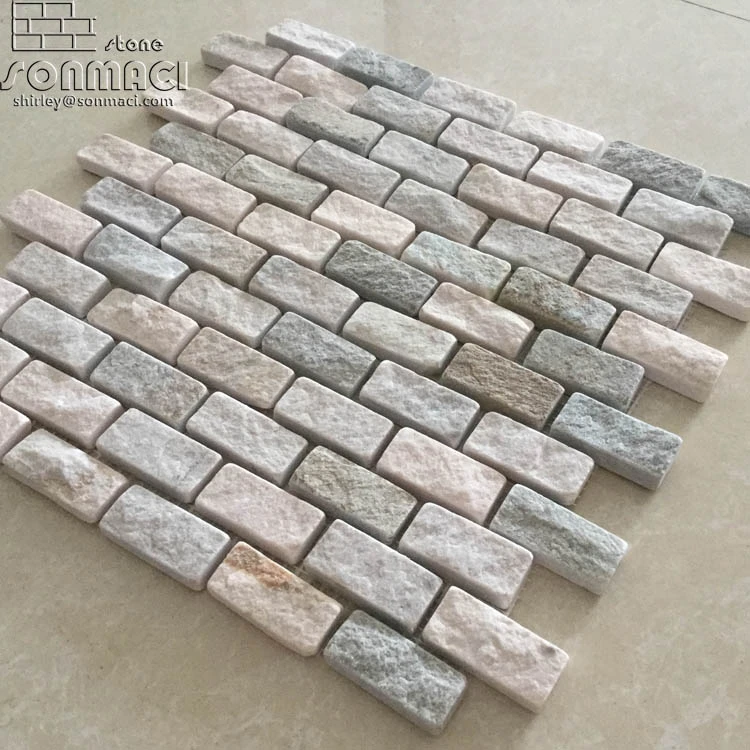
Whether you want rustic charm, sleek modernity, or something organic-looking, options abound. This makes stone veneer popular in commercial centers, private homes, and even NGO shelters.
Mini takeaway: The blend of durability, cost efficiency, and style makes stone veneer for cinder block a compelling choice for many building projects worldwide.
Where Stone Veneer for Cinder Block Really Shines
Globally, specific scenarios highlight the veneer’s value:
- Post-disaster relief housing: In regions recovering from earthquakes or floods, quick to build yet resilient homes are paramount. Stone veneer not only reinforces but inspires a sense of permanence.
- Urban redevelopment: Cities in Europe and North America refurbish aging cinder block structures with stone veneer to boost curb appeal and property values.
- Remote industrial facilities: In rugged terrains of Australia and Africa, protective and low-maintenance cladding helps structures withstand extreme weather events.
One NGO reported that incorporating stone veneer in post-tsunami Sri Lankan shelters drastically reduced repair needs after monsoons.
Product Specification Table for Stone Veneer on Cinder Block
| Specification | Details |
|---|---|
| Material Type | Natural/quarry stone or manufactured stone |
| Thickness | Typically 0.5 to 1.25 inches (12–32 mm) |
| Weight | 8 to 15 lbs per square foot (39 to 73 kg/sq m) |
| Installation | Mortar or mechanical fastening over metal lath or scratch coat |
| Thermal Resistance (R-value) | Improves wall R-value by approximately 0.2 to 0.5 |
| Lifespan | 50+ years with minimal maintenance |
Vendor Comparison: Who Leads in Stone Veneer Solutions?
| Vendor | Product Range | Pricing | Sustainability | Global Reach |
|---|---|---|---|---|
| StoneCraft Supplies | Extensive natural & manufactured veneer options | Mid-range pricing, volume discounts | Uses recycled materials & low VOC binders | Ships worldwide, strong in North America & Europe |
| EcoStone Panels | Focus on eco-friendly manufactured veneers | Premium pricing due to sustainable focus | 100% recycled content, cert ISO 14001 | Europe, Australia, limited US presence |
| Global Stoneworks | Large scale supplier, mix of natural & synthetic | Competitive pricing for bulk orders | Moderate sustainability efforts | Operations across Asia, Africa, Americas |
Advantages That Stand the Test of Time
What strikes me, after chatting with engineers and site managers, is how stone veneer blends beauty with function. It’s not just a surface upgrade but contributes substantially to safety by shielding vulnerable cinder blocks from erosion and impact. Over time, this reduces the need for pricey repairs and upkeep.
Emotionally, residents often report feeling prouder and more secure in homes wrapped with stone veneer — there’s just something inherently reassuring about stone. On a logical level, it’s energy smart and aligns with long-term urban sustainability goals, a point the International Energy Agency (IEA) emphasizes.
Emerging Trends and Future Innovations
Interestingly, the future of stone veneer on cinder block homes is getting quite high-tech. Innovations include:
- 3D-printed stone veneer panels: Customized designs printed locally to reduce transport emissions.
- Eco-enhanced composites: Blending stone with bio-based resins to improve resilience and environmental footprint.
- Integrated solar stone veneers: Veneer panels with embedded thin-film photovoltaics for energy harvesting.
These advances hint at multipurpose wall coverings — simultaneously beautiful, protective, and energy-generating.
Common Challenges & Practical Solutions
Sure, there are hurdles. Weather extremes can sometimes cause veneer delamination if adhesives or installation methods are below standard. Also, some regions lack trained installers, which delays projects.
However, modular panel systems and improved training programs are making these problems less daunting. Additionally, manufacturers have introduced flexible bonding agents that tolerate expansion without cracking.
So while challenges exist, they’re no longer deal-breakers — industry knowledge has caught up to the issues.
FAQ: Your Questions About Stone Veneer for Cinder Block
1. How long does stone veneer typically last when applied to cinder blocks?
Stone veneer can last over 50 years with proper installation and occasional maintenance. Its durability depends on climate, quality of materials, and workmanship.
2. Is stone veneer suitable for DIY installation?
While small projects can be DIY-friendly, stone veneer installation requires certain skills, especially in mortar application and waterproofing. It’s often best to hire experienced contractors to avoid costly mistakes.
3. Can stone veneer improve a building’s insulation?
Alone, stone veneer adds slight thermal resistance, but combined with proper insulation materials behind it, energy efficiency improves noticeably, reducing heating and cooling costs.
4. What’s the environmental impact of manufactured stone veneer?
Manufactured stone veneer often uses recycled materials and less quarrying than natural stone. Reputable brands follow sustainability certifications, making them a greener choice.
Summing Up: Why Stone Veneer for Cinder Block Is a Winning Choice
If you ask me, stone veneer for cinder block uniquely balances function, aesthetics, and durability, making it an increasingly popular choice worldwide. Whether you’re renovating an office building, constructing new homes, or outfitting shelters after disasters, it’s a practical, attractive, and forward-thinking approach.
Curious to see what options fit your next project? Head over to stone veneer for cinder block to explore a wide array of solutions.