Durable and Sustainable Stone Wall Facing Solutions for Modern Construction
Stone Wall Facing: A Timeless Solution for Modern Challenges
Stone wall facing might sound like something from a medieval castle restoration guide, but it’s far more than that. Globally, it's a construction technique gaining fresh relevance, with its blend of durability, aesthetics, and sustainability making it indispensable in today's architecture and infrastructure projects. Whether in urban renewal or rural development, stone wall facing stands out — preserving heritage while meeting contemporary demands with surprising efficiency. But why exactly does it matter on a global scale, and what key benefits can industries and communities reap from it? That’s what we’re diving into here.
Introduction: Why Stone Wall Facing is Gaining Global Attention
The global construction industry is worth trillions, with growing pressure to adopt sustainable, resilient materials and methods. According to data from the International Organization for Standardization (ISO) and the World Bank, more resilient building solutions are critical for climate adaptation and disaster mitigation. Stone wall facing — the application of stone veneer to walls — helps address challenges such as urban heat islands, aging infrastructure, and even humanitarian shelter needs. The problem it solves is straightforward: How to build beautiful, durable, and environmentally friendly walls that protect people and assets for decades?
Interestingly, although traditional in origin, stone wall facing has moved into the spotlight because of its performance — not just its look.
Defining Stone Wall Facing
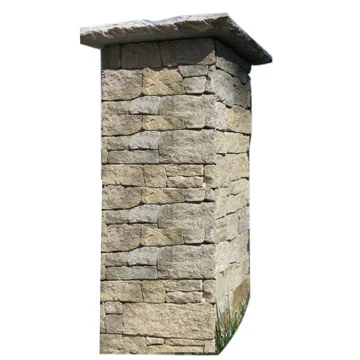
Simply put, stone wall facing is the practice of layering a thin stone veneer over a structural wall or façade. This can be natural or manufactured stone, giving the impression of a solid stone wall but with less weight and cost. It’s a technique that combines strength with aesthetics — and with modern installation methods, it’s faster and more versatile than ever.
In modern industry, stone wall facing offers a hybrid approach: masonry heritage meets temp-saving prefab. For humanitarian aid, it means an upgrade in shelter appearance and protection that often is overlooked.
Core Components of Stone Wall Facing
Durability
Stone has been used as a building material for thousands of years because it withstands the elements like few others. Facing stone protects structural walls from moisture, UV rays, and temperature extremes. Many engineers appreciate how its thermal mass helps moderate indoor climate, reducing energy use slightly but consistently.
Cost Efficiency
While natural stone can be pricey, advances in thin veneer manufacturing have drastically lowered costs. It’s roughly half the material weight of full-thickness stone, cutting transport and installation time. The upfront expense is balanced by long-term savings in reduced maintenance and enhanced property value.
Aesthetic Versatility
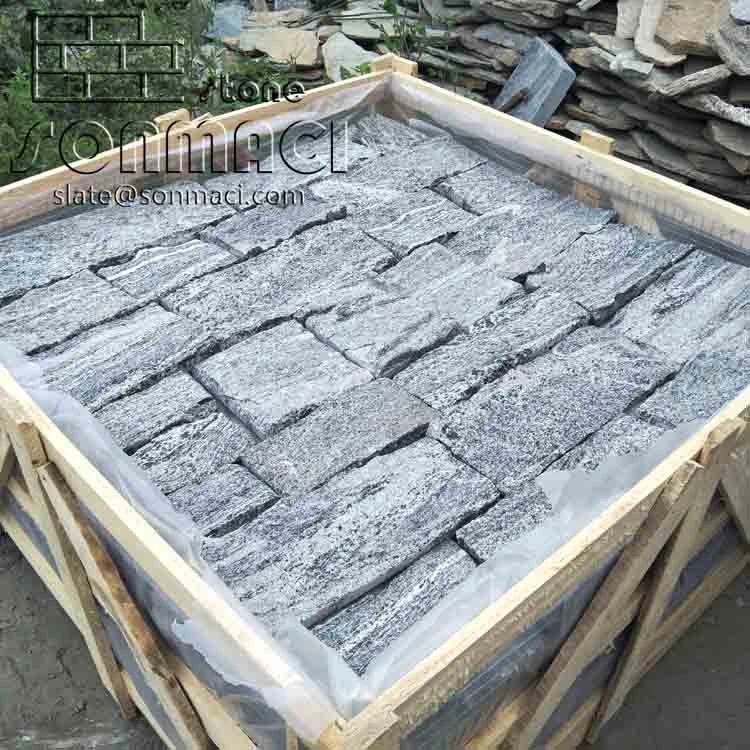
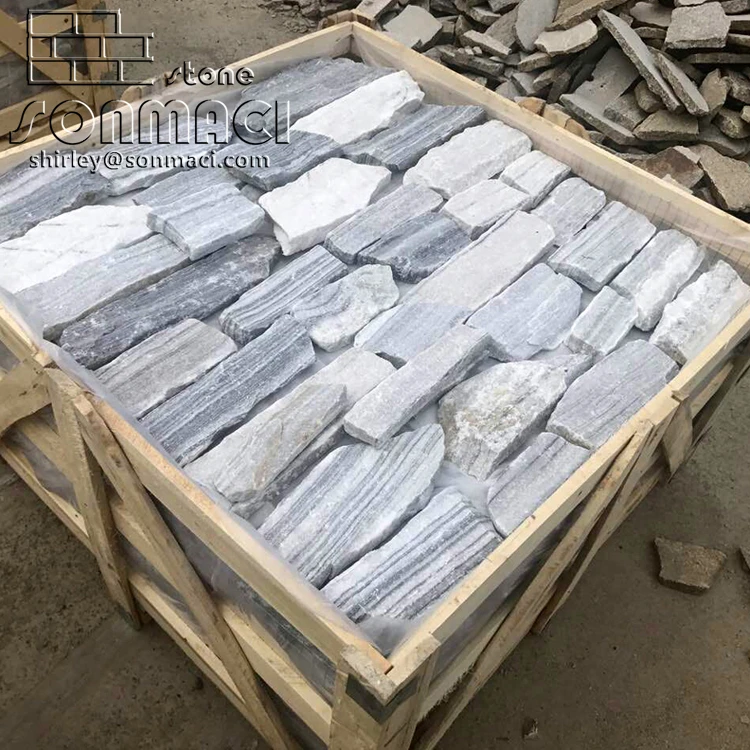
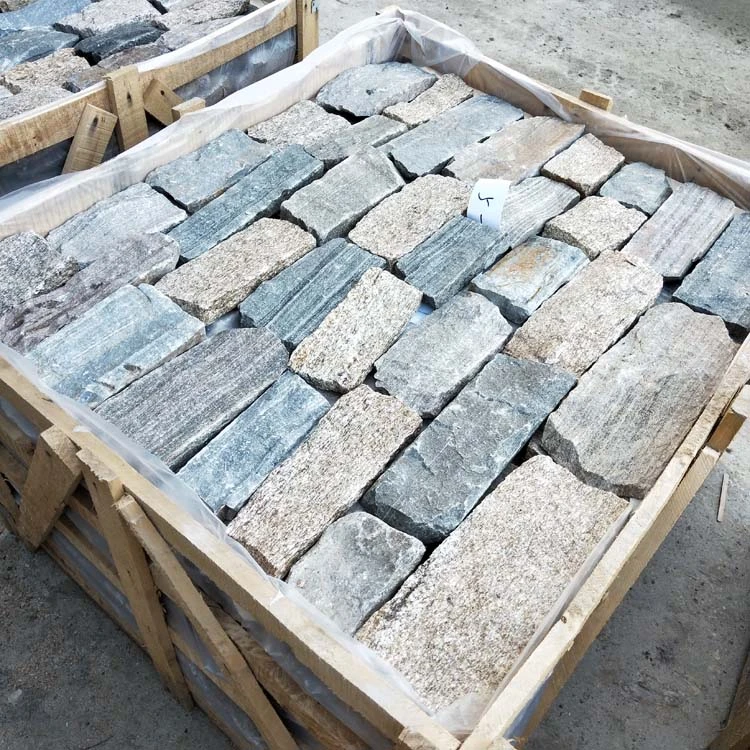
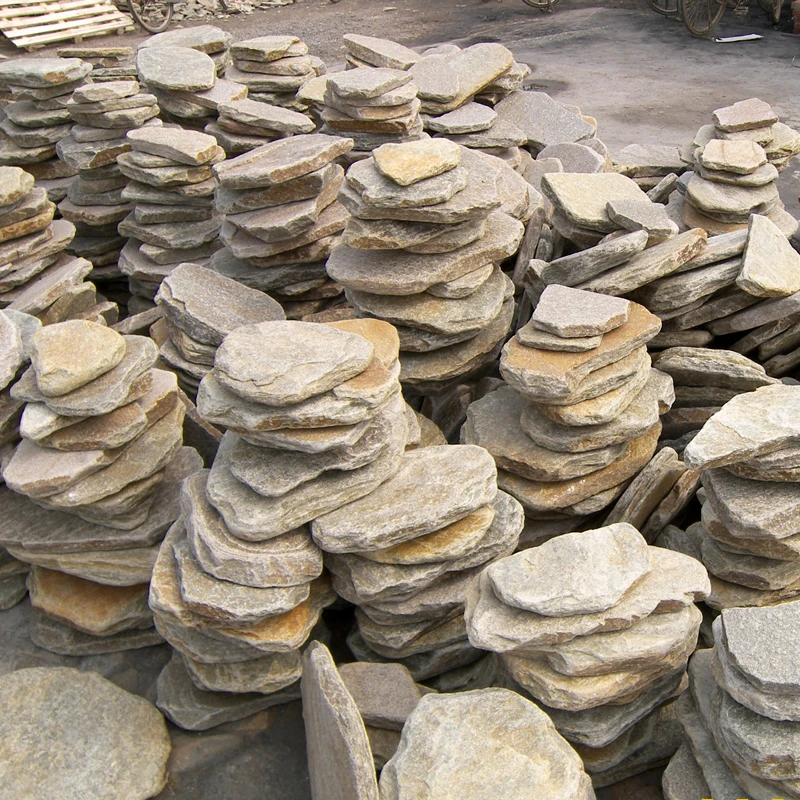
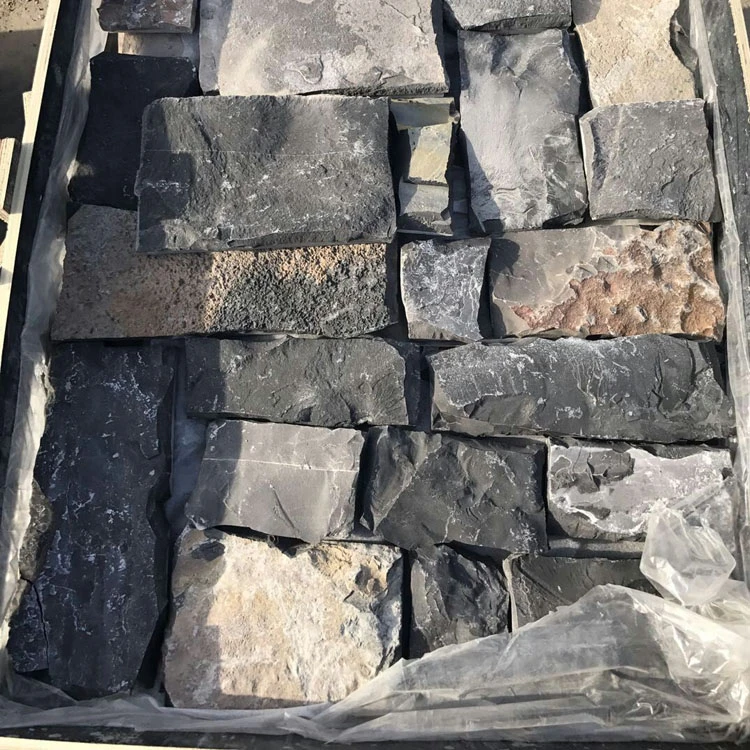
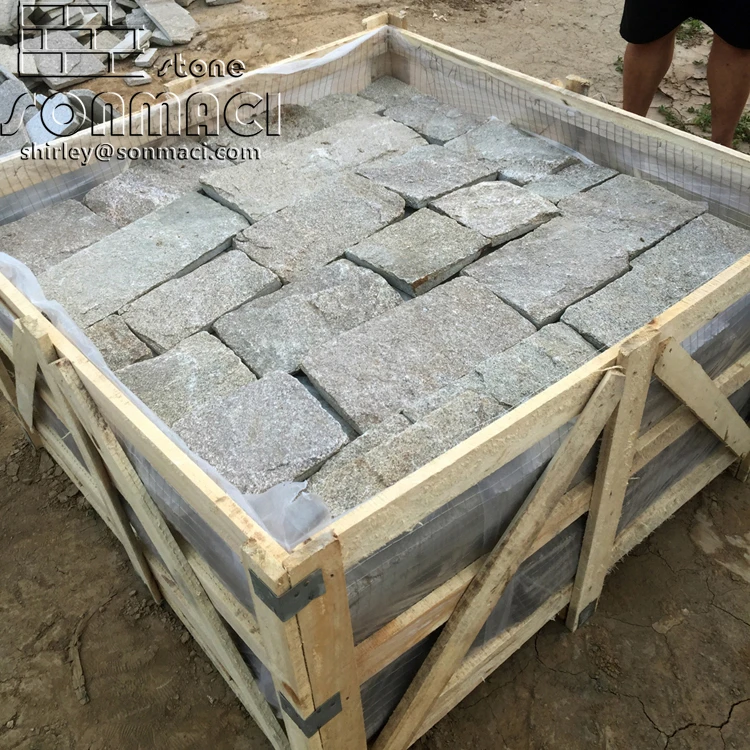
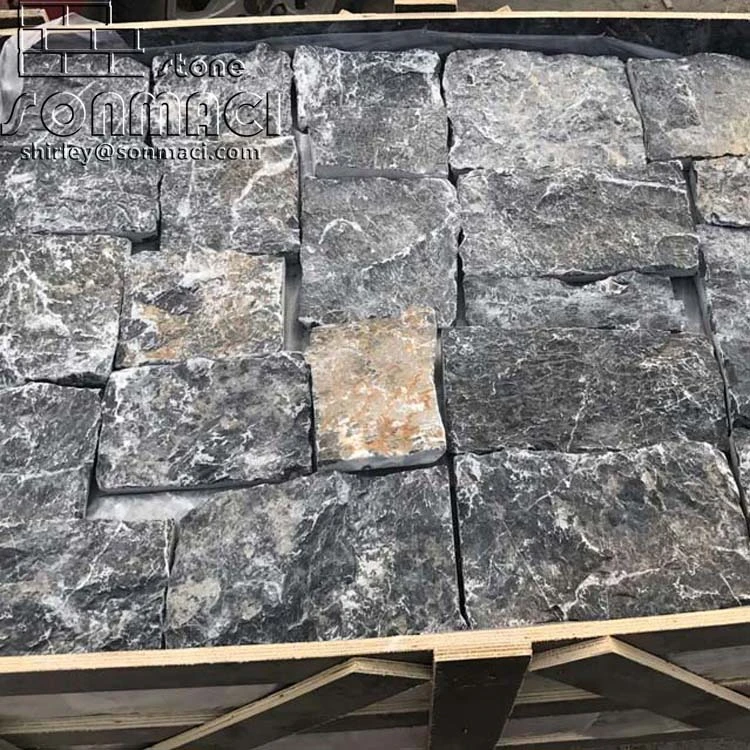
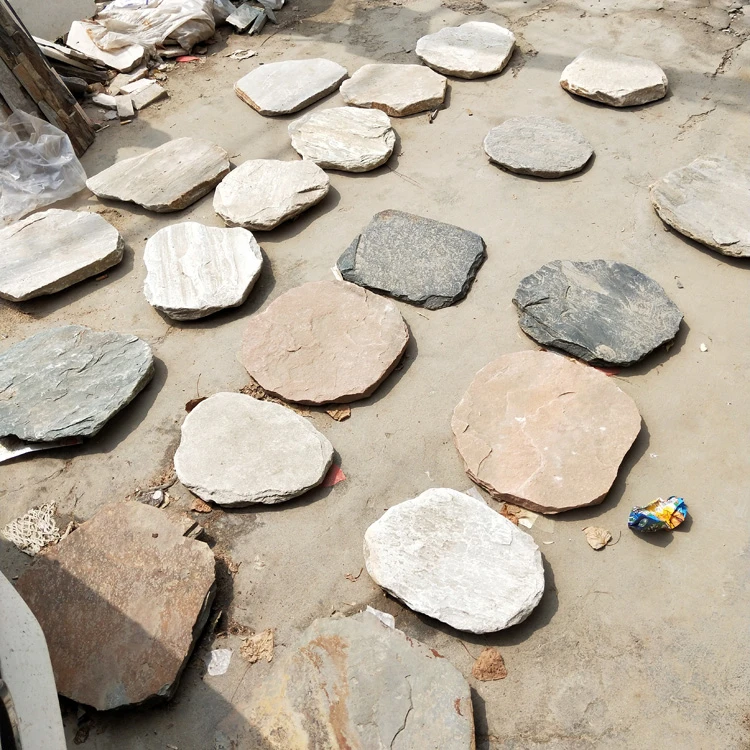
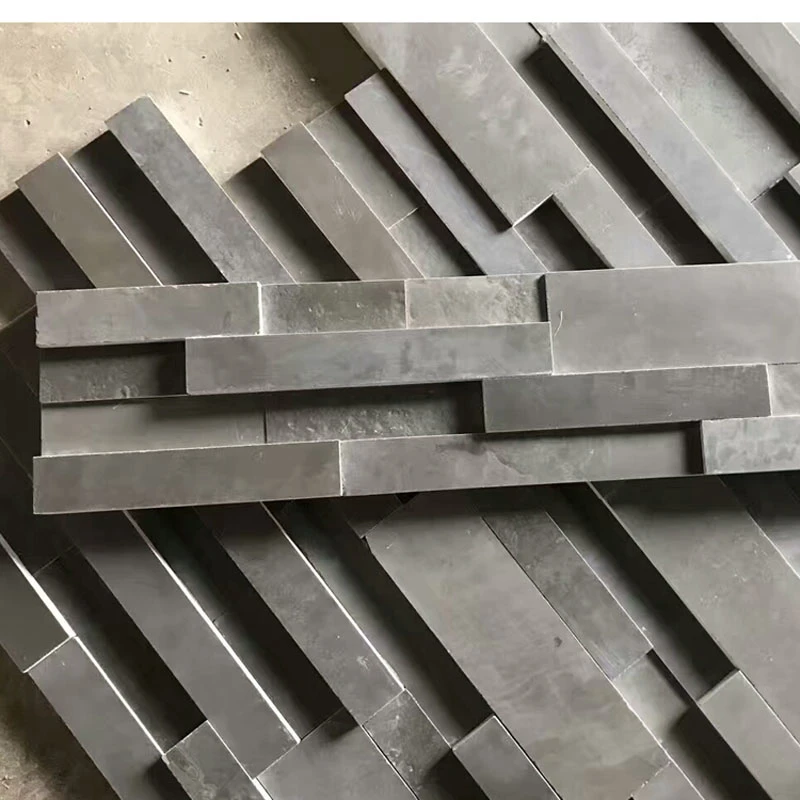
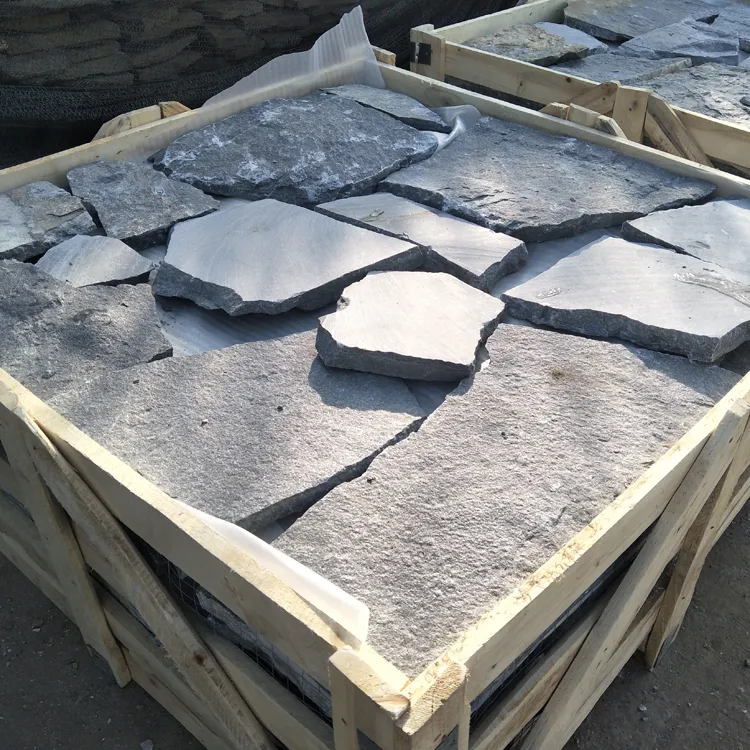
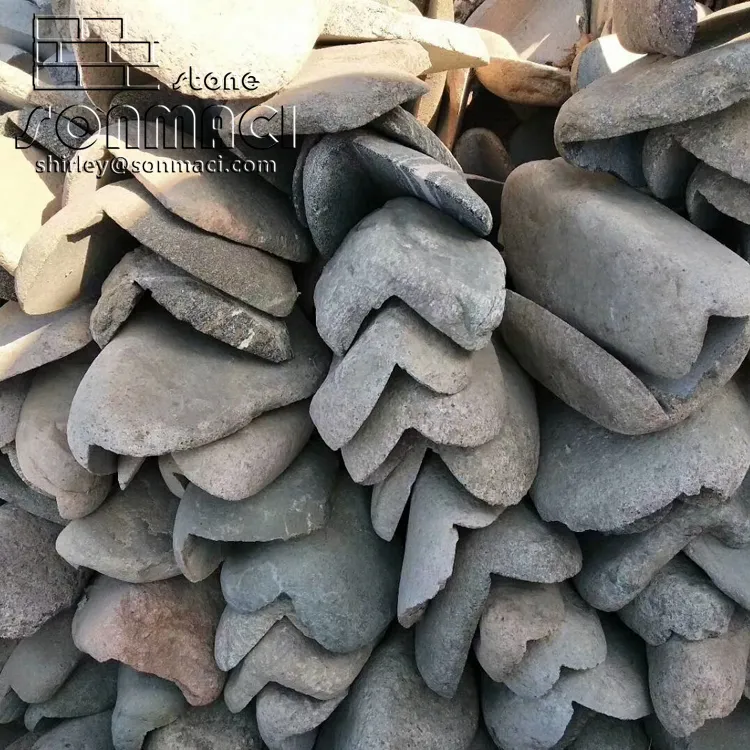
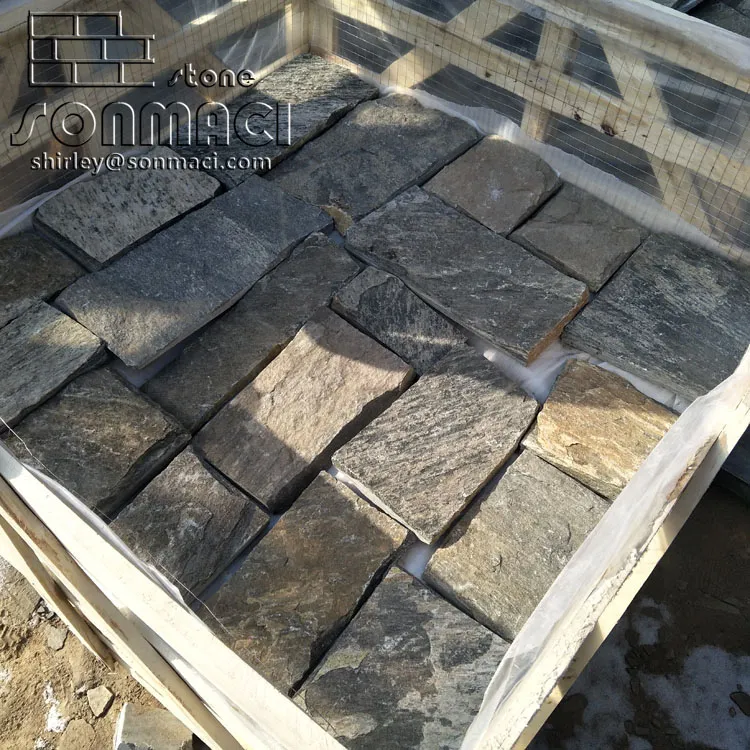
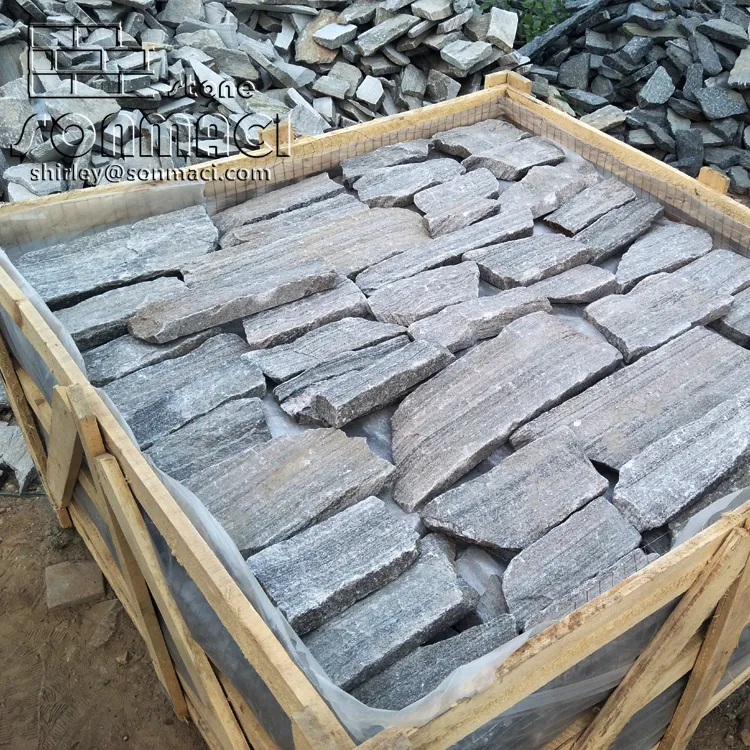
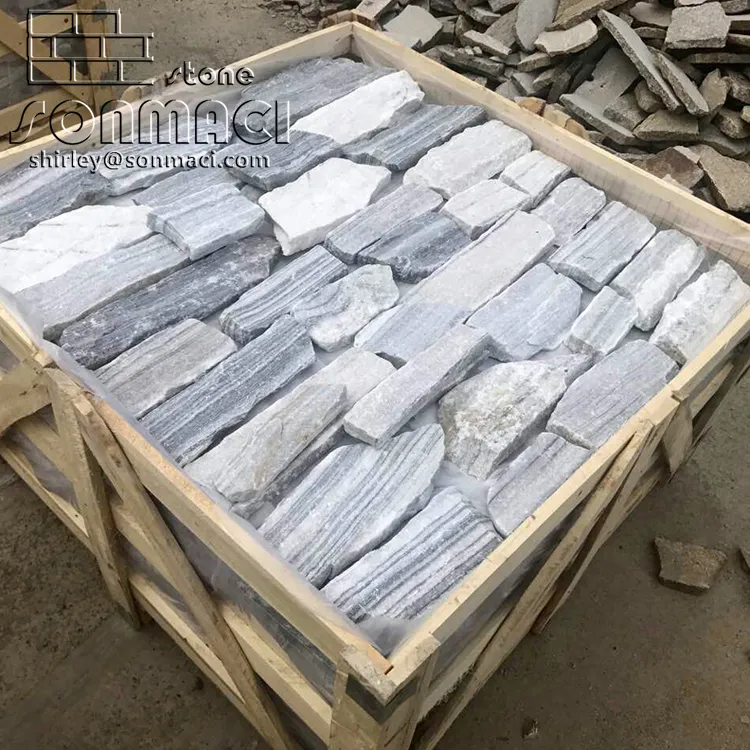
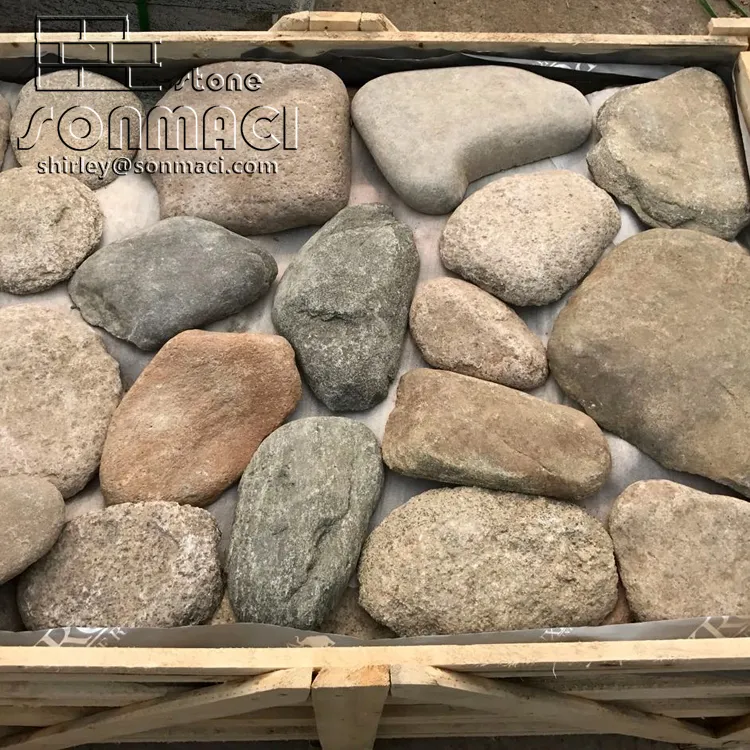
Whether you want a rugged rustic look or sleek urban modernity, stone facing adapts. You can find granite, slate, limestone, and other types in various cuts and finishes that fit nearly any design scheme. Architects love this visual flexibility paired with natural charm.
Environmental Sustainability
Stone is mostly inert, recyclable, and often locally sourced — trimming the carbon footprint significantly compared to synthetic cladding. Moreover, its longevity reduces demolition waste, aligning with circular economy goals.
Ease of Installation
Modern installation systems like dry-stack veneer or mechanical anchoring mean even less labor time and better structural integration. This speed is a boon in fast-moving construction projects.
Maintenance & Longevity
Stone walls age gracefully. A little cleaning here and there keeps them looking great for decades, unlike some synthetic sidings that fade or warp.
Mini takeaway: Stone wall facing isn’t just about looks; it’s a strategic choice balancing aesthetics, economy, durability, and eco-consciousness.
Global Applications & Real-World Examples
Stone wall facing finds its way worldwide, from the sleek façades of upscale city apartments in Europe to reinforcing community centers in Asia's rural zones. In post-disaster regions, such as after earthquakes in Nepal, NGOs have implemented stone-facing techniques for rebuilding that honors cultural styles but ups durability.
Industrially, mining facilities in remote areas of Australia use stone veneers on perimeter walls to blend security structures into harsh landscapes and thrive in extreme weather. Meanwhile, in the Middle East, thermal mass properties of stone wall facing help maintain cooler interiors under punishing sun.
And if you peek at historical restoration projects in cities like Edinburgh or Quebec, stone facing remains the go-to for repairing heritage buildings without losing authenticity.
Advantages and Long-Term Value of Stone Wall Facing
- Cost Savings: Reduced maintenance and increased property value justify the investment.
- Sustainability: Using durable, recyclable materials reduces environmental impacts.
- Safety & Security: Enhanced wall protection from elements and intrusions.
- Emotional Appeal: Stone brings a timeless dignity and solidity people trust.
- Innovation Friendly: Works well with modern insulation and structural systems.
It feels odd sometimes that something so ancient can still be so relevant, but stone wall facing is a perfect example of "old tech" doing a new job with fresh insight and better tools.
Stone Wall Facing Product Specification Table
| Specification | Details |
|---|---|
| Material Types | Natural granite, limestone, slate, manufactured stone veneer |
| Thickness | 10-30 mm (varies by stone type and application) |
| Weight | Approx. 25-60 kg/m² |
| Installation | Mechanical anchors, dry-stack, mortar bedding |
| Thermal Conductivity | ~1.7 W/mK (natural stone average) |
| Maintenance | Low; periodic cleaning recommended |
Comparing Leading Stone Wall Facing Vendors
| Vendor | Pricing | Lead Time | Material Range | Eco Certifications |
|---|---|---|---|---|
| StoneCraft Ltd. | Mid-range | 2–4 weeks | Granite, Slate, Limestone | ISO 14001 |
| NaturalStone Inc. | Premium | 4–6 weeks | Wide selection including exotic stones | LEED Verified |
| EcoStone Solutions | Budget | 1–3 weeks | Manufactured stone veneer | Cradle to Cradle Certified |
Future Trends & Innovations in Stone Wall Facing
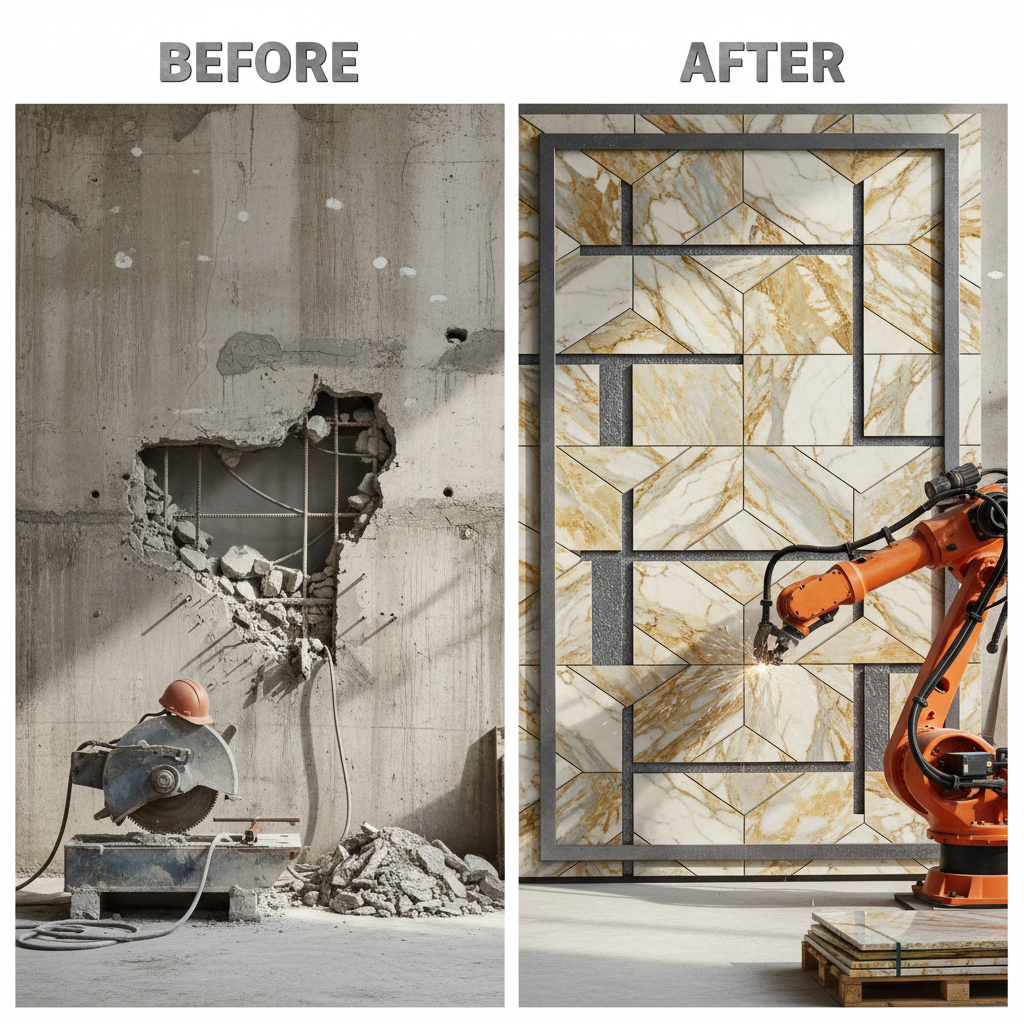
What’s next for stone wall facing? Oddly enough, even this age-old material is embracing the digital revolution. Automated stone cutting with robotic CNC machines allows for intricate designs that were once only possible by artisans. Combined with improved adhesives and thermal insulation layering, future walls will be both stunning and energy-smart.
Moreover, green building certifications increasingly require that materials demonstrate reduced embodied carbon. Stone sourced responsibly, paired with sustainable installation methods, positions stone facing as a favorite in eco-conscious construction.
Challenges and How They're Being Tackled
Of course, there are hurdles. Some complain about the initial cost, especially compared to synthetic sidings. Supply chain issues for natural stone can also cause delays, and improper installation risks moisture ingress — the bane of any wall system.
Experts suggest rigorous training for installers and prefabrication of stone panels as game changers. Also, hybrid systems using stone facing with modern waterproof membranes provide an effective workaround. It boils down to marrying tradition with tech sensibly.
FAQ: Common Queries About Stone Wall Facing
- Q: How long does stone wall facing typically last?
- A: When installed correctly, stone wall facing can last 50 years or more with minimal maintenance. Its natural durability offers decades of protection and aesthetic appeal.
- Q: Is stone wall facing suitable for all climates?
- A: Yes, stone facing performs well in most climates — from humid tropics to cold alpine zones — due to stone’s thermal mass and resistance to weathering.
- Q: Can stone wall facing help improve a building’s energy efficiency?
- A: Indirectly, yes. Stone’s thermal mass helps regulate indoor temperature swings, reducing heating and cooling demands slightly when combined with proper insulation.
- Q: What maintenance does stone wall facing require?
- Routine inspection and cleaning to remove dirt and biological growth are typically sufficient. Sealing is optional but can enhance stain resistance.
- Q: How can NGOs source stone wall facing materials for humanitarian projects internationally?
- Many suppliers offer global shipping and work with NGOs to customize orders. Connecting through certified vendors ensures compliance with local standards and sustainable sourcing.
Wrapping It Up
Stone wall facing remains a compelling choice for builders and planners who want a durable, sustainable, and beautiful finish. Its blend of old-world charm with modern innovations makes it uniquely positioned to address many challenges faced worldwide — from protecting communities against climate extremes to revitalizing urban spaces with lasting grace.
If you’re curious to learn more, or perhaps looking for the perfect stone wall facing supplier, don’t hesitate to visit our website — we have a broad range of products ready to inspire your next project.
So, next time you admire a rugged stone wall, remember there’s much more going on beneath the surface — technology, sustainability, and a subtle form of resilience passed down through centuries.