Durable & Sustainable Stone House Foundation Solutions for Modern Construction
Stone House Foundation: The Bedrock of Durable, Sustainable Construction
Building a house starts from the ground up, quite literally. The stone house foundation is one of those timeless concepts that’s anchored in tradition, yet still profoundly relevant today, whether you’re looking at rural homes in Europe or emergency shelters after natural disasters. Understanding this foundational element is crucial—not just because it supports the entire structure, but because it blends strength, sustainability, and sometimes even a bit of heritage.
Worldwide, as climate change and urban growth pressure the construction industry, solid foundations that last generations make a big difference. They help reduce resource waste, cut repair costs, and even promote safer, more resilient communities. So, what makes a stone house foundation tick, and why does it deserve a closer look?
Why Stone House Foundations Matter Globally
According to the United Nations, over 1 billion people worldwide live in inadequate housing, many in vulnerable regions susceptible to earthquakes or floods. The World Bank emphasizes that durable infrastructure, including foundations, is a key factor in improving quality of life and economic prosperity.
Stone foundations uniquely address some of these challenges. They're naturally resilient to moisture, temperature shifts, and pest damage. Plus, as per ISO standards on sustainable construction materials, stone often outperforms synthetic alternatives in terms of lifecycle environmental impact. So rather than relying solely on poured concrete or steel, stone provides a time-tested, regionally adapted solution for millions.
Stone house foundation designs can also respond well to the local environment, making them a practical choice for builders worldwide, from alpine regions to tropical zones — it’s pretty fascinating when you think about it.
What Exactly Is a Stone House Foundation?
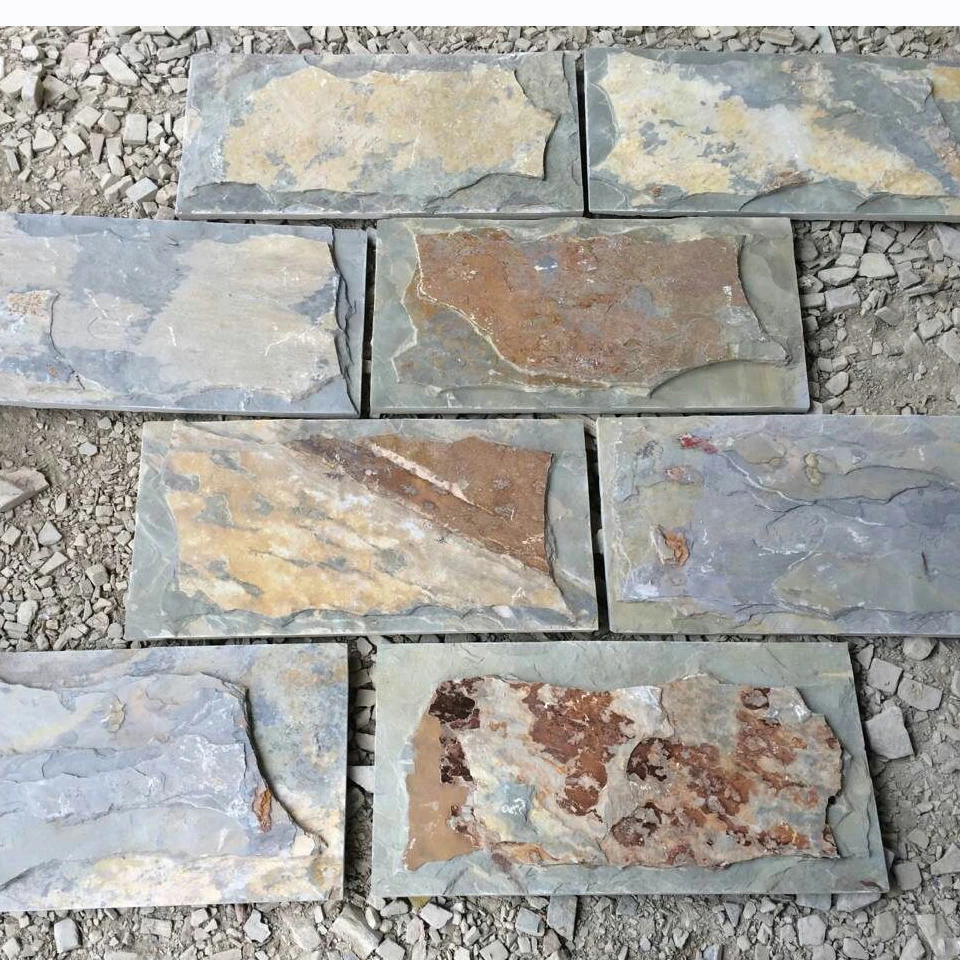
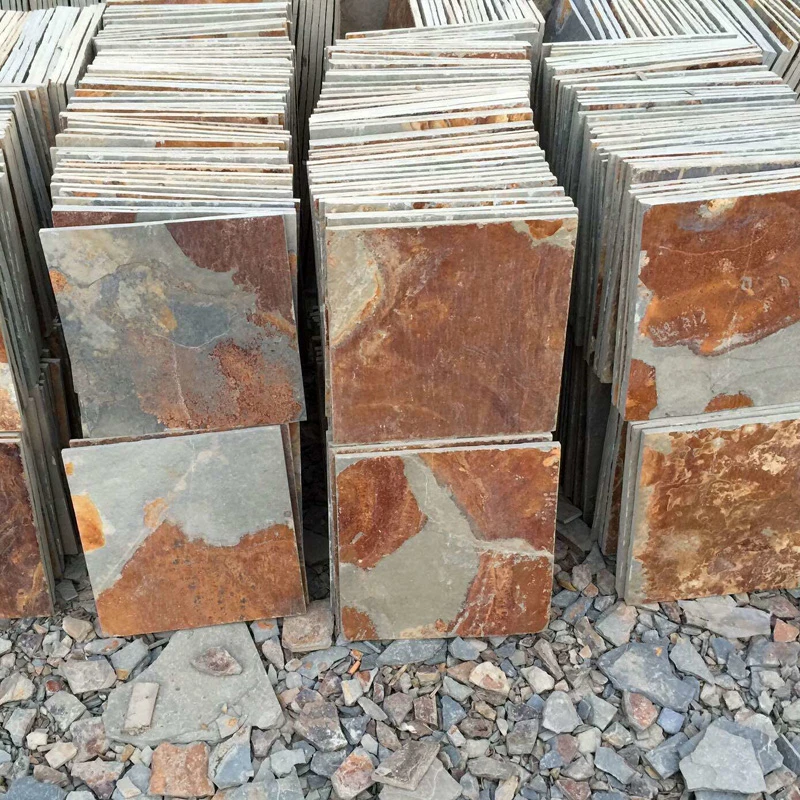
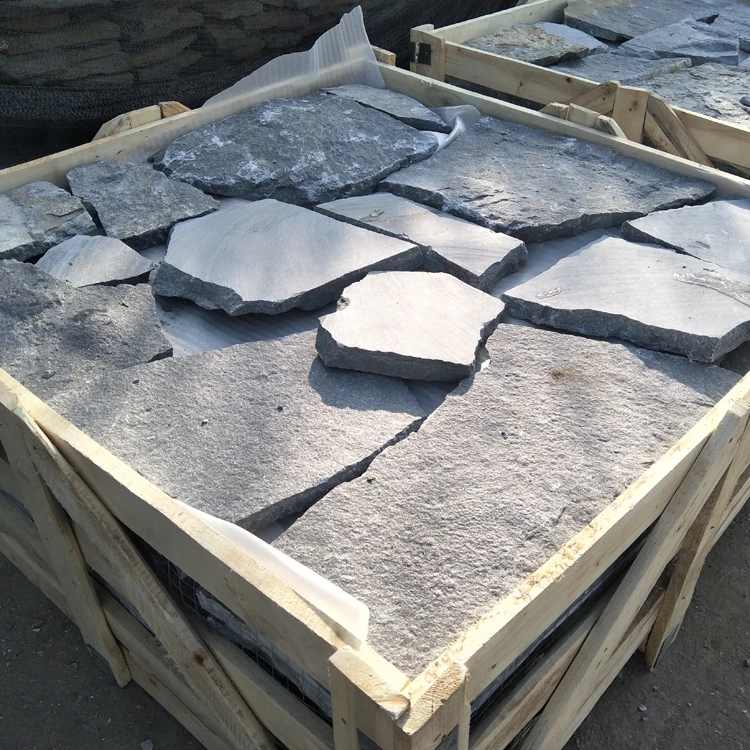
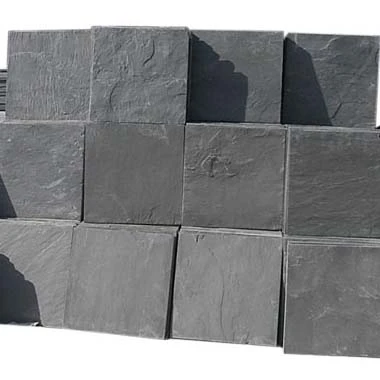
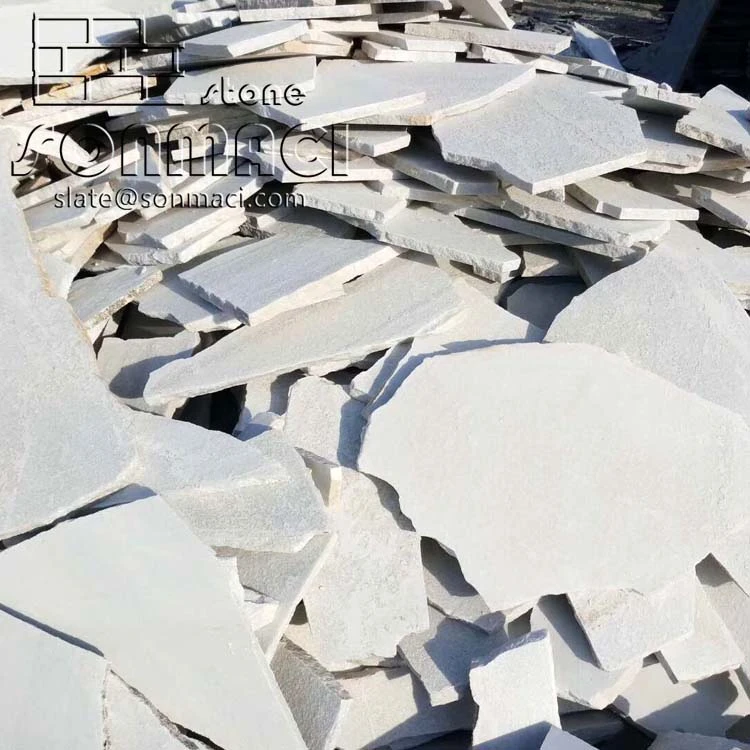
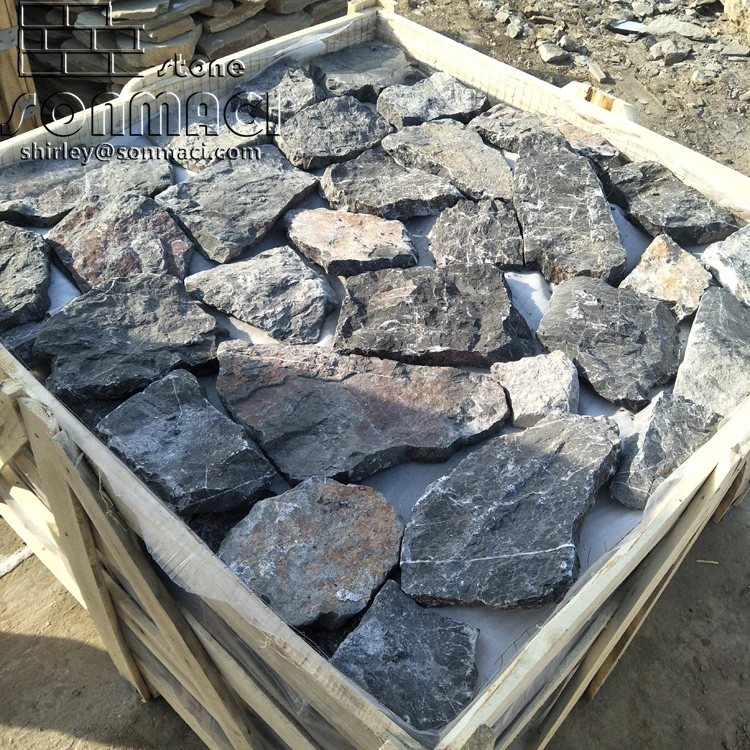
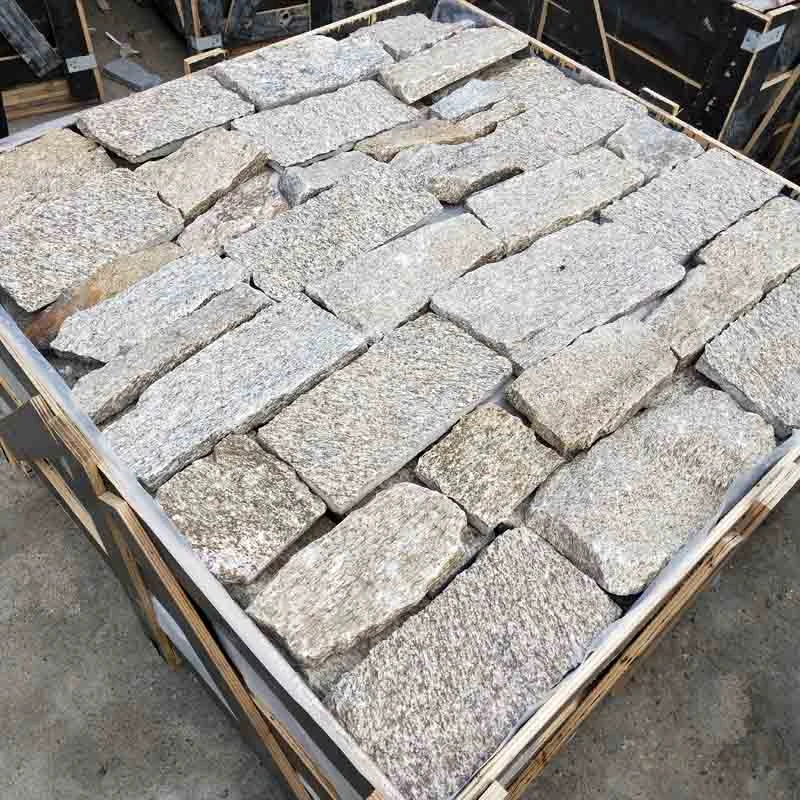
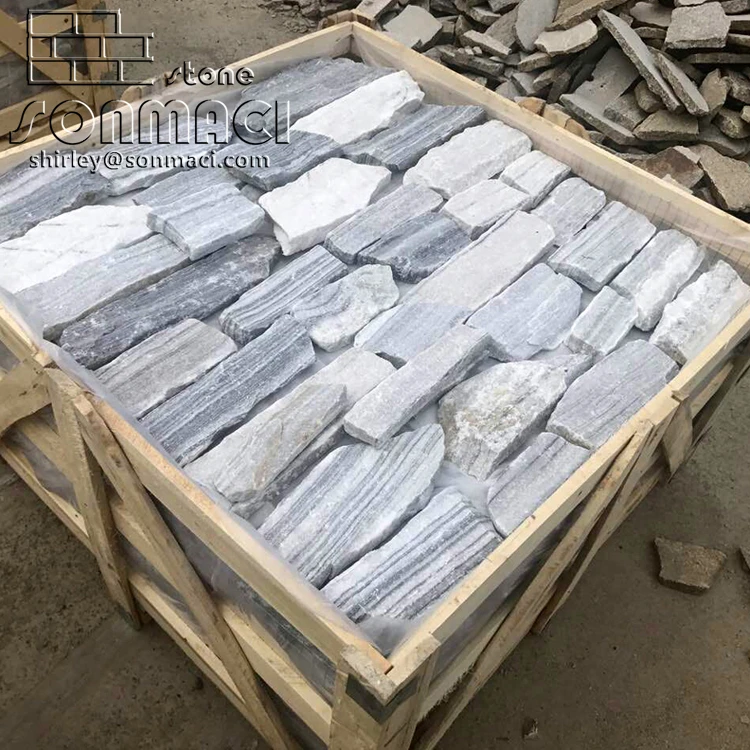
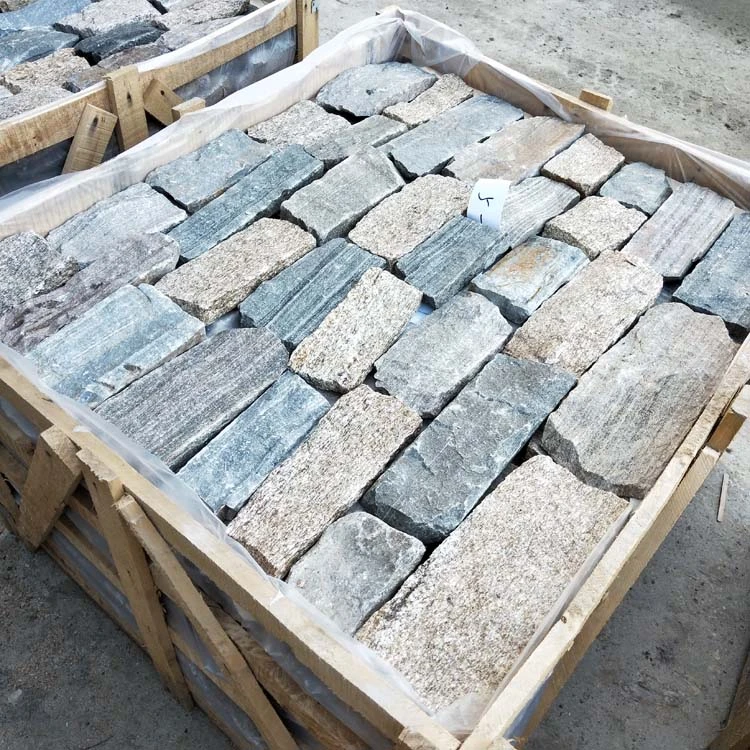
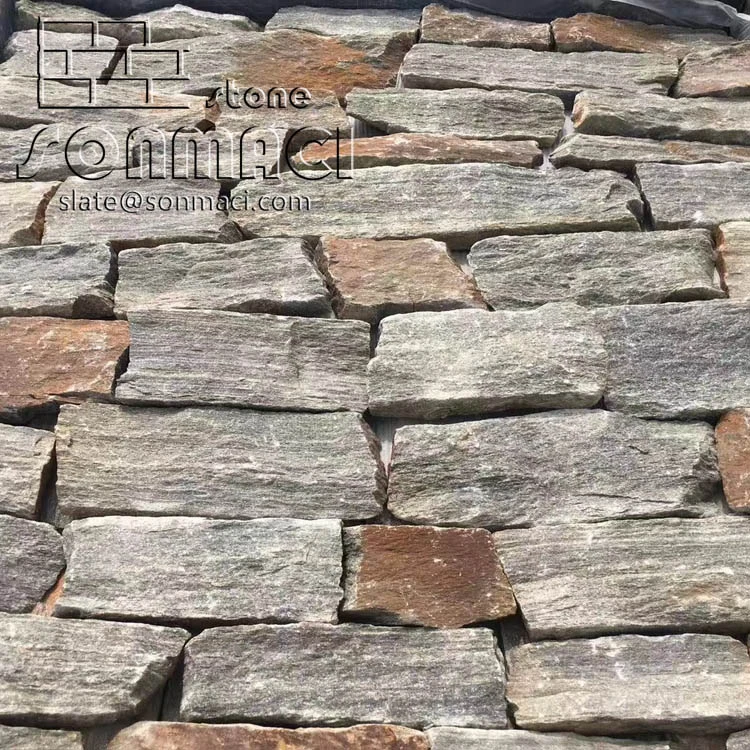
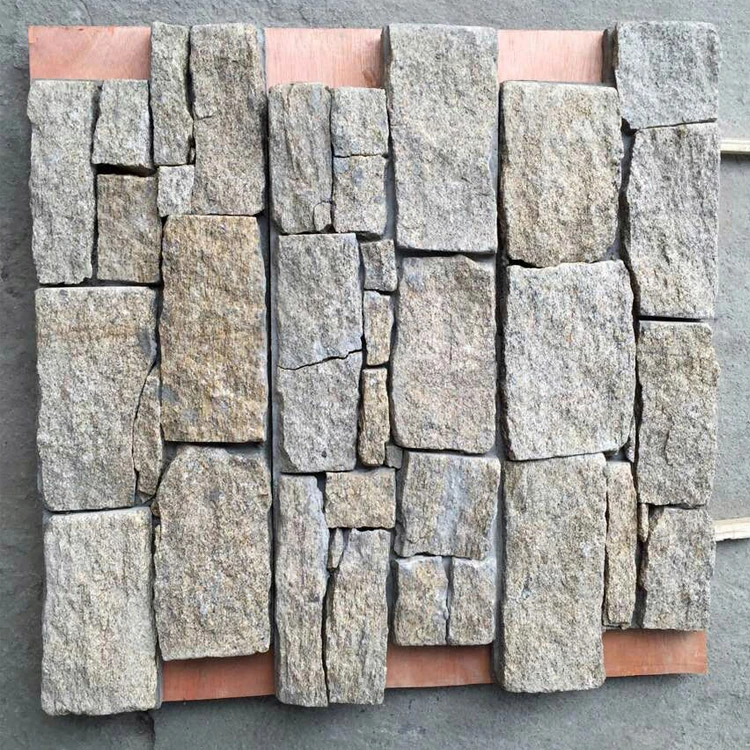
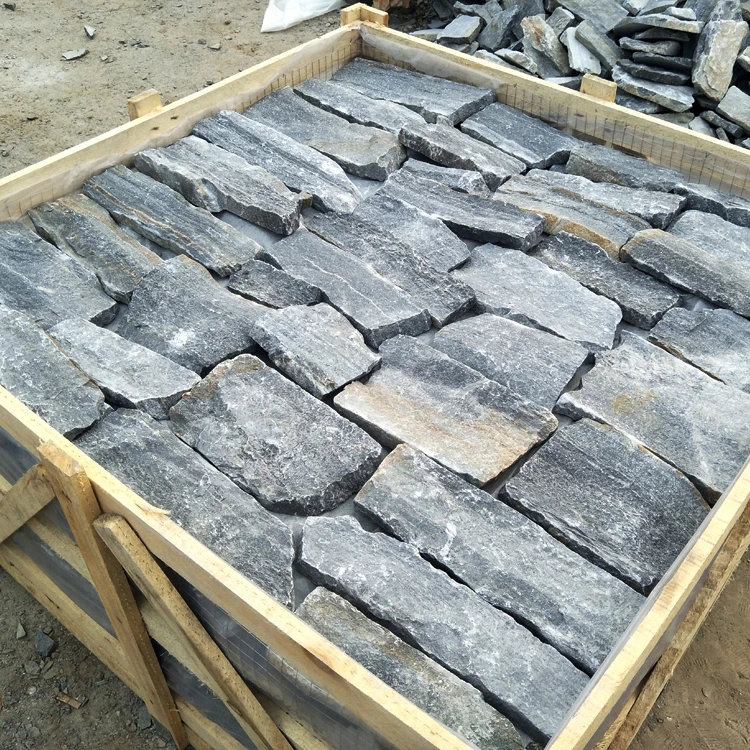
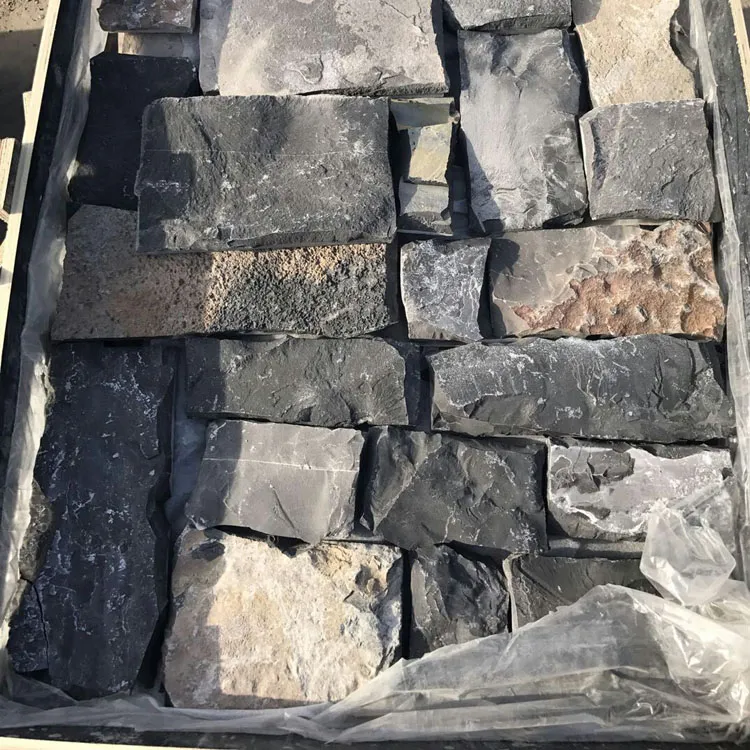
At its core, a stone house foundation is the base layer of a structure where natural stone—like granite, limestone, or sandstone—is carefully laid to bear the entire building’s load. It serves two main purposes: distributing weight evenly to prevent settling, and providing a moisture barrier between ground and home.
Historically, this method predates modern cement and steel, but modern engineers still find it relevant for certain projects where cost, sustainability, or local materials matter. The stone foundation ties into broader industry needs like natural resource management and disaster-resilient architecture, blending old-school reliability with contemporary goals.
Key Components of Stone House Foundations
1. Durability and Load-Bearing Capacity
Stone’s natural hardness makes it superb at withstanding heavy compressive forces. Many engineers say a well-built stone foundation can last 100+ years — decades longer than many modern alternatives under the right conditions.
2. Materials and Sourcing
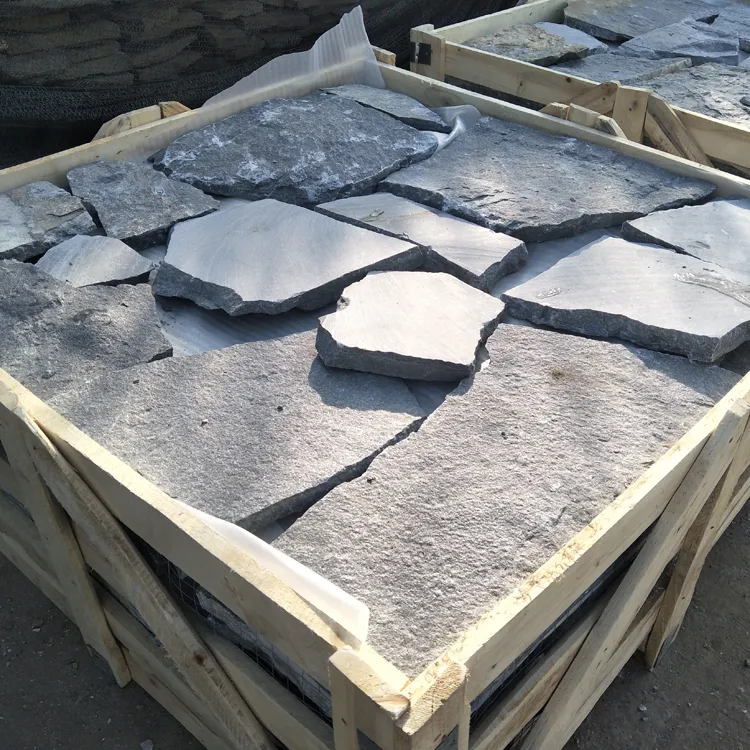
Local stone is often preferable, reducing transport emissions and costs. Granite tends to be favored for mountain regions, while sandstone or limestone suits flatter terrains. The stone size, shape, and arrangement also affect foundation strength.
3. Construction Techniques
From dry-stone (no mortar) to mortared walls, builders select techniques depending on climate and soil stability. Mortared stone foundations provide added waterproofing but require skilled labor, while dry-stone offers flexibility and drainage.
4. Moisture Control
A key feature is preventing rising damp or water infiltration. Builders incorporate barriers such as gravel drainage layers or bituminous membranes alongside stone to protect the above-ground structure.
5. Environmental Sustainability
Stone foundations boast low embodied energy compared to concrete. Plus, their longevity means fewer renovations, preserving natural resources — a crucial factor as green construction takes center stage globally.
How Stone House Foundations Are Used Around the World
Surprisingly diverse, the applications are: from rural homes in the Scottish Highlands to modern eco-lodges in New Zealand, or even emergency shelters in earthquake-prone zones.
- Post-disaster relief: In Nepal, NGOs have used stone foundations to quickly rebuild earthquake-resistant houses with local materials.
- Historic preservation: Europe’s stone foundations under chateaus inspire durable maintenance practices adapted to modern codes.
- Tropical regions: In Indonesia, stone foundations are combined with raised wooden floors to prevent termite damage and flooding.
- Industrial sites: Remote mining camps in Canada use stone bases for modular housing units where concrete is impractical.
This adaptability is why the stone house foundation is far from obsolete — it’s kind of a global “old reliable.”
Advantages and Long-Term Value of Stone Foundations
The most obvious upsides start with cost-effectiveness, especially when stone is locally sourced and labor is skilled. Besides that:
- Longevity: You’re essentially investing in a foundation that might never need replacement, unlike concrete prone to cracking.
- Sustainability: Natural rock reduces carbon footprint and unnecessary resource extraction.
- Thermal mass: Stone naturally moderates temperature swings inside the house, making indoor climate easier to manage.
- Safety & trust: Emotionally, people trust stone for its permanence—there’s a dignity in stone that steel can’t quite match.
All this means stone foundations not only save money but build community confidence and pride. It feels like you’re laying down more than just stone — you’re laying down legacy.
Emerging Trends and Innovations in Stone House Foundations
While stone might sound “old school,” tech is shaking things up. Digital scanning and 3D modeling now help design more precise stone layouts, increasing efficiency and reducing waste. Innovations in eco-friendly mortar blends and sealants also enhance moisture resistance without compromising sustainability.
Hybrid foundations combining stone with recycled concrete or recycled plastics are emerging, blending tradition and modern circular economy principles. Plus, policymakers in many countries are encouraging renewable materials—so expect incentives for stone construction soon.
Challenges and How Experts Solve Them
Stone foundations are not without issues. Challenges include the labor intensity of construction, difficulty in sourcing quality stone in some regions, and ensuring superior moisture barriers.
Experts recommend:
- Training local craftsmen to pass down traditional techniques enhanced by modern knowledge.
- Hybrid material approaches to improve flexibility and speed.
- Rigorous site soil testing to ensure proper stone and foundation type selection.
It’s a mix of respect for tradition combined with modern science and logistics, really.
Product Specification Table
| Specification | Typical Range / Value | Notes |
|---|---|---|
| Stone Type | Granite, Limestone, Sandstone | Regional availability dictates choice |
| Foundation Depth | 600mm–1200mm | Depends on soil and frost line |
| Mortar Use | Dry-stone or cement mortar | Climate and skill dependent |
| Load Capacity | Up to 2500 kN/m² | Sufficient for most residential uses |
| Expected Lifespan | 50+ years | Can extend much further with maintenance |
Vendor Comparison: Leading Stone Foundation Providers
| Vendor | Material Options | Construction Method | Pricing Range | Lead Time |
|---|---|---|---|---|
| StoneBuild Inc. | Granite, Limestone | Mortared Wall Construction | $$$ | 4-6 weeks |
| Heritage Stones | Sandstone, Reclaimed Stone | Dry-Stone Walling | $$ | 3-5 weeks |
| EcoFoundation Ltd. | Mixed Local Stones | Hybrid Mortared + Insulated | $$$ | 5-7 weeks |
Frequently Asked Questions About Stone House Foundations
Q1: How does a stone foundation compare to concrete in terms of durability?
A stone foundation, especially when well-built using quality materials like granite or limestone, can outlast concrete in many environments. Stone is highly resistant to cracking and moisture damage, which commonly plague concrete over time. However, concrete often offers faster construction and uniformity, so the choice depends on local conditions and project goals.
Q2: Can stone foundations be adapted for earthquake-prone areas?
Yes, with appropriate design techniques. Dry-stone foundations provide some flexibility during seismic activity, allowing stones to shift without collapsing. Modern engineering also incorporates reinforcement and base isolation methods, combining traditional materials with innovation to boost earthquake resilience.
Q3: Are stone foundations more expensive than other foundation types?
Initial costs can be higher if skilled labor or special stone types are required, but lower transport costs for local stones can make it competitive. Importantly, long-term maintenance and replacement expenses are often much lower with stone, yielding better overall value.
Q4: How do stone foundations affect indoor temperature regulation?
Stone’s natural thermal mass helps moderate indoor temps by absorbing heat during the day and releasing it slowly at night. This effect can reduce heating and cooling demands in many climates, enhancing comfort sustainably.
Q5: What maintenance do stone foundations require?
Generally, minimal. Periodic inspections to check mortar condition and moisture barriers suffice. Addressing drainage issues early prevents deterioration, making upkeep straightforward compared to other foundation types.
Wrapping It Up: Why Stone House Foundations Still Matter
It feels oddly reassuring to think that beneath all the modern design and tech, some of the best answers remain simple, natural, and old-fashioned. Stone house foundations offer an unmatched blend of durability, environmental friendliness, and cultural value. For anyone interested in building homes that truly last—whether in remote villages or growing urban areas—they deserve a serious look.
Want to dive deeper into stone foundation options? Visit our site stone house foundation for expert advice, product offerings, and case studies to help you build on solid ground.