Discover Sustainable Living with Stone Fascia House Solutions
What Is a Stone Fascia House and Why It Matters Globally
The idea of a stone fascia house might sound a bit niche, but it’s actually reshaping how we think about sustainable architecture and resilient housing worldwide. In essence, these are homes tailored with stone facades that give them a unique mix of durability, aesthetic appeal, and energy efficiency—qualities increasingly in demand in the wake of rapid climate changes and urban expansion.
Globally, millions face housing shortages or dwell in structures that just don’t stand up to environmental challenges. Stone facade houses offer a compelling solution, delivering practicality with style, and driving a push for greener building materials aligned with international agreements like those from the United Nations Framework Convention on Climate Change. Understanding their benefits can help stakeholders from architects to NGOs make smarter, longer-lasting housing choices.
The Global Landscape of Stone Fascia Housing
Across continents, from the Mediterranean to parts of Asia and North America, stone fascias have been rediscovered as a front runner for environmental responsiveness. According to a recent ISO report, sustainable construction materials demand is growing by 8% annually worldwide, driven primarily by urbanization and climate concerns.
However, traditional construction struggles with energy inefficiency and maintenance costs. This challenge fuels the rise of stone fascia houses, which inherently insulate better and stand up to weather extremes, cutting down heating and cooling needs. The catch, though, remains in the upfront costs and sourcing quality materials sustainably, which is a puzzle the industry continues to solve.
Defining the Stone Fascia House
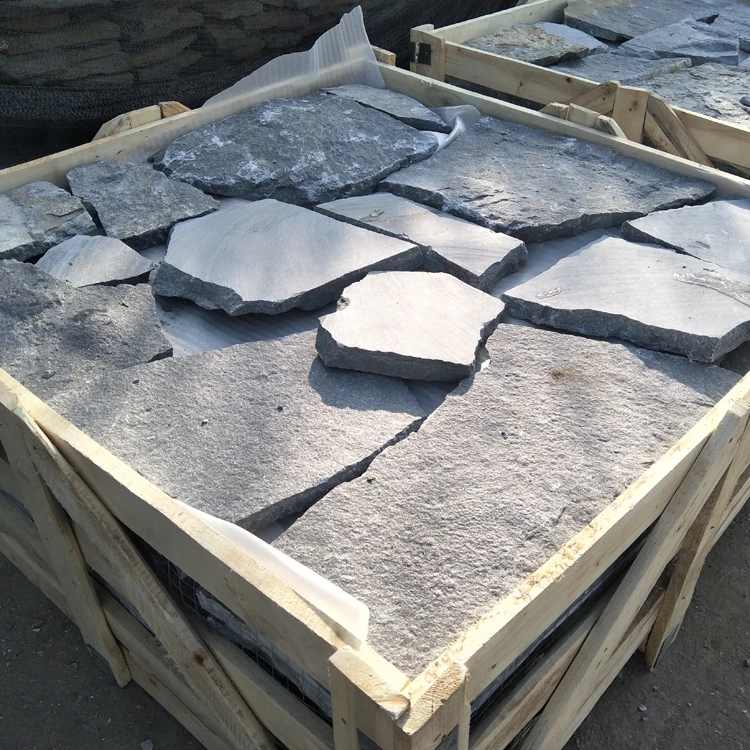
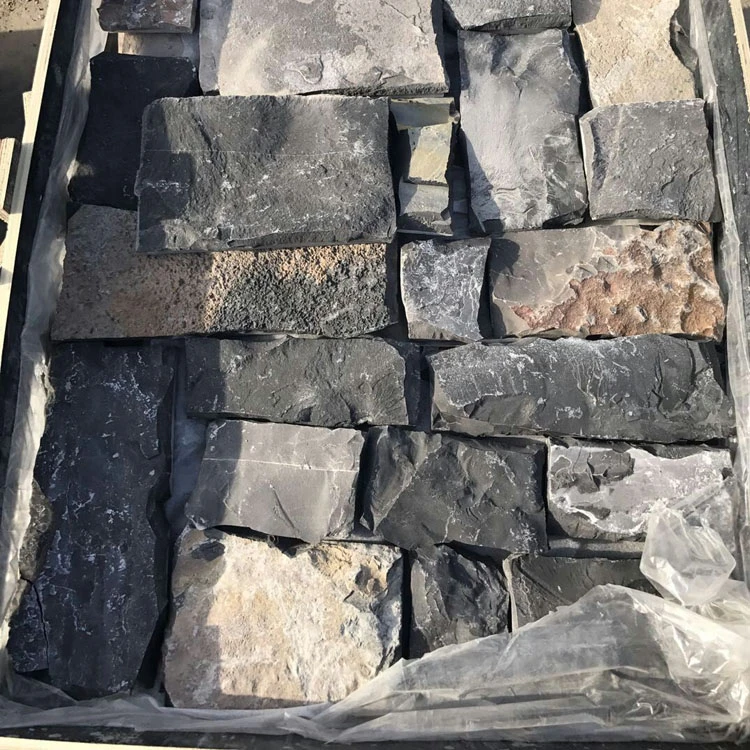
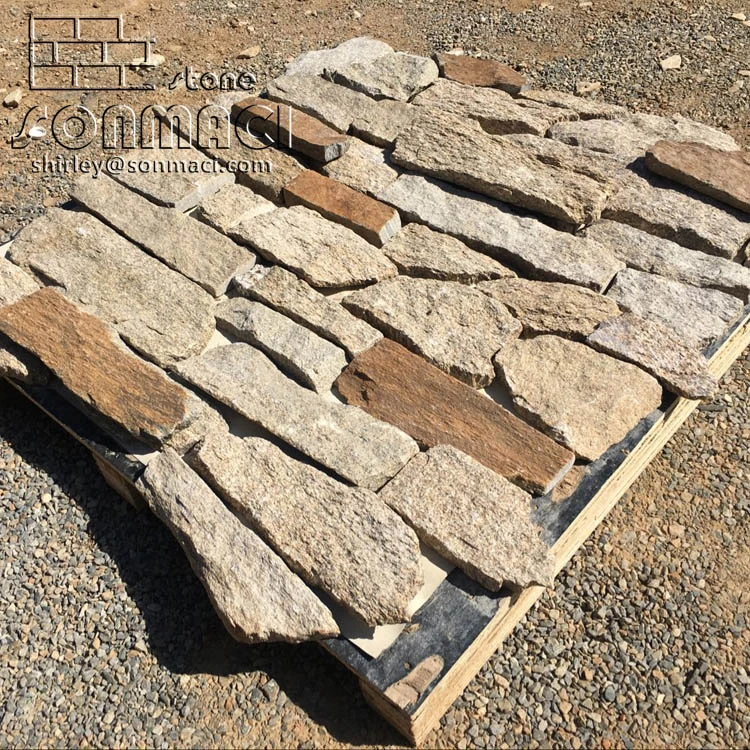
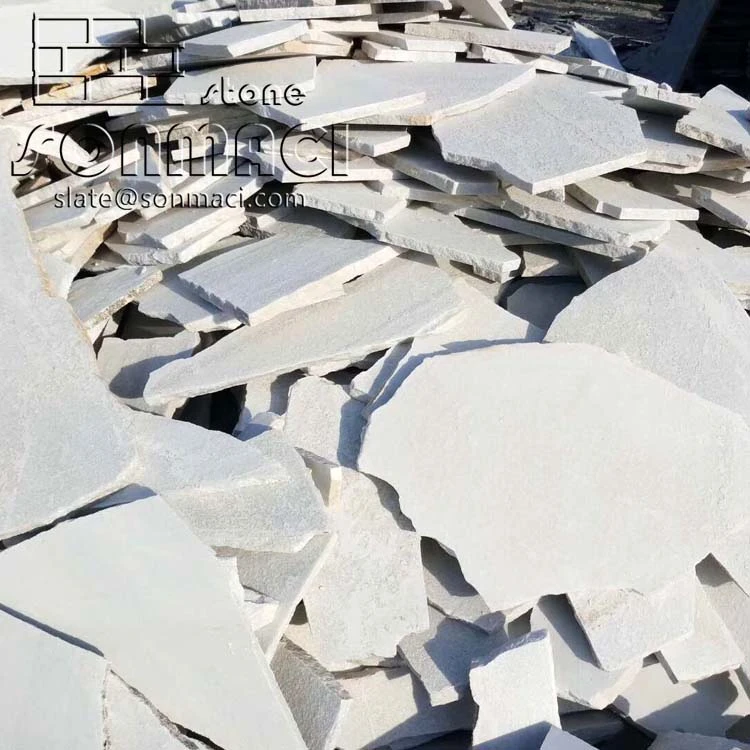
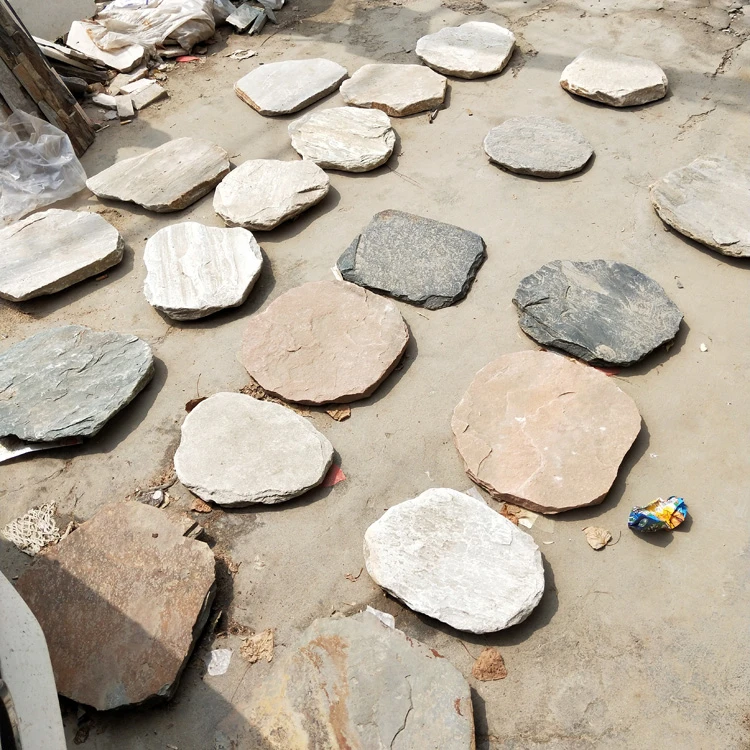
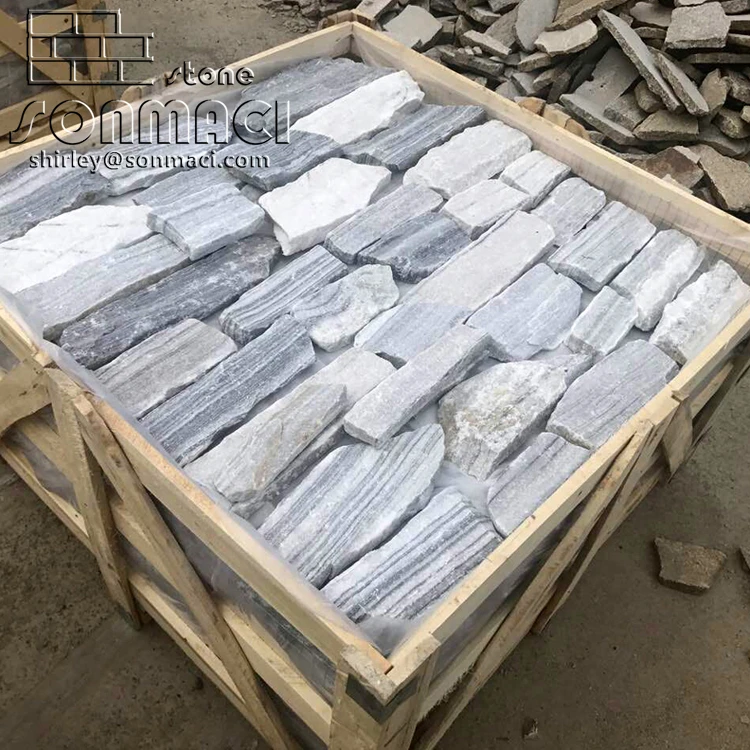
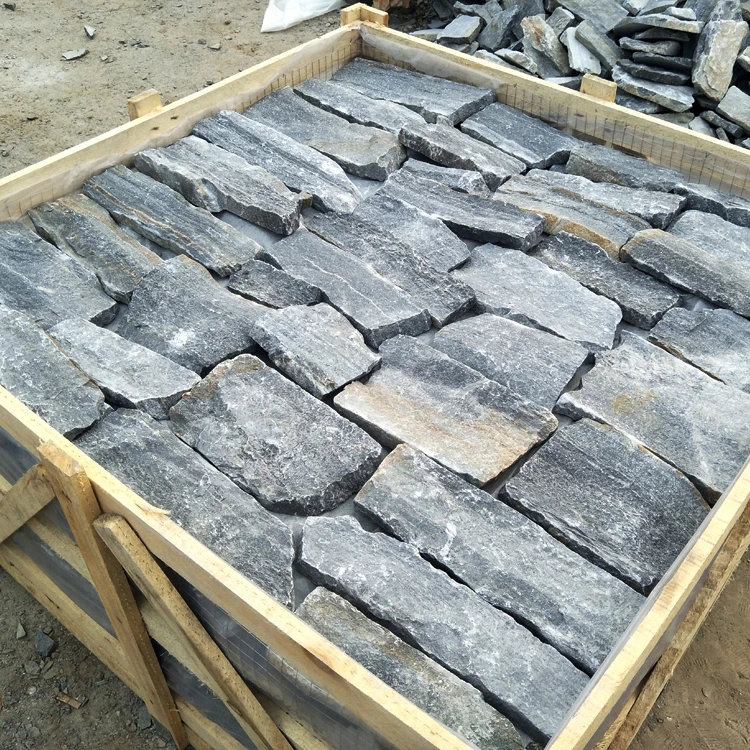
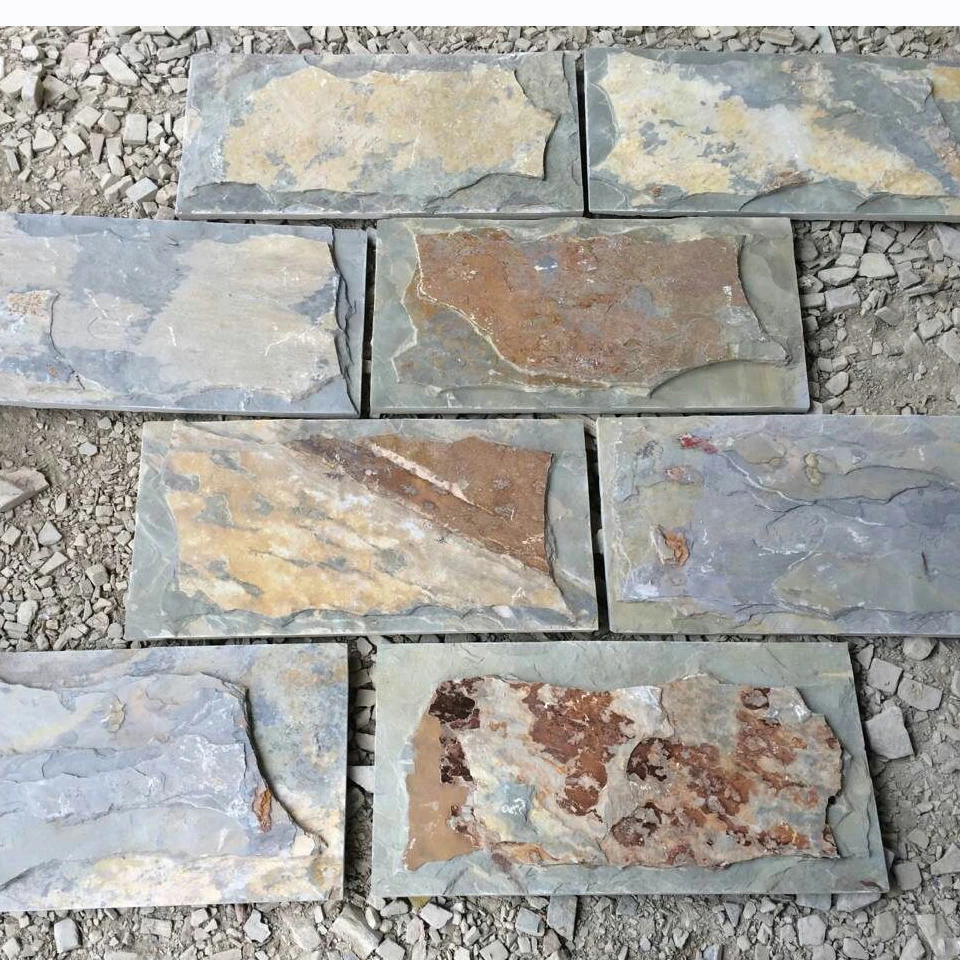
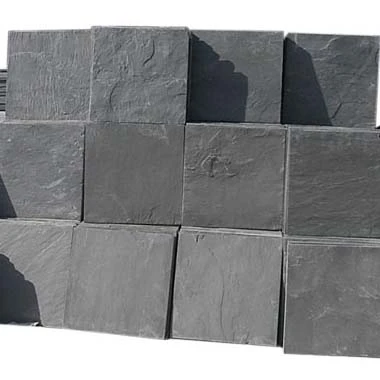
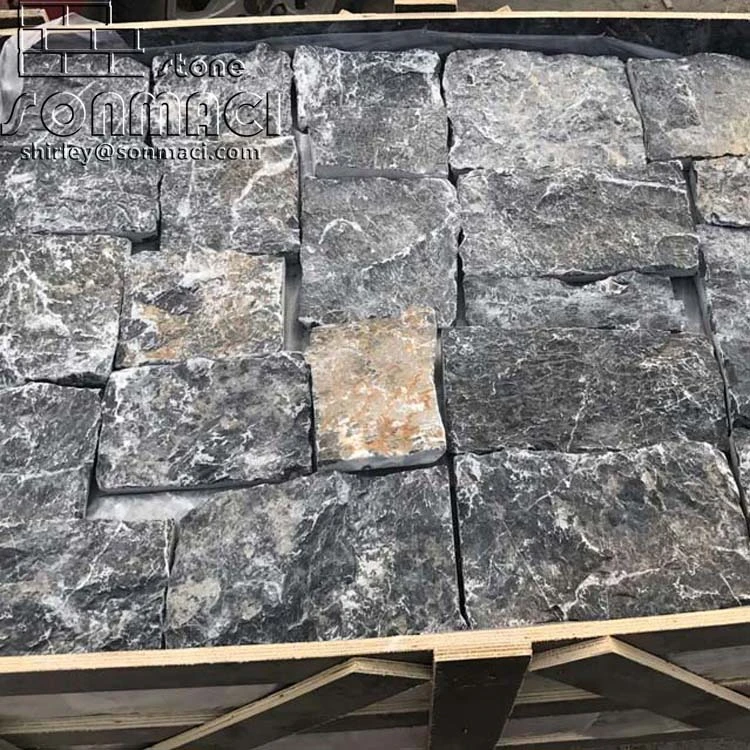
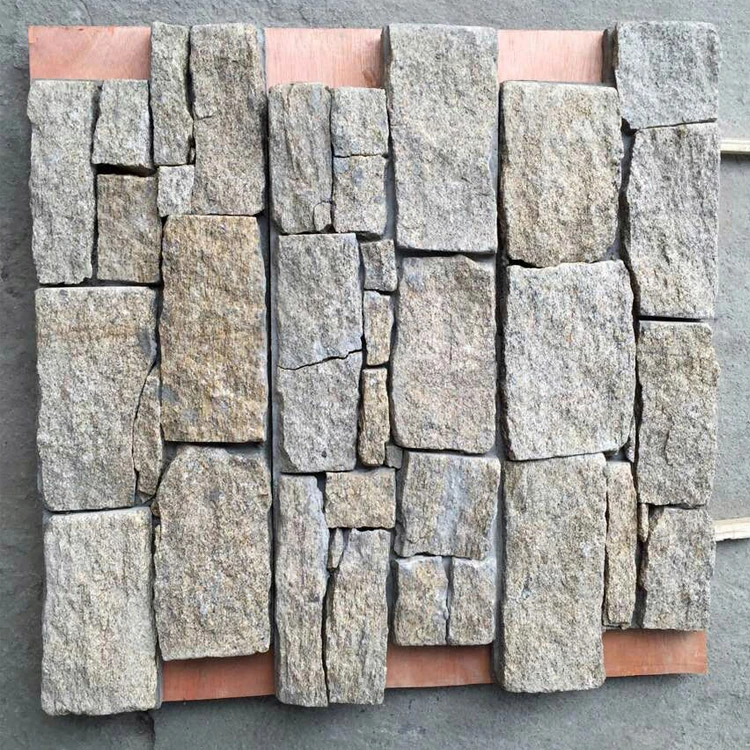
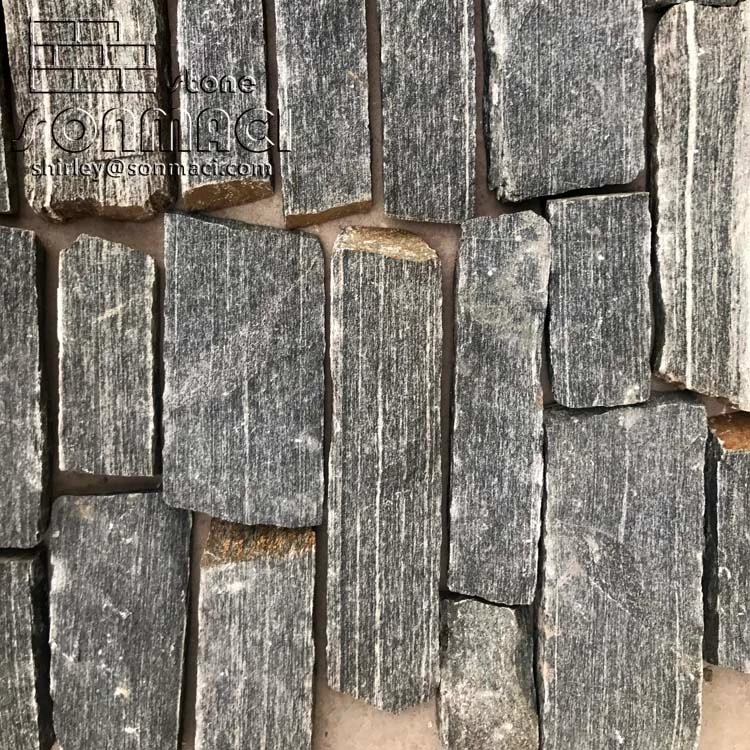
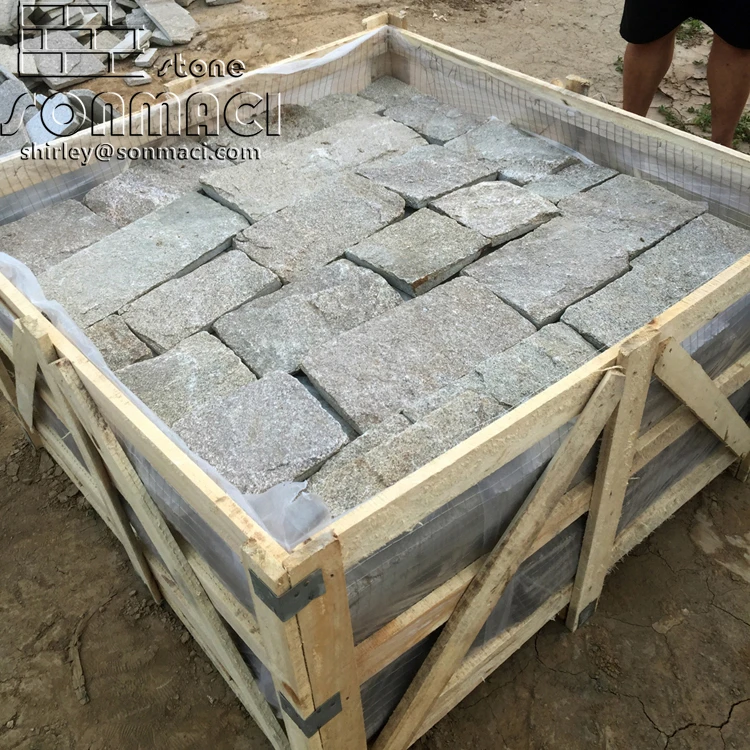
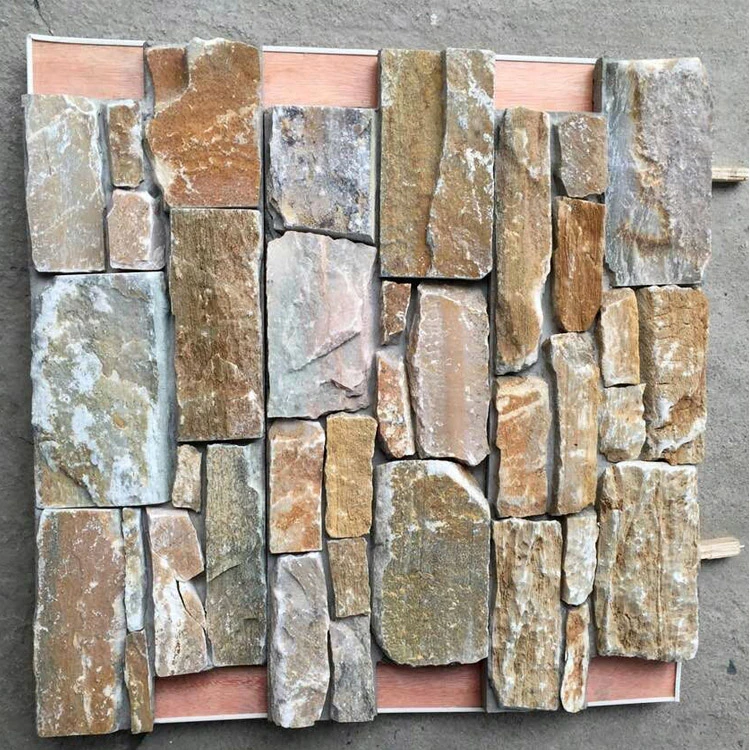
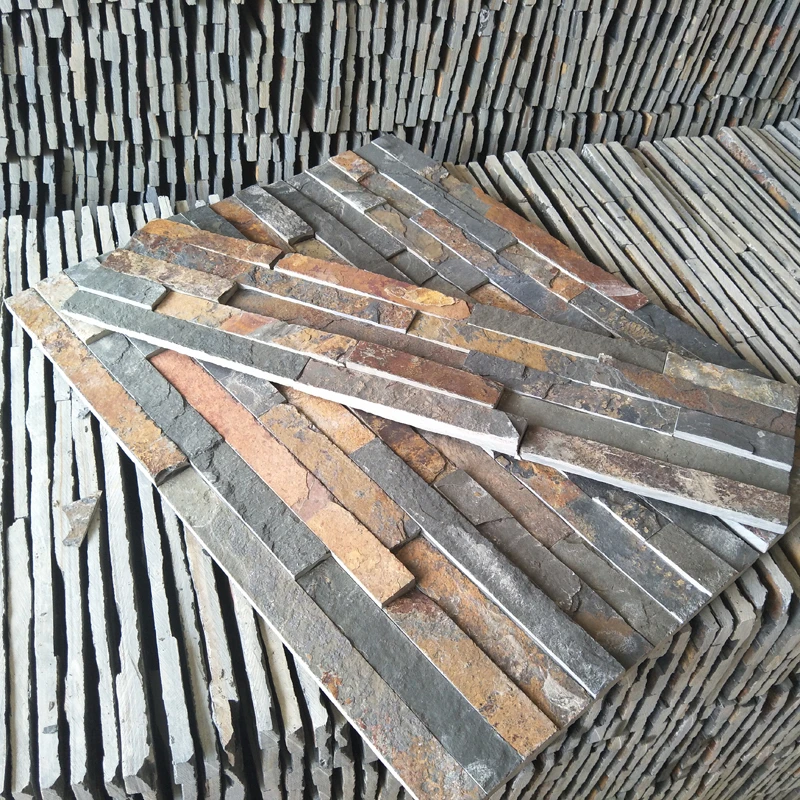
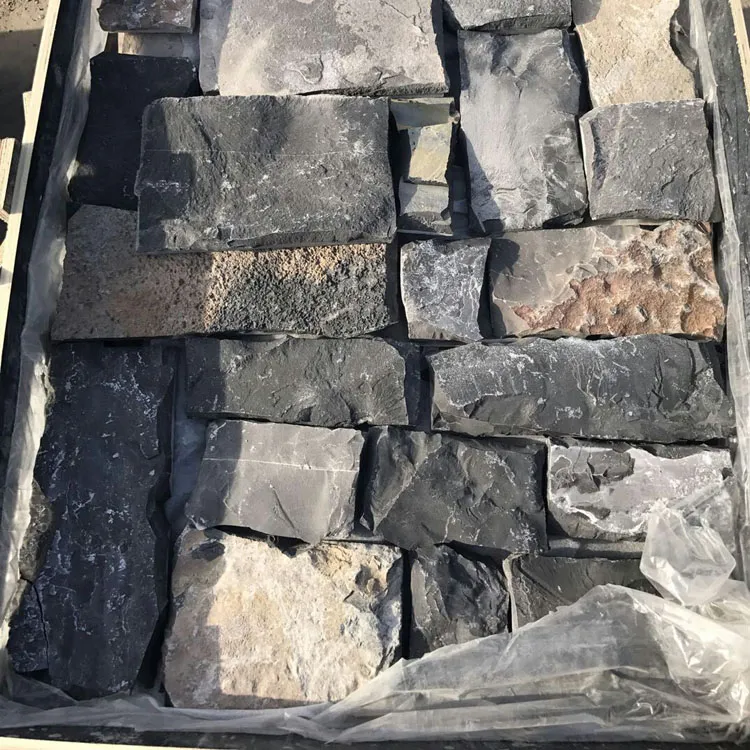
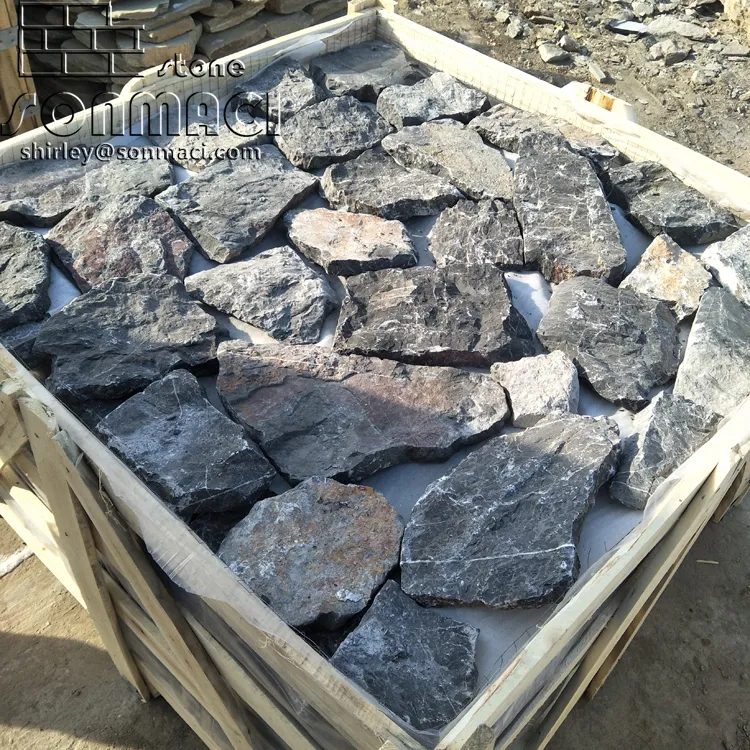
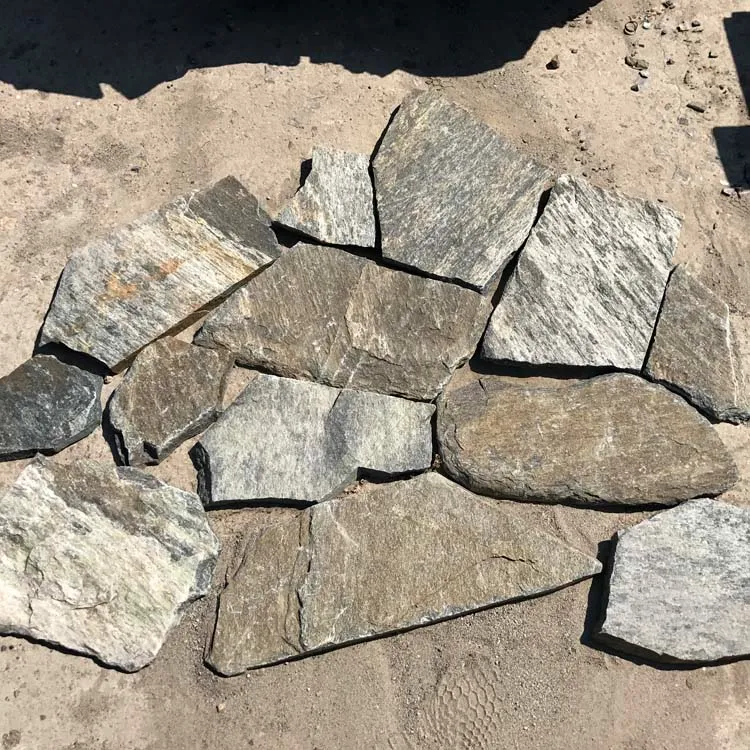
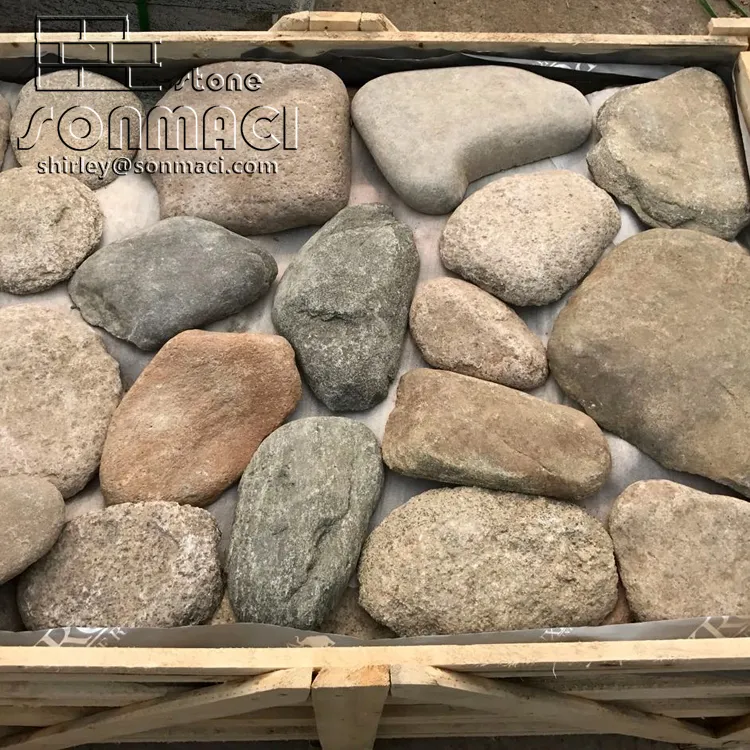
Put plainly, a stone fascia house is a building whose exterior front (facade) is clad or surfaced with natural or engineered stone finishes. This isn’t just about looks; the stone acts as a protective shield, balancing durability with natural beauty.
From a humanitarian angle, these houses provide more than shelter—they offer safety, dignity, and long-term resilience in vulnerable regions, especially where resources for rebuilding after disasters are scarce. It's no coincidence that many NGOs incorporate stone element methods in their housing projects.
Core Attributes of Stone Fascia Houses
Durability and Weather Resistance
Stone surfaces defy the elements far better than many synthetic materials, resisting erosion, moisture, and fire. In practical terms, a stone fascia house can endure for decades, if not centuries, with minimal upkeep.
Energy Efficiency
Thanks to stone's thermal mass, these houses maintain stable indoor temperatures, reducing heating and cooling needs. This can translate into lower energy bills and a smaller carbon footprint—a win-win.
Aesthetic Flexibility
From rugged and rustic to sleek urban finishes, stone facades provide a vast palette for designers. This flexibility means the concept adapts easily across cultures and architectural preferences.
Cost Efficiency Over Time
While initial installation may be steeper compared to vinyl or wood cladding, stone fascia proves more economical long-term due to less frequent repairs and energy savings.
Scalability in Construction
Advanced prefabrication techniques and modular designs now allow stone fascia elements to be integrated seamlessly into mass housing programs, boosting build speed while preserving quality.
Stone Fascia Houses Around the World: Real-world Applications
It’s fascinating how versatile the stone facade approach is. In Mediterranean countries, homeowners prize it for its heat resistance and charm, while in colder climates like parts of Canada and Scandinavia, stone fascia houses act as thermal buffers against harsh winters.
In post-disaster scenarios, NGOs use stone masonry facades for rebuilding projects that won't just be temporary shelters but long-term homes — aligning with UN-Habitat’s goals for resilient urban development. Industrial zones also adopt stone fascia to protect sensitive facilities from pollution and temperature flux.
Stone Fascia House Specifications Table
| Feature | Description | Typical Range |
|---|---|---|
| Stone Type | Natural Granite, Limestone, Engineered Stone | Various; choice based on climate and aesthetics |
| Thermal Conductivity | Low to moderate, depending on stone | 0.16 – 2.0 W/mK |
| Thickness | Typically 1.5 – 3 cm for facade panels | Can vary based on support structure |
| Installation Method | Dry stacking, mortar bonding, mechanical fixing | Chosen per building codes & climate |
| Maintenance | Minimal cleaning, periodic inspections | 10+ years typical |
Comparing Top Vendors of Stone Fascia Solutions
| Vendor | Materials Offered | Customization Options | Global Reach | Average Delivery Time |
|---|---|---|---|---|
| Stonex Inc. | Natural Granite, Engineered Stone | Full facade design packages | North America, Europe | 6-8 weeks |
| EcoStone Builders | Limestone, Recycled Stone Composite | Custom panel sizes/colors | Global (with emphasis on Asia & Africa) | 8-10 weeks |
| Heritage Facades Ltd. | Natural Stone, Historic Replicas | Architectural heritage consultation | Europe, Middle East | 10-12 weeks |
Advantages and Long-Term Value of Stone Fascia Houses
- Cost Savings: Lower energy consumption means fewer utility bills.
- Enhanced Durability: Resistance to weathering reduces repair needs.
- Environmental Sustainability: Stone is a recyclable, natural material.
- Social Impact: Provides communities with dignified, lasting shelter.
- Aesthetic Appeal: Timeless design that increases property value.
More than that, there is a sense of security that comes with stone-clad homes. They feel permanent, like a fortress but with warmth and character. Honestly, that emotional side sometimes gets overlooked in technical discussions but matters a lot to future inhabitants.
Future Trends in Stone Fascia Housing
The future is bright and a little high-tech for stone facade houses. Innovations like digitally carved stone panels, integration with solar tech, and smart insulation layers are already on the horizon. There’s also a push toward sourcing stones closer to construction sites to reduce carbon footprints, aligning with UN’s sustainable development goals.
Additionally, combining stone fascia with modular construction means faster builds without compromising quality—a combination especially attractive to emergency housing projects and growing urban centers.
Challenges and How to Tackle Them
Of course, nothing’s perfect. Stone fascia houses traditionally come with heavier weight, requiring structural planning that can increase costs or complexity. Sourcing sustainable stone that doesn’t deplete natural reserves is another tricky puzzle.
Solutions lie in engineered stone composites, and improving modular panel technology to reduce weight. Plus, certification schemes now help ensure materials come ethically and with minimum environmental impact.
FAQ: Frequently Asked Questions About Stone Fascia Houses
Q1: How do stone fascia houses compare to traditional wooden siding in terms of maintenance?
A1: Stone fascia houses generally require far less maintenance than wooden sidings, which can rot, peel, or attract pests. Stone needs occasional cleaning and inspection but maintains aesthetic and structural integrity much longer.
Q2: Are stone facade homes suitable for earthquake-prone areas?
A2: Yes, provided they are designed with appropriate structural reinforcements. Modern engineering techniques allow integration of stone fascia panels on flexible frames that can withstand seismic movements.
Q3: What's the average lifespan of a stone fascia exterior?
A3: With proper installation and care, stone facade exteriors can last anywhere from 50 to over 100 years, significantly outlasting many other cladding materials.
Q4: Can stone fascia houses be customized for urban environments?
A4: Absolutely. Stone facade designs are highly adaptable, allowing architects to blend traditional stone cladding with modern urban design requirements, including insulation and space constraints.
Q5: How environmentally friendly are stone facade houses?
A5: Stone is a natural, recyclable building material with low embodied energy if sourced locally. When combined with energy-efficient designs, stone fascia houses have a comparatively small carbon footprint.
Conclusion: Building a Timeless Future with Stone Fascia Houses
In conclusion, stone fascia houses blend longevity, beauty, and sustainability in a package that feels tailor-made for the 21st century’s demands. They’re not just about walls; they’re about sheltering wellbeing, creating communities, and respecting our planet’s finite resources.
Whether you’re an architect, developer, NGO, or homeowner intrigued by the possibilities, exploring stone facade housing solutions is worth your time. Curious to dive deeper? Visit our website: stone fascia house and see how these timeless designs meet today’s challenges head-on.
Quick Takeaways
- Stone fascia houses offer durable, energy-efficient, and aesthetically diverse housing solutions.
- They are increasingly relevant in disaster response, urban development, and sustainable building practices.
- Challenges like weight and sourcing call for innovative engineered materials and responsible certification.