Building a Stone Retaining Wall: Durable, Sustainable, and Timeless Solutions
The Art and Science of Building a Stone Retaining Wall
At first glance, building a stone retaining wall might seem like just a practical landscaping job — stacking some hefty rocks to hold back soil. But the truth is, this craft is woven into global infrastructure, sustainable urban development, and even disaster resilience. From sloping backyards in the US to terraced hillsides in Nepal, understanding these walls unlocks a surprisingly rich story of engineering, ecology, and community benefit.
Why does it matter? Well, as population growth squeezes habitats and storm events intensify due to climate change, reliable mass retention is more essential than ever. It’s more than aesthetics or backyard pride — it's a foundation for safer, greener, and more habitable environments worldwide.
Global Context: Why Building Stone Retaining Walls Matters Today
According to the United Nations, nearly 55% of the world’s population lives in urban areas today, expected to swell to 68% by 2050. Urban sprawl, uneven terrain, and rapidly developing infrastructure cause extensive land movement and erosion risks — and that’s just one piece.
Stone retaining walls play a critical role here, especially in hilly and mountainous zones where land is scarce or prone to landslides. Data from the World Bank confirms that landslides cause billions in damages annually, and retaining walls help mitigate this by stabilizing slopes.
I find this fascinating: while concrete retaining walls used to dominate due to cost and construction speed, stone walls are making a comeback because of sustainability goals and their environmental integration. There’s also the cultural and heritage aspect in many countries, where stone walls preserve traditional practices.
Put simply: building a stone retaining wall isn’t old hat — it’s a smart, ecological answer to modern challenges.
Mini-Takeaway:
- Urbanization and environmental risks raise the global need for retaining structures.
- Stone retaining walls balance heritage conservation with ecological innovation.
- They help prevent costly land damage, a growing concern worldwide.
What Exactly Is Building a Stone Retaining Wall?
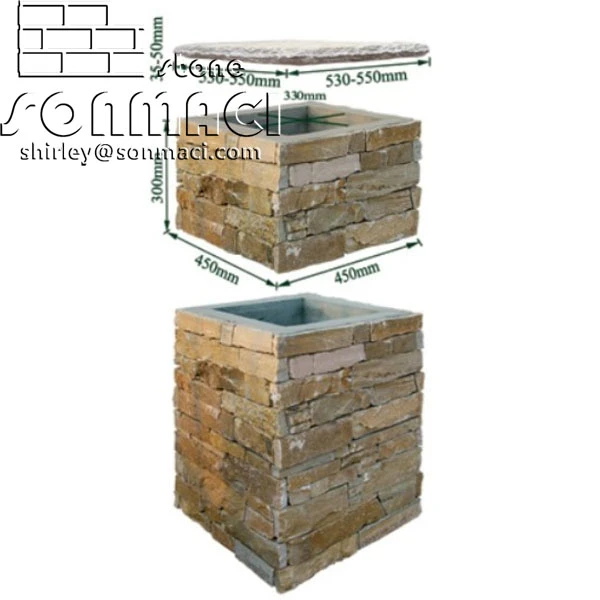
Let’s define the basics. A stone retaining wall is a constructed barrier using natural or cut stones stacked or mortared together to hold soil in place. Unlike purely decorative walls, retaining walls serve structural functions — preventing erosion, managing water runoff, or shaping terrain.
In modern terms, this is part of “hard landscaping” or civil engineering and often appears alongside green infrastructure. They connect directly with industry needs — for example, mining and construction sites requiring stabilization — or humanitarian needs, such as disaster-prone communities needing affordable, durable earth retention.
One can’t overlook their symbolism either: standing stone walls evoke permanence and resilience, which is why engineers and designers keep choosing them despite the appeal of newer materials.
Mini-Takeaway:
- Stone retaining walls combine natural materials with engineering to support soil.
- They’re widely used in both industry and humanitarian contexts.
- Their durability links tradition to modern construction needs.
Core Components of Stone Retaining Walls
1. Durability and Strength
Perhaps the most praised quality. Stone walls withstand time and weather gracefully. Their massive weight and interlocking design distribute pressure from soil and water evenly, minimizing failure risks.
2. Drainage Solutions
Good walls aren’t just stacked rocks; they include drainage measures like gravel backfill or weep holes. Without this, hydrostatic pressure builds behind the wall, which spells trouble.
3. Material Selection
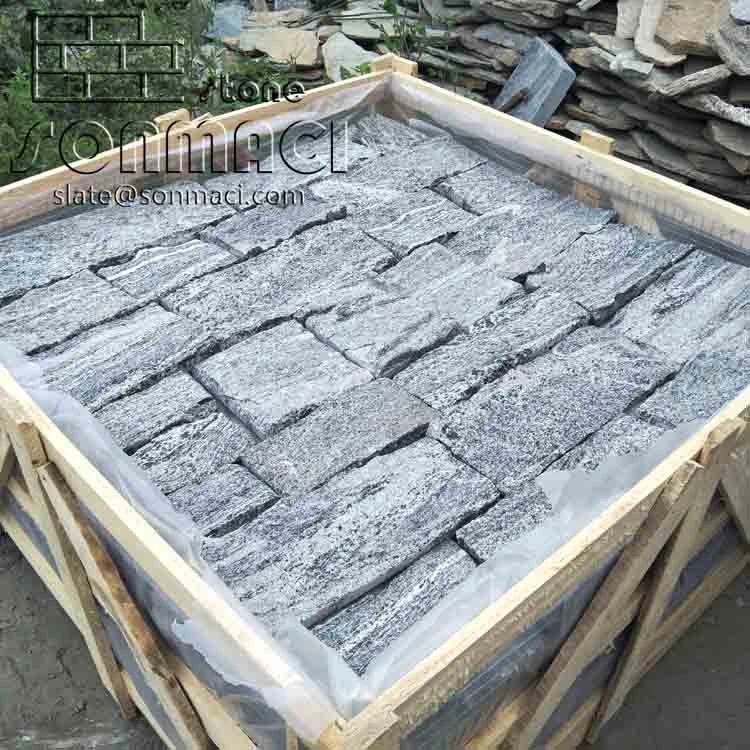
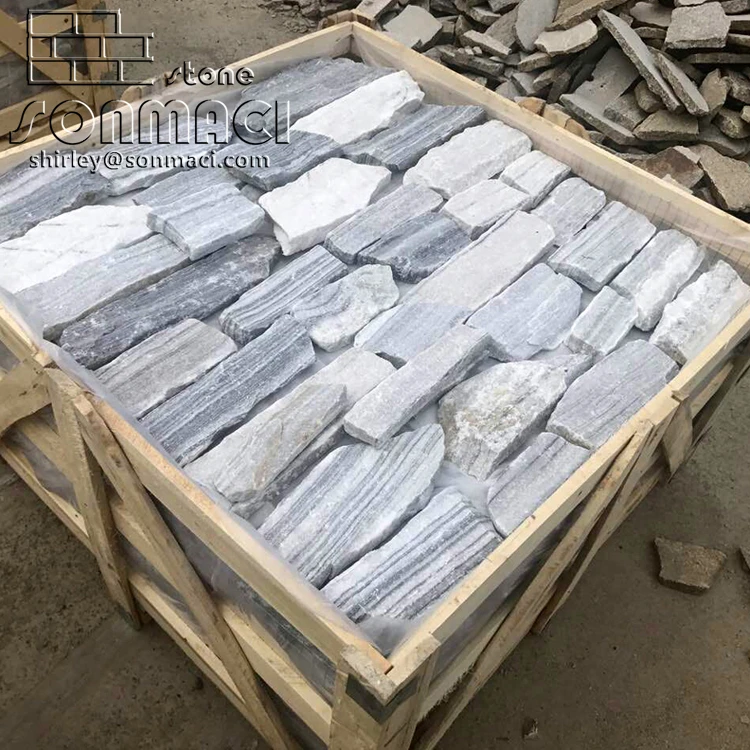
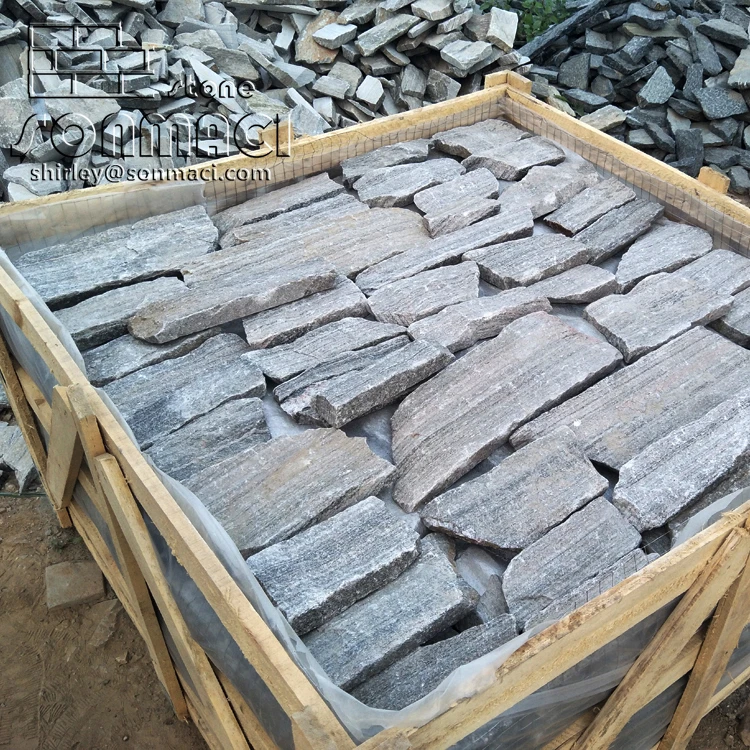
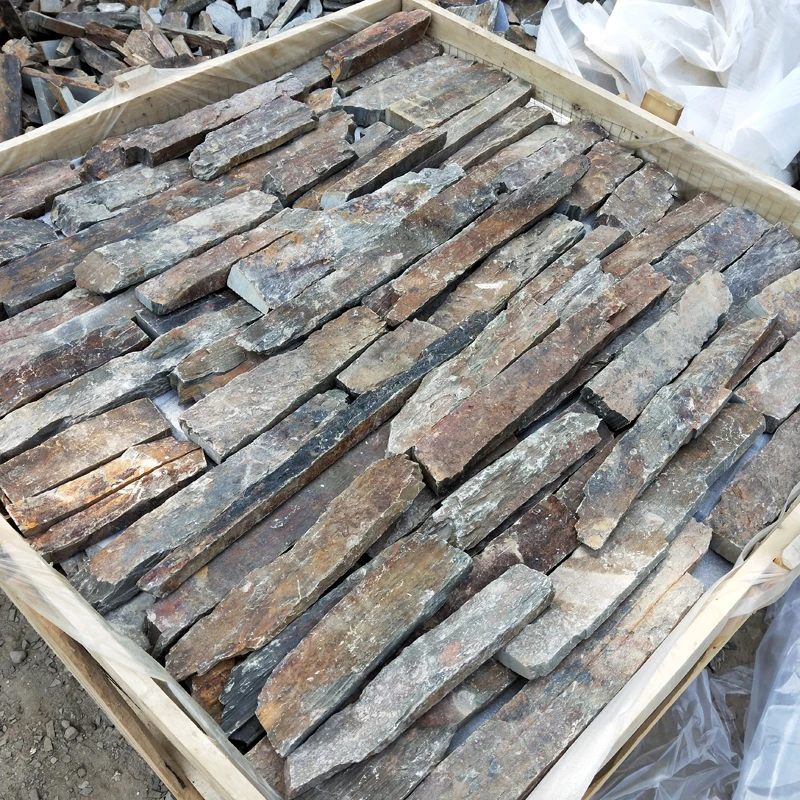
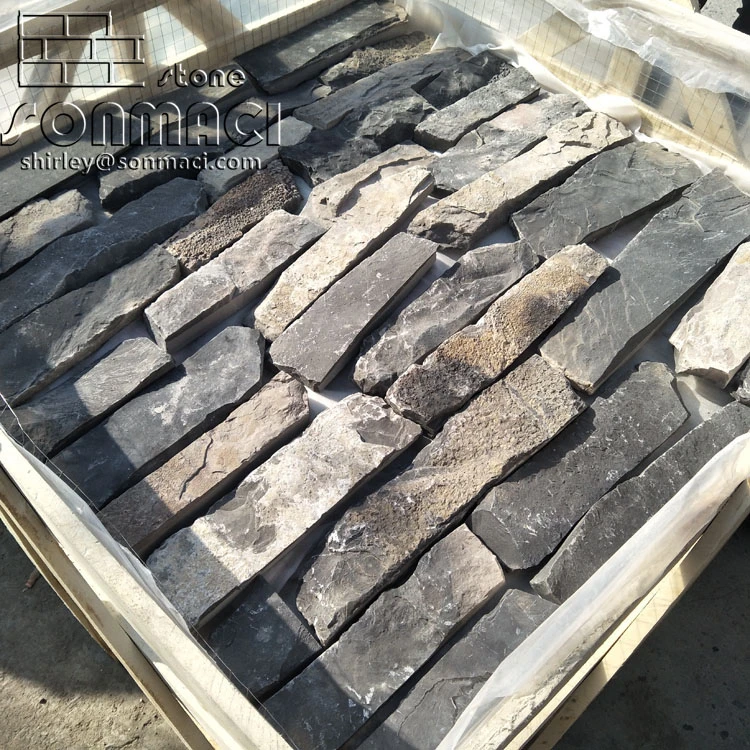
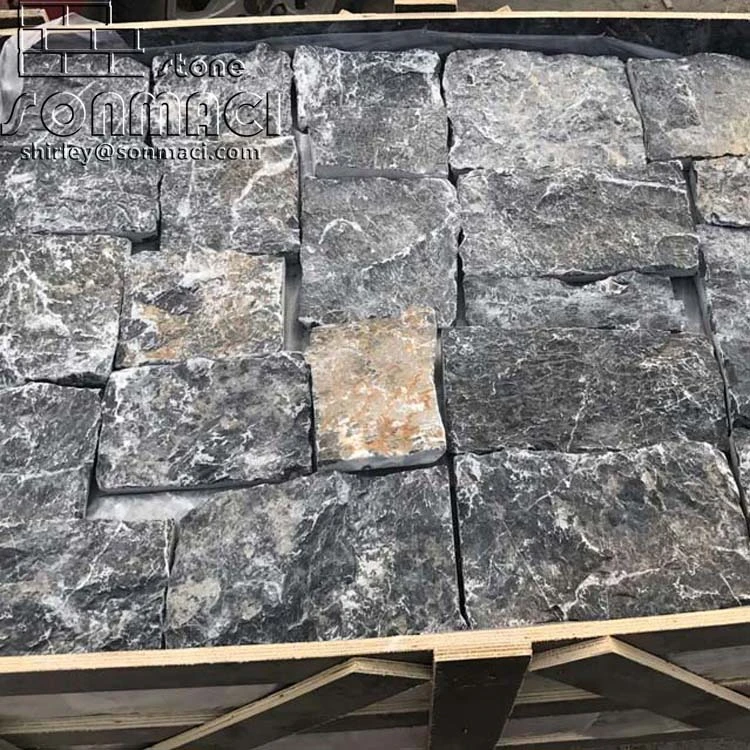
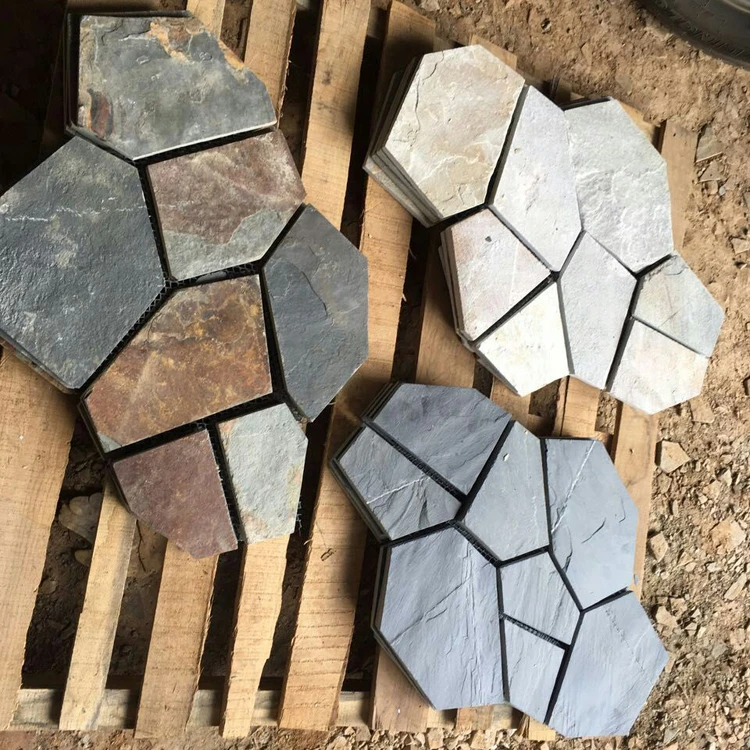
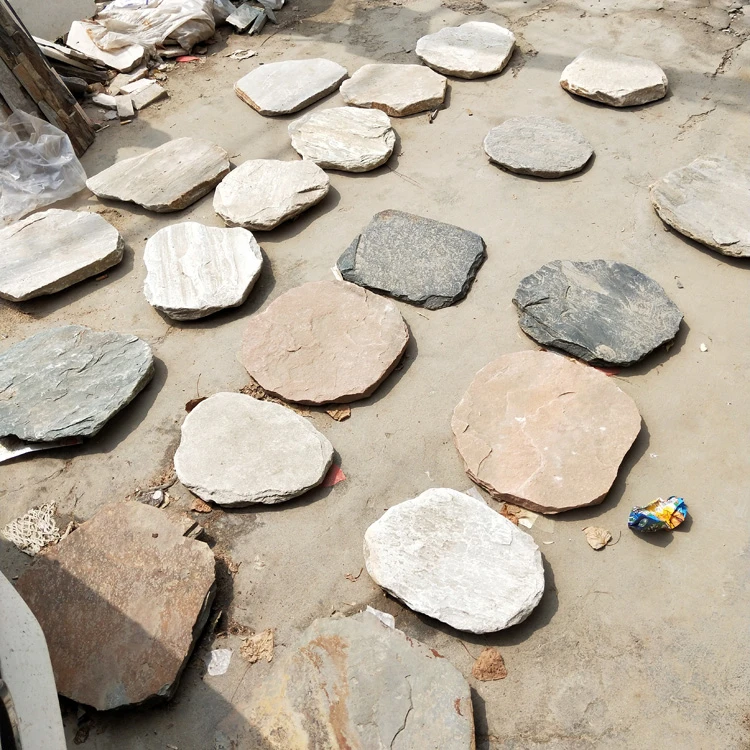
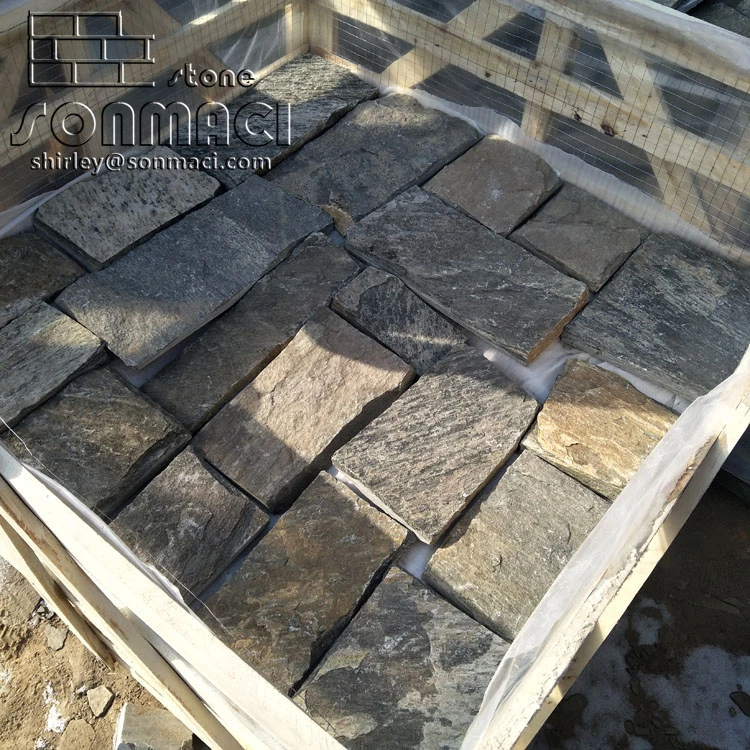
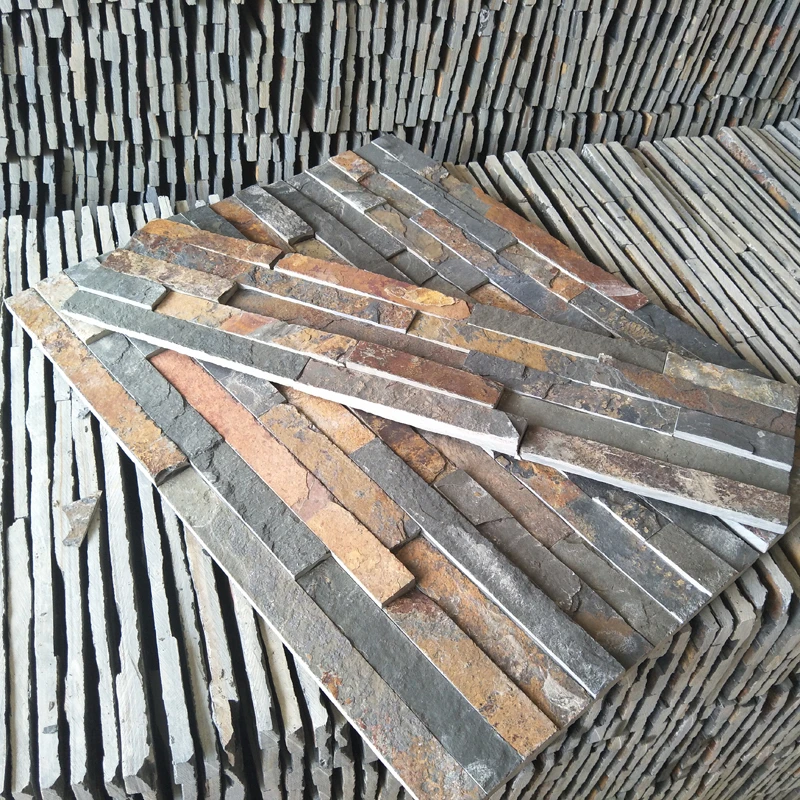
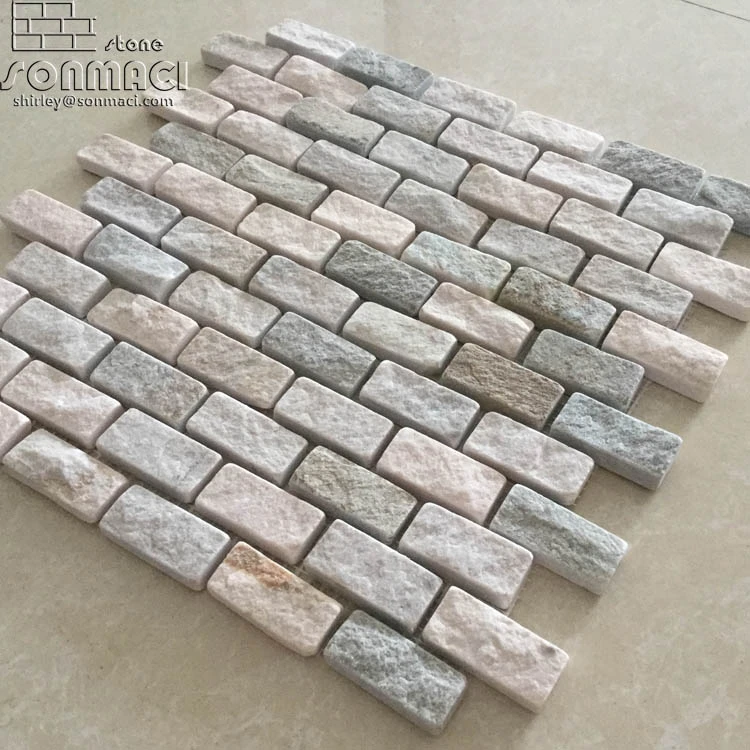
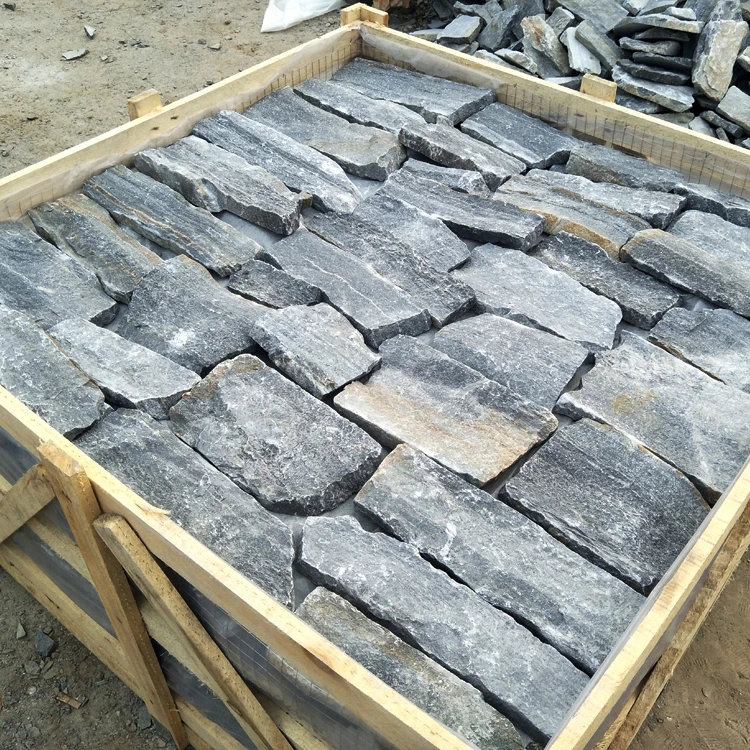
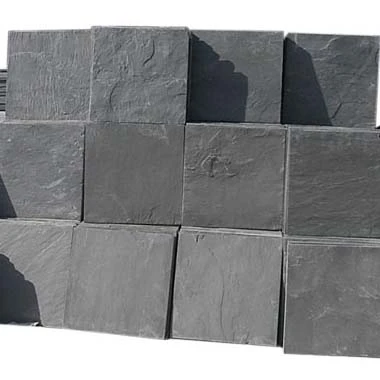
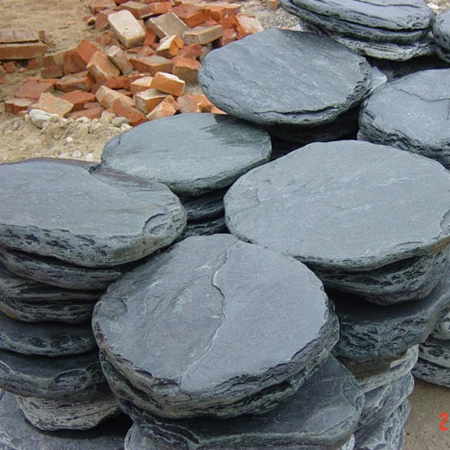
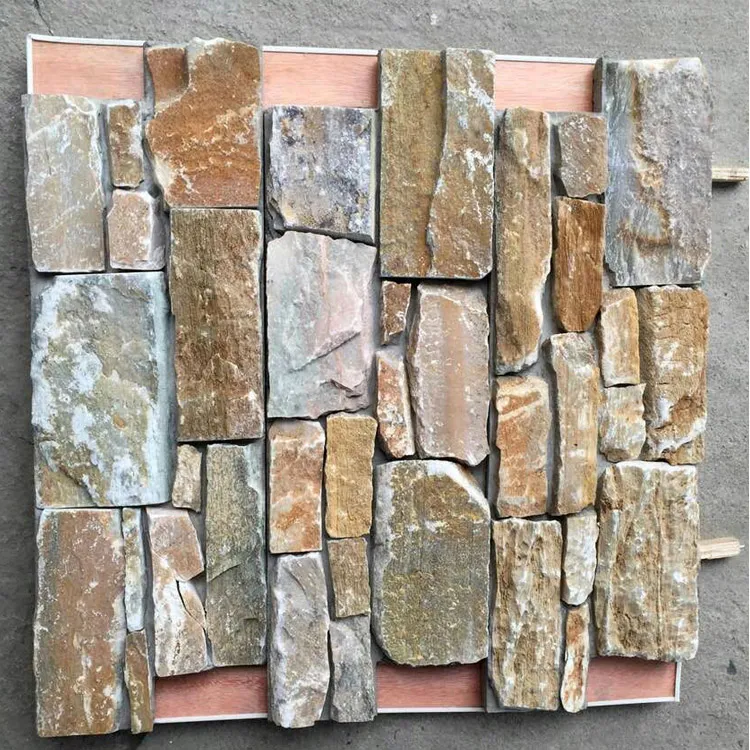
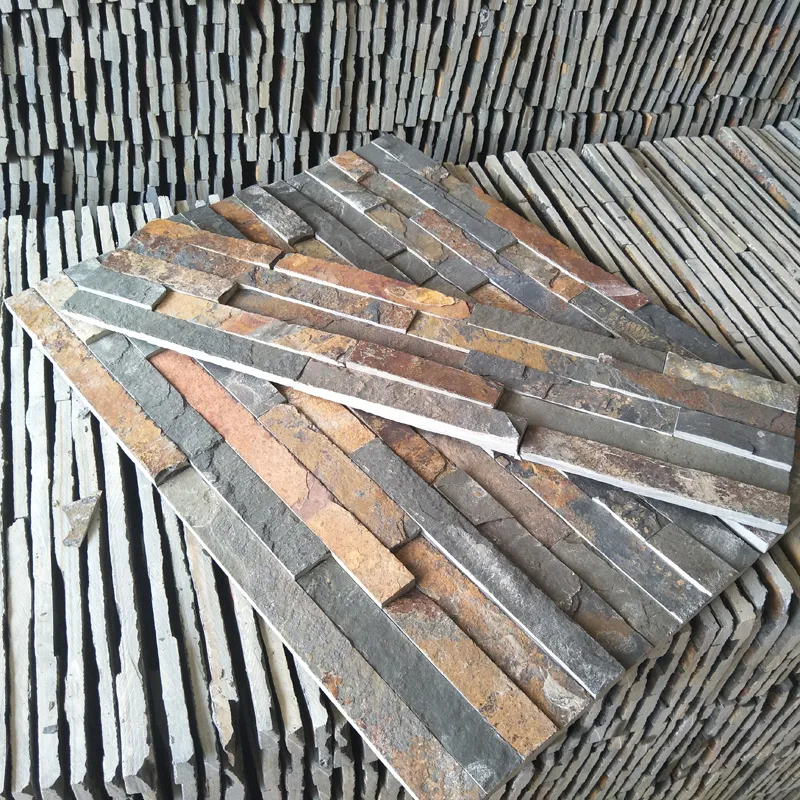
Choosing the right stone matters — whether it’s granite, limestone, or sandstone — each type offers different weather resistance, aesthetic, and cost profiles.
4. Construction Technique
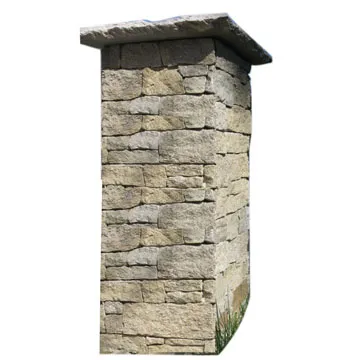
Dry stack versus mortared walls? Dry stacking offers flexibility and better drainage but requires careful stone fitting. Mortared walls are more rigid but may crack over time with freeze-thaw cycles.
5. Sustainability and Environmental Impact
Stone is a natural, long-lasting resource with a relatively low carbon footprint compared to concrete or steel alternatives — a big plus for green construction projects.
Mini-Takeaway:
- Strong foundations come from durable materials and smart drainage design.
- Different construction methods suit different climates and budgets.
- Sustainability increasingly guides material choice in retaining walls.
Worldwide Applications of Stone Retaining Walls
These walls show up in all sorts of places, from terracing rice paddies in Asia to crucial slope stabilization in European mountain roads. In post-disaster relief, organizations often use local stone to rebuild stabilizing embankments fast while fostering local economies.
Industrial sectors like mining use reinforced stone walls to secure tailings, while city planners incorporate stone terracing to stabilize urban green spaces. Oddly enough, some remote regions with scarce materials rely on hand-cut stone walls because transporting concrete isn’t practical.
Take Nepal for example: after the 2015 earthquake, many rebuilding projects integrated stone retaining walls both for tradition and durability, enhancing community resilience.
Mini-Takeaway:
- Used globally across agriculture, urban development, mining, and disaster relief.
- Adaptable to varied environments and resource availability.
- Supports sustainable development and local economies in practice.
Advantages and Long-Term Value of Building Stone Retaining Walls
| Feature | Benefit |
|---|---|
| Longevity | Can last decades with minimal maintenance |
| Eco-Friendliness | Natural materials reduce carbon footprint vs. concrete |
| Aesthetic Appeal | Blends with natural landscape and architecture |
| Cost-Effectiveness | Utilizes local materials and minimizes expensive transport |
| Community Benefits | Creates jobs and preserves traditional craftsmanship |
Emotionally, there’s comfort in a retaining wall that feels part of the land — solid, reassuring. Logically, its reliability reduces risk and future expenses. I’ve noticed many planners nowadays prefer stone walls because they age gracefully and lessen environmental harm, a win-win.
What’s New? Future Trends and Innovations
- Green Infrastructure Integration: Combining stone walls with vegetation to improve biodiversity and stabilize soils.
- Geosynthetic Reinforcements: Using synthetic mesh or geogrids with stone to boost wall strength without adding bulk.
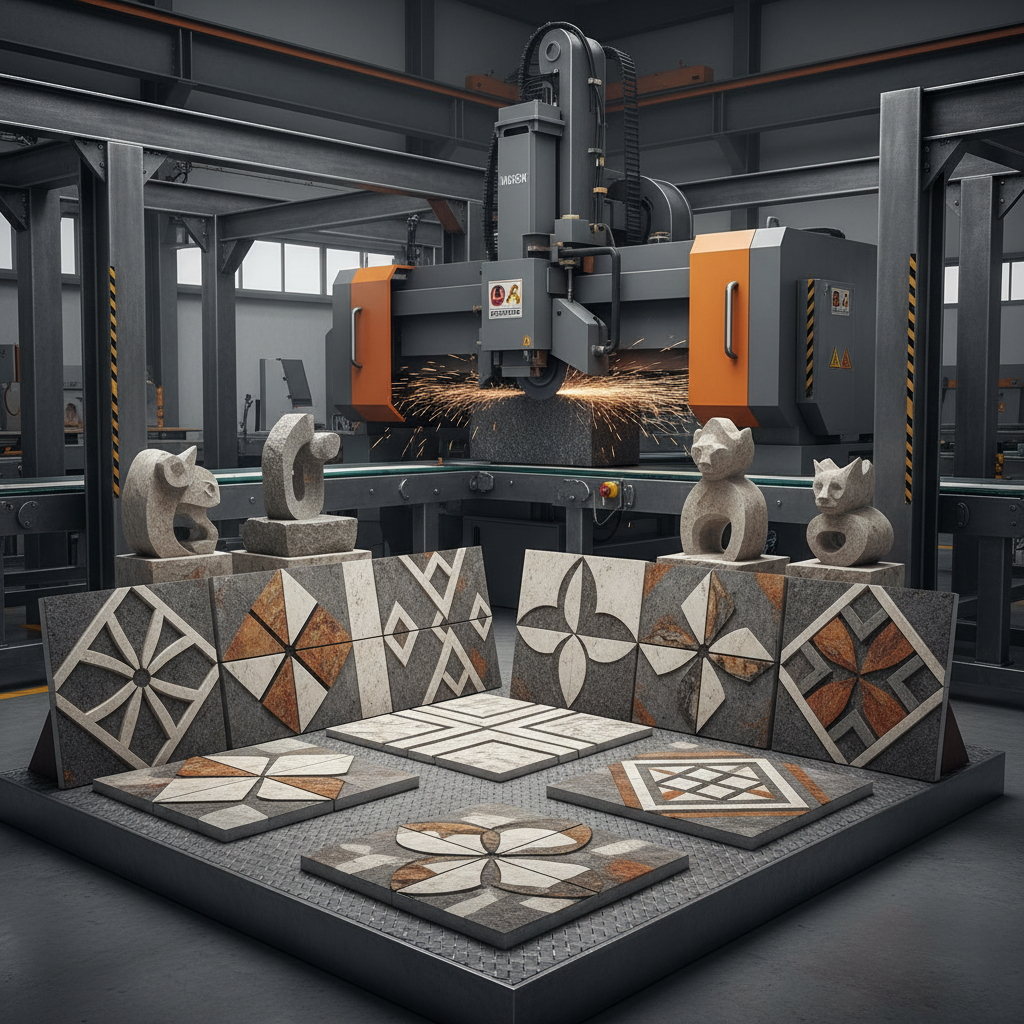
- Automation and Modular Assembly: While stone is traditional, there’s growing research into automated stone cutting and modular design to speed up assembly times.
- Sustainability Standards: ISO and other organizations are pushing for certification of stone sourcing and wall design to ensure environmental compliance.
Future walls might be as much 'smart' as stone — embedded sensors to monitor structural health are not science fiction anymore.
Challenges & How To Tackle Them
Okay, not everything is perfect. Here are some recurring issues:
- Labor Intensity: Skilled stone masons are rare, and manual work is slow.
- Water Management Complexity: Improper drainage can drastically shorten wall life.
- Material Sourcing: Some regions lack quality local stone, raising costs and footprint.
Experts advise combining traditional knowledge with new materials like geotextiles to reduce manual effort. Training programs help preserve craft while improving efficiency. Plus, regional sourcing initiatives are gaining traction to ensure material availability.
Frequently Asked Questions About Building a Stone Retaining Wall
- How long does a well-built stone retaining wall typically last?
- With proper drainage and quality stone, these walls can last 50 years or more — often outlasting concrete walls which may degrade faster under freeze-thaw cycles.
- Is building a stone retaining wall cost-effective compared to other methods?
- While initial labor and materials can be higher, the longevity and low maintenance balance costs over the long run, often making stone walls a more economical choice over decades.
- Can I build a retaining wall myself, or do I need professionals?
- Simple garden walls might be DIY-friendly, but for significant height or load-bearing walls, hiring experienced masons is advised to ensure safety and durability.
- Does a stone retaining wall require special drainage?
- Absolutely. Proper drainage is crucial to prevent water pressure build-up behind the wall, which can cause failure. This usually involves gravel backfill and weep holes.
- Are stone retaining walls eco-friendly?
- Yes, they use natural materials with a lower carbon footprint than concrete or steel walls and often blend better into natural landscapes, supporting local ecology.
Vendor Comparison: Popular Stone Retaining Wall Materials
| Material | Durability | Cost per m² | Aesthetic Appeal | Eco Impact |
|---|---|---|---|---|
| Granite | Very High | $$$ | Elegant, polished look | Low |
| Limestone | High | $$ | Warm, natural texture | Medium |
| Sandstone | Medium | $ | Rustic, earthy tones | Medium |
| Fieldstone (unshaped) | Good | Low | Natural, rugged appearance | Low |
Conclusion: Embracing the Stone Retaining Wall for Tomorrow’s Landscapes
Looking back, building a stone retaining wall might at first feel like simply piling rocks. But as we’ve seen, it’s so much richer — integral to sustainable infrastructure, community safety, and preserving a certain timelessness in our spaces.
If you’re thinking of building a stone retaining wall, know that you’re investing in resilience, beauty, and ecological harmony that can last generations. The world around us is changing fast, but stone walls remind us that sometimes, the oldest methods are still the smartest.
Ready to explore options or need expert guidance? Visit our website at Sonmac Stone and discover how to bring this enduring craft into your project.
Quick Reflection:
What struck me most is how stone retaining walls serve as a bridge — between tradition and innovation, nature and human development. I guess in a noisy world, there’s something calming about walls that whisper stories of centuries yet stand firm against today’s challenges.