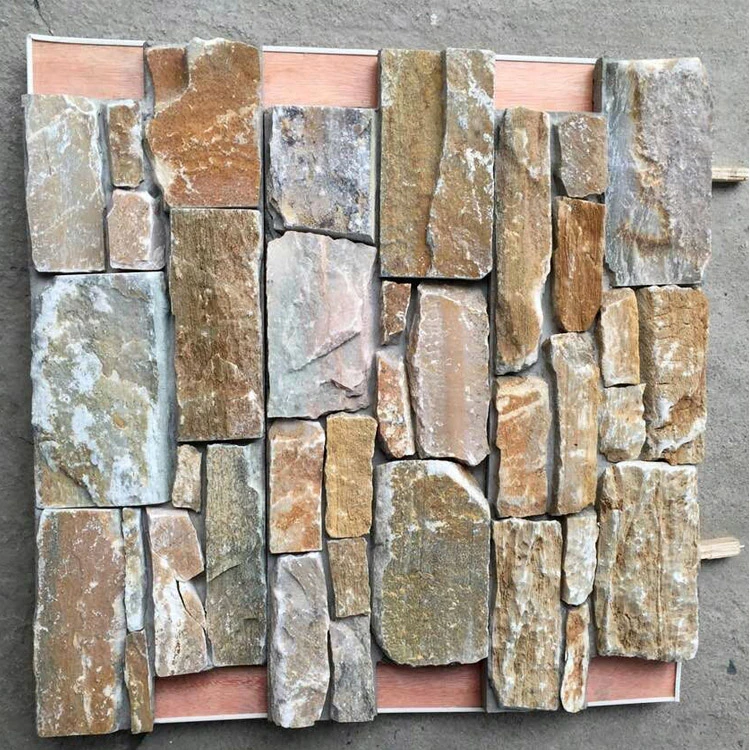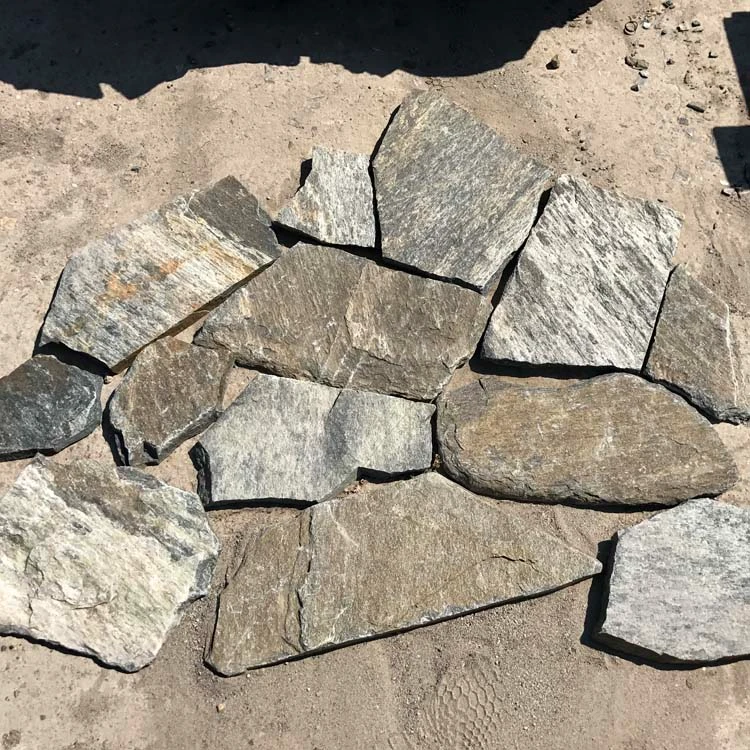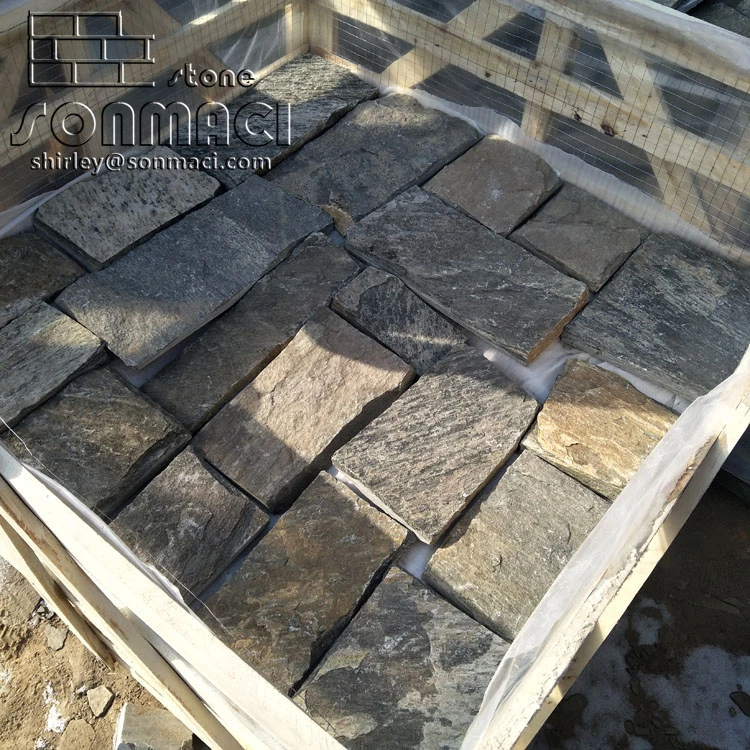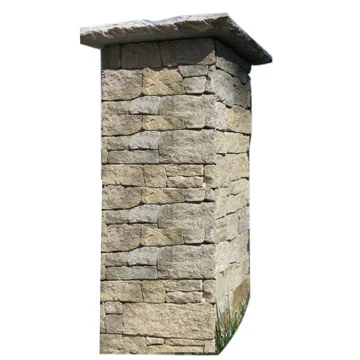
Limestone Exterior House: Timeless Beauty and Modern Sustainability
Why a Limestone Exterior House Still Captivates Global Design and Sustainability Minds
At first glance, a limestone exterior house might sound like something straight out of a medieval castle manual—but it’s actually a modern marvel that blends aesthetics, resilience, and environmental smarts. Around the world, architects, engineers, and homeowners are paying more attention to natural stone facades, especially limestone, for good reasons. Why? Because this traditional building material has quietly stood the test of time, offering energy efficiency, weather resistance, and timeless beauty in ways many new-age materials struggle to replicate.
Global urbanization rates are soaring—UN data suggests nearly 70% of the world’s population will live in cities by 2050—and as buildings stack up, exterior durability and sustainability become more than buzzwords; they’re necessities. Limestone exterior houses offer a healthy dose of both, addressing climate resilience and reducing carbon footprints in an age where green building certifications are no longer optional. So understanding this material can reveal some pretty vital benefits for environmentally-conscious housing, and frankly, for anyone who loves a mix of nature and engineering.
The Global Context of Limestone Exterior Houses
Why talk limestone now? According to the International Organization for Standardization (ISO), sustainable construction materials can reduce building emissions by up to 40%. Limestone, a naturally abundant sedimentary rock, fits neatly into this equation due to its local availability in many countries and its remarkable insulating properties. In regions like Europe, the Middle East, and North America, where limestone quarrying has historical roots, modern builders have revisited limestone as a key exterior component—not just for grand cathedrals but everyday homes.
Yet here’s the catch: rapid urban expansion and climate extremes demand durable exteriors that weather storms, sun, and pollution while maintaining a low carbon footprint. Concrete and synthetics often score high on initial cost efficiency but fall short in lifespan and environmental impact. Limestone’s natural characteristics make it an effective solution to these problems. This growing relevance is backed by organizations promoting sustainable housing, including the UN’s Sustainable Development Goal 11: Sustainable Cities and Communities.
Breaking Down What a Limestone Exterior House Is
Simply put, a limestone exterior house is a dwelling where the outer walls or facade prominently feature limestone blocks, panels, or cladding. This can be full structural stone or stone veneer applied over traditional framing. Unlike brick or concrete, limestone offers a porous yet dense surface that naturally regulates temperature by absorbing and releasing heat slowly. This makes interiors cooler in summer and warmer in winter, contributing to energy savings.
But it’s not just about temperature control. Limestone is often celebrated for its natural, organic texture—imagine the soft, off-white patina that evolves gracefully over decades, weathered without losing charm. Beyond aesthetics, these homes fit modern codes and needs, embracing green building principles without losing the soul of the structure.
Core Factors That Give Limestone Exterior Houses Their Edge
Durability
Limestone is highly durable when maintained correctly. While softer than granite, it withstands rain, wind, and freeze-thaw cycles admirably. Many historic structures have lasted for hundreds of years, proving limestone’s staying power. In practice, this means fewer repairs and long-term savings—even in regions with volatile weather.
Thermal Performance
Oddly enough, limestone acts almost like a thermal battery. It soaks up daytime heat and releases it slowly, keeping indoor temperatures stable. That’s why many energy-conscious builders prefer it over highly reflective or thin synthetic panels, which fail to buffer temperature swings.
Aesthetic Versatility
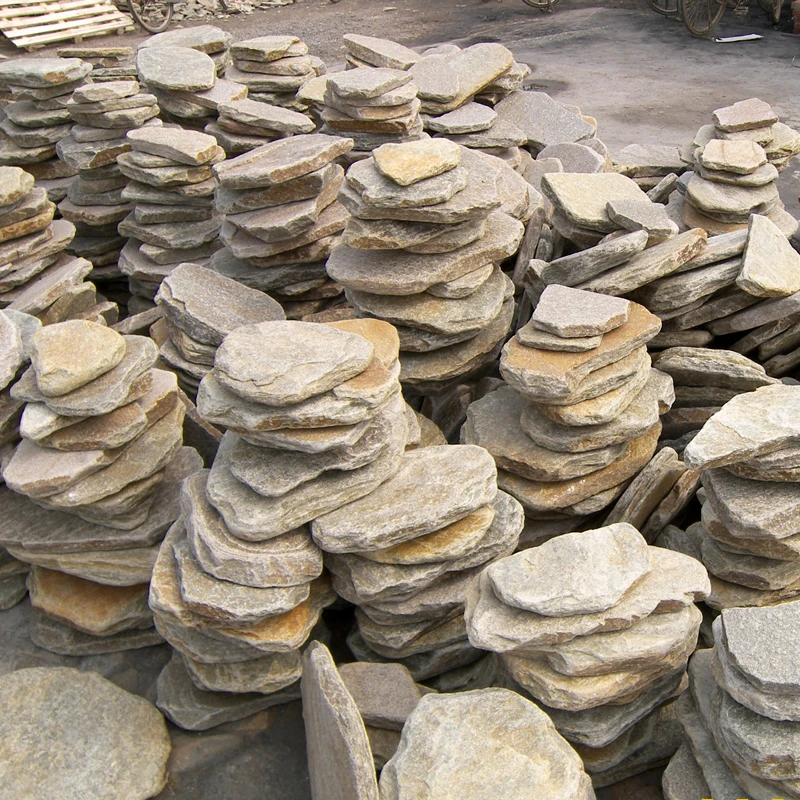
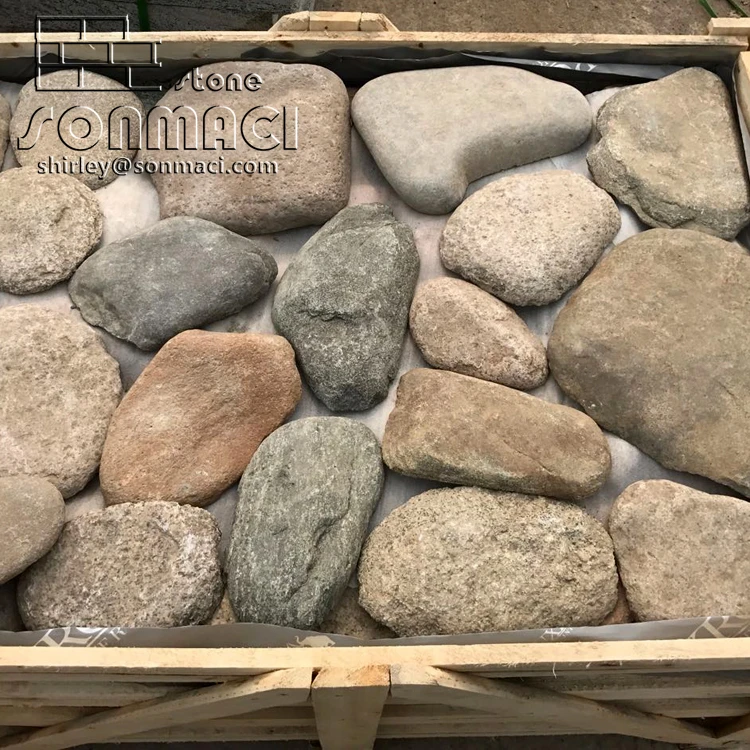
From rougher-textured rustic finishes to polished, elegant facades, limestone can be tailored to many styles. Its neutral tones suit almost any palette and climate, harmonizing with natural surroundings or urban landscapes.
Environmentally Friendly
Since limestone is naturally occurring and locally sourced in many areas, its embodied energy—the total energy used through quarrying, processing, and transport—is typically lower than manufactured materials. Add its recyclability, and you get a product that’s green from start to finish.
Cost Considerations
Limestone can be pricier upfront than vinyl siding or some concrete finishes, but the investment often pays off over time due to durability and energy savings. For real estate, a well-maintained limestone exterior adds resale value that few synthetic exteriors can match.
Mini Takeaway
Limestone exterior houses combine natural beauty with practical benefits like energy efficiency and longevity. They fit right into the global trend of ecologically mindful construction and urban resilience.
How Limestone Exterior Houses Fit into Real-World Applications
Across Europe’s historic towns to contemporary eco-developments in North America, limestone exteriors are turning up everywhere. Urban planners aiming to balance heritage conservation with modern standards rely heavily on limestone. For example, cities like Dublin and Montreal protect limestone facades in legacy neighborhoods while encouraging new builds to incorporate stone elements.
In hot, dry regions such as the Middle East, limestone helps moderate indoor climates, reducing air-conditioning dependence. Meanwhile, in cold climates, the stone’s insulating properties guard against heat loss. This adaptability means limestone isn’t just for posh villas—it’s practical for disaster-resistant housing, too. NGOs and governments building durable, dignified shelters post-disaster have begun to experiment with limestone panels, especially where stone is locally abundant and transport costs need to stay low.
Vendor Comparison: Limestone Facade Suppliers
| Supplier | Region | Stone Types Offered | Sustainability Certification | Typical Lead Time (weeks) |
|---|---|---|---|---|
| StoneCraft Ltd. | Europe | Jurassic Limestone, Cotswold Stone | ISO 14001 | 6-8 |
| QuarryMasters Inc. | North America | Tennessee Pink, Indiana Limestone | LEED Preferred | 8-10 |
| EcoStone Group | Middle East | Arabian Light Limestone | Green Seal | 5-7 |
Advantages and Long-Term Value of Choosing Limestone for Home Exteriors
Owning or building a limestone exterior house can feel like investing in a legacy. The stone’s enduring robustness means fewer headaches over maintenance or replacements. Because of limestone’s moderate thermal conductivity, it minimizes HVAC usage, resulting in tangible monthly energy savings. Plus, there’s an undeniable emotional effect: a limestone home often conveys a sense of permanence, safety, and dignity that synthetic materials rarely evoke.
- Cost Efficiency: Lower lifecycle costs despite initial price premium.
- Environmental Impact: Reduced embodied carbon and high recyclability.
- Reliability: Proven resistance to weathering and pollution.
- Social Impact: Supports local quarry economies and traditional craftsmanship.
Mini Takeaway
The long-term benefits of limestone go beyond the balance sheet — they touch on lifestyle quality and responsible stewardship of the environment.
Emerging Trends and Innovations in Limestone Exterior Applications
The future of limestone exterior houses is getting a boost from technology and sustainability initiatives. Manufacturers now refine limestone finishes to be more weatherproof using advanced mineral sealants, preserving the stone's breathability while enhancing durability. Plus, 3D stone-cutting and CNC milling have opened new doors to architectural freedom, allowing intricate designs once limited to granite or synthetic cladding.
There’s also a trend toward integrating photo-voltaic elements and smart sensors into limestone facades to create dynamic, energy-efficient envelopes—imagine stone walls that harvest solar energy while still looking timeless. The push for greener cities encourages local sourcing with a lighter transport footprint, dovetailing perfectly with limestone's natural supply chains.
Common Challenges and How Experts Tackle Them
Of course, limestone isn’t magic. Its soft nature makes it vulnerable to acid rain and industrial pollutants in hotspots, potentially causing surface erosion over time. Also, quarrying can disrupt local ecosystems if poorly managed.
Industry experts recommend:
- Regular mild cleaning and protective coatings that avoid trapping moisture.
- Choosing quarried stone certified by sustainability schemes like ISO 14001.
- Design adaptations such as rainscreens and drip edges to prolong facade life.
Frankly, limestone’s longevity comes down to a mix of good stone selection and smart architectural detailing.
FAQ: What You Might Wonder About Limestone Exterior Houses
Q1: How does a limestone exterior affect home insulation?A1: Limestone naturally moderates temperature swings by absorbing heat during the day and releasing it slowly at night. This thermal mass reduces the need for heating and cooling, boosting energy efficiency and comfort.
Q2: Is limestone suitable for all climates?
A2: Limestone performs best in moderate to dry climates. In regions with heavy acid rain or pollution, special treatments and maintenance are needed to prevent surface damage.
Q3: How much maintenance does limestone require?
A3: Basic periodic cleaning and occasional application of breathable sealants keep limestone exteriors looking fresh. Avoid harsh chemicals or high-pressure washing to preserve the stone's integrity.
Q4: Can limestone cladding be installed over existing walls?
A4: Yes, limestone veneers or panels can be affixed to traditional framed or masonry walls, making retrofits and upgrades feasible without full rebuilds.
Q5: Does limestone exterior home construction qualify for green building incentives?
A5: Often yes, especially when sourced sustainably and combined with energy-saving designs. Check local programs but many recognize natural stone for LEED or equivalent certifications.
Conclusion: The Lasting Appeal of Limestone Exterior Houses
In a world rushing toward synthetic quick fixes, limestone exterior houses hold a quiet but firm place in the future of sustainable architecture. Their blend of tradition, environmental advantage, and aesthetic resilience is difficult to beat. If you’re considering a build or remodel that will age gracefully—both in beauty and environmental impact—limestone is worth a long look.
Ready to explore your options? Visit limestone exterior house resources and supplier info to start your stone journey.
Quick Product Specs: Typical Limestone Exterior House Panels
| Specification | Typical Range/Value | Notes |
|---|---|---|
| Panel Thickness | 20-40 mm | Depends on structural requirements |
| Thermal Conductivity | ~1.3 W/m·K | Moderate, supports insulation layers |
| Density | 2500-2700 kg/m³ | Varies by quarry |
| Water Absorption | 5-7% | Affected by polish and coating |
| Compressive Strength | 30-80 MPa | Suitable for cladding, rarely structural load |
It feels like, in many ways, limestone is a conversation between past and future—a material bridging environmental sense with architectural soul.