Castle Rock Stone Veneer – Durable & Sustainable Natural Stone Cladding Solutions
Understanding Castle Rock Stone Veneer: A Natural Solution with Global Appeal
Castle rock stone veneer might sound like a niche construction term, but its impact is far from trivial. This natural-looking exterior cladding material bridges the gap between rugged stone aesthetics and practical building needs across the globe. As urbanization and climate concerns rise, the demand for building materials that are durable, sustainable, and visually striking has never been greater. Grasping what castle rock stone veneer offers means tapping into a solution poised for modern architecture, historic restoration, and energy-efficient construction alike.
Oddly enough, the blend of natural stone charm with veneer technology creates opportunities to rethink how we dress our buildings. From residential facades to institutional spaces, this veneer provides a timeless look without the hefty weight or cost of quarried blocks. So, why is this simple concept gaining steam worldwide? Let’s unpack the layers.
The Global Significance of Castle Rock Stone Veneer
According to the World Bank's latest urban development report, nearly 60% of the world’s population will live in cities by 2030, and the building sector is responsible for approximately 40% of global energy consumption. Within this context, materials that are lightweight but long-lasting play a critical role in sustainable architecture.
Castle rock stone veneer fits well into this conversation. Its relatively easy installation compared to full stone walls lowers construction times and costs in burgeoning urban areas, particularly in developing economies. Additionally, by using thin slices or panels applied over structural supports, it reduces the environmental footprint compared to solid masonry while maintaining the aesthetic integrity many architects and end-users desire.
Yet, challenges remain — balancing durability, environmental impact, and visual appeal is no trivial feat. Traditional stone can be heavy and costly to transport; synthetic alternatives sometimes lack authenticity or weather poorly. Castle rock stone veneer steps in, striking a compelling middle ground, particularly important in climates prone to severe weathering or seismic activity.
Defining Castle Rock Stone Veneer
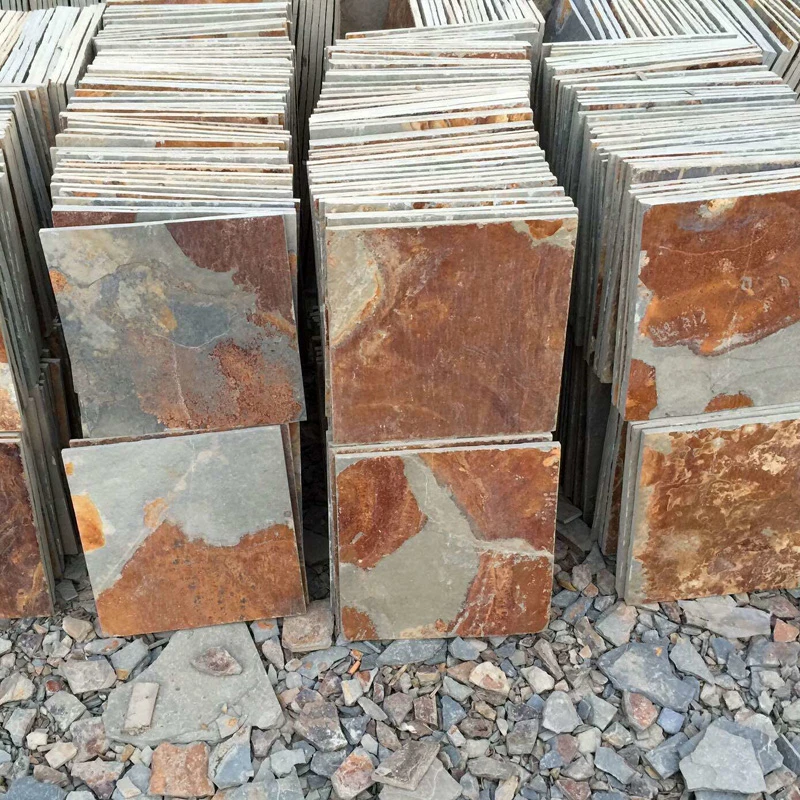
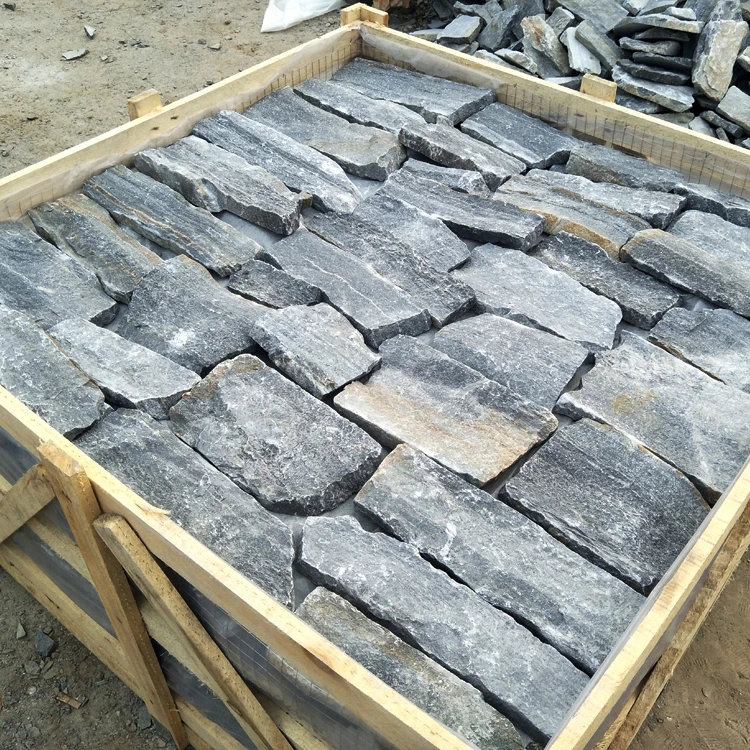
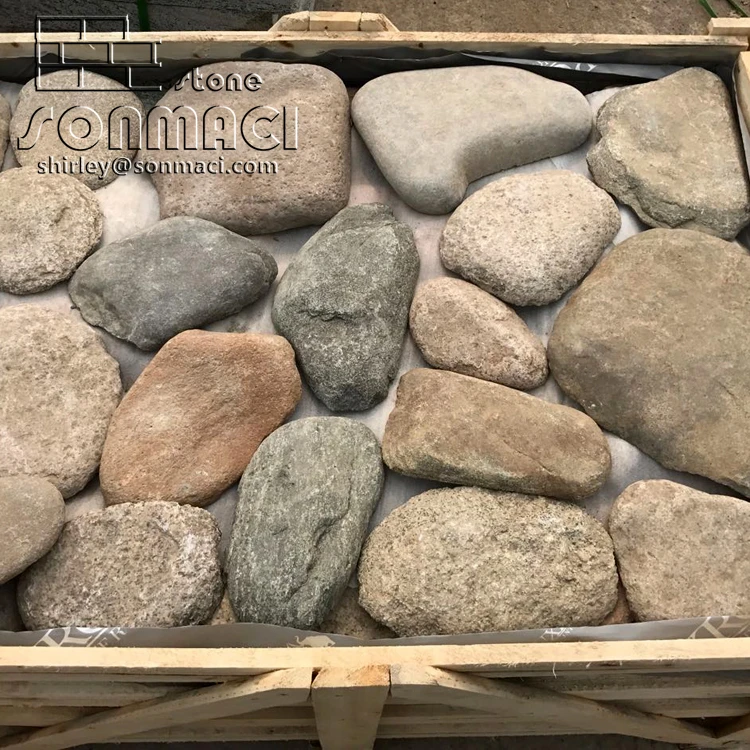
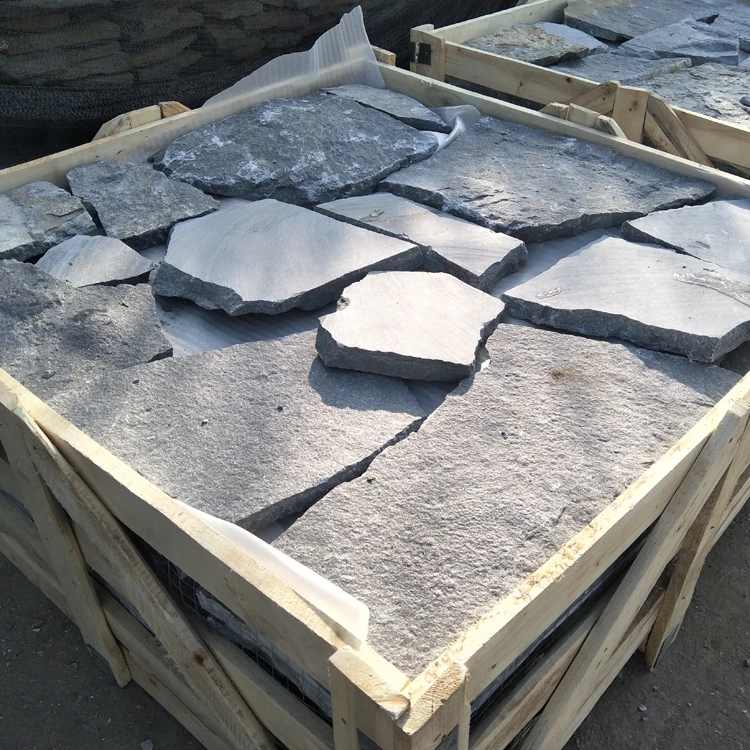
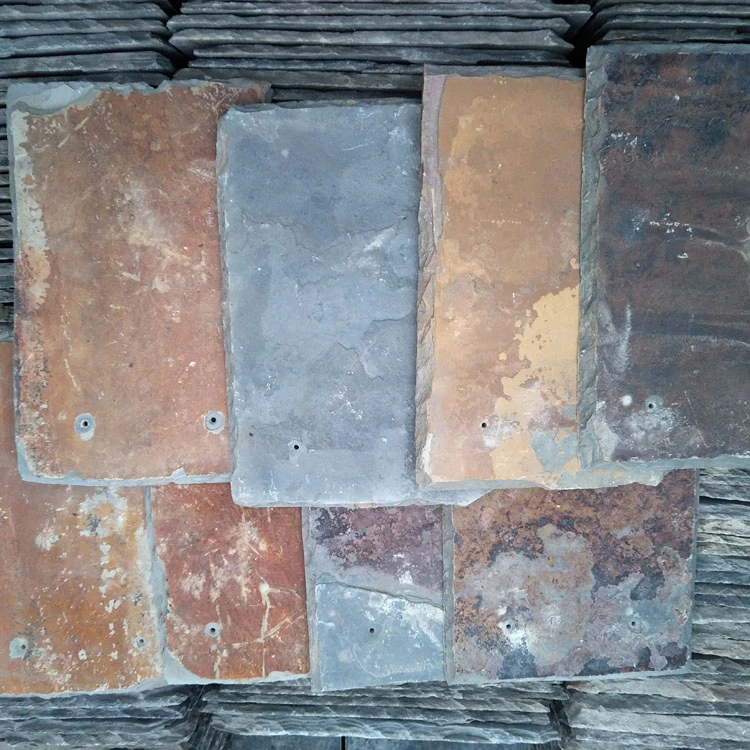
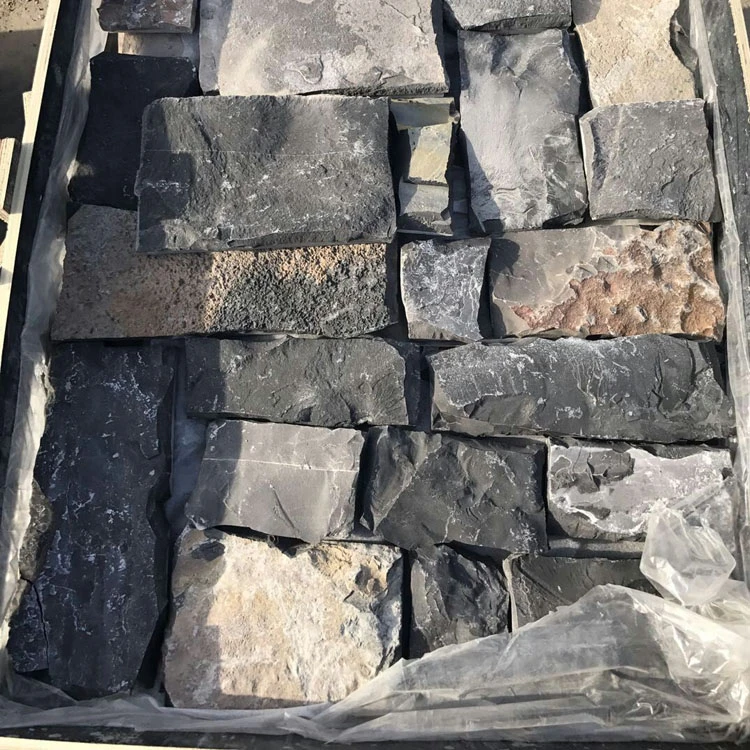
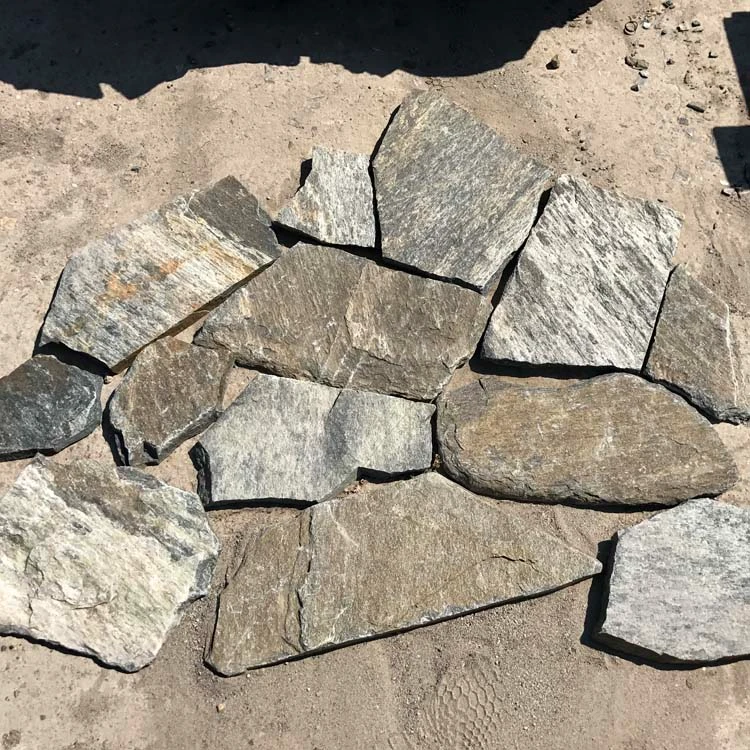
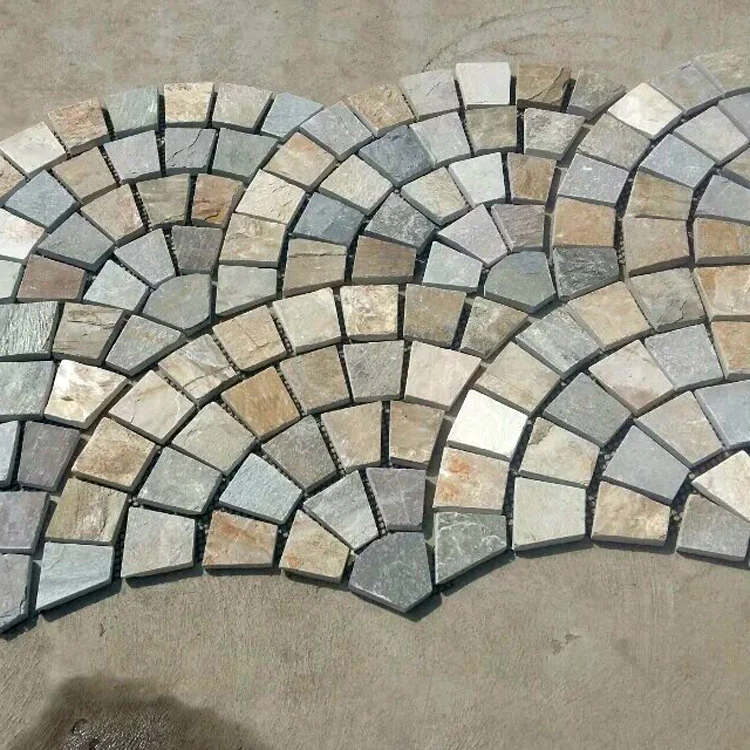
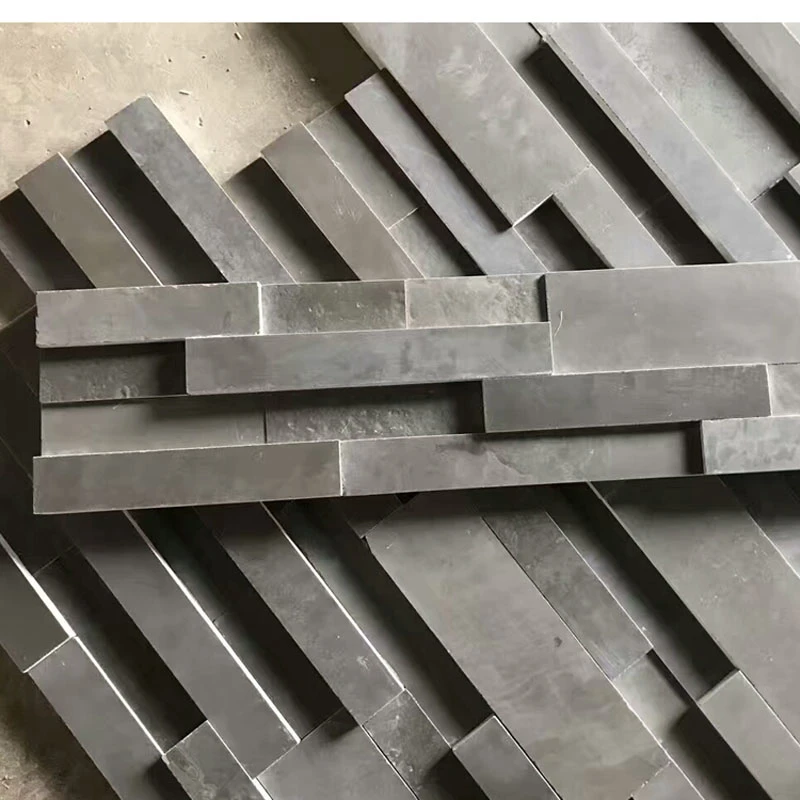
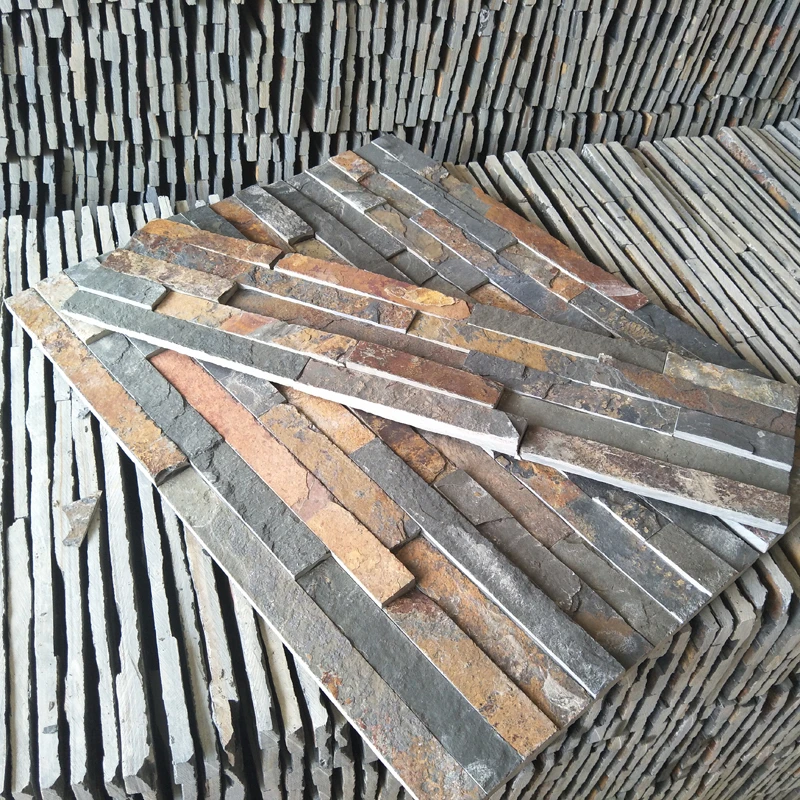
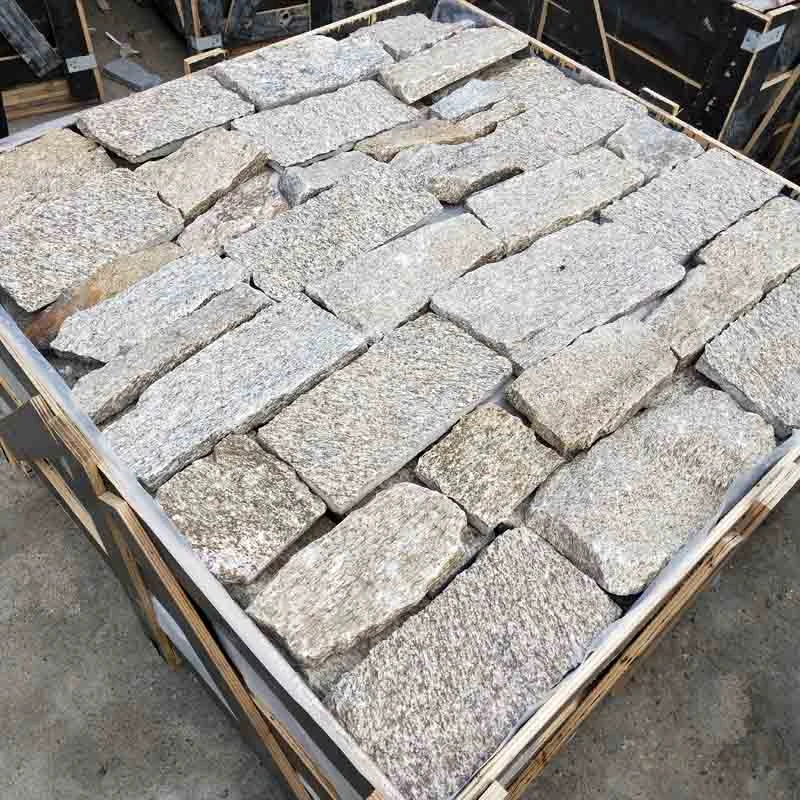
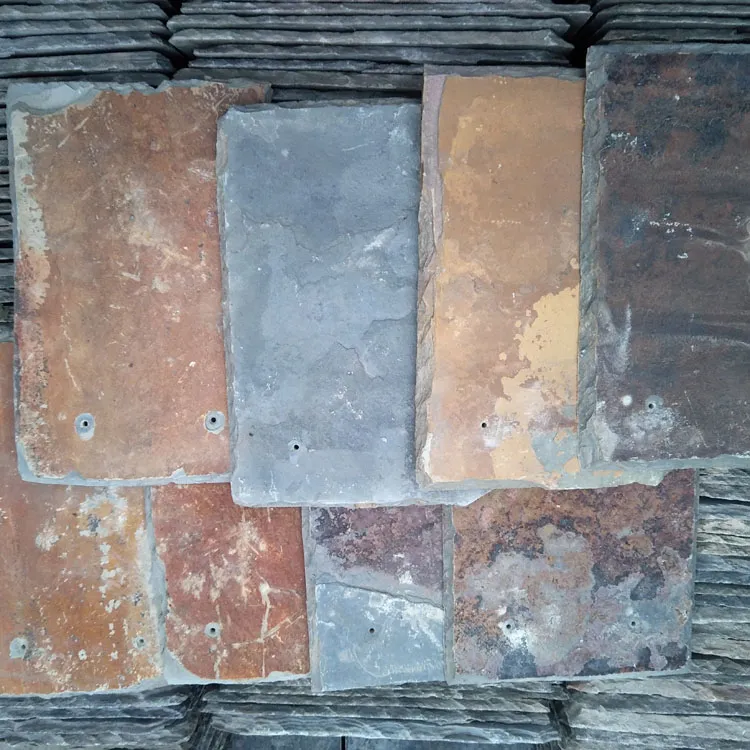
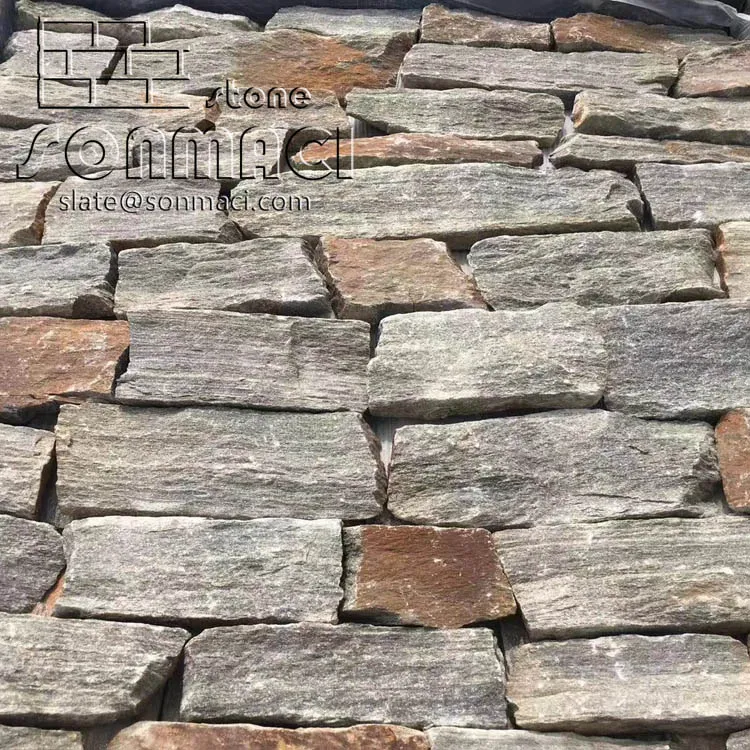
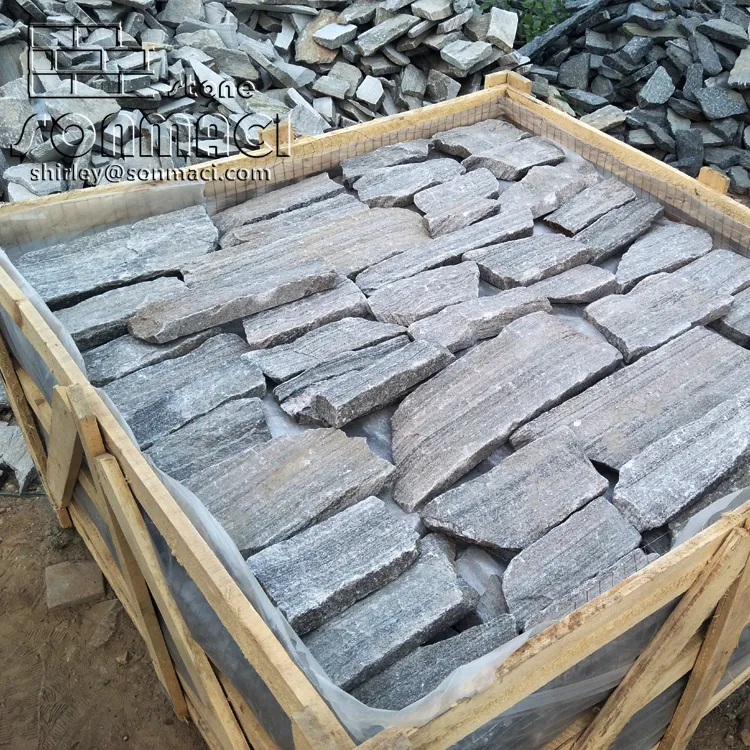
Simply put, castle rock stone veneer is a type of manufactured or natural stone panel designed to replicate the look and feel of large, rugged castle rocks but fashioned in thinner, lighter segments suitable for wall applications. Typically, these veneers are 1–2 inches thick and vary widely in shape and color, capturing the distinctive texture of quarried castle rock but with easier handling.
In modern industry terms, this veneer is leaning heavily towards modular wall cladding systems that provide not only aesthetics but protection against moisture and temperature fluctuations. Humanitarian needs have even found an echo here: when disaster-stricken areas demand housing that’s quick to erect but sturdy, stone veneer facades combine durability with a “homey” look that concrete blocks often lack.
Core Components of Castle Rock Stone Veneer
1. Durability
Veneer's resistance to weather, UV radiation, and freeze-thaw cycles is vital. Most castle rock stone veneers undergo rigorous testing ensuring that their structure holds up for decades without cracking or significant fading.
2. Lightweight Installation
Compared to full stone blocks, the veneer is far lighter, easing transport and structural load. This quality is critical not only for high-rise construction but also for retrofitting old buildings that can't support heavy cladding.
3. Cost Efficiency
While natural stone veneer isn’t the cheapest option outright, its reduced labor and installation time often balance the scales. In many projects, the overall cost savings become evident when factoring in reduced scaffolding time and quicker weatherproofing.
4. Visual Authenticity
One of the biggest draws is the veneer’s ability to convincingly mimic the ruggedness and varied pattern of stones used in historic castles or natural formations, enhancing property value and curb appeal.
5. Environmental Impact
Using thinner stone cuts or manufactured panels reduces quarrying waste and lowers transportation emissions, aligning with green building certifications like LEED or BREEAM.
6. Maintenance
These veneers require minimal upkeep aside from occasional cleaning and sealant renewal, making them appealing to property owners who prefer long-term hassle-free solutions.
Castle Rock Stone Veneer in Action: Global Applications & Use Cases
From bustling urban centers in Europe to rustic lodges in North America, castle rock stone veneer is everywhere—but the versatility surprises many.
- Historic Renovations: Restoration projects in the UK and France value the veneer to replace damaged stonework while preserving the heritage look.
- Commercial Buildings: Office parks and hotels in the southwestern USA adopt stone veneers for facades that communicate solidity and warmth.
- Post-Disaster Relief: NGOs implementing semi-permanent housing in quake-hit regions appreciate the ease of stone veneer installation combined with durability.
- Residential Construction: Suburban homes in Australia and Canada increasingly choose castle rock veneers to add distinctive curb appeal without hefty structural modifications.
In real terms, this translates to faster project turnaround, fewer transport challenges, and buildings that blend into natural landscapes rather than stark concrete boxes. I’ve noticed a tendency for builders in remote industrial zones (think mining camps or energy installations) to go for these veneers because they lend an almost “settled” look to otherwise harsh settings.
Product Specification Table: Typical Castle Rock Stone Veneer
| Specification | Details |
|---|---|
| Material Type | Natural stone / Engineered stone composite |
| Thickness | 1 – 2 inches (25 – 50 mm) |
| Weight | Approximately 15 – 25 lbs per sq ft |
| Color Range | Earth tones: grays, browns, tans, reds |
| Installation Method | Mortar or mechanical fixing systems |
| Durability (Weather Resistance) | Over 50 years typical lifespan |
Vendor Comparison: Leading Castle Rock Stone Veneer Suppliers
| Supplier | Material Options | Price Range (per sq ft) | Lead Time | Sustainability Certifications |
|---|---|---|---|---|
| StoneCraft Inc. | Natural & engineered blends | $8 – $12 | 2–4 weeks | LEED, ISO 14001 |
| CastleStone Solutions | Primarily natural quarried | $10 – $15 | 3–6 weeks | BREEAM preferred supplier |
| EcoStone Panels | Engineered stone composites | $7 – $11 | 1–3 weeks | Cradle to Cradle Certified |
Advantages & Long-Term Value of Castle Rock Stone Veneer
Many architects I’ve chatted with praise castle rock stone veneer for its blend of practicality and beauty. On a logical level, it slashes build times while staying resilient against harsh climates — from blistering sun to relentless rain. Emotionally, homes or offices clad in these veneers carry a sort of earthy dignity: they feel grounded, timeless, and welcoming.
It’s also worth highlighting the sustainability edge. By sourcing thinner stone pieces, the quarry impact lessens. Installation avoids heavy machinery, and because veneers reduce structural weight, buildings need less reinforcement — all good news for carbon footprints.
Take, for example, a community center rebuilt in a hurricane-prone area using these veneers. Beyond their weather resistance, the stone façade offers a reassuring aesthetic to locals — a symbolic fortress in turbulent times.
Looking Ahead: Future Trends & Innovations
With advances in materials science, we’re seeing the rise of hybrid veneers combining natural stone dust with eco-friendly resins. These not only match the look of authentic castle rock but reduce environmental strain further. Plus, digital fabrication techniques like CNC cutting enable customized stone panels that fit complex architectural forms perfectly.
Green energy integration is also on the horizon. Imagine stone veneers embedded with phase-change materials to regulate building temperatures or paired with photovoltaic cells to create energy-generating walls that still look natural.
Challenges & Practical Solutions
Of course, nothing is perfect. Some challenges include potential moisture ingress behind veneers if not installed properly, or occasional color fading in some engineered products when exposed long-term. However, climate-adapted installation methods and improved sealants greatly reduce these risks.
Expert masons often recommend layering with breathable membranes and regular maintenance checks, especially in wet climates. Manufacturers are also stepping up warranties and offering training programs to improve install quality worldwide — a crucial step in wider adoption.
FAQ: Frequently Asked Questions About Castle Rock Stone Veneer
- Q: How does castle rock stone veneer compare to traditional full stone walls in terms of durability?
A: Castle rock stone veneers are generally very durable when properly installed but naturally don’t have the structural strength of full stone walls. They serve as protective cladding and aesthetic enhancement rather than load-bearing elements. Expect 50+ years lifespan with low maintenance. - Q: Is castle rock stone veneer suitable for seismic zones?
A: Yes, because of its lightweight nature, stone veneer is better suited to seismic areas than heavy masonry. When combined with appropriate substrates and flexible installation systems, it offers resilience against earthquakes. - Q: Can I install castle rock stone veneer myself, or should I hire professionals?
A: While DIY is possible if you have masonry skills, professional installation is recommended to ensure proper waterproofing, adhesion, and long-term performance. - Q: Does castle rock stone veneer require special maintenance?
A: Mostly, veneers need occasional cleaning and resealing every 5–10 years, depending on exposure. Avoid pressure washing, which can damage mortar joints. - Q: How environmentally friendly is castle rock stone veneer?
A: It’s considered more eco-friendly than full stone blocks due to less quarry material used, reduced transport emissions, and less structural loading—key factors in sustainable building certifications.
Wrapping It Up: Last Thoughts on Castle Rock Stone Veneer
Castle rock stone veneer is far more than just an aesthetic choice. It represents a practical, sustainable, and versatile approach to modern building that respects tradition while embracing innovation. Whether you’re constructing a cozy home, reimagining a historical façade, or outfitting a commercial space, this veneer offers a balance of beauty and function that few others achieve.
Thinking about your next project? I encourage you to explore more about castle rock stone veneer—you might find it’s exactly the right fit for blending style, durability, and sustainability with relative ease.
References:
1. World Bank Urban Development Report, 2023
2. LEED Certification Guidelines, US Green Building Council
3. ISO 14001 Environmental Management Standards
4. Wikipedia: Veneer (Architecture)