Understanding the Cost of Building Stone: Global Insights and Practical Guidance
Understanding the Cost of Building Stone: Why It Matters Globally
If you’ve ever paused to wonder why some buildings look timeless whereas others seem to fade quickly, a big part of that story is the stone beneath their surface—and naturally, the cost of building stone. Globally, the price of construction materials like stone isn’t just an economic figure. It affects infrastructure, disaster recovery, urban planning, and even cultural heritage preservation. Getting a grip on the costs and what drives them is crucial whether you’re an architect, a developer, or a humanitarian organization aiming to build sustainable, resilient spaces.
Today, the global construction stone market is valued at billions of dollars and growing steadily. According to the United Nations Environment Programme, natural stone extraction and processing significantly contribute to regional economies but also present challenges around sustainability and transport logistics. Frankly, managing the balance between cost and quality is one puzzle that keeps engineers and planners awake, especially in fast-developing or disaster-affected regions.
Defining the Cost of Building Stone
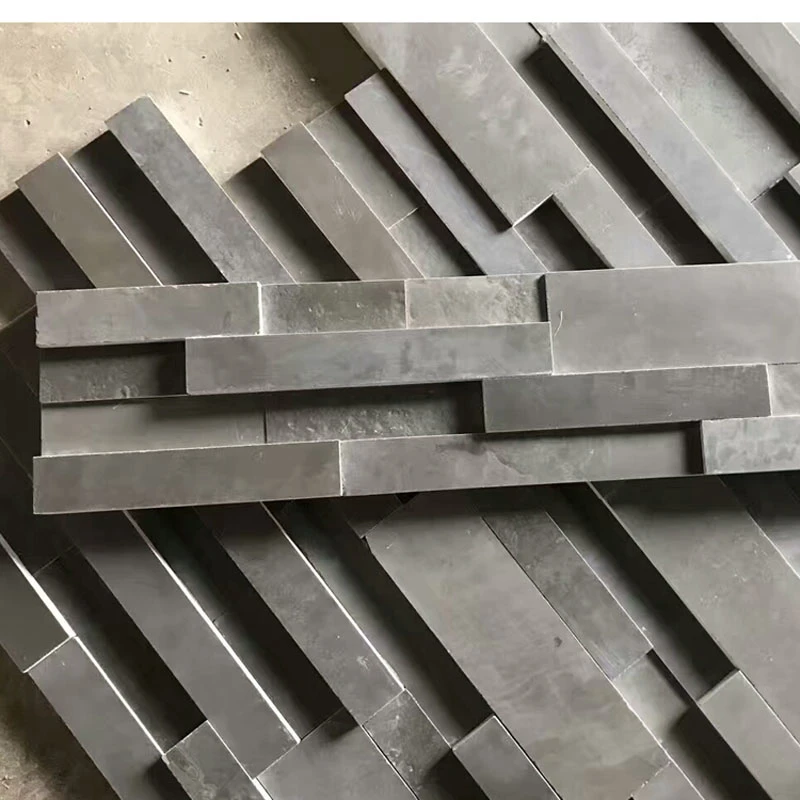
Simply put, the cost of building stone is the total expense associated with sourcing, processing, transporting, and installing natural or engineered stone materials used in building construction. It’s not just the sticker price at the quarry but the holistic cost including handling, waste, and long-term maintenance considerations. This cost impacts everything from affordable housing developments to historic monument restoration.
In modern industry, stone serves as a durable, reliable material facilitating everything from resilient housing in remote areas to elegant facades in urban centers. Organizations working in humanitarian aid, for instance, rely on cost-effective stone to create solid shelters that offer long-term security to vulnerable populations.
Key Factors Affecting the Cost of Building Stone
1. Material Type and Durability
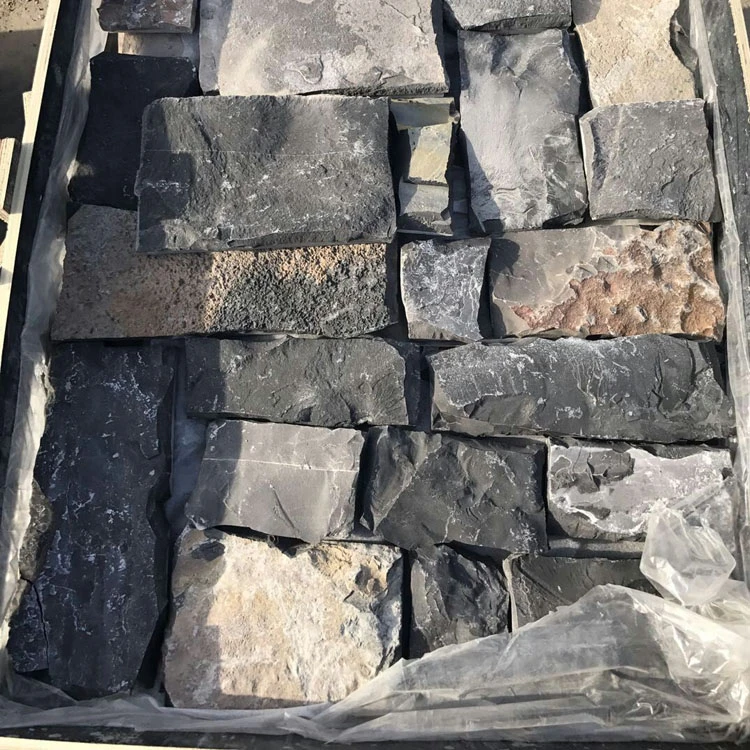
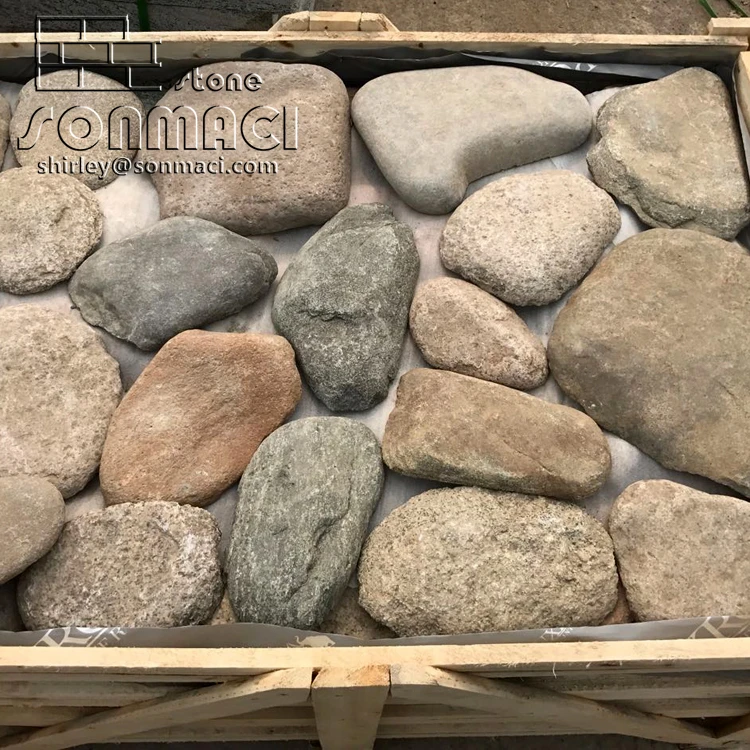
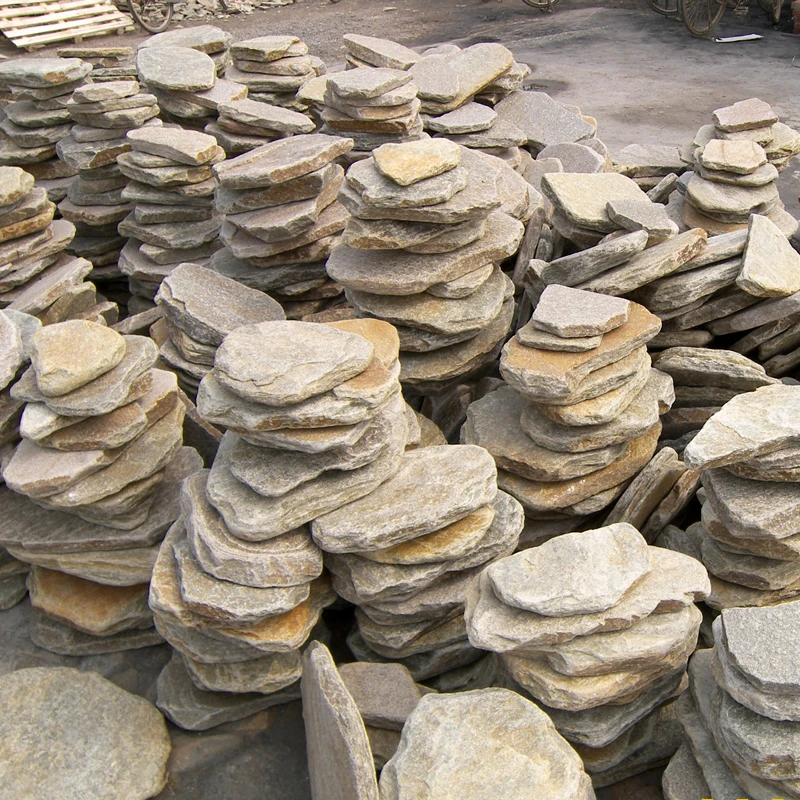
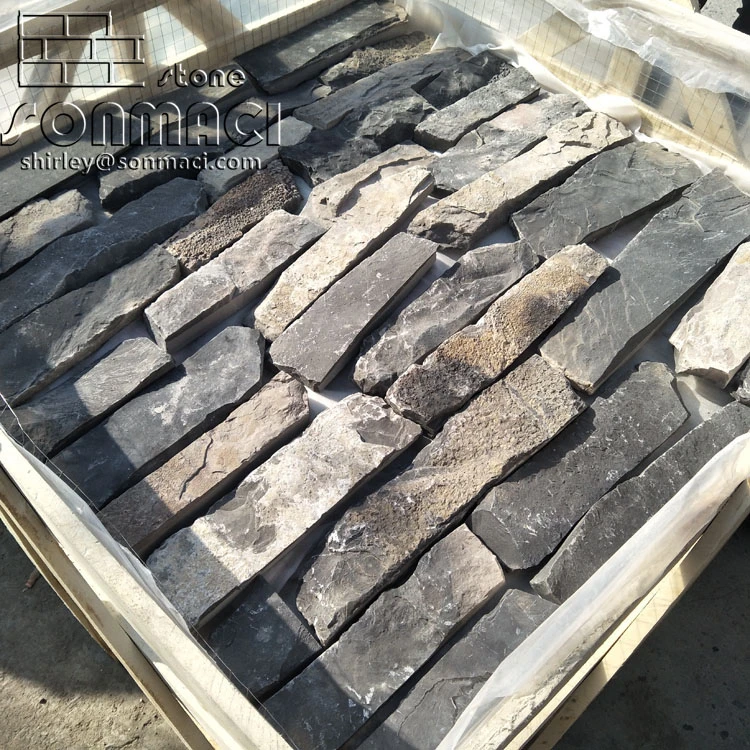
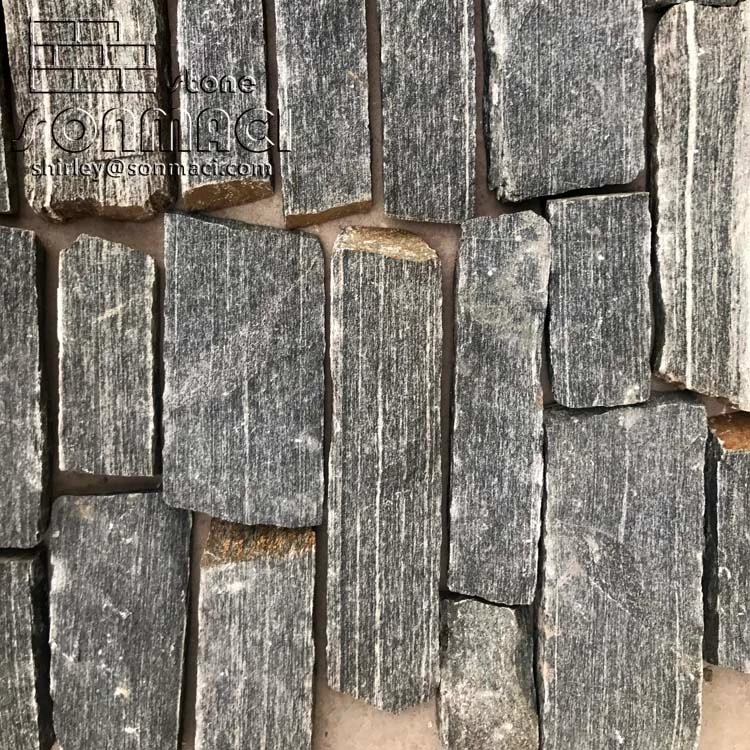
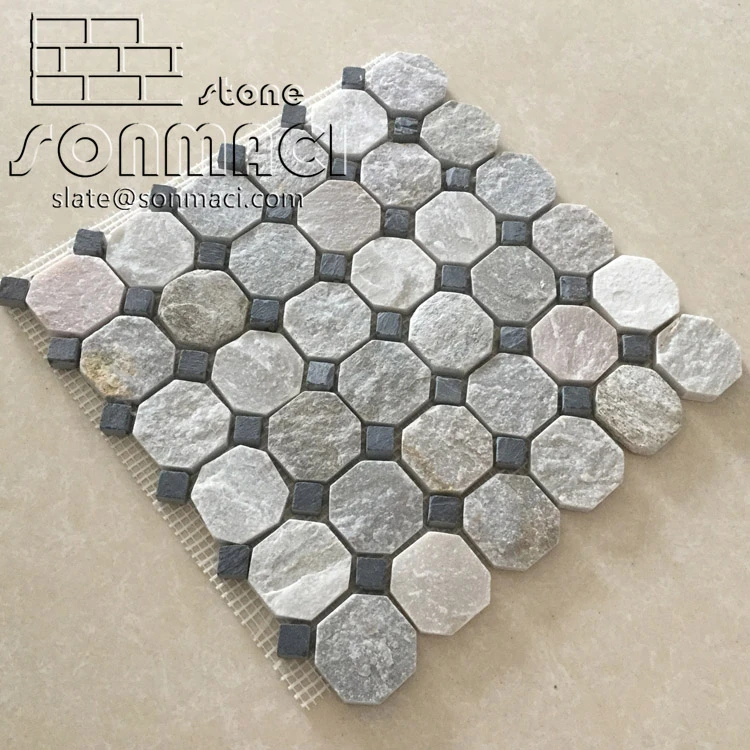
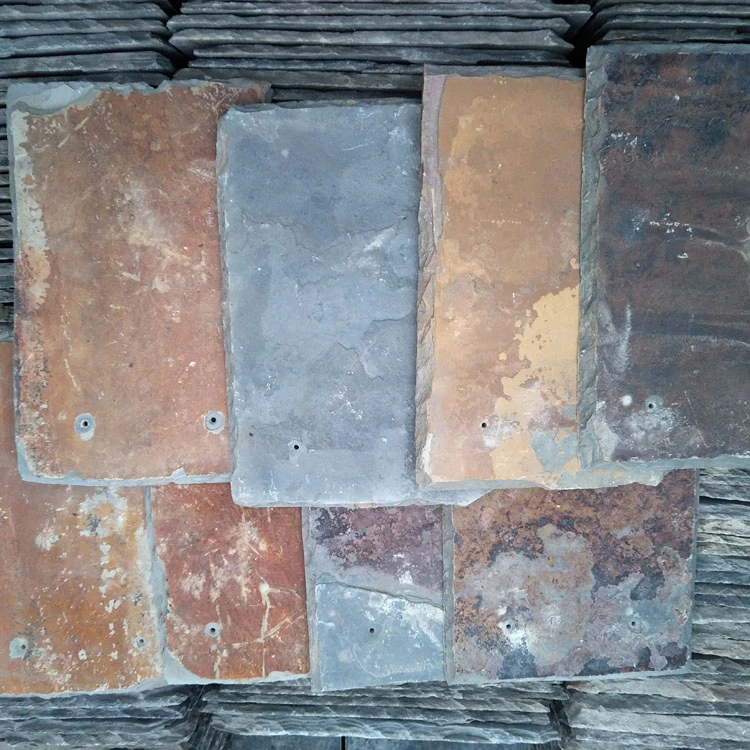
Granite, limestone, marble, sandstone—the type of stone largely determines the initial and lifetime costs. Granite, for example, tends to be more expensive due to its hardness and durability but can significantly reduce repair and replacement expenses. Durability directly influences overall value, especially in climates prone to harsh weather.
2. Extraction and Processing Techniques
The technology used to quarry and finish stone affects its cost. Automated cutting lines or eco-friendly extraction methods might add upfront fees but can improve precision and reduce waste, leading to savings down the line. Local quarries often offer lower prices, but where quality control is tight, costs balance out.
3. Transportation and Accessibility
Stone is heavy, and shipping it over long distances obviously spikes costs. Remote infrastructure projects or island communities sometimes face steep freight charges. On the other hand, sourcing local stone supports nearby economies and cuts down carbon footprint, which increasingly factors into decision-making.
4. Installation and Labor Costs
Stone installation requires skilled labor. Depending on regional expertise, labor can be a significant factor in final building stone costs. Some stones are easier to work with, affecting installation time and complexity.
5. Sustainability and Environmental Compliance
With rising environmental standards, quarries and stone suppliers must comply with sustainability certifications and regulations. These can increase costs but often yield long-term benefits such as responsible resource management and corporate social responsibility—which customers appreciate more and more.
Global Applications and Use Cases
From the bustling cities of Europe to remote villages in Asia, the cost of building stone shapes projects everywhere. In Europe, where historical preservation is paramount, sourcing authentic, high-quality stone is expensive but non-negotiable for restoration work. Meanwhile, NGOs operating in post-disaster situations (think after earthquakes or floods) often select durable yet affordable natural stone for rapid, permanent shelter construction rather than temporary plastic alternatives.
Industrial zones in Africa, where infrastructure development is vital for economic growth, frequently rely on locally sourced stone to build roads, retaining walls, and factories—balancing cost with local availability and soil conditions. The Middle East’s booming urban projects place strong emphasis on decorative marble and granite, influencing regional cost structures.
Product Specification Table: Typical Building Stones
| Stone Type | Average Cost per sq. ft. (USD) | Durability (Years) | Typical Use |
|---|---|---|---|
| Granite | $50 - $70 | 50+ years | Countertops, Facades, Pavements |
| Limestone | $40 - $60 | 40+ years | Walls, Flooring |
| Marble | $60 - $100 | 30+ years | Flooring, Decorative Features |
| Sandstone | $30 - $50 | 25+ years | Paving, Cladding |
Vendor Comparison: Why Choice Matters
| Vendor | Average Cost Index | Sustainability Certification | Lead Time (weeks) |
|---|---|---|---|
| StoneCo International | High | Yes - ISO 14001 | 4 - 6 |
| Global Rock Supplies | Medium | Pending | 3 - 5 |
| EcoStone Works | Medium-High | Yes - LEED Compliant | 5 - 7 |
Advantages and Long-Term Value of Investing in Building Stone
Building stone isn’t just about upfront cost—it’s an investment in durability, sustainability, and even aesthetics that pay off over decades. Cost savings from less frequent repairs, and the environmental benefits of natural materials, contribute to better social outcomes. Safe, durable homes built with quality stone provide dignity and security, especially where disaster resistance matters.
Emotionally speaking, stone connects us to tradition and nature; logically, it reduces maintenance budgets and supports green initiatives. This combination fuels trust among project stakeholders, whether they’re governments or NGOs. There’s something reassuring about stone that feels permanent in a fast-changing world.
Future Trends: Innovations Shaping the Cost of Building Stone
Oddly enough, the future of building stone isn’t just about quarrying bigger blocks or cheaper materials but about smart technology and sustainability. Automated cutting, digital modeling, and additive manufacturing support precision and waste reduction. There's also a rising shift toward carbon-neutral supply chains and "green stones" produced with lower-impact methods.
Policies aimed at reducing environmental footprints nudge suppliers and end-users to consider lifecycle costs, not just purchase price. I suppose in the next decade, digital transformation—like blockchain for provenance—or integrated IoT sensors in building materials might redefine how we view and manage stone costs.
Challenges & Solutions
Transportation costs and environmental restrictions are two big hurdles in many regions. Sometimes, you have great stone nearby but lack skilled labor, or conversely, craftsmen but no affordable local sources. The solution? Collaborative models where vendors, governments, and NGOs work together to optimize sourcing and training—and leverage advances in logistics and modular construction.
Innovative approaches like prefabricated stone panels and hybrid stone-composite materials also help cut costs and expand design possibilities without sacrificing quality or heritage value.
Frequently Asked Questions About Cost of Building Stone
- Q: How does local sourcing influence the cost of building stone in remote projects?
A: Local sourcing often reduces transportation and handling costs significantly, but availability and quality vary. Balancing these factors with project needs is key to controlling the overall budget. - Q: Is natural stone more cost-effective than engineered stone over time?
A: Natural stone typically offers superior longevity and weather resistance, potentially lowering lifecycle costs despite higher initial price points. Engineered stone can offer uniformity and ease of installation but may require replacement sooner. - Q: What environmental certifications affect the cost of building stone?
A: Certifications like ISO 14001 or LEED compliance ensure sustainable extraction and processing. While they can increase upfront costs, they improve market acceptance and reduce environmental impact. - Q: How do installation labor costs vary by region?
A: Labor costs depend on local skill availability and wage levels. In areas with less experience in stone installation, costs may rise due to longer project duration or the need for specialized training. - Q: Can NGOs import affordable building stone internationally?
A: Yes, but they must consider import regulations, tariffs, and shipping logistics. Partnering with vendors experienced in international supply chains helps optimize cost and delivery times.
Conclusion: Why Understanding Cost of Building Stone Matters
At the end of the day, the cost of building stone is much more than dollar signs; it represents a blend of tradition, innovation, economics, and sustainability. Whether you’re constructing a resilient home in a cyclone-prone area or preserving a centuries-old monument, understanding these costs shapes success, safety, and dignity. For more insights or detailed planning, I invite you to visit cost of building stone.
Thanks for sticking with me through this deep dive—I suppose now stone feels less like a cold slab and more like a crucial partner in building our world.